9 Unique Living Room Ideas That Stand Out
Function always comes first in a living room, even when people pretend it doesn’t. The way furniture flows, how storage works, and whether the space feels usable day to day all matter more than trendy finishes. When those basics fall into place, style becomes easier instead of forced.
Most living rooms fail because they copy ideas without thinking about how people actually live. That’s usually when rooms look good in photos but feel awkward in real life. The ideas below focus on layouts and details that work long-term, not just for a quick refresh.
I’ve tried, tweaked, and scrapped more living room setups than I care to admit. These are the ones that consistently feel good to live with, not just look at.
1. Zoned Seating That Breaks the One-Sofa Rule
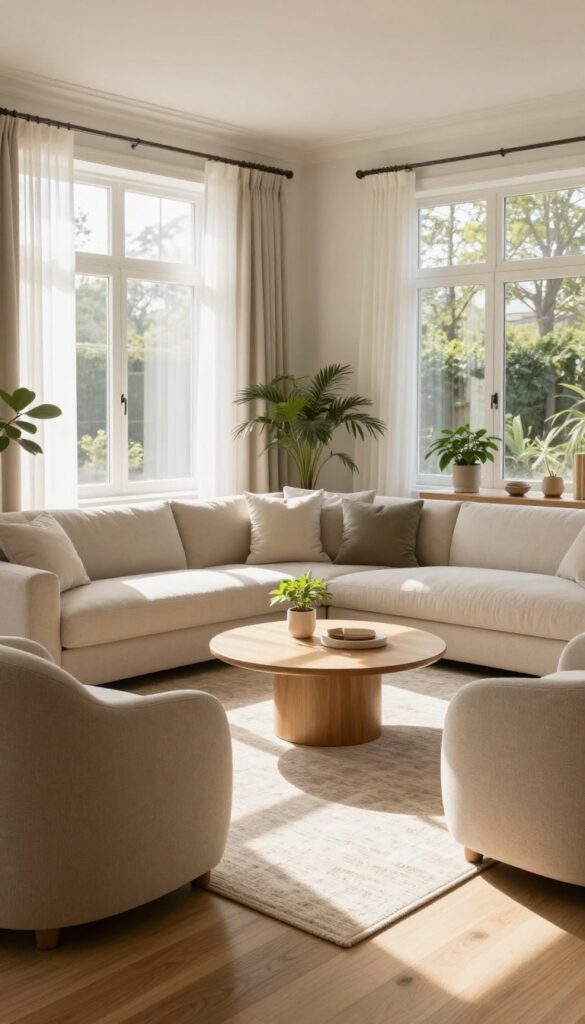
Most living rooms default to a single sofa facing a TV, even when the room could handle more personality. That setup works fine, but it often wastes space or makes the room feel stiff. Creating multiple seating zones gives the room more purpose without making it feel crowded. I’ve found this especially useful in longer or open spaces where one couch feels lost.
Instead of centering everything around the TV, the room starts working around how people actually sit and move. One area can feel conversational while another stays more relaxed or quiet. It also makes the room feel more intentional instead of thrown together.
Why This Works
Breaking up seating improves flow and gives each section a job. It stops the room from feeling like a waiting area and makes it more social. The space ends up feeling larger because it’s visually divided in a smart way.
How to Do It
- Use two smaller sofas or a sofa and two chairs instead of one large couch
- Angle at least one seating piece slightly instead of lining everything up
- Anchor each zone with a rug or coffee table
- Keep walkways clear so nothing feels blocked
Style & Design Tips
Stick to a consistent color palette so the zones feel connected. Mixing shapes works well, like pairing a boxy sofa with rounded chairs. Avoid pushing all furniture against walls, which makes the room feel hollow.
Pro Tip or Budget Hack
If buying more furniture isn’t an option, use a bench or upholstered ottoman as a secondary seating area. They’re cheaper and easy to move when you want a change.
2. Statement Lighting That Acts Like Decor
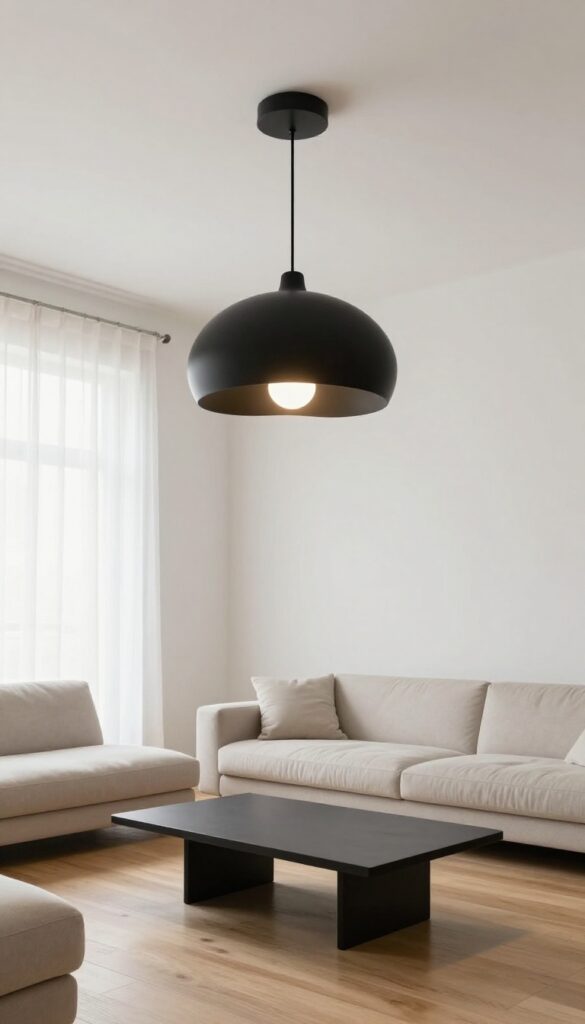
Lighting often gets treated as an afterthought, which is a mistake. The right light fixture can carry the entire room without needing extra decor. I’ve swapped out plain ceiling lights for bold fixtures, and the difference is immediate.
This works especially well if the rest of the room stays fairly neutral. A standout light becomes the focal point without cluttering the space.
Why This Works
Lighting draws the eye upward and adds depth to the room. A strong fixture gives structure and helps define the style without overwhelming furniture choices.
How to Do It
- Choose one main statement light instead of multiple small ones
- Keep the scale proportional to the room size
- Center it over the main seating area
- Use warm bulbs to keep the space inviting
Style & Design Tips
Matte black, brass, or woven fixtures tend to age better than trendy finishes. Avoid anything too ornate unless the rest of the room is simple. Let the light be the star.
Pro Tip or Budget Hack
Pendant lights made for dining areas often work great in living rooms and usually cost less than “living room” fixtures.
3. Built-In Style Storage That Doesn’t Look Built-In
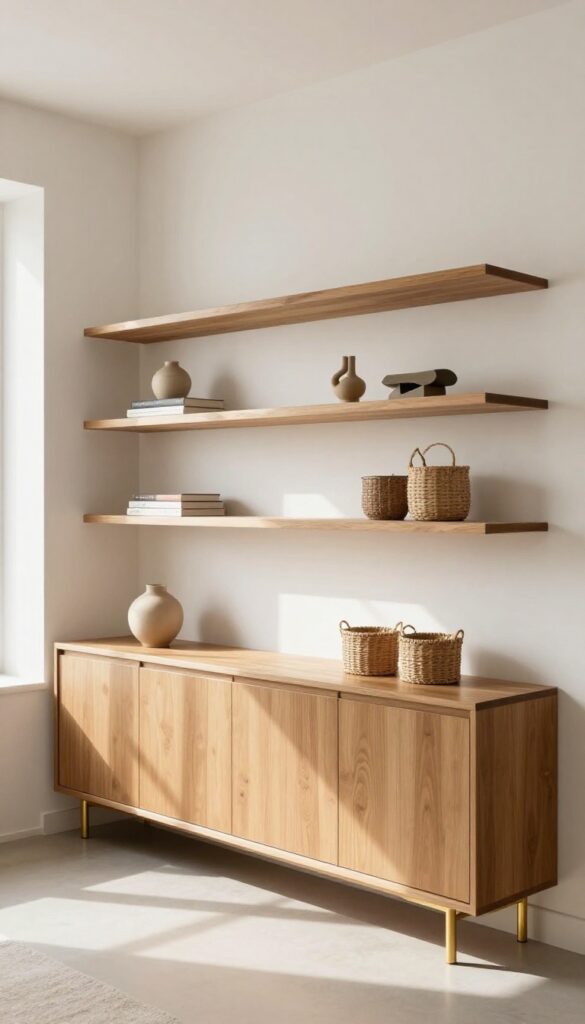
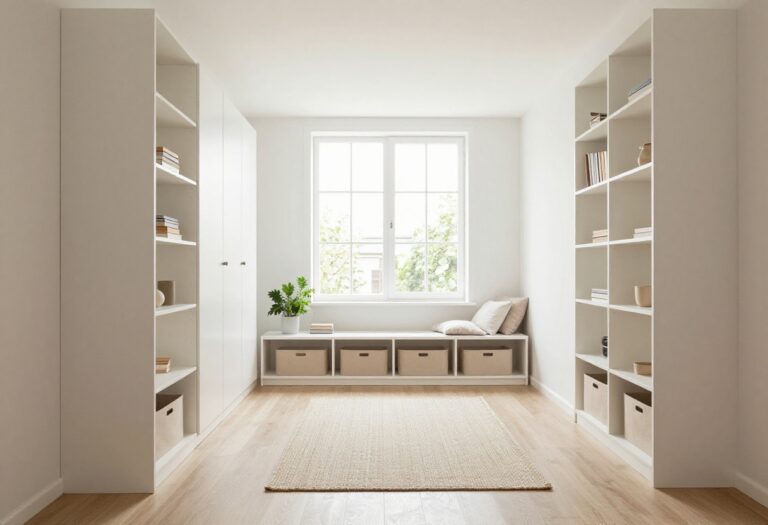
Storage is necessary, but bulky shelves can kill the vibe. The trick is making storage look intentional instead of practical. I’ve found that mixing closed and open storage keeps things balanced.
This approach works well for hiding clutter while still showing personality. It also makes smaller rooms feel more polished.
Why This Works
The eye needs variation. Closed cabinets give visual rest while open shelves add character. Together, they prevent the room from feeling busy or boring.
How to Do It
- Combine cabinets with floating shelves
- Use baskets or bins for messy items
- Keep open shelving minimal
- Style shelves with odd numbers of objects
Style & Design Tips
Stick to one or two materials for shelves to avoid chaos. Wood and metal usually pair well together. Avoid overcrowding shelves with tiny decor pieces.
Pro Tip or Budget Hack
IKEA cabinets with upgraded hardware can look custom for a fraction of the price.
4. A Feature Wall That Isn’t Paint or Wallpaper
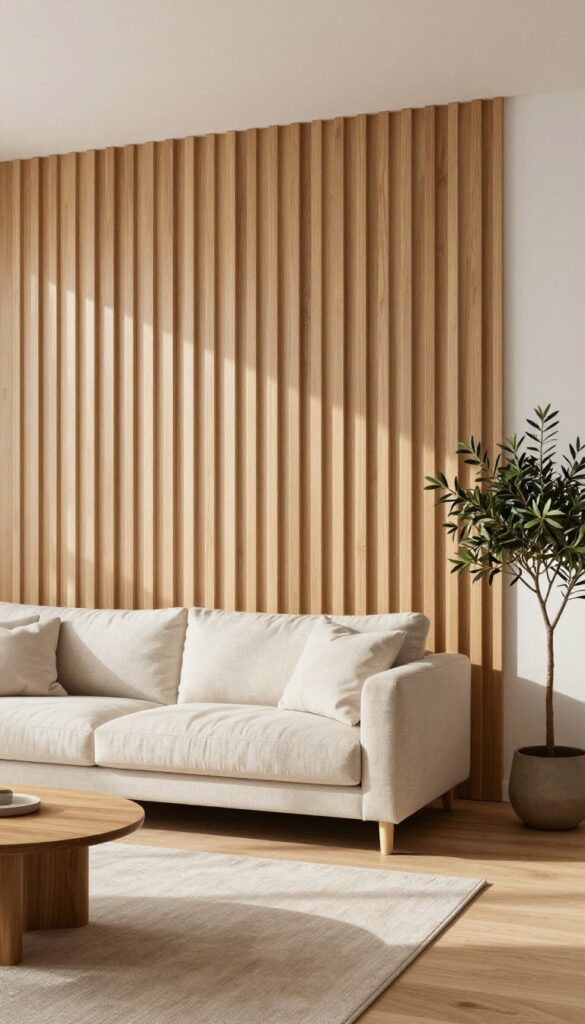
Accent walls don’t need bold colors to stand out. Texture does the job better and lasts longer visually. Wood slats, limewash, or subtle paneling add depth without overpowering the room.
I’ve used textured walls to fix rooms that felt flat, and it always works better than another coat of paint.
Why This Works
Texture adds dimension and interest without competing for attention. It gives the room a focal point while staying neutral enough to age well.
How to Do It
- Choose one wall only
- Keep the color neutral
- Use vertical lines to add height
- Balance with simple furniture
Style & Design Tips
Avoid high-contrast patterns that feel trendy. Subtle texture ages better and feels more expensive.
Pro Tip or Budget Hack
Peel-and-stick wall panels are surprisingly good now and renter-friendly.
5. Low Furniture for a Modern, Relaxed Feel
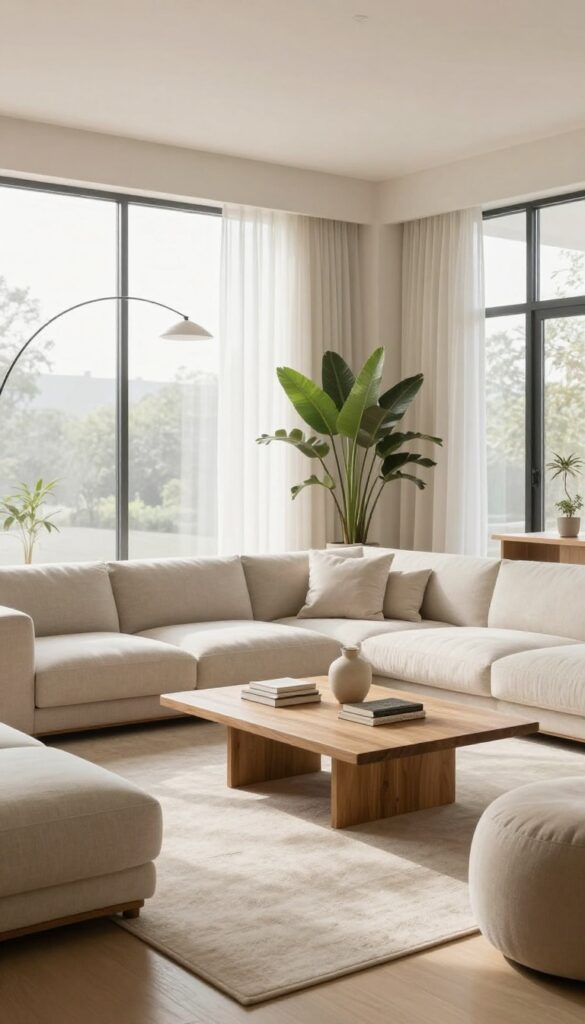
Low-profile furniture changes the whole mood of a living room. It makes ceilings feel taller and the room feel calmer. I switched to a low sofa once and never went back.
This style works especially well in smaller spaces or modern layouts.
Why This Works
Lower furniture creates visual breathing room. It also makes the space feel more grounded and less cluttered.
How to Do It
- Choose sofas with low backs
- Use low coffee tables
- Keep decor closer to eye level
- Avoid tall, bulky cabinets
Style & Design Tips
Balance low furniture with one tall element like a plant or floor lamp. That contrast keeps the room from feeling flat.
Pro Tip or Budget Hack
Floor cushions or poufs can replace extra chairs and cost much less.
6. A Mixed-Material Coffee Table Setup
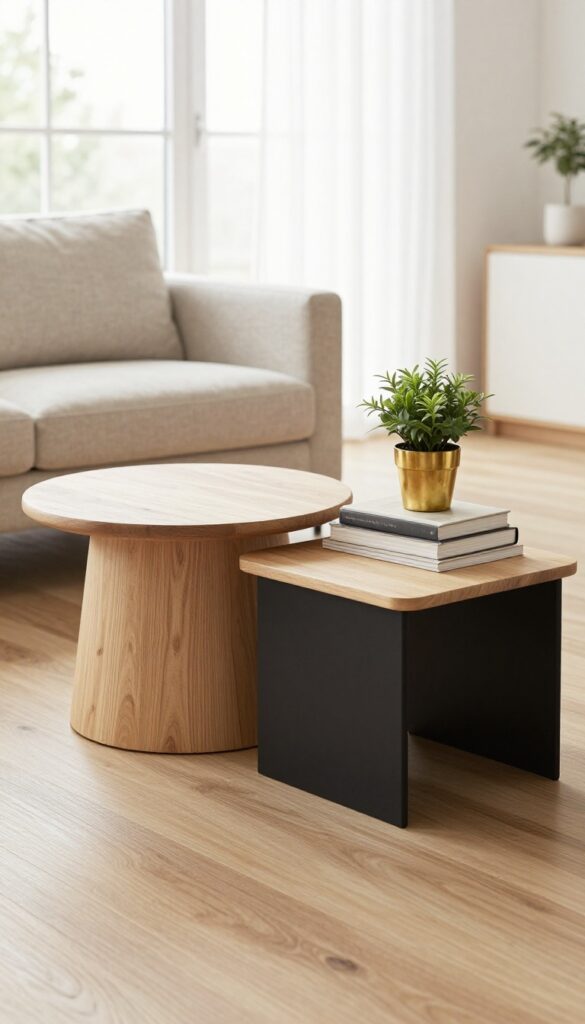
A single coffee table can feel boring or too heavy. Mixing smaller tables gives flexibility and visual interest. I love using a combination of wood and metal for balance.
It also makes rearranging easier when hosting or cleaning.
Why This Works
Different materials break up visual weight. Smaller tables feel lighter and adapt better to changing needs.
How to Do It
- Use two or three tables of varying heights
- Mix shapes like round and square
- Keep finishes cohesive
- Leave space for movement
Style & Design Tips
Avoid mixing too many colors. Stick to one main tone and one accent material.
Pro Tip or Budget Hack
Thrift stores often have solid wood side tables that look great when refinished.
7. Art That Feels Personal, Not Trendy
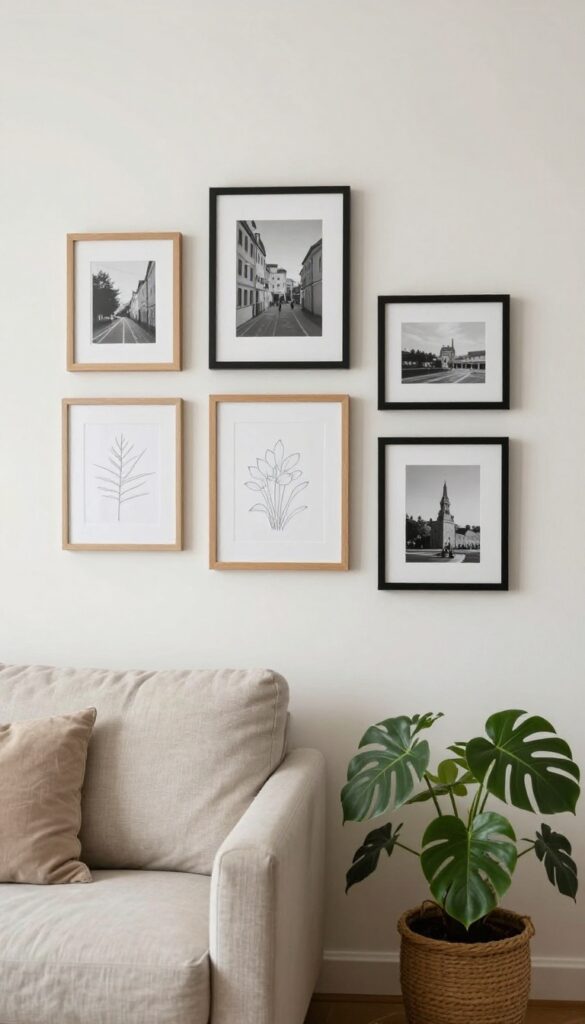
Generic wall art dates fast. Personal pieces always feel better, even if they’re simple. I’ve framed travel photos, sketches, and even fabric scraps with great results.
The goal is meaning, not perfection.
Why This Works
Personal art creates connection and warmth. It also makes the room feel unique instead of copied.
How to Do It
- Choose pieces with personal value
- Stick to consistent frames
- Hang at eye level
- Leave breathing space between pieces
Style & Design Tips
Black or wood frames keep things cohesive. Avoid mixing too many styles in one wall.
Pro Tip or Budget Hack
Print photos in black and white to make mismatched images look cohesive.
8. Layered Rugs for Depth and Comfort
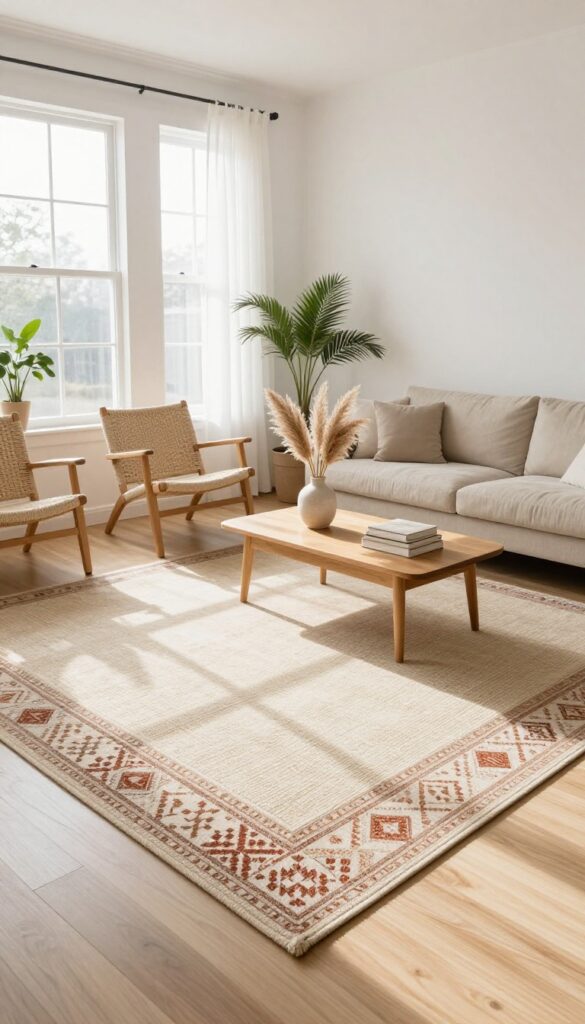
One rug often isn’t enough, especially in large spaces. Layering rugs adds warmth and texture while defining zones. It’s one of my favorite tricks for awkward layouts.
It also lets you use smaller rugs in creative ways.
Why This Works
Layering adds depth and visual interest. It also makes large rooms feel cozier without adding furniture.
How to Do It
- Start with a neutral base rug
- Add a smaller patterned rug on top
- Keep edges visible
- Align with seating areas
Style & Design Tips
Flatweave rugs work best on top. Avoid thick piles that bunch up.
Pro Tip or Budget Hack
Use an outdoor rug as the base layer for durability and cost savings.
9. Flexible Furniture That Adapts Over Time
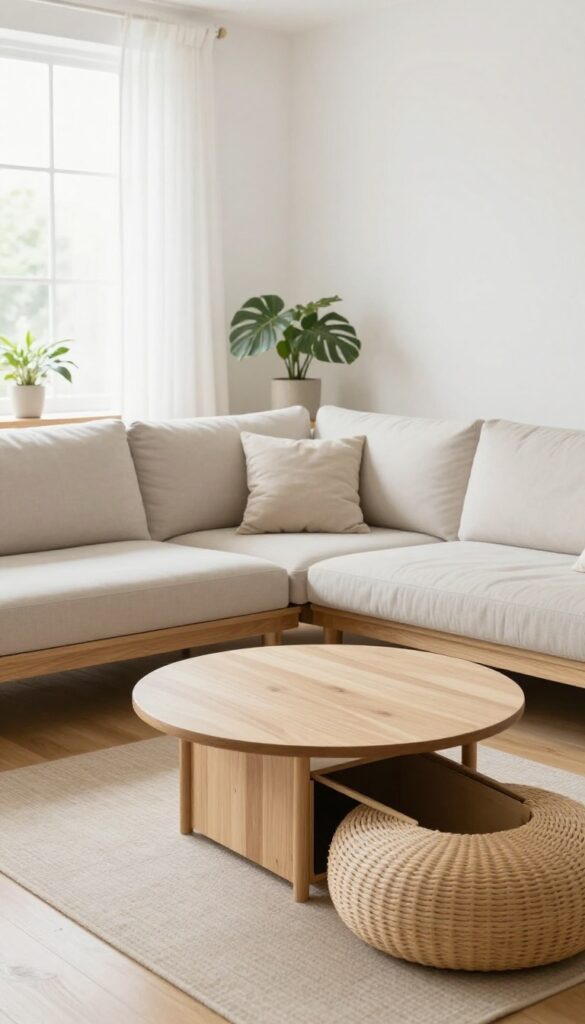
Trends change, but flexible furniture stays useful. Pieces that can move, fold, or double in purpose save money long-term. I always look for items that do more than one job.
This approach works especially well in apartments or shared spaces.
Why This Works
Flexibility keeps the room functional as needs change. It also prevents clutter from building up.
How to Do It
- Choose nesting tables or ottomans with storage
- Use benches instead of bulky chairs
- Pick modular seating
- Avoid overly specific furniture
Style & Design Tips
Neutral colors make flexible pieces easier to reuse later. Focus on shape and quality instead of trends.
Pro Tip or Budget Hack
Secondhand modular furniture often costs less and holds up better than cheap new pieces.
Final Thoughts
A living room doesn’t need to be perfect to feel put together. It just needs choices that make sense for how you actually live. When function comes first, style tends to fall into place naturally.
If there’s one thing I’ve learned, it’s that small changes matter more than big overhauls. Start with one idea, see how it feels, and build from there. That’s usually how the best spaces come together.