8 Sectional Living Room Layout Ideas That Flow Well
Furniture placement affects how people move, sit, and actually use a room more than most design choices.
A sectional can either fix awkward layouts or make them feel ten times worse if it’s placed without a plan. That’s why getting the layout right matters more than the color or fabric.
I’ve moved sectionals around more times than I’d like to admit, and I’ve learned the hard way that there’s a difference between “looks good in photos” and “actually works in real life.”
Some layouts feel cozy and effortless, while others quietly drive you nuts every day. Let’s talk about the ones that actually make sense and feel good to live with.
1. Floating Sectional in the Center of the Room
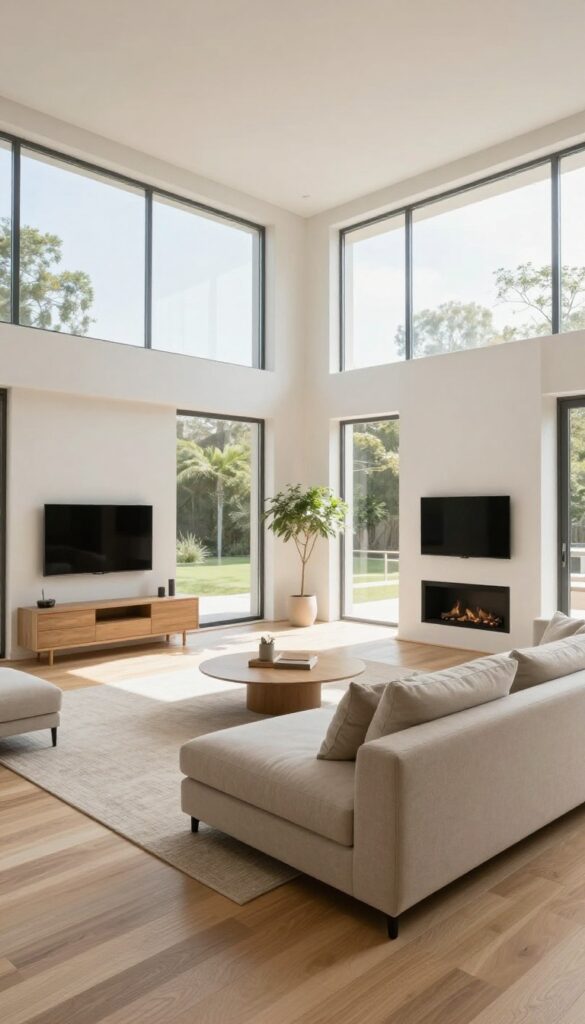
A lot of people automatically push their sectional against a wall, even when the room doesn’t need it. That usually happens because it feels safer or more “normal,” not because it’s the best option.
Floating the sectional in the center can completely change how a living room functions, especially in open layouts.
This layout works best when the living room shares space with a dining area or kitchen. The sectional acts like a visual divider without closing things off, which helps the room feel intentional instead of random.
I used to avoid this setup because I thought it would look awkward, but once I tried it, the room instantly felt more balanced.
Why This Works
A floating sectional creates natural zones without walls or bulky furniture. It gives the room structure while keeping the flow open and breathable.
You also avoid that empty, awkward space that sometimes forms behind furniture when everything hugs the walls.
How to Do It
- Position the sectional so the back faces the dining or entry area
- Leave at least 30–36 inches of walking space behind it
- Anchor the setup with a large rug underneath
- Face the open side toward a TV, fireplace, or focal point
Style & Design Tips
Stick with low-back or clean-lined sectionals so the room doesn’t feel chopped in half. Neutral upholstery works best here because it blends into the space instead of dominating it. Avoid bulky side tables that interrupt walking paths.
Pro Tip or Budget Hack
If the back of your sectional looks plain, add a slim console table behind it. It adds storage and gives the layout a finished look without needing more furniture.
2. L-Shaped Sectional Tucked Into a Corner
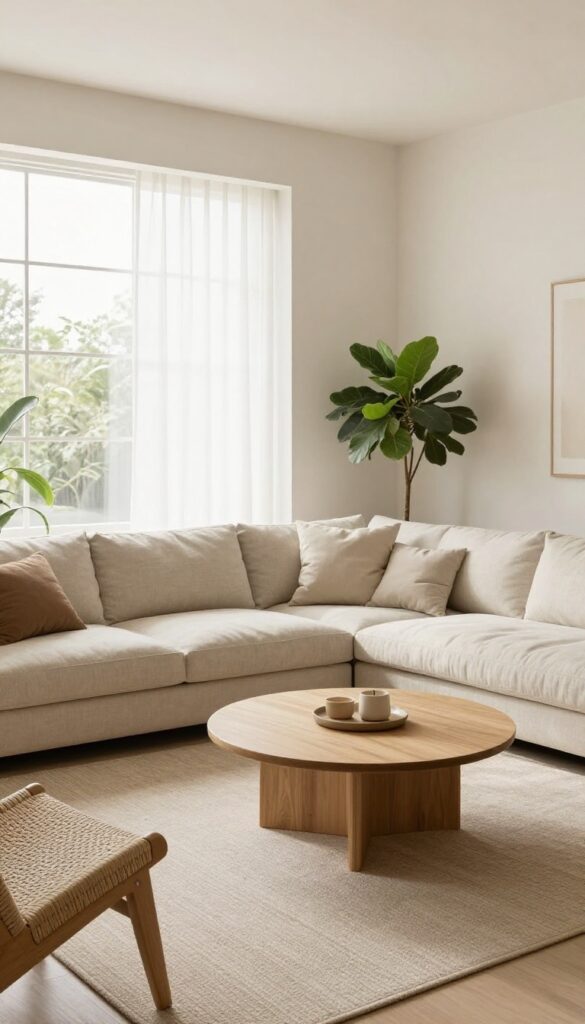
This is the go-to layout for smaller or medium-sized living rooms, and honestly, it works for a reason. A corner placement keeps the room open while still offering plenty of seating. It’s simple, efficient, and easy to style.
I’ve used this layout in apartments where every inch mattered, and it never failed me. It makes the room feel grounded without overwhelming it. Plus, it gives you more freedom with coffee tables and accent chairs.
Why This Works
Corners naturally waste space if you don’t use them well. An L-shaped sectional fills that dead zone while keeping the rest of the room open for movement. It also helps create a cozy, anchored seating area without needing extra furniture.
How to Do It
- Place the longer side of the sectional along the main wall
- Tuck the shorter side into the corner
- Center the coffee table with enough legroom
- Keep pathways clear on the open side
Style & Design Tips
Choose a sectional with slim arms if the room feels tight. Light or neutral fabrics make the layout feel less heavy. Add one accent chair across from the sectional if space allows to balance things out.
Pro Tip or Budget Hack
Skip the oversized coffee table and go for a round or oval one instead. It’s easier to walk around and softens the angles created by the sectional.
3. Sectional Facing the Fireplace as the Focal Point
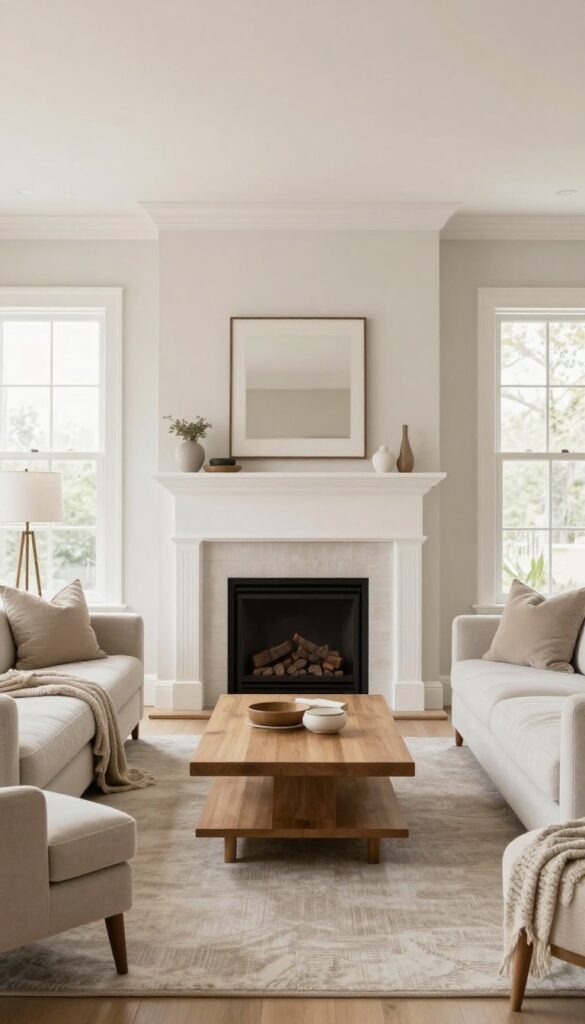
When a room has a fireplace, it deserves attention. Placing the sectional so it faces the fireplace creates a natural gathering spot and makes the space feel intentional. This layout works especially well in homes where the living room is meant for relaxing, not just watching TV.
I used to center everything around the TV until I realized how much nicer it feels to focus on the fireplace instead. The room instantly felt warmer and more inviting, even when the fire wasn’t lit.
Why This Works
Fireplaces naturally draw the eye, so arranging furniture around them makes the room feel balanced. It also encourages conversation instead of everyone staring at a screen. The layout feels classic without being boring.
How to Do It
- Position the sectional directly across from the fireplace
- Angle the shorter side toward the room’s entry
- Keep the coffee table centered between seating and fireplace
- Mount the TV above or beside the fireplace if needed
Style & Design Tips
Choose a sectional with clean lines so it doesn’t compete with the fireplace. Add textured pillows or throws to soften the look. Avoid blocking the hearth with bulky furniture.
Pro Tip or Budget Hack
If your fireplace is off-center, shift the sectional slightly and balance it with a chair or floor lamp on the opposite side. Symmetry isn’t required for good flow.
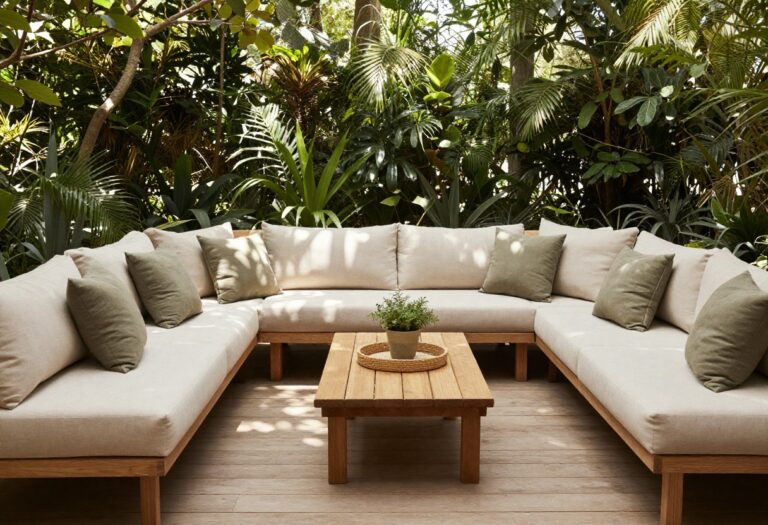
4. U-Shaped Sectional for Large Living Rooms
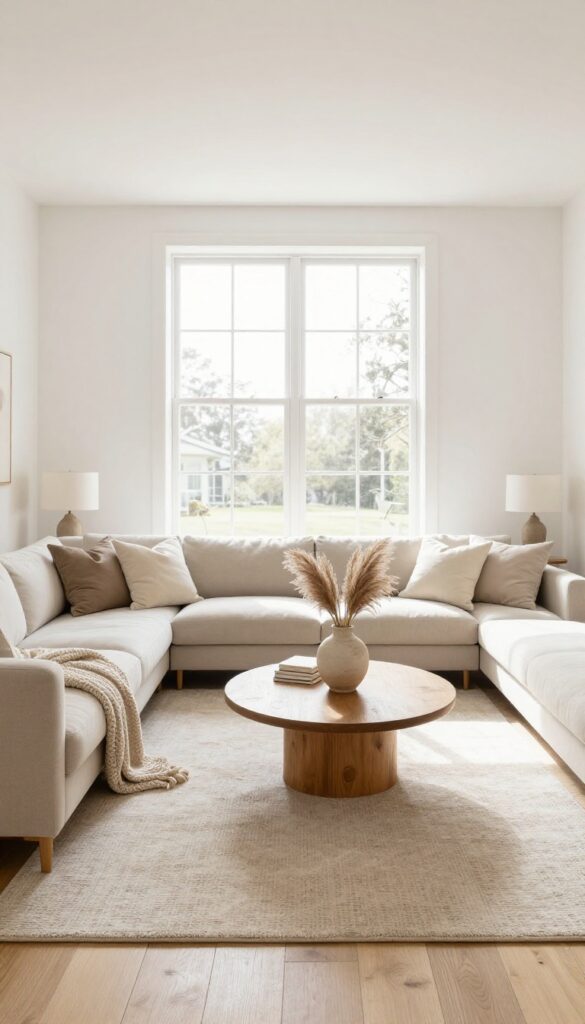
When space isn’t an issue, a U-shaped sectional can feel incredibly luxurious. It creates a natural conversation pit and offers more seating than you’ll probably ever need. This layout works best in wide or open rooms that need structure.
I didn’t think I’d like this setup until I tried it in a bigger space. It instantly made the room feel cozy instead of cavernous, which surprised me. It’s especially great for families or people who entertain a lot.
Why This Works
The U-shape creates a contained seating area that feels intentional and comfortable. It encourages face-to-face conversation and makes the space feel full without cluttering it. It also works great for movie nights.
How to Do It
- Center the sectional in the room
- Place a large rug underneath all seating
- Keep the opening facing the main walkway
- Use a large coffee table to anchor the space
Style & Design Tips
Stick with neutral or muted tones to avoid overwhelming the room. Add texture through pillows or throws instead of bold colors. Keep side tables minimal to prevent visual clutter.
Pro Tip or Budget Hack
If a full U-shaped sectional is too expensive, use a standard sectional with an ottoman to fake the look. It gives you flexibility and costs way less.
5. Sectional with Chaise for Narrow Rooms
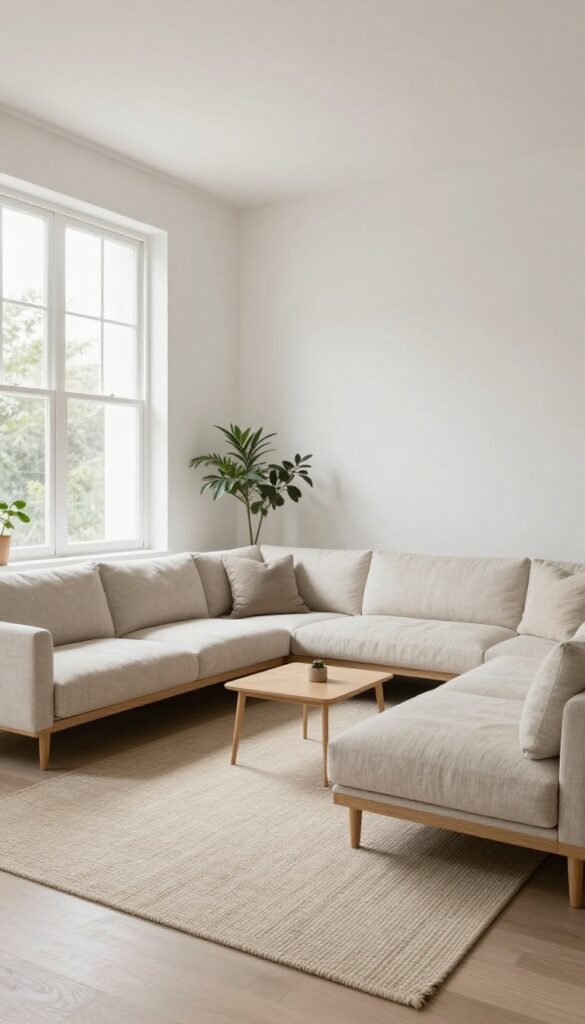
Narrow living rooms can be tricky, especially when you want comfort without crowding the space. A sectional with a chaise works beautifully here because it adds lounging space without adding width. This layout is a lifesaver in apartments and townhomes.
I’ve lived in long, narrow rooms where everything felt cramped until I swapped a bulky sofa for a chaise sectional. The difference was immediate and honestly kind of shocking.
Why This Works
The chaise extends seating in one direction instead of spreading furniture across the room. This keeps walkways clear and makes the room feel longer, not tighter. It’s a smart way to maximize comfort in small spaces.
How to Do It
- Place the chaise along the longest wall
- Keep the open side facing the walkway
- Use a slim coffee table or nesting tables
- Avoid extra chairs that block movement
Style & Design Tips
Go for raised legs to create visual space underneath. Light fabrics or subtle textures help the room feel airy. Avoid bulky arms or oversized cushions.
Pro Tip or Budget Hack
If your sectional doesn’t have a chaise, add a matching ottoman and push it up against one side. It creates the same effect for less money.
6. Sectional Facing Two Focal Points
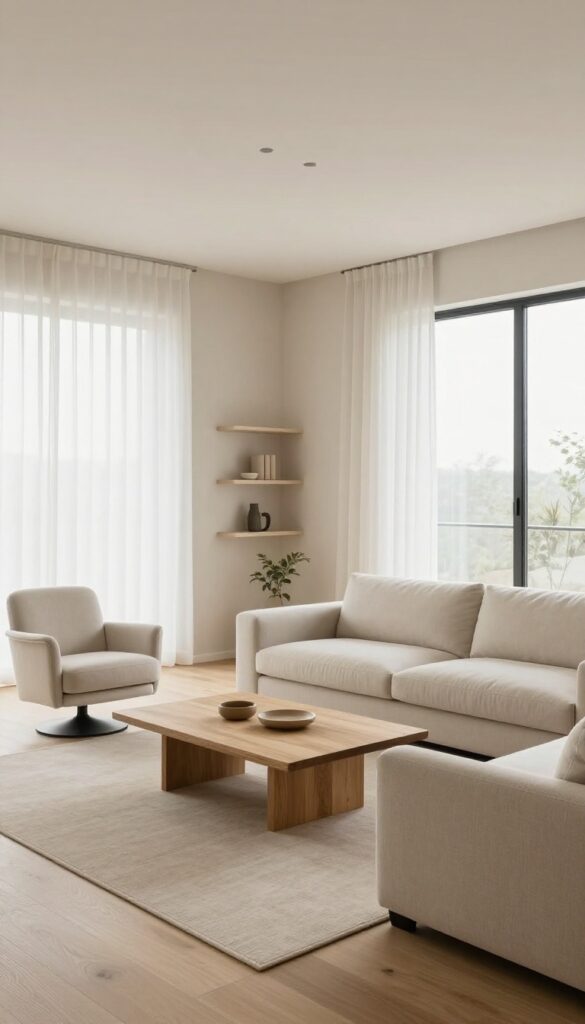
Some living rooms have more than one focal point, like a TV and a fireplace or a large window and a media wall. Instead of choosing one, a well-placed sectional can handle both. This layout takes a bit more planning, but it’s worth it.
I’ve seen this work beautifully in open homes where the TV isn’t the main attraction. The sectional subtly splits attention without making the room feel awkward.
Why This Works
A sectional can visually connect two focal points without forcing the room to choose one. It keeps the layout flexible and balanced. This is especially useful in multipurpose spaces.
How to Do It
- Angle the sectional slightly instead of placing it straight
- Position the corner seat toward the main focal point
- Use swivel chairs to complete the layout
- Keep décor minimal to avoid visual overload
Style & Design Tips
Neutral colors help keep the focus on the room’s features. Use consistent materials across the space so nothing feels out of place. Avoid heavy patterns that compete for attention.
Pro Tip or Budget Hack
A swivel chair is your best friend here. It lets you shift focus without rearranging furniture or buying extra pieces.
7. Sectional as a Room Divider
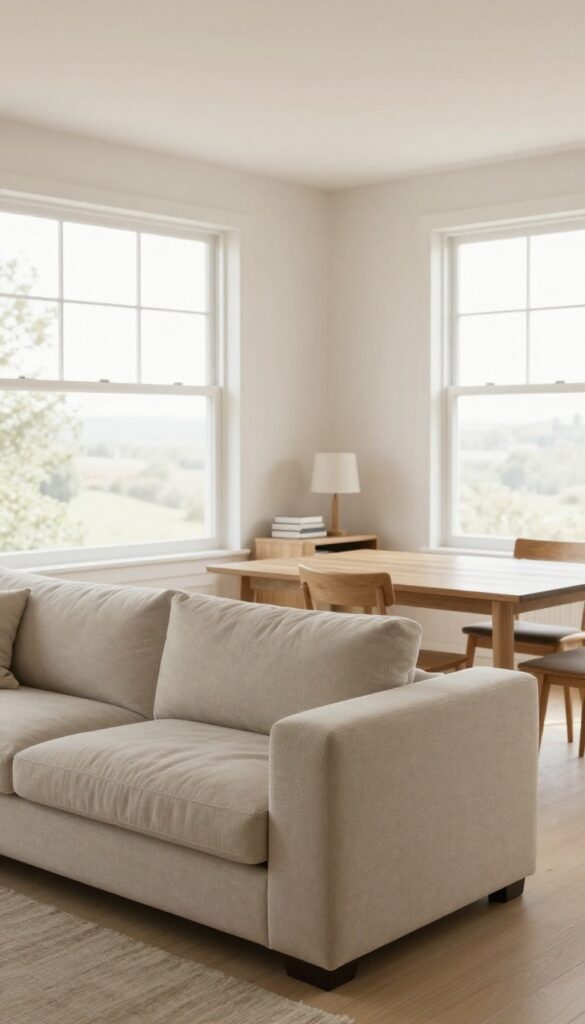
Open-concept homes often lack definition, which can make them feel messy or unfinished. Using a sectional as a divider solves that problem without building walls. It’s one of the smartest layout moves you can make.
I’ve done this in a combined living and dining space, and it instantly made everything feel more organized. The room felt bigger because each area had a purpose.
Why This Works
A sectional naturally creates boundaries while keeping sightlines open. It separates zones without blocking light or movement. The result feels intentional instead of improvised.
How to Do It
- Place the back of the sectional toward the dining area
- Leave walking space behind it
- Add a rug to define the living area
- Keep the layout symmetrical
Style & Design Tips
Low-back sectionals work best here. Avoid tall or bulky designs that block views. Use matching décor elements on both sides to create cohesion.
Pro Tip or Budget Hack
Add a narrow console table behind the sectional for storage and styling. It adds function without crowding the space.
8. Sectional Paired with Accent Chairs
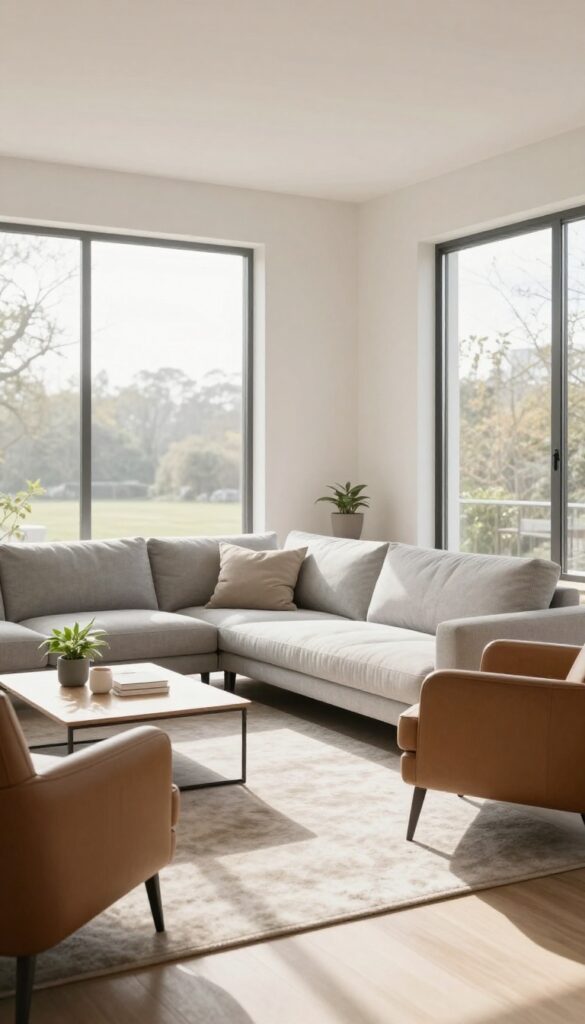
Sometimes a sectional alone feels too heavy or closed off. Pairing it with one or two accent chairs opens up the layout and adds flexibility. This setup works especially well in medium-sized living rooms.
I like this option when I want the space to feel social but not cramped. It gives you more seating without locking everything into one shape.
Why This Works
Accent chairs break up the bulk of the sectional and improve traffic flow. They also give you more layout options if you like rearranging occasionally. The room feels lighter and more dynamic.
How to Do It
- Place chairs opposite or angled toward the sectional
- Keep spacing even for easy movement
- Choose chairs with lighter frames
- Anchor everything with a rug
Style & Design Tips
Mix textures instead of matching everything perfectly. A leather chair with a fabric sectional adds contrast. Keep colors within the same palette for cohesion.
Pro Tip or Budget Hack
Look for secondhand accent chairs and reupholster them. You’ll get a custom look for a fraction of the cost.
Final Thoughts
A sectional can either make your living room feel effortless or completely throw it off, and placement is usually the difference.
Once you stop forcing layouts and start working with the room, everything feels easier. I’ve learned that flow always beats trends.
Try one change at a time and live with it for a few days before deciding. The right layout doesn’t just look good, it makes daily life smoother, and that’s what actually matters in the end.