8 Living Room Couch Layout Ideas That Feel Right
Furniture placement usually determines whether a living room feels usable or constantly in the way.
Most layout problems don’t come from bad taste but from trying to force furniture into positions that don’t match how the space actually works.
A couch can either anchor the room or quietly ruin it, depending on how it’s placed. Getting this part right makes everything else feel easier, from decorating to just sitting down and relaxing.
Living rooms rarely behave the way floor plans promise they will. Doorways, windows, and awkward wall lengths always interfere with the “perfect” setup.
That’s why couch placement matters more than people think, and why small layout changes often make a bigger difference than buying new furniture.
1. The Centered Anchor Layout
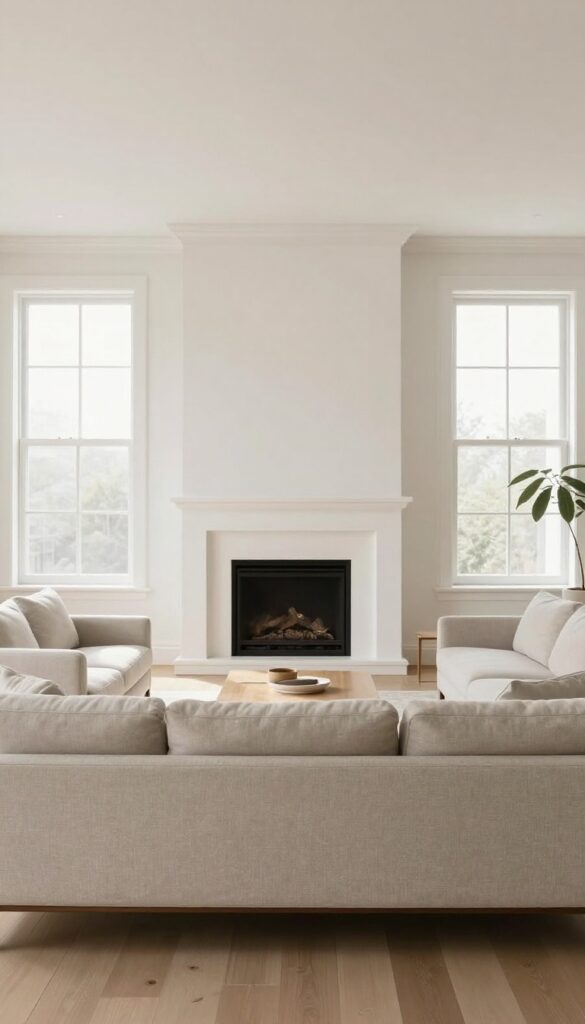
This layout solves the problem of rooms that feel scattered or visually unbalanced. When furniture floats without intention, the space feels awkward no matter how nice the pieces are.
Centering the couch creates an instant sense of order and gives the room a clear focal point. It works especially well in medium to large living rooms that don’t have obvious boundaries.
I’ve used this setup in rooms where nothing else seemed to make sense. Once the couch was centered, everything else suddenly had a place to go.
It also makes conversations easier because the seating naturally faces inward instead of drifting toward walls.
Why This Works
Centering the couch anchors the entire room and creates visual symmetry. It helps define the main seating area and prevents furniture from feeling randomly placed. The layout naturally encourages conversation and keeps the room feeling balanced.
How to Do It
- Place the couch directly across from the main focal point, like a TV or fireplace.
- Leave equal walking space on both sides to avoid crowding.
- Add a rug underneath to visually ground the seating area.
- Position accent chairs or side tables symmetrically for balance.
Style & Design Tips
Stick to clean lines and avoid oversized side furniture that competes with the couch. Symmetry is your friend here, but it shouldn’t feel stiff or staged. Keep accessories minimal so the couch remains the visual anchor.
Pro Tip or Budget Hack
If the couch feels too large for the room, swap bulky side tables for slimmer ones or floating shelves. This keeps the layout centered without making the space feel cramped.
2. The Wall-Hugging Layout
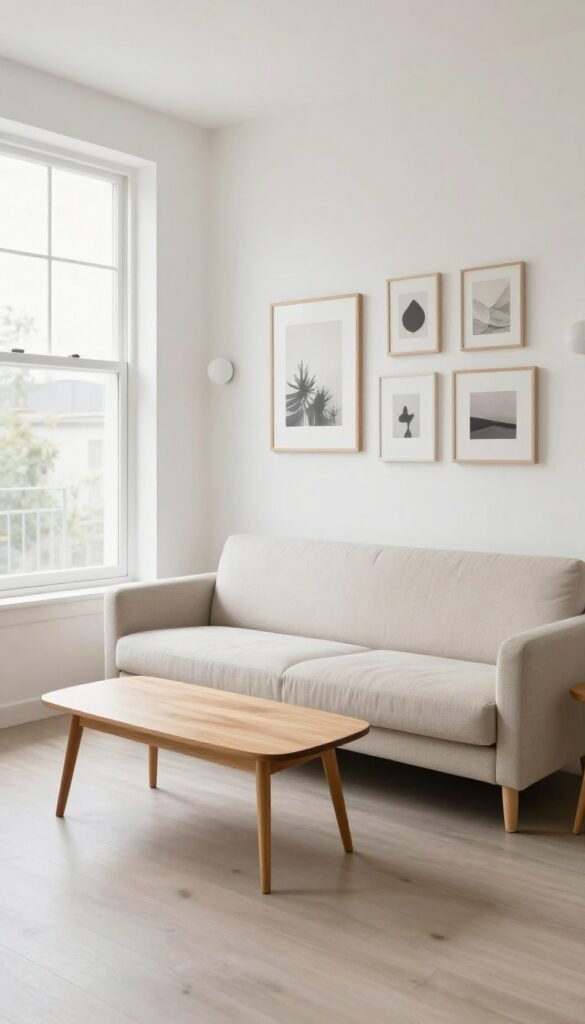
Some living rooms simply don’t have the depth for floating furniture. When space is tight, pushing the couch against the wall can open up the floor and make movement easier. This layout works especially well in apartments or narrow living rooms.
I used to think couches against walls looked boring until I realized how much floor space it freed up. Once styled properly, this setup feels intentional rather than like a compromise. It also makes small rooms feel less cluttered.
Why This Works
Keeping the couch against the wall creates a clear traffic path and makes the room feel larger. It maximizes usable space and works well when every inch counts. The layout also makes cleaning and rearranging easier.
How to Do It
- Push the couch flush against the longest wall.
- Center it if possible to maintain visual balance.
- Place a coffee table with slim legs to avoid heaviness.
- Use wall-mounted lighting instead of floor lamps.
Style & Design Tips
Add texture behind the couch with artwork or a gallery wall so it doesn’t feel flat. Avoid oversized throw pillows, which can make the couch look bulky against the wall. Light-colored upholstery helps reflect light and keep things open.
Pro Tip or Budget Hack
Skip a bulky coffee table and use two small nesting tables instead. They’re easier to move and give the room more flexibility when needed.
3. The Floating Conversation Layout
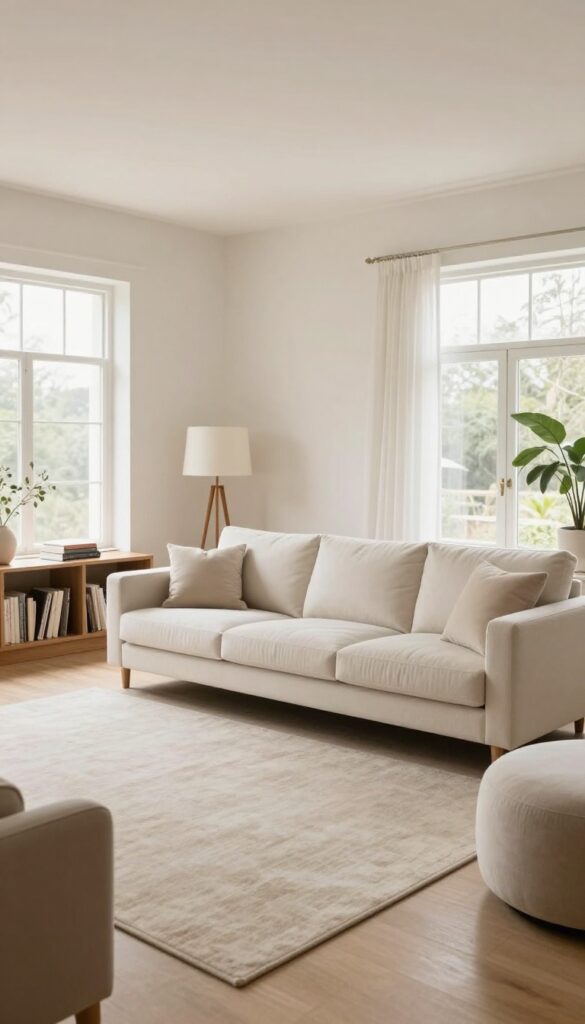
This setup is perfect for rooms that feel too open or undefined. Floating the couch away from the wall creates a cozy seating zone without needing walls to do the work. It’s ideal for open-concept homes or larger living rooms.
The first time I tried this layout, it completely changed how the room felt. It went from awkward and empty to intentional and inviting almost instantly. It also makes the space feel more high-end.
Why This Works
Floating furniture creates natural zones within a larger space. It helps define where the living area starts and ends without closing things off. The room feels more designed and less like a hallway with furniture.
How to Do It
- Pull the couch about 12–24 inches away from the wall.
- Anchor it with a large rug underneath the front legs.
- Place a console table behind the couch for function and style.
- Use chairs or poufs to complete the seating circle.
Style & Design Tips
Choose a couch with a finished back since it will be visible. Avoid pushing it too far forward, or the room can feel cramped. Layer lighting to keep the area warm and functional.
Pro Tip or Budget Hack
A narrow console table behind the couch doubles as storage and a charging station. It’s an easy way to add function without spending on extra furniture.
4. The L-Shaped Layout
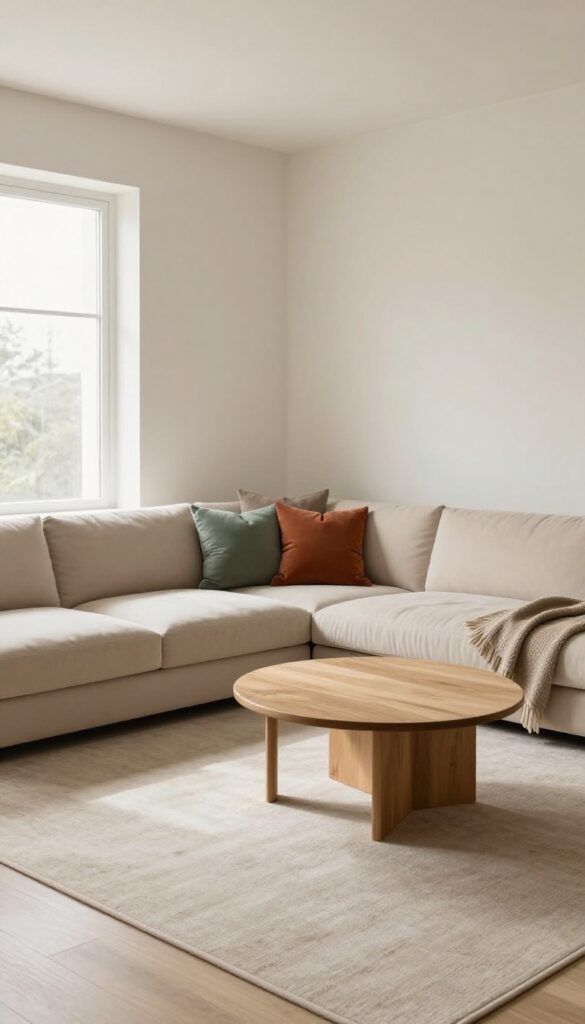
This layout solves the problem of awkward corners and wasted space. An L-shaped couch naturally fills the room without needing extra chairs. It’s perfect for families or anyone who loves to lounge.
I’ve found this setup especially great for movie nights or casual gatherings. Everyone has a seat, and the room still feels open when styled correctly.
Why This Works
The L-shape creates a built-in conversation area while maximizing seating. It uses corners efficiently and keeps the layout cohesive. This setup also works well in both square and rectangular rooms.
How to Do It
- Position the longer side along the main wall.
- Use the shorter side to define the room’s edge.
- Center a coffee table within the L for balance.
- Keep walkways clear on at least one side.
Style & Design Tips
Stick to low-profile sectionals to avoid overwhelming the room. Neutral upholstery works best since the couch takes up visual space. Add contrast through pillows and throws instead.
Pro Tip or Budget Hack
If a sectional feels too expensive, combine a standard couch with a matching chaise. It gives the same effect without the price tag.
5. The Symmetrical Twin Couch Layout
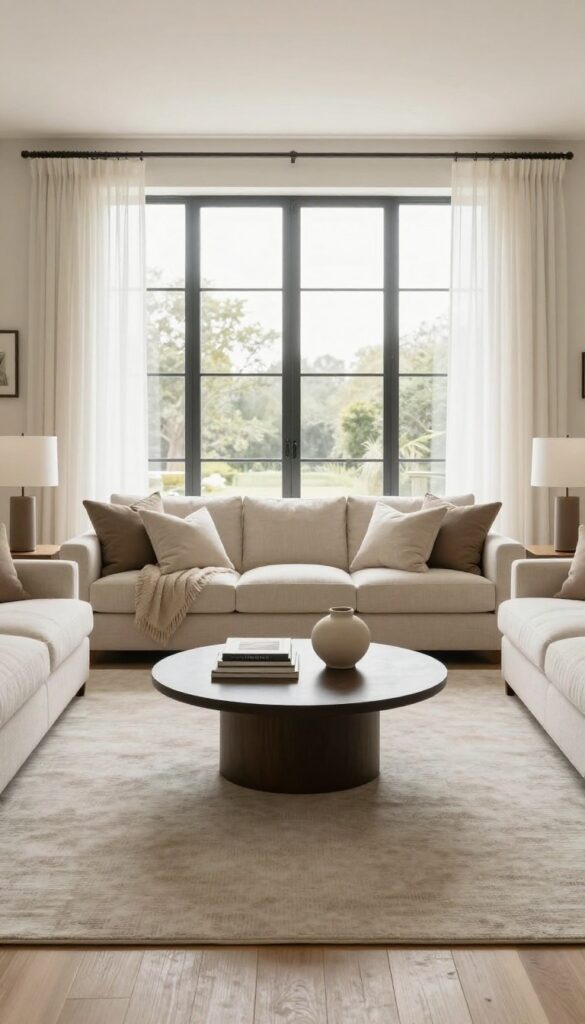
This layout works beautifully in formal or larger living rooms. Two couches facing each other create a balanced, intentional look that feels polished. It’s great for entertaining and conversation-heavy spaces.
I love this setup in homes where the living room is meant for hosting rather than lounging. It feels grown-up without being stuffy when styled casually.
Why This Works
Symmetry naturally feels calming and organized. Two couches create equal seating and encourage face-to-face interaction. The layout also frames a central focal point beautifully.
How to Do It
- Place two matching couches directly across from each other.
- Anchor them with a large area rug.
- Center a coffee table between them.
- Keep side tables minimal and balanced.
Style & Design Tips
Choose lighter fabrics to avoid visual heaviness. Avoid oversized coffee tables, which can make the layout feel crowded. Add softness with throws and textured pillows.
Pro Tip or Budget Hack
If buying two couches isn’t realistic, pair a sofa with a similar-sized bench or daybed for a similar effect.
6. The Corner-Focused Layout
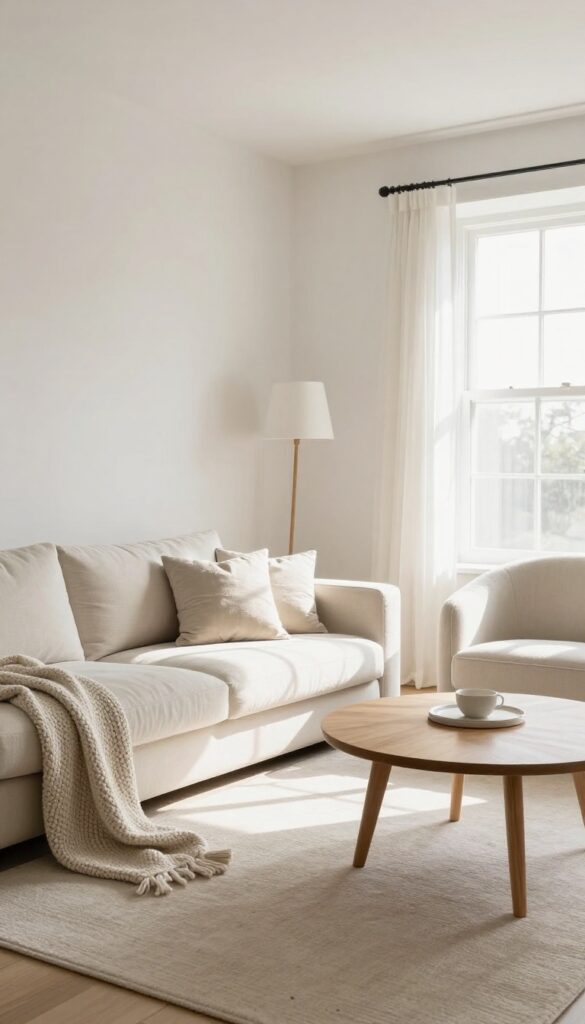
Some living rooms have odd angles or off-center windows that make traditional layouts awkward. A corner-focused setup turns those quirks into strengths. It creates a cozy, tucked-in feel without closing off the space.
I’ve used this layout in rooms where nothing lined up properly, and it worked surprisingly well. The corner becomes intentional instead of problematic.
Why This Works
Placing the couch diagonally or angled toward a corner softens harsh lines. It makes awkward layouts feel more natural and less forced. The room also feels more relaxed and inviting.
How to Do It
- Angle the couch slightly toward a corner or fireplace.
- Add a chair across from it to balance the layout.
- Use a round or oval coffee table to soften lines.
- Keep decor minimal to avoid clutter.
Style & Design Tips
This layout works best with softer shapes and curved accents. Avoid sharp-edged furniture, which can clash with the angled placement. Warm textures help everything feel intentional.
Pro Tip or Budget Hack
Use a floor lamp to visually anchor the corner and make it feel purposeful without adding bulky furniture.
7. The Window-Facing Layout
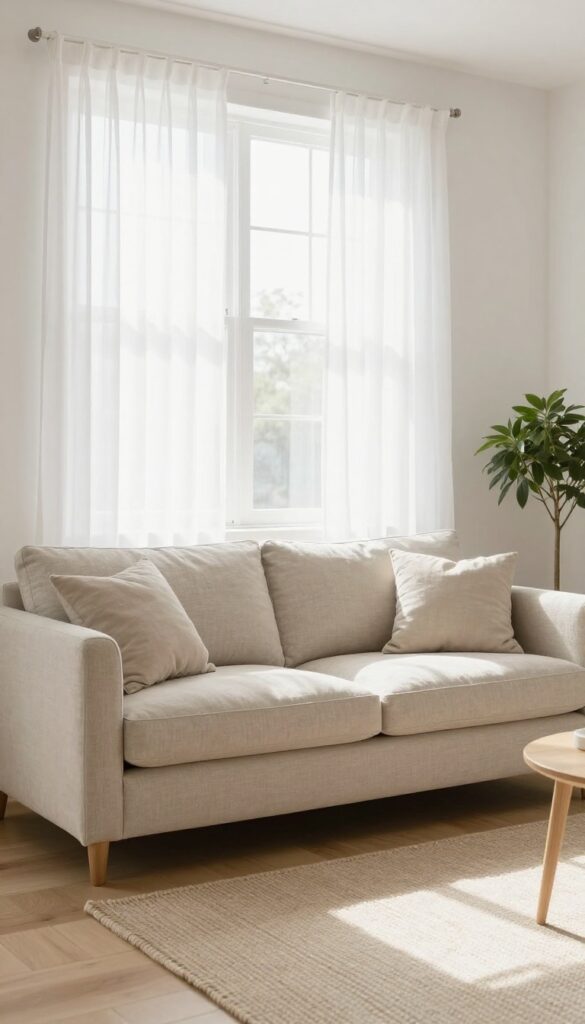
When a room has great natural light, it makes sense to lean into it. Positioning the couch toward or beneath a window creates a relaxed, open feel. It works especially well in rooms without a TV as the main focus.
I didn’t expect to love this setup as much as I do. It feels calm and airy, especially in the mornings or late afternoons.
Why This Works
This layout highlights natural light and outdoor views. It creates a calm, inviting atmosphere and makes the room feel larger. It’s also great for reading or quiet moments.
How to Do It
- Place the couch facing or directly under the window.
- Use low-back furniture to avoid blocking light.
- Add side chairs to complete the seating area.
- Keep window treatments light and simple.
Style & Design Tips
Sheer curtains or woven shades work best here. Avoid heavy drapes, which can block light and feel heavy. Stick to soft, neutral colors to enhance brightness.
Pro Tip or Budget Hack
If privacy is an issue, use light-filtering window film instead of heavy curtains. It keeps the light while adding privacy.
8. The Multi-Zone Layout
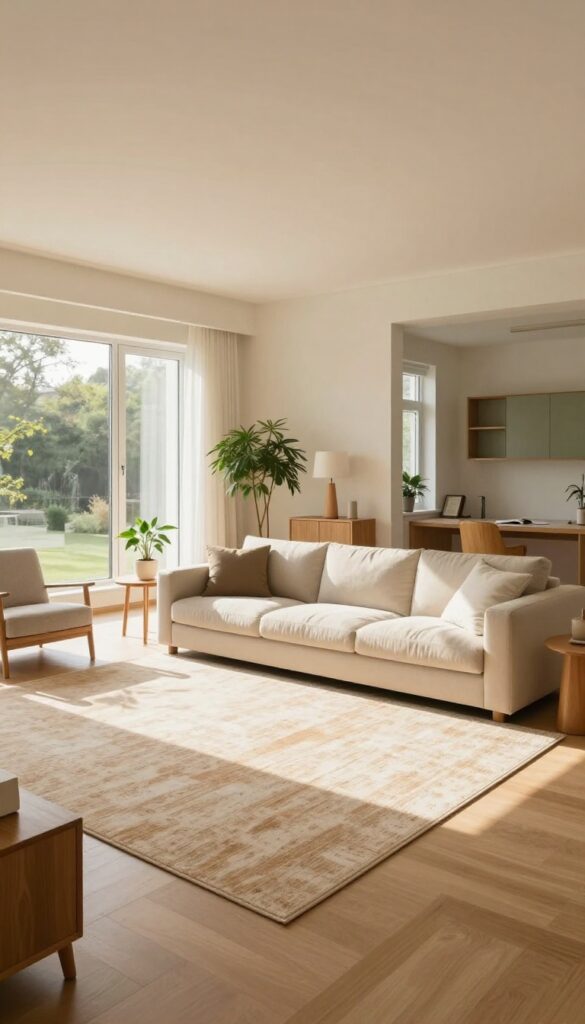
This layout works best in large or open-plan living rooms that serve multiple purposes. Instead of one big seating area, the room is divided into zones. It’s practical, flexible, and surprisingly cozy.
I’ve used this setup in homes where the living room doubles as a workspace or reading area. It makes the room feel intentional rather than cluttered.
Why This Works
Breaking the space into zones makes large rooms feel manageable. Each area has a purpose, which improves flow and usability. It also allows more flexibility in how the room is used.
How to Do It
- Use the couch to divide zones visually.
- Anchor each zone with its own rug.
- Keep furniture scaled to each area.
- Maintain clear walkways between zones.
Style & Design Tips
Use consistent colors or materials to keep the room cohesive. Avoid mixing too many styles, which can make the space feel chaotic. Repetition helps everything feel connected.
Pro Tip or Budget Hack
Area rugs define zones better than furniture alone. You can often find great deals on slightly imperfect rugs that still look amazing once placed.
Final Thoughts
A couch layout can make or break how a living room feels, no matter how stylish the furniture is. Small changes in placement often do more than buying new pieces ever could. Once the layout works, everything else falls into place naturally.
The best setup is always the one that fits how the space is actually used. Trust what feels comfortable, adjust as needed, and don’t be afraid to experiment until it clicks.