7 Bedroom Hallway Ideas You’ll Actually Use
A narrow stretch of floor catches the morning light, and dust settles where shoes pause for a second longer than planned.
Doors open and close without ceremony, and the space between them quietly collects habits. The hallway doesn’t ask for attention, yet it decides how the bedroom feels before a single pillow comes into view.
That in-between zone often gets ignored because it feels too small or too awkward. It doesn’t scream for décor the way a bedroom wall does, but it still shapes the mood.
A few smart choices can turn it from a forgotten strip into something that actually helps daily life.
1. Slim Storage That Doesn’t Crowd the Walkway
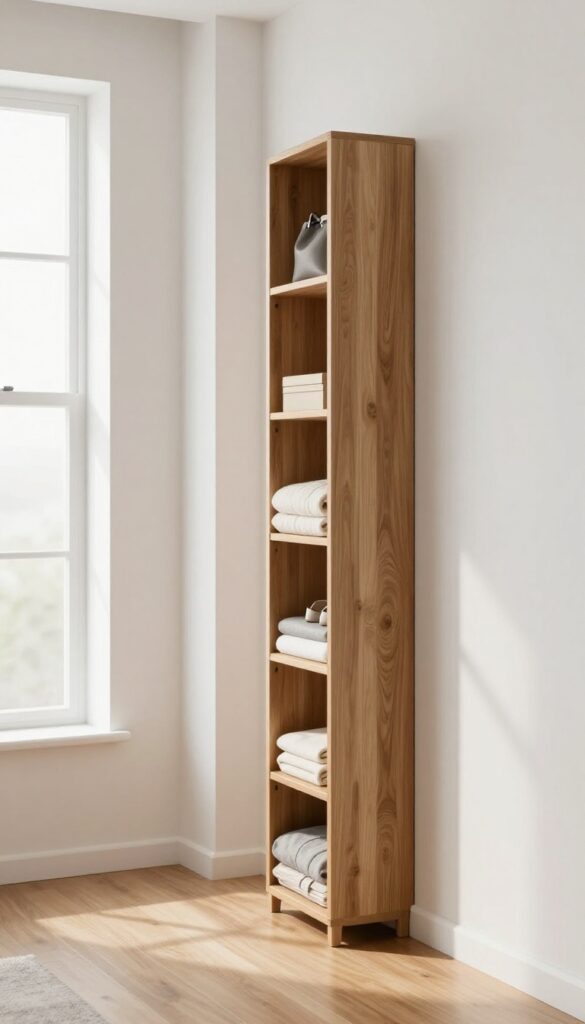
Most bedroom hallways collect random clutter because there’s nowhere else for it to land. Shoes creep out from under the bed, bags lean against walls, and suddenly the hallway feels tighter than it is.
A slim storage setup fixes that without stealing walking space or visual calm.
I’ve tried bulky cabinets before, and they always felt like obstacles. Narrow benches, shallow consoles, or wall-hugging drawers keep things organized while still letting the hallway breathe.
The bonus is how much calmer the bedroom feels when the chaos stays contained.
Why This Works
Hallways feel cramped when furniture pushes inward instead of staying flush. Slim storage respects the natural flow of walking while still giving everyday items a home. It creates order without turning the space into a storage closet.
How to Do It
- Measure the narrowest part of the hallway before buying anything.
- Choose storage pieces under 12 inches deep to keep clearance comfortable.
- Anchor taller units to the wall so they feel built-in rather than temporary.
Style & Design Tips
Lighter colors make slim pieces fade into the background visually. Avoid heavy hardware or chunky legs because they interrupt the flow. Clean lines always win in tight spaces, especially when the hallway leads straight into a bedroom.
Pro Tip or Budget Hack
Shoe cabinets designed for entryways work surprisingly well here. They’re shallow, affordable, and often hide more than you expect. I’ve found great options secondhand with barely any wear.
2. Soft Lighting That Sets the Mood Before the Bedroom
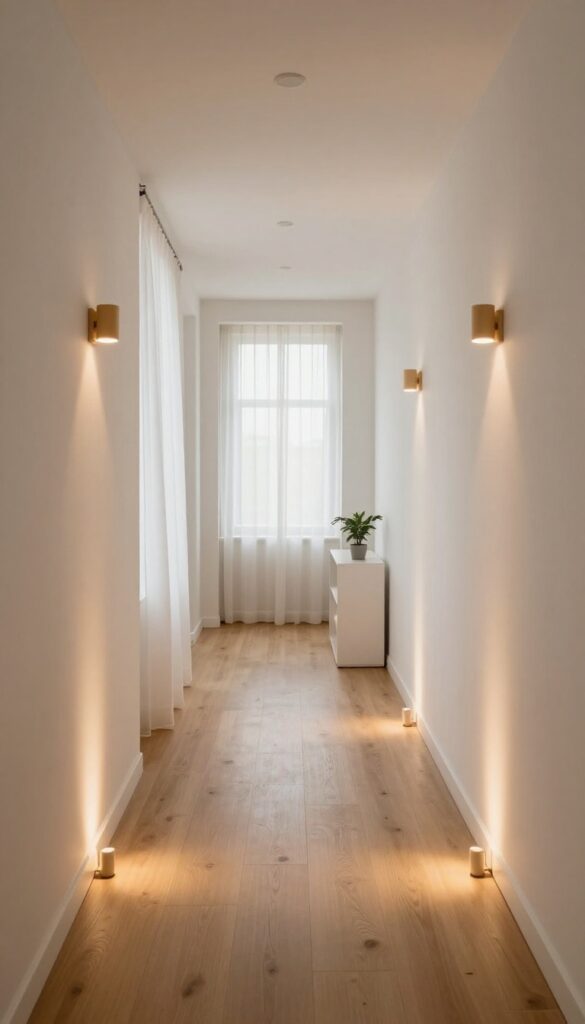
Overhead lighting in bedroom hallways usually feels harsh or forgotten. That bright glare first thing in the morning or late at night never feels great. Soft, layered lighting makes the transition into the bedroom feel intentional and calm.
Wall sconces or plug-in lights instantly elevate the space without a full remodel. I added warm bulbs to a dim hallway once, and the bedroom suddenly felt more inviting. Lighting changes how the space feels faster than almost anything else.
Why This Works
Lighting guides emotion as much as it guides movement. Softer light relaxes the eyes and signals that the bedroom is a place to unwind. It also adds depth, making narrow hallways feel wider.
How to Do It
- Swap bright white bulbs for warm or soft white options.
- Add plug-in sconces if hardwiring isn’t possible.
- Use dimmers or smart bulbs for flexible brightness.
Style & Design Tips
Keep fixtures simple so they don’t compete with the bedroom décor. Matte finishes feel quieter than shiny metals. Consistency in bulb color matters, so avoid mixing warm and cool tones.
Pro Tip or Budget Hack
Battery-powered wall lights work well for renters. Many look surprisingly high-end now and install in minutes. I’ve used them during moves and missed them afterward.
3. A Gallery Wall That Leads the Eye Forward
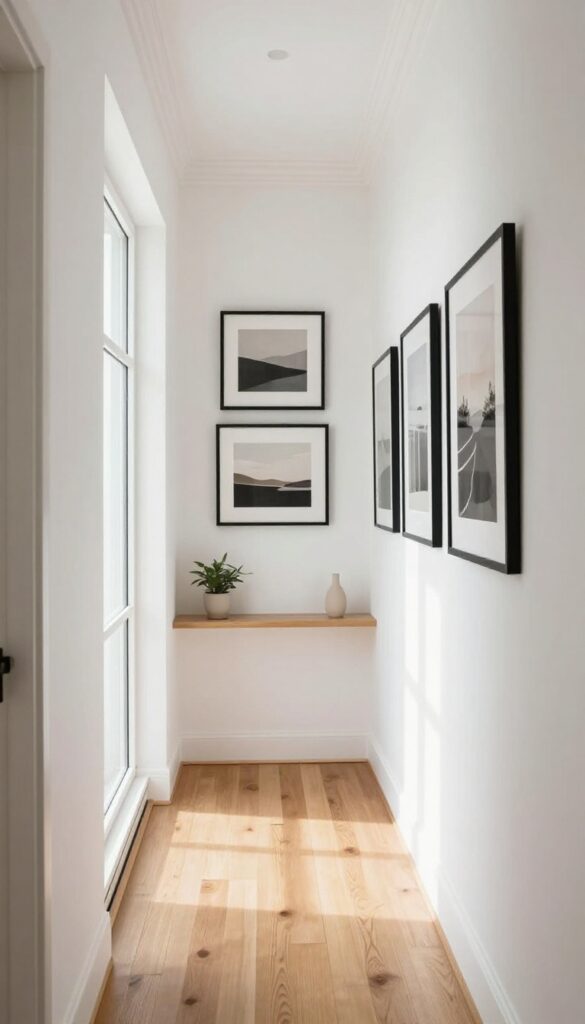
Blank hallway walls feel endless in the worst way. A gallery wall gives the eyes something to follow and makes the walk feel intentional. It turns dead space into a visual story that connects rooms.
I used to avoid gallery walls in tight areas, thinking they’d feel busy. Done right, they actually add rhythm and make the hallway feel longer. It’s all about spacing and scale.
Why This Works
Art breaks up long, narrow stretches visually. It pulls attention forward instead of letting the walls close in. The hallway becomes part of the home’s personality rather than a leftover space.
How to Do It
- Lay out frames on the floor before hanging anything.
- Keep frame sizes consistent to avoid chaos.
- Start hanging at eye level and build outward.
Style & Design Tips
Stick to one color palette for frames or artwork. Too many styles can overwhelm a narrow space. Negative space between frames is just as important as the art itself.
Pro Tip or Budget Hack
Print digital art at home or use personal photos in matching frames. Black-and-white prints instantly look cohesive. I’ve saved a lot by mixing high and low pieces this way.
4. A Runner Rug That Adds Warmth Without Tripping You
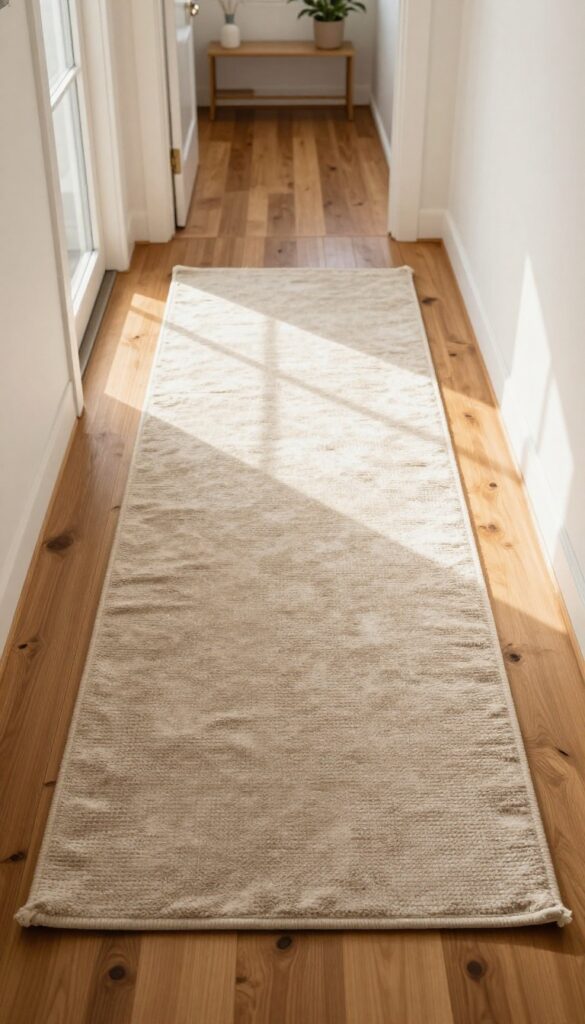
Cold floors in a bedroom hallway feel uninviting, especially in the morning. A runner rug adds warmth and softness without crowding the space. It also protects floors from daily wear.
I avoided runners for years because I worried about slipping. A properly sized rug with a good pad stays put and feels great underfoot. It’s one of the easiest upgrades with real impact.
Why This Works
Rugs visually anchor long spaces and soften hard surfaces. They reduce echo and add texture, making hallways feel less sterile. The right runner also subtly guides movement.
How to Do It
- Choose a rug that leaves a few inches of floor visible on each side.
- Use a non-slip rug pad underneath.
- Keep patterns simple to avoid visual clutter.
Style & Design Tips
Low-pile rugs are easier to clean and safer to walk on. Avoid fringe ends because they catch on feet. Neutral patterns age better than trendy ones in high-traffic areas.
Pro Tip or Budget Hack
Outdoor rugs work surprisingly well indoors. They’re durable, affordable, and easy to clean. I’ve used them in hallways with pets and zero regrets.
5. Functional Wall Hooks That Look Intentional
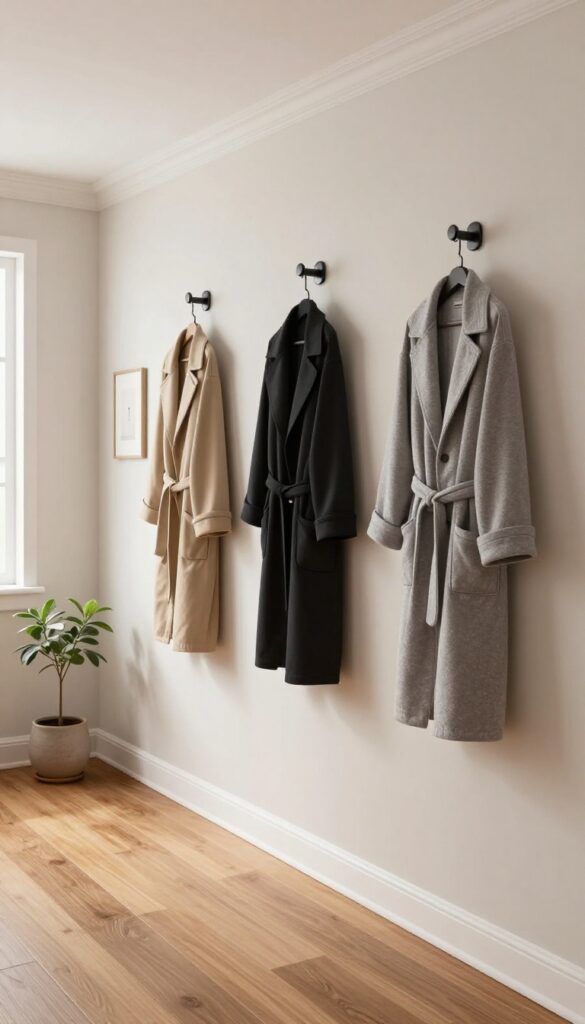
Bedroom hallways often become dumping grounds for jackets, bags, and robes. Wall hooks solve that problem while keeping the floor clear. When chosen thoughtfully, they double as décor.
I used mismatched hooks once, and it looked messy fast. Coordinated hooks spaced evenly feel intentional and calm. They make daily routines smoother without feeling utilitarian.
Why This Works
Vertical storage uses wall space instead of floor space. Hooks keep items visible and accessible, which encourages consistency. They also prevent clutter from creeping into the bedroom.
How to Do It
- Install hooks at varying heights for different items.
- Space them evenly for a clean look.
- Anchor them securely into studs or wall anchors.
Style & Design Tips
Choose hooks that match nearby hardware finishes. Avoid oversized designs in narrow hallways. Simple shapes always feel more polished than novelty styles.
Pro Tip or Budget Hack
Wooden pegs are affordable and customizable. You can paint or stain them to match your décor. I’ve used them in rentals with removable adhesive mounts.
6. A Mirror That Makes the Space Feel Bigger
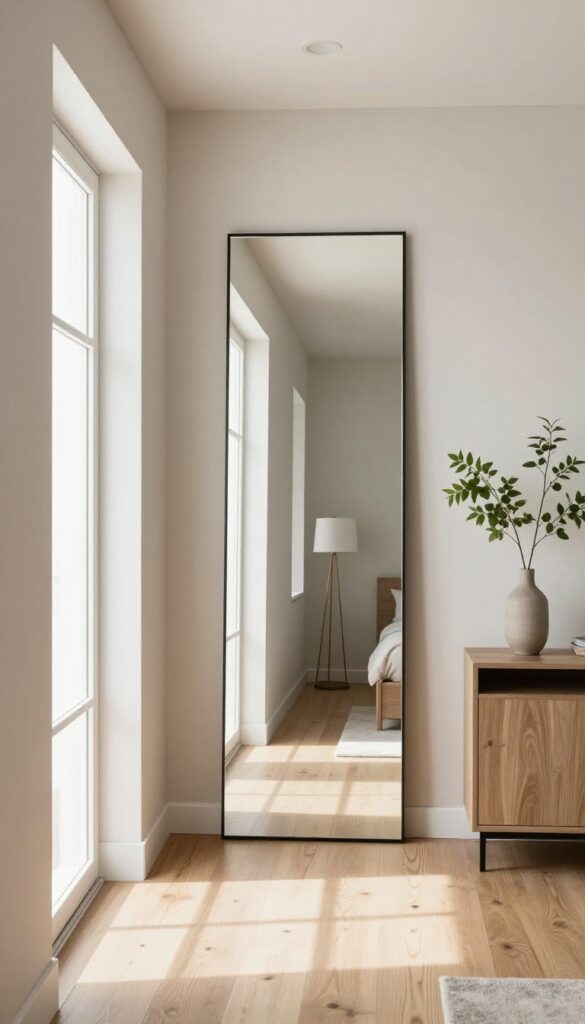
Small hallways benefit massively from mirrors. They reflect light and create the illusion of more space. Even a narrow mirror can change how the hallway feels instantly.
I added a tall mirror near my bedroom door once, and it made the hallway feel twice as wide. It also became a quick outfit-check spot. Function meets style in the best way.
Why This Works
Mirrors bounce light and visually expand tight areas. They break up wall monotony and add depth. The hallway feels brighter and less confined.
How to Do It
- Choose a mirror proportional to the hallway width.
- Mount it securely at eye level.
- Place it opposite a light source if possible.
Style & Design Tips
Frames should stay slim to avoid bulk. Avoid overly ornate designs in tight spaces. Vertical mirrors enhance height, which helps narrow hallways feel balanced.
Pro Tip or Budget Hack
Leaning mirrors work if anchored safely. They add a casual, modern feel without drilling. I’ve found great ones at thrift stores with minor frame touch-ups.
7. Subtle Color or Texture to Define the Transition
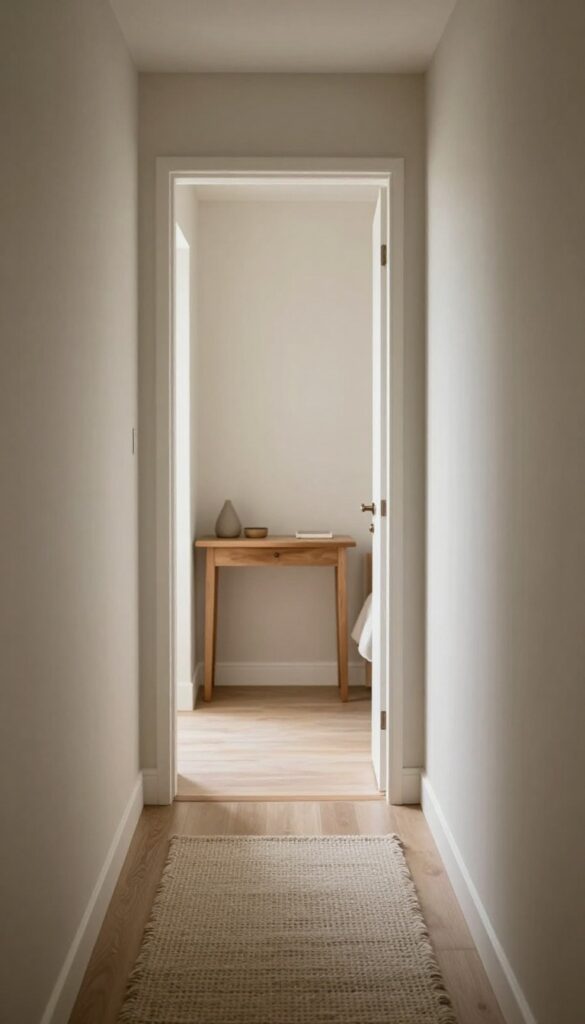
Bedroom hallways often blend into surrounding rooms. A subtle color shift or texture defines the transition without overwhelming it. This creates a sense of intention and flow.
I once painted a hallway a shade darker than the bedroom, and it instantly felt cozy. Texture works too, especially when color feels risky. Small changes make big differences here.
Why This Works
Visual cues help the brain transition between spaces. Color and texture add depth without clutter. The hallway becomes a bridge rather than a void.
How to Do It
- Use paint one shade darker or lighter than adjacent rooms.
- Try peel-and-stick wallpaper for easy texture.
- Keep finishes consistent with nearby spaces.
Style & Design Tips
Avoid bold patterns that dominate the space. Subtle texture reads cleaner in narrow areas. Consistency keeps the hallway connected, not isolated.
Pro Tip or Budget Hack
Removable wallpaper is renter-friendly and forgiving. You can test styles without commitment. I’ve changed mine more than once without regret.
Final Thoughts
Bedroom hallways don’t need grand gestures to feel useful. A few thoughtful updates can make daily routines smoother and spaces calmer. It’s less about decoration and more about intention.
Trying just one idea often leads to more confidence later. Start small and see how the space responds. I’ve learned that even the quietest corners deserve a little attention.