8 Bedroom Layout Ideas for Better Room Flow
Good room flow usually comes down to a few practical choices people tend to ignore. It’s less about style trends and more about how you actually move through the space every single day.
When the layout works, the room feels calmer without you having to think about it. When it doesn’t, even the nicest furniture starts to feel annoying.
A bedroom should support your habits, not fight them. The way the bed faces, how you walk around it, and where storage lands all affect how relaxed the room feels.
A few layout tweaks can change everything without buying new furniture or doing a full makeover.
Below are layout ideas I’ve used, tested, or seen work really well in real homes. Some are obvious once you see them. Others feel counterintuitive until you try them and realize how much better the room flows.
1. Centered Bed With Clear Walkways
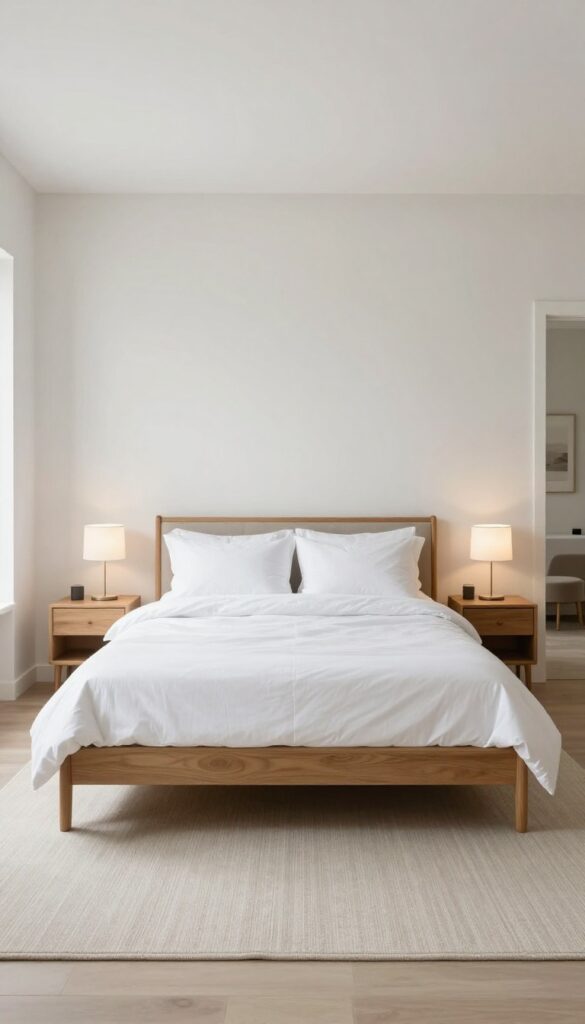
Most bedrooms feel off because the bed isn’t centered properly. People push it too far to one side or jam it against a wall to “save space,” which usually makes the room feel tighter instead.
A centered bed gives the whole room a sense of balance and makes everything else easier to arrange.
I’ve noticed this works especially well in medium-sized bedrooms where there’s just enough space to walk on both sides.
When you can get out of bed without squeezing sideways, the room instantly feels calmer. It also makes nightstands more functional instead of decorative clutter holders.
Why This Works
A centered bed creates visual symmetry, which naturally feels more organized. It also improves movement because you’re not forced to walk around furniture awkwardly. The room feels intentional instead of accidental.
How to Do It
- Measure equal space on both sides of the bed
- Place nightstands of similar size on each side
- Keep at least 24–30 inches of walking space if possible
- Align the bed with the main wall or window
Style & Design Tips
Stick with simple nightstands so the symmetry doesn’t feel heavy. Neutral bedding helps the room feel larger, while a headboard adds structure. Avoid oversized lamps that crowd the space visually.
Pro Tip or Budget Hack
If your room is tight, use floating nightstands or wall-mounted shelves instead of bulky furniture. You’ll keep the balanced look without losing floor space.
2. Bed Positioned Facing the Door (But Not Directly)
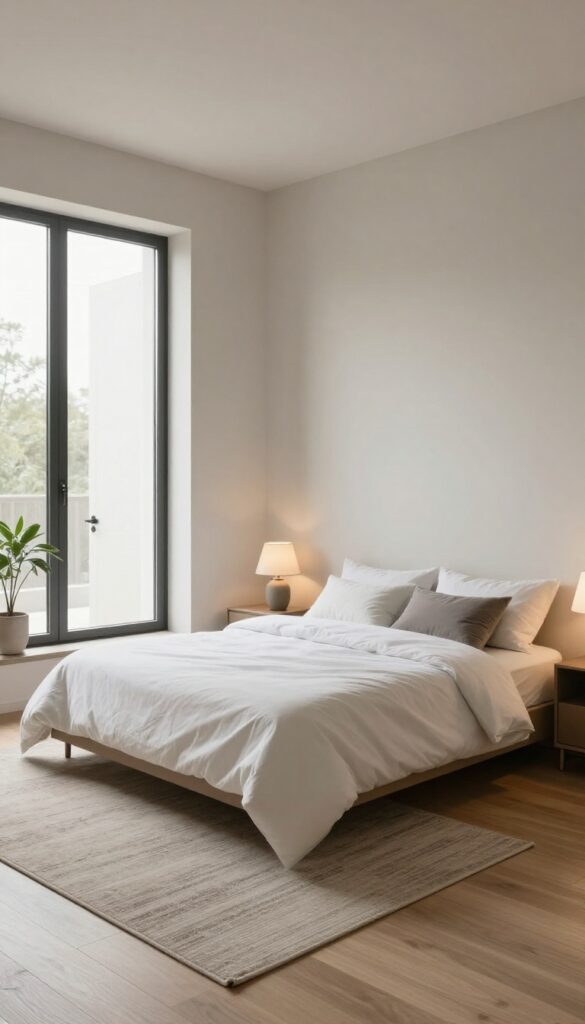
This layout feels instinctively comfortable once you try it. You can see the door while lying in bed, but you’re not lined up with it like a hallway. It creates a sense of control and calm without being too rigid.
I’ve tried this in multiple bedrooms, and it always makes the room feel more intentional. It also helps with natural movement since you’re not walking around the bed awkwardly when entering or leaving.
Why This Works
Humans naturally feel better when they can see the entrance to a room. It reduces visual tension and makes the space feel grounded. At the same time, angling the bed slightly keeps the layout soft and relaxed.
How to Do It
- Place the bed diagonally or slightly offset from the door
- Avoid lining it up perfectly with the doorway
- Leave clear walking space on at least one side
- Use a rug to anchor the layout
Style & Design Tips
This works especially well with upholstered or wood headboards. Keep wall decor minimal so the angle feels intentional rather than messy. Soft lighting helps balance the layout visually.
Pro Tip or Budget Hack
If moving the bed isn’t possible, use a tall plant or narrow bench near the door to break the direct line of sight. It gives the same effect without rearranging everything.
3. Floating Bed With Space Behind It
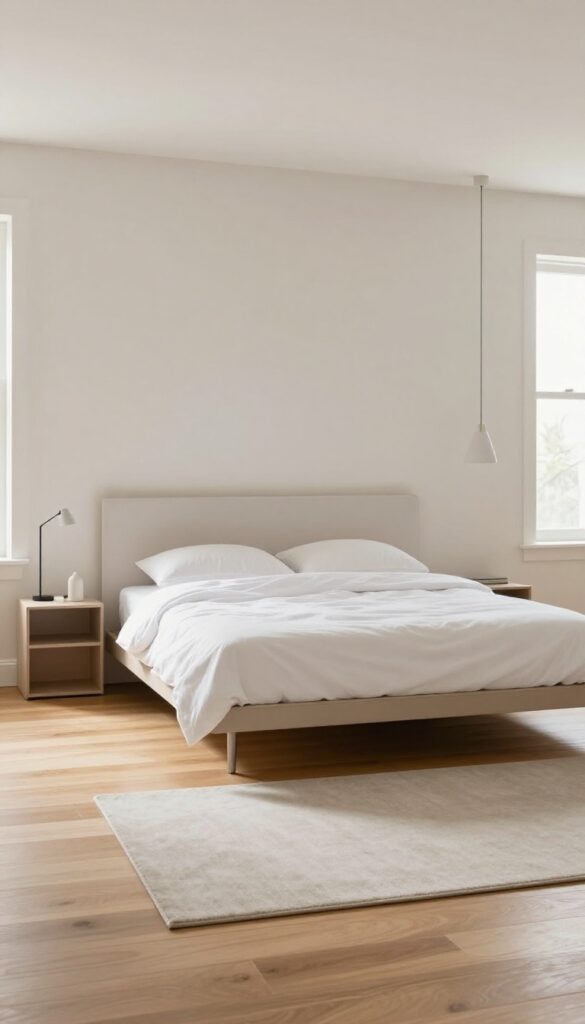
Pushing the bed against a wall is the default move, but pulling it forward can change the entire feel of a room. A floating bed adds depth and makes the space feel more designed, even in smaller bedrooms.
I was skeptical the first time I tried this, but it completely changed how the room felt. The space behind the bed becomes usable instead of wasted, and the layout feels more high-end.
Why This Works
It creates visual layers instead of a flat wall-to-bed setup. The room gains dimension, which makes it feel larger and more intentional. It also improves airflow and light distribution.
How to Do It
- Pull the bed at least 12–18 inches from the wall
- Add a slim console or bench behind the headboard
- Keep the area clutter-free
- Use a rug to define the sleeping zone
Style & Design Tips
This works best with lower-profile beds and clean headboards. Avoid bulky furniture behind the bed or it will feel cramped. Neutral colors keep the look light.
Pro Tip or Budget Hack
Use a narrow shelf instead of a full console to save money and space. It still gives you the layered look without overwhelming the room.
4. Corner Bed Layout for Small Rooms
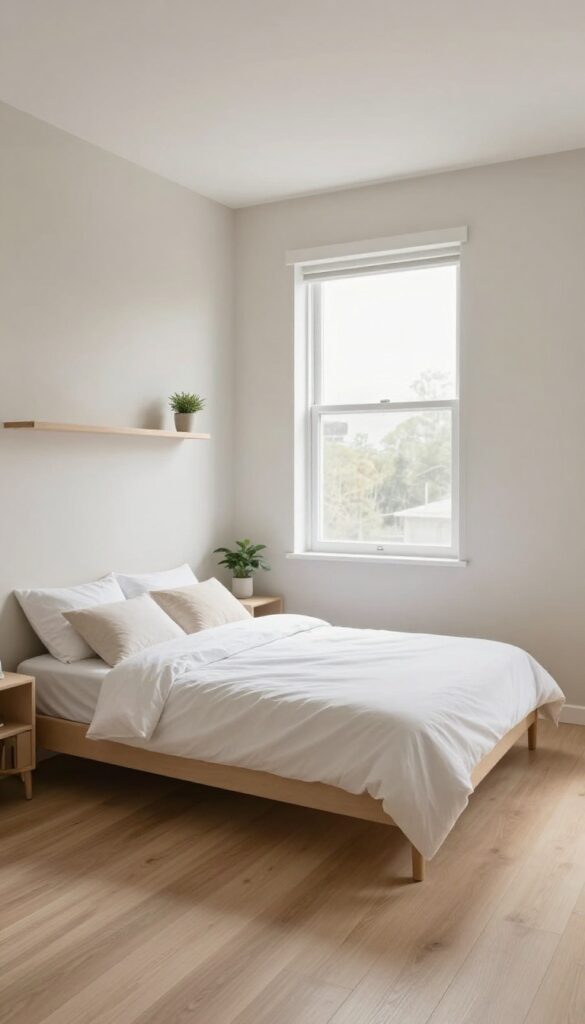
A corner bed setup gets a bad reputation, but when done right, it can actually make a small bedroom feel bigger. The key is treating the corner as a design choice, not a last resort.
I’ve used this layout in tight spaces where nothing else worked, and it surprisingly opened up the room. The extra floor space makes movement easier and gives more flexibility for storage.
Why This Works
Placing the bed in a corner frees up usable square footage. It also creates a cozy feel without making the room feel boxed in. The layout works especially well in narrow rooms.
How to Do It
- Push the bed fully into one corner
- Use a single nightstand or wall shelf
- Add a wall-mounted light instead of a lamp
- Keep the opposite side open
Style & Design Tips
Use layered pillows to make the bed look intentional, not cramped. A textured throw or accent wall helps the corner feel styled rather than leftover.
Pro Tip or Budget Hack
Skip the second nightstand and use a small stool or crate instead. It saves money and keeps the layout flexible.
5. Bed as the Room Divider
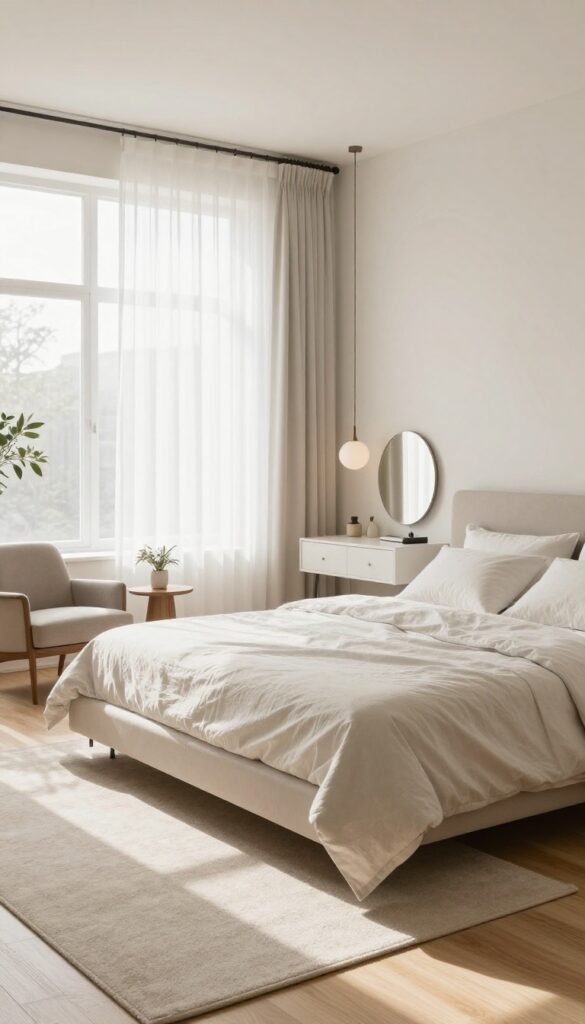
This layout works best in large bedrooms or studio-style spaces. The bed acts as a natural divider between sleeping and living zones without adding walls or heavy furniture.
I’ve seen this work incredibly well in master bedrooms where people want a reading nook or vanity area. It makes the space feel like two rooms instead of one oversized box.
Why This Works
Using the bed as a divider creates functional zones. It helps the brain separate sleep from activity, which actually improves rest. The layout also adds visual interest.
How to Do It
- Place the bed away from the wall
- Position the headboard toward the living area
- Add a rug under the bed to define the space
- Keep furniture low to avoid blocking light
Style & Design Tips
Choose a headboard that looks good from both sides. Upholstered or wood designs work best. Keep the back of the bed clean and styled.
Pro Tip or Budget Hack
If your bed frame isn’t attractive from behind, use a tall console table or shelf to hide it and add storage at the same time.
6. Window-Focused Layout
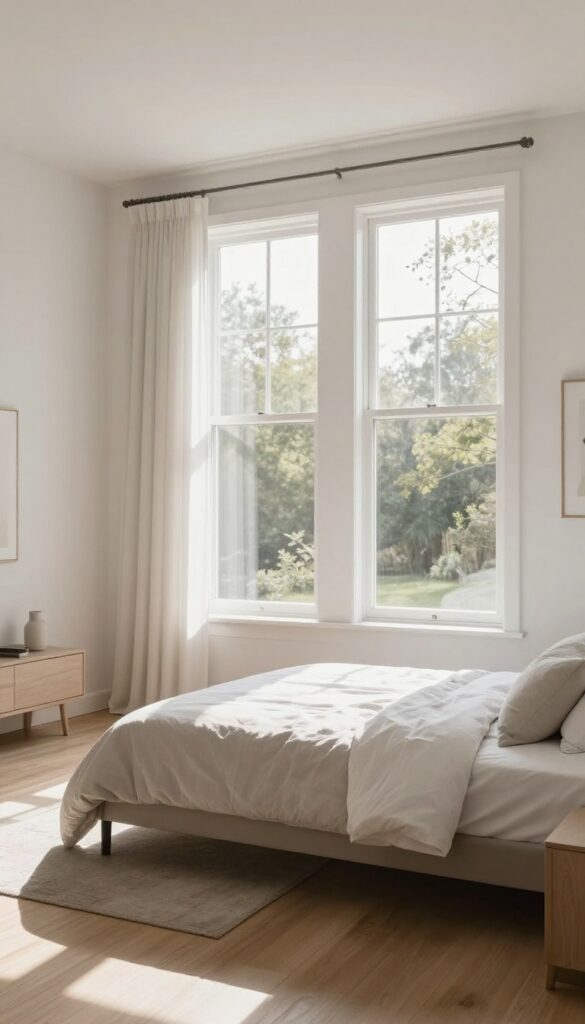
This layout prioritizes natural light instead of furniture symmetry. The bed sits where it gets the most daylight, even if that means breaking traditional rules.
I’ve used this approach in rooms with great windows, and it instantly made the space feel more open. The light becomes part of the design instead of something you work around.
Why This Works
Natural light makes rooms feel larger and more welcoming. Placing the bed near the window enhances airflow and reduces the need for artificial lighting during the day.
How to Do It
- Position the bed parallel or perpendicular to the window
- Use light-filtering curtains instead of heavy drapes
- Keep window areas uncluttered
- Balance with furniture on the opposite side
Style & Design Tips
Avoid blocking windows with tall headboards. Light-colored bedding works best here. Keep accessories minimal so the light stays the focus.
Pro Tip or Budget Hack
If privacy is an issue, use sheer curtains layered with blackout panels. You get light during the day and privacy at night without sacrificing style.
7. Minimalist Layout With Fewer Furniture Pieces
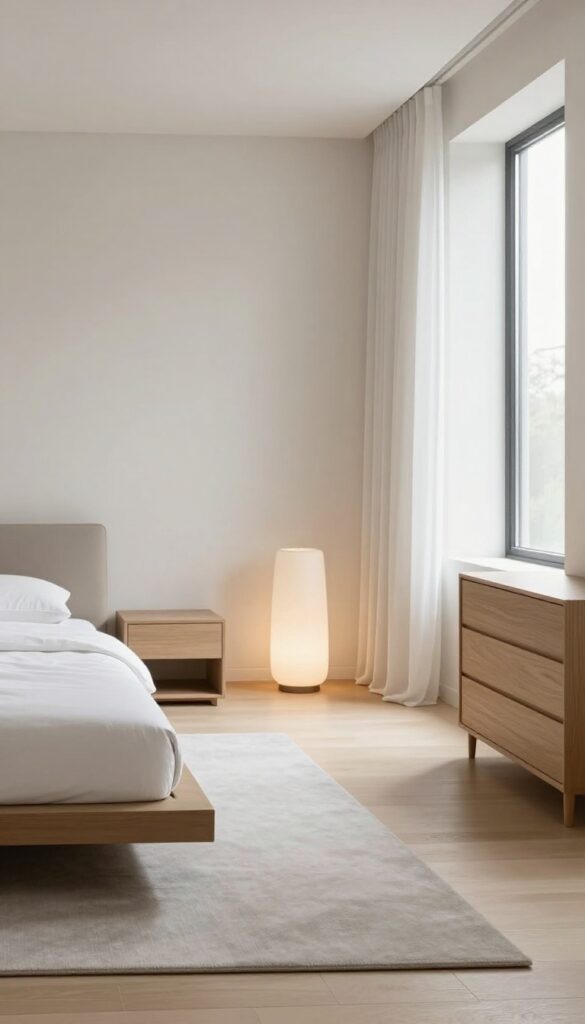
Sometimes the best layout choice is removing things instead of adding them. A minimalist setup lets the room breathe and improves movement instantly.
I’ve downsized bedroom furniture before and never regretted it. Fewer pieces mean easier cleaning, better flow, and a calmer feel overall.
Why This Works
Clutter interrupts movement and visual balance. Removing extra furniture creates negative space, which makes the room feel larger and more intentional.
How to Do It
- Remove non-essential furniture
- Keep only one or two focal pieces
- Use wall storage instead of floor storage
- Leave clear walking paths
Style & Design Tips
Stick to a tight color palette to keep things cohesive. Choose furniture with clean lines and hidden storage. Avoid decorative clutter.
Pro Tip or Budget Hack
If you’re unsure what to remove, take everything out and add pieces back one at a time. You’ll quickly see what you actually need.
8. Storage-First Layout for Small Bedrooms
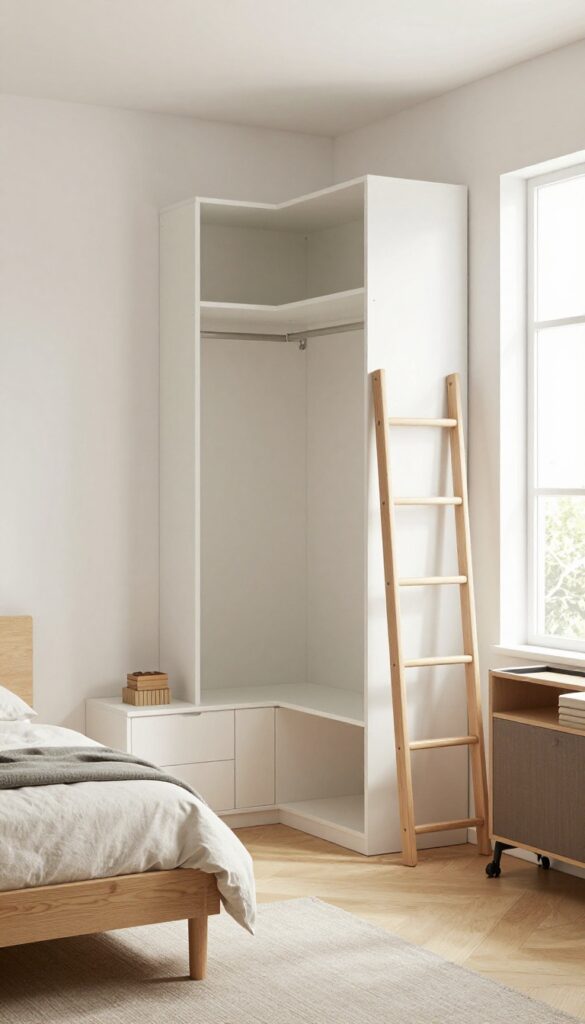
When storage drives the layout, everything feels more functional. This approach works best in bedrooms with limited closet space or shared rooms.
I’ve used this in apartments where every inch mattered. Once storage was prioritized, the rest of the layout fell into place naturally.
Why This Works
Good storage reduces visual clutter, which improves room flow. When items have a place, the room stays organized without effort.
How to Do It
- Place the bed near built-in storage
- Use under-bed drawers or bins
- Add vertical shelving
- Keep frequently used items accessible
Style & Design Tips
Choose storage that blends with the room instead of standing out. Closed storage looks cleaner than open shelves. Match finishes for cohesion.
Pro Tip or Budget Hack
Use risers under the bed to create extra storage space without buying new furniture. It’s one of the easiest upgrades you can make.
9. Symmetrical Layout for Calm and Balance
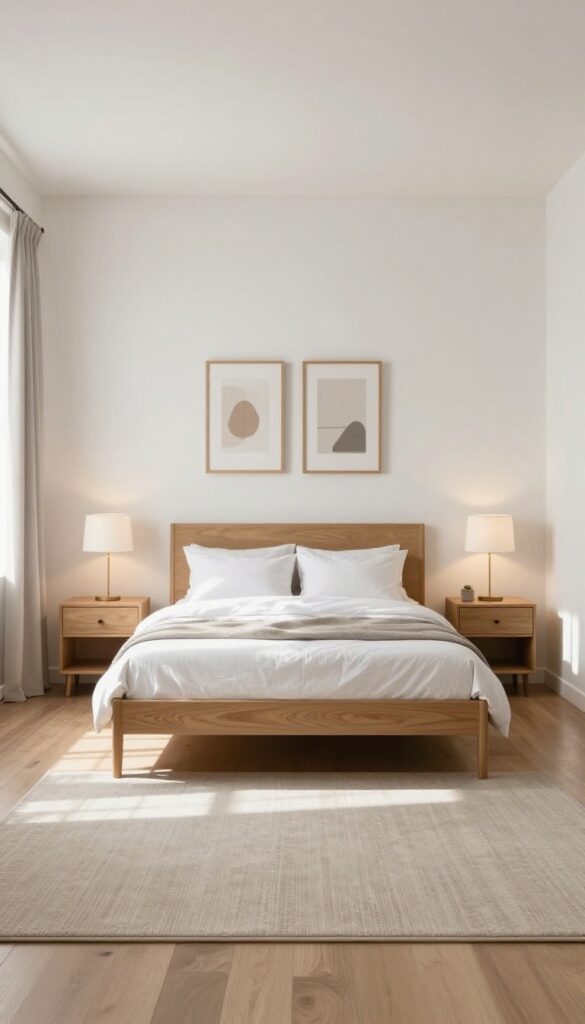
Symmetry creates instant visual order. When both sides of the room mirror each other, the space feels calm even if the décor is simple.
I’ve found this works especially well for people who feel stressed by clutter or visual noise. The balance alone makes the room feel more restful.
Why This Works
The eye naturally relaxes when things are evenly spaced. Symmetry reduces visual chaos and makes the room feel intentional and organized.
How to Do It
- Match nightstands and lamps
- Center the bed on the main wall
- Keep decor balanced on both sides
- Use similar colors and textures
Style & Design Tips
Avoid going too matchy. Slight variations in texture keep the room from feeling sterile. Stick to soft, neutral tones for the best effect.
Pro Tip or Budget Hack
If you don’t want to buy matching furniture, use matching lamps or pillows instead. It gives the same visual balance for less money.
Final Thoughts
Good bedroom flow isn’t about copying a showroom layout or following strict rules. It’s about making the space work for how you actually live and move every day. Small changes often make the biggest difference.
Try one layout tweak at a time and live with it for a few days. You’ll know pretty quickly what feels right, and once it does, the whole room starts working with you instead of against you.