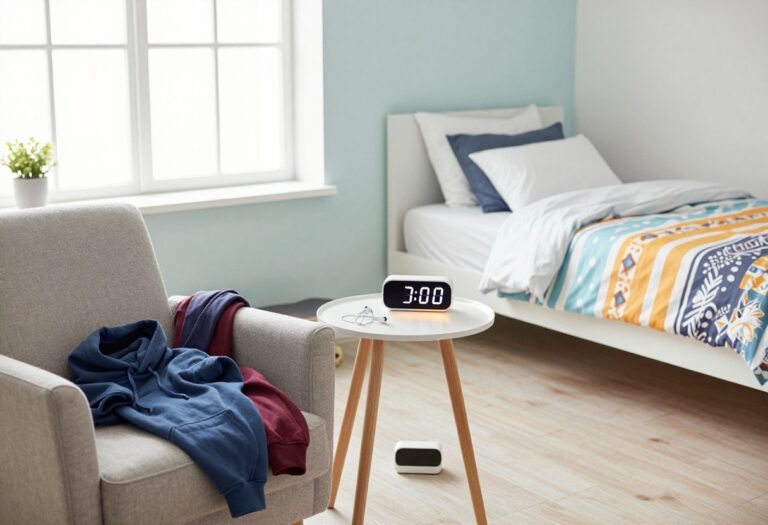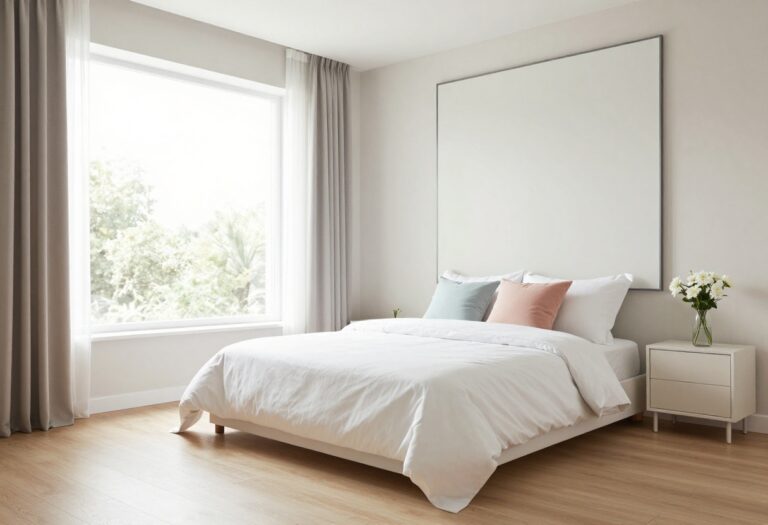
9 Bedroom Layout Ideas for Better Furniture Flow
A quiet standoff happens every night between a bed frame and a doorway that never quite clear each other.
The dresser wins space it doesn’t deserve, while the chair becomes a dumping ground instead of a seat. Nothing is technically wrong, yet the room feels mildly irritating in a way that’s hard to explain.
That tension usually comes from flow, not style. Bedrooms struggle when furniture placement ignores how people actually move, rest, and live in the space.
A few layout changes can make the room feel bigger, calmer, and easier to exist in without buying a single new piece.
1. Float the Bed Away From the Wall
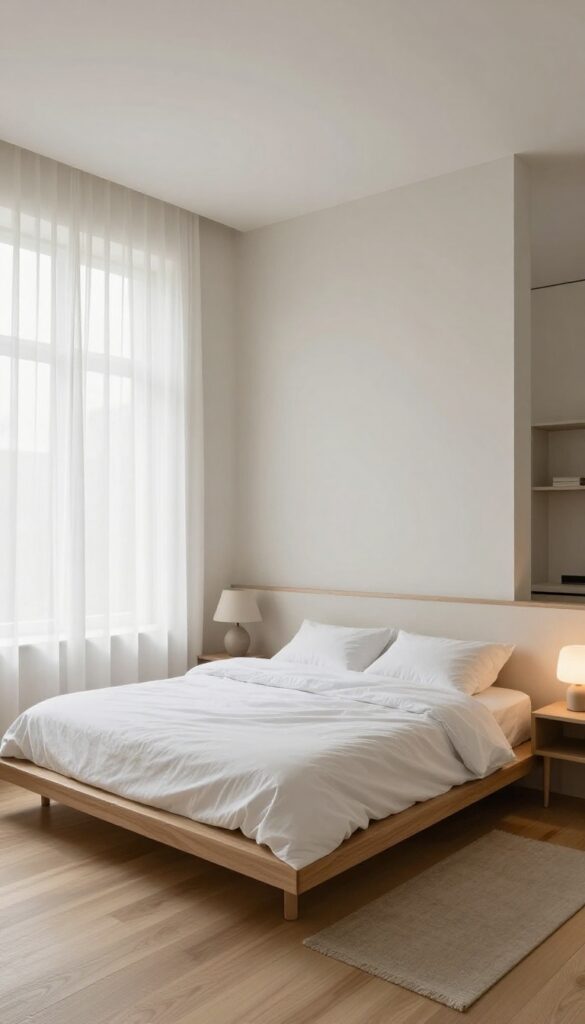
Beds pressed flat against a wall often feel like a leftover dorm habit. Floating the bed slightly away from the wall creates breathing room and makes the layout feel intentional rather than forced.
Even a few inches can change how the room moves.
This idea works especially well in medium or large bedrooms where walls get overused. A floating bed lets both sides stay functional and stops one person from feeling trapped every morning.
Why This Works
Flow improves when movement happens around furniture instead of squeezing past it. A bed that floats creates balanced walkways and reduces awkward side access. The room instantly feels more adult and less improvised.
How to Do It
- Pull the bed 6–12 inches away from the wall
- Add a slim nightstand or shelf on both sides
- Anchor the setup with a rug that extends evenly
- Keep wall décor centered above the headboard
Style & Design Tips
Choose low-profile headboards to avoid visual bulk. Avoid pushing other furniture into that gap, which defeats the purpose. Balanced spacing matters more than filling every inch.
Pro Tip or Budget Hack
Skip matching nightstands and use wall-mounted shelves instead. They cost less and keep the floor visually open.
2. Align Furniture With Natural Walking Paths
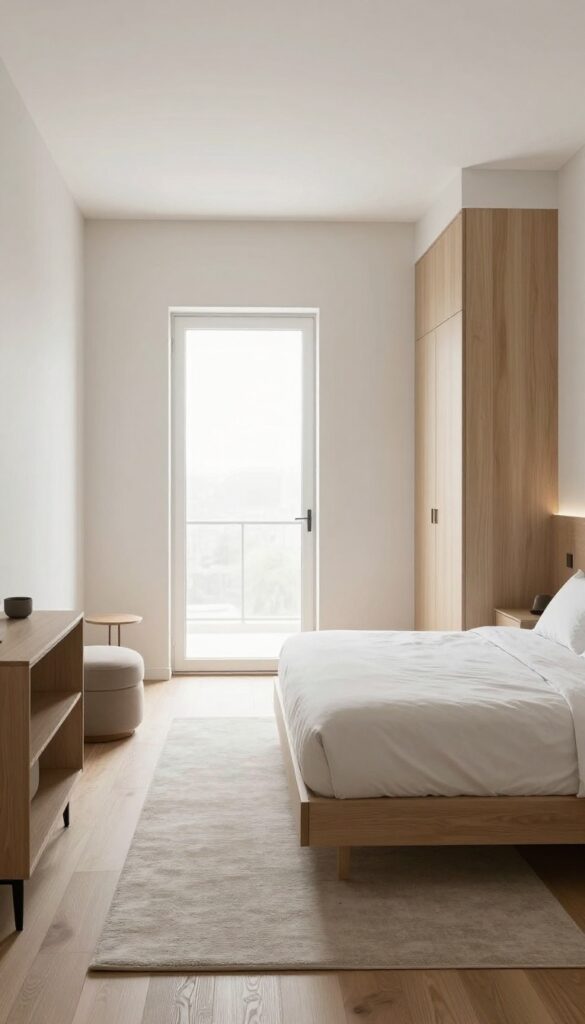
Bedrooms work best when furniture respects how people already move. Ignoring natural paths creates constant micro-frustrations like stepping sideways or bumping corners. Let movement lead the layout.
Pay attention to where feet naturally travel from door to bed to closet. That invisible map should guide furniture placement, not fight it.
Why This Works
When furniture aligns with movement, the room feels effortless. You stop thinking about where to step because nothing blocks you. That ease creates a calmer, more restful environment.
How to Do It
- Walk through the room without moving furniture
- Notice tight turns or obstacles
- Shift pieces slightly instead of fully rearranging
- Keep at least 30 inches for main walkways
Style & Design Tips
Rounded furniture edges help soften traffic zones. Avoid placing sharp-cornered pieces near doorways. Clear paths always look cleaner, even in styled rooms.
Pro Tip or Budget Hack
Painter’s tape can mark walking paths before moving anything heavy. It saves time and backs.
3. Use the Foot of the Bed Intentionally
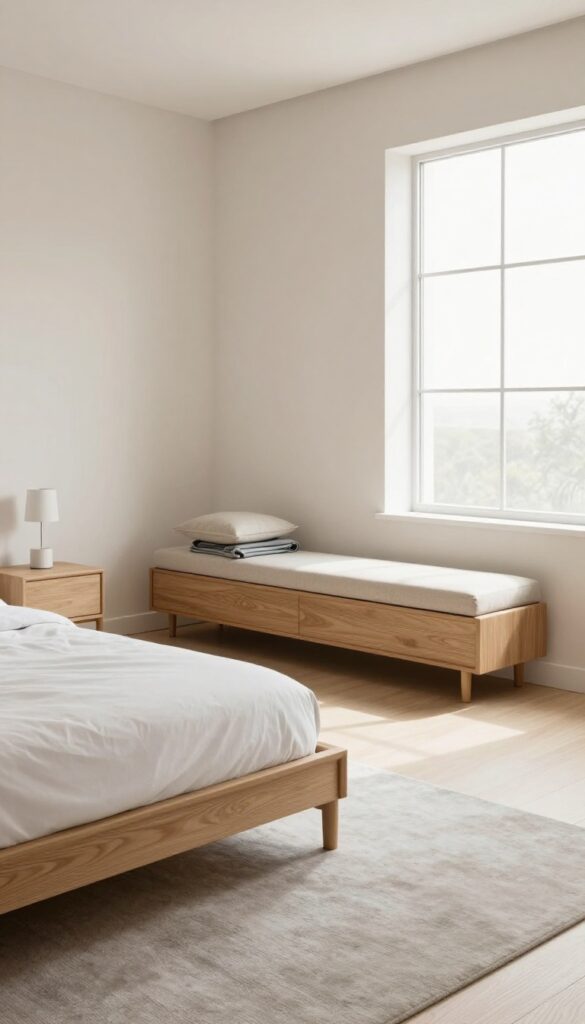
The foot of the bed often becomes wasted or cluttered space. Treating it intentionally adds function without blocking flow. The key is choosing the right scale.
A bench, trunk, or low console can anchor the room and give clothes somewhere to land that isn’t the floor.
Why This Works
The foot of the bed sits in a natural pause zone. Using it wisely creates purpose without interrupting movement. It also visually frames the bed.
How to Do It
- Measure clearance before adding anything
- Choose pieces lower than the mattress height
- Leave 24–30 inches of walking space
- Avoid bulky storage with hard edges
Style & Design Tips
Upholstered benches soften the look and feel welcoming. Avoid oversized trunks that block drawers. Lower and lighter always wins here.
Pro Tip or Budget Hack
A simple storage ottoman costs less than custom furniture and adds hidden storage.
4. Move the Dresser Closer to the Closet
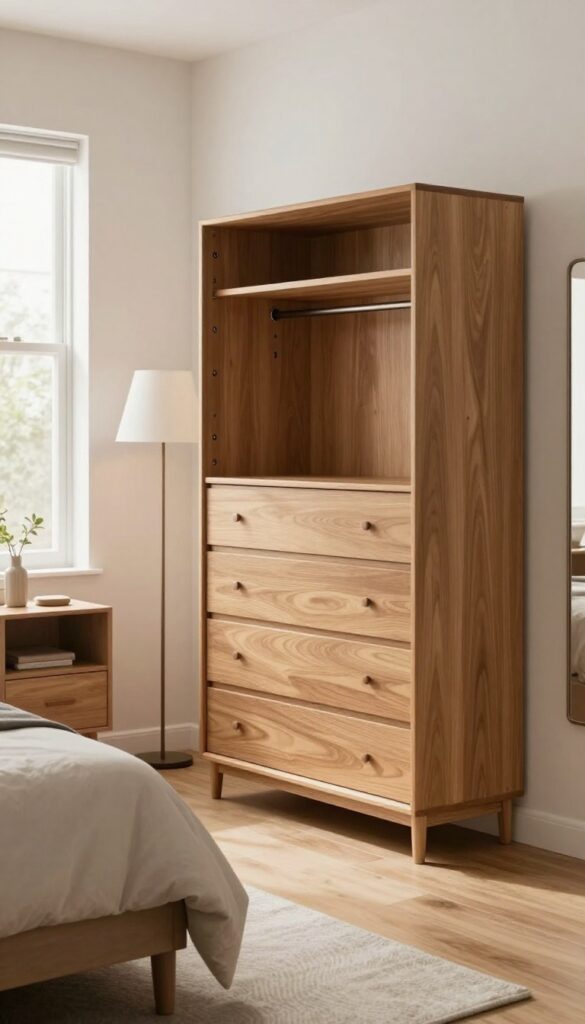
Dressers often sit far from closets out of habit, not logic. Grouping clothing-related furniture improves flow and daily routines. It turns dressing into one smooth zone.
This works especially well in bedrooms where closet doors already dictate movement.
Why This Works
Keeping related items together reduces back-and-forth walking. The room feels more organized because functions stay grouped. Mornings become faster without realizing why.
How to Do It
- Place the dresser near closet doors
- Ensure drawers open fully
- Leave clearance for standing and sorting
- Use mirrors nearby if possible
Style & Design Tips
Choose dressers with horizontal lines to avoid visual heaviness. Avoid blocking natural light sources. Functional zones still need light.
Pro Tip or Budget Hack
If space is tight, swap a wide dresser for a taller one. Vertical storage saves floor space instantly.
5. Break Up Large Furniture Clusters
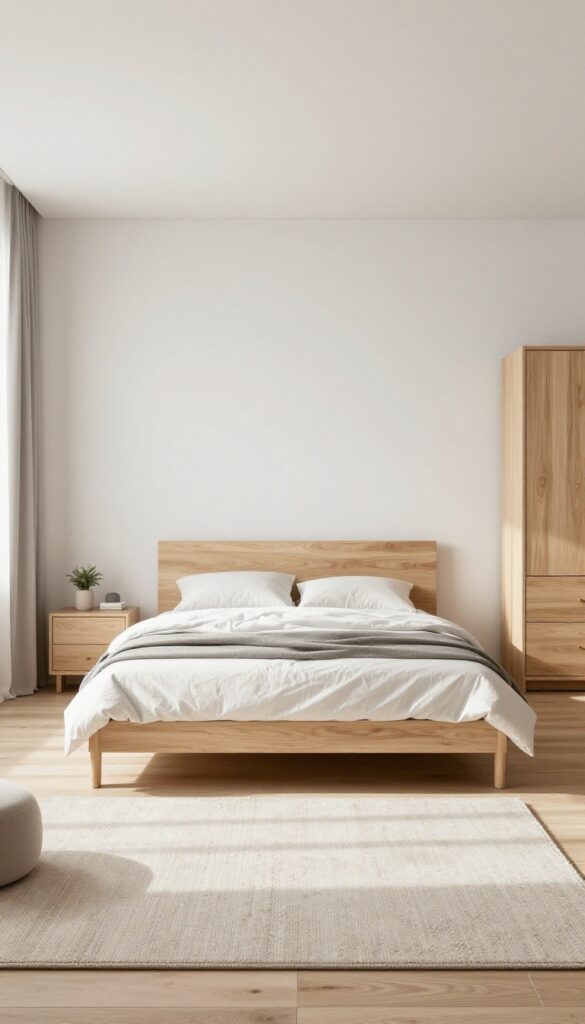
Grouping too many heavy pieces together creates visual traffic jams. Spreading them out restores balance. Think distribution, not symmetry.
Beds, dressers, and wardrobes shouldn’t all fight for one wall. Giving each breathing room improves flow and aesthetics.
Why This Works
Balanced weight keeps the room from feeling lopsided. Movement feels smoother when furniture doesn’t pile up. The room looks intentionally designed rather than accidental.
How to Do It
- Identify the heaviest visual pieces
- Separate them across different walls
- Anchor each with lighting or décor
- Leave open space between clusters
Style & Design Tips
Avoid matching bulky sets that overwhelm walls. Mixing sizes feels lighter and more relaxed.
Pro Tip or Budget Hack
Swap a bulky nightstand for a small stool or table to reduce visual weight.
6. Use Rugs to Define Furniture Zones
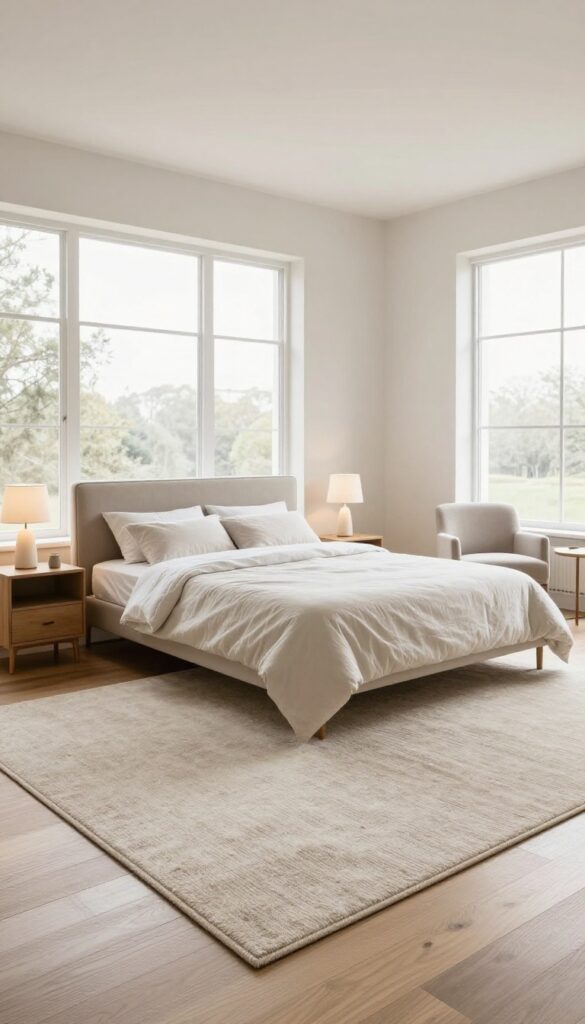
Rugs do more than decorate. They visually organize space and guide flow without moving furniture. One well-placed rug can fix a layout that feels scattered.
Rugs help anchor beds and soften walkways at the same time.
Why This Works
Rugs create invisible boundaries that help the eye understand the room. That clarity makes the layout feel calmer. It also adds warmth underfoot.
How to Do It
- Choose a rug large enough for the bed and nightstands
- Extend it at least 18 inches on sides
- Keep furniture legs partially on the rug
- Avoid tiny rugs that float alone
Style & Design Tips
Neutral rugs keep focus on layout rather than pattern. Oversized rugs always look better than undersized ones.
Pro Tip or Budget Hack
Layer a smaller patterned rug over a larger neutral one for style without buying custom sizes.
7. Reclaim Corners With Purpose
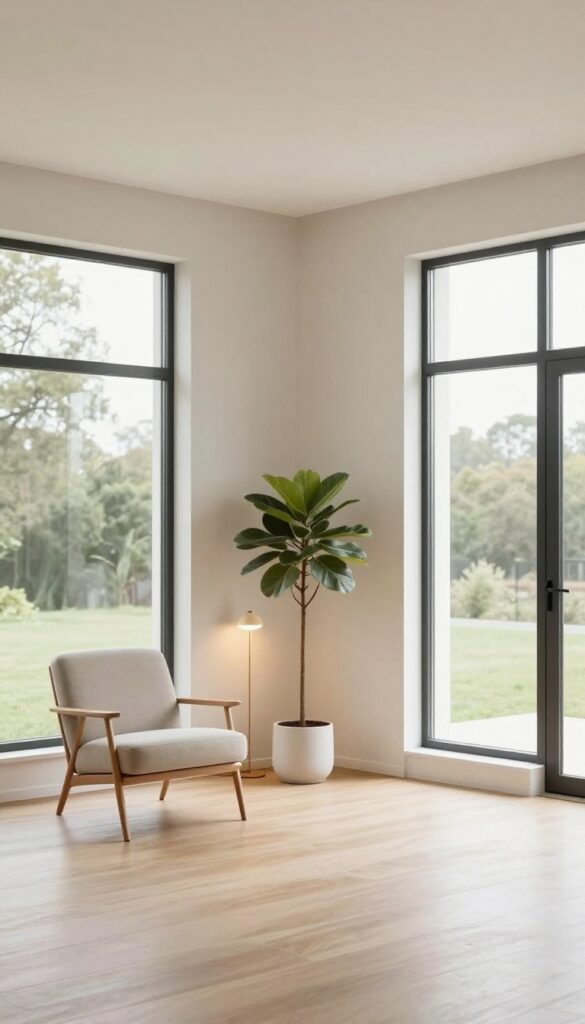
Corners often collect clutter because they feel awkward. Giving them a clear role restores balance. Every corner doesn’t need furniture, but some need intention.
A reading chair, floor lamp, or plant can turn dead zones into functional space.
Why This Works
Purposeful corners stop clutter creep. They also soften hard angles and improve visual flow. The room feels complete instead of unfinished.
How to Do It
- Identify unused corners
- Assign one simple function
- Keep scale small and light
- Avoid blocking windows
Style & Design Tips
Curved furniture works best in corners. Avoid sharp angles that feel cramped. Less is always more here.
Pro Tip or Budget Hack
A tall plant fills space cheaply and improves mood without adding bulk.
8. Simplify Nightstand Placement
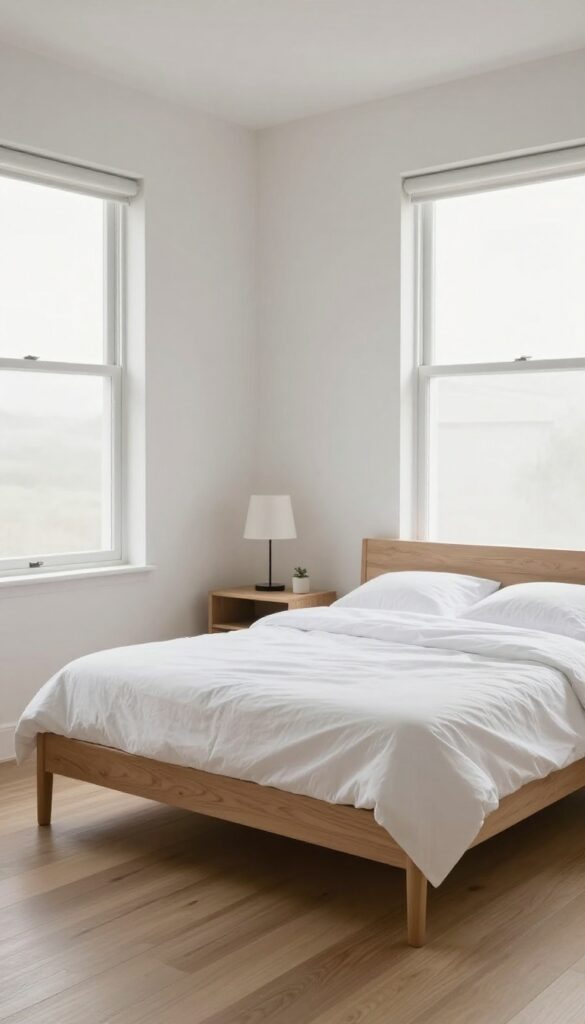
Overcrowded nightstands ruin flow fast. Simplifying what sits beside the bed improves movement and visual calm. One functional surface beats two cluttered ones.
This works well in small bedrooms where space matters.
Why This Works
Less furniture means fewer obstacles. Clear bedside areas make the room feel larger. Sleep spaces benefit from minimalism.
How to Do It
- Use only what you actually need
- Choose slim or wall-mounted options
- Keep cords managed and hidden
- Remove unnecessary décor
Style & Design Tips
Floating nightstands look modern and save space. Avoid oversized lamps that dominate. Clean lines help sleep.
Pro Tip or Budget Hack
Install wall sconces instead of lamps to free up surface space.
9. Leave Empty Space on Purpose
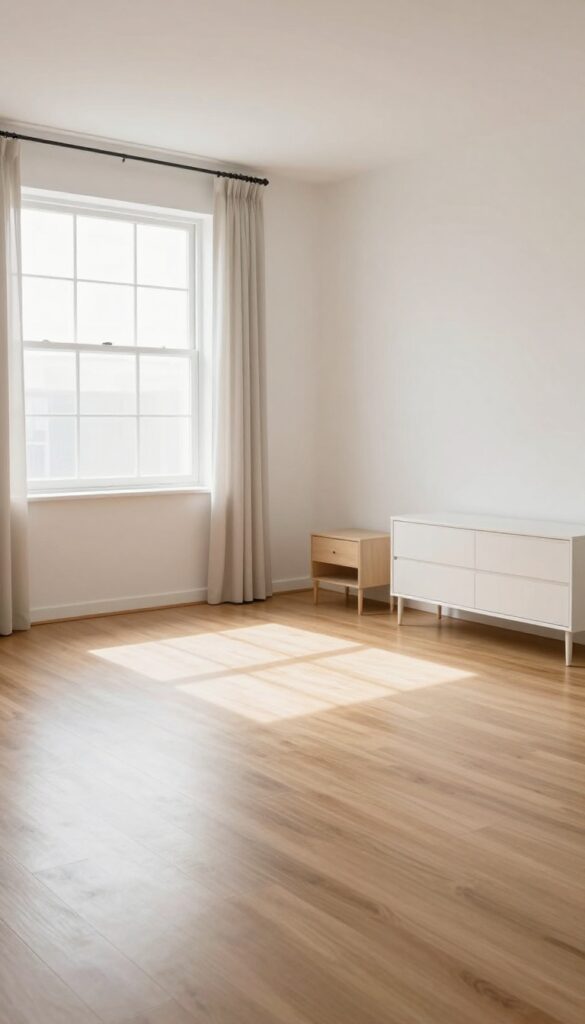
Not every inch needs furniture. Empty space improves flow more than any piece ever will. Intentional gaps let the room breathe.
This mindset shift often fixes layout issues instantly.
Why This Works
Negative space balances visual weight. Movement feels natural instead of forced. The room feels calmer and more expensive.
How to Do It
- Remove one unnecessary piece
- Widen walkways intentionally
- Resist filling every wall
- Let the layout settle
Style & Design Tips
Minimal layouts highlight quality over quantity. Empty space is a design tool, not a mistake.
Pro Tip or Budget Hack
Store unused furniture instead of forcing it to fit. You can always bring it back later.
Final Thoughts
Bedrooms don’t need perfect symmetry or expensive furniture to feel right. They need layouts that respect movement, daily habits, and breathing room. Small shifts often make the biggest difference.
Trying one idea usually leads to another without pressure. Start with flow, trust how the room responds, and let comfort lead the design choices.