15 Refreshing Room Reset Ideas To Instantly Feel Better
Ever had one of those days where your room feels like it’s judging you? I’ve been there more times than I’d like to admit, and trust me, a messy or dull room can mess with your mood faster than cold coffee.
I’ve reset rooms after long workdays, creative burnout, and even random Sunday slumps, and it always works like a mini mental refresh.
Let me walk you through my favorite room reset ideas that actually make you feel better without turning into a full-blown renovation project.
Why a room reset works better than you think
A room reset hits different because your environment talks to your brain nonstop. When clutter piles up or the vibe feels off, your mind stays on edge even if you don’t notice it consciously.
Ever wondered why you suddenly feel calmer after cleaning one small corner?
I’ve noticed that even a tiny change, like clearing a bedside table, gives instant mental relief. Your brain loves visual order, and a reset gives it exactly that without therapy bills.
FYI, this works even if you don’t consider yourself an organized person.
1. Start with a five-minute surface sweep
Clear what you can see first
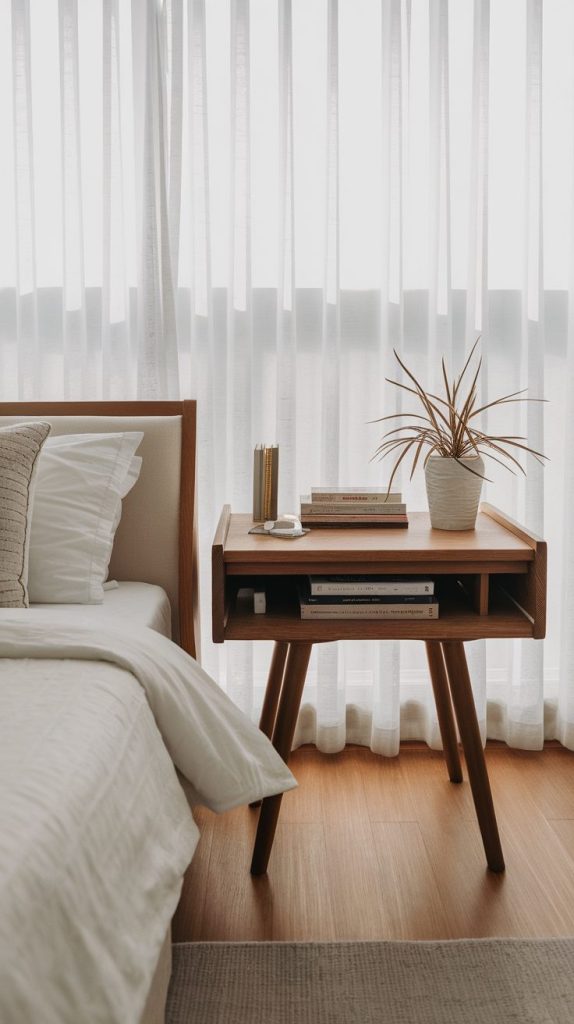
I always start with visible surfaces because they create the biggest visual impact. Desks, nightstands, dressers, and shelves collect random stuff like magnets attract chaos. Clearing them fast gives an instant “ahh” feeling.
Focus on removing anything that doesn’t belong there right now. Visual clutter equals mental clutter, and fixing it first gives quick wins without draining energy.
Use the temporary basket trick
I keep a basket nearby and toss everything questionable into it without overthinking. This keeps momentum going and stops decision fatigue. IMO, this trick alone makes room resets feel way easier.
2. Reset your bed like it’s a hotel room
Fresh sheets change everything
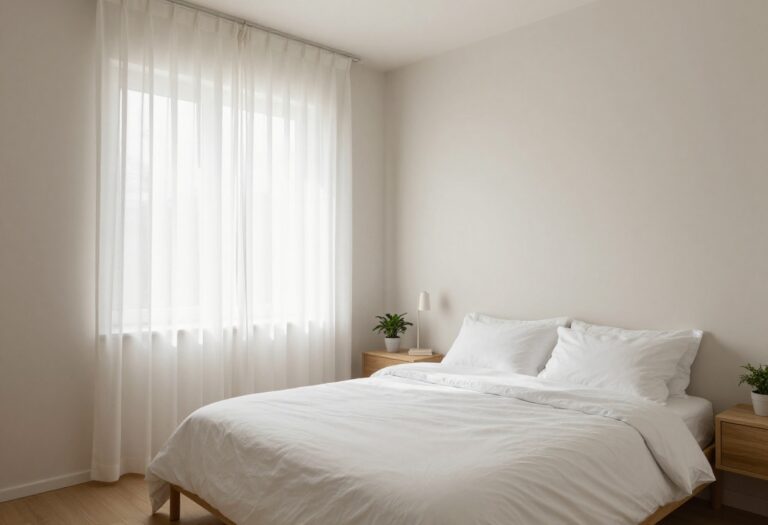
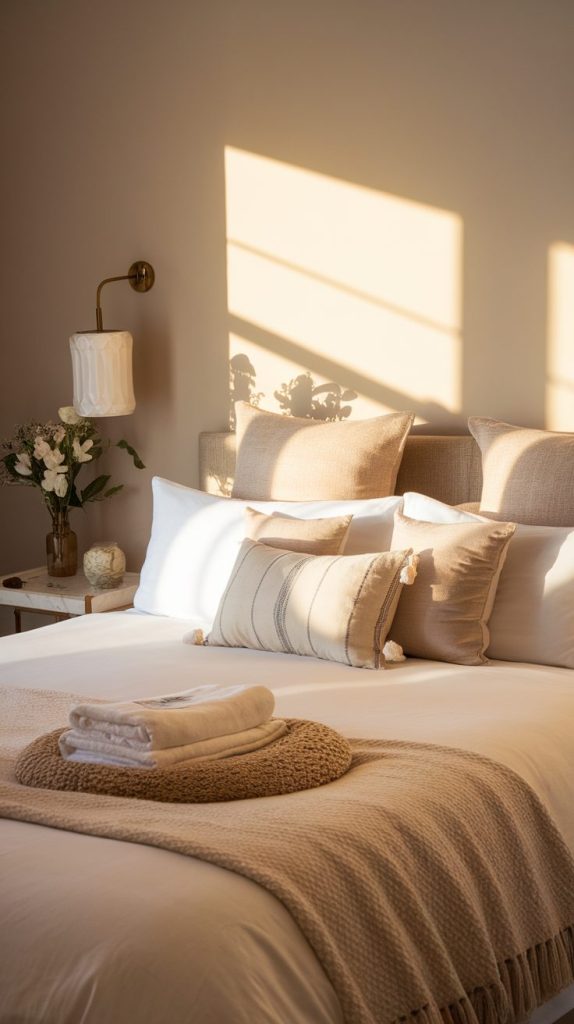
I don’t care how dramatic this sounds, but fresh bedsheets can reset your entire mood. Clean fabric, smooth pillows, and a neatly tucked blanket instantly raise the room’s vibe. Ever noticed how hotels feel calm even when they’re simple?
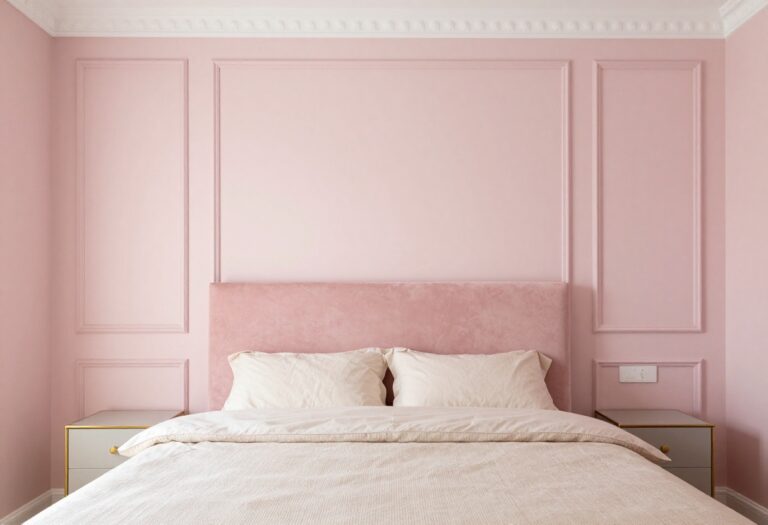
I always choose light or neutral colors for a reset because they visually relax the space. Your bed takes up the most visual real estate, so it deserves attention first.
Layer pillows intentionally
Skip the pillow explosion and stick to purpose. Sleeping pillows go flat, decorative pillows go minimal, and throws stay folded neatly. This small detail makes your room feel styled instead of chaotic.
3. Open windows and let the room breathe
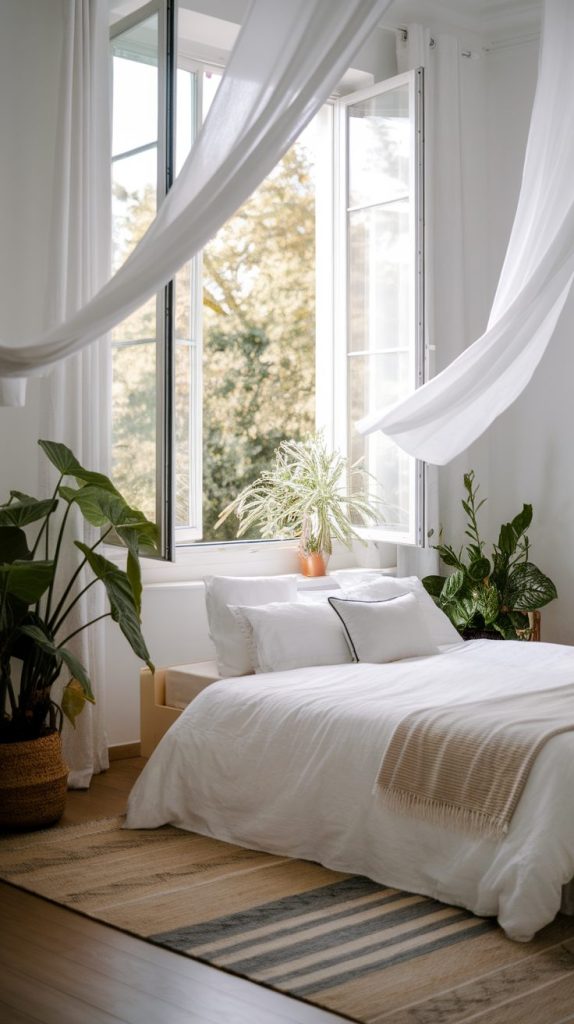
Fresh air resets your senses
I open windows even in colder months because stale air kills energy. Fresh air improves mood, focus, and that weird “blah” feeling you can’t explain. Ever wondered why rooms feel dead after staying closed all day?
Let airflow move through the space for at least ten minutes. A breathing room feels alive, and your brain responds instantly.
Pair it with natural light
Pull back curtains fully and let sunlight hit the walls. Natural light makes spaces feel bigger, cleaner, and more positive without effort. This step costs nothing and delivers massive impact.
4. Reset lighting for instant comfort
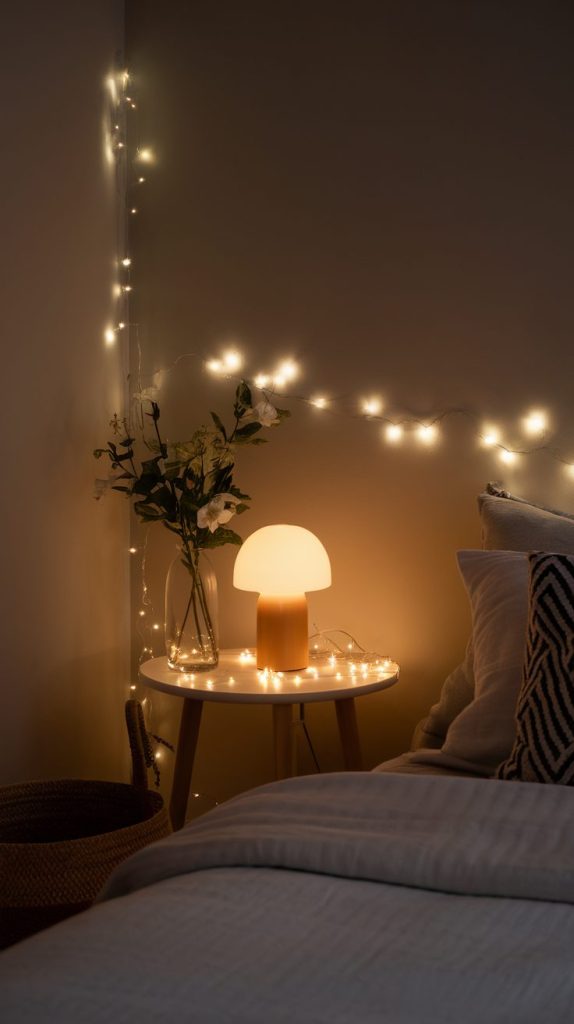
Switch harsh lights off
Overhead lighting often feels aggressive, especially in bedrooms. I prefer lamps, fairy lights, or warm bulbs because they soften the room instantly. Lighting controls mood more than most people realize.
Swap cool white bulbs for warm tones if possible. Warm lighting creates calm, while harsh light creates tension.
Add one cozy light source
You don’t need ten lamps to feel cozy. One soft light in a corner can transform the entire space. This trick works great during evening resets when you want comfort, not productivity.
5. Do a scent reset for your room
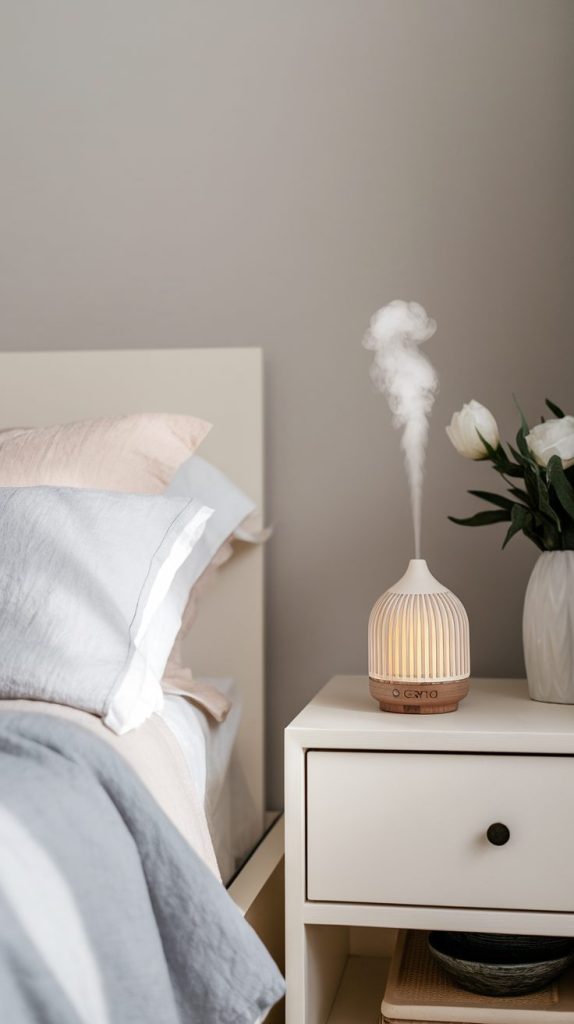
Clean smells matter more than strong scents
I avoid overpowering fragrances because they overwhelm quickly. Instead, I focus on clean, subtle scents like linen, lavender, or citrus. Ever noticed how a room smells after deep cleaning?
Use candles, essential oil diffusers, or linen sprays sparingly. A light scent refreshes your mood without demanding attention.
Remove odor sources first
Before adding scent, remove trash, dirty laundry, and old cups. Covering smells never works long-term. A true reset always starts with elimination, not masking.
6. Reset your floor space completely
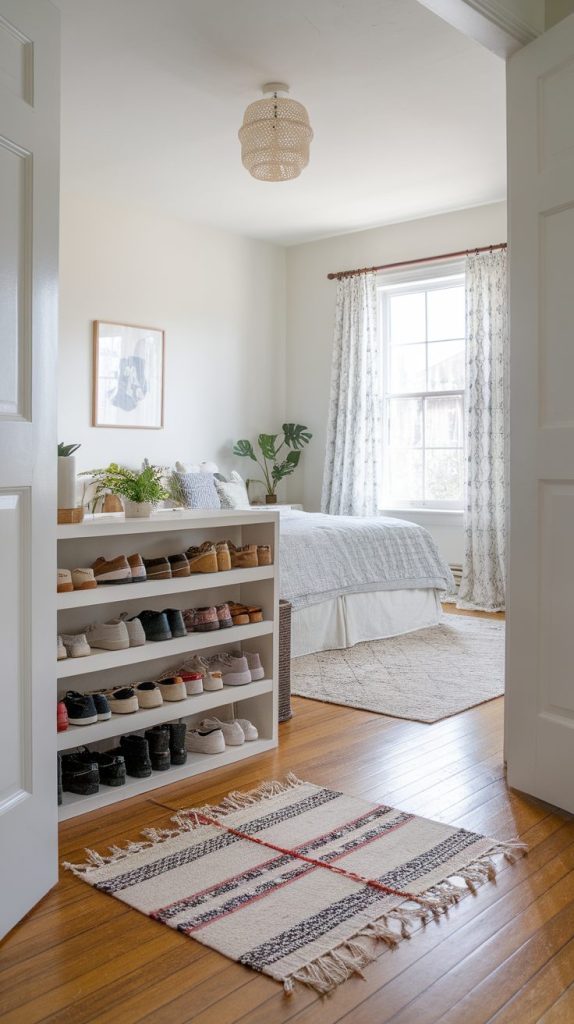
Clear the walking paths
I always check whether I can walk freely without stepping over stuff. Shoes, bags, and clothes on the floor instantly create stress. Clearing pathways restores flow and ease.
Put items back where they belong or store them temporarily. Open floor space makes rooms feel bigger and calmer immediately.
Quick vacuum or sweep
A fast vacuum or sweep removes dust and crumbs that subconsciously bother you. You don’t need perfection here, just visible cleanliness. This step alone can change how your room feels underfoot.
7. Declutter one small zone only
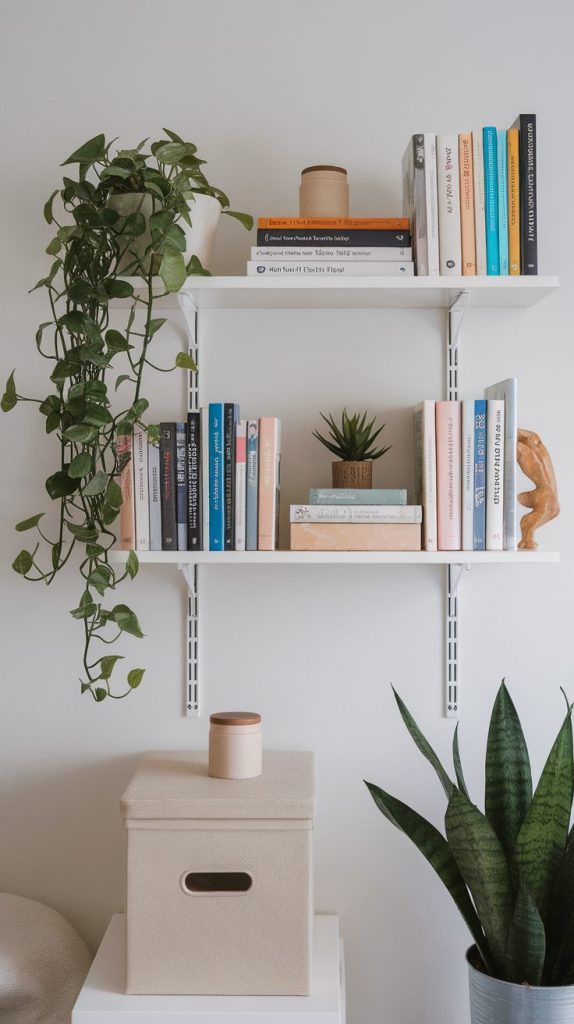
Avoid the whole-room trap
I never declutter the entire room during a reset because burnout happens fast. I choose one zone like a drawer, shelf, or corner. Ever started cleaning and quit halfway feeling worse?
Focus on one contained area and finish it completely. Completion boosts motivation, even if the rest stays untouched.
Use the keep, donate, trash method
Sort items quickly without emotional debates. If you haven’t used it in months, it probably doesn’t deserve space. This method keeps decisions fast and stress-free.
8. Reset your desk or work corner
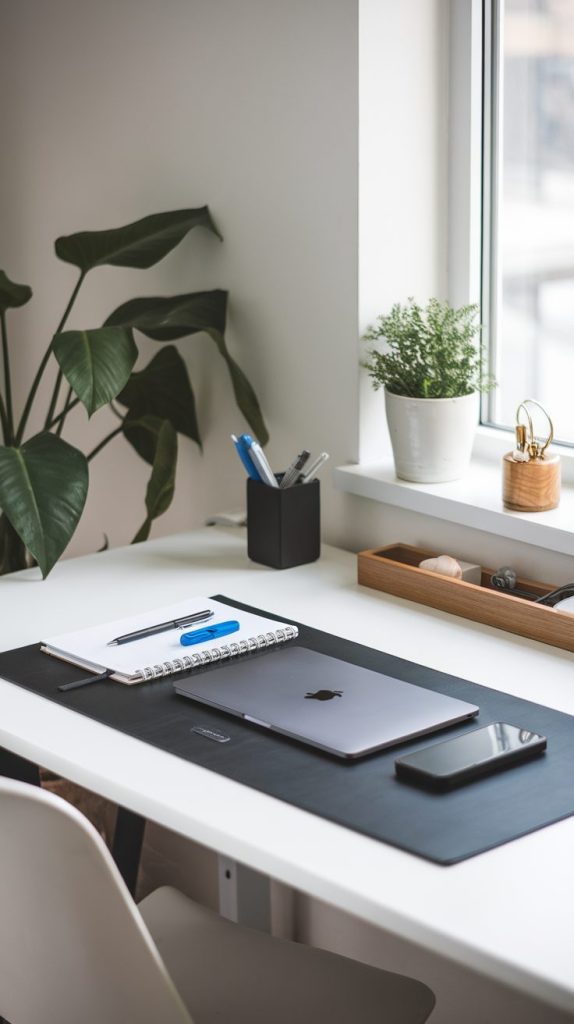
Clear mental clutter through workspace order
A messy desk drains focus even when you’re not working. I reset my desk by removing everything except essentials. Pens, notebooks, and devices stay minimal.
Wipe the surface clean and align items neatly. A tidy desk signals mental clarity, even if work isn’t on your agenda.
Reposition for better energy
Sometimes I shift my chair or desk angle slightly. Small layout changes trick your brain into feeling refreshed without buying anything. Ever noticed how rearranging feels exciting?
9. Refresh your room with texture changes

Swap one fabric element
I love changing one soft item like pillow covers, throws, or curtains. Texture changes create novelty without effort. Your brain craves new sensory input, even in familiar spaces.
Choose cozy materials like cotton, knit, or linen. Soft textures make rooms feel welcoming instantly.
Layer thoughtfully, not randomly
Avoid stacking too many textures in one spot. Balance matters more than abundance. This keeps the room calm rather than visually noisy.
10. Reset visual noise on walls
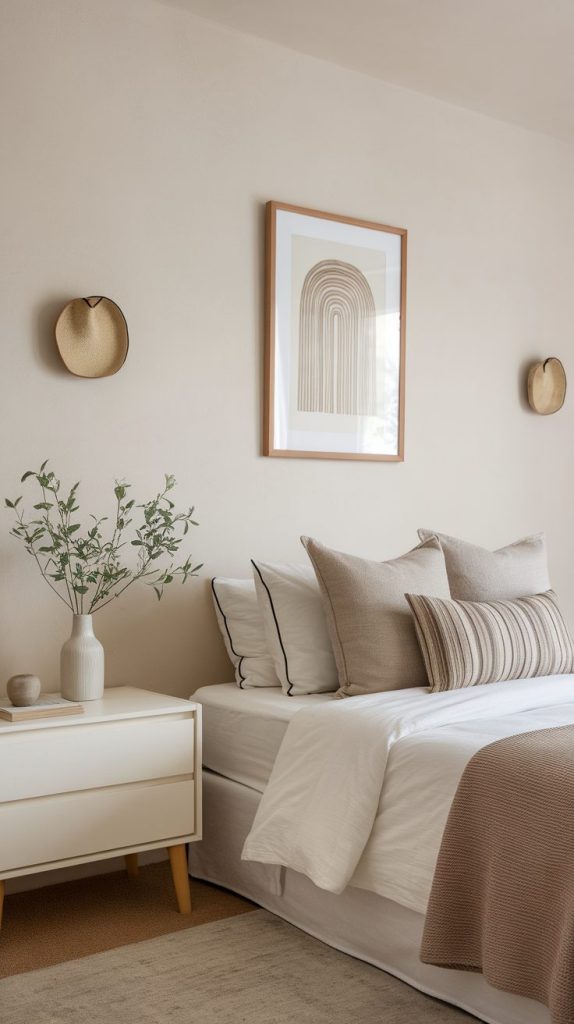
Remove visual overload
Walls collect posters, notes, and random decor over time. I step back and ask if everything still deserves attention. Ever felt overwhelmed just by looking around?
Remove or rearrange items until walls feel balanced. Less visual noise equals more mental peace.
Center one focal point
Choose one artwork or photo that you love and let it shine. Everything else supports it quietly. This gives the room intentional energy instead of cluttered chaos.
11. Do a digital detox corner reset
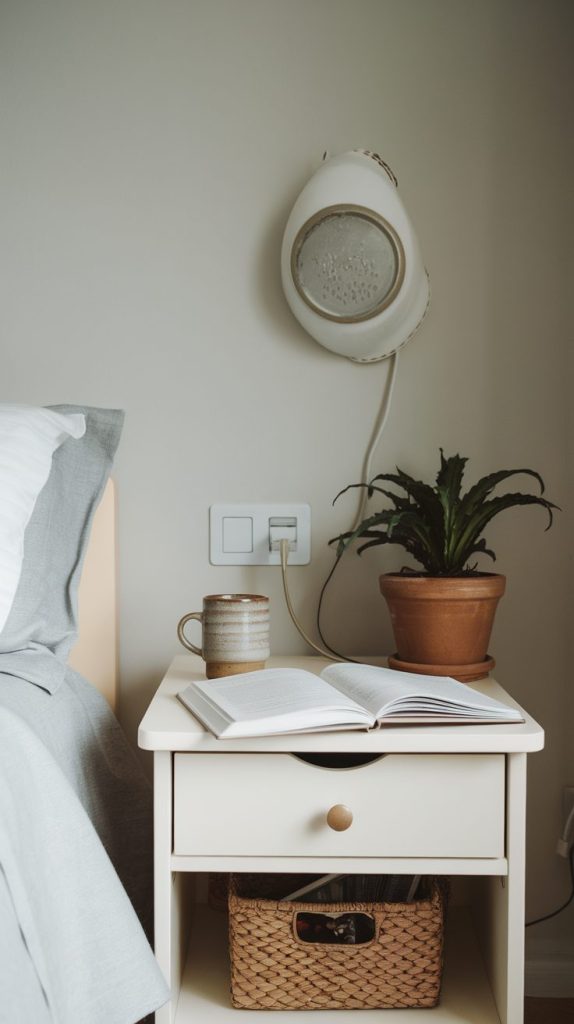
Tidy visible tech clutter
Cables, chargers, and gadgets ruin calm vibes fast. I hide cords using boxes or organizers whenever possible. Visible tech noise affects relaxation more than we admit.
Charge devices neatly and store extras out of sight. Clean tech zones support better rest and focus.
Create a no-phone surface
I designate one surface where phones don’t live, usually a nightstand or desk corner. This small boundary improves sleep and reduces constant scrolling temptation.
12. Reset with intentional decor placement
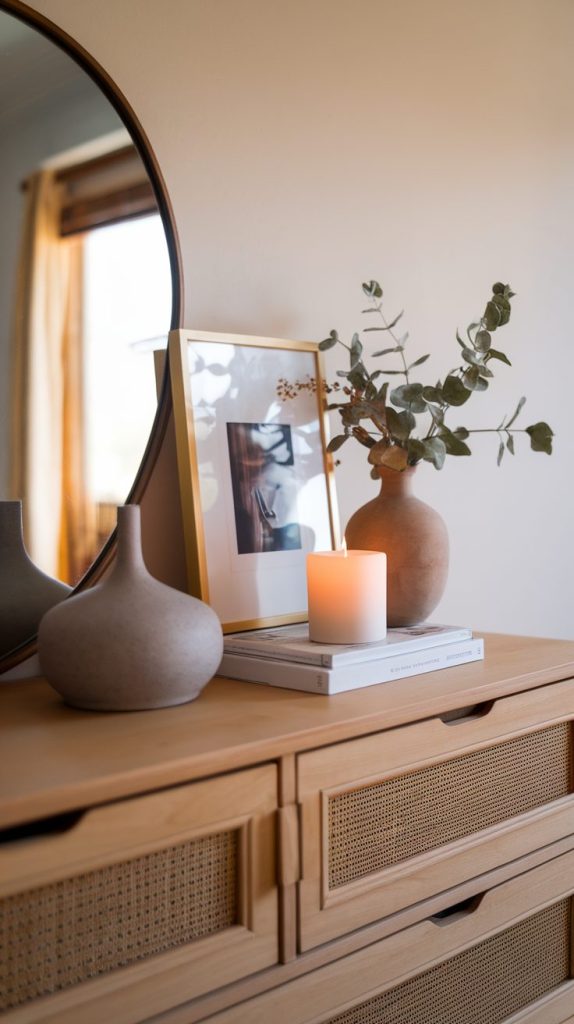
Group decor items properly
Scattered decor feels messy even when items look nice individually. I group decor in sets of three or five for balance. This trick always makes rooms look styled.
Vary heights and shapes for visual interest. Intentional grouping creates harmony, not clutter.
Remove what doesn’t spark joy
If decor feels stale or annoying, it goes. Your room should support your mood, not challenge it. Trust your instincts here.
13. Introduce greenery or natural elements
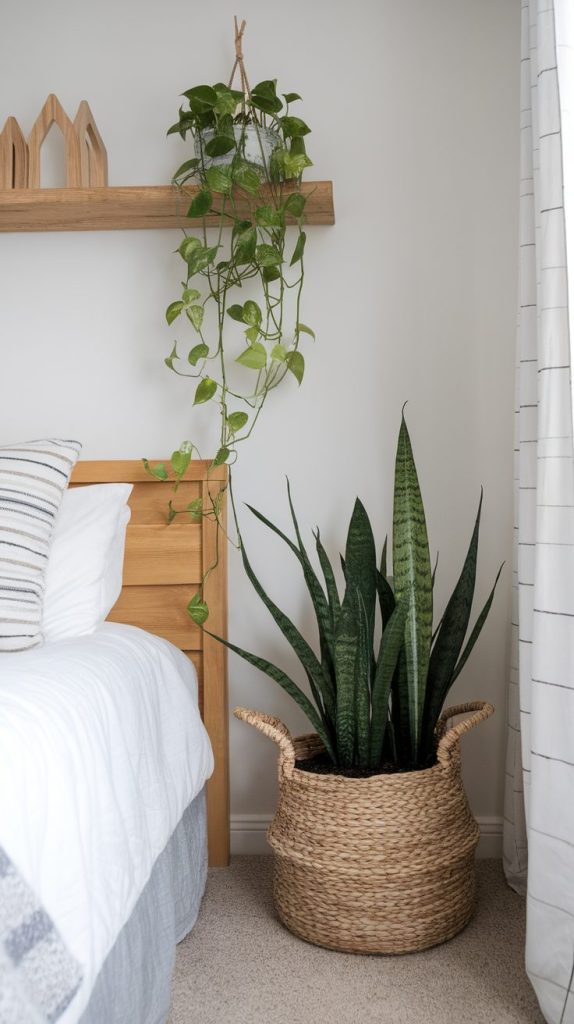
Add life with plants
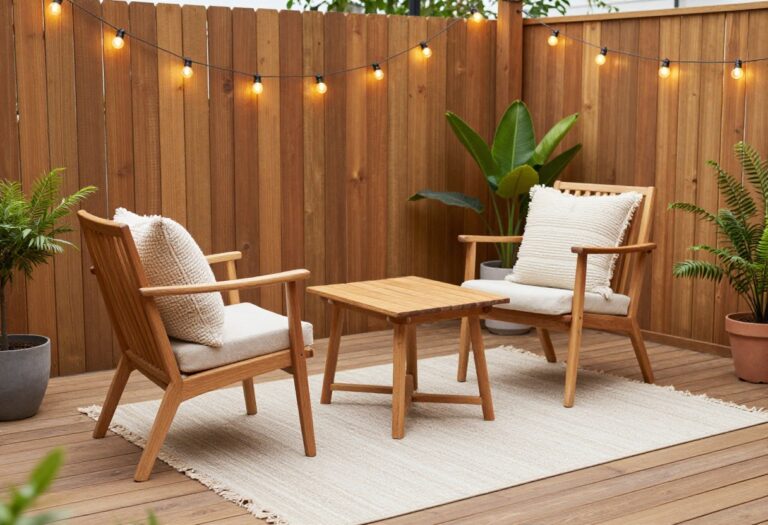
Plants instantly soften rooms and boost mood. I prefer low-maintenance plants because dead plants kill vibes fast. Ever noticed how greenery changes energy?
Even faux plants work if you lack sunlight. Natural elements create calm and connection effortlessly.
Use organic materials
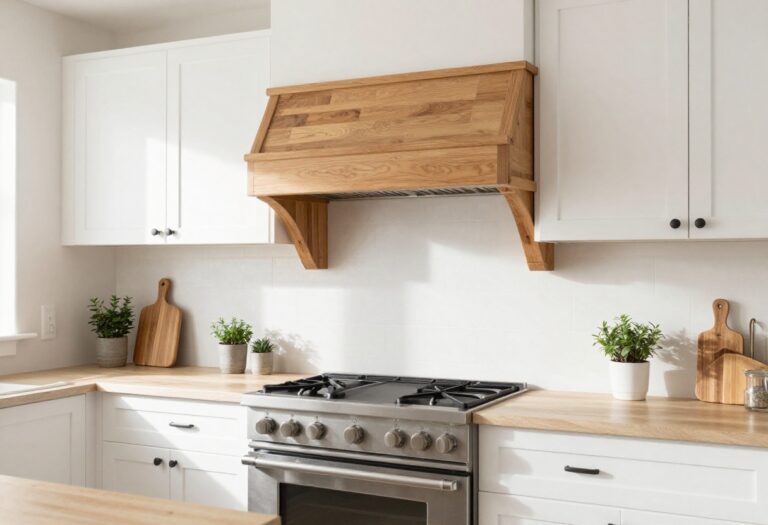
Wood trays, stone decor, or woven baskets add warmth. These materials ground the room and balance modern elements nicely.
14. Reset sound and silence intentionally
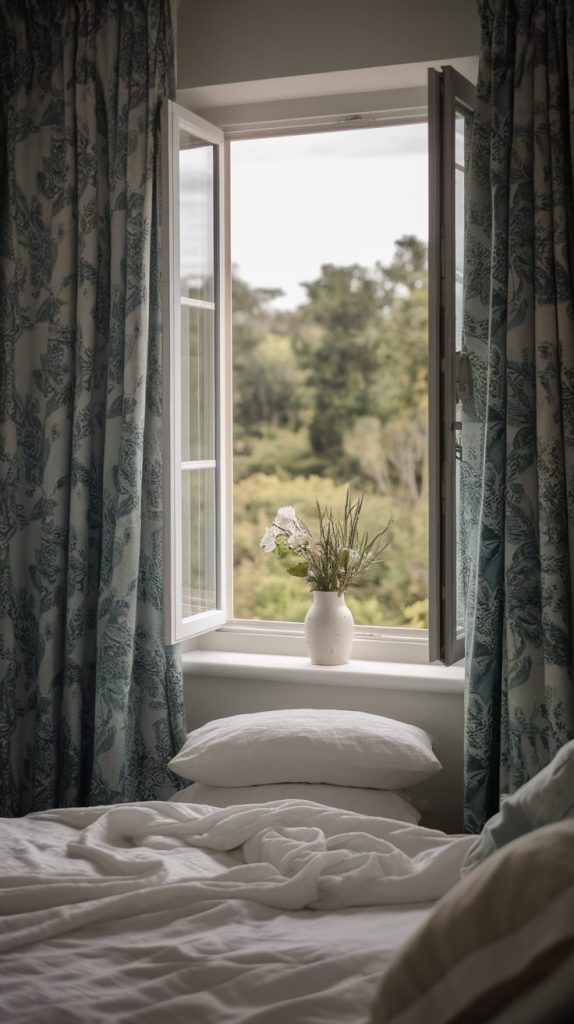
Control background noise
Sound matters more than we realize during resets. I turn off unnecessary noise like TVs or notifications. Silence allows the room to feel peaceful again.
If silence feels uncomfortable, play soft background music. Sound shapes emotional atmosphere, whether you notice it or not.
Choose calming audio intentionally
Instrumental music or nature sounds work best. Avoid lyrics if you want relaxation. This supports mental reset without distraction.
15. End with a personal comfort ritual
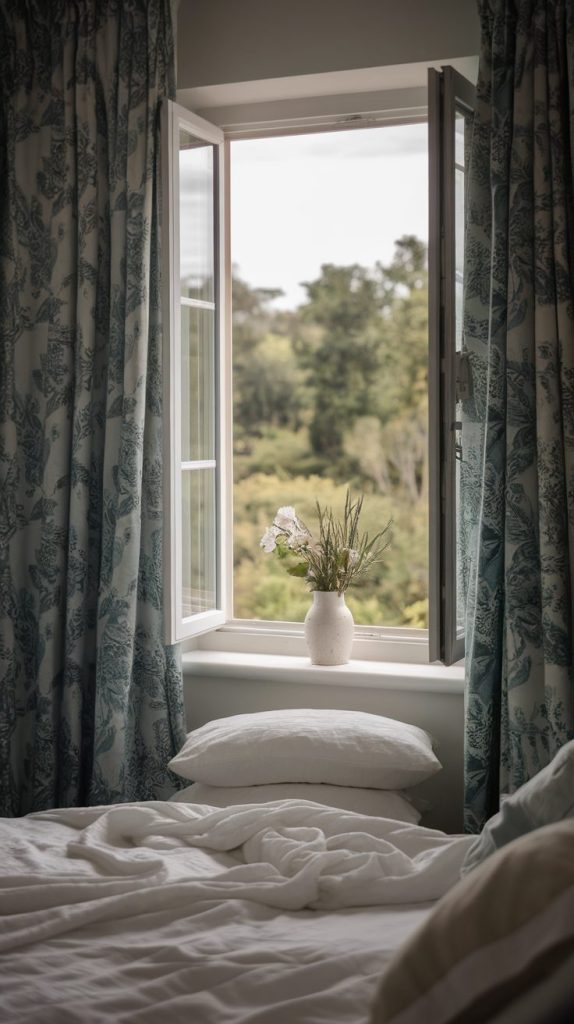
Create a reset ritual you enjoy
I always finish resets with something comforting like tea, reading, or journaling. This connects the physical reset to emotional well-being. Ever noticed how rituals anchor habits?
Choose something small and repeatable. Consistency turns resets into self-care, not chores.
Sit and enjoy the result
Take a moment to sit in your reset room and breathe. Acknowledge the change and how it feels. This reinforces the positive effect and motivates future resets.
How often should you reset your room
I reset my room lightly every few days and deeply once a month. This balance keeps chaos from building up. You don’t need perfection, just consistency.
Short resets beat rare deep cleans every time. Small efforts prevent overwhelming messes long-term.
Common mistakes that ruin room resets
People try to do too much at once and burn out fast. Others chase perfection and quit halfway. Ever felt worse after cleaning instead of better?
Avoid overthinking and stick to simple actions. A reset should refresh you, not exhaust you.
Final Thoughts
A room reset doesn’t require money, talent, or hours of effort, and that’s what makes it powerful. Small intentional changes can shift your mood, focus, and energy faster than most people expect.
Next time your space feels off, try one or two of these ideas and see how quickly things change, because your room should support you, not silently stress you out.