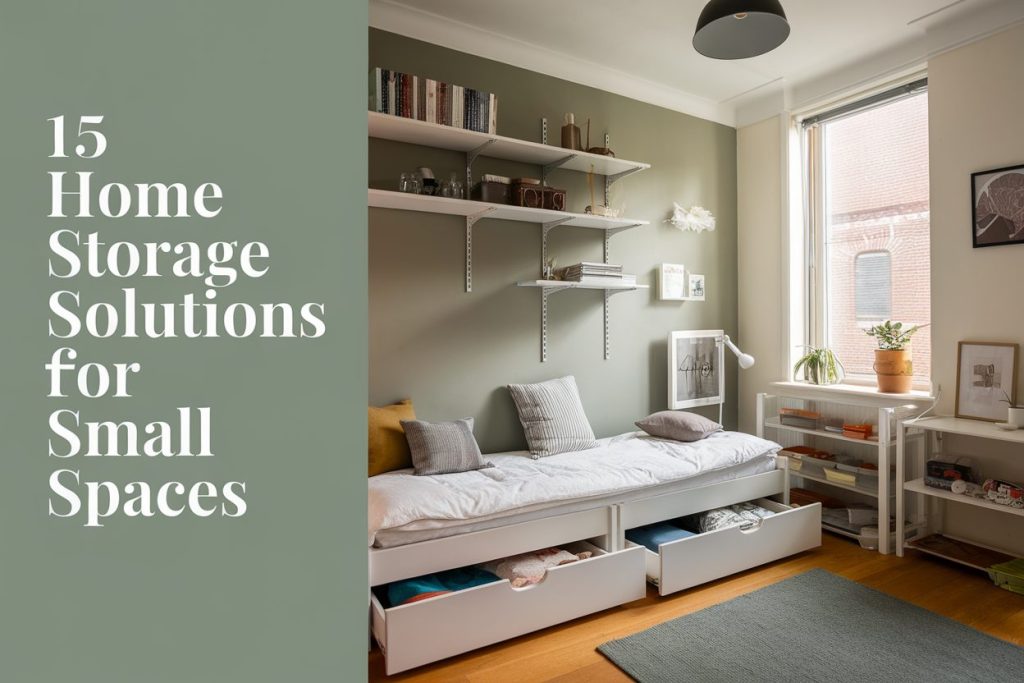
15 Home Storage Solutions for Small Spaces
Ever looked around your home and thought, how did all this stuff sneak in here? I’ve been there, standing in a tiny room, holding something I swear I didn’t buy, wondering where on earth it’s supposed to live.
Small spaces don’t forgive clutter, but they also don’t mean you have to live like a minimalist monk with one plate and a chair. The trick lies in smart storage that works with your life, not against it.
I’ve spent years experimenting, failing, rearranging, and occasionally rage-cleaning at midnight, so I know what actually works.
This guide breaks down 15 home storage solutions for small spaces that feel realistic, livable, and honestly kind of satisfying. Ready to make your space breathe again?
Rethink Your Mindset About Storage
Before we talk shelves, bins, or sneaky furniture, we need to address the elephant in the room, mindset.
Storage doesn’t mean hiding everything until it explodes out of a closet later. Storage means giving every item a logical home so your space works smoothly.
Small homes demand intention, and once you accept that, everything changes. You stop buying random organizers and start choosing solutions that fit how you actually live, not how Pinterest says you should live.
Storage Should Match Your Daily Habits
I learned this the hard way when I bought beautiful storage boxes that required lifting a lid every time. Guess what happened? I stopped using them after a week. Storage only works if it feels easy.
Ask yourself a few honest questions.
- Do I use this item daily or weekly?
- Do I want this visible or hidden?
- Will I realistically put this back here?
When storage aligns with habits, clutter stops creeping back like an unwanted houseguest.
1. Under Bed Storage That Actually Makes Sense

The space under your bed holds massive potential, yet most people waste it with dust bunnies. Under bed storage works best when it stays simple and accessible.
I use low-profile bins with wheels because dragging heavy boxes ruins motivation. You can store off-season clothes, extra bedding, or even shoes without turning it into chaos.
What Works Best Under the Bed
- Clear bins so you see what’s inside without guessing.
- Rolling drawers for easy access.
- Fabric zip bags for soft items like blankets.
Avoid stuffing random things under there or you’ll forget what you own. FYI, forgotten stuff equals future clutter.
2. Vertical Shelving to Use Wall Space Wisely
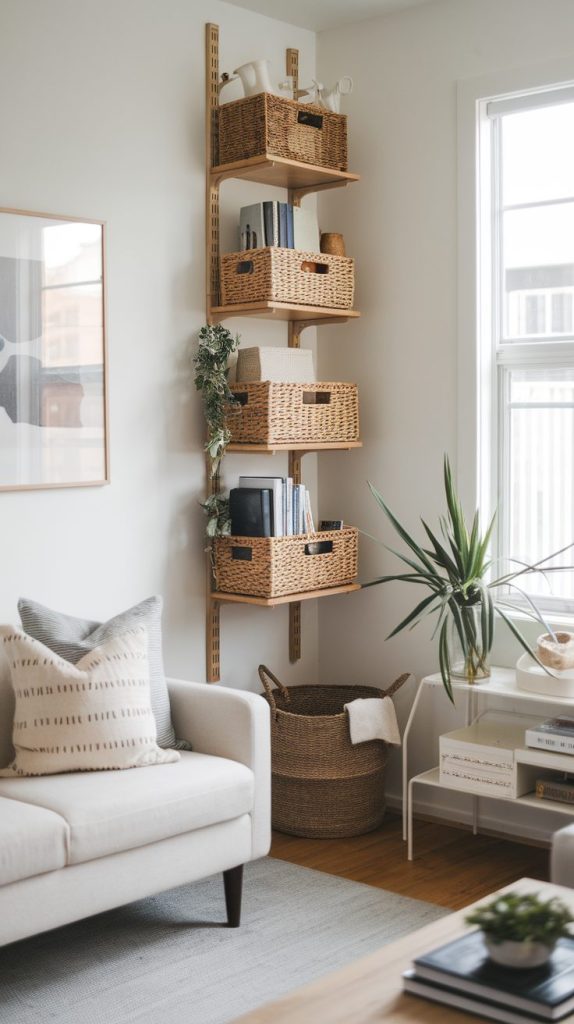
When floor space runs out, walls step up as the real MVP. Vertical shelving transforms blank walls into functional storage without crowding your room.
I love tall, slim shelves because they draw the eye upward and make ceilings feel higher. Plus, they hold a surprising amount without feeling bulky.
Smart Vertical Shelf Tips
- Anchor shelves securely for safety.
- Use baskets on shelves to hide visual clutter.
- Mix décor and storage so it doesn’t look like a warehouse.
Ever noticed how rooms feel calmer when storage looks intentional? That’s not magic, that’s good design.
3. Multi-Functional Furniture That Pulls Double Duty
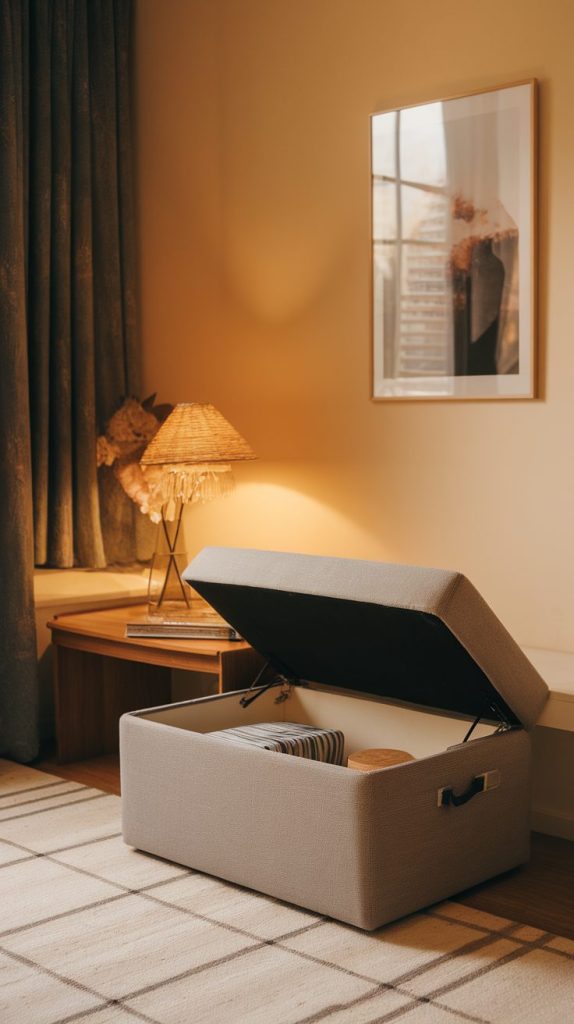
If furniture doesn’t multitask in a small home, it doesn’t earn its place. Multi-functional furniture saves space while keeping your home flexible.
My personal favorite is an ottoman with hidden storage because it hides clutter and gives tired feet a break. Beds with drawers, coffee tables with shelves, and benches with compartments all play the same game.
Best Multi-Tasking Pieces
- Storage ottomans.
- Beds with built-in drawers.
- Coffee tables with hidden compartments.
IMO, furniture that stores things quietly feels like cheating in the best way.
4. Closet Storage Systems That Maximize Every Inch
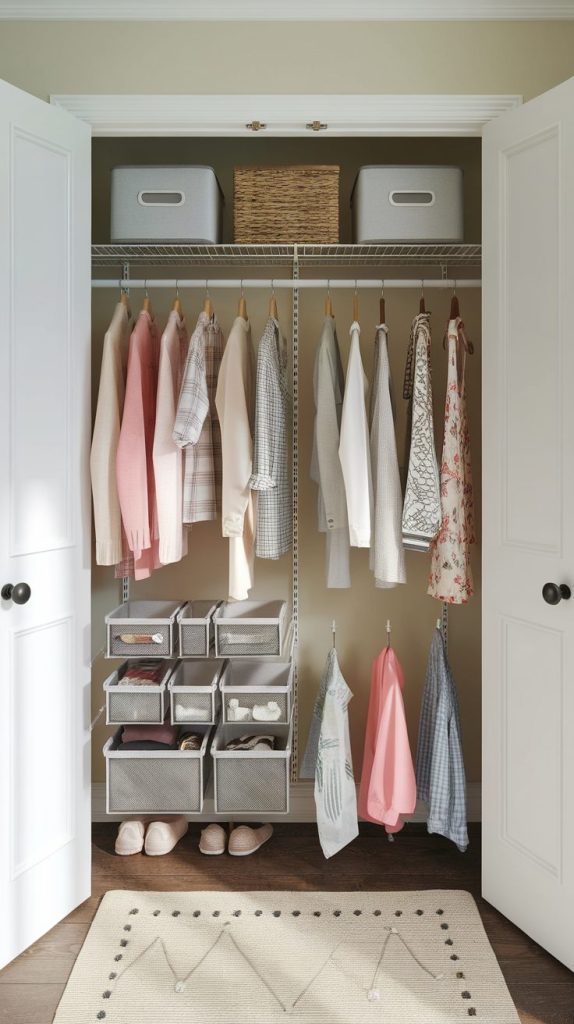
Closets often look small because they waste vertical space. Closet storage systems help you stack, hang, and organize without squeezing everything together.
I once added a second hanging rod and instantly doubled my hanging space. No renovation required, just smarter use of height.
Easy Closet Upgrades
- Double hanging rods.
- Shelf dividers to stop messy stacks.
- Hanging organizers for accessories.
Closets shouldn’t feel like black holes where clothes disappear forever.
5. Over-the-Door Organizers for Instant Storage
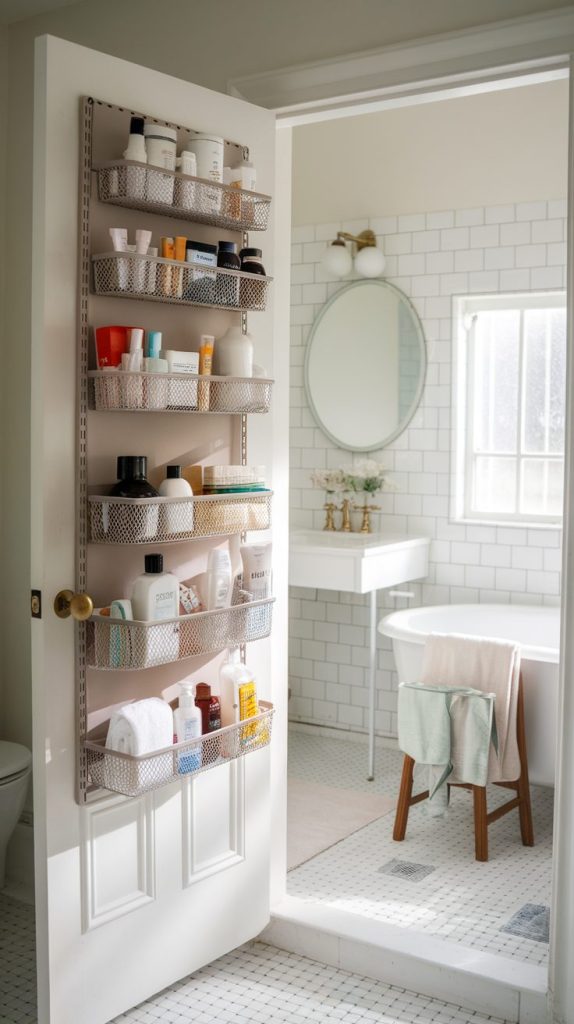
Doors hide one of the easiest storage wins in small spaces. Over-the-door organizers add storage without using any floor or wall space.
I use one behind my bathroom door for toiletries and cleaning supplies. It feels like bonus storage that appeared out of nowhere.
Where Over-the-Door Storage Shines
- Bathrooms for hair tools and products.
- Bedrooms for shoes or accessories.
- Pantries for snacks or spices.
Ever wonder why doors get ignored? Same, but they deserve better.
6. Floating Shelves That Feel Light and Functional
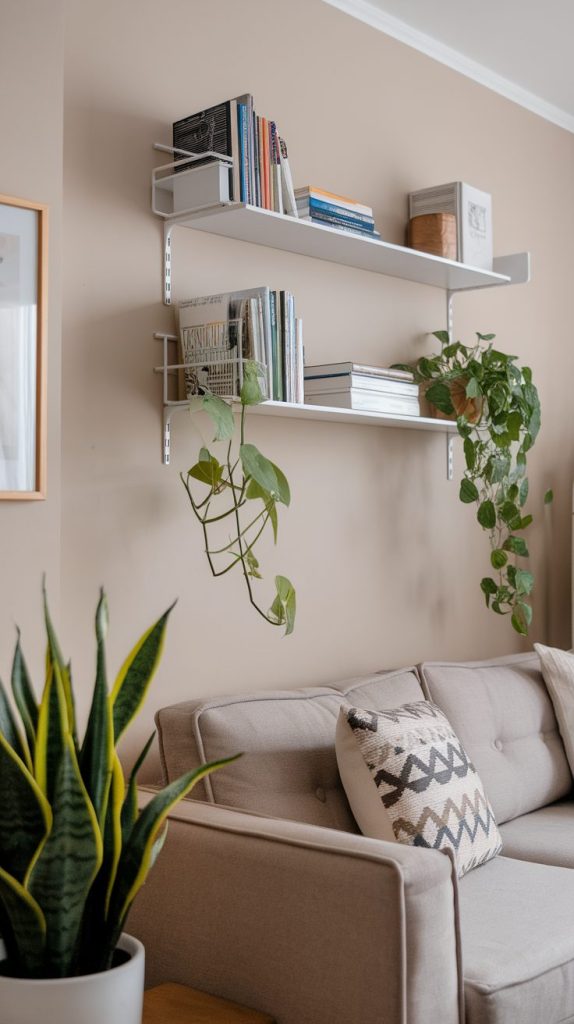
Floating shelves offer storage without visual heaviness. Floating shelves keep items accessible while maintaining an airy look.
I like placing them above desks, beds, or sofas to store books and décor. They keep surfaces clear and your mind calmer, which feels like a win-win.
Floating Shelf Styling Tips
- Keep items minimal.
- Group objects in odd numbers.
- Mix functional items with decorative ones.
Less surface clutter equals fewer stress-induced sighs.
7. Drawer Dividers to Tame Chaos
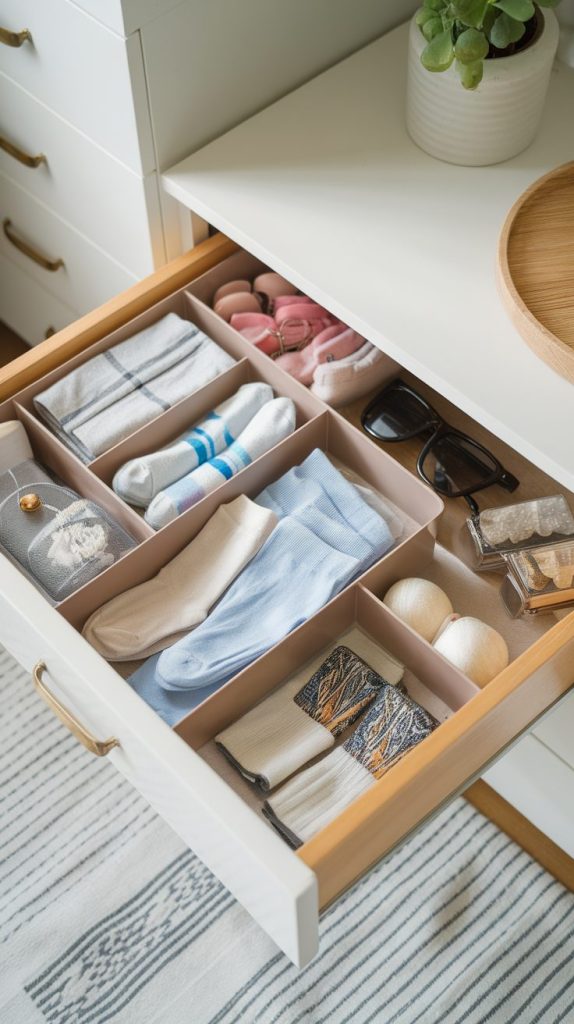
Drawers turn into junk magnets fast. Drawer dividers change everything by giving each item a boundary.
I resisted these for years, then tried them once and wondered why I waited. Suddenly socks, utensils, and random bits all stayed in line.
Where Dividers Help Most
- Kitchen drawers.
- Bedroom dressers.
- Bathroom vanities.
Opening an organized drawer feels oddly satisfying, doesn’t it?
8. Stackable Storage Bins for Flexible Organization
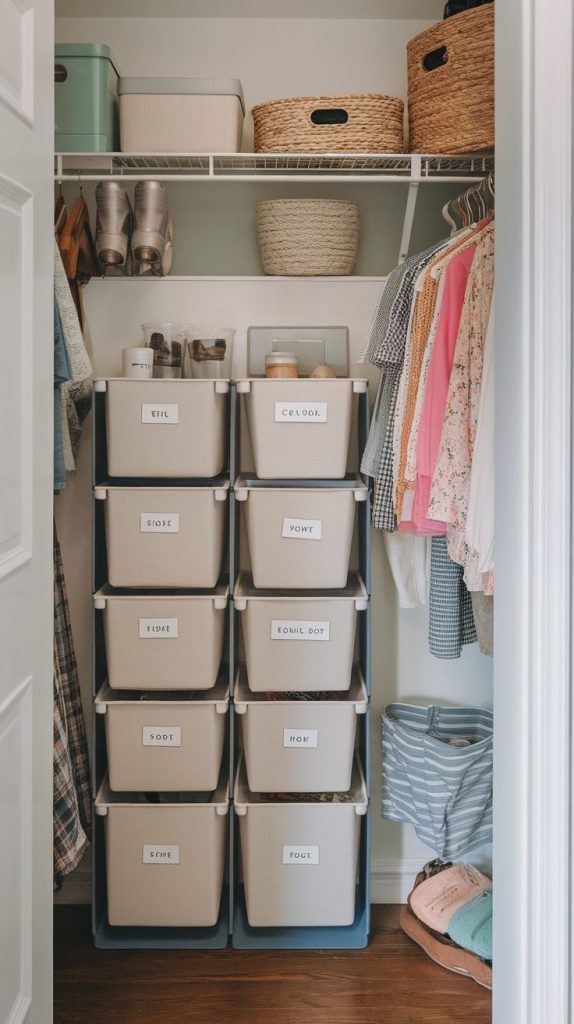
Stackable bins adapt as your needs change. Stackable storage bins work well in closets, laundry rooms, or even living areas.
I use matching bins because visual consistency reduces visual noise. Clear bins help when you forget what you own, which happens more often than we admit.
Smart Bin Storage Ideas
- Label bins clearly.
- Stick to one size where possible.
- Avoid overfilling to keep them easy to handle.
Storage should feel flexible, not like a puzzle you regret starting.
9. Corner Shelves to Use Forgotten Spaces
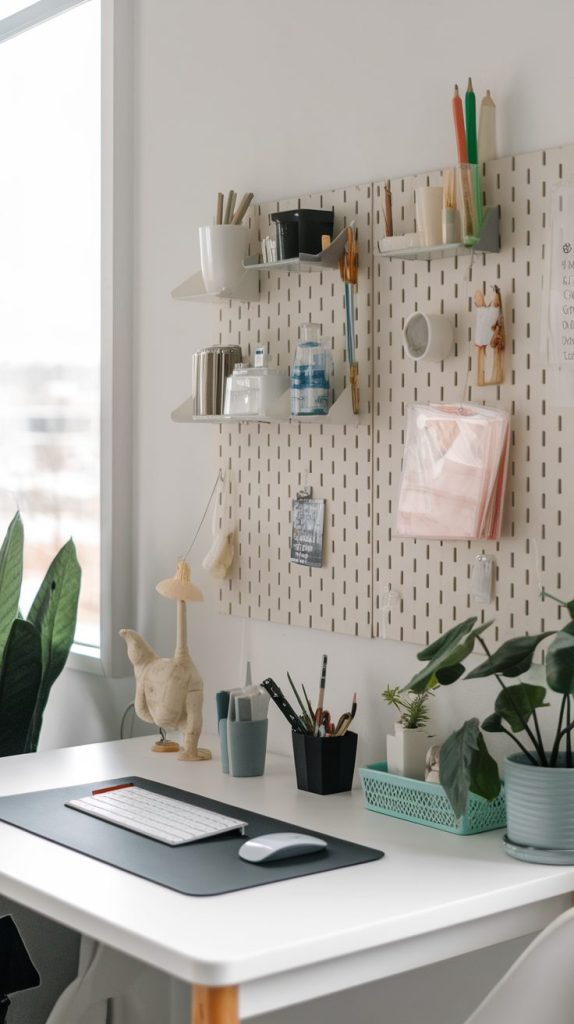
Corners often sit unused because they feel awkward. Corner shelves turn those odd spots into functional storage zones.
I added corner shelves in my kitchen and instantly gained space for jars and mugs. It felt like discovering a hidden room.
Best Rooms for Corner Shelves
- Kitchens.
- Bathrooms.
- Home offices.
Small spaces reward creativity, especially when you stop ignoring corners.
10. Pegboards for Customizable Storage
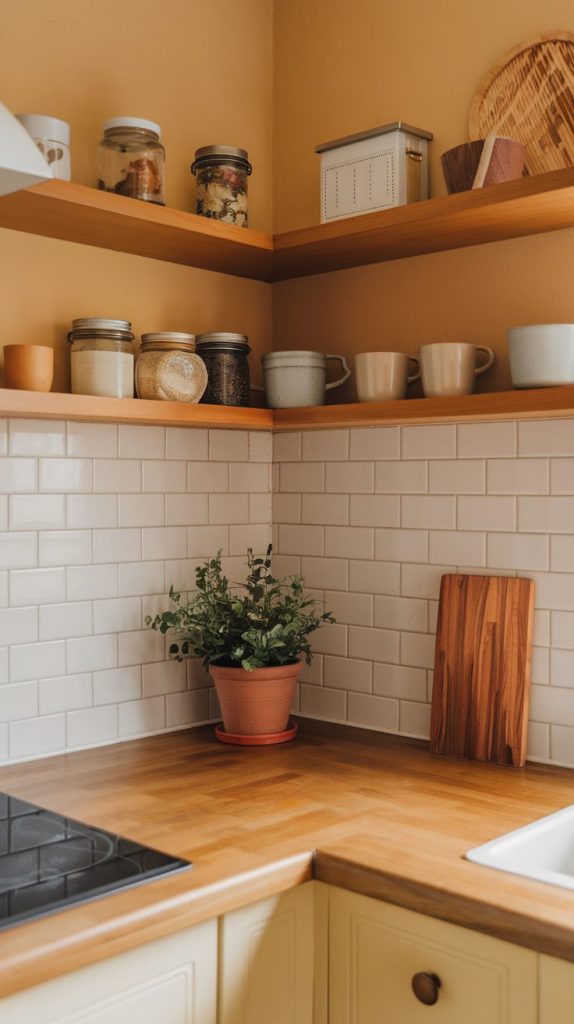
Pegboards aren’t just for garages anymore. Pegboards offer customizable storage that grows with your needs.
I love how easy it feels to rearrange hooks when my setup changes. No commitment, no drilling new holes every time.
Pegboard Uses That Work
- Home offices for supplies.
- Kitchens for utensils.
- Craft rooms for tools.
If storage feels fun to adjust, you’ll actually keep it organized.
11. Rolling Carts for Portable Storage
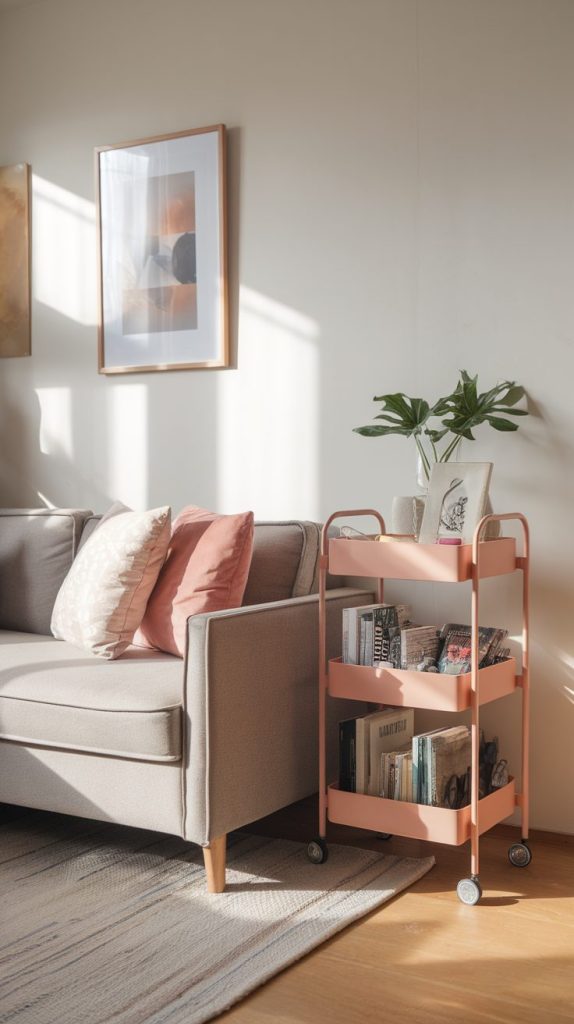
Rolling carts bring storage wherever you need it. Rolling storage carts adapt easily in small homes where one space serves multiple purposes.
I use one as a coffee station during the day and a side table at night. Yes, it works harder than I do.
Best Uses for Rolling Carts
- Kitchen prep storage.
- Bathroom supplies.
- Office essentials.
Mobility equals flexibility, and flexibility equals sanity.
12. Built-In Storage Around Windows
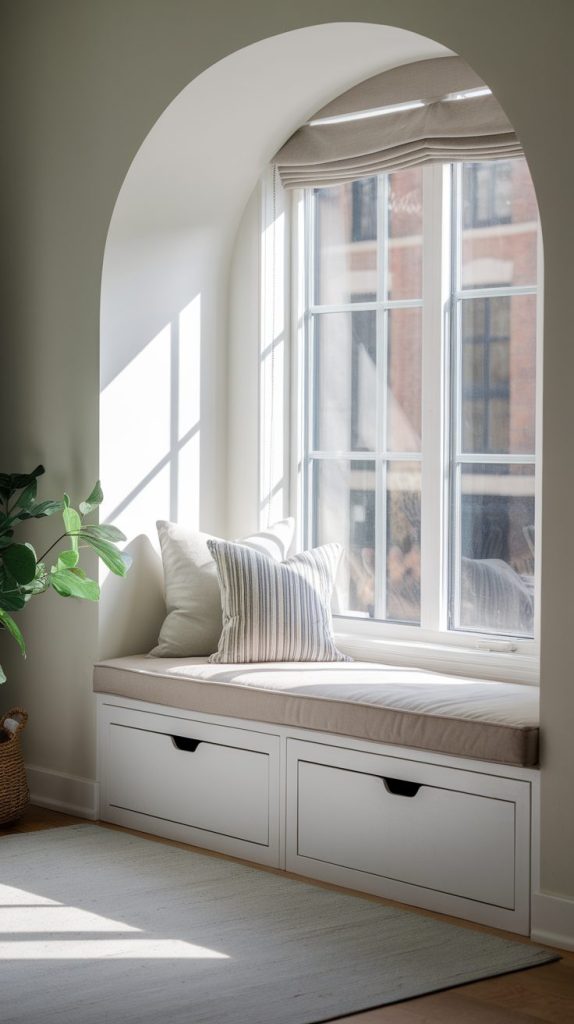
Window areas often feel tricky, but they offer untapped potential. Storage around windows creates cozy, functional zones without blocking light.
Window benches with storage underneath add seating and hidden space. I love curling up there with a book and knowing clutter hides quietly below.
Window Storage Ideas
- Storage benches.
- Low cabinets.
- Shelving around frames.
Natural light plus storage feels like cheating, honestly.
13. Hooks Everywhere for Quick Storage
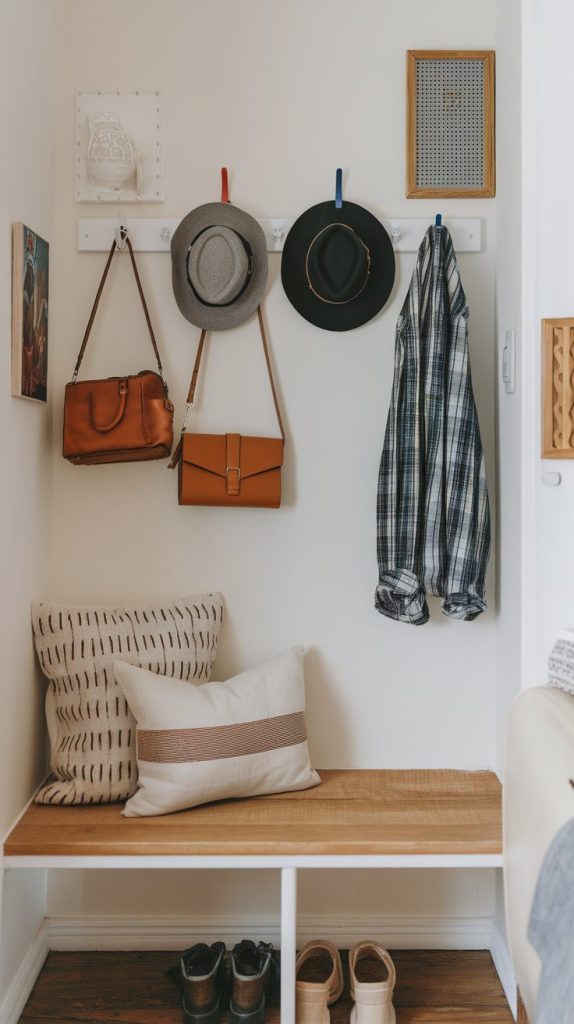
Hooks solve more problems than people realize. Wall hooks handle bags, coats, hats, and more without taking much space.
I keep hooks near the door for everyday items so they don’t land on chairs. Chairs deserve better.
Hook Placement Tips
- Entryways for daily grab items.
- Bedrooms for accessories.
- Bathrooms for towels.
Simple solutions often work best, even if they feel boring at first.
14. Hidden Storage Behind Mirrors
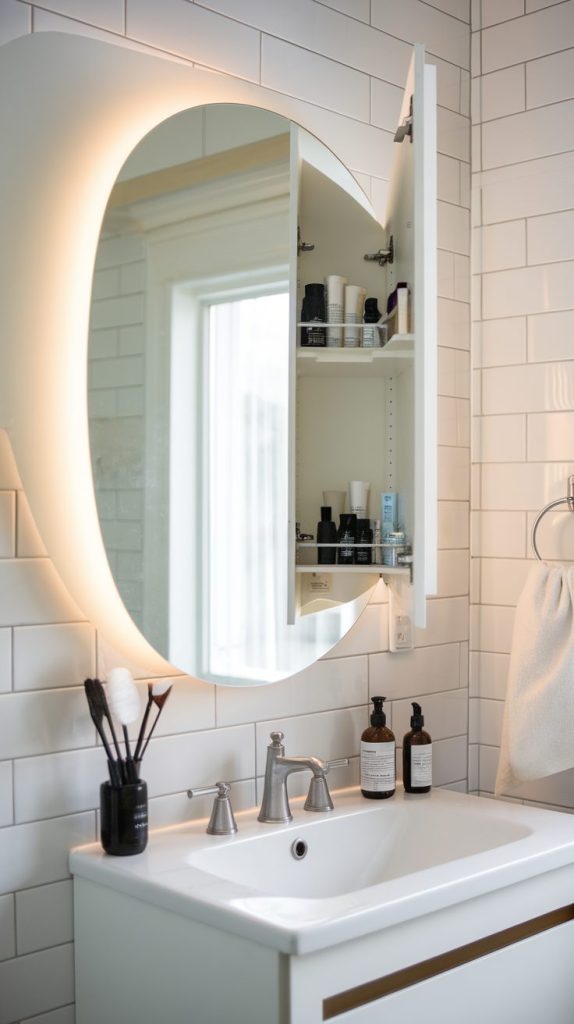
Mirrors already serve a purpose, so why not add storage? Mirrored cabinets hide items while keeping rooms visually open.
I use one in the bathroom for skincare and medications. It keeps counters clean and mornings smoother.
Where Hidden Mirror Storage Shines
- Bathrooms.
- Bedrooms.
- Hallways.
Hidden storage feels like a secret advantage in small spaces.
15. Decluttering Regularly to Protect Your Storage
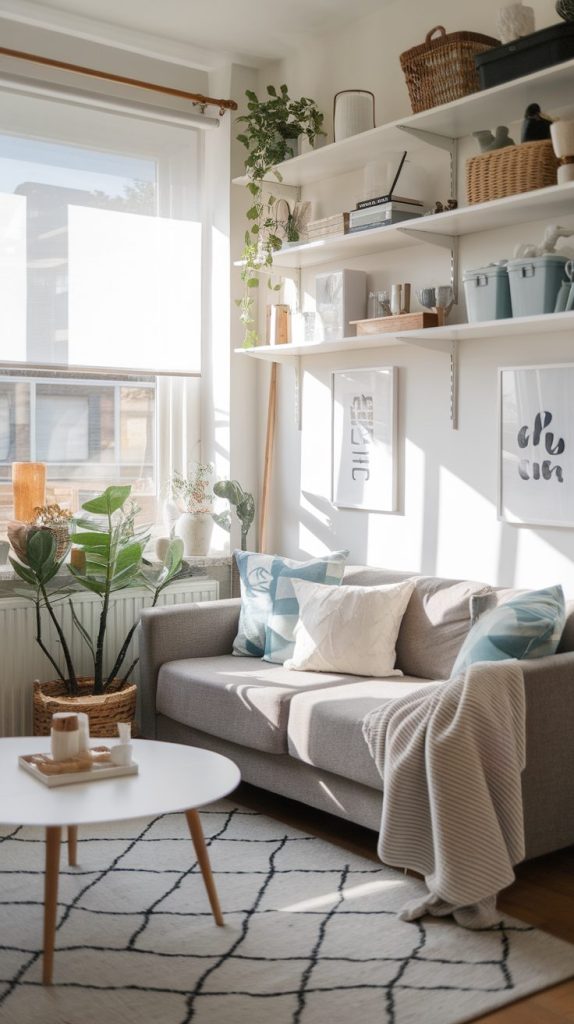
Storage only works when you control what goes into it. Regular decluttering keeps your systems functional instead of overflowing.
I schedule quick declutter sessions every few months. Nothing dramatic, just honest check-ins with my stuff.
Simple Decluttering Rules
- If you didn’t use it this year, question it.
- One in, one out.
- Donate or recycle responsibly.
Storage doesn’t fail, habits do, and that’s something we can fix.
How to Combine Multiple Storage Solutions Without Overdoing It
Using every solution at once can backfire. Small spaces need balance, not overload.
I suggest choosing three to five core storage strategies per room. Mix visible and hidden storage so the room feels open but organized.
Balanced Storage Strategy
- One main hidden storage piece.
- One vertical storage solution.
- One flexible or mobile option.
Ever walked into a room that felt organized but not sterile? That’s the sweet spot.
Mistakes to Avoid When Organizing Small Spaces
I’ve made all these mistakes so you don’t have to. Small spaces punish bad storage decisions quickly.
Common Storage Mistakes
- Buying organizers without measuring.
- Overstuffing bins.
- Choosing style over function every time.
Storage should support your life, not become another problem to manage.
Final Thoughts
Small spaces challenge you to think smarter, not smaller. The right home storage solutions for small spaces create breathing room, calm, and a sense of control that honestly feels empowering. I’ve learned that organization isn’t about perfection, it’s about systems that forgive messy days and busy weeks.
Start with one solution, build slowly, and stay honest about your habits. Your home should work for you, not judge you, and once storage supports that idea, everything feels lighter.