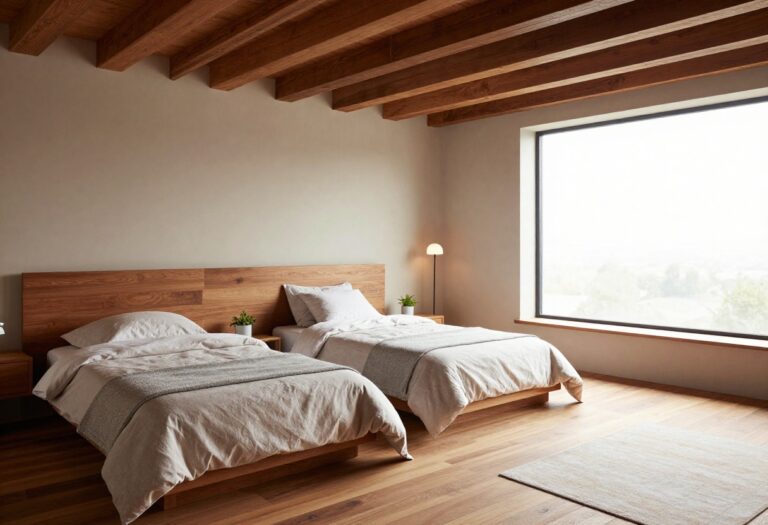
9 Elegant Kitchen Sideboard Ideas That Give Your Space a Fresh Update
A kitchen sideboard is one of those pieces that quietly does a lot. It holds your extra dishes, hides the mail pile, and gives you a spot to set out a coffee station or a vase of flowers. But beyond the practicality, a sideboard can completely shift the mood of your kitchen.
It adds warmth, anchors the room, and makes the space feel more collected and intentional. Whether you're working with a sprawling eat-in kitchen or a cozy galley, the right sideboard brings a sense of ease.
It's not about perfection—it's about creating a spot that feels good to walk past and even better to use. Let's look at nine ways to make that happen.
1. Go for a Vintage Hutch with Glass Doors
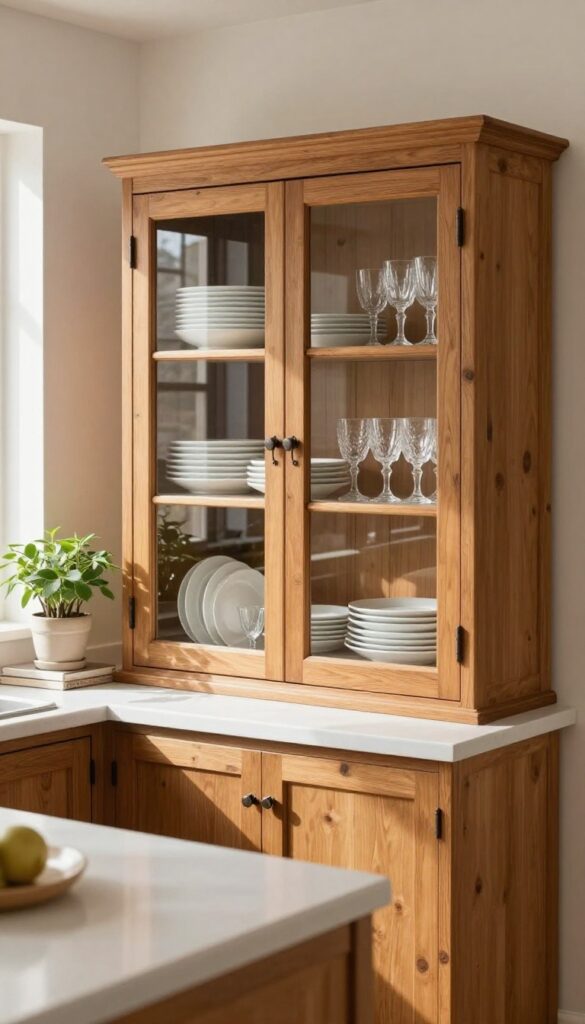
There's something about a vintage hutch that instantly makes a kitchen feel more like a home. Maybe it's the warm wood patina or the way the glass-front cabinets show off your favorite dishes without letting dust settle. Either way, this piece brings a lived-in charm that new furniture just can't fake.
It's not trying to be perfect, and that's exactly what makes it work.
Why It Works
A vintage hutch adds instant character and a sense of history to your sideboard area. The glass doors keep your display pieces visible but protected, while the lower drawers or cabinets hide away less attractive items like table linens or small appliances. The wood's natural aging gives the space warmth and depth, making the whole kitchen feel cozier and more collected over time.
Best For
This idea is perfect for kitchens that lean traditional, farmhouse, or eclectic. It also works well in open-plan spaces where the sideboard doubles as a dining room buffet. If you love the look of curated dish collections but don't want them to get dusty, a glass-door hutch is your best bet.
Styling Tip
Keep the display simple and intentional—stack a few white dinner plates, add a set of vintage glasses, and tuck a small plant or cookbook on an open shelf. Avoid overcrowding the glass cabinets; negative space helps each piece stand out. For the lower drawers, store cloth napkins, placemats, or extra serving bowls to keep the look tidy.
2. Try a Low Buffet with a Marble Top
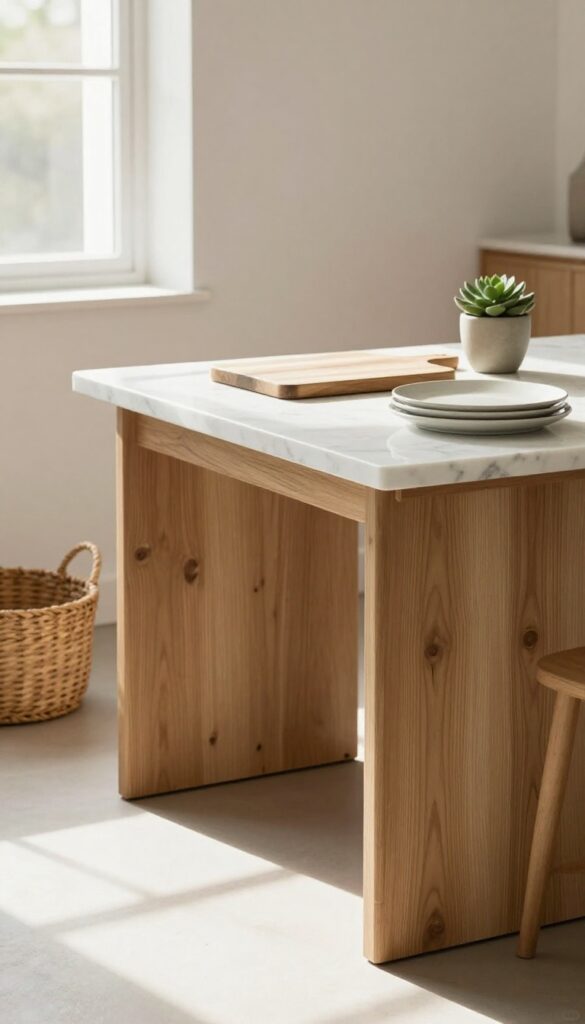
A low buffet with a marble or quartz top brings a quiet elegance to your dining area without feeling too formal. The cool stone surface adds a natural, earthy texture that pairs beautifully with warm woods and soft linens. It's the kind of piece that feels both sturdy and refined—perfect for a home that values comfort just as much as style.
Why It Works
The marble or quartz top gives you a durable, easy-to-clean surface that's ideal for serving or light prep work. Meanwhile, the closed cabinets below hide away dinnerware, linens, or pantry overflow, keeping the room tidy. The contrast between the sleek stone and the often wooden or painted base adds visual interest without trying too hard.
Best For
This idea works especially well in open-plan dining rooms or eat-in kitchens where you want a piece that can double as a serving station. It's also great for smaller spaces, since the low profile doesn't overwhelm the room and the reflective stone surface helps bounce light around.
Styling Tip
Keep the top minimal to let the marble shine. A simple wooden cutting board, a small potted succulent, or a neat stack of ceramic plates is all you need. Add a woven basket on the floor next to it for extra texture and a place to store extra napkins or tablecloths.
3. Use an Open Shelf Sideboard for Everyday Access
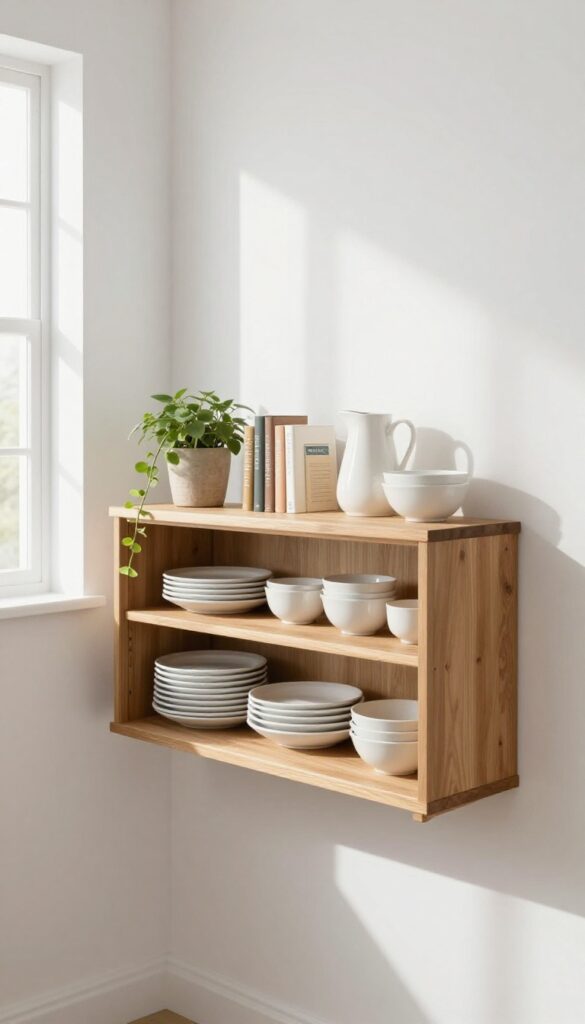
Open shelving on a sideboard makes grabbing a plate or a bowl effortless. Stack dinnerware in neat piles, add a few cookbooks, and tuck in a basket for napkins. The key is to keep it tidy but not stiff—mix in a ceramic pitcher or a small trailing plant for softness.
Why It Works
Open shelves put your everyday items front and center, so you can set the table or grab a snack without opening a single door. The visual ease of seeing everything also encourages you to keep things organized, turning a practical piece into a display that feels intentional.
Best For
This setup shines in busy kitchens or dining rooms where you eat most meals. It’s also great for small spaces where cabinets feel too heavy—open shelves keep the room airy and functional.
Styling Tip
Stick to a limited color palette for your dishes and accessories to avoid visual chaos. White or cream plates look clean, while a single earthy tone in your cookbooks or a ceramic pitcher adds warmth without clutter.
4. Add a Sideboard with a Built-In Wine Rack
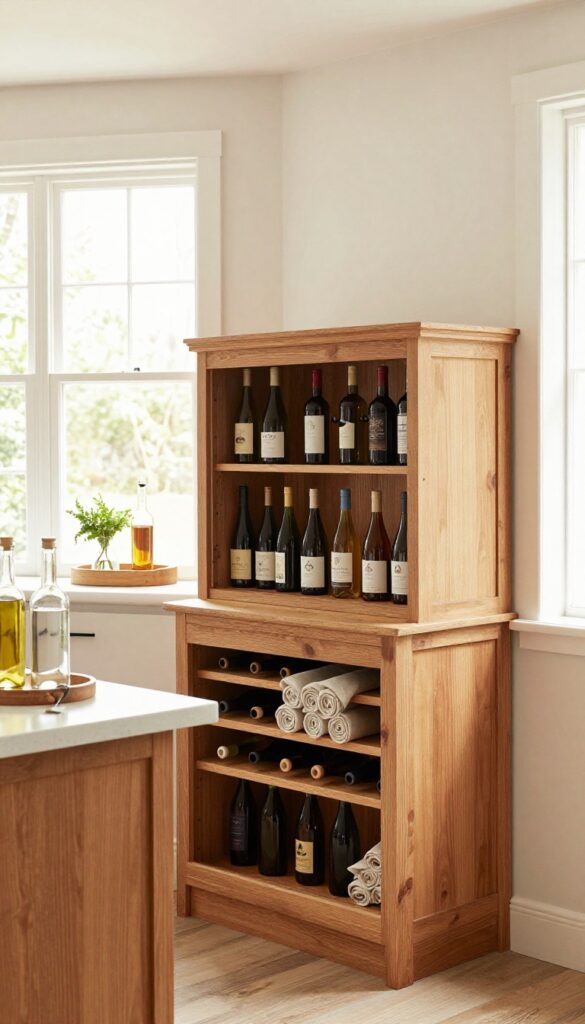
A sideboard with a built-in wine rack is one of those pieces that just makes sense. It gives you a dedicated spot for bottles without needing a separate wine cooler or bar cart, and the rack itself adds a nice visual texture. In a warm, lived-in kitchen, this setup feels like a natural gathering place—somewhere to set down a glass while you chat with guests or grab a quick snack.
The best part? It keeps everything within arm's reach without cluttering your counters.
Why It Works
It combines storage and display in one compact footprint. The wine rack section can hold bottles or rolled linens, while the top surface is perfect for a coffee maker, a tray of glasses, or a small plant. This makes the sideboard a multitasking hero that supports both daily routines and impromptu entertaining.
Best For
This idea shines in open-plan kitchens or dining areas where you want a clear entertaining zone. It's also great for smaller homes where every piece of furniture needs to earn its keep—no room wasted on a standalone wine rack when the sideboard does double duty.
Styling Tip
Keep the top clutter-free: place a wooden tray with a few bottles and a corkscrew, then add a small vase of fresh herbs for color. Use the rack for a mix of wine bottles and rolled linen napkins to soften the look. Stick to warm wood tones or a matte black finish to keep it feeling grounded and cozy.
5. Choose a Two-Tone Sideboard for Contrast
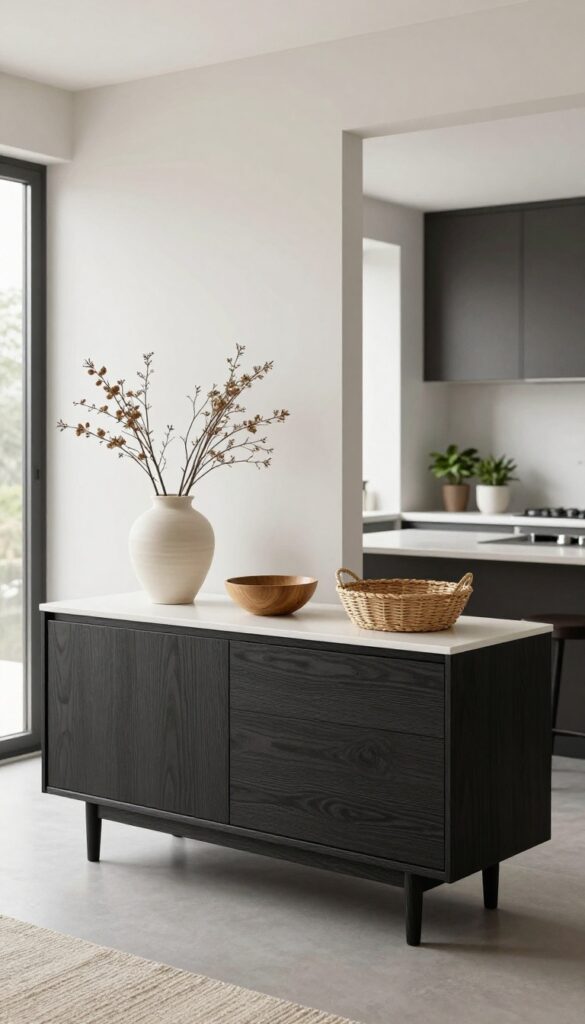
A two-tone sideboard brings a fresh kind of energy to your kitchen. Instead of one solid color, you get a playful contrast—like a dark wood base topped with a soft white or pastel finish. It’s a subtle way to break up all the matching furniture without going overboard.
This look feels warm and lived-in, especially when the two tones echo other colors already in the room.
Why It Works
The contrast draws the eye without shouting, adding depth and personality to your space. It can tie together different elements—like your dark island and light cabinets—making the whole kitchen feel more intentional and cohesive.
Best For
This idea shines in kitchens with a neutral palette that needs a little lift. It’s also great for open-concept layouts where the sideboard doubles as a visual anchor between the kitchen and living area.
Styling Tip
Keep accessories simple and neutral—think cream vases, wooden bowls, or woven baskets. Let the two-tone finish be the star. A few green plants on top add life without competing with the contrast.
6. Repurpose a Dresser as a Kitchen Sideboard
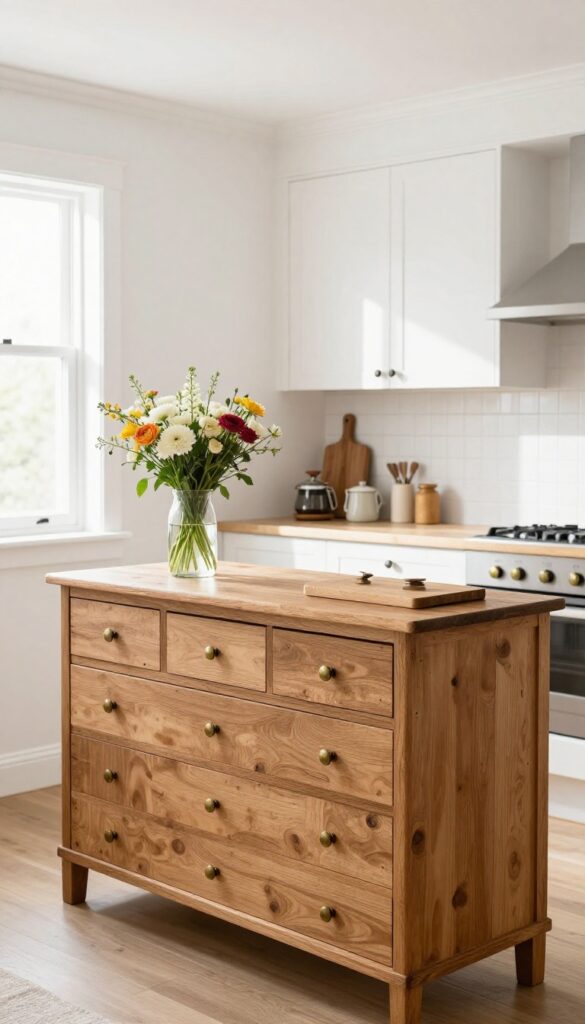
That old dresser gathering dust in the guest room? It might be the exact piece your kitchen needs. A vintage dresser brings warmth and character that factory-made sideboards just can't match, with a lived-in feel that makes the whole room cozier.
The mix of drawers and a flat top gives you plenty of practical storage plus a spot to display a vase of flowers or your morning coffee setup.
Why It Works
Dressers are built with storage in mind, so they naturally fit the sideboard role. The height is usually spot-on for prepping or serving, and the multiple drawers keep utensils, linens, or pantry overflow neatly organized. Plus, the worn edges and original hardware add instant charm without any DIY effort.
Best For
This idea shines in kitchens that already have a bit of vintage or farmhouse personality, but it can work in modern spaces too—just pick a dresser with clean lines and paint it a crisp white or soft gray. It's also a budget-friendly option if you already own a dresser or can snag one at a thrift store.
Styling Tip
Sand and repaint the dresser in a color that complements your cabinets, then swap out the knobs for something fresh like brass or ceramic. Leave the top mostly clear except for a few curated items—a wooden cutting board, a small plant, or a stack of pretty plates. If the dresser is tall, use the top for daily-use items like a coffee station to keep counters clutter-free.
7. Install a Slim Console Table for Tight Spaces
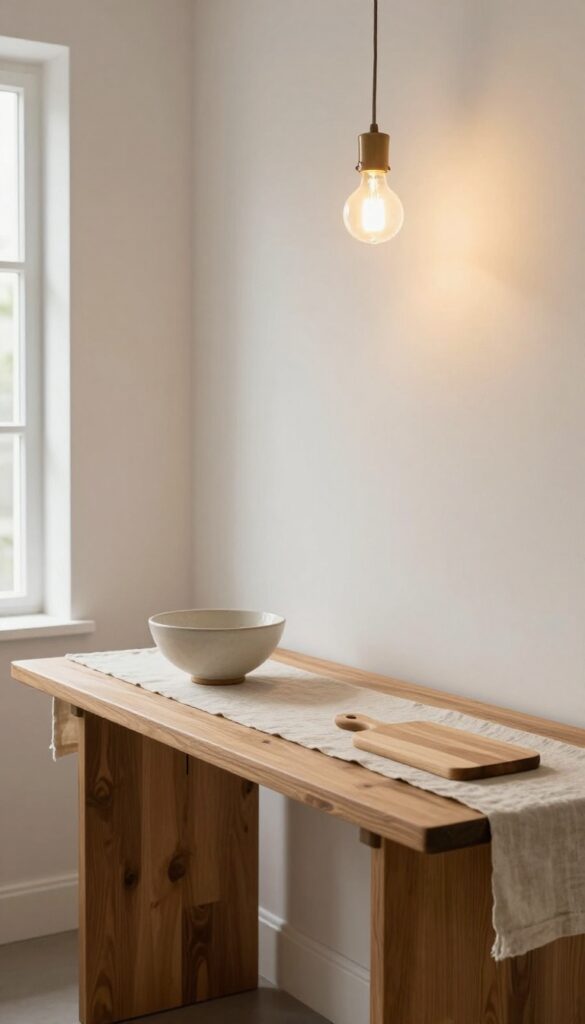
A narrow kitchen doesn't mean you have to sacrifice style or function. A slim console table tucked against an empty wall can act as a surprisingly effective sideboard, giving you a place to set down a coffee mug, display a favorite vase, or stash extra napkins and placemats. The key is choosing a piece that feels intentional, not squeezed in—think clean lines, a warm wood tone, or a sleek metal frame that lets the room breathe.
Why It Works
Console tables are naturally shallow, so they fit where a traditional buffet or sideboard would feel overwhelming. They keep the floor plan open while adding a flat surface for daily essentials and a lower shelf or drawer for hidden storage. This balance of form and function makes the kitchen feel more complete without the visual weight of bulky furniture.
Best For
This idea shines in galley kitchens, eat-in nooks with limited square footage, or any space where you need a landing zone but can't spare deep counter space. It's also a great solution for rental kitchens where you can't install permanent shelving but want to add character.
Styling Tip
Keep the look relaxed by layering textures: a linen runner, a ceramic fruit bowl, and a small wooden cutting board propped against the wall. Add a low-hanging pendant or a table lamp with a warm bulb to create a cozy glow that makes the console feel like a natural part of the room's rhythm.
8. Go Bold with a Painted Sideboard in a Rich Hue
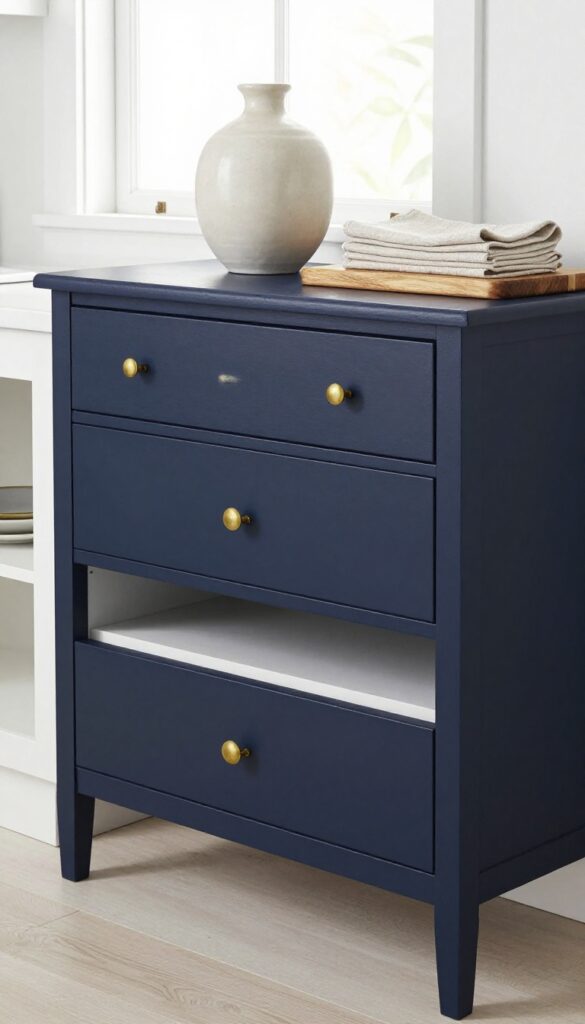
A sideboard painted in a deep green, navy, or terracotta becomes a focal point. It adds personality and warmth, especially in an otherwise neutral kitchen. Keep the styling simple—brass hardware, a few ceramic pieces—to let the color stand out without feeling busy.
Why It Works
A bold color instantly draws the eye and gives the kitchen a curated, intentional feel. It breaks up expanses of white or wood, adding depth and a sense of richness that feels both elegant and inviting.
Best For
This works beautifully in kitchens with neutral cabinetry or open shelving, where the sideboard can serve as a statement piece. It's also great for renters who can paint a standalone piece without altering the permanent fixtures.
Styling Tip
Choose a satin or semi-gloss finish for durability and easy cleaning. Pair with unlacquered brass or matte black hardware, and style the top with a mix of textures—a ceramic vase, a wooden cutting board, and a stack of linen napkins.
9. Layer a Sideboard with Art and Textiles
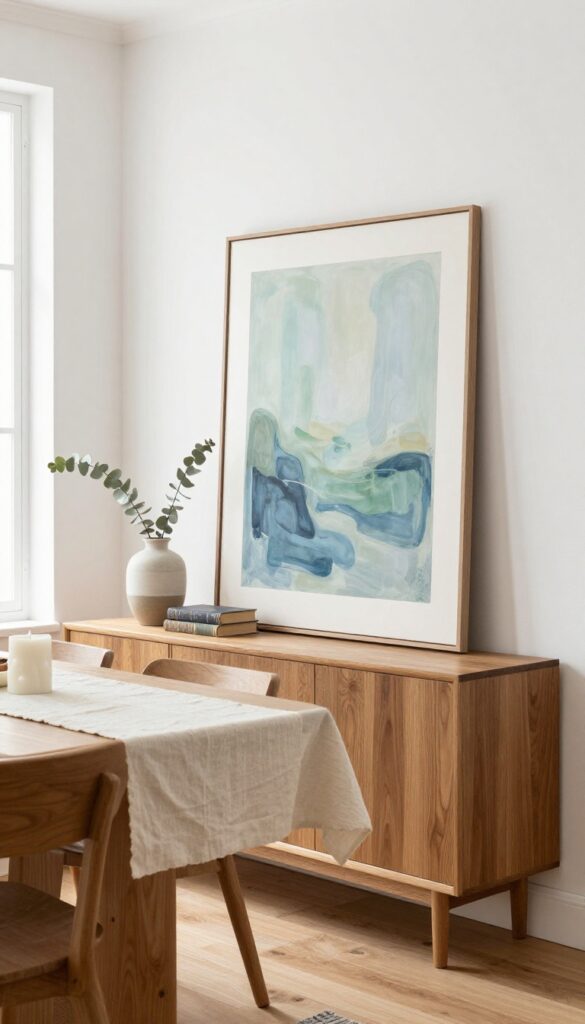
Let your sideboard double as a mini gallery wall. Instead of treating it like a plain storage piece, pile on the personality by leaning a favorite piece of art against the back wall. Add a table runner or a small rug underneath to anchor the display, then cluster a few objects—think a vase, a stack of books, and a candle—in odd numbers.
The result feels curated and cozy, not just functional.
Why It Works
Layering adds depth and warmth, making the sideboard feel like a lived-in focal point rather than leftover furniture. The mix of textures—smooth art, soft textiles, and varied objects—creates visual interest that draws the eye and invites conversation.
Best For
This idea shines in dining rooms or living areas where you want the sideboard to do double duty as storage and decor. It's especially great for renters or anyone who wants a gallery look without drilling holes.
Styling Tip
Stick to a cohesive color palette for your art and objects so the layering feels intentional, not cluttered. Lean a large framed print or canvas, then place a low ceramic bowl or a stack of leather-bound books in front. Finish with a small plant or sculptural object on one side for balance.
FAQ
What is the best height for a kitchen sideboard?
Most kitchen sideboards are around 30 to 36 inches tall, which works well for serving and as extra counter space. If you're using it for dining, aim for about the same height as your table. For a more casual look, a lower buffet around 28 inches can also feel great.
How do I style a kitchen sideboard without it looking cluttered?
Start with a few large pieces—like a tray, a vase, or a stack of books—and leave some empty space. Group items in odd numbers and vary heights. Use baskets or closed storage for smaller items that can create visual noise.
Less is more, but a little personality goes a long way.
Can I use a sideboard in a small kitchen?
Absolutely. Look for a slim or narrow design that doesn't stick out too far. A console table or a shallow buffet works well.
You can also use the top for extra prep space and the drawers for utensils or linens. Just measure your walkway first to keep the room feeling open.
What materials are best for a kitchen sideboard?
Wood is classic and warm, but consider durability. Hardwoods like oak or walnut hold up well. For a more modern look, try a sideboard with a stone or metal top.
If you have kids or heavy use, a painted finish can be easier to touch up. Avoid delicate veneers near sinks or stoves.
How do I choose between open and closed storage on a sideboard?
Think about what you'll store. Open shelves are great for everyday dishes or pretty items you want to show off. Closed cabinets hide less attractive things like small appliances or plastic containers.
A mix of both—like a sideboard with doors and a few open cubbies—offers the best of both worlds.
Conclusion
A kitchen sideboard is more than just a piece of furniture—it's a chance to add warmth, storage, and a little bit of your personality to the heart of your home. Whether you go for a vintage find or a sleek modern piece, the key is to make it feel like it belongs.
Style it slowly, use it daily, and don't be afraid to switch things up when the mood strikes. After all, a home that feels lived-in is always the most inviting.