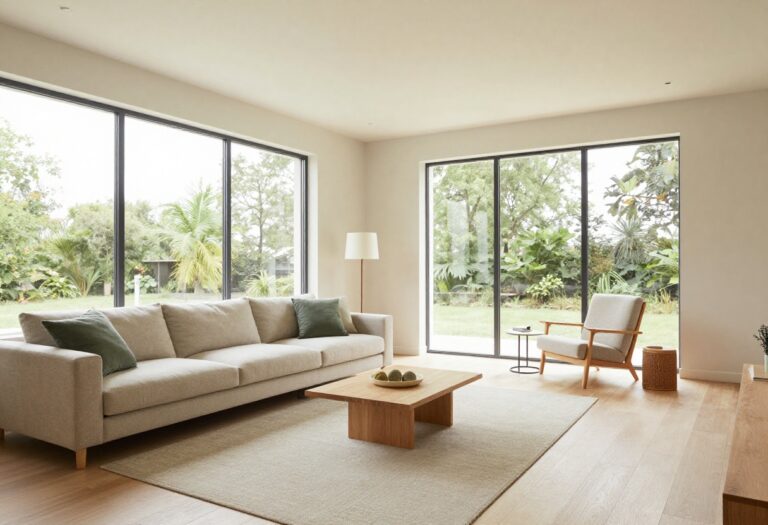
10 Bedroom Lounge Area Ideas for Relaxed Vibes
Most bedrooms end up serving only one purpose even though the space can easily support more. A comfortable lounge area instantly changes how a bedroom feels and functions.
It creates a small zone where you can read, relax, or just hang out without turning the bed into the only place to exist.
A lounge corner doesn’t require a massive room or expensive furniture. With a few thoughtful pieces and some smart layout decisions, a bedroom can feel twice as usable.
The trick is designing a corner that feels intentional rather than like random furniture pushed against a wall.
1. The Cozy Reading Nook Chair
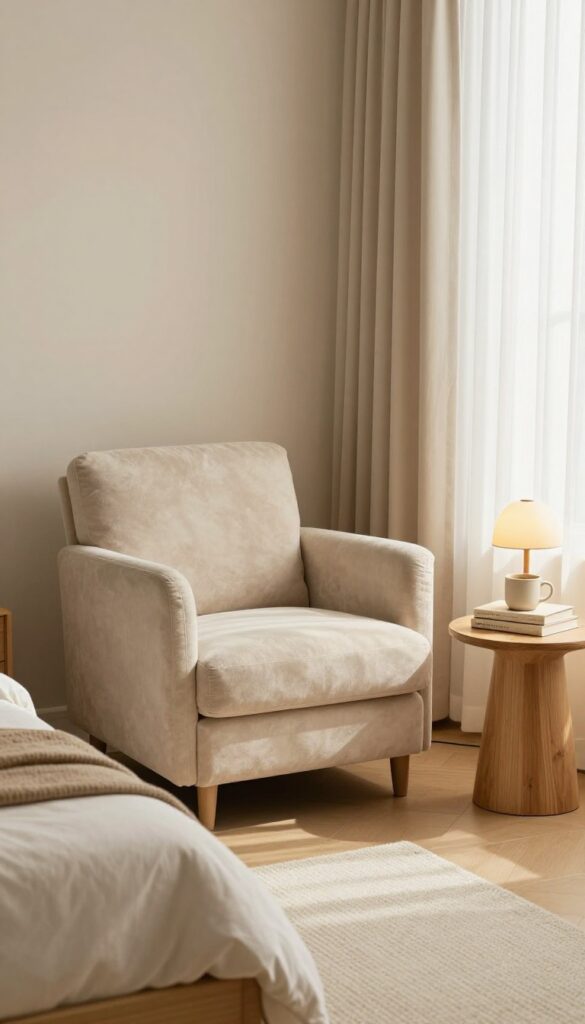
Trying to read while sitting on the bed usually ends with a sore back and terrible posture. A dedicated reading chair solves that instantly and creates a mini escape zone inside the bedroom. I added one to my own space years ago, and it quickly became the most used seat in the room.
A reading nook chair works best when it feels slightly separated from the bed area. That visual difference helps your brain treat the space like a small retreat instead of just another bedroom corner.
Why This Works
A reading chair naturally creates a micro-zone within the bedroom layout. It encourages activities like reading, journaling, or scrolling on your phone without collapsing onto the bed.
This small separation also helps the bedroom feel more balanced. Instead of one large sleeping area, the room gains another functional purpose.
How to Do It
- Choose a comfortable accent chair with back support, not a stiff decorative chair.
- Add a small side table for books, coffee, or a candle.
- Place a floor lamp or reading light nearby for practical lighting.
- Anchor the area with a small rug to visually define the space.
Each element helps the corner feel intentional rather than accidental.
Style & Design Tips
Stick with a chair that contrasts slightly with the bed frame or bedding. If your room uses neutral tones, a soft velvet or boucle chair adds texture without overwhelming the space.
Avoid oversized chairs in small rooms. They look cozy in showrooms but can dominate a bedroom quickly.
Pro Tip or Budget Hack
Thrift stores and Facebook Marketplace are amazing for accent chairs. A simple reupholstered chair with a neutral fabric can look designer-level for a fraction of retail price.
2. Window Seat Lounge Corner
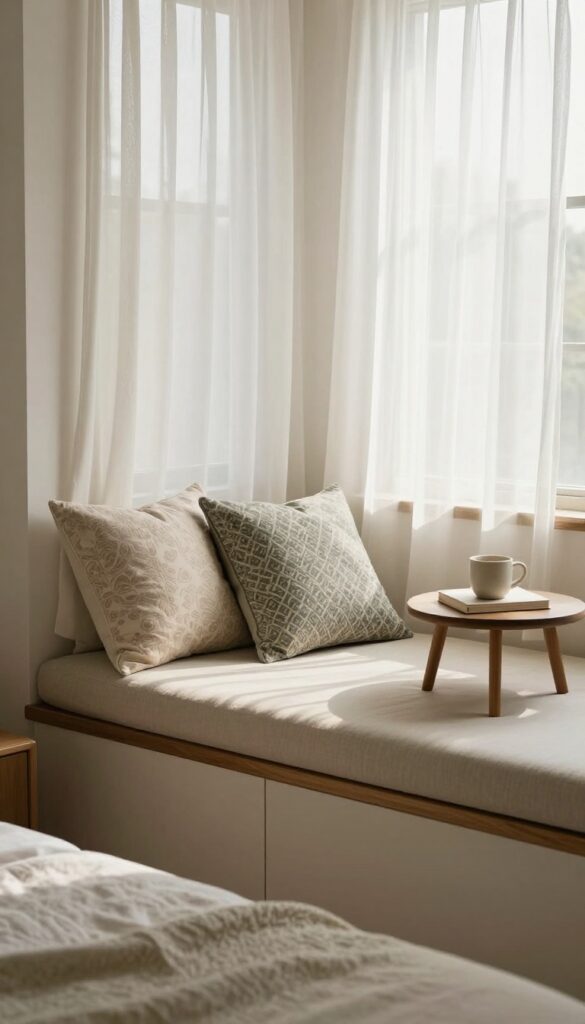
Empty window space often becomes wasted space in bedrooms. Turning that area into a small lounge spot makes the room feel calm and intentional.
I’m a huge fan of window seats because they combine comfort and architecture in a really natural way. Even a simple bench can give you the same relaxed vibe without expensive carpentry.
Why This Works
A window seat naturally draws people toward it. Humans tend to gravitate toward views and natural light, so this spot becomes an obvious place to relax.
The design also balances the room visually by adding interest along the wall.
How to Do It
- Place a low bench or storage bench under the window.
- Add a thick cushion or upholstered pad for comfort.
- Layer two or three throw pillows for back support.
- Keep a small side table nearby for drinks or books.
Each piece transforms the bench into a comfortable lounging area.
Style & Design Tips
Choose cushions that match the bedroom color palette but add a little contrast. For example, neutral bedding paired with soft patterned pillows works beautifully.
Avoid overcrowding the bench with pillows. Too many makes the seat annoying to actually use.
Pro Tip or Budget Hack
A simple ikea bench plus a foam cushion can look like custom built-ins with the right fabric cover.
3. Small Sofa or Loveseat Lounge
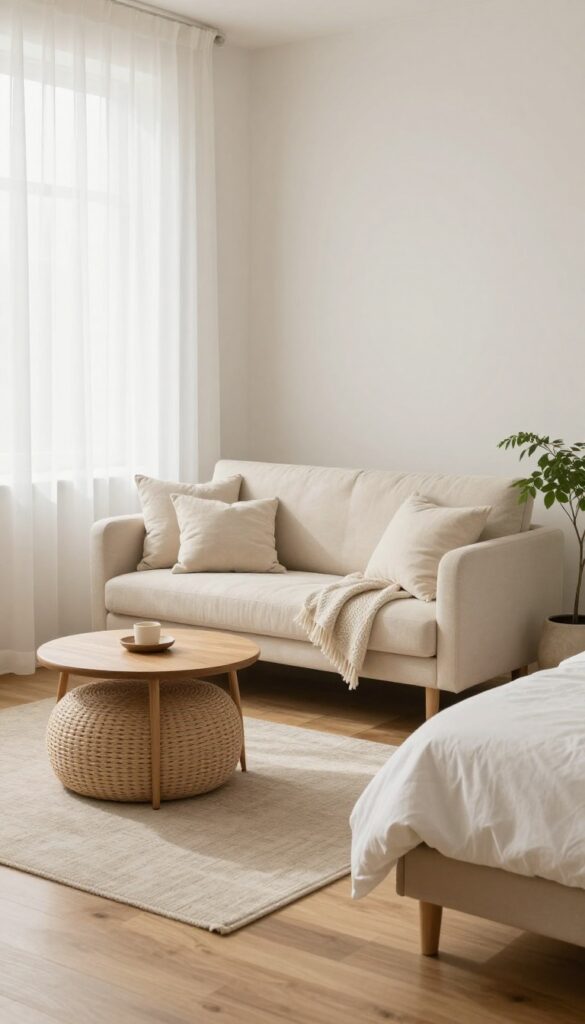
If your bedroom has the space, a loveseat instantly upgrades the entire vibe. It turns the room from basic sleeping space into a mini living room.
I once added a small loveseat to a guest bedroom and suddenly the room felt twice as luxurious. Guests used the couch constantly instead of sitting on the bed.
Why This Works
A loveseat provides comfortable seating for more than one person. That makes the bedroom feel social rather than purely private.
It also creates strong visual balance by filling empty wall space.
How to Do It
- Choose a compact loveseat under 70 inches wide.
- Place it at the foot of the bed or along a side wall.
- Add a small coffee table or ottoman in front.
- Layer a throw blanket and pillows for comfort.
Each addition helps the area feel cozy rather than empty.
Style & Design Tips
Soft fabrics like linen, velvet, or boucle work best in bedrooms. They feel relaxed instead of formal.
Avoid bulky arms or huge frames. Bedrooms usually need slimmer furniture.
Pro Tip or Budget Hack
Apartment-size sofas are perfect for bedrooms. Many furniture outlets sell them at deep discounts compared to full-size couches.
4. Floor Cushion Lounge Area
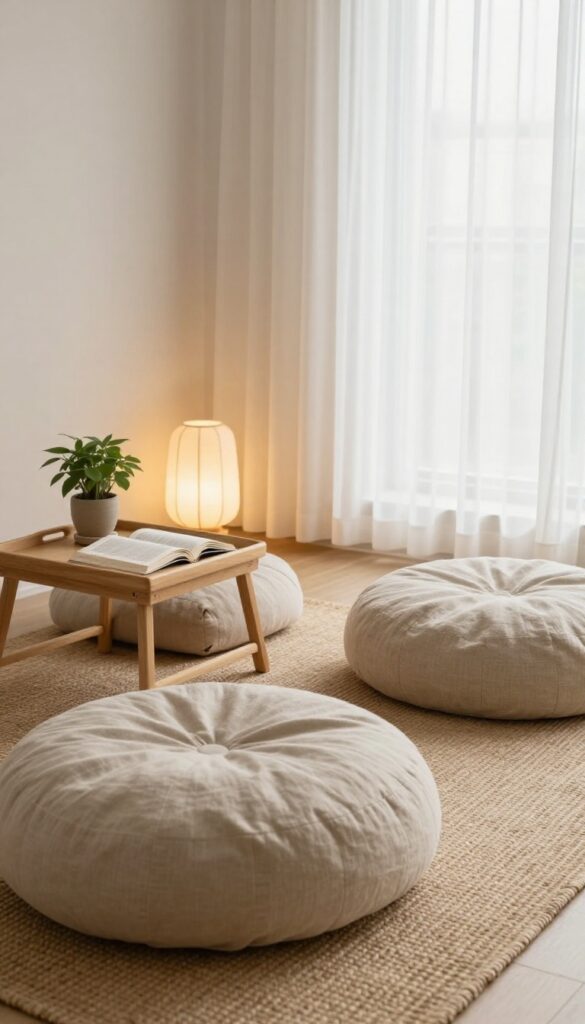
Not every bedroom needs traditional furniture. A casual floor lounge area feels relaxed and slightly bohemian.
Floor seating works especially well for younger people or creative spaces. It creates a laid-back vibe that standard furniture sometimes lacks.
Why This Works
Floor seating lowers the visual height of the room. That makes the space feel open and relaxed instead of heavy.
It also encourages casual activities like reading, journaling, or listening to music.
How to Do It
- Place large floor cushions or poufs in one corner.
- Add a low coffee table or tray.
- Layer a textured rug underneath.
- Include a lamp or lantern for warm lighting.
These pieces create a comfortable hangout spot.
Style & Design Tips
Stick to natural materials like cotton, jute, and linen. These textures enhance the relaxed feel.
Avoid tiny cushions that look decorative but uncomfortable.
Pro Tip or Budget Hack
Large meditation cushions or oversized pillows work perfectly. They’re usually cheaper than decorative poufs.
5. The Lounge Chaise Setup
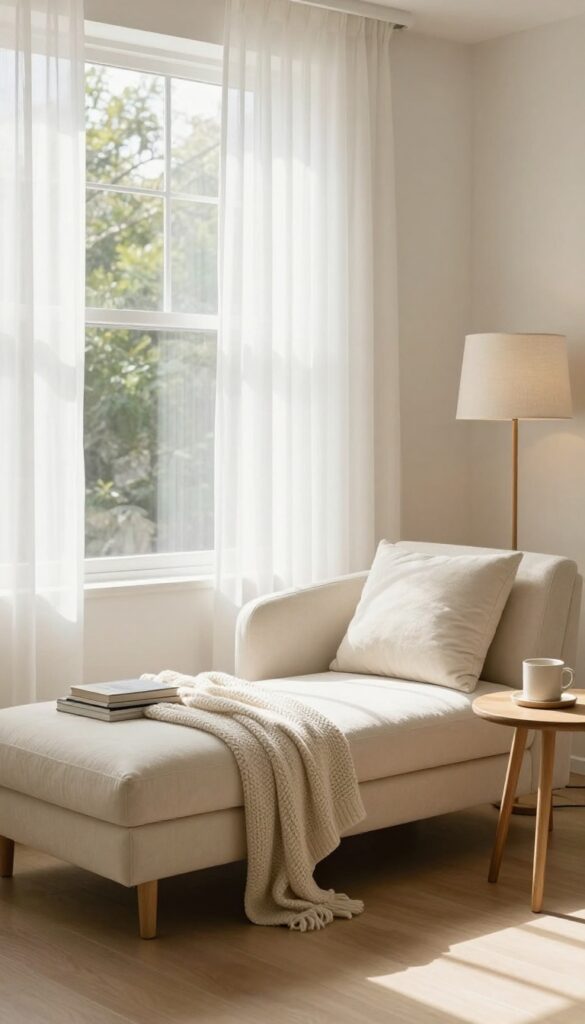
A chaise lounge instantly adds a luxurious hotel vibe to a bedroom. It feels elegant but still incredibly comfortable.
I love chaise lounges because they invite you to stretch out instead of sitting upright all the time.
Why This Works
The long shape encourages relaxation and lounging rather than formal seating. It naturally becomes the most comfortable spot in the room.
It also introduces visual variety compared to square furniture.
How to Do It
- Position the chaise near a window or open wall.
- Add a small side table for books or drinks.
- Place a throw blanket over the back.
- Use a floor lamp nearby for soft lighting.
These elements transform the chaise into a full lounge corner.
Style & Design Tips
Choose a neutral color like cream, beige, or muted green. This keeps the piece elegant instead of overpowering the room.
Avoid overly ornate designs unless the bedroom style already leans traditional.
Pro Tip or Budget Hack
Daybeds often function exactly like chaise lounges but cost less.
6. The Bedroom Coffee Lounge
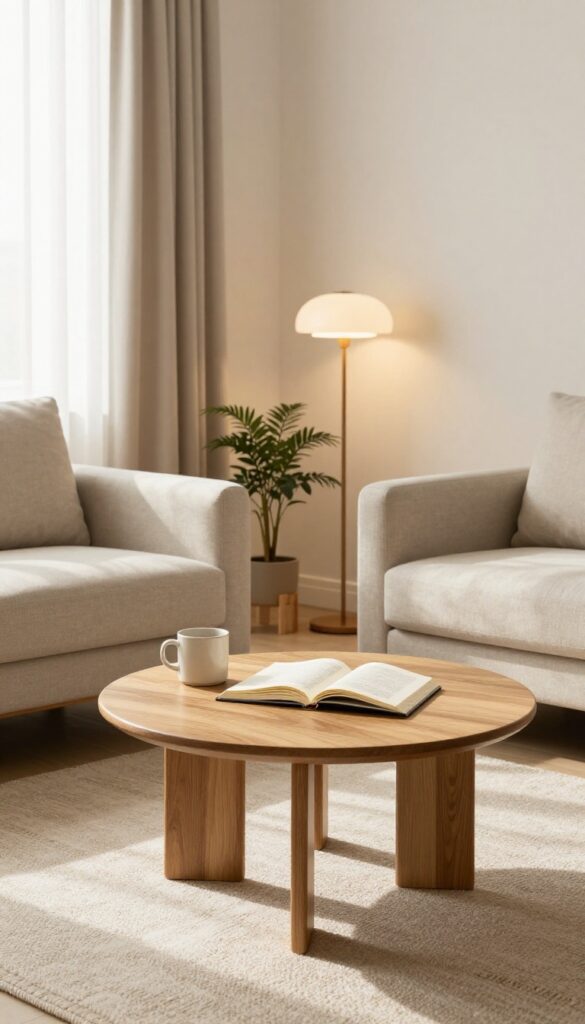
Bedrooms don’t have to ban coffee moments. A small coffee-style lounge area creates a calm routine spot inside the room.
This works especially well for people who enjoy slow mornings or quiet evenings.
Why This Works
A small table creates a surface for drinks, notebooks, or snacks. That practical element makes the lounge space more usable.
It also encourages relaxing activities away from the bed.
How to Do It
- Place two accent chairs facing each other.
- Add a small round table between them.
- Use a rug to anchor the seating area.
- Keep a lamp nearby for warm light.
The setup feels like a tiny café corner.
Style & Design Tips
Round tables work better than square ones in small rooms. They allow easier movement around the space.
Avoid oversized chairs that block pathways.
Pro Tip or Budget Hack
A simple plant stand can double as a tiny coffee table.
7. Hammock Chair Lounge Corner
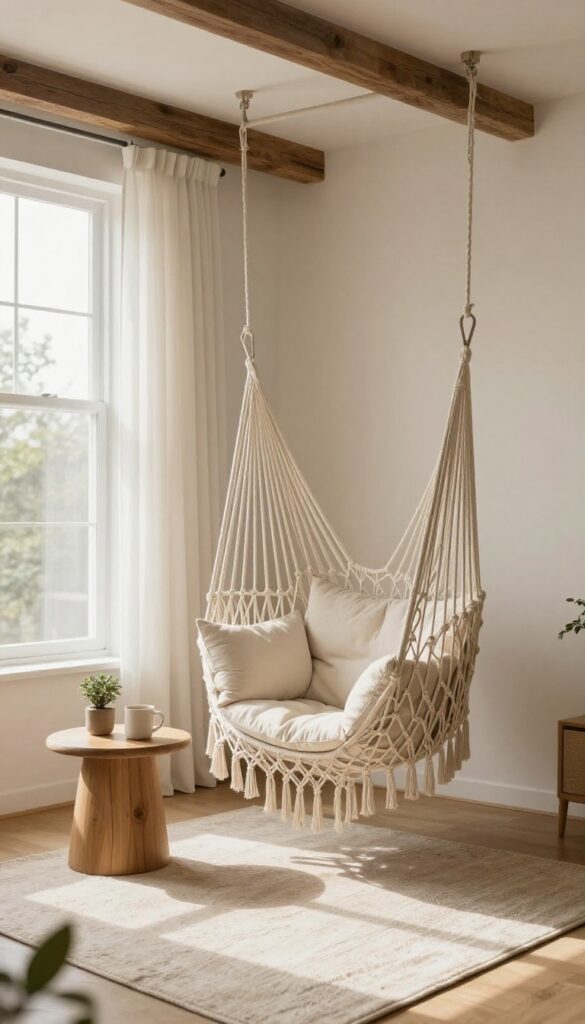
A hammock chair adds personality and movement to a bedroom. It instantly becomes a conversation piece.
I tried one once in a studio apartment, and it turned into the most fought-over seat in the entire place.
Why This Works
The gentle swing creates a relaxing sensory experience. That subtle motion helps people unwind.
It also adds visual interest because hanging furniture breaks the typical layout.
How to Do It
- Install a secure ceiling hook or beam mount.
- Choose a cotton hammock chair with cushions.
- Place a small side table nearby.
- Add a soft rug underneath.
These steps keep the space comfortable and safe.
Style & Design Tips
Neutral macrame or woven hammock chairs blend well with most bedroom styles.
Avoid placing the chair too close to walls where swinging becomes awkward.
Pro Tip or Budget Hack
Outdoor hammock chairs are often cheaper and just as stylish indoors.
8. The Bedroom Lounge Bench
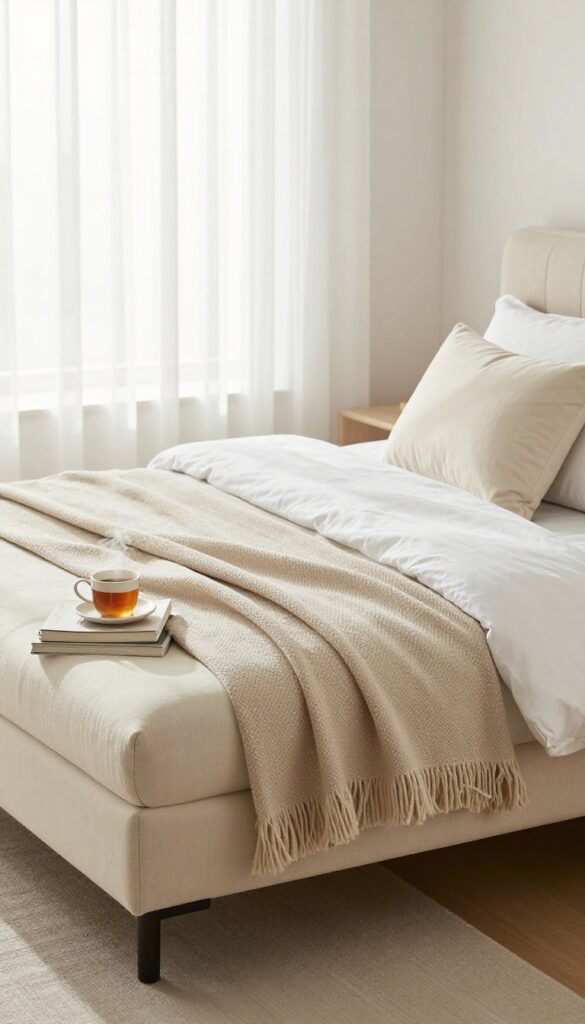
A bench at the end of the bed isn’t just decorative. It can easily become a comfortable mini lounge spot.
With the right cushions and styling, it turns into a relaxed seating area.
Why This Works
Benches provide structure without taking up much space. They also visually connect the lounge zone with the bed.
That balance keeps the bedroom layout cohesive.
How to Do It
- Choose a padded bench or upholstered bench.
- Add two pillows for back support.
- Place a small tray for books or tea.
- Add a throw blanket for texture.
This turns the bench into a functional lounge.
Style & Design Tips
Stick with fabrics that match the bed frame or headboard. This keeps the design cohesive.
Avoid narrow benches that feel unstable.
Pro Tip or Budget Hack
Dining benches often work perfectly and cost much less than bedroom furniture.
9. Corner Lounge with Plants
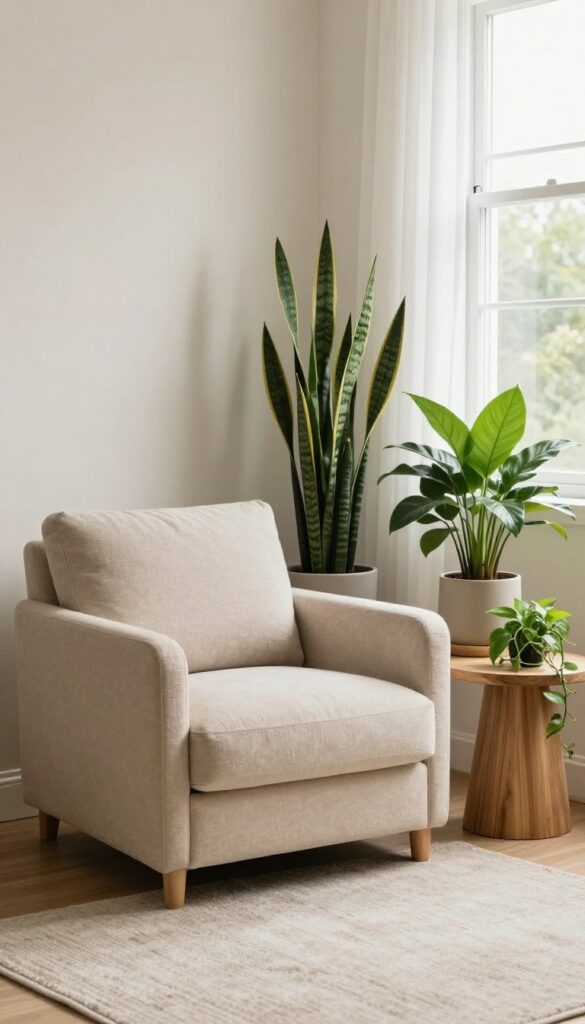
Sometimes the most relaxing lounge spaces revolve around greenery. A plant-filled corner instantly feels calm and refreshing.
I swear plants change how a room feels. Even two or three make the space look alive.
Why This Works
Plants soften hard lines in furniture and architecture. They also add height variation and visual texture.
That combination makes a corner feel layered instead of empty.
How to Do It
- Place one comfortable chair in the corner.
- Surround it with two or three tall plants.
- Add a small table or stool.
- Use a soft rug under the chair.
The result feels calm and natural.
Style & Design Tips
Use plants with different heights. A tall plant, medium plant, and trailing plant create balance.
Avoid overcrowding the corner.
Pro Tip or Budget Hack
Snake plants and pothos are cheap, durable, and nearly impossible to kill.
10. The Mini TV Lounge Setup
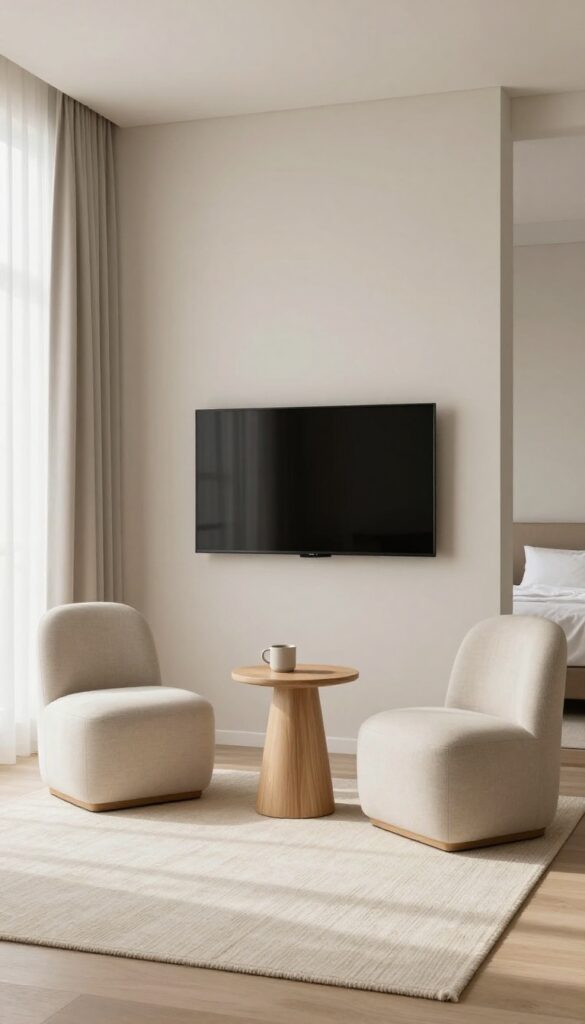
Not everyone wants TVs in bedrooms, but a small lounge TV corner can work beautifully when designed well.
The key is keeping it subtle so the bedroom still feels restful.
Why This Works
A small lounge chair or loveseat lets you watch comfortably without turning the bed into a couch.
This separation keeps the sleeping area cleaner and more organized.
How to Do It
- Mount a small TV on the wall rather than using a bulky stand.
- Place two lounge chairs facing the TV.
- Add a small table between them.
- Use a soft rug underneath to define the space.
The setup feels intentional instead of cluttered.
Style & Design Tips
Choose neutral furniture so the TV doesn’t dominate the room.
Avoid oversized entertainment centers that feel like living room furniture.
Pro Tip or Budget Hack
A tablet stand or small projector can replace a full TV setup and save money.
Final Thoughts
Bedrooms feel dramatically different once they include a place to sit that isn’t the bed. A small lounge zone creates comfort, flexibility, and a sense that the room was thoughtfully designed rather than randomly arranged.
You don’t need a massive bedroom or expensive furniture to make it happen. A chair, a rug, and a small table can change the entire personality of the space. Honestly, once you add a lounge corner, you’ll probably end up using that spot more than the bed during the day.