9 Bedroom Wardrobe Design Ideas That Look Sleek
Storage choices shape how a bedroom functions more than most people realize. A wardrobe that’s too bulky wastes space, while one that’s poorly planned creates daily frustration.
The right design quietly improves how everything flows, from getting dressed to keeping the room feeling calm. That’s why wardrobe design deserves more thought than it usually gets.
A good wardrobe doesn’t need to scream for attention or follow trends blindly. It should make the room feel organized, intentional, and easy to live in.
hese ideas focus on designs that actually work long-term, not just the ones that look good in photos.
1. Floor-to-Ceiling Built-In Wardrobe
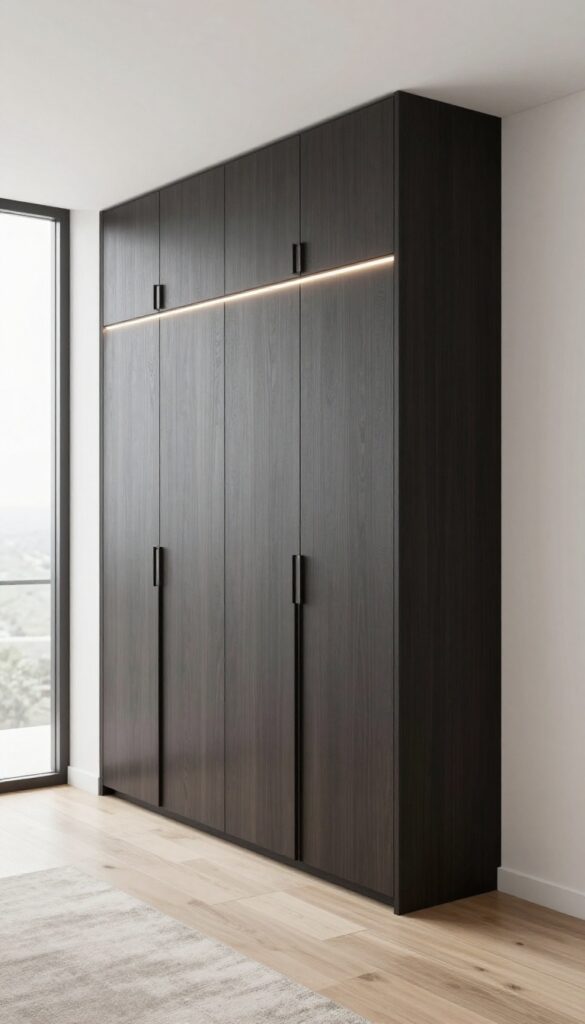
Tall wardrobes solve more problems than people expect, especially in bedrooms where storage always seems to run out too soon.
Leaving unused space above a wardrobe often turns into a dust shelf or clutter zone that never gets touched.
A floor-to-ceiling design eliminates that wasted space and instantly makes the room feel more intentional. I’ve found it also makes ceilings feel taller, which is a nice bonus in smaller rooms.
This type of wardrobe works particularly well if you want a clean, hotel-like look without adding more furniture.
Everything feels contained, and there’s less visual noise overall. It’s also great if you hate seeing random storage boxes stacked on top of cabinets.
Why This Works
A full-height wardrobe draws the eye upward, which creates the illusion of more height. It also maximizes storage without increasing the footprint of the room. From a practical standpoint, it separates everyday items from seasonal or rarely used ones.
The design naturally looks more custom, even if it’s built from standard modular units. That alone can make a bedroom feel more polished and expensive than it actually is.
How to Do It
- Measure floor-to-ceiling height carefully, including trim or crown molding.
- Choose doors that match the wall color for a seamless effect.
- Use the top section for luggage, bedding, or off-season clothes.
- Install soft-close hinges to keep things quiet and smooth.
Style & Design Tips
Keep handles minimal or go handleless if you want a sleek look. Flat-panel doors work best for modern or minimalist spaces. Avoid mixing too many finishes, as that breaks the clean vertical line that makes this style work.
Pro Tip or Budget Hack
If custom cabinetry is out of budget, use standard wardrobes and add a matching MDF panel at the top to fake a built-in look. Paint everything the same color and no one will notice the difference.
2. Sliding Door Wardrobe for Tight Spaces
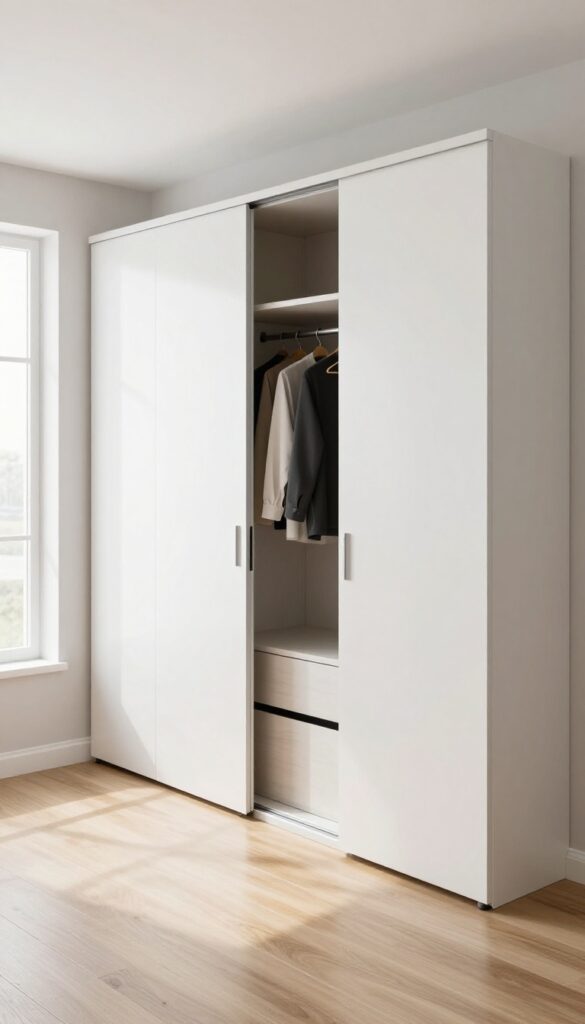
Swing doors eat up more space than people realize, especially in smaller bedrooms. Sliding doors solve that issue instantly by keeping everything flush. They’re practical, clean, and surprisingly versatile when it comes to design.
I’ve used sliding wardrobes in narrow rooms where a regular door would block a bed or dresser. The difference in flow is noticeable right away, and the room feels less cramped.
Why This Works
Sliding doors eliminate the need for clearance space, which is crucial in compact layouts. They also create long, uninterrupted surfaces that make the room feel calmer. From a visual standpoint, fewer moving parts mean less clutter.
They’re also easier to customize with mirrors, wood panels, or frosted finishes depending on your style.
How to Do It
- Choose high-quality tracks to avoid sticking or noise.
- Decide between mirrored, matte, or paneled doors.
- Keep the interior layout simple and accessible.
- Add interior lighting for better visibility.
Style & Design Tips
Mirrored sliding doors work great in small or dark rooms because they reflect light. If you want something warmer, go for wood or textured laminate. Avoid overly shiny finishes unless the rest of the room is minimal.
Pro Tip or Budget Hack
If full sliding systems are expensive, use sliding barn-style doors on a track for a similar effect. Just make sure the wall space allows the doors to slide fully open.
3. Open Wardrobe with Clean Lines
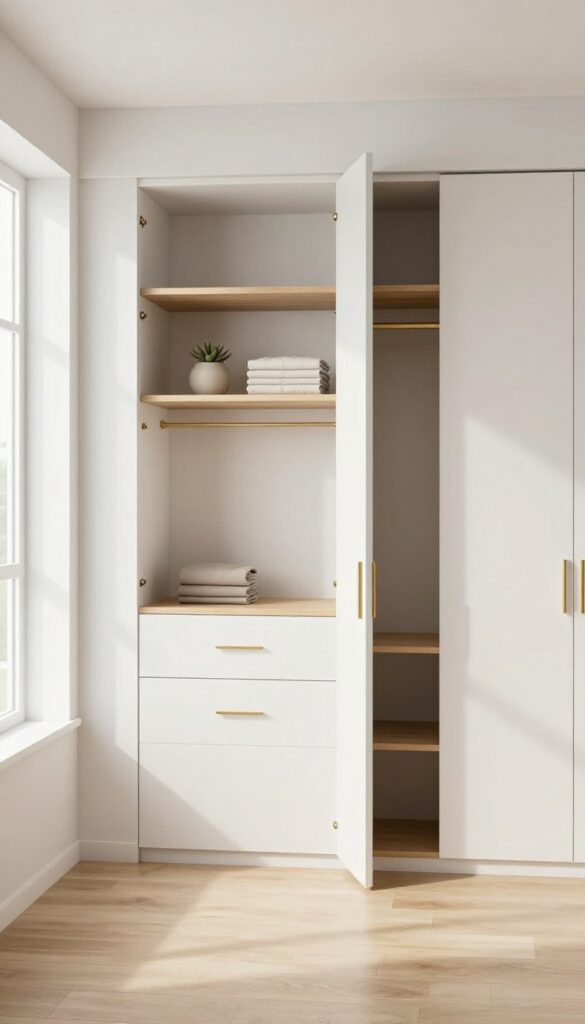
Open wardrobes get a bad reputation, but when done right, they look intentional and stylish. This setup works best for people who like visual order and don’t own mountains of clothes. It also encourages better organization because everything is visible.
I’ve tried this in a guest room and loved how airy it felt. It forces you to keep only what you actually wear, which is oddly refreshing.
Why This Works
Open wardrobes make a room feel bigger because they remove bulky doors and panels. They also make getting dressed faster since everything is in plain sight. When styled neatly, they add a modern, boutique-like feel.
They’re also budget-friendly compared to full cabinetry systems.
How to Do It
- Use a simple metal or wood frame system.
- Stick to a limited color palette for clothing.
- Add baskets or drawers for smaller items.
- Keep hangers uniform for a cleaner look.
Style & Design Tips
Neutral tones work best here since visual clutter shows quickly. Use matching storage boxes for accessories and shoes. Avoid overcrowding, even if it means storing seasonal items elsewhere.
Pro Tip or Budget Hack
Install a curtain or sliding panel you can pull across when you want things hidden. It gives flexibility without committing to a full closed wardrobe.
4. Minimalist Handleless Wardrobe
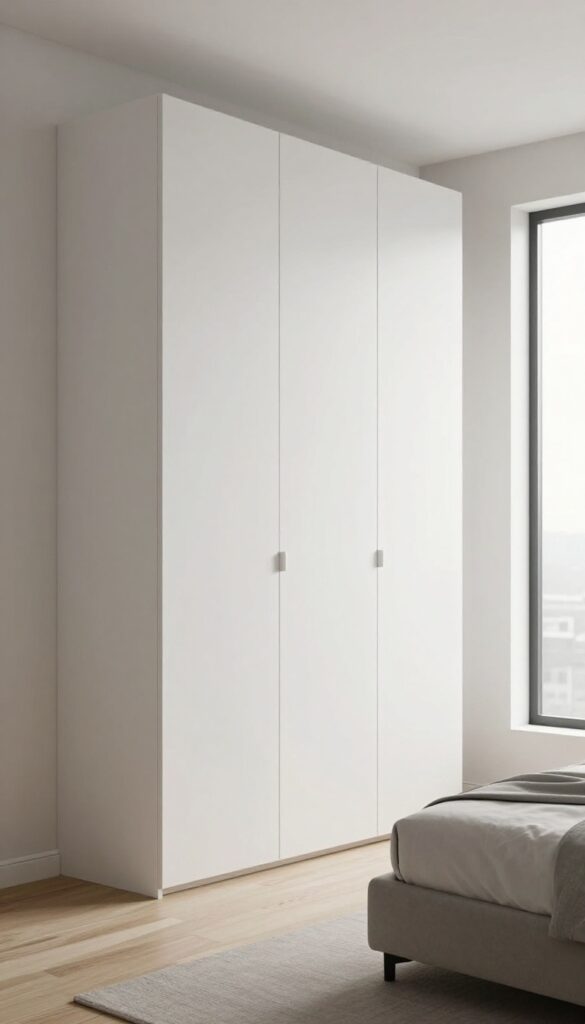
Handleless wardrobes are all about simplicity and flow. Without handles breaking up the surface, the wardrobe feels more like part of the wall than a piece of furniture. This style works especially well in modern or contemporary bedrooms.
I’ve noticed that rooms with handleless wardrobes always feel calmer and more expensive, even when the materials are simple.
Why This Works
The clean surface reduces visual clutter and keeps the room looking streamlined. Push-to-open or recessed grip systems maintain function without sacrificing style. It’s a great option if you love a minimal look but still want practicality.
It also pairs beautifully with neutral color schemes.
How to Do It
- Choose high-quality push-latch hardware.
- Keep door panels flat and untextured.
- Match the wardrobe color to the wall paint.
- Use soft-close mechanisms for durability.
Style & Design Tips
Matte finishes hide fingerprints better than glossy ones. Avoid mixing too many tones in the same space. Consistency is what makes this style feel intentional.
Pro Tip or Budget Hack
If replacing doors isn’t an option, remove existing handles and install push latches instead. It’s a small change that makes a big visual difference.
5. Mirrored Wardrobe for Visual Space
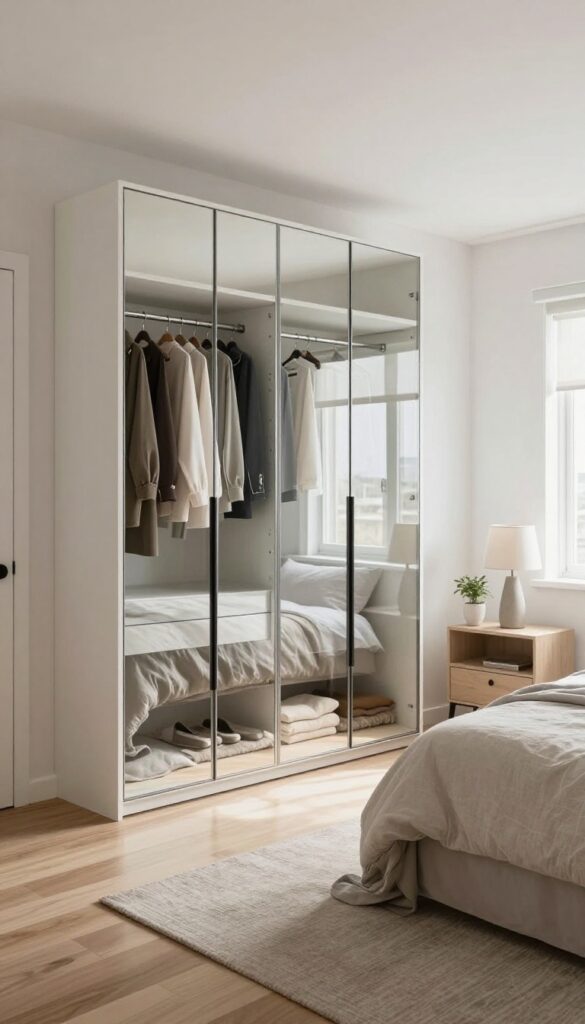
Mirrored wardrobes do more than just help you get dressed. They reflect light, open up the room, and make smaller bedrooms feel significantly larger. This is especially helpful in rooms with limited natural light.
I used to avoid mirrors on wardrobes, but once I tried one in a small bedroom, I was sold. The room instantly felt brighter and more open.
Why This Works
Mirrors create depth, which tricks the eye into seeing more space. They also reduce the need for a separate full-length mirror. From a design perspective, they keep things sleek and functional.
They’re especially useful in apartments or rooms with limited square footage.
How to Do It
- Use full-height mirrored panels for best effect.
- Choose sliding doors to avoid reflections of clutter.
- Keep surrounding decor simple.
- Clean regularly to avoid streaks.
Style & Design Tips
Tinted or bronze mirrors add warmth and feel more modern than standard silver. Avoid placing mirrors directly opposite messy areas to prevent visual chaos.
Pro Tip or Budget Hack
If a full mirrored wardrobe is too much, use mirrored panels on just one door. You’ll still get the space-enhancing effect without overwhelming the room.
6. Walk-In Wardrobe with Glass Panels
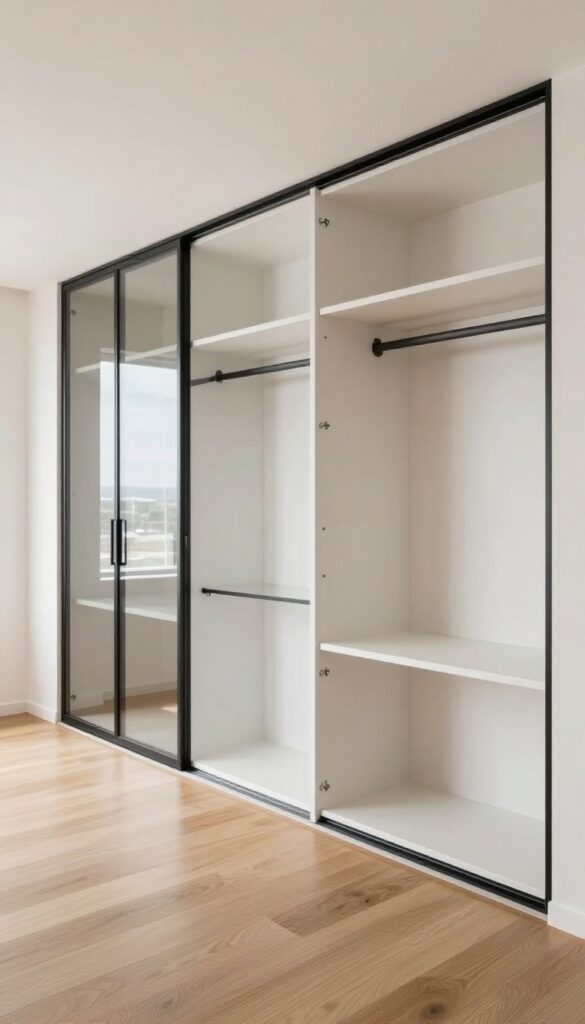
A walk-in wardrobe instantly elevates a bedroom, even a small one. Adding glass panels instead of solid walls keeps it from feeling closed off. It also adds a subtle luxury vibe without going overboard.
I like this option for people who want separation without losing openness.
Why This Works
Glass panels allow light to pass through while still defining the wardrobe area. They make the space feel intentional rather than boxed in. This setup also makes it easier to keep things organized since everything is visible.
It’s a great balance between open and closed storage.
How to Do It
- Use frosted or ribbed glass for privacy.
- Add internal lighting for visibility.
- Keep the layout symmetrical.
- Install sliding glass doors if space is tight.
Style & Design Tips
Black or bronze frames add contrast and structure. Keep the inside tidy since it’s partially visible. Neutral colors work best here.
Pro Tip or Budget Hack
Use acrylic panels instead of glass for a similar look at a lower cost and lighter weight.
7. Corner Wardrobe That Maximizes Dead Space
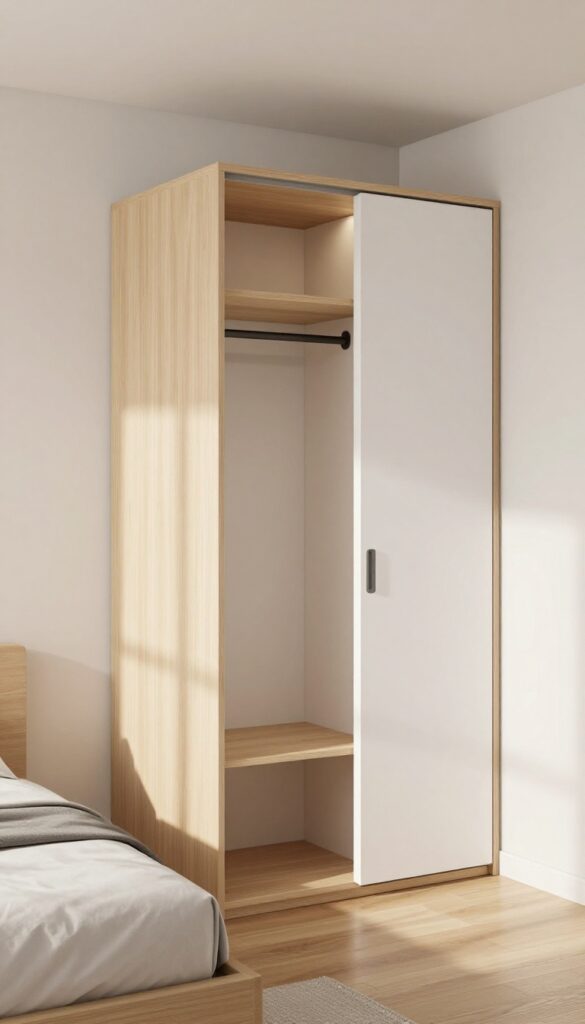
Corners often go unused or poorly planned. A corner wardrobe turns that awkward space into something functional and stylish. It’s especially useful in smaller bedrooms where every inch counts.
I’ve seen corner wardrobes completely change how usable a room feels.
Why This Works
Corner designs take advantage of space that would otherwise be wasted. They also create more storage without extending into the room. When designed well, they blend seamlessly into the layout.
They’re perfect for rooms with unusual shapes.
How to Do It
- Use L-shaped or curved layouts.
- Install rotating or pull-out racks inside.
- Keep door styles simple.
- Use internal lighting for visibility.
Style & Design Tips
Avoid bulky doors that block movement. Light colors help keep the corner from feeling heavy. Keep handles minimal to maintain flow.
Pro Tip or Budget Hack
Add corner shelves inside instead of full hanging sections to reduce cost and improve accessibility.
8. Two-Tone Wardrobe Design
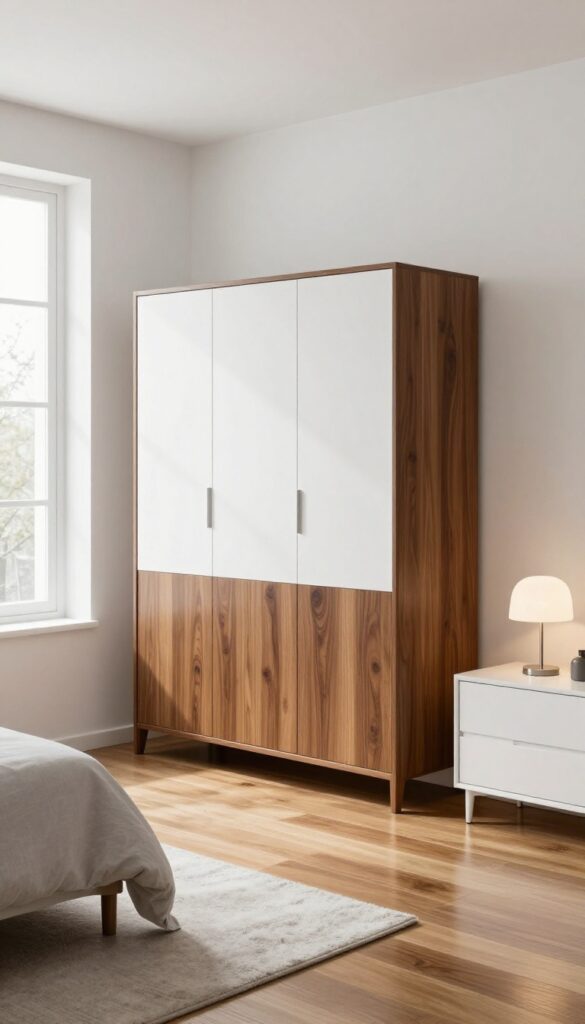
Two-tone wardrobes add personality without overwhelming the room. They’re great if you want something more interesting than plain white but not too bold. The contrast adds depth and visual interest.
I like this approach for modern bedrooms that feel a bit flat.
Why This Works
Using two colors breaks up large surfaces and adds dimension. It also allows you to tie in other elements like flooring or furniture. When done right, it feels intentional rather than trendy.
This design works in both large and small rooms.
How to Do It
- Choose one neutral and one accent color.
- Keep the darker shade on lower sections.
- Match tones with existing furniture.
- Use matte finishes for balance.
Style & Design Tips
Soft contrasts look more timeless than high-contrast combinations. Avoid using more than two colors to keep things cohesive.
Pro Tip or Budget Hack
Use peel-and-stick vinyl on doors to test color combinations before committing to paint or new panels.
9. Wardrobe with Integrated Dressing Area
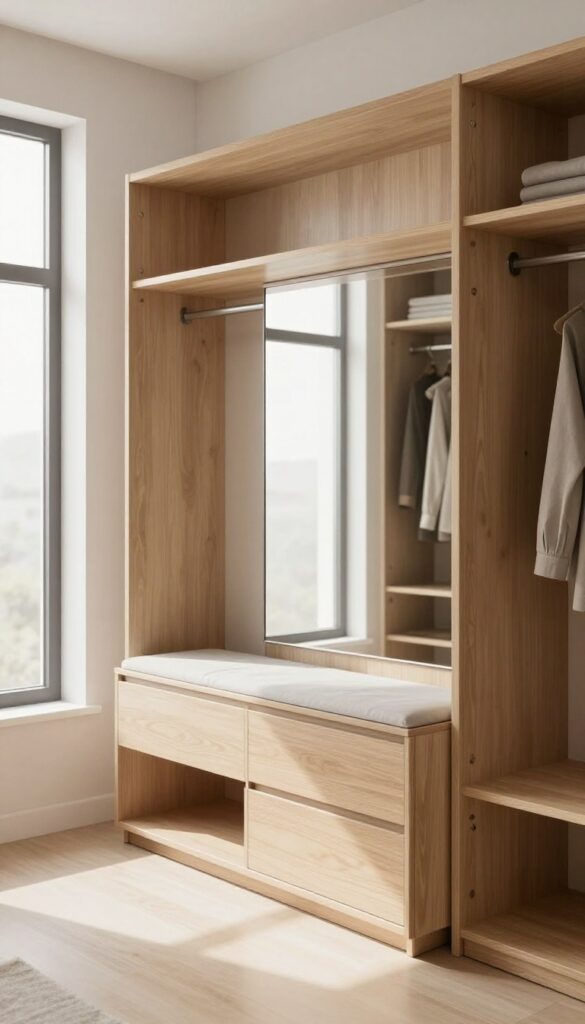
Combining storage with a dressing zone makes daily routines smoother. A wardrobe with a built-in mirror, bench, or vanity keeps everything in one place. It’s especially useful in bedrooms without extra space.
I’ve found this setup makes mornings feel more organized and less rushed.
Why This Works
Everything you need is in one zone, which reduces movement and clutter. It also encourages better organization since items have dedicated spots. The design feels thoughtful and efficient.
It’s a great solution for both small and large bedrooms.
How to Do It
- Add a mirror panel or pull-out mirror.
- Include a small bench or stool.
- Install focused lighting near the mirror.
- Use drawers for accessories.
Style & Design Tips
Keep finishes consistent with the wardrobe for a seamless look. Soft lighting works better than harsh overhead lights. Avoid overcrowding the area.
Pro Tip or Budget Hack
Use a wall-mounted mirror and a slim bench instead of a built-in vanity to save money and space.
Final Thoughts
A well-designed wardrobe does more than store clothes—it quietly shapes how a bedroom feels and functions. The best designs balance storage, flow, and visual calm without trying too hard. Small changes in layout or finish often make a bigger difference than expensive upgrades.
If you’re planning a wardrobe update, start with how you actually use your space. The right design should make daily routines easier, not more complicated. Once that part clicks, the rest tends to fall into place naturally.