9 Blank Wall Bedroom Ideas That Don’t Feel Empty
A lone nail sits in the drywall, slightly crooked, like a decision that never fully happened. The rest of the wall stretches wide and bare, quietly making the room feel colder than it should.
Space like that doesn’t stay neutral for long—it either gets intention or it starts to feel unfinished.
Blank bedroom walls carry more weight than people expect. They affect how cozy the room feels at night and how put-together it looks during the day.
Fixing that doesn’t require a full makeover or a big budget, just smarter choices that add presence without clutter.
If standing in the doorway ever sparks that vague feeling that something’s off, this is for that moment. These ideas focus on warmth, balance, and personality without turning your bedroom into a catalog spread.
1. Oversized Statement Art That Anchors the Room
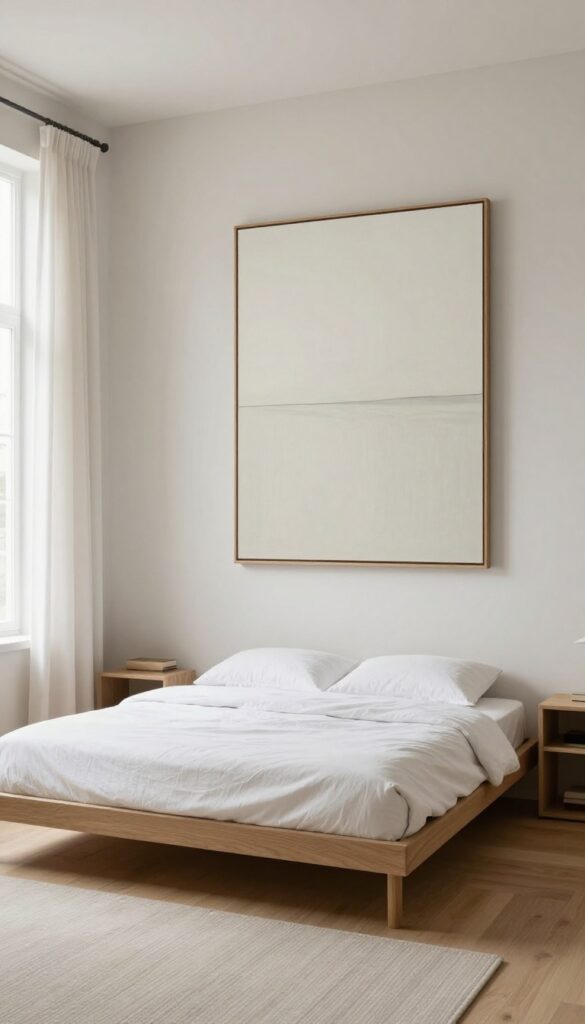
Nothing makes a bedroom feel unfinished faster than a huge wall with nothing but air on it. A single oversized piece of art gives that wall a job and instantly grounds the entire space.
It works because it fills visual weight without needing multiple items fighting for attention.
I’ve tried gallery walls in bedrooms before, and they can feel busy when you’re trying to rest. One bold piece feels calmer, more intentional, and honestly easier to live with long term. It also sets the tone for the room without shouting.
Why This Works
Large-scale art creates a focal point, which tells the eye where to land. Bedrooms benefit from fewer focal points because visual calm equals actual calm. One piece also prevents the “floating furniture” look that happens when walls feel disconnected.
How to Do It
- Choose art that’s at least two-thirds the width of the bed or dresser below it
- Hang it so the center sits roughly at eye level when standing
- Keep frames simple to avoid overpowering the room
- Leave breathing space around it so it doesn’t feel cramped
Style & Design Tips
Abstracts, landscapes, and soft photography work best for bedrooms. Avoid super busy patterns or harsh color contrasts that pull attention nonstop. Muted tones always age better in sleep spaces.
Pro Tip or Budget Hack
If real oversized art feels pricey, use a framed fabric panel or large printable art from an online download. A thrifted frame plus custom matting can look shockingly expensive for very little money.
2. Wall Sconces That Replace Bedside Lamps
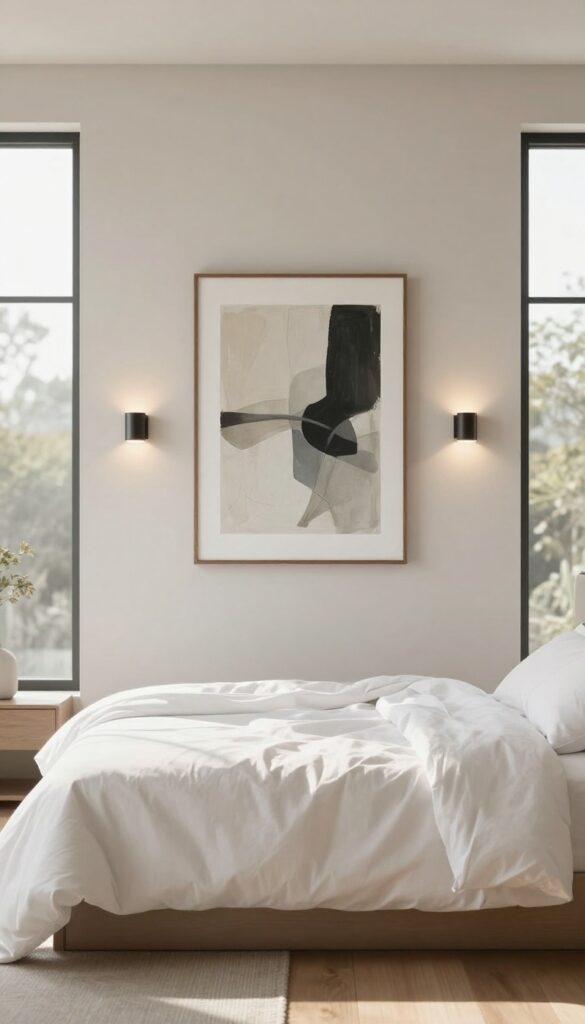
Bedside lamps take up space and often feel like an afterthought. Wall sconces solve the blank wall issue while freeing up your nightstand at the same time. They make the bedroom feel designed rather than assembled.
I swapped lamps for sconces in one bedroom, and the room instantly felt calmer. Less clutter on the nightstand made everything feel intentional, even when the rest of the room stayed the same. Lighting really does that much heavy lifting.
Why This Works
Sconces add both function and structure to a wall. They visually frame the bed and create symmetry without artwork. That balance makes the wall feel complete instead of empty.
How to Do It
- Install sconces about 60–66 inches from the floor
- Place them evenly on each side of the bed
- Choose warm bulbs for a softer glow
- Use plug-in sconces if hardwiring feels intimidating
Style & Design Tips
Go simple with shapes to keep things timeless. Black, brass, or soft white finishes work in almost any bedroom style. Avoid overly ornate designs that feel dated fast.
Pro Tip or Budget Hack
Plug-in sconces with cord covers look just as clean as hardwired versions. Paint the cord the same color as the wall and it practically disappears.
3. Textured Wall Panels or Upholstered Sections
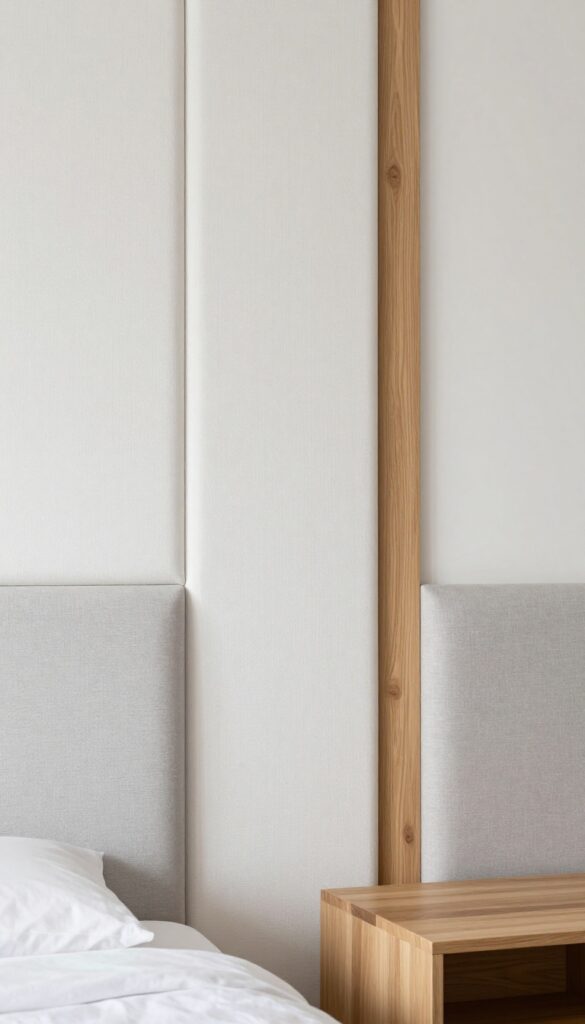
Flat walls sometimes feel empty because they’re too smooth. Adding texture changes how light hits the surface and instantly adds depth. Upholstered panels or wood slats turn blank walls into features without needing décor piled on top.
I didn’t think texture mattered much until I added fabric panels behind a bed. The room felt quieter somehow, almost like it absorbed noise visually. Texture softens a space in a way paint never quite can.
Why This Works
Texture creates dimension without visual clutter. It fills space emotionally rather than literally. Bedrooms benefit from that softness more than any other room.
How to Do It
- Choose one wall, usually behind the bed
- Use peel-and-stick panels for easy installs
- Keep colors close to your existing palette
- Install panels evenly for a tailored look
Style & Design Tips
Stick to neutral tones with subtle variation. Heavy contrast can overwhelm the room quickly. Linen, felt, or light wood feel warm without dominating.
Pro Tip or Budget Hack
Foam panels wrapped in fabric cost far less than custom upholstery. Staple fabric tightly around the back and mount with adhesive strips.
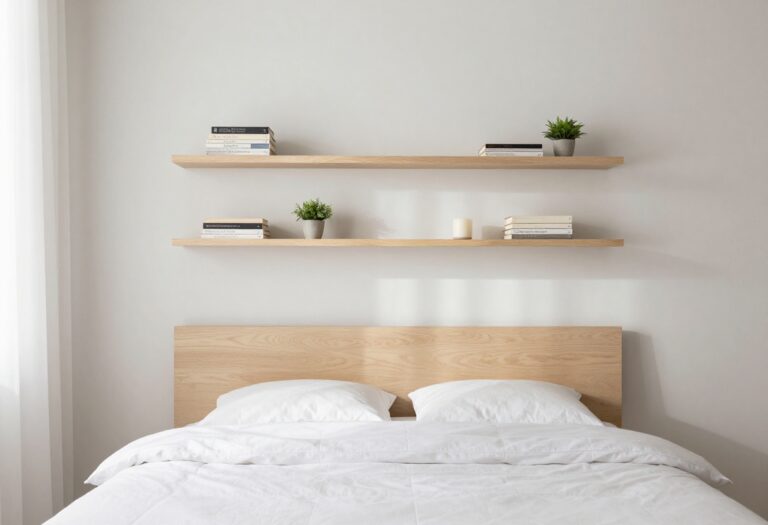
4. A Floating Shelf Styled With Intention
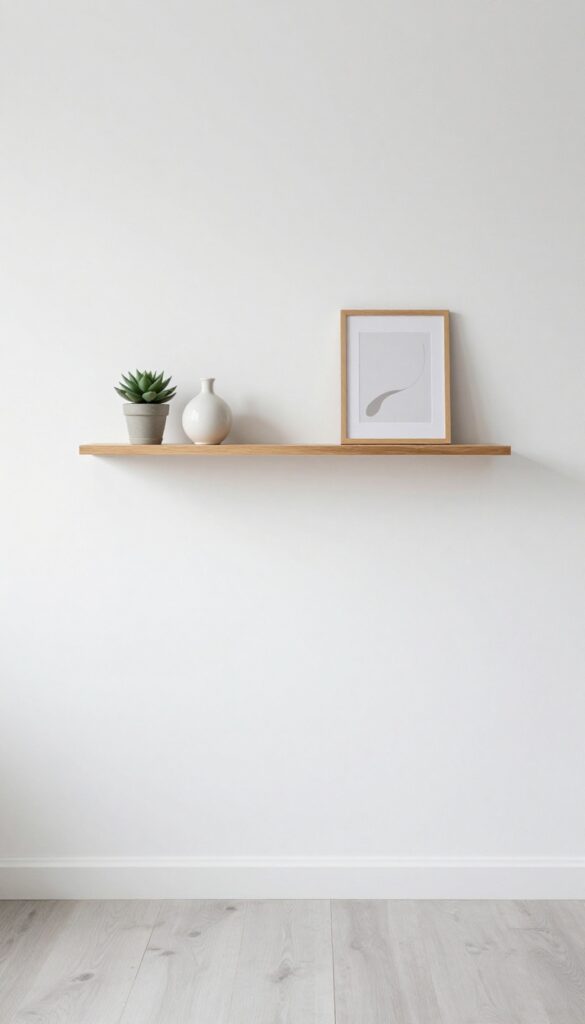
Empty walls don’t always need big statements. A single floating shelf styled thoughtfully can fill space while staying minimal. The key is restraint, not stuffing it with random objects.
I learned the hard way that shelves look better with fewer items. Three well-chosen pieces beat ten filler objects every time. The wall ends up feeling styled instead of cluttered.
Why This Works
A shelf adds horizontal structure to a wall. That line gives the eye something to follow, making the wall feel purposeful. It also offers flexibility when styles change.
How to Do It
- Install the shelf slightly above eye level
- Use anchors to avoid sagging
- Limit items to three or five total
- Mix heights for visual interest
Style & Design Tips
Combine one organic item, one solid object, and one personal piece. Avoid matching sets that feel staged. Let it feel lived-in, not decorated.
Pro Tip or Budget Hack
IKEA shelves dressed up with nicer brackets can pass as custom. Swap out the hardware and suddenly it looks high-end.
5. Soft Accent Paint or Limewash Finish
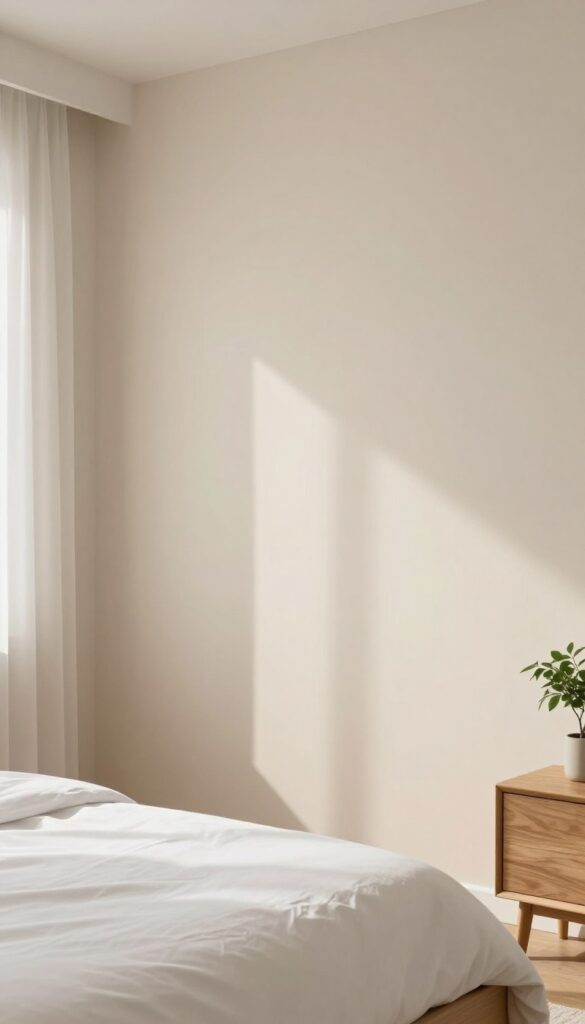
Sometimes a wall feels empty because it blends into everything else. A subtle paint shift or limewash finish adds depth without screaming for attention. It’s quiet impact at its best.
I used a slightly warmer shade than the rest of the room once, and people kept asking what changed. Most couldn’t pinpoint it, but they felt the difference immediately. That’s the sweet spot.
Why This Works
Color variation creates visual separation. Limewash and textured finishes add movement, making walls feel alive instead of flat. Bedrooms benefit from that softness.
How to Do It
- Choose a shade close to your main wall color
- Test samples at different times of day
- Apply unevenly for natural texture
- Stop before it feels dramatic
Style & Design Tips
Stick to warm neutrals or muted earth tones. Bright or high-contrast colors can interfere with rest. Bedrooms should feel calm first.
Pro Tip or Budget Hack
DIY limewash using watered-down latex paint and a sponge works surprisingly well. Practice on cardboard first to get the motion right.
6. A Curated Gallery With Breathing Room
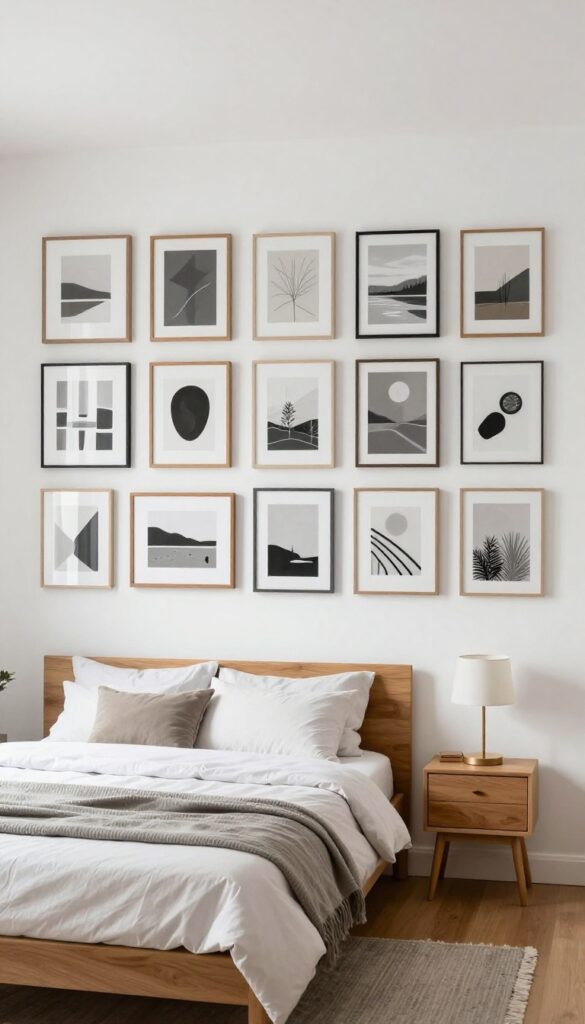
Gallery walls get a bad reputation, but when done right, they work beautifully in bedrooms. The trick is spacing and cohesion. Random clusters create chaos, but curated layouts feel intentional.
I like galleries that tell a story rather than show everything at once. Fewer pieces, spaced properly, let each one breathe. That keeps the wall from feeling overwhelming.
Why This Works
Multiple smaller items can fill a large wall evenly. They create rhythm instead of one heavy focal point. That balance works well in wider bedrooms.
How to Do It
- Stick to a tight color palette
- Lay everything out on the floor first
- Keep spacing consistent between frames
- Anchor the layout with one slightly larger piece
Style & Design Tips
Black-and-white photos or muted art prints feel timeless. Matching frame styles help unify different artwork styles.
Pro Tip or Budget Hack
Use printable art and thrifted frames. Matte spray paint instantly makes mismatched frames look cohesive.
7. Tall Mirrors That Reflect Light and Space
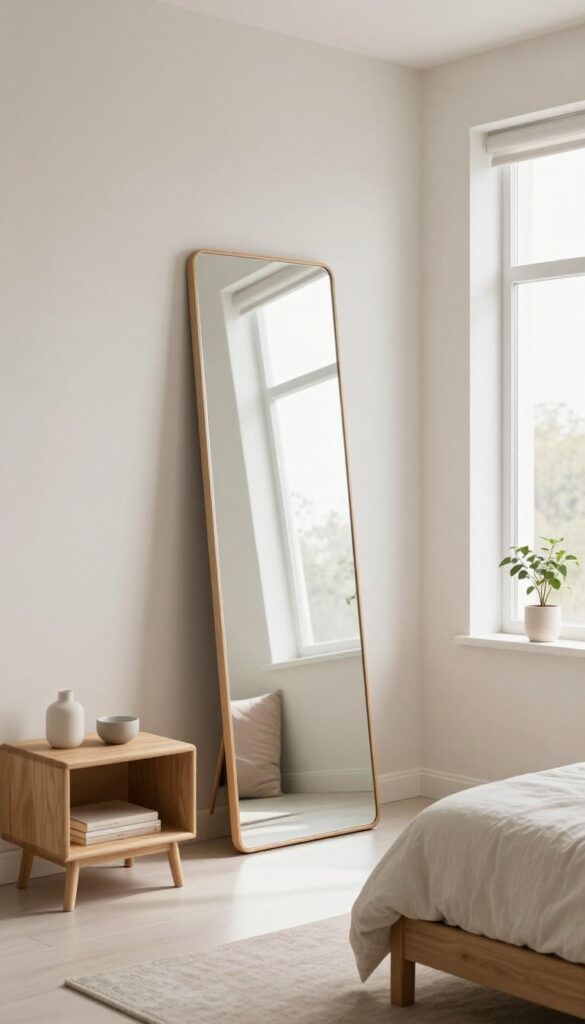
Mirrors do more than show outfits. They bounce light and visually expand walls that feel empty. A tall mirror leaned or mounted can replace wall art entirely.
I added one opposite a window once, and the room felt twice as bright without changing a single light bulb. It also made the wall feel intentional instead of bare.
Why This Works
Mirrors add function and dimension. They reflect existing décor, doubling its impact. That makes walls feel fuller without adding objects.
How to Do It
- Choose mirrors at least 60 inches tall
- Place near natural light if possible
- Secure leaned mirrors for safety
- Keep frames simple
Style & Design Tips
Thin frames or frameless designs feel modern. Warm metal frames add softness if the room feels too plain.
Pro Tip or Budget Hack
Check local resale shops for floor mirrors. They’re often heavily discounted and easy to update with paint.
8. Fabric Hangings or Tapestries With Structure
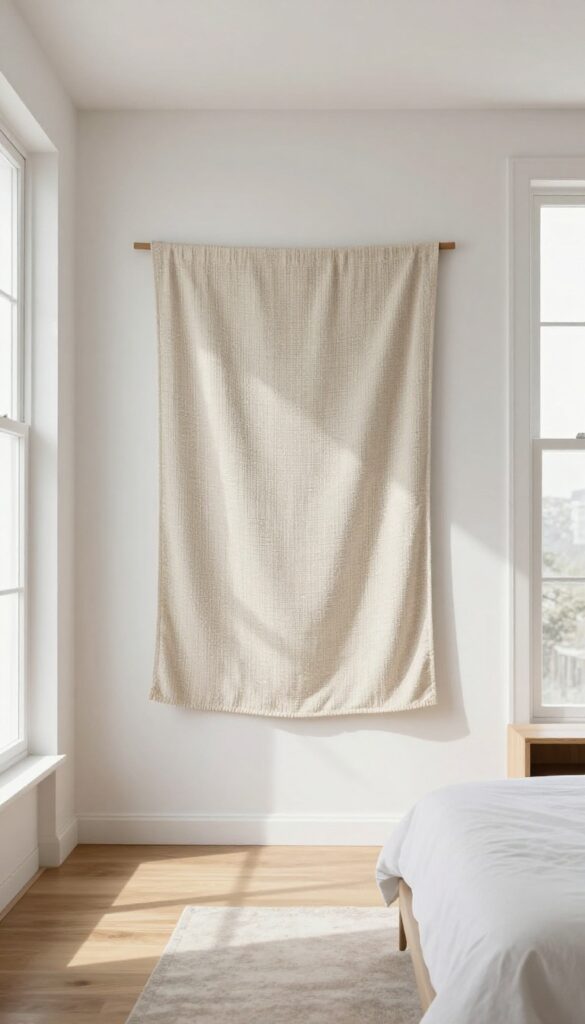
Fabric adds warmth in a way few materials can. A structured textile wall hanging fills space while softening the room. It works especially well if the bedroom feels echoey or stark.
I avoided tapestries for years because they felt dated. Then I found a woven piece with clean lines, and it completely changed my mind. Texture really is everything.
Why This Works
Fabric absorbs sound and softens visual edges. That makes bedrooms feel cozier instantly. Structured designs keep it from feeling bohemian overload.
How to Do It
- Choose neutral or tonal fabrics
- Hang from a wooden or metal rod
- Keep edges clean and intentional
- Center it properly on the wall
Style & Design Tips
Avoid busy patterns or fringe-heavy designs. Simple weaves or minimal patterns age better and feel calmer.
Pro Tip or Budget Hack
Use a lightweight rug or scarf as a wall hanging. A dowel rod and clips can turn almost anything into art.
9. Built-In Look Storage That Doubles as Decor
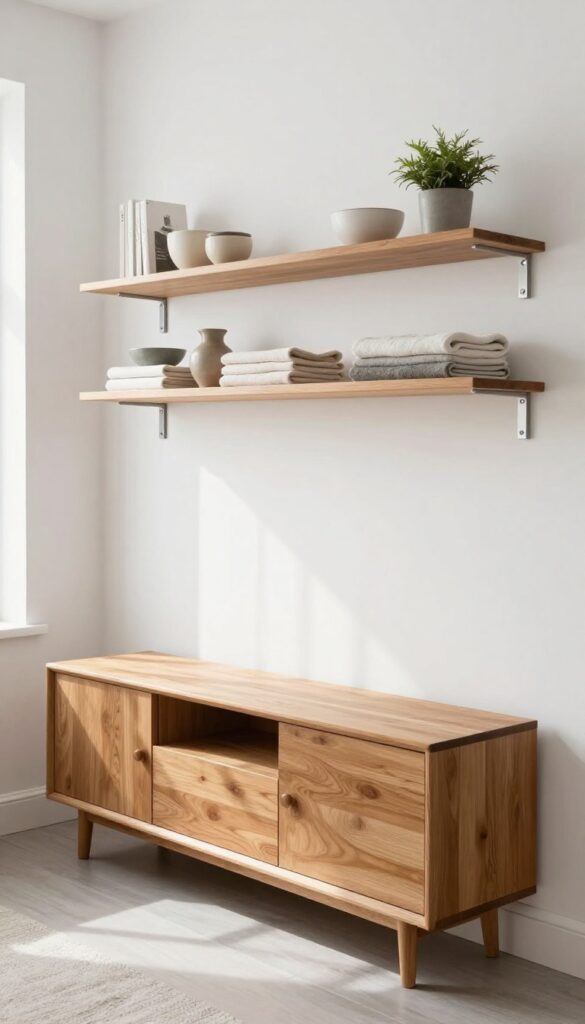
Walls can feel empty because they aren’t working hard enough. Shallow storage like wall-mounted cabinets or ledge shelves adds function and fills space visually. It’s practical décor at its best.
I added a slim cabinet above a dresser once, and it solved storage and blank wall issues in one move. That kind of efficiency always feels satisfying.
Why This Works
Functional pieces carry visual weight. They anchor walls while serving a purpose. That combination makes rooms feel intentional rather than decorative.
How to Do It
- Keep depth shallow to avoid bulk
- Align with furniture below
- Use concealed hardware
- Limit what’s displayed
Style & Design Tips
Paint storage units the same color as the wall for a built-in look. Matching tones reduce visual clutter while still adding presence.
Pro Tip or Budget Hack
IKEA cabinets customized with trim can look fully built-in. Paint and hardware upgrades make a huge difference.
Final Thoughts
Blank bedroom walls don’t need more stuff, they need better decisions. One thoughtful change often does more than five rushed ones. Start with the wall that bothers you most and focus there first.
Pick one idea, try it, and live with it for a bit. The room will tell you what it still needs.