15 Smart Small Bedroom Organization Ideas for Space
Living with a small bedroom can feel like playing Tetris every single day, especially when you actually like your stuff and don’t want to live like a minimalist monk.
I’ve dealt with tiny bedrooms more times than I can count, and trust me, smart organization beats sheer willpower every time. If your room feels cramped, chaotic, or just mildly annoying, these ideas will seriously help.
The goal here isn’t perfection or some Pinterest fantasy bedroom that nobody actually lives in. The goal is real space, real function, and a room that finally feels calm instead of stressful.
Let’s talk through what actually works, what I’ve tried, and what I’d recommend to a friend without sugarcoating it.
1. Under-Bed Storage That Actually Works
Under-bed space feels like free real estate, but most people waste it with random boxes that turn into black holes.
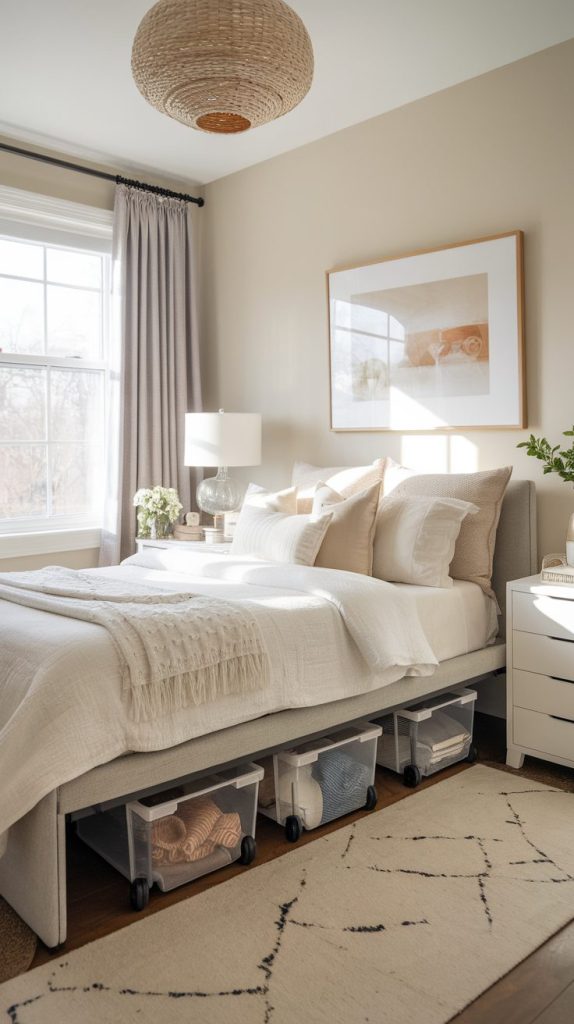
I learned pretty quickly that intentional under-bed storage changes everything in a small bedroom. When you use the right containers, that space suddenly feels planned instead of desperate.
I prefer low-profile bins with wheels because they slide out easily without lifting the mattress like you’re bench-pressing.
Clear bins help too, because digging blindly under a bed kills motivation fast. IMO, if storage feels annoying, you won’t use it consistently.
This area works best for items you don’t need daily but still want close by. Think extra bedding, seasonal clothes, or shoes you rotate throughout the year. Once you organize this zone properly, your closet instantly breathes easier.
2. Vertical Shelving to Use Wall Height
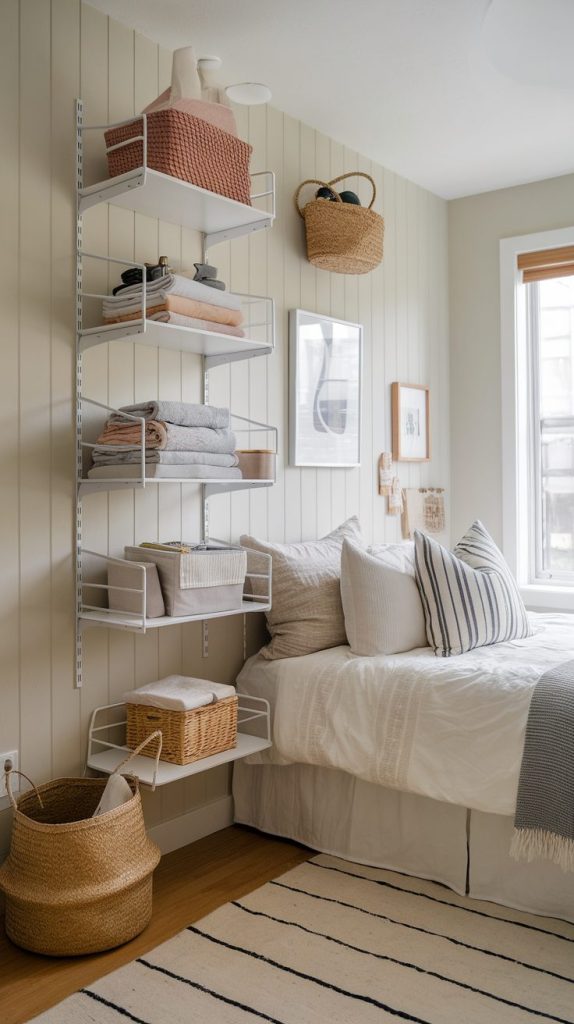
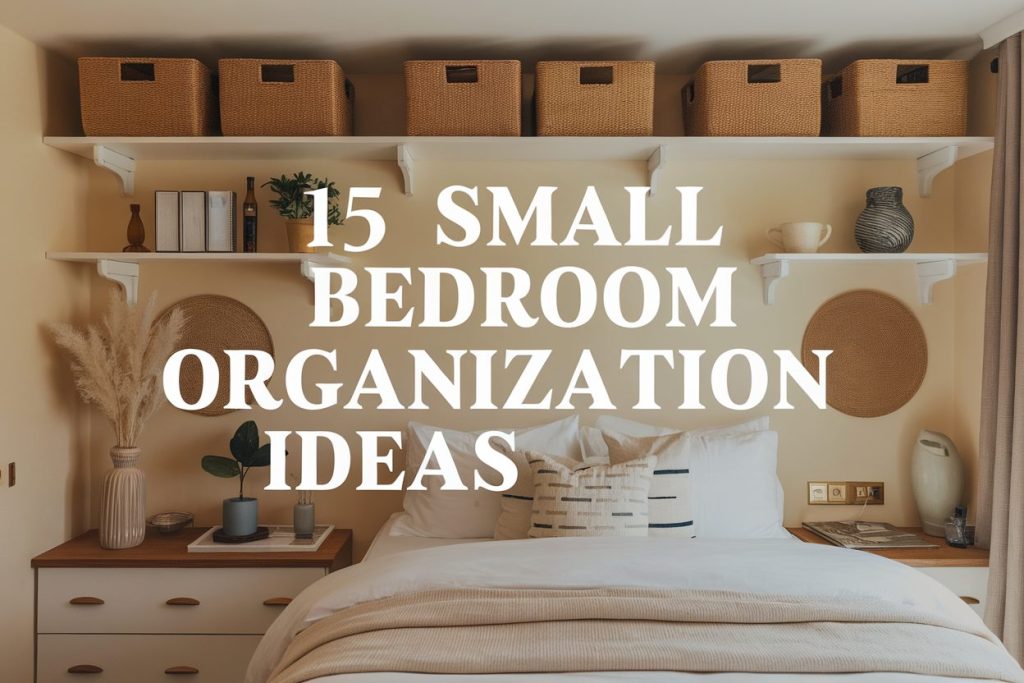
Most small bedrooms fail because people ignore vertical space completely. Walls don’t just hold art and regret; they hold storage if you let them. Vertical shelving gives you room without stealing precious floor space.
I like tall, narrow shelves over short wide ones because they visually stretch the room upward. When shelves go closer to the ceiling, the room feels taller instead of cluttered. That psychological effect matters more than people admit.
Use these shelves for books, baskets, decor, and everyday items you want visible but organized. If everything on the shelf has a purpose, the room stays functional instead of looking like a thrift store aisle.
3. Multi-Functional Furniture That Earns Its Place
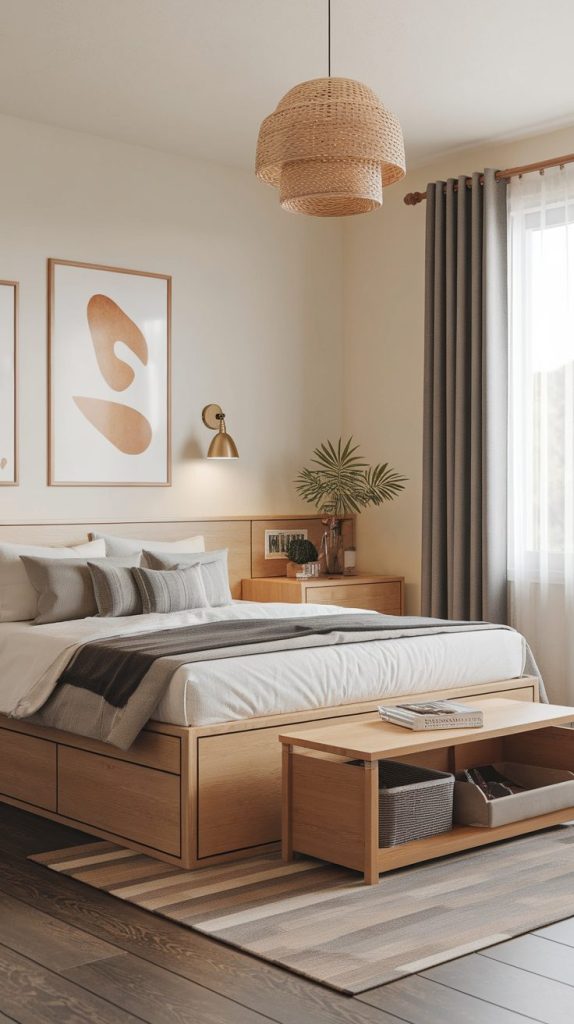
In a small bedroom, every piece of furniture needs to pull double duty or get out. I’ve become ruthless about this over the years, and honestly, it feels great. A storage bed, bench with hidden space, or nightstand with drawers beats decorative furniture every time.
I once had a cute bedside table with zero storage, and it was basically a decorative disappointment. Swapping it for a drawer-based nightstand instantly reduced clutter elsewhere. Small changes like that add up fast.
When you shop for furniture, ask one simple question. Does this solve at least two problems? If the answer is no, leave it behind without guilt.
4. Closet Zones Instead of Chaos
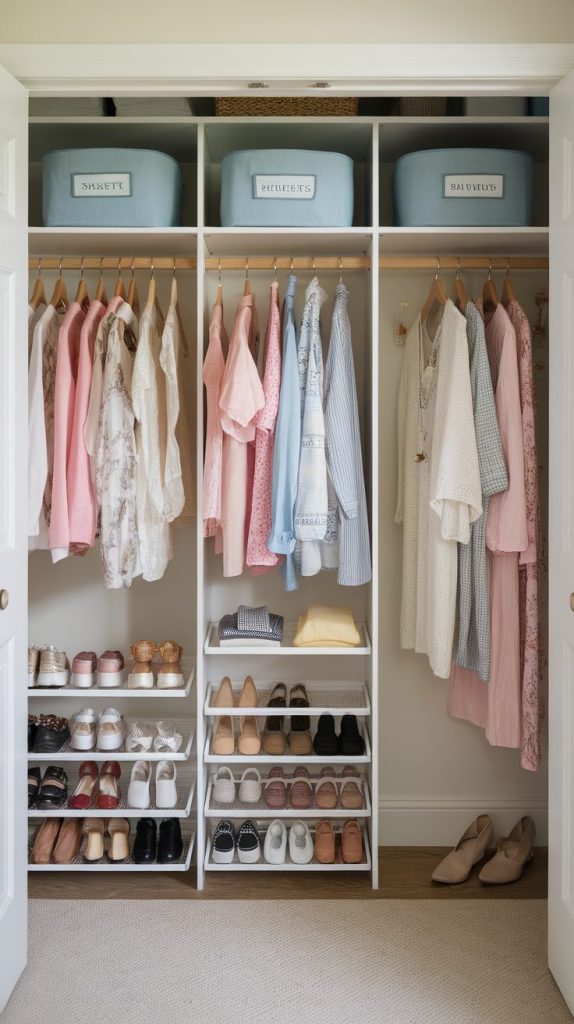
Most closets feel small because they function poorly, not because they lack space. Creating clear zones inside your closet makes it feel twice as big. I treat my closet like a mini room with sections instead of a dumping ground.
I divide mine into hanging clothes, folded items, shoes, and accessories, each with its own boundary. Shelf dividers and small bins keep stacks from collapsing into messy piles. Once everything has a home, decision fatigue disappears.
You also waste less time hunting for things in the morning. That alone makes this system worth it if you value your sanity before coffee.
5. Over-the-Door Storage You’ll Actually Use
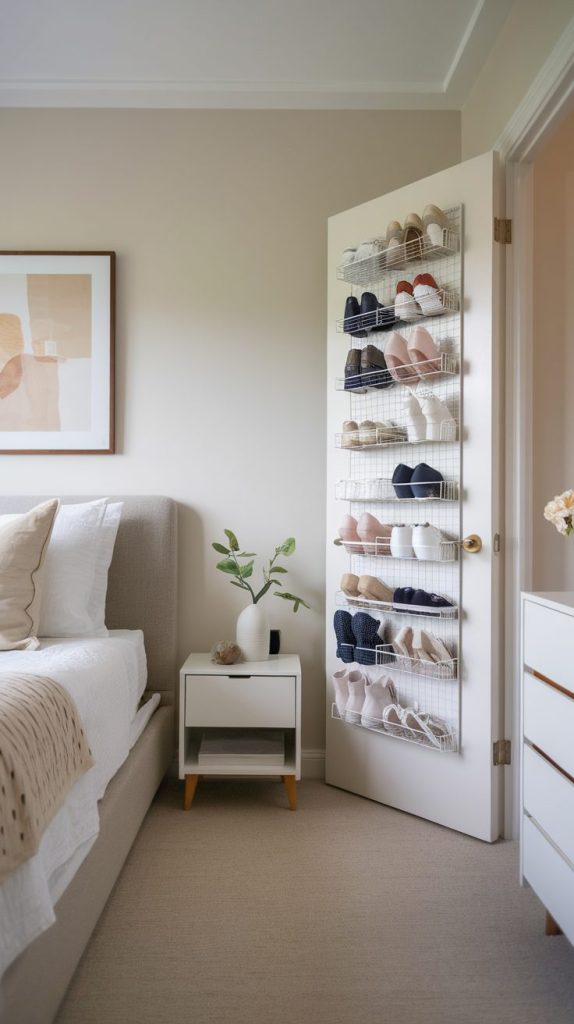
Over-the-door storage gets a bad reputation because people use flimsy versions that flop around and look messy. The right setup feels clean, sturdy, and shockingly useful. Doors offer vertical storage without touching floor space at all.
I use over-the-door organizers for shoes, bags, and accessories I grab often. Seeing everything at eye level makes daily routines smoother. Out of sight often means forgotten, which defeats the purpose of organization.
Choose designs with neutral colors or structured pockets so they blend instead of scream storage solution. When it looks intentional, it feels better to use.
6. Floating Nightstands for Visual Space
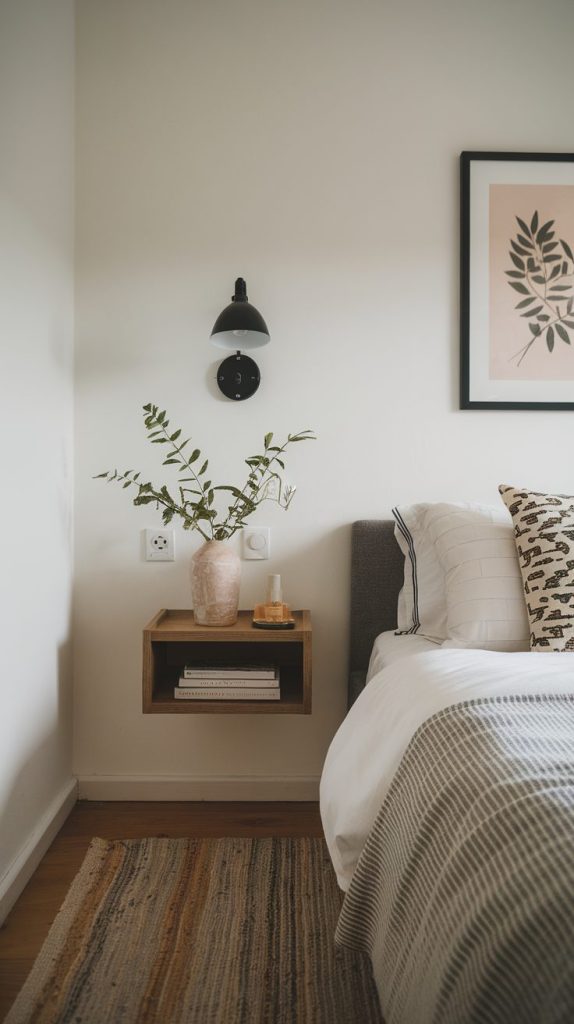
Traditional nightstands eat floor space and visually crowd a small bedroom. Floating nightstands solve both problems while still doing the job. Once I switched, I never went back.
They create the illusion of more space because the floor stays visible underneath. Cleaning becomes easier too, which matters more than anyone admits. Less dust drama equals less stress.
Look for designs with at least one drawer or shelf. You still need function, not just aesthetics pretending to help.
7. Drawer Organizers That Stop the Mess Cycle
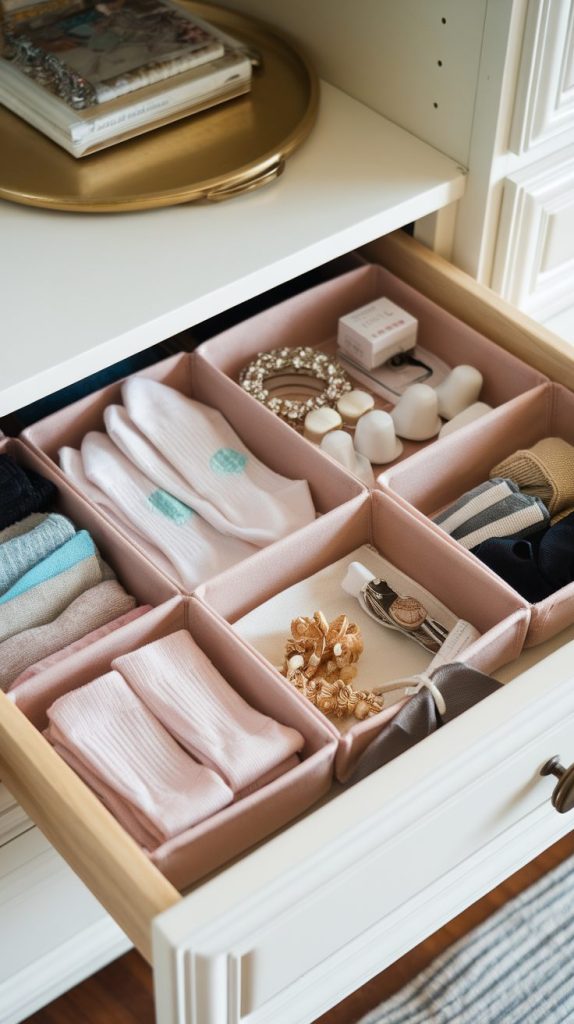
Messy drawers turn into junk drawers faster than you think. Drawer organizers stop that cycle before it starts. I use them everywhere because they remove the excuse of “I’ll fix it later.”
When every item has its own compartment, putting things away feels automatic. You don’t shove, you place. That subtle difference changes habits long-term.
This works especially well for underwear, socks, accessories, and tech items. Small wins like this keep the rest of the room under control.
8. Wall Hooks for Everyday Items
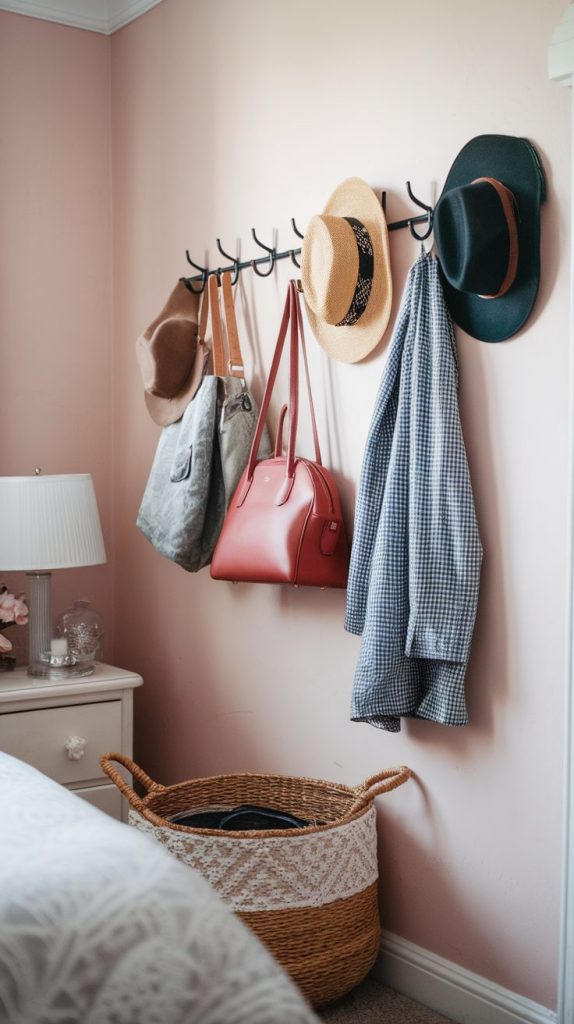
If something touches the floor daily, it probably needs a hook instead. Wall hooks handle bags, jackets, hats, and even jewelry without cluttering furniture surfaces. I underestimated hooks until I started using them consistently.
They reduce chair piles instantly, which honestly feels like magic. Chairs should not be clothing storage, and yet here we are. Hooks solve that problem without nagging yourself.
Use matching hooks or a rail system to keep it visually clean. When it looks organized, you’ll actually use it instead of ignoring it.
9. Storage Ottomans That Hide the Mess
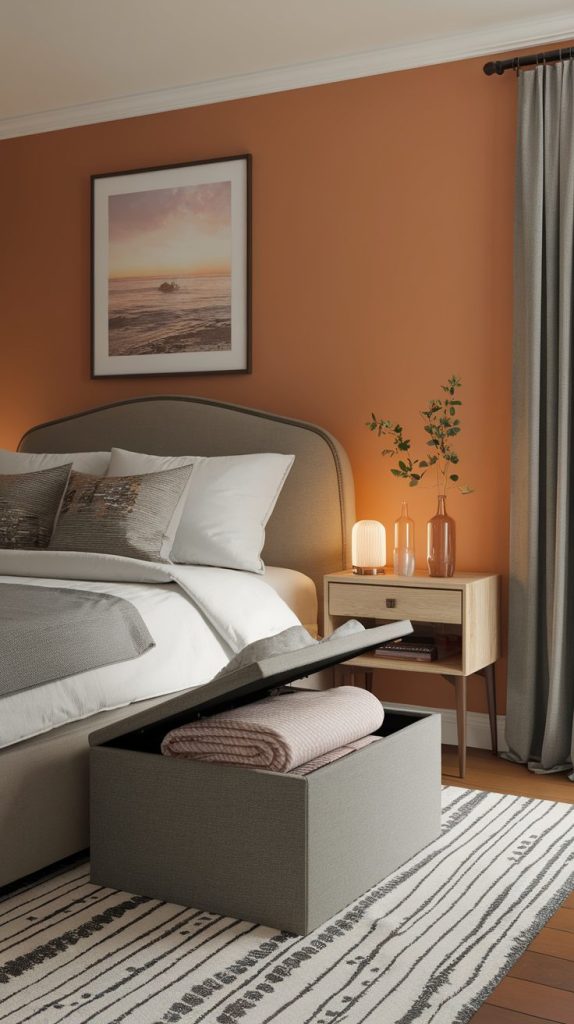
Storage ottomans are one of those items that feel boring until you own one. Then you wonder how you lived without it. They hide clutter while adding seating or a footrest.
I keep throw blankets and random bedroom extras inside mine. When guests come over, everything disappears in seconds. That kind of flexibility feels powerful in a small space.
Choose one with a firm lid and neutral fabric. It should blend seamlessly instead of drawing attention to itself.
10. Slim Dressers That Fit Tight Spaces
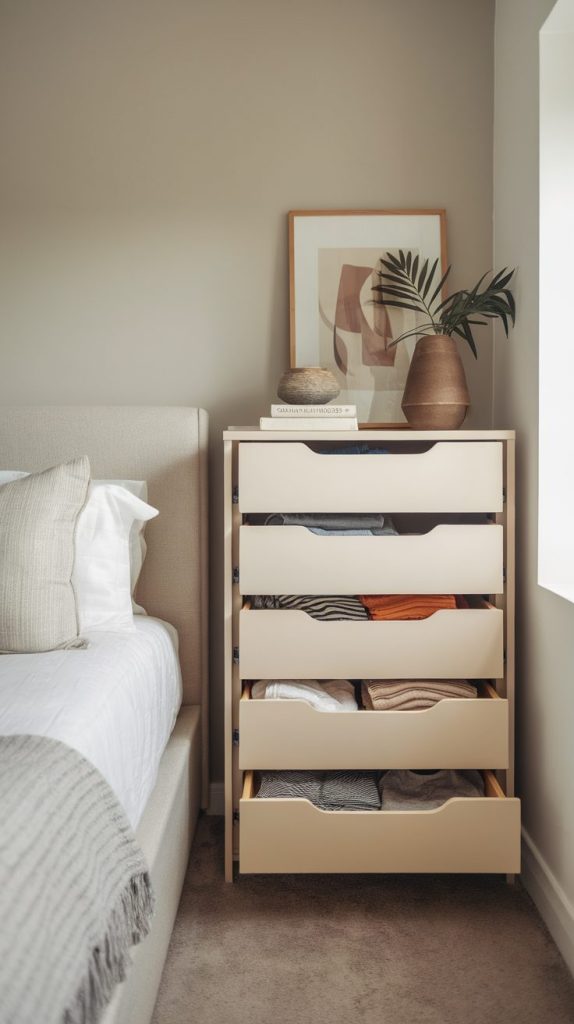
Bulky dressers overwhelm small bedrooms quickly. Slim dressers offer storage without dominating the room. I always recommend measuring carefully before buying anything tall.
These dressers work well for folded clothes, accessories, or items you don’t want hanging. When placed against a wall or near the closet, they support existing storage instead of competing with it.
Go vertical rather than wide whenever possible. Vertical storage keeps pathways clear and makes the room easier to navigate.
11. Bedside Caddies for Minimalist Setups
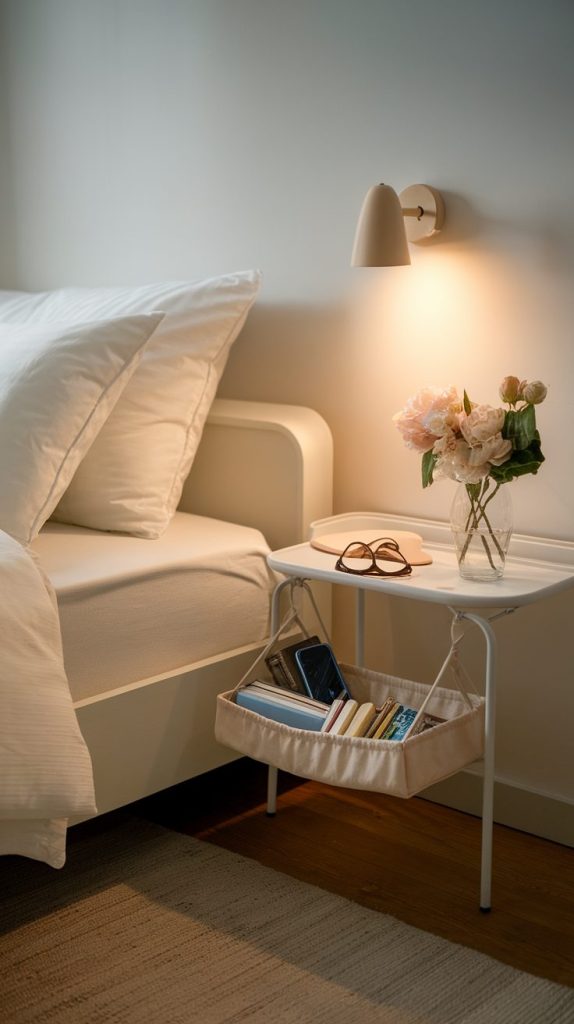
If your bedroom barely fits a bed, bedside caddies feel like a lifesaver. They hang from the mattress or bed frame and store essentials within arm’s reach. I used one in a studio apartment and loved the simplicity.
They handle books, phones, glasses, and chargers without needing furniture. This keeps the floor open and the room visually lighter. Less furniture equals less overwhelm.
Choose sturdy fabric and reinforced pockets so it doesn’t sag over time. Cheap ones collapse and ruin the experience fast.
12. Mirrors That Double as Storage
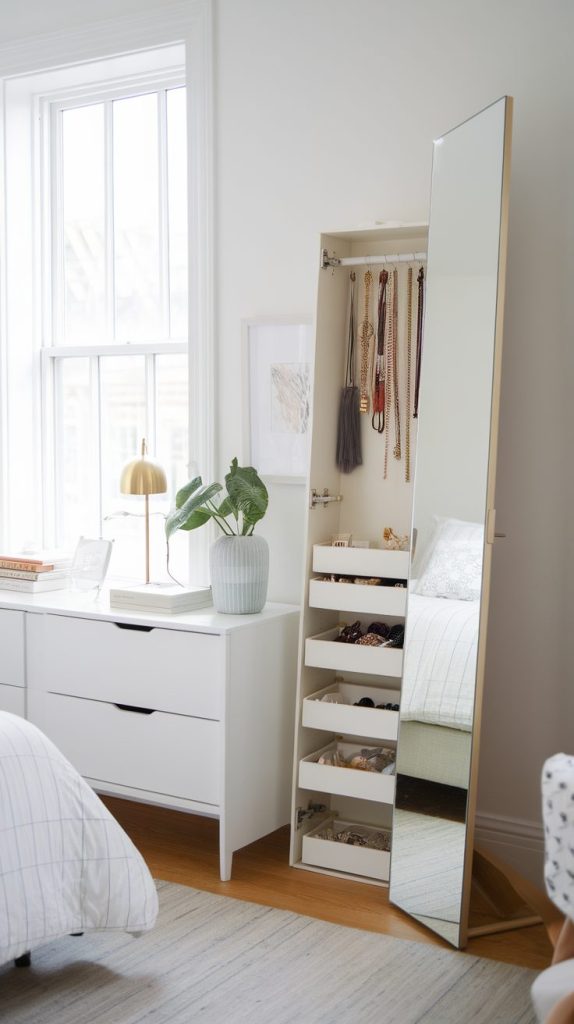
Mirrors already help small bedrooms feel bigger, so adding storage makes them even better. Mirrored cabinets or jewelry mirrors pull double duty without extra clutter. I’m a big fan of this trick.
They reflect light, hide items, and make the room feel brighter instantly. It’s one of the few organization tools that improves both function and mood. That combo feels rare.
Install it near natural light if possible. The brightness boost alone makes mornings feel less groggy.
13. Shelf Baskets for Controlled Clutter
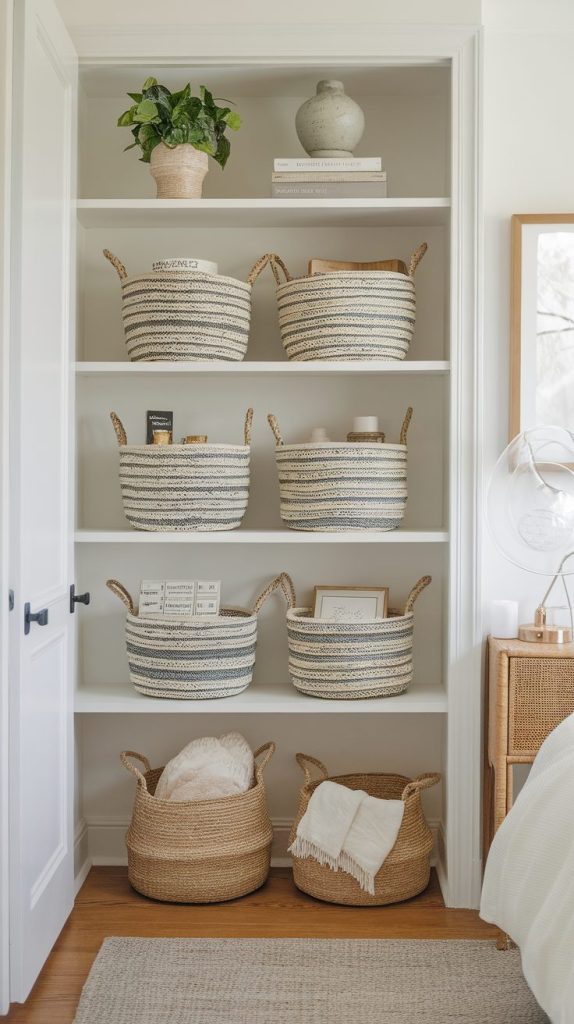
Open shelves look great until clutter takes over. Baskets fix that problem without removing accessibility. I use them to group small items that don’t deserve individual display.
Baskets keep things contained while still easy to grab. They also soften the look of shelves, which helps bedrooms feel calmer. Visual calm matters more than people think.
Stick to a consistent color or material. Too much variety makes shelves look chaotic instead of curated.
14. Decluttering Zones You Actually Maintain
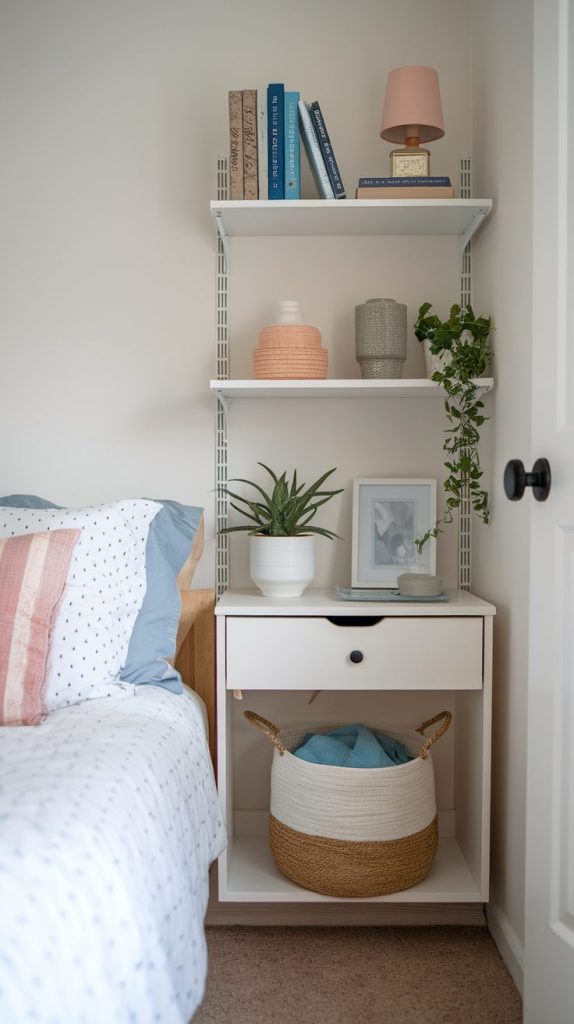
Organization fails when decluttering feels overwhelming. Creating small, maintainable zones changes everything. I focus on one drawer, one shelf, or one corner at a time.
This approach keeps motivation high because progress feels immediate. You don’t burn out halfway through the room. That momentum matters.
Once zones stay clear, cleaning becomes faster and less annoying. That’s the real win here.
15. Lighting That Makes the Room Feel Bigger
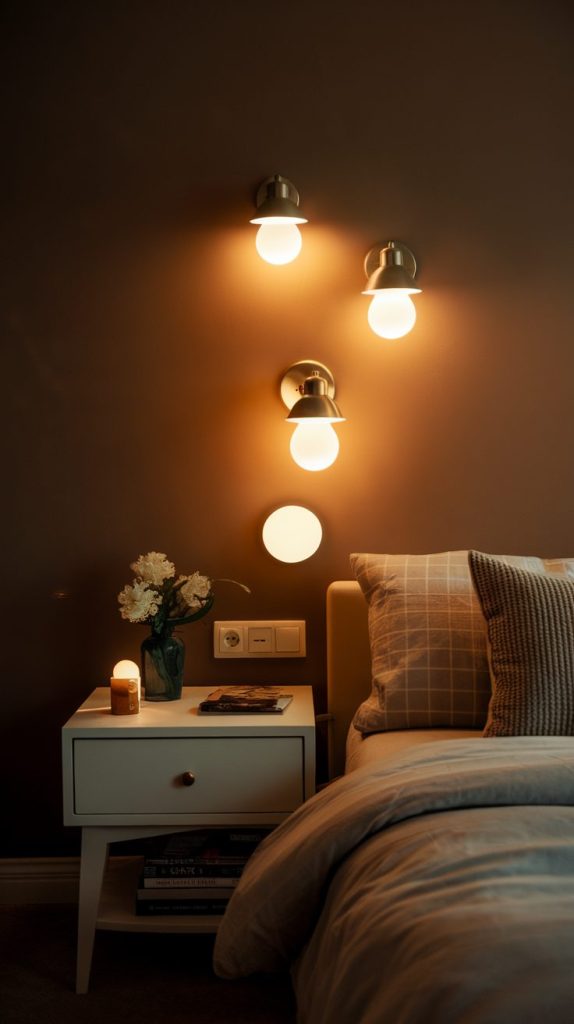
Lighting doesn’t sound like organization, but it changes how space feels. Poor lighting makes rooms feel cramped and messy. I learned this after swapping harsh overhead lights for softer layered options.
Wall-mounted lights, lamps, and warm bulbs create depth and comfort. The room feels intentional instead of cramped. That emotional shift matters.
Good lighting highlights organized areas and hides minor imperfections. FYI, that’s a psychological trick worth using.
Conclusion
Small bedrooms don’t need miracles, they need smarter choices and realistic systems. When storage feels intentional, the room stops fighting you daily. I’ve learned that organization works best when it fits real life, not perfection.
If you try even a few of these ideas, you’ll feel the difference quickly. Start small, stay consistent, and let your bedroom finally work for you instead of against you. Trust me, future you will appreciate it.