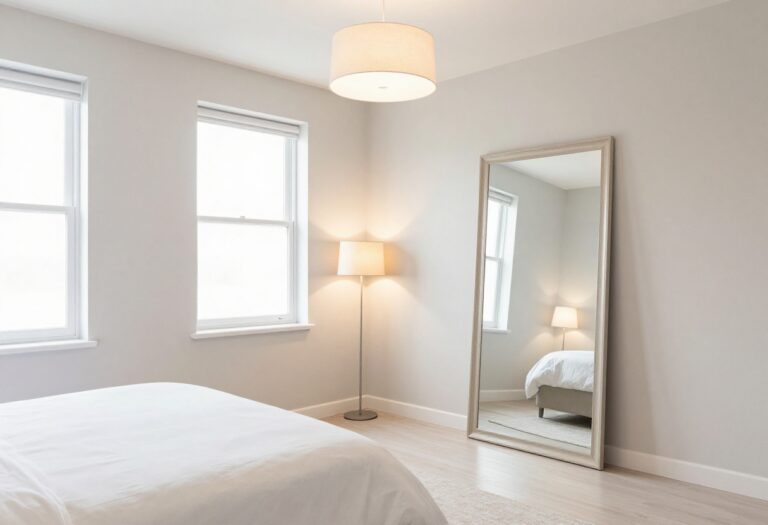
9 Student Bedroom Ideas That Feel Cozy and Cool
Laundry piles rarely stay hidden for long, desk lamps glow late into the night, and the room slowly turns into a mix of sleep zone, study corner, and emotional support bunker.
Small bedrooms do that. They stretch to handle way more life than they were ever designed for.
Warm light, soft textures, and smart layouts can completely change how a student room feels without touching the walls or spending a fortune.
The trick is choosing ideas that look good but also survive real life, late nights, and limited space.
This list leans into comfort without sacrificing style. Nothing precious, nothing fussy, and nothing that only works in photos.
1. Layered Lighting That Changes the Mood
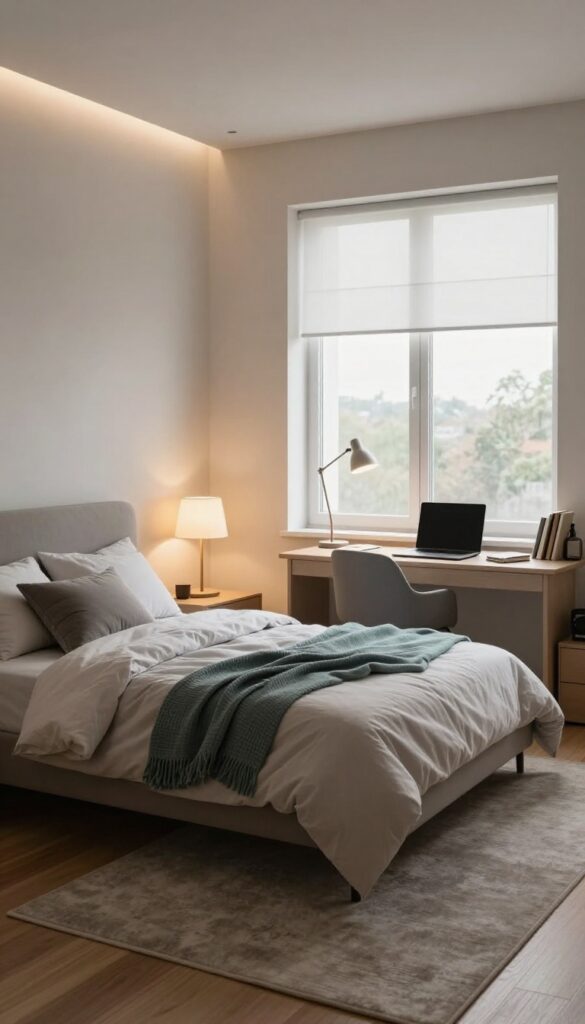
Overhead lights are harsh, unflattering, and somehow always wrong for the moment. One flip of that switch can make a cozy room feel like a hospital waiting area.
Layered lighting fixes that instantly and gives control over how the room feels at different times of day.
This idea mixes multiple light sources at different heights to create warmth and flexibility. Table lamps, floor lamps, string lights, and wall sconces work together instead of fighting each other.
The room feels calmer, softer, and way more intentional without changing any furniture.
Why This Works
Lighting affects mood more than almost anything else in a bedroom. Multiple light sources spread illumination evenly and reduce shadows that make small rooms feel cramped.
It also lets the room shift easily from study mode to wind-down mode without effort.
How to Do It
- Start with one warm-toned table lamp for the desk or nightstand.
- Add a floor lamp in a corner to balance light across the room.
- Use string lights or LED strips for soft background glow.
- Choose bulbs labeled warm white or soft white for comfort.
Style & Design Tips
Avoid mixing bulb temperatures because it makes the room feel chaotic. Stick to warm light across all fixtures for consistency. Exposed bulbs with warm filaments look great, but only if they don’t blind you from the bed.
Pro Tip or Budget Hack
Thrift stores often have solid lamp bases for cheap. Swap the shade for a neutral fabric one and it instantly looks intentional instead of random.
2. A Bed Setup That Actually Feels Inviting
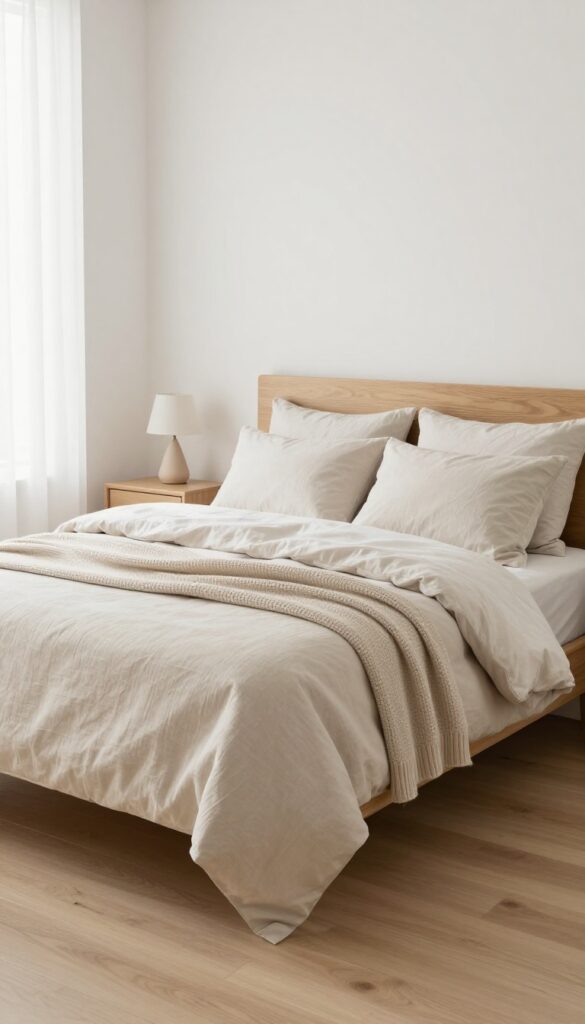
Beds take up most of the visual space in a student bedroom, yet they’re often treated as an afterthought. A thin comforter and mismatched pillows don’t exactly scream cozy. Treating the bed like a design feature changes the entire room’s energy.
This idea focuses on layering bedding for comfort and visual depth. Textures, colors, and proportions work together to make the bed feel like a place you want to land, not just crash. Even a small bed can feel luxurious with the right setup.
Why This Works
Layered bedding adds softness and makes the bed look intentional rather than temporary. It creates a focal point that anchors the room visually. Comfort also improves sleep, which matters more than people admit.
How to Do It
- Start with neutral sheets that feel good against the skin.
- Add a thicker comforter or duvet for structure.
- Layer one throw blanket across the foot of the bed.
- Use two sleeping pillows and one or two decorative pillows.
Style & Design Tips
Stick to one main color and one accent color to avoid visual clutter. Avoid too many small pillows because they become annoying fast. Texture matters more than pattern in small rooms.
Pro Tip or Budget Hack
Buy pillow covers instead of new pillows. You can change the look seasonally without filling the closet with extra fluff.
3. A Desk Area That Doesn’t Kill the Vibe
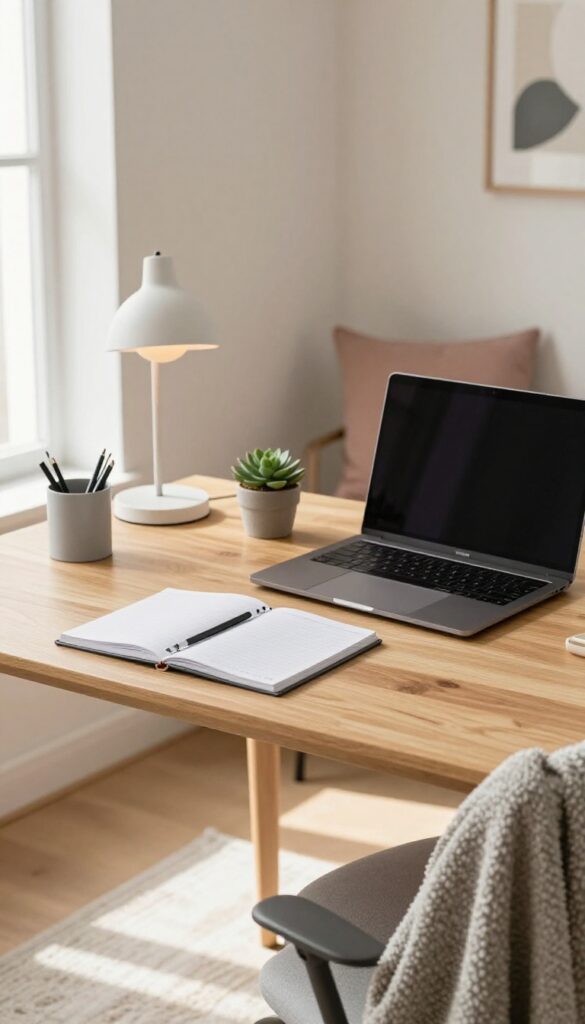
Student desks often look like productivity graveyards. Random papers, tangled cords, and zero personality make them stressful instead of useful. A desk can be functional and still feel like part of the room.
This idea turns the desk into a styled zone rather than a clutter magnet. Small upgrades make it feel intentional without turning it into a distraction. The goal is balance between work and comfort.
Why This Works
A visually calm desk reduces mental clutter. When the desk matches the room’s style, it feels less intrusive. Good organization also saves time and frustration during busy weeks.
How to Do It
- Choose a desk lamp that fits the room’s color palette.
- Use trays or containers to group small items.
- Keep only daily essentials on the desktop.
- Hide cords using clips or cable sleeves.
Style & Design Tips
Avoid neon organizers or mismatched supplies. Neutral containers with one accent piece keep things calm but interesting. Wall-mounted shelves above the desk save space and add balance.
Pro Tip or Budget Hack
Repurpose mugs or jars as pen holders. They add personality and cost nothing if they’re already hiding in a cabinet.
4. Soft Textiles That Add Instant Warmth
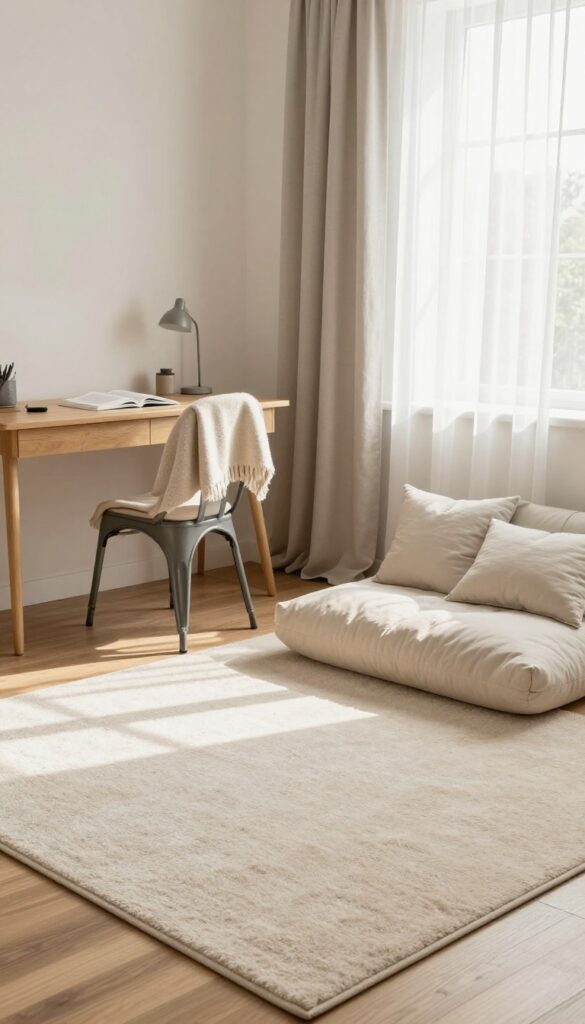
Bare floors and stiff furniture make rooms feel cold no matter how nice the colors are. Soft textiles fix that problem fast. Rugs, curtains, and fabric accents add warmth and comfort without permanent changes.
This idea focuses on layering soft materials to counteract hard surfaces. Even one well-chosen textile can make a room feel finished instead of temporary.
Why This Works
Textiles absorb sound and soften visual edges. They make small rooms feel warmer and more lived-in. Fabric also adds texture, which matters when square footage is limited.
How to Do It
- Add a rug under the bed or desk area.
- Use curtains even if blinds already exist.
- Layer a throw blanket on a chair or bed.
- Choose fabrics that feel good to the touch.
Style & Design Tips
Avoid rugs that are too small because they look awkward. Neutral rugs with subtle texture work best long-term. Curtains should skim the floor to elongate the room visually.
Pro Tip or Budget Hack
Flatweave rugs are cheaper and easier to clean. They also work better in tight spaces where thick piles feel bulky.
5. Wall Decor That Feels Personal, Not Dormy
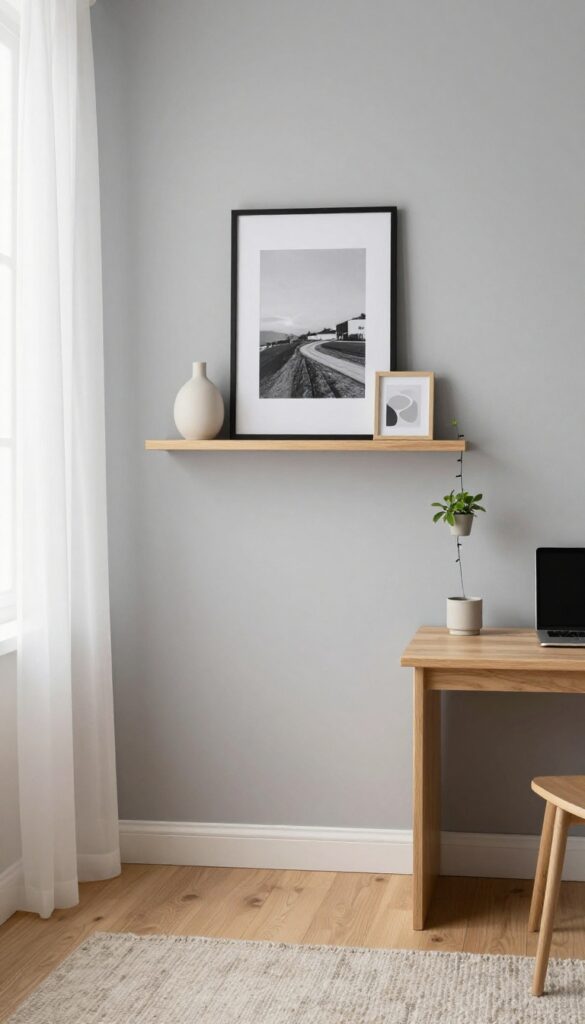
Blank walls feel unfinished, but overdecorated walls feel chaotic. The sweet spot sits somewhere in between. Wall decor should reflect personality without overwhelming the room.
This idea focuses on curated wall pieces that feel intentional. Photos, art prints, and functional decor combine to create interest without clutter.
Why This Works
Wall decor draws the eye upward and makes rooms feel taller. Personal touches increase emotional comfort. Thoughtful placement prevents visual overload.
How to Do It
- Choose one main wall for decor focus.
- Use frames in similar colors or finishes.
- Mix photos with art or quotes.
- Space pieces evenly for balance.
Style & Design Tips
Avoid taping everything randomly. Consistency in spacing and color makes even cheap prints look polished. Floating shelves can double as display and storage.
Pro Tip or Budget Hack
Print photos at home in black and white. They look cohesive and save ink while still feeling personal.
6. Smart Storage That Hides the Chaos
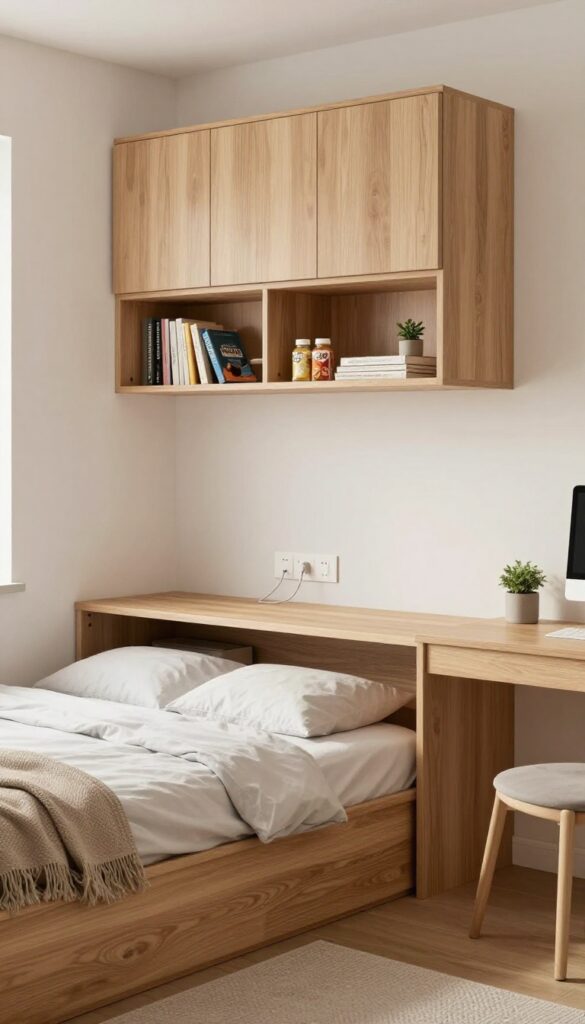
Clutter builds fast in student rooms. Books, clothes, snacks, and random stuff multiply quietly. Smart storage keeps mess under control without making the room feel like a supply closet.
This idea focuses on hidden and multi-purpose storage solutions. Everything has a place, but nothing feels clinical or boring.
Why This Works
Hidden storage reduces visual noise. Multi-use furniture saves space and money. Organized rooms feel calmer even when life isn’t.
How to Do It
- Use under-bed bins for off-season items.
- Choose ottomans or benches with storage.
- Add baskets for loose items.
- Store vertical whenever possible.
Style & Design Tips
Avoid clear bins in visible areas. Woven or fabric containers feel warmer and more decorative. Keep storage colors consistent to avoid cluttered visuals.
Pro Tip or Budget Hack
Cardboard boxes wrapped in fabric work surprisingly well. They’re lightweight, cheap, and customizable.
7. A Cozy Corner Just for Relaxing
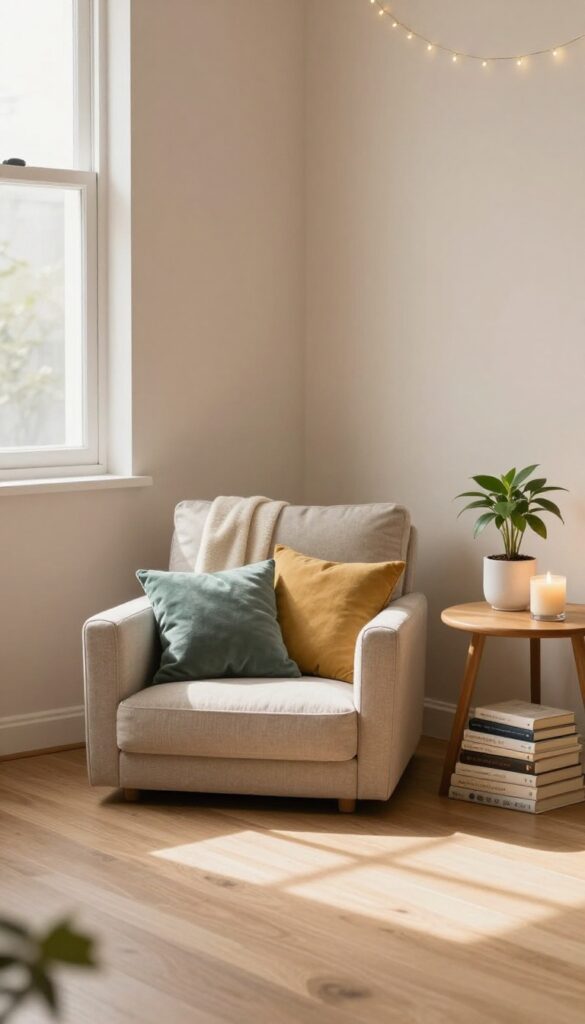
Every student room needs a spot that isn’t about work or sleep. A cozy corner creates separation without walls. It gives the brain a break.
This idea carves out a small relaxation zone using minimal space. A chair, floor cushions, or even just pillows can do the job.
Why This Works
Dedicated zones help mental transitions. Relaxation spaces reduce burnout. Even tiny corners can feel intentional with the right setup.
How to Do It
- Choose a corner with natural light if possible.
- Add a comfortable seat or floor cushion.
- Include a small side table or tray.
- Use soft lighting for ambiance.
Style & Design Tips
Avoid bulky furniture. Low-profile seating works best in small rooms. Textures matter more than size in cozy spaces.
Pro Tip or Budget Hack
Floor seating saves money and space. Layer cushions for comfort instead of buying a chair.
8. Color Choices That Calm Without Boring
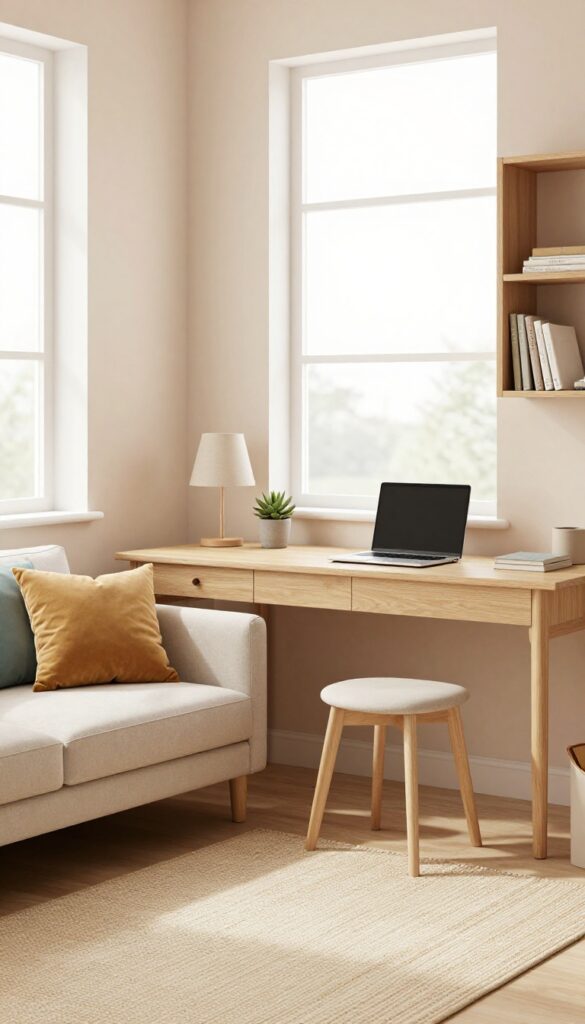
Color sets the tone for the entire room. Too much feels overwhelming, and too little feels sterile. The right palette balances calm and personality.
This idea uses restrained color choices with intentional accents. The room feels cohesive without looking flat.
Why This Works
Limited palettes reduce visual stress. Accent colors add interest without chaos. Consistency makes small rooms feel bigger.
How to Do It
- Choose one main neutral color.
- Add one or two accent colors.
- Repeat colors across textiles and decor.
- Keep walls light if possible.
Style & Design Tips
Avoid trendy colors everywhere. Accent colors should appear at least three times to feel intentional. Neutrals with warm undertones feel cozier.
Pro Tip or Budget Hack
Change color through accessories instead of furniture. It’s cheaper and easier to update later.
9. Small Details That Make the Room Feel Finished
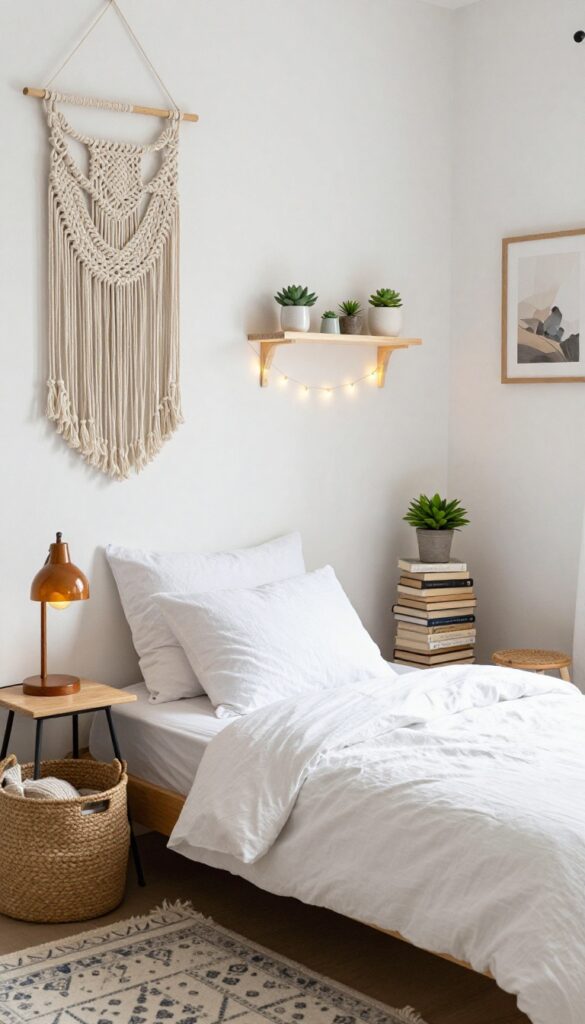
The difference between okay and great often comes down to details. Small touches add personality and polish. They also make the room feel lived-in rather than staged.
This idea focuses on finishing elements that don’t cost much but add warmth. It’s about intentional choices, not perfection.
Why This Works
Details create emotional connection. They tell a story about who lives there. Finished spaces feel more comfortable and welcoming.
How to Do It
- Add a mirror to reflect light.
- Include one plant or faux plant.
- Display a favorite book or object.
- Keep surfaces mostly clear.
Style & Design Tips
Avoid overcrowding surfaces. Negative space matters as much as decor. Choose items that actually mean something to you.
Pro Tip or Budget Hack
Fake plants work fine in low-light rooms. Choose realistic ones and keep them dust-free.
Final Thoughts
Small bedrooms don’t need big budgets or perfect layouts to feel good. A few thoughtful changes can completely shift how a space feels day to day. Comfort comes from intention, not square footage.
Trying everything at once gets overwhelming fast. Pick one idea, finish it, and live with it for a bit. Cozy rooms grow over time, not overnight.