
10 Practical Kitchen Cabinet Organization Ideas Made Easy
I know how chaotic kitchen cabinets feel when every pot lid attacks you at once. I learned this the hard way while hunting for a pan and pulling out five random things instead.
We both want cabinets that feel calm, useful, and honestly kind of satisfying, right?
I promise these ideas won’t require a full renovation or a dramatic personality change. I use several of these in my own kitchen, and they actually stick.
Let’s talk real solutions that work on busy days, not Pinterest fantasy kitchens.
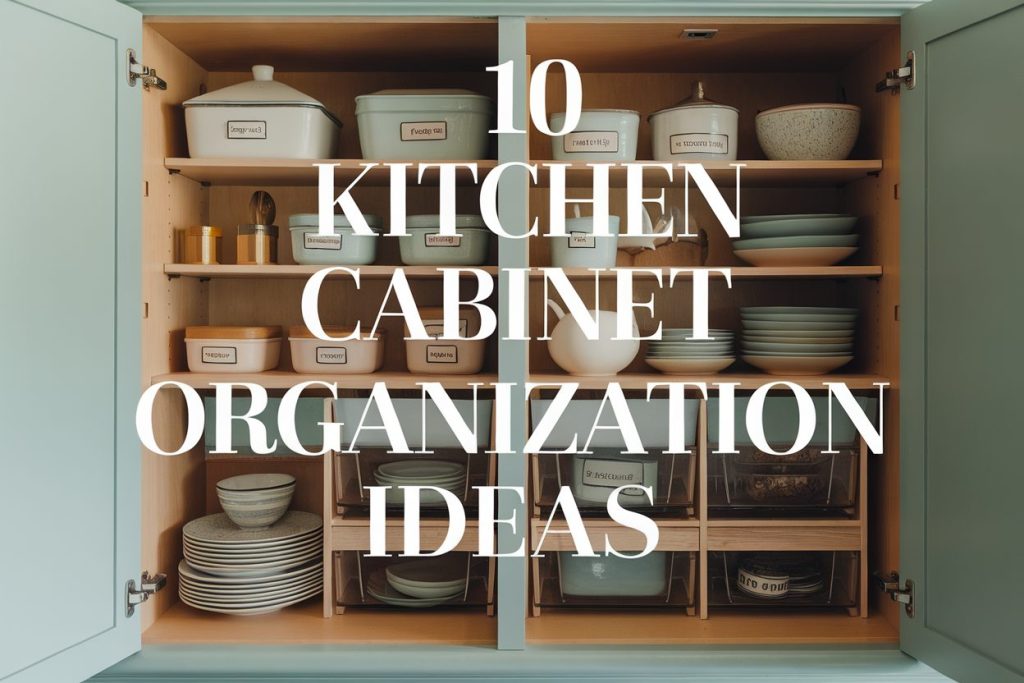
1. Start With a Full Cabinet Reset and Ruthless Decluttering
I always start cabinet organization by pulling everything out, even when I feel lazy about it. This step forces you to see duplicates, broken tools, and mystery items that quietly waste space.
You gain control the moment the cabinets sit empty.
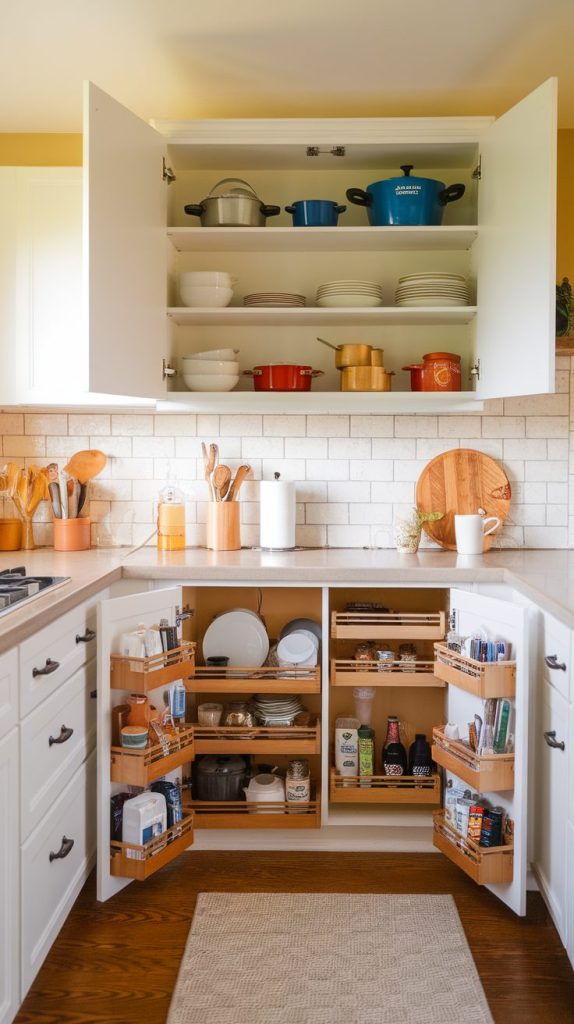
I separate everything into keep, donate, trash, and relocate piles right on the floor. I stay honest here because clutter loves emotional attachments, and cabinets punish that weakness. If I haven’t used something in a year, I let it go without guilt.
This reset helps you understand how much space you actually own. Most people think they need more storage, but they really need fewer items. Once you see empty shelves, you feel motivated instead of overwhelmed.
I clean shelves while they stay empty because crumbs and sticky spots always hide back there. This quick wipe makes everything feel new again and sets a fresh baseline. Clean cabinets make organizing feel intentional instead of temporary.
I recommend grouping items before putting anything back. You should already know where baking tools, cookware, snacks, and dishes will live. This clarity saves time later and prevents random stacking.
2. Use Shelf Risers to Double Your Vertical Storage
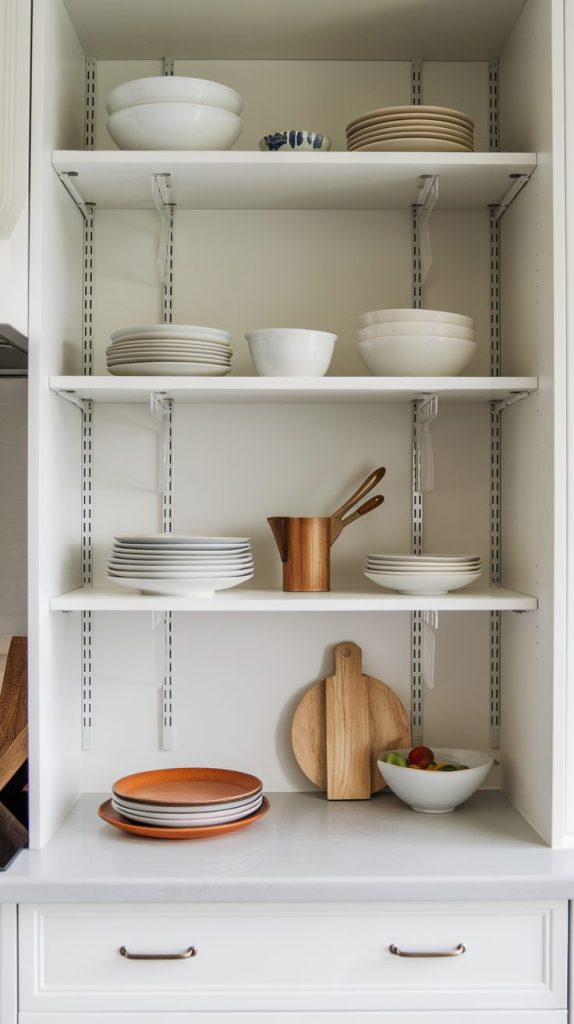
Shelf risers completely changed how my cabinets function. They create instant extra levels without tools or permanent changes. You basically unlock space that already existed but went unused.
I love using risers for plates, bowls, and pantry containers. They prevent stacking chaos and keep everything visible. You grab what you need without lifting six things first.
Metal risers work best for heavier dishes because they stay stable. Acrylic risers look cleaner and fit lighter items like cups or snacks. I mix both types depending on cabinet use.
You should measure shelf height before buying risers. This step avoids the classic mistake of buying something that barely fits. A quick measurement saves returns and frustration.
Risers also help maintain order long term. When everything has a level, people stop shoving things randomly. Even messy days recover faster with built-in structure.
3. Add Pull-Out Bins and Sliding Organizers for Deep Cabinets
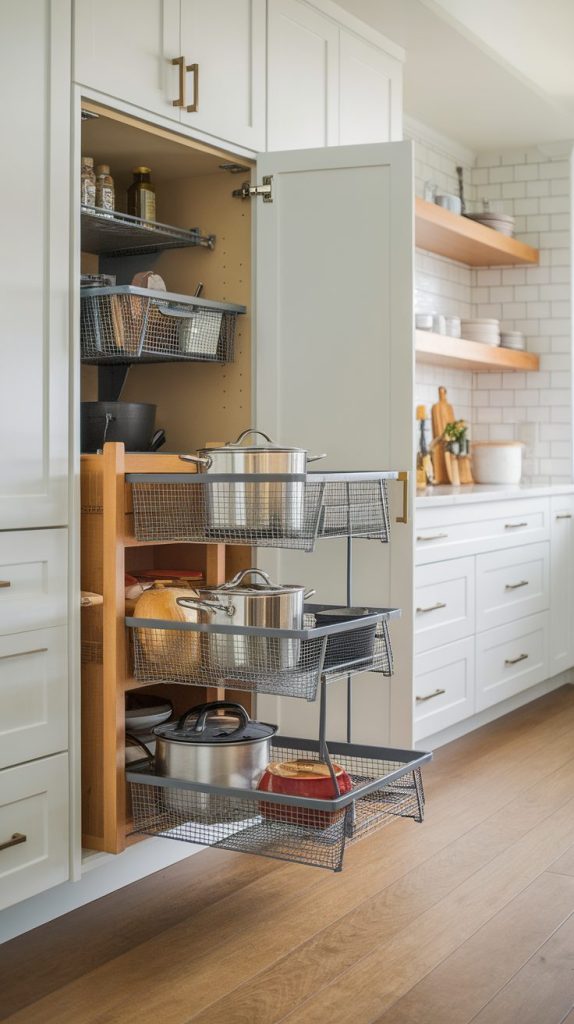
Deep cabinets look generous but hide chaos like a pro. I used to lose pots in the back until I added pull-out bins. Sliding organizers turn dark cabinet caves into usable storage.
These bins work perfectly for snacks, pots, cleaning supplies, and small appliances. You pull everything forward instead of crawling on the floor. Your knees will thank you.
Wire pull-out organizers feel sturdy and handle heavy items well. Plastic sliding bins cost less and work fine for lightweight storage. I choose based on what I store inside.
Installation stays simple for most systems. Many organizers use basic screws and clear instructions. You don’t need advanced tools or skills.
Once you try pull-out storage, you won’t go back. You see everything at a glance, and forgotten items stop expiring in silence. Organization finally supports daily life instead of fighting it.
4. Organize Cabinets by Zones Based on How You Cook
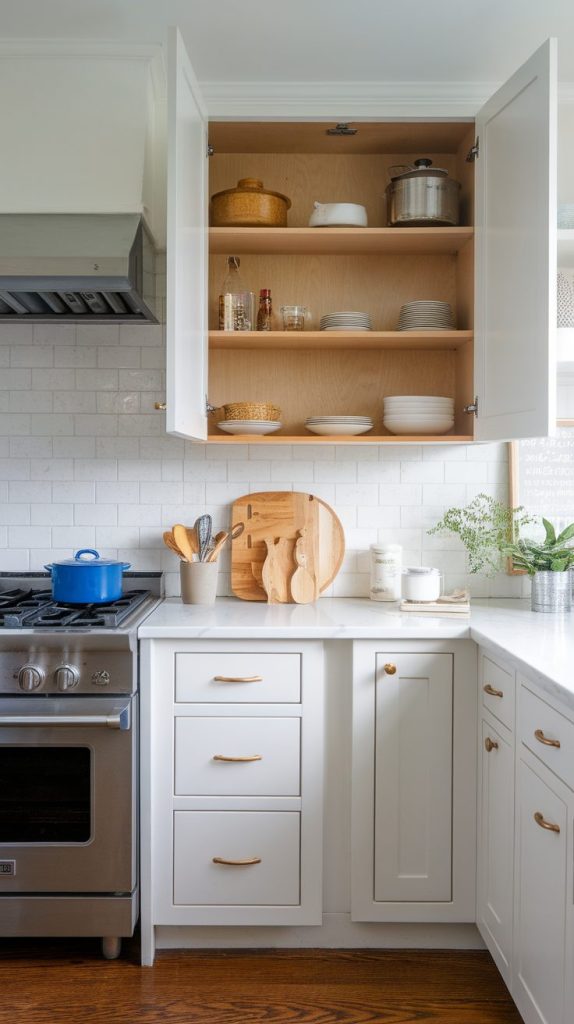
Zoning cabinets changed how smoothly my kitchen flows. I organize based on tasks, not item types. Cooking feels faster when tools live where you use them.
I keep cookware near the stove, prep tools near the counter, and food storage near the fridge. This layout reduces unnecessary steps and mental effort. Your kitchen should work with you, not against you.
You should store everyday items at eye level. Less-used tools can live higher or lower without causing daily frustration. Accessibility matters more than aesthetics here.
I also group items used together inside the same cabinet. Baking pans sit near mixing bowls and measuring tools. This setup saves time and reduces cabinet hopping.
Zones help everyone in the house follow the system. People put things back correctly when placement feels logical. Organization sticks when it feels intuitive.
5. Install Door-Mounted Racks for Extra Storage Space
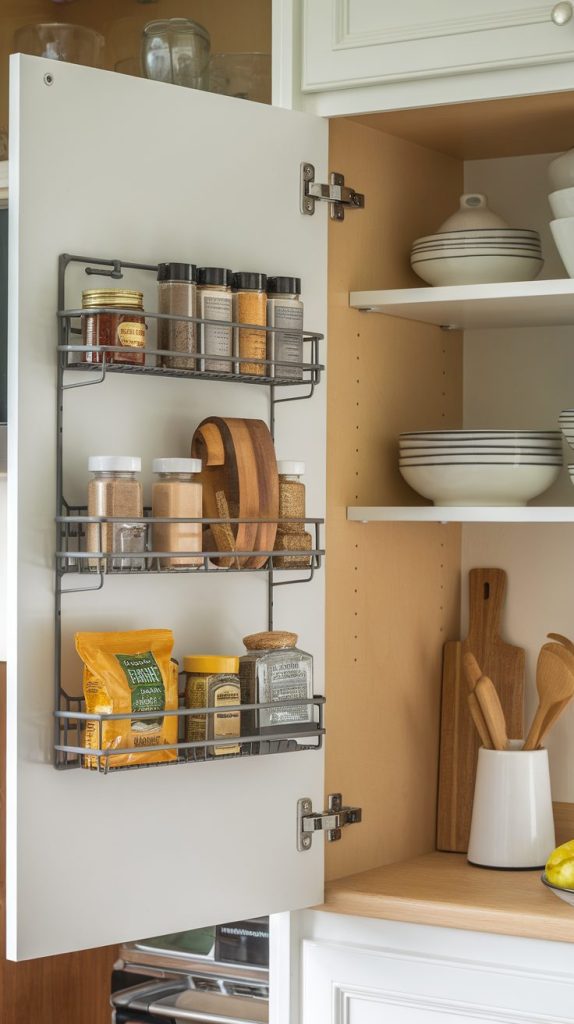
Cabinet doors hide valuable space that often goes ignored. I love using door-mounted racks for lids, wraps, spices, and cleaning supplies. This trick adds storage without crowding shelves.
You should choose racks designed for cabinet interiors. These racks fit shallow spaces and avoid door-closing issues. Measure door depth before buying to avoid dents and drama.
I use door racks for plastic wrap, foil, and sandwich bags. This keeps drawers free and makes cooking faster. Everything stays visible and easy to grab.
Lid organizers on doors also save sanity. You stop stacking lids in unstable piles that fall over. Each lid stays upright and accessible.
Door storage works best for lightweight items. Heavy objects strain hinges and feel awkward. Keep it simple and functional.
6. Use Clear Containers to Control Pantry Cabinet Chaos
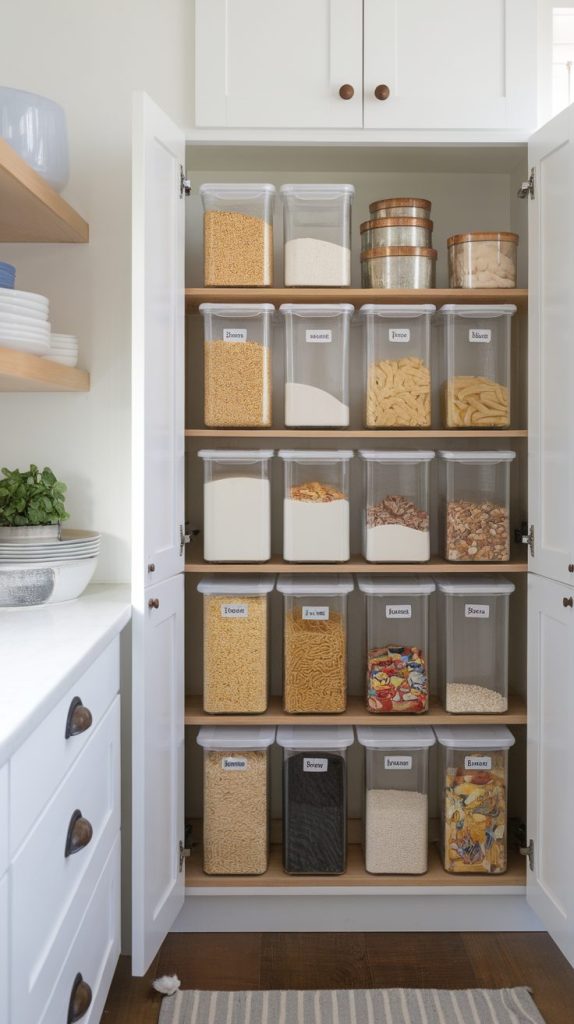
Clear containers create instant order in pantry cabinets. They let you see contents without opening lids or guessing. I swear this step reduces food waste almost immediately.
I store flour, rice, pasta, snacks, and cereal in matching containers. Uniform shapes stack better and waste less space. Cabinets look cleaner without extra effort.
You should label containers clearly and consistently. Labels prevent confusion and help everyone follow the system. Even quick handwritten labels work fine.
Airtight containers also protect food quality. Dry goods stay fresh longer and avoid pests. Organization and food safety team up here.
Clear containers encourage smarter shopping. You see what you already own and stop overbuying duplicates. Your grocery budget will quietly improve.
7. Separate Drawers and Cabinets With Adjustable Dividers
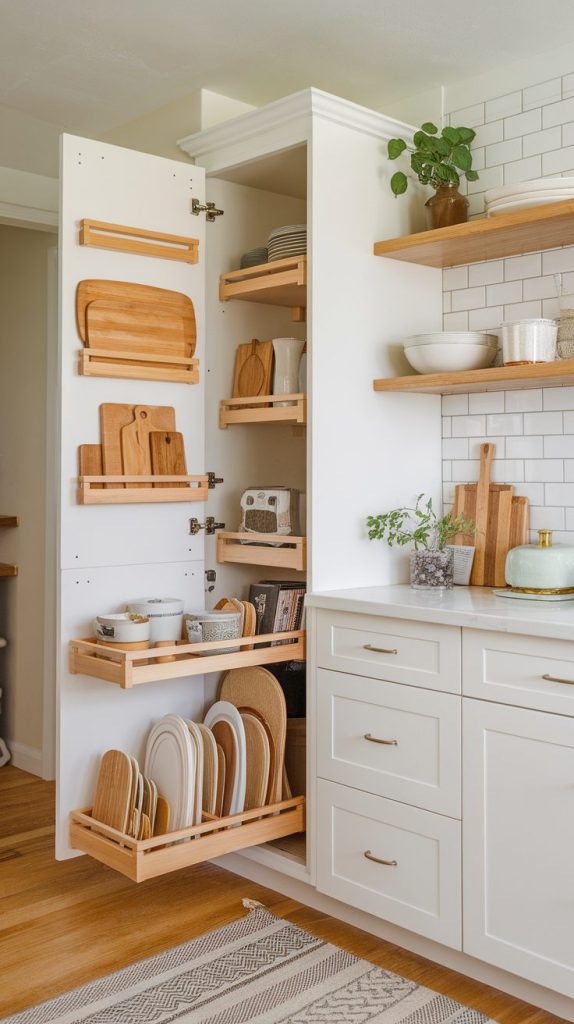
Dividers bring order to cabinets that feel too wide or awkward. I use adjustable dividers to prevent sliding and stacking disasters. Everything stays in its lane.
These dividers work great for baking sheets, cutting boards, and trays. Vertical storage saves space and prevents avalanches. You grab one item without disturbing the rest.
Adjustable designs offer flexibility as needs change. You can reconfigure layouts instead of buying new organizers. This adaptability matters long term.
I prefer sturdy metal or bamboo dividers for durability. Cheap plastic bends under pressure and causes frustration. Quality dividers last years.
Dividers also help families maintain order. Clear boundaries make it obvious where items belong. Organization survives real life better this way.
8. Store Pots and Pans Vertically Instead of Stacking
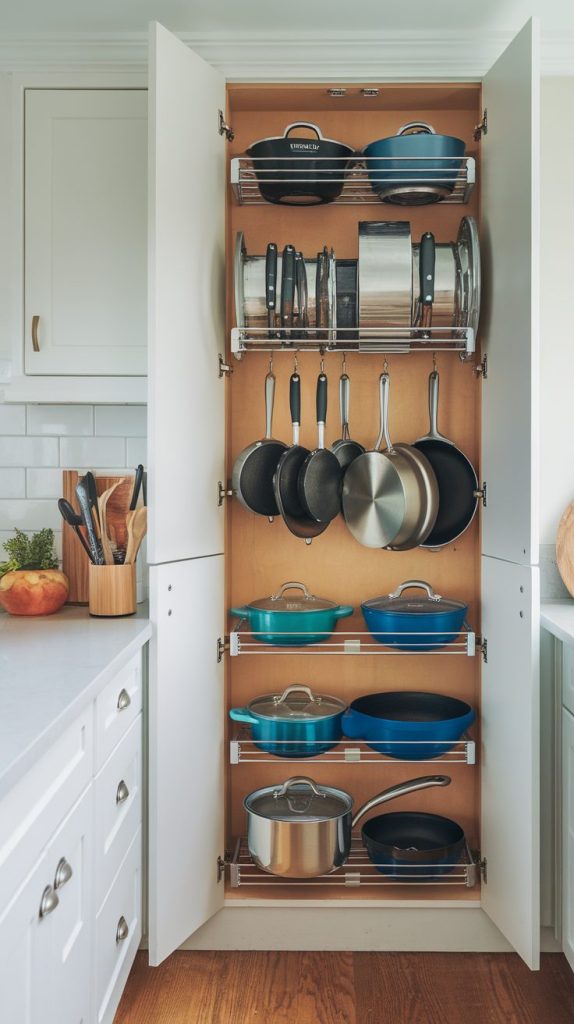
Stacking pots wastes space and patience. I switched to vertical storage and never looked back. Cabinets feel calmer and easier to manage.
Vertical organizers hold pots, pans, and lids separately. You slide items in and out without lifting stacks. Cooking feels smoother instantly.
You should choose racks designed for cabinet floors or shelves. Some racks expand or adjust to fit different cookware sizes. Measure first for best results.
This method protects cookware from scratches. Stacked pans rub against each other and wear down faster. Vertical storage keeps surfaces safe.
Vertical storage also encourages mindful ownership. You stop hoarding unused pans when storage stays visible. Space becomes intentional again.
9. Maximize Corner Cabinets With Smart Storage Solutions
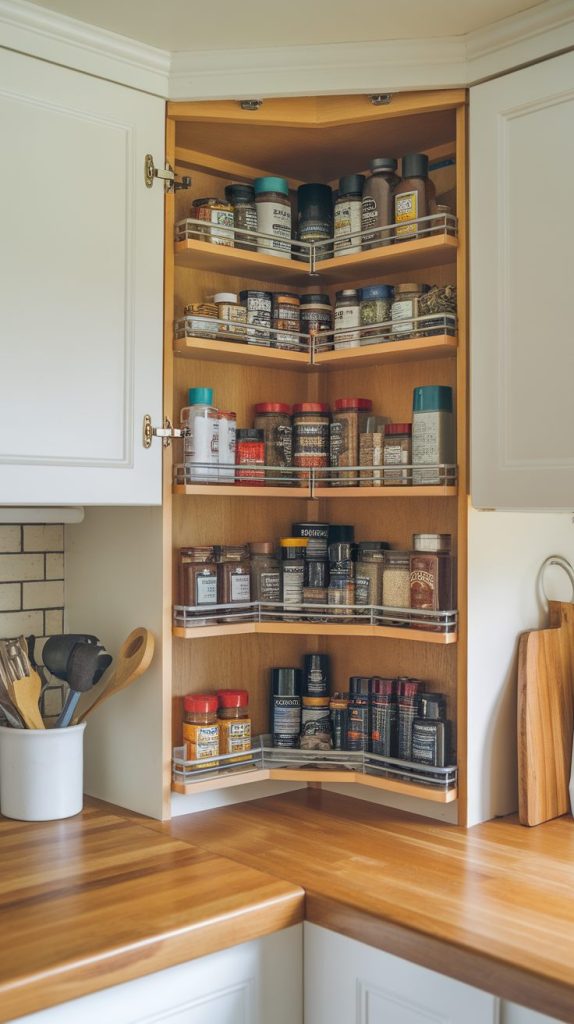
Corner cabinets frustrate almost everyone. Items disappear into dark corners and stay forgotten. Smart solutions finally make these spaces usable.
Lazy Susans work well for spices, snacks, and small appliances. Rotating shelves bring items forward with one spin. You stop losing things in the back.
Pull-out corner systems offer even better access. These systems slide shelves out smoothly and fully. Everything becomes reachable without contortions.
You should match solutions to cabinet size and budget. Lazy Susans cost less and install easily. Pull-out systems cost more but feel luxurious.
Once you fix corner cabinets, your entire kitchen feels more efficient. Dead space turns productive, and frustration drops fast.
10. Maintain Order With Simple Weekly Cabinet Resets
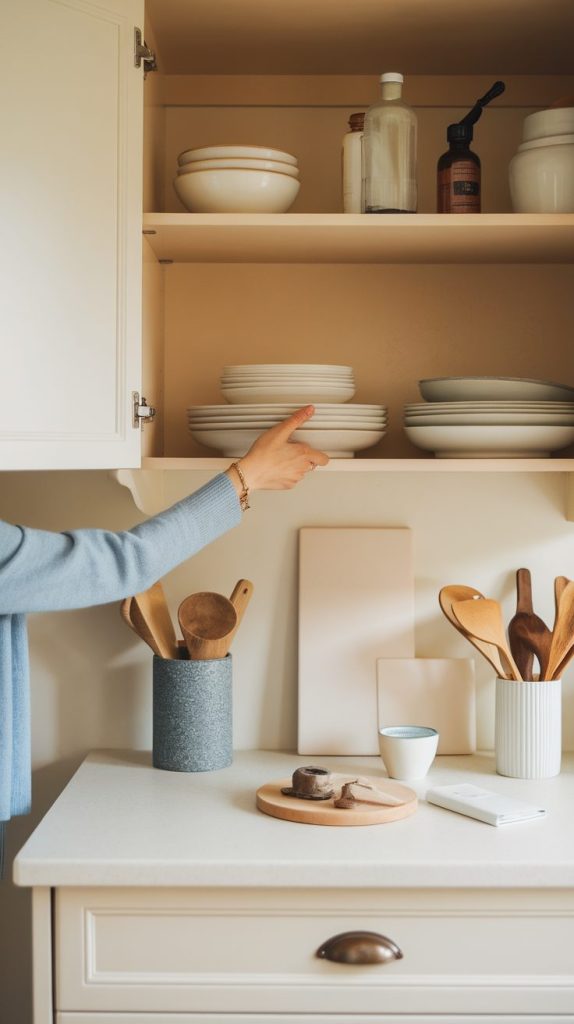
Organization only works when it stays maintained. I spend five minutes each week resetting cabinets. This habit prevents slow-motion chaos.
I straighten containers, return misplaced items, and wipe visible messes. Small resets feel easy and sustainable. You avoid major cleanups later.
You should involve everyone who uses the kitchen. Shared responsibility keeps systems alive. Clear organization helps people cooperate naturally.
I treat resets like brushing teeth. Consistency beats intensity every time. Short habits protect long-term order.
Cabinet organization feels effortless once maintenance becomes routine. You stop fighting clutter and start enjoying your space.
Conclusion
Kitchen cabinet organization doesn’t require perfection or expensive renovations. Small, intentional changes create real improvements you feel every day. I use these ideas because they survive busy weeks and lazy moments.
Start with one cabinet and build momentum from there. Progress feels addictive once order replaces chaos. Trust me, your future self will appreciate it.
