8 Family Bedroom Ideas That Feel Warm and Functional
A shared bedroom has to do more than look nice. It has to survive real life, daily routines, mismatched schedules, and the constant shuffle of people and stuff.
When a space works, you feel it immediately because nothing fights you as you move through it. When it doesn’t, even the prettiest room starts to feel frustrating.
The good news is that warmth and function aren’t opposites. With a few smart choices, a family bedroom can feel cozy, organized, and calm without looking staged or overly designed.
These ideas focus on what actually works in everyday homes, not what just looks good in photos.
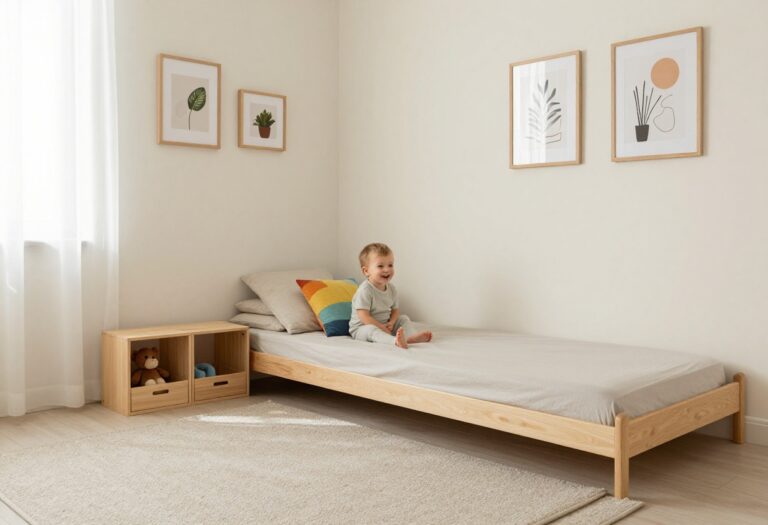
1. Zoned Layouts That Give Everyone a Place
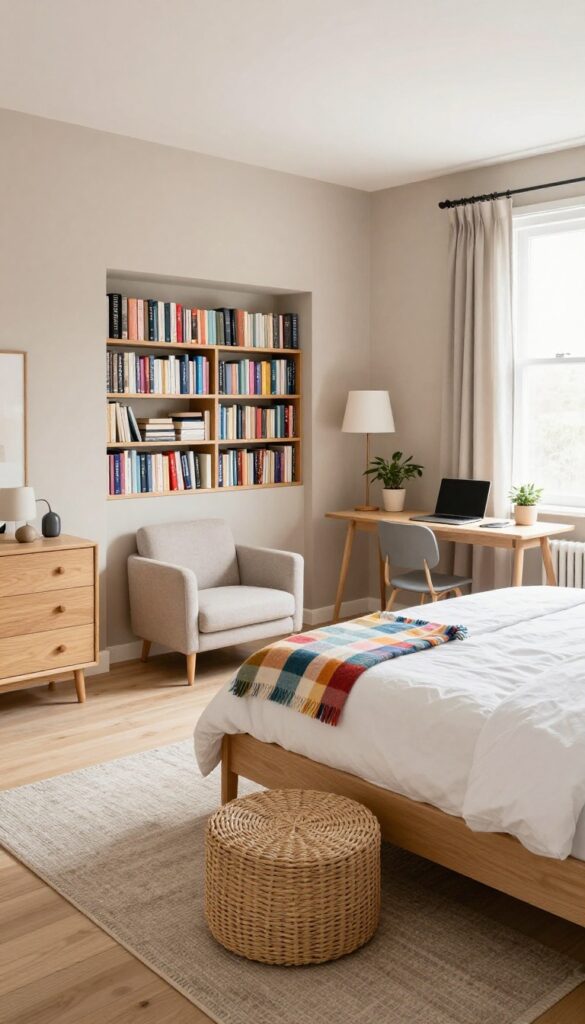
One of the biggest problems in a shared bedroom is everything blending together into one messy, confusing space.
When there’s no visual or functional separation, it’s hard for anyone to feel like they have their own corner. Zoning fixes that without needing walls or renovations.
A good zone layout gives each person a clear purpose area, even if the room itself is small. Sleeping, storage, study, and play all get their own little footprint, which instantly makes the room feel calmer and more intentional.
I’ve done this in a family guest room before, and the difference in daily mess was honestly shocking.
Why This Works
Zones help the brain relax because everything has a place. When furniture and storage follow a purpose, clutter naturally decreases. It also helps prevent that “everything is everywhere” feeling that shared rooms tend to develop.
How to Do It
- Use rugs to define sleeping or play areas
- Position beds and desks to face different directions
- Place shelving units as soft dividers
- Keep high-activity zones away from sleeping areas
Style & Design Tips
Stick to a cohesive color palette so zones don’t feel chaotic. Use matching furniture styles even if the pieces serve different purposes. Avoid blocking natural light with tall dividers or heavy furniture.
Pro Tip or Budget Hack
Painter’s tape on the floor is a great way to test layouts before committing. Move things around for a day or two and see what actually works.
2. Built-In Storage That Doesn’t Feel Bulky
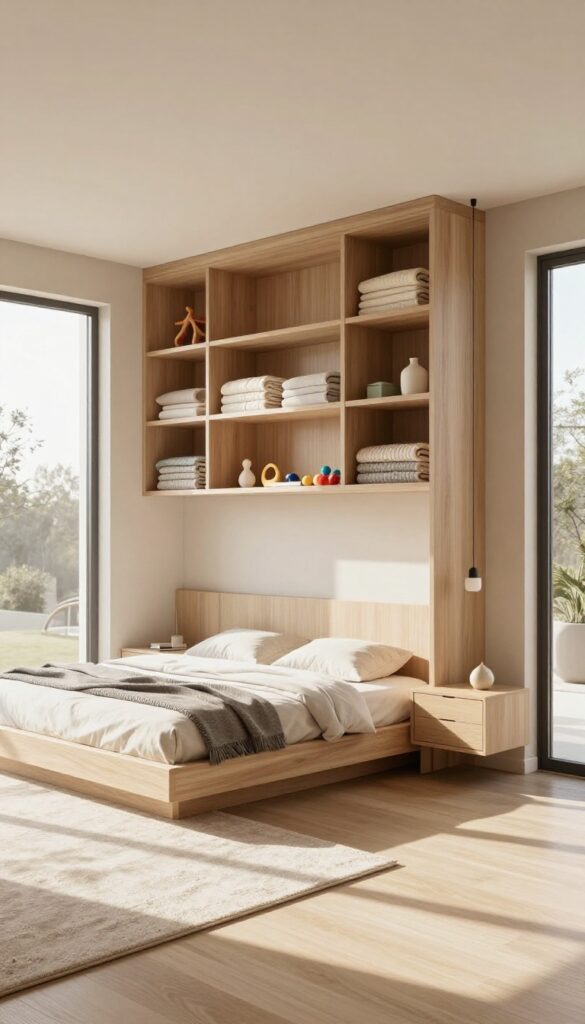
Family bedrooms collect stuff fast, and bulky furniture only makes it worse. Built-ins, or furniture that feels built-in, create storage without eating up precious floor space. The trick is making it feel intentional instead of crammed.
When storage blends into the room, everything looks cleaner even if it’s packed inside. I’m a big fan of pieces that go vertical because they use space most people ignore.
Why This Works
Built-in-style storage reduces visual clutter and keeps items accessible. It also makes the room feel more custom and less like a temporary setup.
How to Do It
- Use wall-mounted shelves instead of floor units
- Add storage benches at the foot of beds
- Choose wardrobes that go up to the ceiling
- Use under-bed drawers for off-season items
Style & Design Tips
Match storage color to the wall for a seamless look. Flat-front cabinets feel calmer than detailed or ornate ones. Avoid mixing too many wood tones in one space.
Pro Tip or Budget Hack
IKEA cabinets with custom handles or paint can look high-end for a fraction of the cost. Add trim around the edges for a built-in effect.
3. Layered Lighting for Different Needs
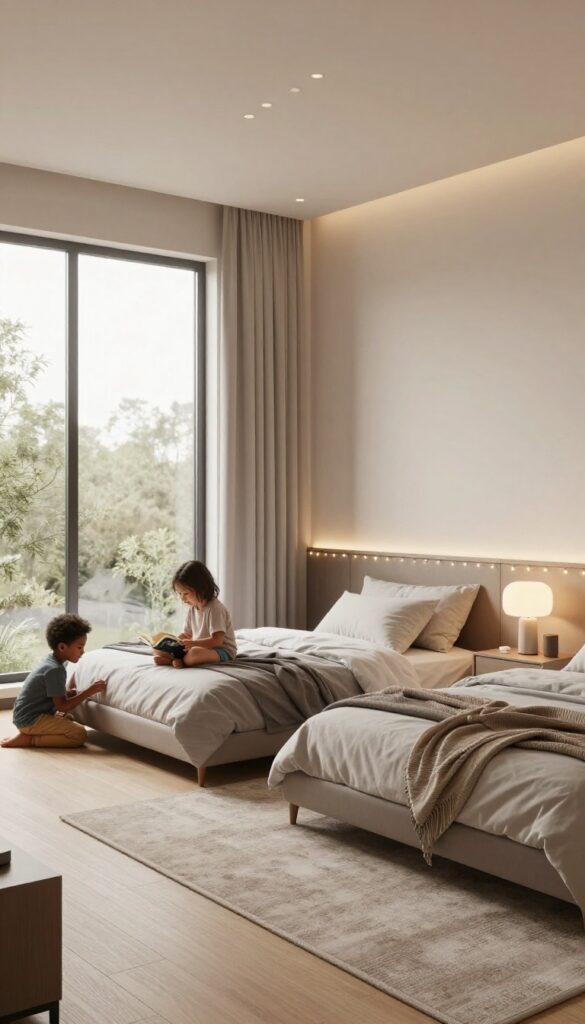
One overhead light is never enough in a family bedroom. Different activities need different lighting, and relying on one harsh source makes the space feel cold and unfinished. Layered lighting solves that instantly.
Once you add a few light sources at different heights, the room feels warmer without needing any decor changes. It’s one of those upgrades you notice immediately.
Why This Works
Layered lighting creates flexibility and reduces eye strain. It also helps the room transition from busy daytime use to calm nighttime vibes.
How to Do It
- Keep overhead lighting soft or dimmable
- Add bedside lamps or wall sconces
- Use small task lights for reading or desks
- Include a floor lamp in darker corners
Style & Design Tips
Warm bulbs make a huge difference in how cozy a room feels. Stick to soft white or warm white instead of daylight bulbs. Avoid mismatched lamp styles that fight each other visually.
Pro Tip or Budget Hack
Plug-in wall sconces look built-in without requiring electrical work. They’re renter-friendly and surprisingly affordable.
4. Shared Storage Systems That Actually Stay Organized
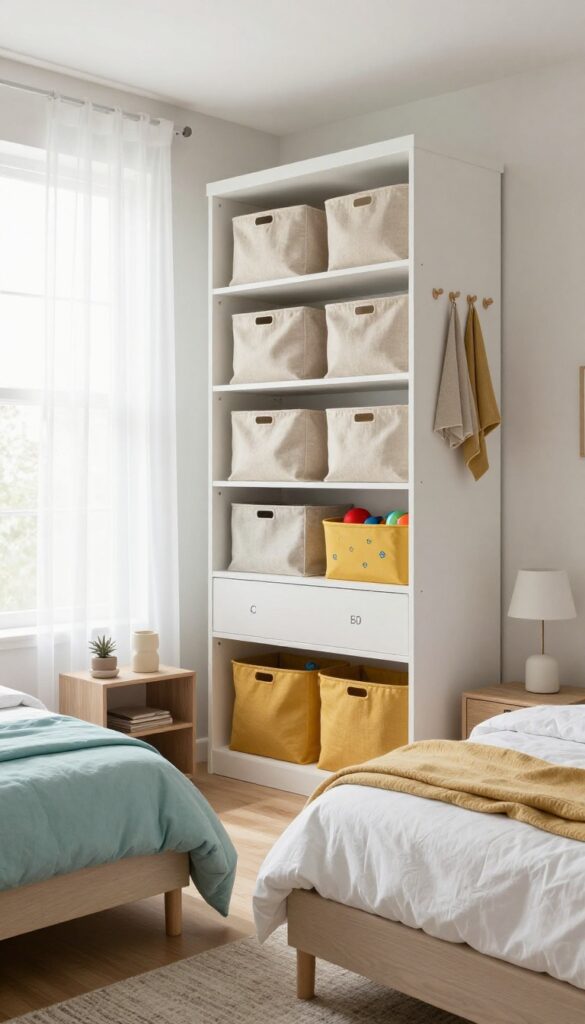
Shared rooms fall apart when storage has no rules. Everyone needs their own designated space, or chaos takes over fast. The key is making storage obvious and easy to use.
When each person knows exactly where their things go, cleanup becomes quicker and way less stressful. I’ve seen rooms completely transform just by labeling drawers.
Why This Works
Clear ownership prevents clutter overlap. It also helps kids and adults stay organized without constant reminders.
How to Do It
- Assign bins or drawers per person
- Use labels or color coding
- Keep frequently used items within reach
- Store seasonal items higher up
Style & Design Tips
Use neutral bins with subtle labels to keep things looking clean. Matching containers instantly make open shelving look intentional instead of messy.
Pro Tip or Budget Hack
Dollar-store bins work great when grouped together. Just stick to one color to keep the look cohesive.
5. Soft Textures That Make the Room Feel Lived-In

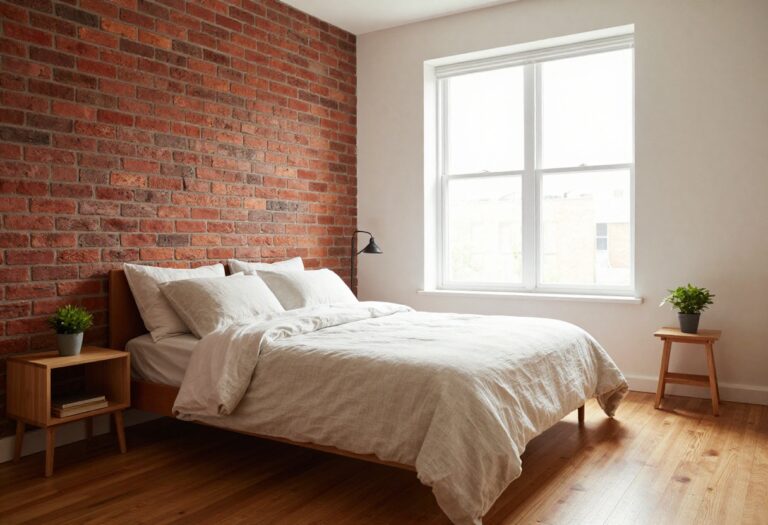
Warmth doesn’t come from furniture alone. Textiles do most of the heavy lifting when it comes to comfort and coziness. A room without soft layers feels unfinished no matter how nice the furniture is.
Adding texture also helps balance out shared spaces that might otherwise feel too practical or sterile. It’s an easy fix with big impact.
Why This Works
Soft materials absorb sound and soften the look of hard surfaces. They make the room feel inviting instead of rigid.
How to Do It
- Layer rugs over hard floors
- Add throw blankets to beds or chairs
- Use textured pillows for contrast
- Choose curtains over blinds when possible
Style & Design Tips
Mix textures instead of colors for a calmer look. Cotton, linen, and knits work well together without feeling heavy.
Pro Tip or Budget Hack
Swap pillow covers seasonally instead of buying new pillows. It’s cheaper and keeps the room feeling fresh.
6. Furniture That Grows With the Family
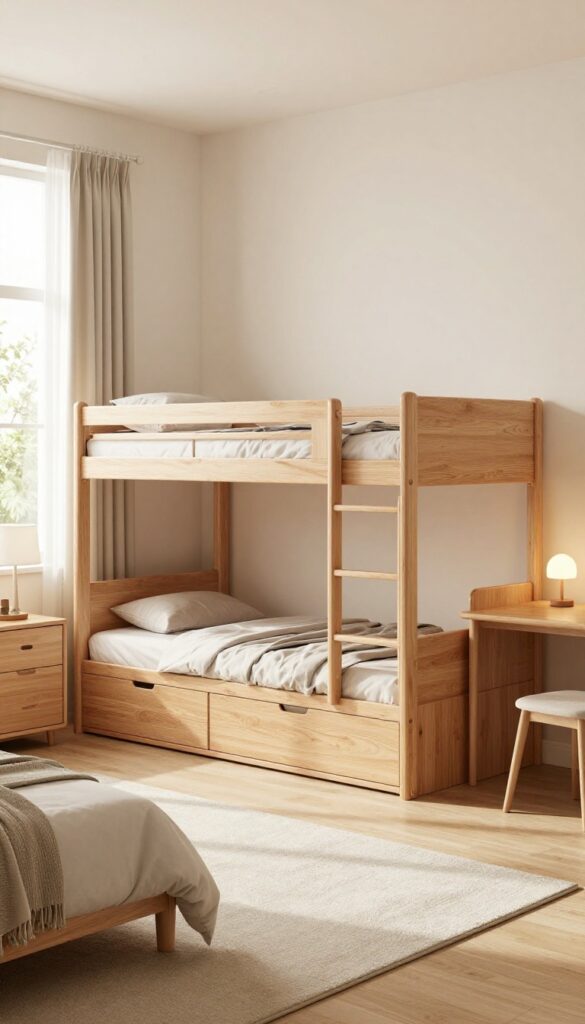
Family bedrooms change constantly, so furniture should be flexible. Pieces that work for multiple stages save money and prevent constant redecorating. Think long-term instead of trendy.
I’ve learned the hard way that cute furniture isn’t always practical. Adjustable or multi-use pieces always win in the long run.
Why This Works
Adaptable furniture reduces clutter and future replacements. It also keeps the room functional as needs change.
How to Do It
- Choose beds with adjustable heights
- Use desks that convert into vanities
- Pick neutral furniture that ages well
- Opt for modular shelving
Style & Design Tips
Stick to classic shapes and finishes. White, wood, or soft gray age better than bold colors.
Pro Tip or Budget Hack
Secondhand furniture can be upgraded with paint or new hardware. It’s one of the easiest ways to save money without sacrificing style.
7. Wall Space That’s Functional, Not Just Decorative
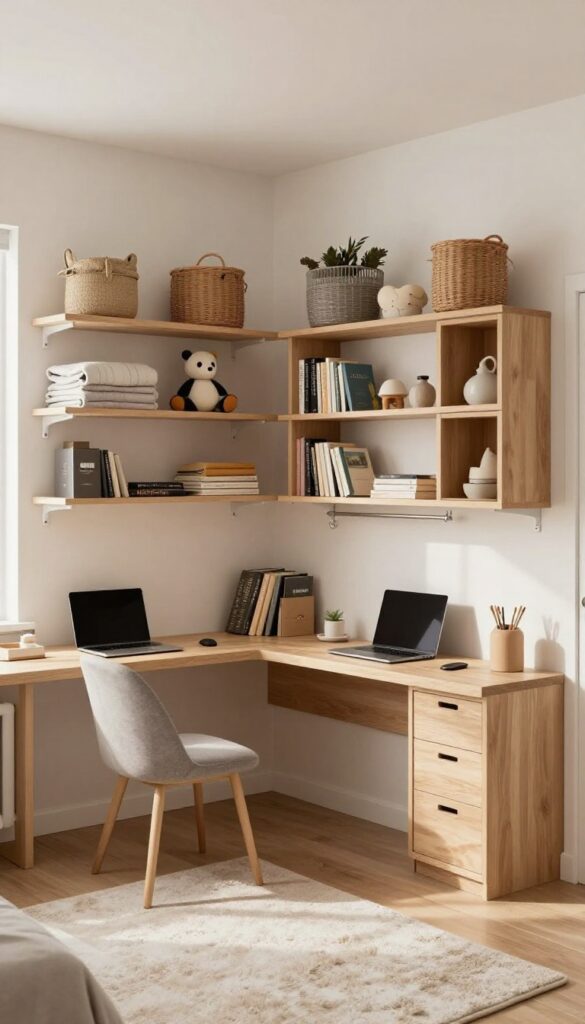
Walls do more than hold art. In a family bedroom, they should work just as hard as the furniture. When used correctly, wall space can solve storage and organization issues instantly.
I like to think of walls as vertical storage opportunities instead of blank canvases. Once you do that, everything changes.
Why This Works
Using wall space keeps floors clear and rooms feeling open. It also adds visual interest without clutter.
How to Do It
- Install floating shelves for books or decor
- Use wall hooks for bags or jackets
- Add pegboards for flexible storage
- Hang organizers near desks or beds
Style & Design Tips
Keep wall items aligned for a clean look. Avoid overcrowding, even if the storage is useful.
Pro Tip or Budget Hack
Pegboards are inexpensive and endlessly customizable. Paint them to match the wall for a seamless look.
8. A Calm Color Palette That Ties Everything Together
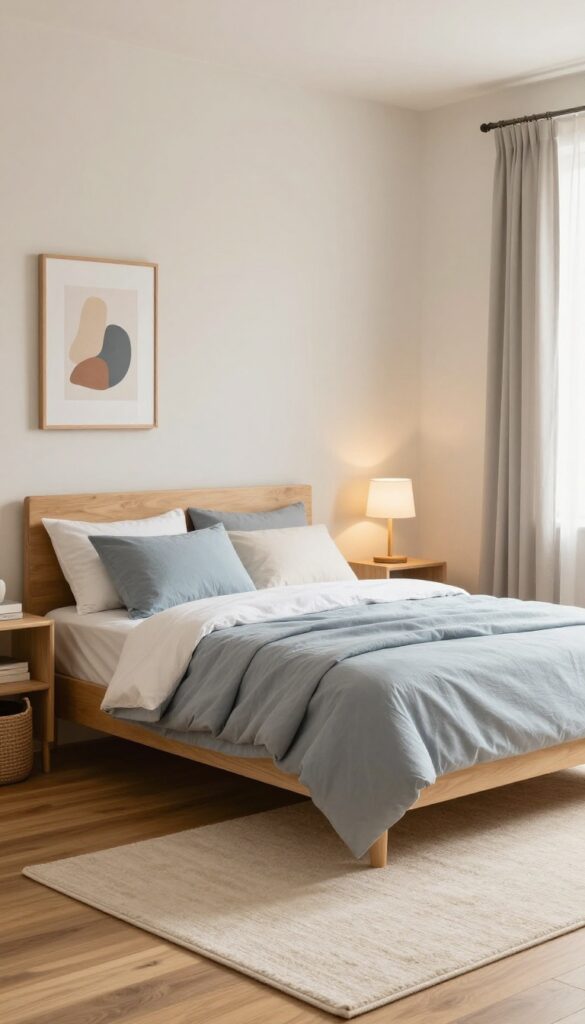
Color affects how a room feels more than most people realize. In a family bedroom, too many colors can make things feel chaotic fast. A calm palette helps everything else fall into place.
That doesn’t mean boring or bland. It just means choosing a few tones and sticking with them.
Why This Works
Consistent colors make shared spaces feel intentional. They also help hide visual clutter and mismatched items.
How to Do It
- Choose one main color and two accents
- Use neutrals as a base
- Repeat colors across textiles and decor
- Avoid high-contrast combinations
Style & Design Tips
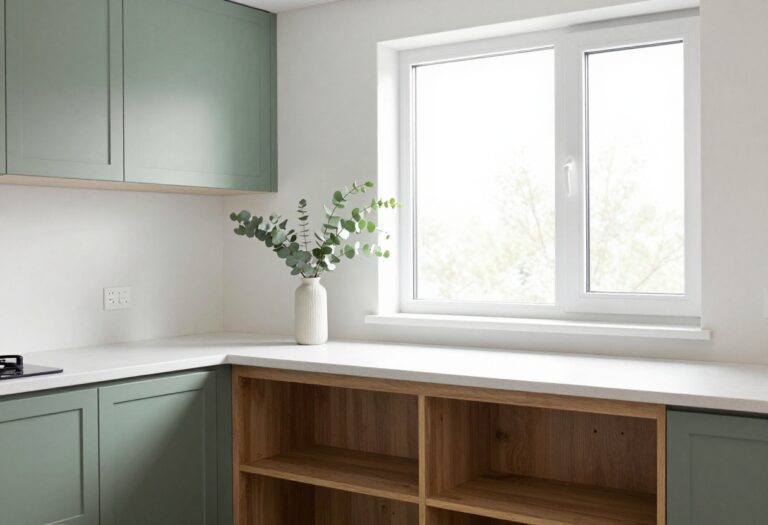
Soft neutrals with warm undertones work best for family spaces. Beige, soft gray, muted green, or warm white are always safe choices.
Pro Tip or Budget Hack
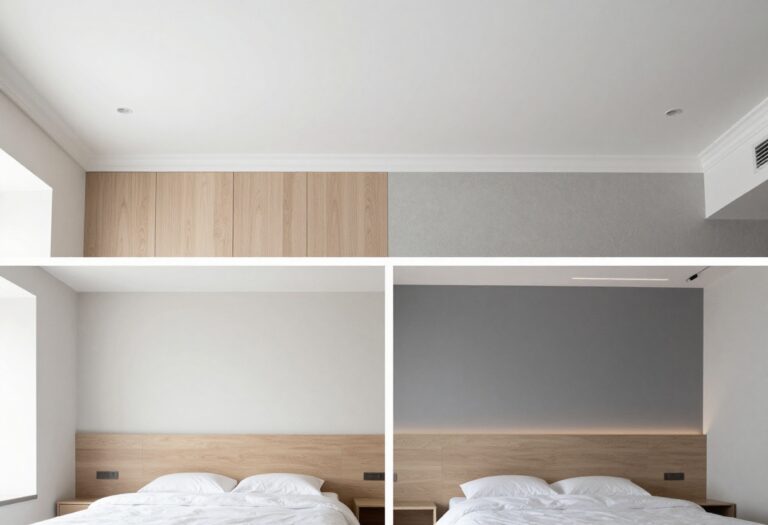
Paint is the cheapest way to transform a room. Even just painting one wall can change the entire feel.
Final Thoughts
A family bedroom doesn’t have to be perfect to feel good. It just needs to work for the people living in it and support real daily routines. When you focus on function first, warmth naturally follows.
Start with one change at a time and build from there. The best family spaces aren’t magazine-perfect, they’re comfortable, practical, and easy to live in.