10 Bedroom Bedding Ideas for Comfort and Style
Good bedding decisions change how a bedroom functions long before they change how it looks. Most people focus on furniture first, but comfort, layering, and fabric choices quietly control whether a space feels finished or awkward.
Bedding acts like the foundation of bedroom design because it touches both style and daily routine.
Small adjustments in texture, color balance, and layering often create bigger visual upgrades than buying new décor. I’ve learned that once bedding works properly, everything else suddenly feels easier to style.
These ideas focus on practical changes that actually make a bedroom feel intentional instead of randomly decorated.
1. Layered Neutral Bedding for Effortless Elegance
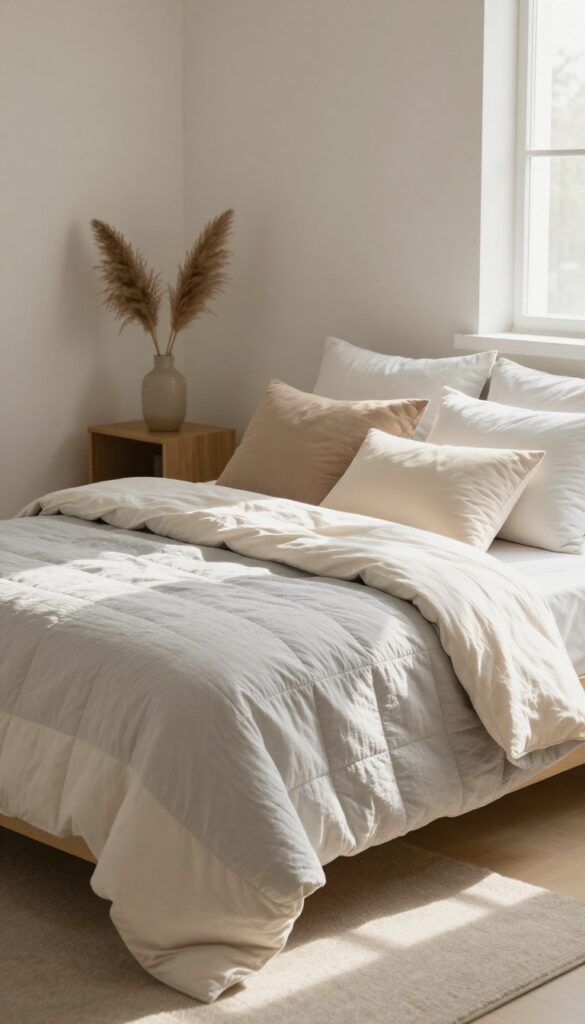
Most bedrooms look unfinished because the bed feels flat instead of layered. A single comforter and two pillows rarely create enough depth, which makes even expensive rooms look basic. Layered neutral bedding solves this without demanding bold design skills or constant redecorating.
I started using layered neutrals after realizing patterned bedding aged quickly, while simple tones stayed timeless.
Creams, soft grays, warm whites, and muted beige tones create calm structure without becoming boring. The goal isn’t minimalism; it’s controlled softness that looks relaxed but intentional.
Why This Works
Neutral layers allow texture to become the main visual feature rather than color competition. Different fabrics catch light differently, which adds depth even when shades stay similar. This approach also makes seasonal changes easier because accessories can shift without replacing the bedding.
How to Do It
- Start with crisp neutral sheets as the base layer for visual cleanliness.
- Add a lightweight quilt or coverlet to create the first texture change.
- Place a duvet or comforter slightly folded instead of fully spread.
- Mix two to three pillow sizes to create height variation.
- Finish with one accent throw for softness and balance.
Style & Design Tips
Choose slightly warm neutrals instead of stark white because warm tones feel more welcoming. Avoid matching everything exactly since subtle variation looks richer and more natural. Too many identical textures can make the bed feel staged instead of lived-in.
Pro Tip or Budget Hack
Buy neutral duvet covers and swap inserts seasonally instead of replacing full bedding sets. This saves money while keeping the bed visually fresh throughout the year.
2. Hotel-Style White Bedding for a Clean Luxury Look
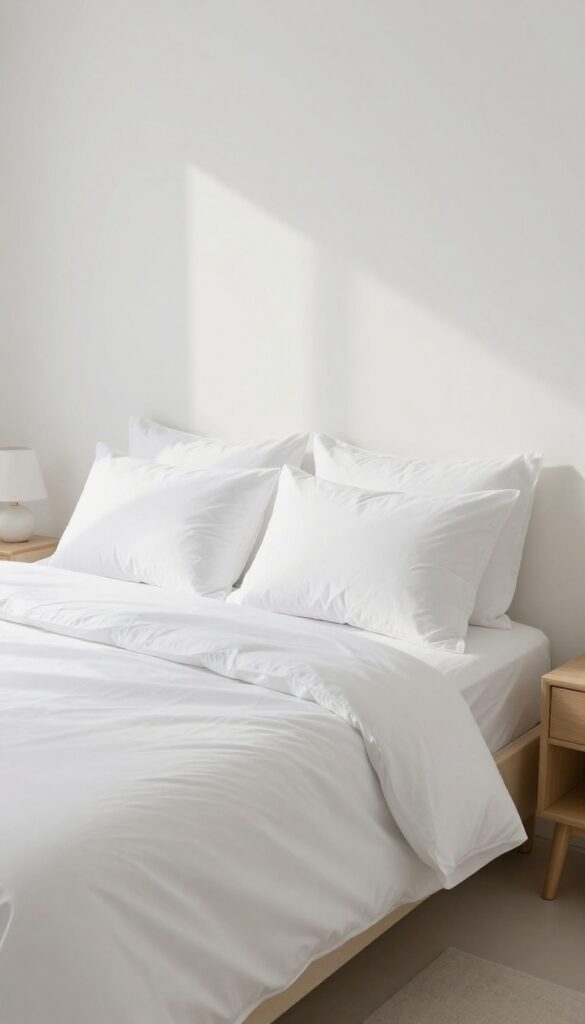
Bedrooms often feel cluttered even when they’re organized because bedding introduces too many colors. Hotel-style white bedding removes visual noise and instantly creates a polished atmosphere. The simplicity makes the room feel bigger and calmer without adding anything new.
I resisted white bedding for years because I assumed it would be hard to maintain. Surprisingly, consistent washing actually made the room feel cleaner overall, and stains became easier to manage than patterned fabrics hiding wear unevenly.
Why This Works
White reflects light evenly, which makes bedding appear crisp and structured. It also highlights texture details like stitching and quilting that usually go unnoticed. The brain associates white bedding with cleanliness, which subtly improves how the entire space feels.
How to Do It
- Choose breathable cotton or cotton-blend sheets for durability.
- Use a duvet cover instead of a bulky comforter for easier washing.
- Add two sleeping pillows plus two decorative shams for symmetry.
- Fold the top edge of the duvet slightly downward for hotel styling.
- Keep surrounding décor minimal to maintain the clean effect.
Style & Design Tips
Layer different white tones rather than identical shades to avoid a sterile look. Texture matters more than color when working with all-white bedding. Avoid overly shiny fabrics because they break the relaxed luxury vibe.
Pro Tip or Budget Hack
Use bleach alternatives or baking soda washes to keep whites bright without damaging fabric fibers over time.
3. Earth-Tone Bedding for a Cozy Grounded Bedroom
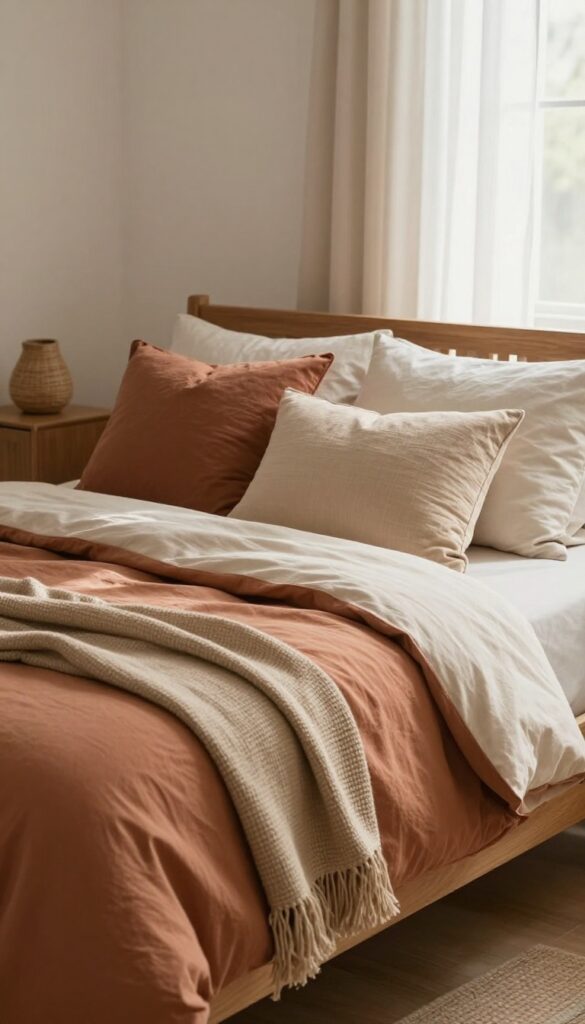
Rooms sometimes feel visually disconnected when bedding colors clash with flooring or furniture. Earth-tone bedding bridges that gap by connecting the bed to natural materials already present in the space. Shades like terracotta, olive, sand, and clay instantly warm up a bedroom.
I noticed earth tones work especially well in rooms with wood furniture or woven accents. The colors feel calm without becoming dull, and they age gracefully instead of following short trends.
Why This Works
Earth tones mimic colors found in nature, which the brain processes as stable and relaxing. These shades reduce contrast harshness and create visual harmony across the room. They also hide minor wrinkles better than lighter bedding.
How to Do It
- Select one dominant earth tone for the duvet or comforter.
- Use lighter neutral sheets to prevent heaviness.
- Add textured pillows in complementary natural shades.
- Incorporate one woven or linen throw blanket.
- Balance with lighter walls or décor elements.
Style & Design Tips
Avoid combining too many dark tones because the bed may look heavy. Mix matte fabrics with soft textures to keep the look breathable. Pair earth tones with greenery or wooden décor for natural cohesion.
Pro Tip or Budget Hack
Look for linen-blend bedding instead of pure linen for a similar aesthetic at a fraction of the cost.
4. Minimalist Monochrome Bedding for Modern Bedrooms
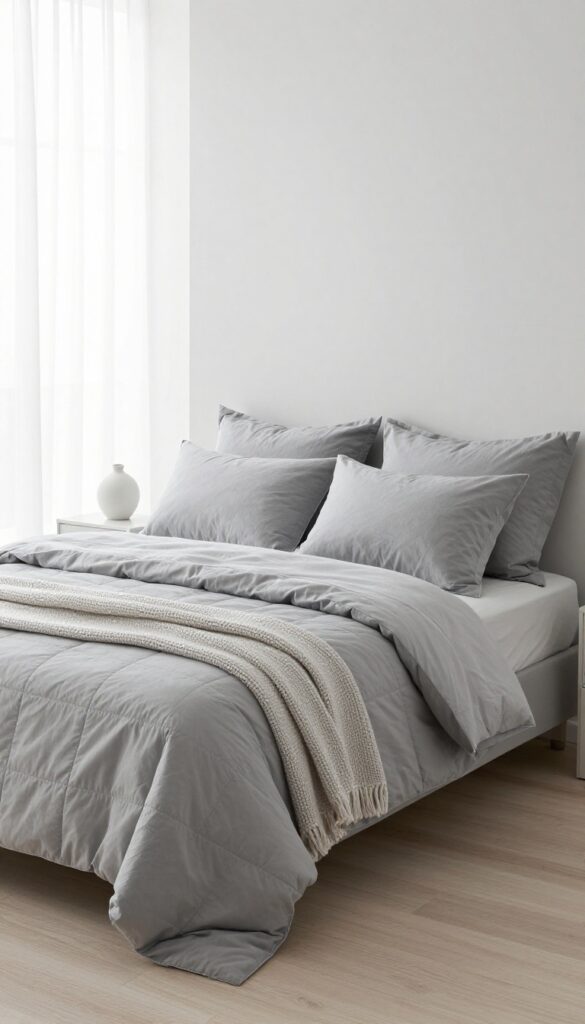
Modern bedrooms often fail because minimalism gets mistaken for emptiness. Monochrome bedding creates structure while keeping the clean aesthetic intact. Using one color family across layers adds sophistication without clutter.
I tested monochrome gray bedding in a small bedroom and immediately noticed how organized the space felt. The bed became a calm anchor rather than a busy focal point competing with everything else.
Why This Works
Repeating shades within one color range creates visual continuity. The eye moves smoothly across the bed instead of stopping at strong contrasts. This makes rooms appear larger and more cohesive.
How to Do It
- Choose one base color like gray, beige, or soft blue.
- Layer lighter and darker variations of the same shade.
- Keep pillow arrangements simple and balanced.
- Use clean-lined bedding without heavy patterns.
- Add subtle texture through quilting or stitching.
Style & Design Tips
Include at least one contrasting material to prevent flatness. Matte fabrics work better than glossy ones in monochrome schemes. Avoid adding random accent colors that disrupt the calm effect.
Pro Tip or Budget Hack
Buy separate pillow covers instead of full bedding replacements when updating monochrome palettes.
5. Textured Bedding Layers for Depth and Comfort
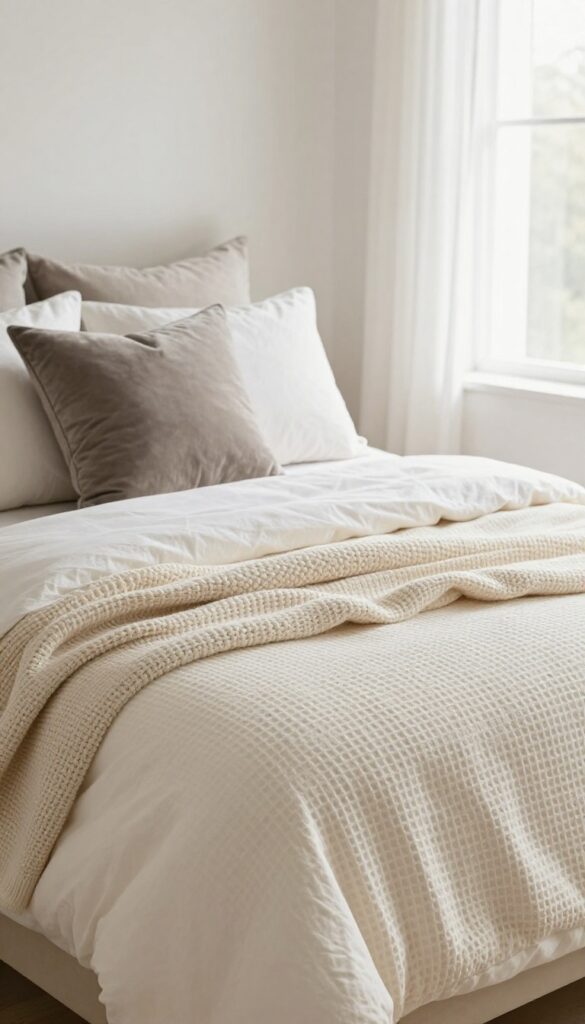
Flat bedding makes even stylish rooms feel unfinished because texture adds emotional warmth. Introducing varied materials instantly creates depth without needing bold colors or expensive décor. Texture works quietly but powerfully.
After adding a waffle blanket to my own setup, the bed suddenly looked styled even when casually made. Texture hides imperfections while making the space feel inviting rather than staged.
Why This Works
Different textures interact with light and shadow, adding dimension naturally. The layered feel signals comfort, which psychologically makes a room more relaxing. Texture also softens sharp furniture lines.
How to Do It
- Start with smooth cotton sheets for contrast.
- Add a knit, waffle, or quilted layer.
- Place a chunky throw near the foot of the bed.
- Mix pillow fabrics like linen and velvet sparingly.
- Keep color tones consistent to avoid chaos.
Style & Design Tips
Limit textures to three main types for balance. Too many textures can look messy instead of cozy. Stick to a unified color palette to keep the look intentional.
Pro Tip or Budget Hack
Check seasonal clearance sections for throws since retailers heavily discount them after winter.
6. Statement Duvet Bedding as a Focal Point
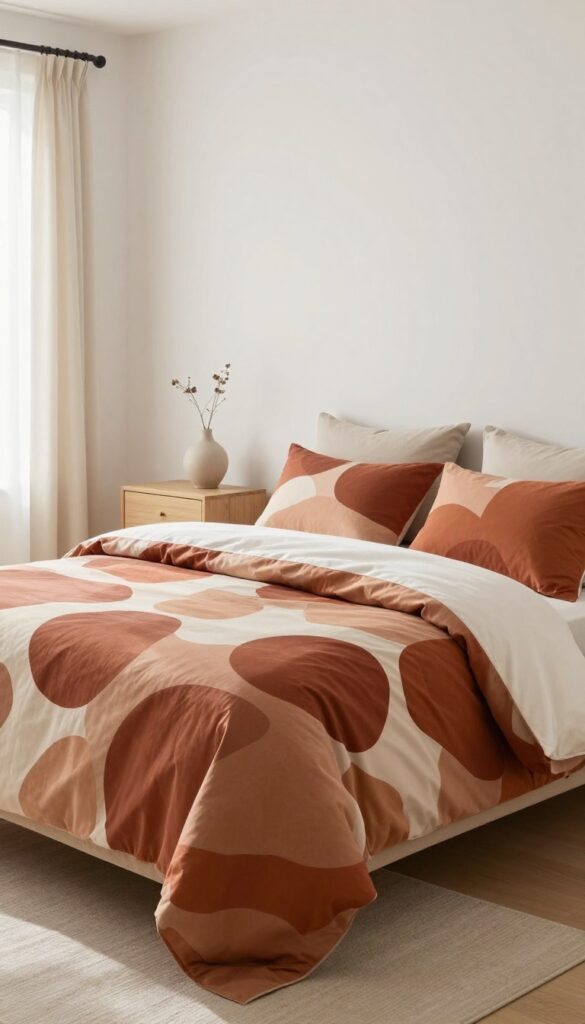
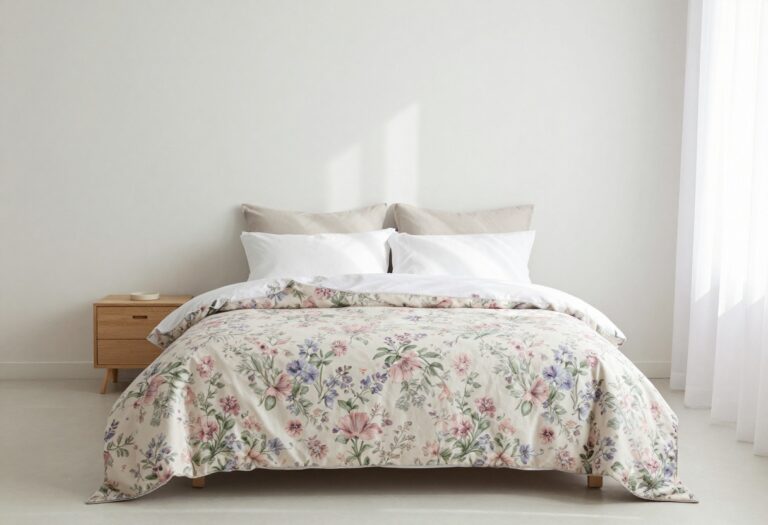
Sometimes a bedroom lacks personality because everything plays it too safe. A statement duvet introduces character without requiring full redecorating. One strong pattern or color can transform the entire room instantly.
I’ve seen plain bedrooms come alive just by switching the duvet cover. It works especially well for renters who want impact without permanent changes.
Why This Works
The bed naturally becomes the largest visual surface in the room. A statement duvet draws attention intentionally instead of letting clutter become the focal point. It also simplifies styling decisions elsewhere.
How to Do It
- Choose one bold pattern or color you genuinely enjoy.
- Keep sheets and pillows neutral for balance.
- Repeat one color from the duvet elsewhere in the room.
- Avoid competing wall art near the bed.
- Fold the duvet slightly to showcase pattern variation.
Style & Design Tips
Large-scale patterns feel more modern than tiny busy prints. Let the duvet lead the design, not compete with accessories. Avoid mixing multiple strong patterns together.
Pro Tip or Budget Hack
Use reversible duvet covers to switch styles without buying new bedding.
7. Seasonal Bedding Rotation for Year-Round Comfort
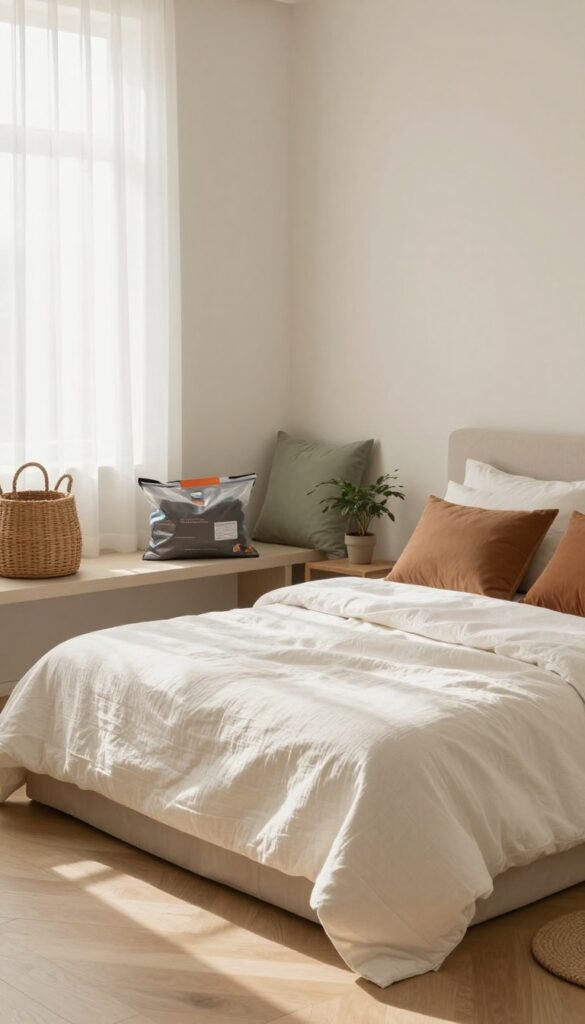
Bedrooms often feel stale because bedding stays the same all year. Rotating bedding seasonally keeps the space fresh while improving comfort. Temperature and fabric weight matter more than most people realize.
Switching to lighter bedding during warmer months made my sleep noticeably better. The room also felt updated without spending money on décor changes.
Why This Works
Seasonal fabrics align comfort with climate, improving sleep quality. Visual change also resets familiarity, making the bedroom feel newly styled. Small swaps create psychological refresh without effort.
How to Do It
- Use breathable cotton or linen during warmer seasons.
- Switch to heavier quilts or duvets in cooler months.
- Store off-season bedding in labeled containers.
- Rotate accent pillows with seasonal colors.
- Wash and refresh bedding during each swap.
Style & Design Tips
Choose complementary palettes so seasonal changes still match the room. Consistency prevents redesign stress every few months. Avoid storing bedding without proper cleaning.
Pro Tip or Budget Hack
Vacuum-seal storage bags reduce space and protect fabrics from dust.
8. Boho-Inspired Bedding for Relaxed Personality
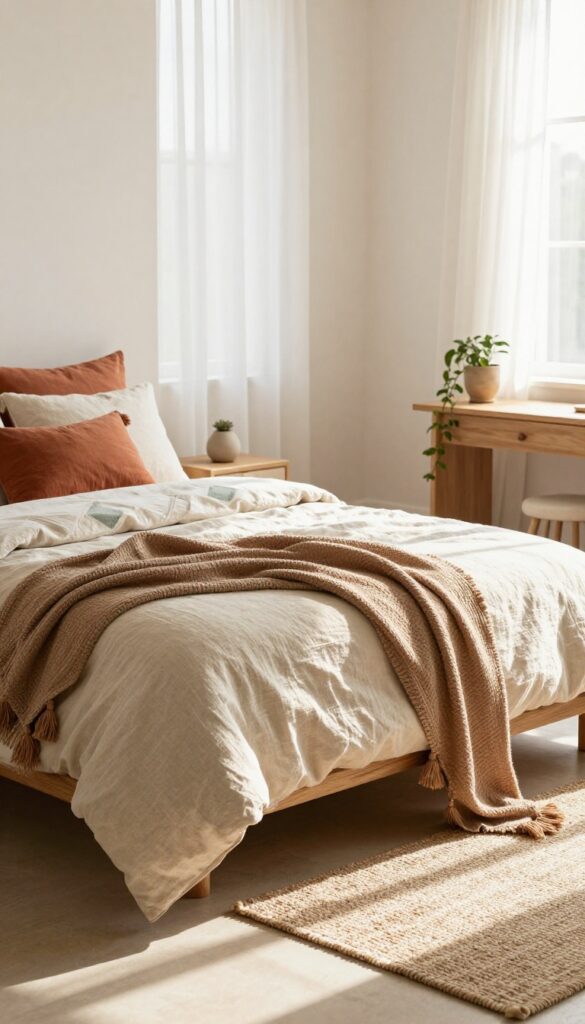
Some bedrooms feel overly structured and lack warmth or individuality. Boho bedding introduces relaxed layers and subtle pattern mixing without looking chaotic. The style works best when it feels effortless rather than overly curated.
I like boho bedding because it allows imperfections to exist comfortably. Wrinkles and casual layering actually enhance the aesthetic instead of ruining it.
Why This Works
Boho design relies on organic variation instead of symmetry. Mixed textures and soft patterns create movement while maintaining comfort. The relaxed styling encourages a lived-in atmosphere.
How to Do It
- Choose bedding with subtle global or geometric patterns.
- Layer throws casually rather than perfectly aligned.
- Mix neutral tones with muted accent colors.
- Add tassels or textured pillow covers sparingly.
- Keep furniture simple to balance visual energy.
Style & Design Tips
Stick to earthy palettes to avoid visual overload. Controlled imperfection is key to authentic boho style. Avoid overcrowding the bed with too many decorative pillows.
Pro Tip or Budget Hack
Handmade-style pillow covers often look high-end but cost less at local markets or small shops.
9. Dark Bedding for Dramatic Sophistication
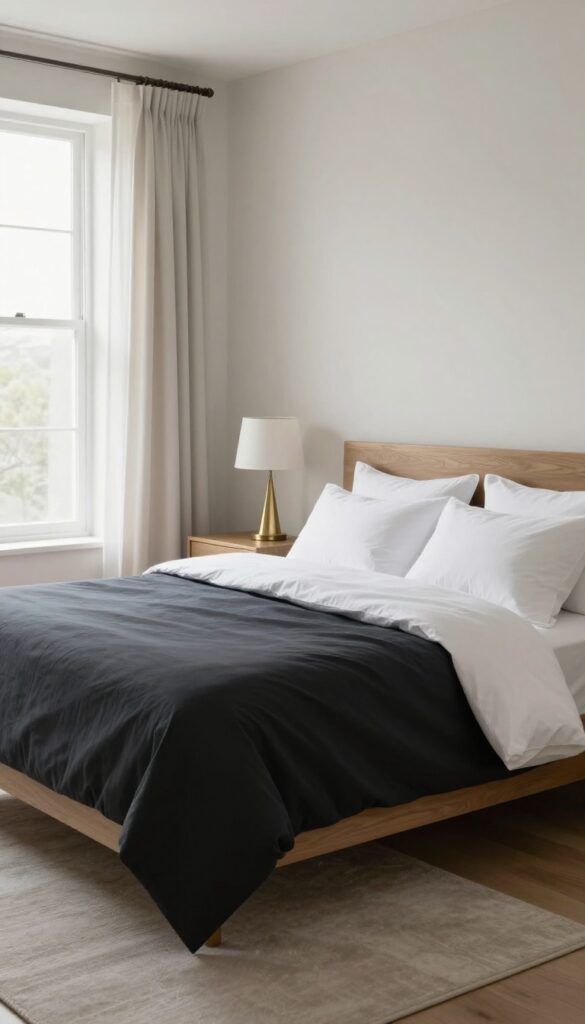
Light bedding dominates design advice, but darker bedding can create powerful visual contrast. Deep charcoal, navy, or forest green instantly adds mood and maturity to a bedroom. It works especially well in spaces that already feel too bright.
I switched to dark bedding once during a redesign and noticed how grounded the room felt. Maintenance also became easier since minor marks stayed less visible.
Why This Works
Dark colors anchor the room visually and create depth. They contrast with walls and lighting, making surrounding décor stand out. Dark bedding also hides wear better than lighter options.
How to Do It
- Select one rich dark shade as the main bedding color.
- Balance with lighter sheets or pillows.
- Add metallic or wood accents nearby.
- Use layered lighting to soften contrast.
- Keep surrounding décor uncluttered.
Style & Design Tips
Avoid overly heavy fabrics that absorb too much light. Contrast keeps dark bedding elegant, not gloomy. Pair with lighter rugs or curtains for balance.
Pro Tip or Budget Hack
Dark duvet covers extend lifespan since fading appears less noticeable over time.
10. Mixed Pillow Styling for a Designer Finish
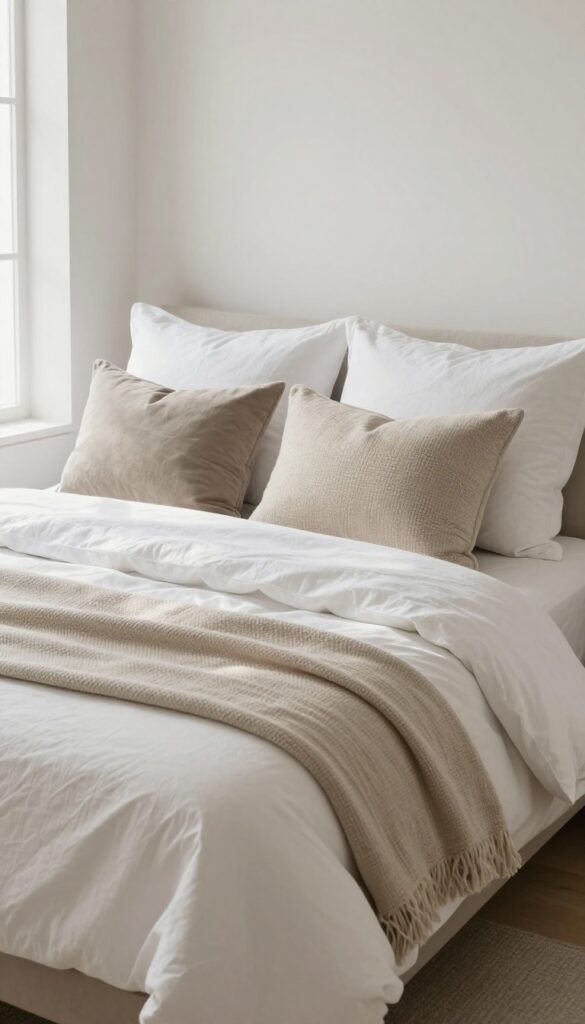
Beds often look incomplete because pillow arrangements feel random or overly symmetrical. Mixing pillow sizes and textures creates a designer-style finish without major effort. The right arrangement instantly elevates bedding.
I used to stack identical pillows until realizing variety creates visual rhythm. Once I mixed shapes and fabrics, the bed finally looked styled instead of simply functional.
Why This Works
Layered pillows add height variation, which gives the bed architectural presence. Different shapes guide the eye naturally across the bed. This creates balance without needing additional décor.
How to Do It
- Start with sleeping pillows as the back layer.
- Add medium shams for structure.
- Include one or two accent pillows in front.
- Mix square and rectangular shapes.
- Keep arrangement slightly relaxed.
Style & Design Tips
Limit decorative pillows to avoid daily frustration. Odd-number groupings often look more natural than perfect symmetry. Coordinate textures rather than matching colors exactly.
Pro Tip or Budget Hack
Change pillow covers seasonally instead of buying new inserts to refresh the look cheaply.
Final Thoughts
Bedding quietly decides whether a bedroom feels intentional or unfinished, and small adjustments usually matter more than expensive upgrades. Once layering, texture, and color balance work together, decorating becomes surprisingly simple.
I’ve found that treating bedding like design strategy rather than decoration changes everything. Try one idea first, adjust what feels right, and let the room evolve naturally instead of chasing perfection.