7 Smart Bedroom Ideas for 3 Kids to Share
Sunlight spills across a floor scattered with socks, crayons, and the occasional mystery toy that somehow multiplies overnight.
Three personalities live in the same room, each with their own sleep habits, clutter tolerance, and opinions about what belongs where. Space feels tight, but possibility feels wide.
Sharing a bedroom doesn’t have to mean chaos or constant arguments over who touched whose stuff.
With a few smart layout choices and some honest compromises, a shared room can actually run smoother than three separate ones. The trick comes down to creating structure without killing personality.
1. Triple Bunk Beds That Actually Make Sense
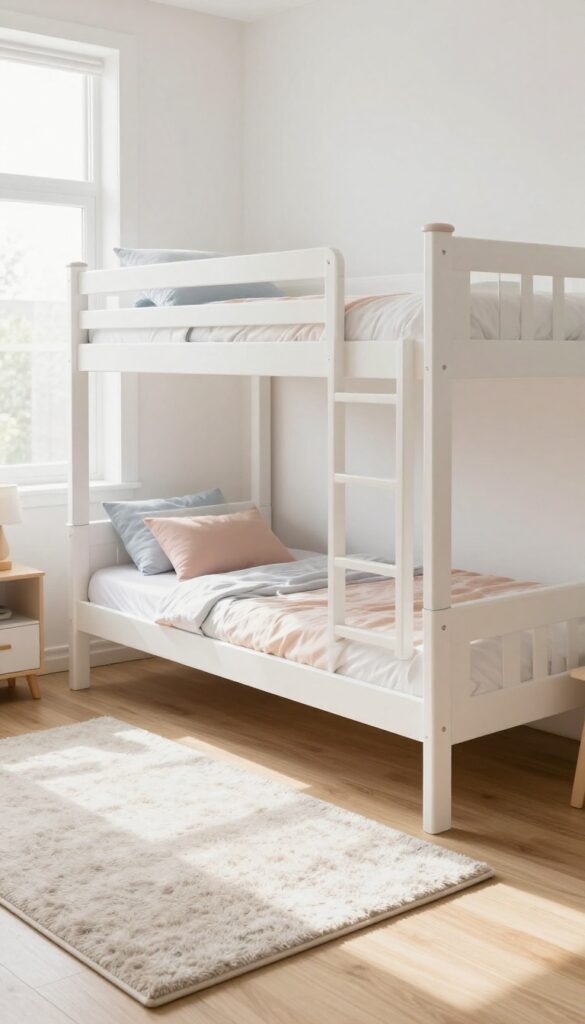
Three kids sharing a room often means floor space disappears fast, especially once beds take over. A triple bunk setup stacks sleep vertically so the rest of the room can breathe again.
When done right, it feels intentional rather than cramped, which matters more than people admit.
I used to think triple bunks looked like summer camp furniture, but newer designs feel surprisingly polished.
Built-ins or staggered bunks add personality and avoid that boxed-in feeling. Kids also love the novelty, which makes bedtime less of a negotiation.
Why This Works
Vertical stacking frees up precious square footage for play, desks, or storage. It creates clear personal sleep zones while keeping everyone in the same shared environment. The room instantly feels more organized, even before adding storage.
How to Do It
- Choose a staggered or L-shaped triple bunk to reduce visual bulk.
- Anchor the unit securely to the wall for safety and stability.
- Assign bunks intentionally based on age and comfort level.
Style & Design Tips
Lighter wood tones or painted frames prevent the structure from feeling heavy. Built-in ladders look cleaner and take up less space than removable ones. Avoid bulky bed rails that visually clutter the room.
Pro Tip or Budget Hack
If custom bunks feel out of reach, combine a standard bunk with a low loft bed. Matching paint color and bedding ties them together visually without custom pricing.
2. Color-Coded Zones Without Painting the Walls Three Times
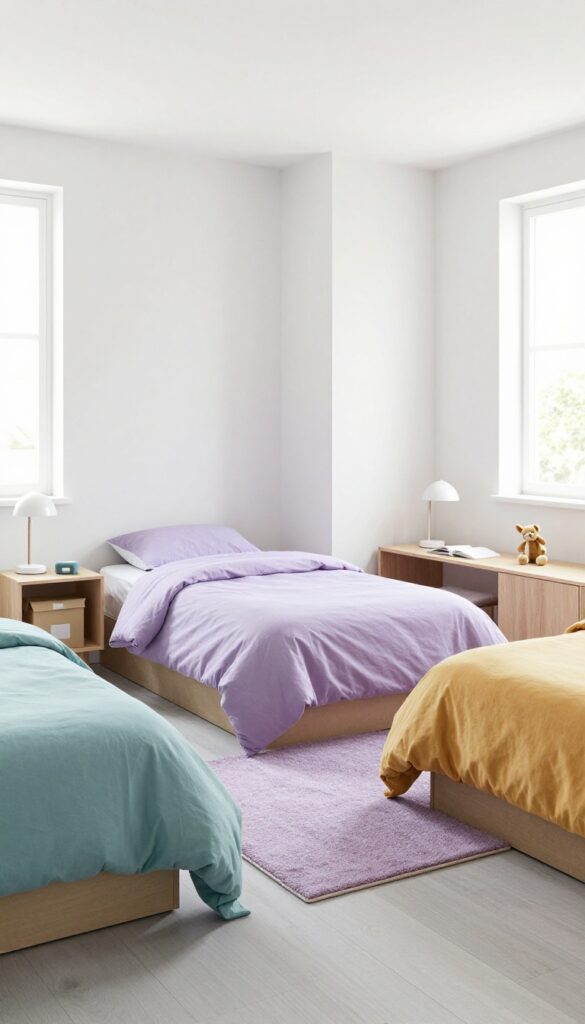
Arguments often start when kids feel like nothing in the room belongs to them. Color-coded zones quietly solve that problem without building physical walls. Each child gets a visual identity without turning the room into a rainbow explosion.
I’ve seen this work even with kids who swear they don’t care about color. Once their stuff lives in “their” color zone, ownership clicks instantly. Cleanup gets easier because everything has a home.
Why This Works
Color creates separation without using space. It helps kids recognize boundaries while keeping the room cohesive. Visual order reduces friction more than rules ever will.
How to Do It
- Assign each child one accent color.
- Use that color on bedding, bins, or desk accessories.
- Keep walls and large furniture neutral.
Style & Design Tips
Muted tones work better than bright primaries for long-term sanity. Repeat each color at least three times to make it feel intentional. Avoid mixing too many patterns across zones.
Pro Tip or Budget Hack
Use removable vinyl decals or washi tape to mark zones. They’re cheap, easy to change, and don’t require repainting when tastes shift.
3. Under-Bed Storage That Pulls Its Weight
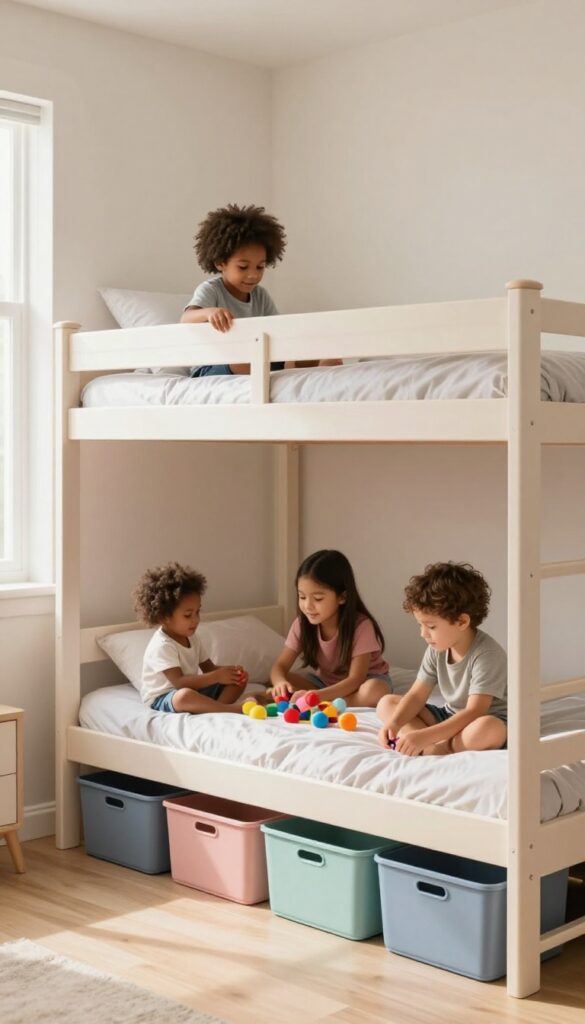
Storage fights start when there isn’t enough of it. Under-bed storage uses space that usually goes ignored, especially with bunk or loft beds. Every inch matters when three kids share one room.
I learned the hard way that random bins don’t cut it. Labeled, matching storage turns chaos into something manageable. Kids are more likely to use it when it looks simple.
Why This Works
It maximizes existing space without adding furniture. Storage under beds stays accessible while keeping clutter out of sight. The room feels calmer almost instantly.
How to Do It
- Use rolling drawers or bins for easy access.
- Assign each child their own set of containers.
- Label clearly with words or icons.
Style & Design Tips
Stick to one material or color for all bins. Low-profile containers prevent visual clutter. Avoid clear bins if visual noise becomes distracting.
Pro Tip or Budget Hack
Bed risers can create extra clearance for storage if needed. Just make sure everything still feels safe and stable.
4. Shared Desk, Individual Stations
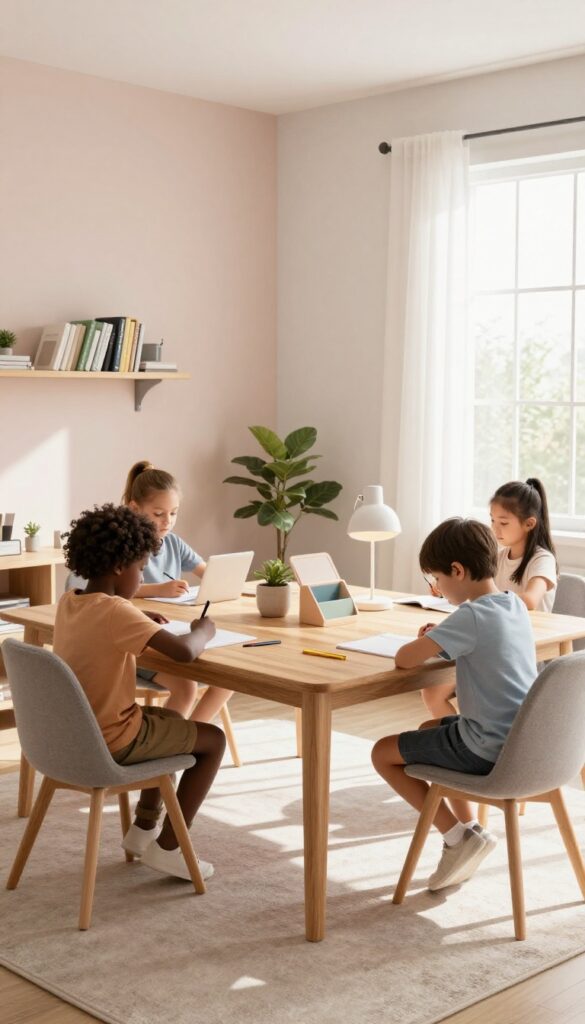
Homework chaos multiplies fast when kids compete for desk space. A long shared desk with individual stations keeps things fair and functional. Everyone works together without bumping elbows.
This setup surprised me by how peaceful it felt. Kids stayed focused longer because they had their own defined area. Shared space didn’t mean shared mess.
Why This Works
One long surface saves space compared to three desks. Visual separation creates ownership without isolation. It also encourages cooperative behavior without forcing it.
How to Do It
- Install a wall-mounted desk or long tabletop.
- Divide stations with drawer units or shelving.
- Provide individual task lighting.
Style & Design Tips
Keep the desktop surface neutral to reduce distractions. Consistent chairs help the area feel cohesive. Avoid oversized organizers that eat workspace.
Pro Tip or Budget Hack
Use IKEA tabletops with simple brackets for an affordable custom look. Swapping out knobs or adding trim upgrades the feel instantly.
5. Closet Zones That Prevent Morning Meltdowns
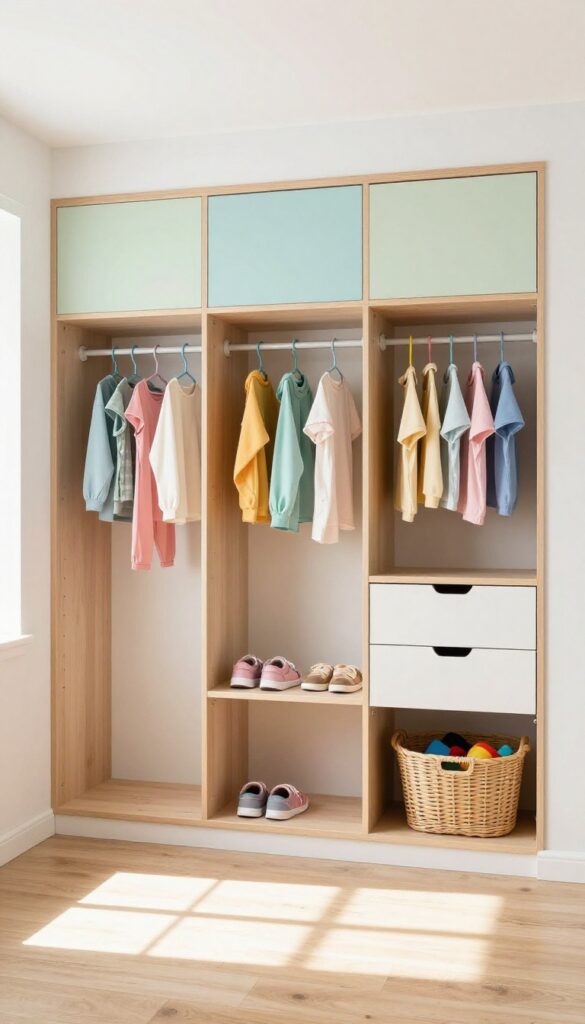
Closets become battlegrounds when everything blends together. Dividing one closet into clear zones keeps mornings calmer. Everyone knows where their stuff lives.
I’ve seen kids become oddly protective of their section once it’s defined. That sense of ownership reduces complaints and misplaced shoes. It also speeds up getting ready.
Why This Works
Defined zones eliminate confusion. Visual boundaries replace verbal reminders. The system supports independence instead of constant supervision.
How to Do It
- Assign rods or shelves to each child.
- Use labeled bins for accessories.
- Install hooks at kid-friendly heights.
Style & Design Tips
Use matching hangers to unify the look. Vertical dividers help maintain order. Avoid overcrowding any single section.
Pro Tip or Budget Hack
Tension rods create instant zones without permanent changes. They’re cheap and easy to reposition as needs change.
6. Flexible Play Space That Adapts Daily
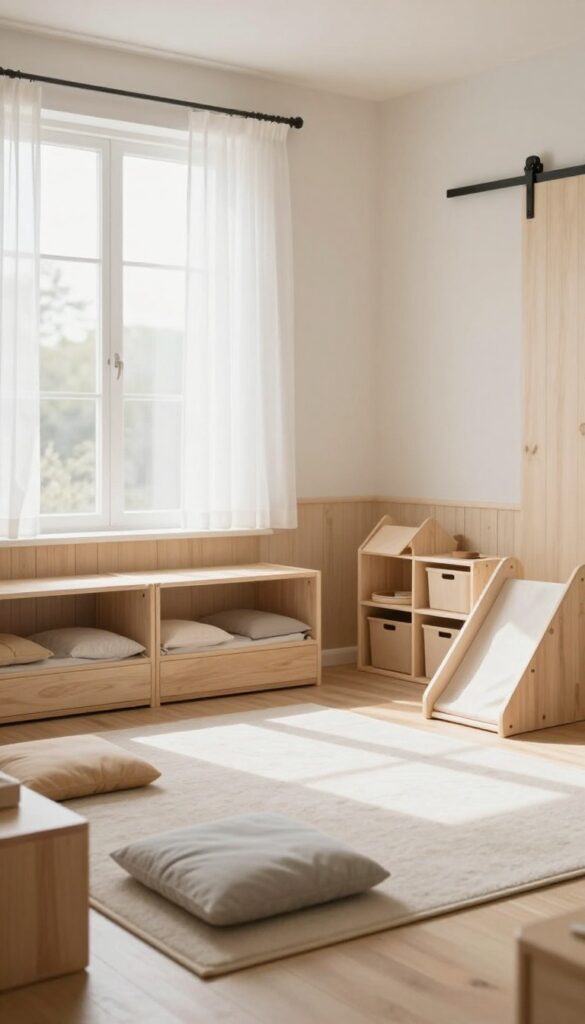
Play needs change constantly, especially with three kids involved. A flexible open area allows the room to adapt without constant rearranging. It’s controlled freedom.
Rigid layouts don’t survive real life. Leaving intentional open space makes the room feel larger and more functional. Kids use it differently every day.
Why This Works
Flexibility reduces frustration. Open space allows creativity without clutter. The room supports play without becoming a mess magnet.
How to Do It
- Use lightweight furniture that moves easily.
- Store toys vertically or in rolling bins.
- Keep the center of the room open.
Style & Design Tips
Soft rugs define play areas without permanence. Neutral flooring keeps visual calm. Avoid oversized toy furniture.
Pro Tip or Budget Hack
Floor cushions double as seating and play props. They store easily and cost less than bulky furniture.
7. Nighttime Lighting That Respects Different Sleep Styles
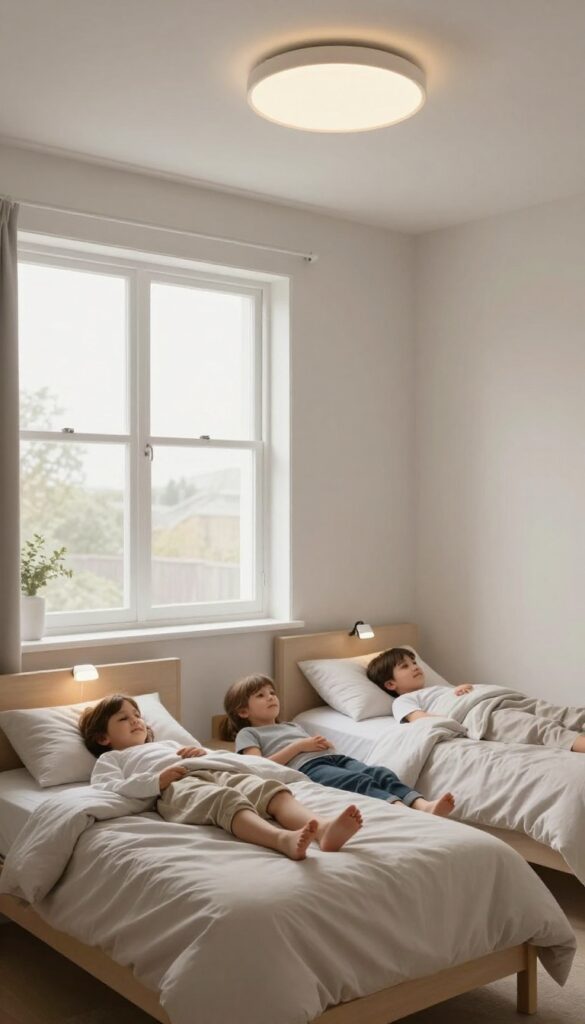
Different kids fall asleep differently, and lighting matters more than people realize. Layered lighting lets everyone wind down their own way. No more arguments over the main light.
I’ve watched bedtime tension disappear just by adding small reading lights. Kids felt respected instead of rushed. Sleep came faster for everyone.
Why This Works
Layered lighting supports different routines. Personal control reduces conflict. The room feels calmer and more intentional at night.
How to Do It
- Install individual reading lights at each bed.
- Use dimmable overhead lighting.
- Add nightlights for comfort.
Style & Design Tips
Warm light tones feel more relaxing. Wall-mounted fixtures save space. Avoid harsh overhead bulbs.
Pro Tip or Budget Hack
Plug-in sconces look custom without electrical work. They’re renter-friendly and easy to swap later.
Final Thoughts
Sharing a bedroom doesn’t require perfection, just a bit of strategy and flexibility. Small layout changes often create the biggest improvements when space feels tight. The goal isn’t a magazine-perfect room, but one that actually works every day.
Trying all seven ideas at once would feel overwhelming, and that’s not the point. Pick one change that solves your biggest pain point and start there. Once the room feels calmer, everything else gets easier.