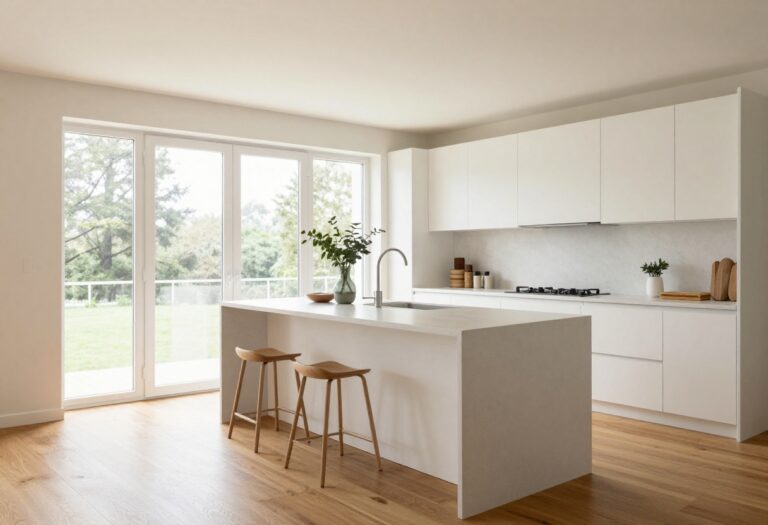
12 Cozy and Layered Kitchen Bloxburg Ideas for Stylish Virtual Homes
Building a kitchen in Bloxburg is more than placing counters and appliances—it's about creating a space that feels lived-in and welcoming. The best virtual kitchens balance style with practicality, making every square foot count. Whether you're starting from scratch or refreshing an existing layout, these ideas will help you layer in warmth without sacrificing function.
Cozy doesn't mean cluttered, and layered doesn't have to be complicated. With a few thoughtful choices, you can turn a basic kitchen into a room that feels like the heart of your virtual home.
Think soft textures, warm lighting, and smart layouts that make cooking and gathering a pleasure. Ready to give your Bloxburg kitchen a makeover?
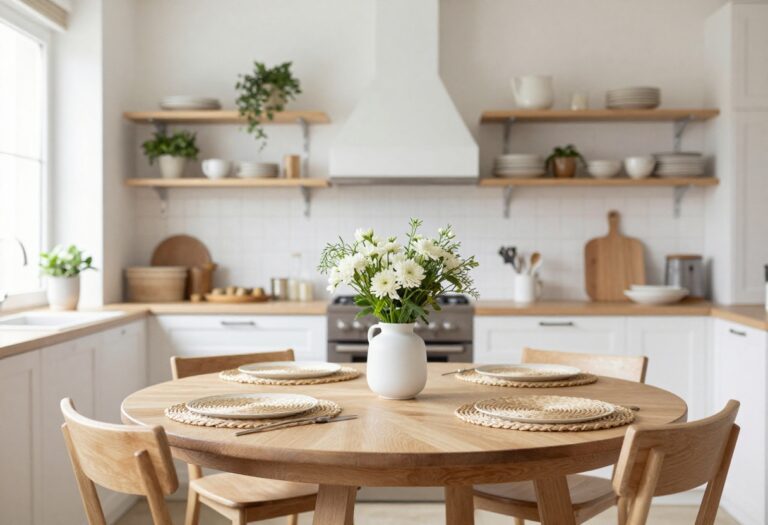
1. Warm Wood Accents for a Cozy Foundation
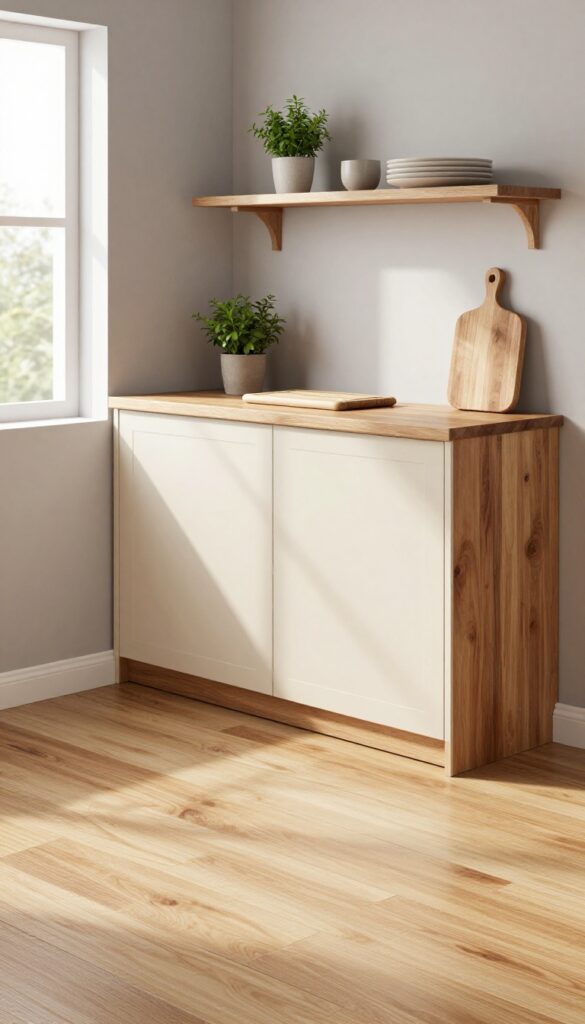
There's a reason wood never goes out of style in kitchen design—it brings instant warmth and a sense of grounding. In a virtual home, where everything can feel a bit too perfect or sterile, adding warm wood accents creates that lived-in, cozy foundation. Think oak countertops, walnut open shelving, or wide plank flooring in honey tones.
It softens the edges of sleek appliances and adds natural texture that makes the space feel inviting rather than just efficient.
Why It Works
Wood is naturally warm and tactile, which balances the coolness of stainless steel or white cabinetry. It introduces organic variation—grain patterns, knots, slight color shifts—that keeps the eye moving and prevents the kitchen from looking flat. Plus, it's forgiving: scratches and wear just add character over time.
Best For
This approach works beautifully in kitchens with lots of natural light or neutral palettes like cream, beige, or soft gray. It's especially effective in open-plan spaces where you want the kitchen to feel connected to living areas rather than isolated.
Styling Tip
Mix wood tones intentionally—don't match everything exactly. Pair light oak countertops with darker walnut shelves to create depth. Add a wooden cutting board or butcher block island as a functional accent that doubles as decor.
2. Layered Lighting with Pendants and Under-Cabinet Strips
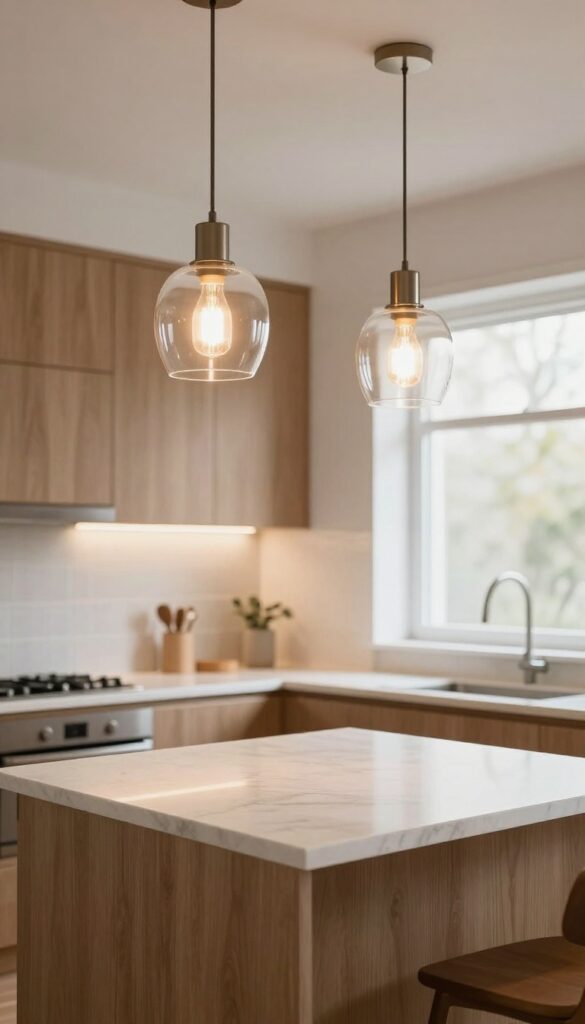
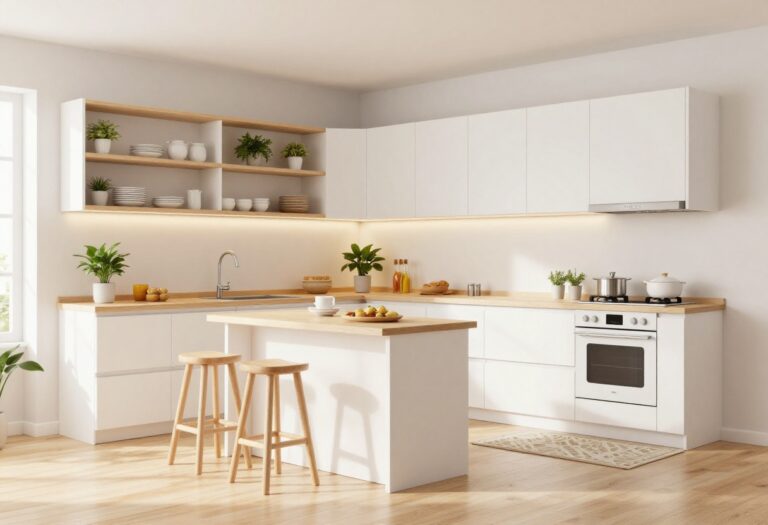
Lighting is one of those things that can completely change how a kitchen feels, but it’s easy to overlook until you’re stuck under a single harsh ceiling fixture. Layering your light sources—like pairing pendant lights over an island with soft under-cabinet LED strips—creates a warm, inviting glow that makes the space feel both cozy and polished. It’s the kind of setup that turns a simple kitchen into a place you actually want to hang out in, whether you’re cooking or just grabbing a coffee.
Why It Works
By combining ambient pendant lighting with task-focused under-cabinet strips, you eliminate dark corners and harsh shadows. The pendants draw the eye upward and add a decorative focal point, while the strips provide practical illumination for countertop work without glare. Together, they create depth and a soft, restaurant-quality atmosphere that feels intentional and luxurious.
Best For
This idea works especially well in open-concept kitchens where the island is a central gathering spot. It’s also great for galley kitchens or any layout where counter space is prime real estate—those LED strips make prep areas feel brighter and more spacious without overwhelming the room.
Styling Tip
Choose warm white bulbs (2700K–3000K) for both layers to keep the light consistent and cozy. For pendants, go with glass or metal shades that diffuse light softly—avoid anything too directional. Install dimmer switches so you can adjust brightness depending on the time of day or mood.
3. Open Shelving with Styled Essentials
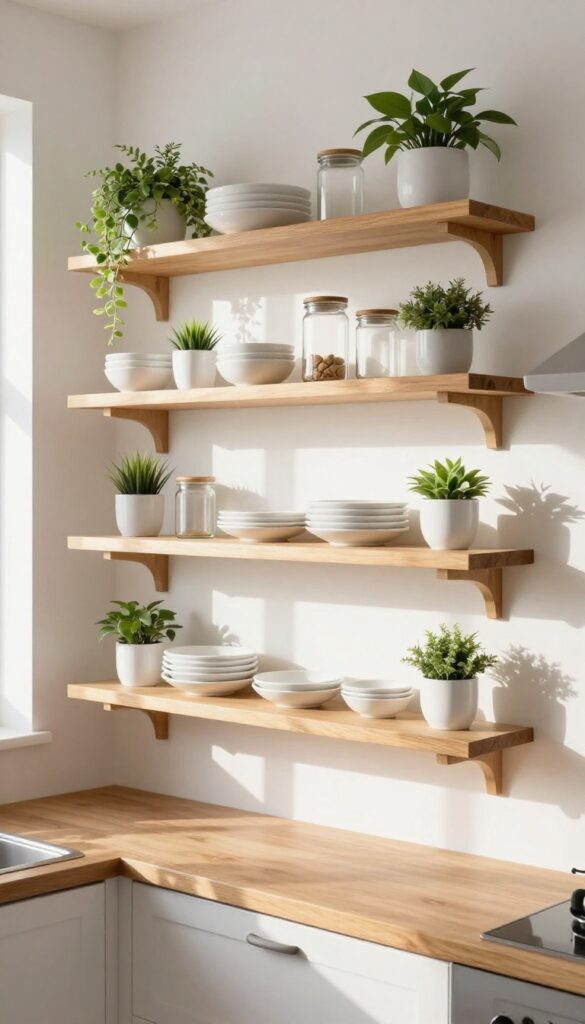
Swapping bulky upper cabinets for floating shelves instantly opens up a kitchen, making it feel airier and more inviting. The trick is to treat those shelves like a mini gallery—mixing everyday dishes, glass jars, and a few trailing plants in a way that feels curated but lived-in. In a Bloxburg kitchen, this approach adds depth and personality without sacrificing function.
Why It Works
Open shelving forces you to keep only what you love and use often, which naturally reduces clutter. The layered look—tall canisters next to stacked plates, a small herb pot beside a stack of bowls—creates visual rhythm that makes the space feel intentionally cozy.
Best For
Small to medium kitchens where you want to avoid the heaviness of upper cabinets. It also works beautifully in galley layouts or kitchen nooks where every inch of wall space should feel purposeful.
Styling Tip
Stick to a neutral palette for the shelves themselves—warm wood or matte black—and let your items add color. Group in odd numbers (three jars, five plates) and vary heights by using cake stands or small risers. Leave about 30% of each shelf empty so the eye can rest.
4. A Compact Breakfast Nook with Cushioned Seating
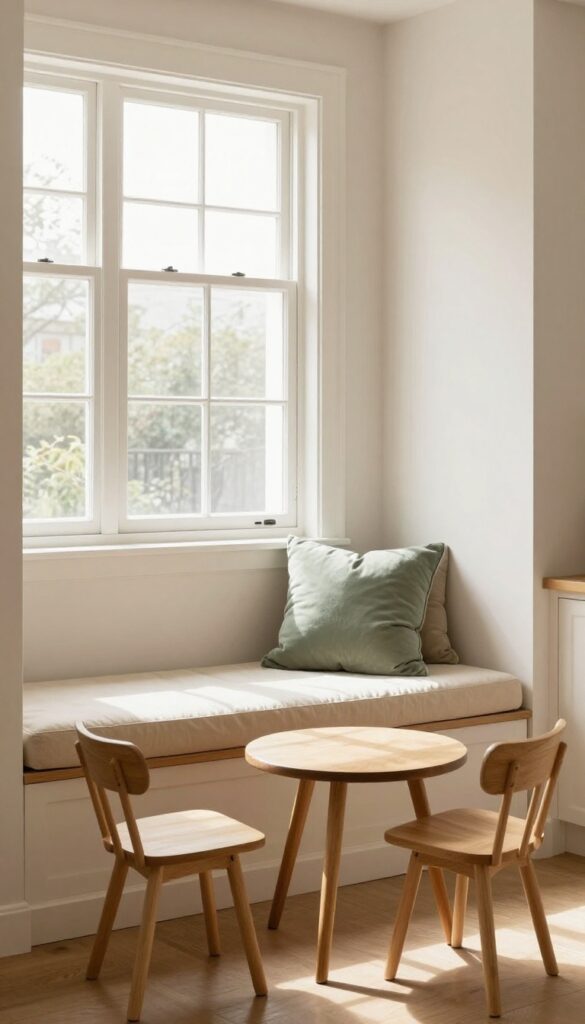
Tucking a small table and built-in bench into a corner or bay window instantly carves out a cozy breakfast zone without gobbling up valuable floor space. The secret is in the cushions—go for plush, stain-resistant fabric in a warm neutral or soft pastel to keep the look inviting but practical. A single throw pillow adds a pop of color or texture, making the nook feel like a purposeful part of the kitchen rather than an afterthought.
Why It Works
Built-in seating eliminates the need for bulky chairs, so you can fit a dining area even in the tightest layouts. The cushions soften the hard surfaces common in kitchens, creating a layered, lived-in feel that encourages lingering over coffee.
Best For
Small kitchens, galley layouts, or any kitchen with an unused corner or window alcove. It’s also ideal for open-plan spaces where you want a clear but compact dining zone without blocking traffic flow.
Styling Tip
Choose bench cushions that are at least 4 inches thick for real comfort, and pick a fabric with a high rub count (like outdoor-grade canvas) so it withstands daily use. Add a slim console table behind the bench if there’s wall space—it doubles as extra counter space for serving.
5. Soft Textiles: Runners, Curtains, and Towels
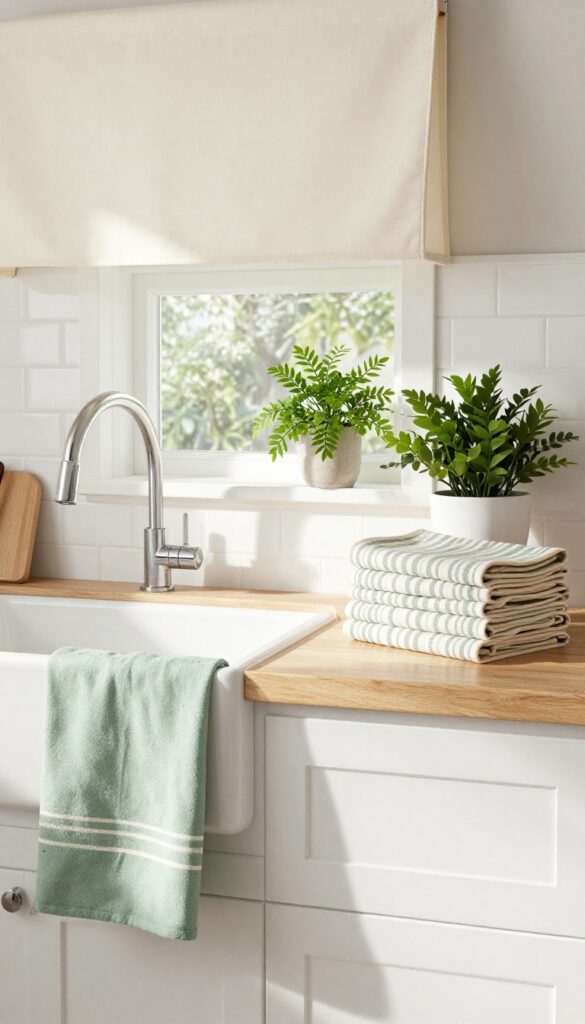
Kitchens tend to be dominated by hard surfaces—countertops, cabinets, tile, and appliances. That’s why adding soft textiles is one of the quickest ways to make the space feel more inviting and layered. A washable runner along the sink area, a simple valance above the window, and a set of coordinating dish towels can completely shift the mood without a major renovation.
Think of textiles as the kitchen’s version of throw pillows. They break up all that hardscape, add color or pattern in a low-commitment way, and introduce a lived-in coziness that’s hard to achieve with decor alone. In a Bloxburg kitchen, where you might have limited square footage, these small fabric touches help define zones and make the room feel thoughtfully styled.
Why It Works
Textiles absorb sound and soften the visual noise of a busy kitchen. A runner defines the work zone in front of the sink or stove, while curtains and towels add warmth and personality. Because they’re easy to swap out seasonally or when you want a refresh, they offer maximum flexibility with minimal investment.
Best For
This idea works especially well in kitchens that feel cold or sterile due to lots of white tile, stainless steel, or glossy cabinets. It’s also ideal for Bloxburg builds where you want to create distinct functional areas—like a prep zone near the sink or a cozy breakfast nook—without adding permanent structures.
Styling Tip
Stick to two or three coordinating colors pulled from your existing palette—maybe a soft sage green runner paired with cream valances and sage-and-cream striped towels. For a cohesive look, repeat one accent color across all three textile types. Choose machine-washable fabrics for practicality; cotton and linen blends work beautifully.
6. Greenery That Thrives in Low Light
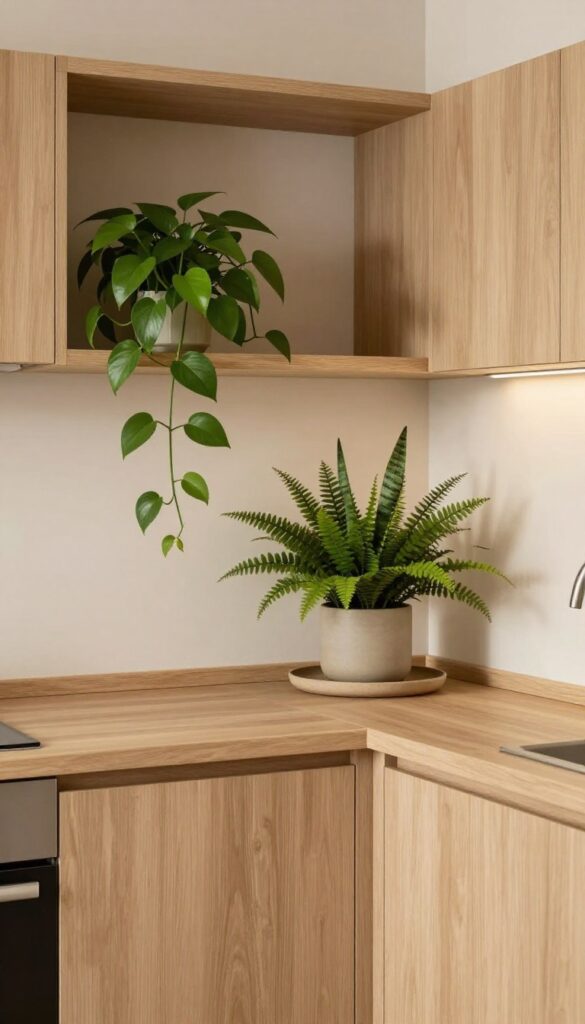
Not every kitchen gets the luxury of a sun-drenched windowsill, but that doesn’t mean you have to skip the plants. Low-light lovers like pothos, snake plants, or even a well-placed faux fern can bring that soft, organic feel without demanding constant care. The trick is to layer them at different heights—on open shelves, the counter edge, or a small corner stand—so the greenery feels intentional and woven into the room’s cozy, layered vibe.
Why It Works
Plants soften all those hard edges from cabinets and appliances, making the kitchen feel more lived-in and relaxed. In low light, real plants like snake plants actually thrive on neglect, while quality faux options remove any worry about watering schedules. Either way, the green tones add a natural contrast to neutral cabinets or warm wood tones, which keeps the space feeling fresh but not sterile.
Best For
Kitchens with limited natural light—think galley layouts, basement kitchens, or rooms with small north-facing windows. It’s also perfect for renters who can’t install permanent shelving but want an easy way to bring life into the room without a big commitment.
Styling Tip
Cluster two or three small pots together on a countertop tray instead of scattering them one by one. Mix textures: a trailing pothos next to a upright snake plant in a matte ceramic pot creates visual interest without clutter. For shelves, let one vine drape down slightly while keeping others tidy—it mimics how plants grow naturally.
7. A Statement Backsplash That Ties the Room Together
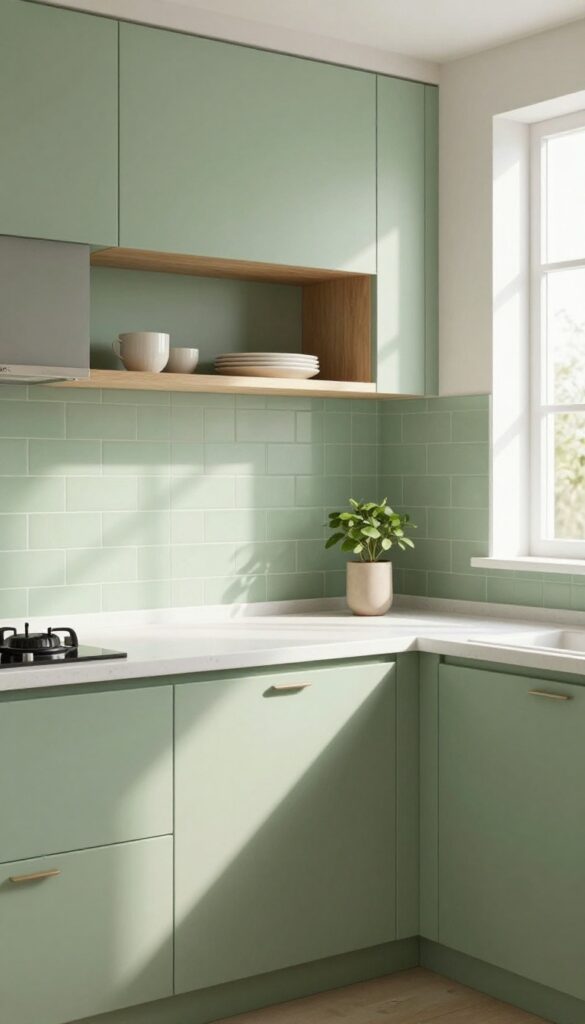
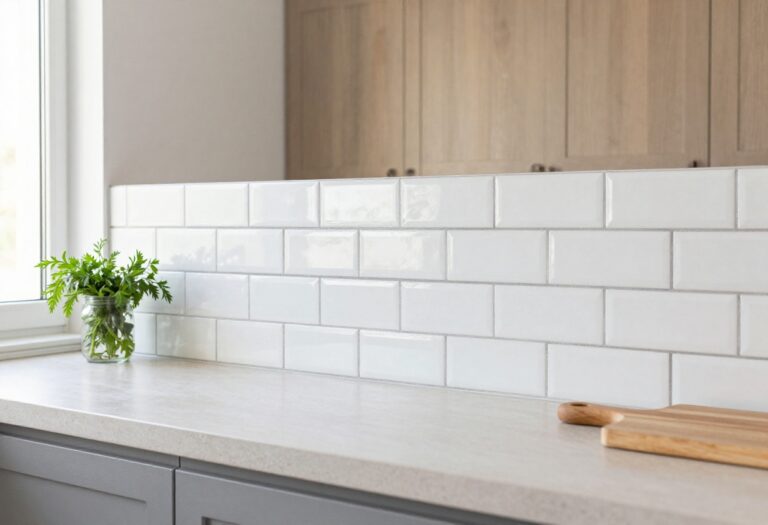
A backsplash can do more than just protect your walls—it can become the focal point that makes your kitchen feel intentional and polished. Think of it as the anchor that visually connects your countertops and cabinetry, especially when you choose a warm neutral or a soft pastel like sage or blush. Whether you go for classic subway tile, a bold herringbone pattern, or an easy peel-and-stick option, the right backsplash adds texture and depth without overwhelming the space.
It's one of those details that instantly makes a kitchen feel layered and complete.
Why It Works
A well-chosen backsplash pulls together all the elements in your kitchen, creating a cohesive look that feels designed rather than thrown together. The texture from tile or pattern adds visual interest, while warm neutrals keep the space cozy and inviting. It also serves as a practical surface that's easy to clean, making it both beautiful and functional.
Best For
This idea works well in kitchens with neutral cabinetry and countertops, where the backsplash can add personality without clashing. It's also great for open-concept layouts where the kitchen flows into living areas, as it helps define the cooking zone while keeping the overall palette harmonious.
Styling Tip
To keep the look layered but not busy, pair a patterned backsplash with solid-colored countertops and simple cabinet hardware. If you're using subway tile, try laying it in a vertical stack or herringbone pattern for a modern twist. Add open shelving with a few ceramic dishes or plants to echo the colors in the tile.
8. Smart Storage with Baskets and Canisters
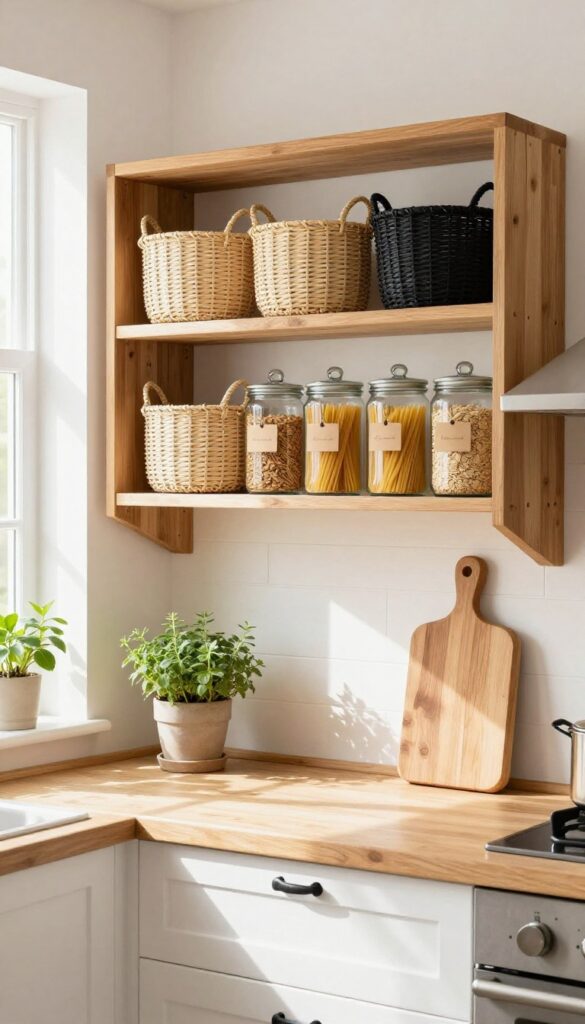
Open shelves are a staple in cozy kitchens, but they can quickly turn cluttered if you’re not intentional. That’s where baskets and canisters come in—they bring order without sacrificing warmth. Glass jars filled with pasta or oats and woven baskets holding linens or snacks add texture and a farmhouse feel that’s both practical and inviting.
Why It Works
This approach keeps everyday essentials visible and easy to grab, cutting down on cabinet rummaging. The mix of materials—glass, wood, rattan—adds visual interest and layers, making the kitchen feel curated rather than chaotic.
Best For
Perfect for kitchens with open shelving or glass-front cabinets where you want to display items neatly. It works especially well in farmhouse, rustic, or Scandinavian-inspired spaces that prioritize function and coziness.
Styling Tip
Stick to a neutral color palette for baskets (natural rattan, cream, or black) and use matching glass canisters with uniform labels. Group items by function—baking supplies together, snacks together—to create a sense of purpose.
9. An Island That Doubles as a Prep Station
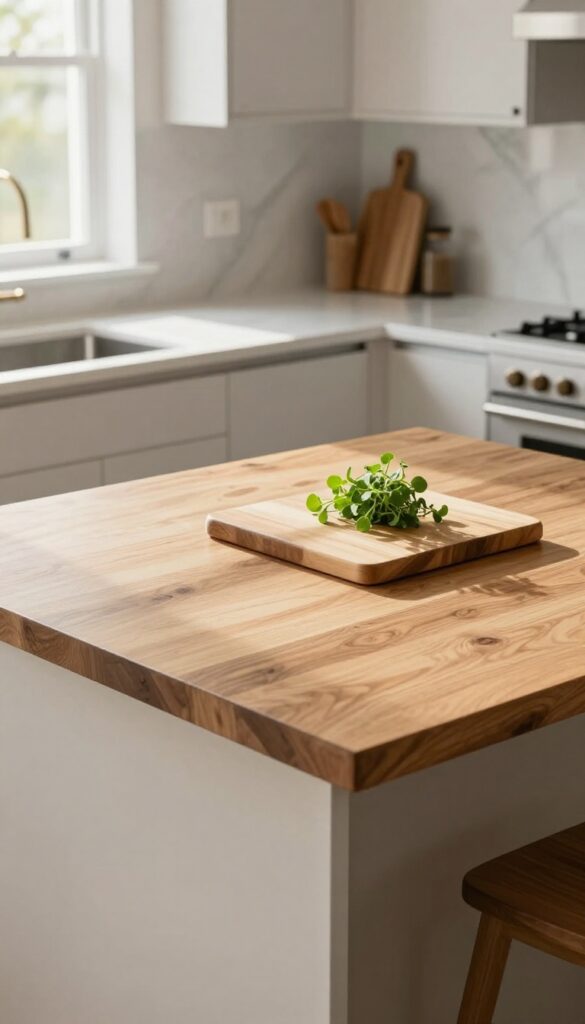
If space allows, adding a small rolling cart or built-in island with a butcher block top can transform how you use your kitchen. It becomes a dedicated spot for chopping vegetables, rolling dough, or setting down hot pans without cluttering your main counters. The layered look comes from mixing materials—warm wood against cool marble or quartz—and the functionality keeps the room feeling purposeful.
Why It Works
A butcher block island adds warmth and texture while giving you extra workspace exactly where you need it. The contrast between the wood top and surrounding stone or solid surfaces creates visual depth without overwhelming the room. Plus, having a designated prep station reduces countertop chaos and makes cooking more enjoyable.
Best For
This works well in medium to large kitchens where there’s enough floor space for an island without blocking traffic flow. It’s especially useful for home cooks who bake frequently or prepare big meals, as the sturdy wood surface is ideal for kneading and chopping.
Styling Tip
Keep the island clutter-free by storing cutting boards, knives, and mixing bowls in drawers or baskets underneath. Add a few bar stools on one side if you want extra seating, but leave the prep side open for easy access. A small potted herb plant or a wooden fruit bowl on the corner adds life without getting in the way.
10. Warm Metal Finishes for Hardware and Fixtures
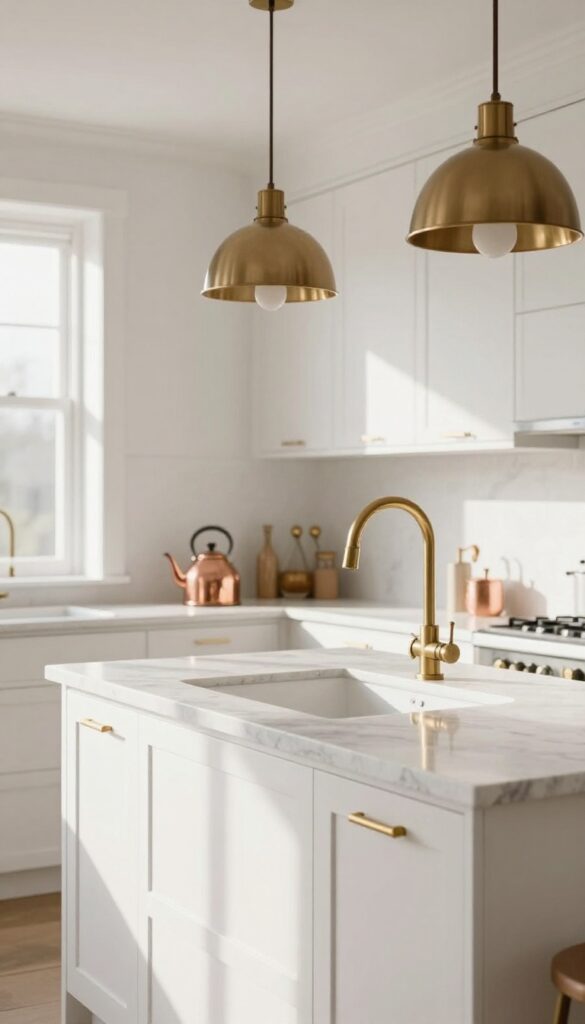
Swapping out cool silver tones for warm metals like brass, copper, or brushed gold instantly changes the mood of a kitchen. These finishes catch the light in a soft, inviting way—think of how a brass faucet glows under pendant lights or how copper cabinet pulls warm up white cabinetry. It’s a small shift that makes the whole space feel more layered and lived-in, without any major renovation.
Why It Works
Warm metals add visual warmth and depth, balancing out cooler surfaces like marble, quartz, or pale wood. They create subtle contrast that draws the eye and makes details like faucets and knobs feel intentional rather than an afterthought. Plus, they patina beautifully over time, adding character.
Best For
This idea works especially well in kitchens with neutral or monochromatic palettes—think white, cream, soft gray, or light wood cabinets. It’s also great for transitional or modern farmhouse styles where you want a touch of elegance without going full glam.
Styling Tip
Stick to one warm metal finish throughout the kitchen for a cohesive look. Mixing brass with copper can feel busy; instead, choose your favorite (brushed brass is very forgiving) and use it on faucets, cabinet pulls, light fixtures, and even drawer organizers. Pro tip: match your sink faucet finish to your cabinet hardware for a pulled-together feel.
11. A Coffee or Tea Station Nook
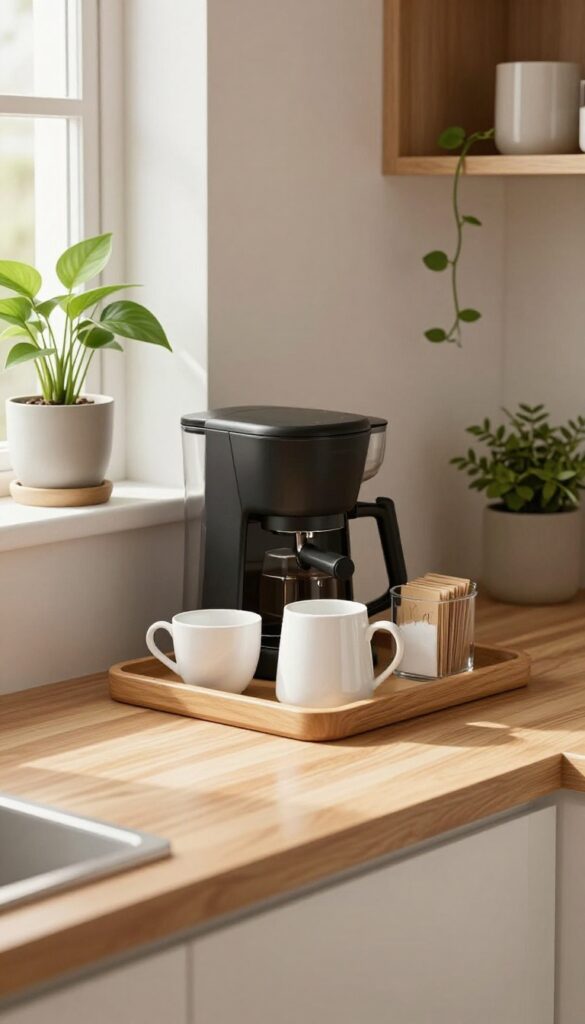
Even the smallest kitchen can feel like a cozy café when you dedicate a corner to your morning brew. A coffee or tea station doesn't need much space—just a countertop, a shelf, or even a slim cart. Layer in a tray to corral the essentials, a small plant for life, and a canister of stirrers or sugar packets to keep it tidy.
The goal is to make that daily ritual feel intentional and inviting, not cluttered.
Why It Works
This idea works because it turns a functional habit into a design feature. By grouping everything together on a tray, you contain the mess and create a visual anchor that feels curated rather than chaotic. It also saves time—no more digging through cabinets for your favorite mug.
Best For
Best for kitchens with limited counter space but a desire for personality. It's especially great for renters who can't install built-ins, since everything sits on top of existing surfaces. Also ideal for open-plan homes where the kitchen flows into the living area—the station becomes a natural conversation starter.
Styling Tip
Stick to a cohesive color palette: white ceramic mugs, a wooden tray, and a matte black coffee maker create clean contrast. Add one small trailing plant like pothos on the shelf above for softness. Keep the syrup bottles in a caddy or small basket to avoid visual noise.
12. Personal Touches: Art, Books, and Collections
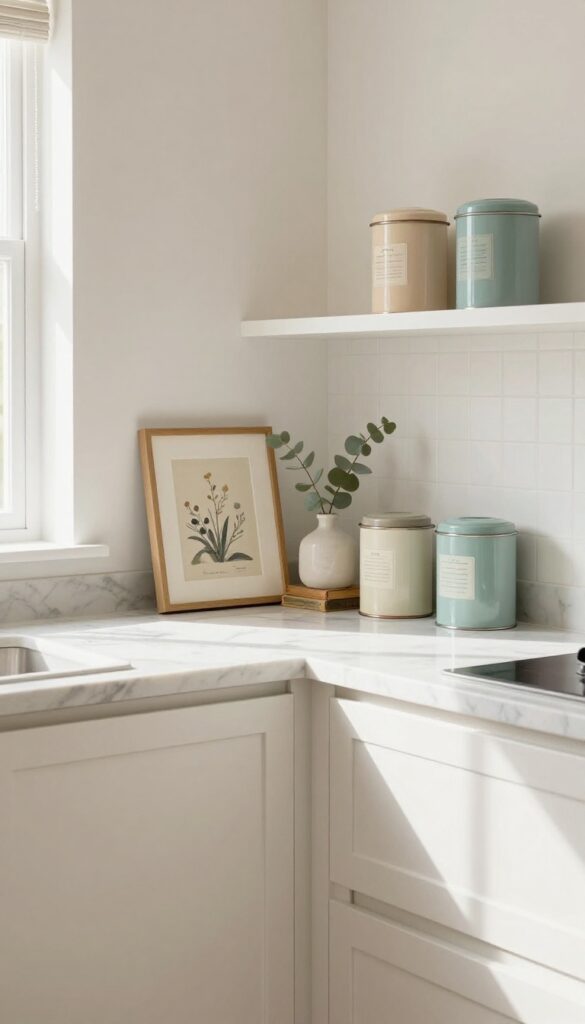
A kitchen should feel like it belongs to you, not a catalog. Adding personal touches is the easiest way to shift a space from functional to genuinely inviting. A small piece of art propped on the counter, a stack of well-loved cookbooks, or a cluster of vintage tins on a shelf—these details whisper personality without overwhelming the room.
Why It Works
Personal items create visual layers and emotional warmth. They break up the monotony of cabinets and appliances, giving the eye resting places that feel intentional. Even one or two meaningful objects can make the kitchen feel curated rather than cluttered.
Best For
This idea works in any kitchen but shines in minimalist or neutral spaces that risk feeling sterile. It’s also perfect for renters who can’t paint or renovate—swap out art and collections anytime without commitment.
Styling Tip
Stick to a small vignette: a framed print leaned against the backsplash, two stacked cookbooks with a ceramic vase on top, and one vintage tin. Keep colors within your existing palette so it feels cohesive, not chaotic.
FAQ
How can I make my Bloxburg kitchen look cozy without spending too much?
Focus on small, affordable changes like adding warm lighting, using free or low-cost textures (wood, fabric), and styling with items you already have. Layering soft textiles and greenery can instantly make the space feel warmer.
What are the best colors for a cozy kitchen in Bloxburg?
Warm neutrals like beige, cream, soft taupe, and muted sage green work well. Pair them with wood tones and warm metal accents to create a layered, inviting palette.
How do I keep my kitchen functional while adding decor?
Prioritize storage solutions like baskets and open shelving that double as decor. Keep countertops clutter-free by designating specific zones for prep, cooking, and display.
Can I use these ideas in a small Bloxburg kitchen?
Absolutely. Many ideas—like open shelving, a compact breakfast nook, or a coffee station—are designed for small spaces. Use vertical space and multi-functional furniture to maximize every inch.
What lighting works best for a layered kitchen look?
Combine ambient overhead lighting with task lighting (under-cabinet strips) and accent lights (pendants or sconces). Use warm bulbs (2700K-3000K) to keep the glow soft and cozy.
Conclusion
Building a cozy, layered kitchen in Bloxburg doesn't require a massive budget or endless hours of building. By focusing on warm textures, smart lighting, and personal touches, you can create a space that feels both stylish and genuinely welcoming.
Start with one or two ideas that resonate with your style, then build from there. The best virtual homes evolve over time—so enjoy the process of making your kitchen uniquely yours.