11 Fresh Eat In Kitchen Ideas for Cozy Everyday Meals
Your kitchen table shouldn't just be a catch-all for mail and grocery bags. With a little thought, it can become the heart of your home—a place where morning coffee tastes better and weeknight dinners feel special.
The trick is balancing cozy vibes with smart storage so your space stays clutter-free and inviting. These 11 ideas focus on making your eat-in kitchen work harder for you.
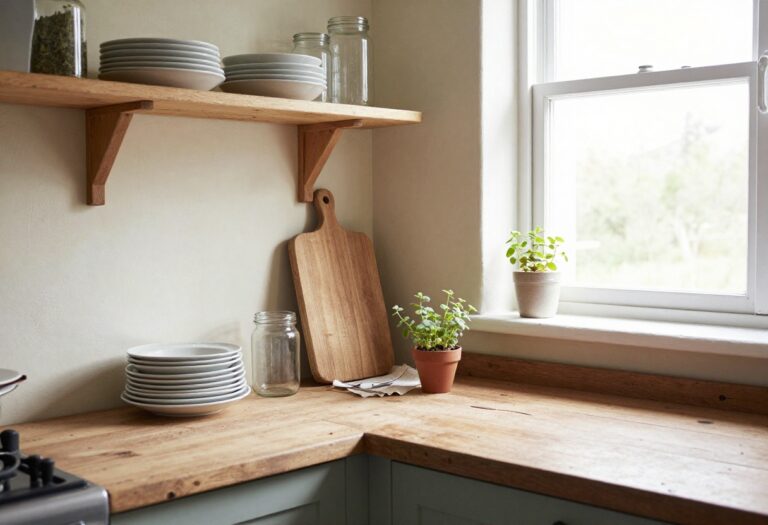
We're talking built-in benches with hidden compartments, tables that double as prep stations, and decor that pulls double duty. Every suggestion is designed to keep your space functional without sacrificing that warm, lived-in feel.
1. Built-In Banquette with Hidden Storage
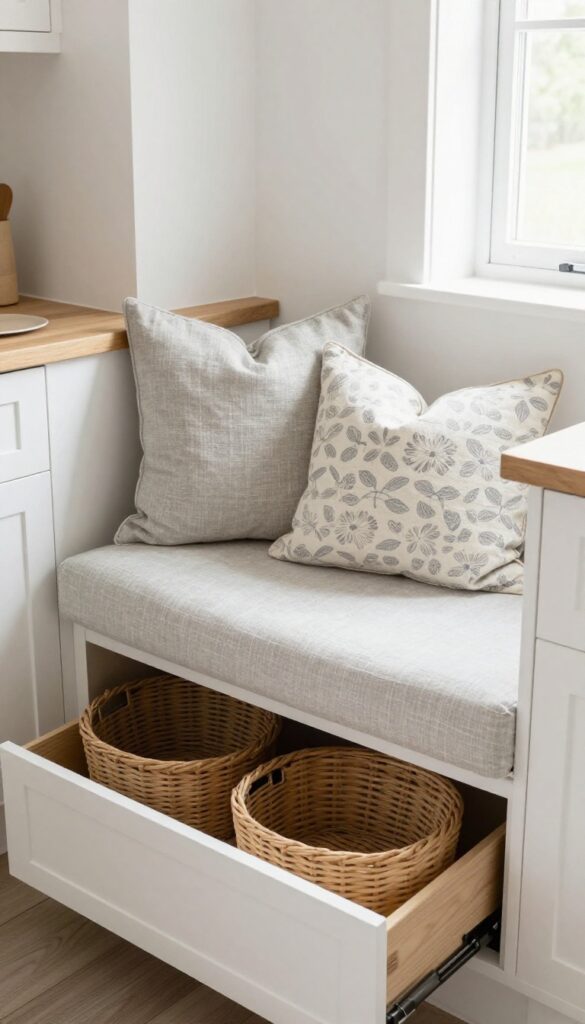
Picture a cozy corner where morning coffee feels like a warm hug and dinner conversations linger a little longer. A built-in banquette does exactly that—it turns an empty nook into your favorite spot in the kitchen. The best part?
It’s not just about seating. With hidden storage tucked beneath, you can stash linens, cookbooks, or even that extra set of dishes without cluttering your cabinets.
Why It Works
A banquette maximizes every inch of your kitchen by combining seating with storage. The built-in design keeps the area looking clean and intentional, while drawers or lift-up seats hide away items you don’t need daily. It’s a smart solution for small kitchens where every square foot counts.
Best For
This idea shines in eat-in kitchens with an unused corner or an awkward alcove. It’s also perfect for families who need extra storage for kid-friendly tableware or seasonal serving pieces. If you love hosting casual meals but hate clutter, this is your match.
Styling Tip
Keep the banquette feeling light and inviting by using a neutral cushion fabric like linen or cotton in soft gray or beige. Add a couple of toss pillows in a subtle pattern for comfort without overwhelming the space. For the storage, use woven baskets inside the drawers to keep smaller items organized and easy to grab.
2. Round Pedestal Table for Tight Spots
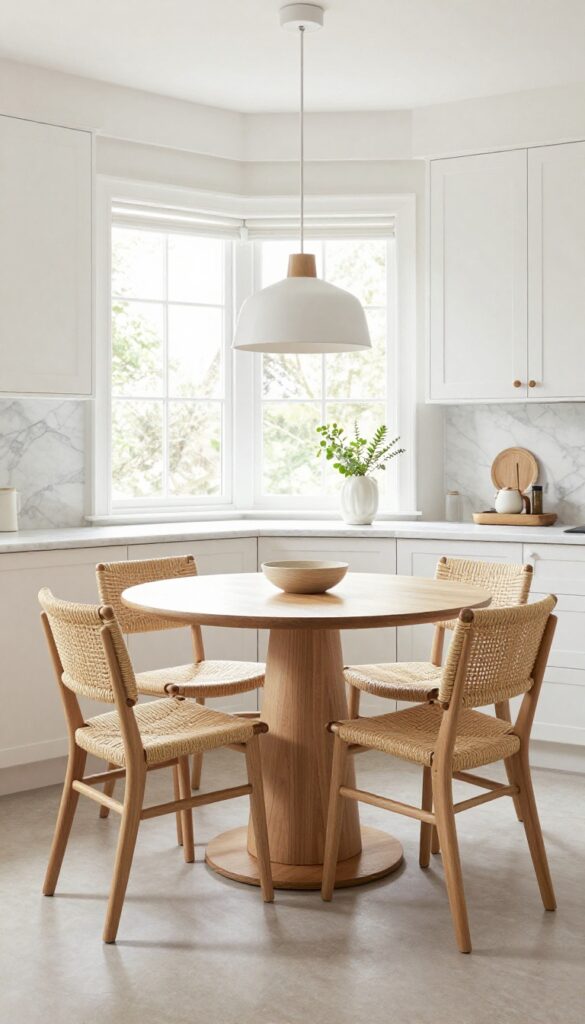
A round table with a pedestal base can be a lifesaver in a compact eat-in kitchen. Without legs at the corners, you can slide chairs in from any angle and even tuck the table closer to a wall when you need extra floor space. The curved shape softens the room's geometry, making the area feel more open and less cluttered.
Why It Works
The single central support frees up legroom for everyone seated, so no one is straddling a table leg. Plus, the round shape naturally encourages conversation because everyone faces each other without a sharp corner between them. In a small space, that social ease makes everyday meals feel more inviting.
Best For
Tight eat-in nooks, breakfast corners, or any kitchen where you need to maximize floor space while still having a spot for casual dining. It also works well in galley kitchens or L-shaped layouts where a rectangular table would block traffic flow.
Styling Tip
Choose a pedestal table with a slim base to keep the visual weight light—a turned wood or metal column in a neutral finish blends easily with most decor. Pair it with two or three stackable chairs that can be tucked away when not in use, and add a small pendant light directly above to define the zone without taking up counter space.
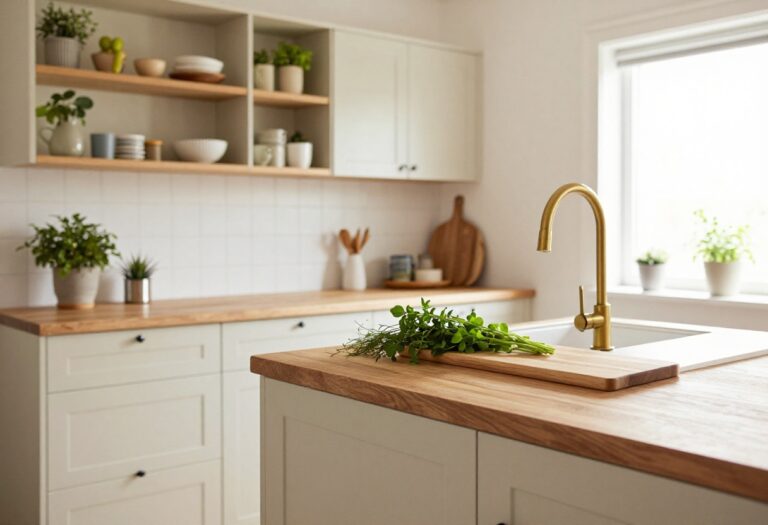
3. Open Shelving Above the Table
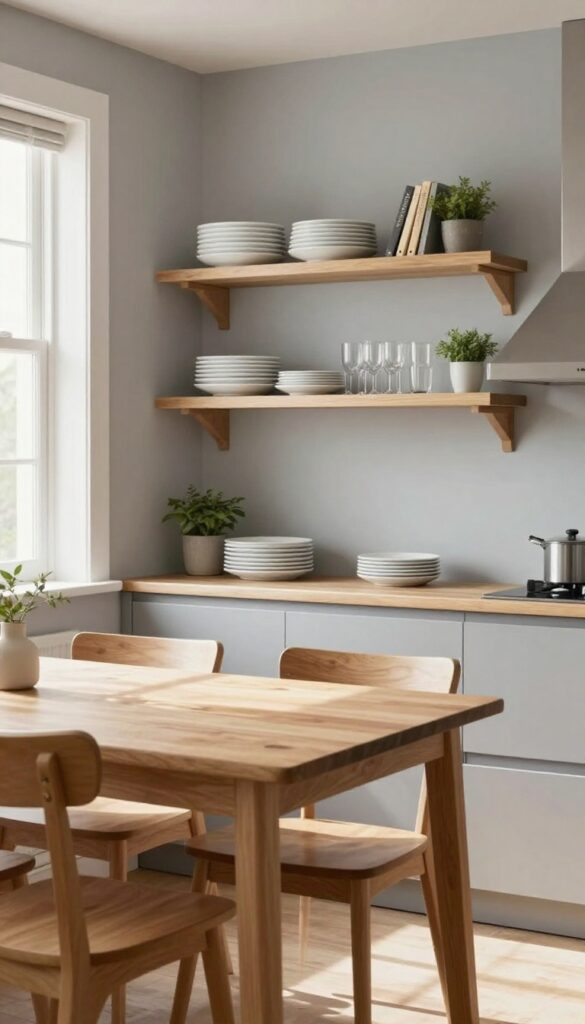
Imagine reaching for a plate or a glass without ever leaving your seat. That’s the beauty of open shelving mounted just above your eat-in table. It turns mealtime into a relaxed, grab-and-go experience while showing off your favorite dishes and cookbooks.
The look is airy and intentional—like a curated café corner in your own home.
Why It Works
Open shelving keeps everyday items within arm’s reach, so you’re not constantly jumping up to grab a bowl or a napkin. It also frees up lower cabinets for bulkier storage, making your kitchen feel more spacious and organized without sacrificing style.
Best For
This idea shines in small to medium kitchens where every inch counts, especially if you have a dedicated dining nook or breakfast area. It’s also great for renters who can install lightweight floating shelves without major renovations.
Styling Tip
Mix function with personality: stack white dinner plates on one shelf, line up clear glassware on another, and tuck a few slim cookbooks or a small plant in between. Keep the palette neutral to avoid visual clutter—think warm wood tones against white or soft gray walls.
4. Drop-Leaf Table That Expands When Needed
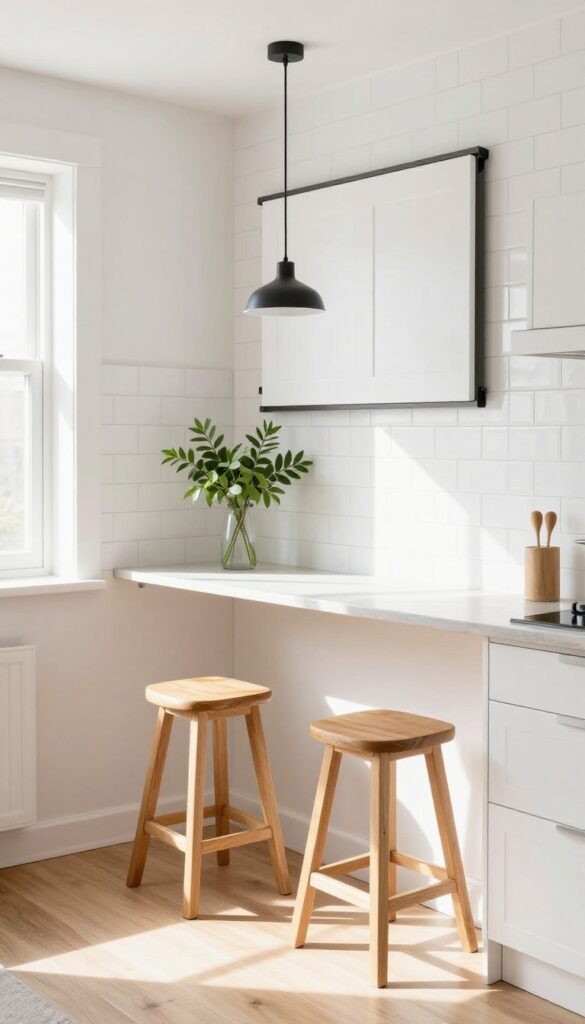
A wall-mounted drop-leaf table is the ultimate space-saver for a tiny kitchen. When you're not eating, it folds flat against the wall, freeing up precious floor space. But flip up those leaves, and suddenly you have a proper dining spot for two or three.
It's like having a table that disappears when you don't need it.
Why It Works
This setup gives you a dedicated eating area without permanently sacrificing square footage. The fold-down design means you can use that wall for other things—like extra counter space or open shelving—when the table is tucked away. Plus, it keeps your kitchen feeling open and uncluttered.
Best For
Tiny kitchens where every inch counts, especially galley layouts or narrow breakfast nooks. It's also great for studio apartments where the kitchen doubles as the dining room. If you rarely host big dinner parties but want a spot for quick meals, this is your solution.
Styling Tip
Choose a drop-leaf table with a slim profile and a finish that matches your cabinetry or adds a warm wood accent. Keep a couple of lightweight stools nearby that can slide under the table when folded. Add a small pendant light above to define the dining zone even when the table is down.
5. Window Bench with Cushion Storage
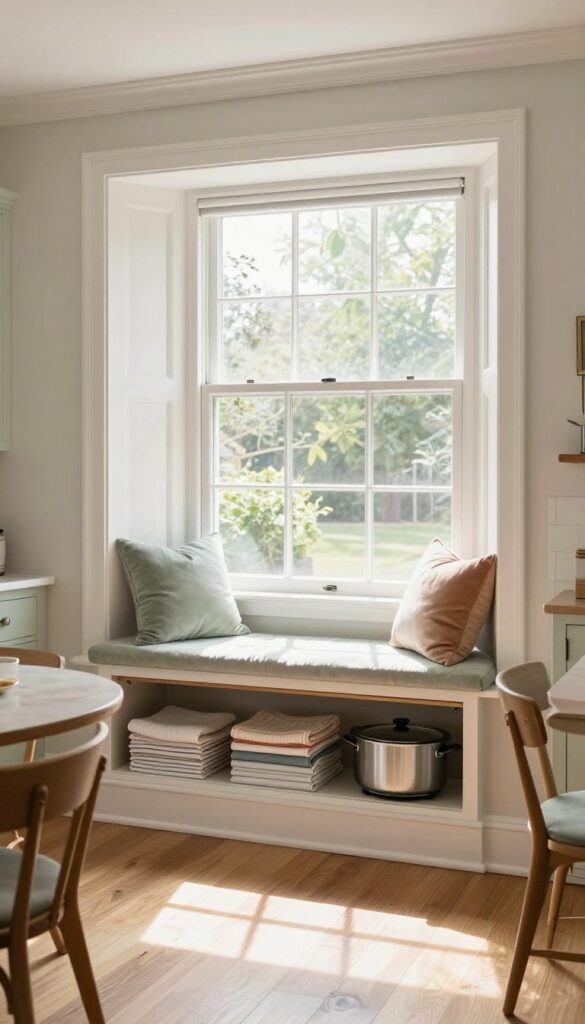
Imagine tucking a stack of holiday linens or that bulky slow cooker right under your favorite seat. A window bench with a hinged top does exactly that—turns what could be wasted floor space into a hidden catchall. Plus, it gives you a built-in spot to perch with your morning coffee, making even the smallest eat-in kitchen feel more inviting.
Why It Works
The lift-up lid lets you store oversized or seasonal items that don't have a home elsewhere, like tablecloths, extra placemats, or small appliances. Because the storage is hidden, the kitchen stays visually clutter-free while you gain serious function from an area that often goes unused.
Best For
This idea shines in kitchens with an existing bay window or a deep alcove where a standard table won't fit. It's also great for narrow eat-in spaces where every inch of storage counts and you want to keep the floor plan open.
Styling Tip
Choose a cushion in a durable, stain-resistant fabric like indoor-outdoor performance velvet or a textured cotton blend. Keep the color light to reflect natural light—think warm ivory, soft sage, or pale terracotta—and add two throw pillows for extra coziness.
6. Narrow Console Table as a Breakfast Bar
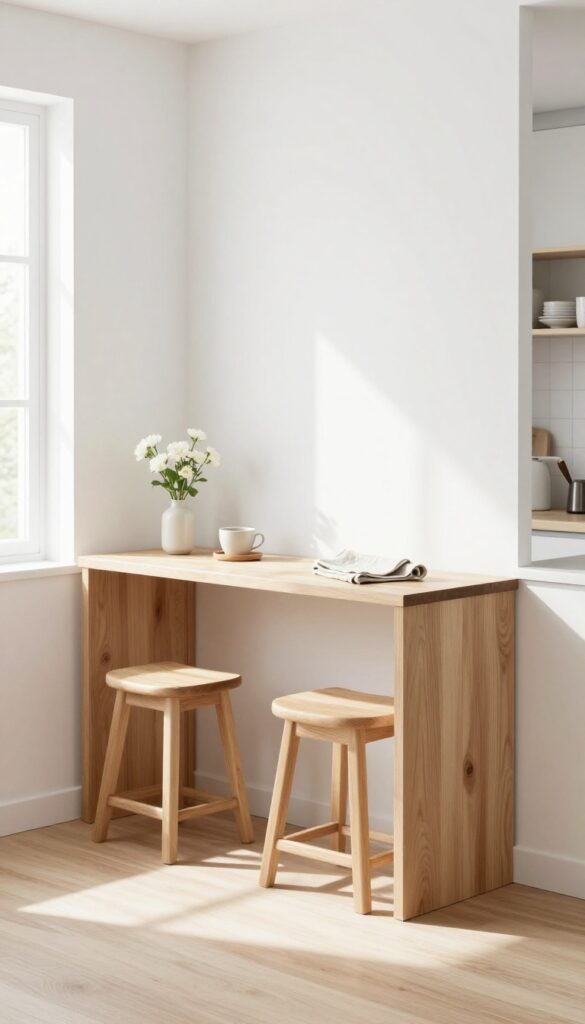
If your kitchen is tight on square footage but you still want a spot to sit and sip your morning coffee, a narrow console table might be the answer. This isn't about squeezing in a bulky island or a full dining set—it's about using a slim piece of furniture that tucks neatly against a wall. With a couple of stools tucked underneath, it becomes an instant breakfast bar that feels intentional, not makeshift.
Why It Works
A console table takes up almost no floor space compared to a traditional table or island, yet it gives you a dedicated surface for quick meals. It also adds storage potential: the tabletop can hold trays, fruit bowls, or decorative objects, while some consoles come with shelves or drawers for extra kitchen essentials.
Best For
This idea is perfect for galley kitchens, small eat-in nooks, or any kitchen where every inch counts. It also works well in open-plan layouts where you want to define the dining area without blocking sightlines.
Styling Tip
Choose a console with a slim profile—around 12 to 18 inches deep—so it doesn't jut into walkways. Pair it with backless stools that slide completely under when not in use. For warmth, add a wooden cutting board or a small lamp on top to make the space feel cozy rather than utilitarian.
7. Magnetic Knife Strip on the Wall
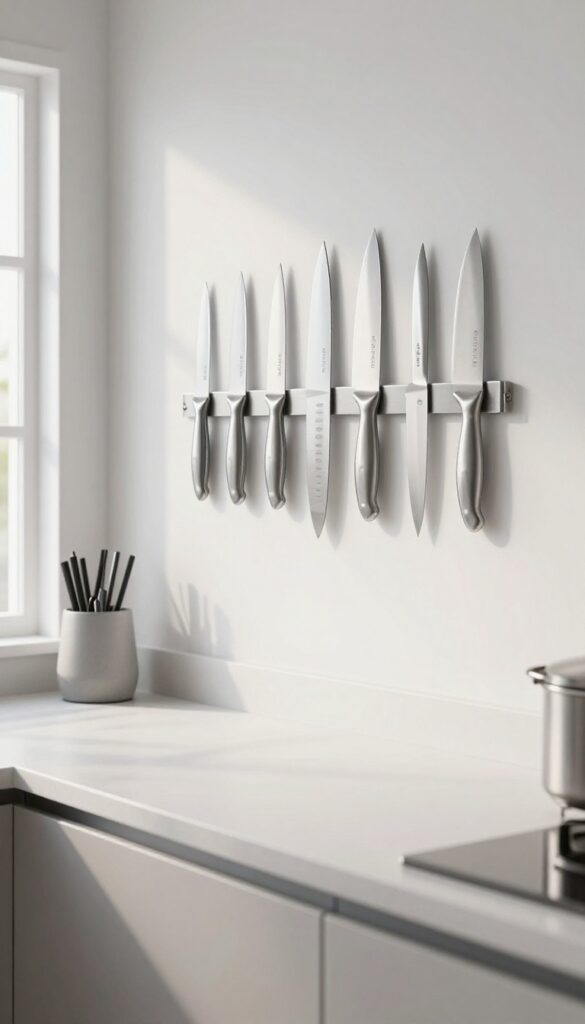
Wall space above a dining nook or breakfast bar often goes unused. A magnetic knife strip changes that by turning a blank wall into a functional, stylish storage zone. It keeps your most-used blades within arm’s reach while adding a subtle industrial edge to the room.
The look is clean and modern, with knives floating in midair rather than cluttering a drawer.
Why It Works
It frees up valuable drawer space and keeps knives organized and visible. You can grab what you need without rummaging, and the magnetic hold is strong enough for heavy chef’s knives. Plus, it reduces the risk of dulling blades from jostling against other utensils.
Best For
Small eat-in kitchens where counter and drawer space are tight. It also suits open layouts where you want cooking tools to feel like part of the decor rather than hidden clutter.
Styling Tip
Choose a strip in brushed stainless steel or matte black to match your hardware. Mount it at eye level or slightly lower so it’s easy to reach from the table. Arrange knives by size for a balanced, gallery-like display.
8. Rolling Cart as a Mobile Sideboard
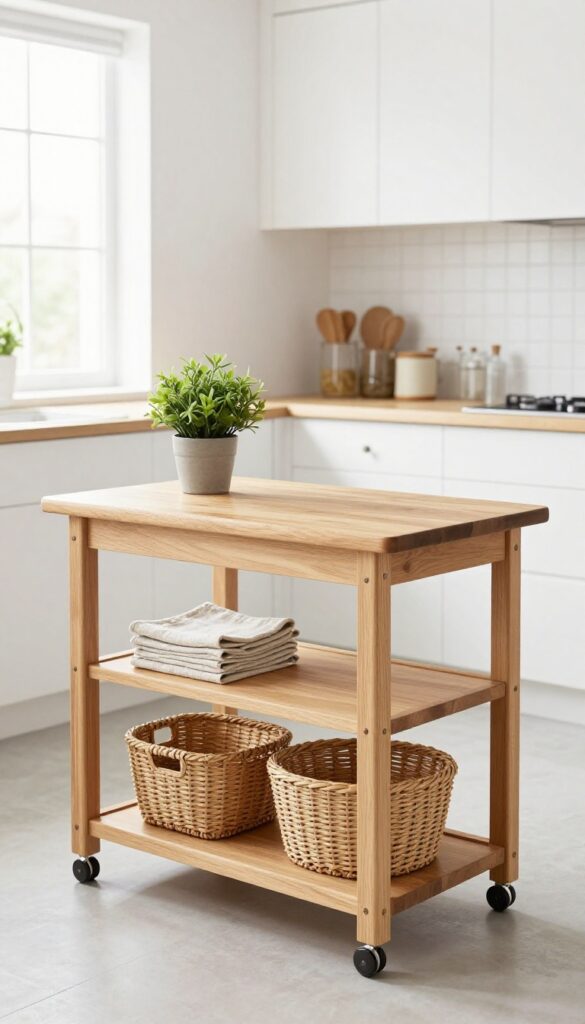
A rolling cart might sound like a dorm room staple, but in a real kitchen it’s a surprisingly elegant workhorse. Think of it as a mini sideboard on wheels—perfect for stashing extra dinner plates, napkins, or that second coffee maker you can’t live without. When guests pop over, you just roll it to the table for serving, then tuck it back into a corner when the meal’s done.
It’s the kind of flexible storage that makes small kitchens feel bigger and busy kitchens feel calmer.
Why It Works
The beauty of a rolling cart is its dual purpose: it stores items you’d otherwise clutter your countertops with, and it brings everything right where you need it during meals. No more running back and forth to grab a serving spoon or an extra bowl. Plus, because it moves, you can reposition it to suit your workflow or even use it as a temporary prep station.
Best For
This idea shines in eat-in kitchens where table space is tight and cabinet storage is maxed out. It’s also a lifesaver for open-plan layouts where you want to keep the kitchen clutter-free but still have everyday dishes within arm’s reach.
Styling Tip
Choose a cart with a wooden or butcher-block top for warmth, and add a few woven baskets on the lower shelf to hide less pretty items like plastic containers. Keep the top surface simple—maybe a small plant or a stack of linen napkins—so it feels intentional, not crowded.
9. Pegboard Wall for Hanging Cookware
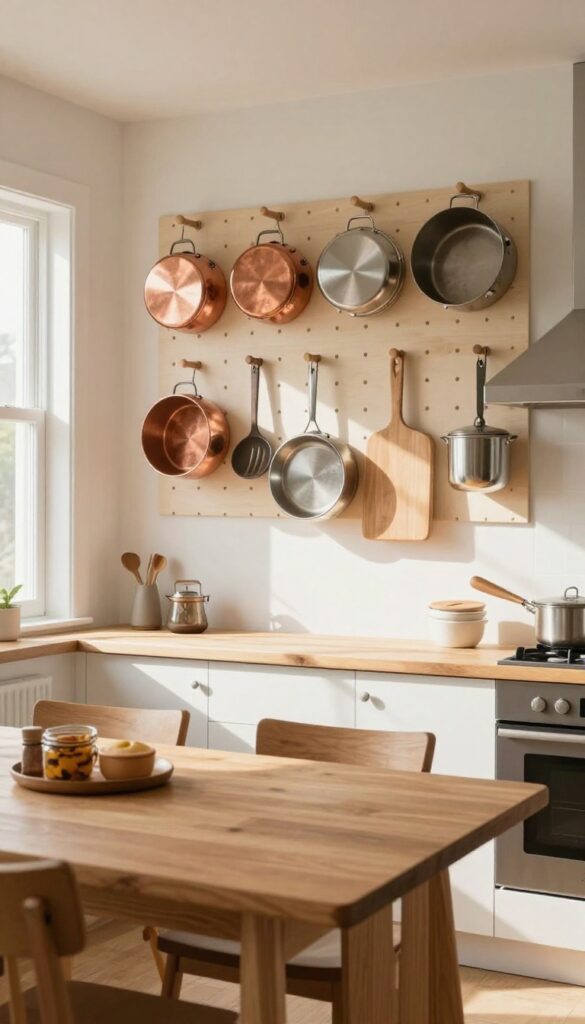
Think of your cookware as art waiting to be hung. A pegboard behind the table does exactly that, turning everyday pots and pans into a functional wall display. It clears out cabinet clutter while adding a warm, lived-in feel to your kitchen.
The look is part workshop, part cozy diner—and it works surprisingly well in small spaces.
Why It Works
It’s the ultimate storage-smart solution: you reclaim cabinet space and keep your most-used items within arm’s reach. Plus, the visual mix of metal, wood, and colorful handles adds texture without needing extra decor.
Best For
Small eat-in kitchens where every inch counts, or open-plan layouts where you want to define the dining zone with a feature wall.
Styling Tip
Stick to a limited color palette—copper or stainless steel with neutral hooks—to keep it from looking cluttered. Arrange cookware by size or frequency of use, and leave some empty hooks for a balanced composition.
10. Corner Shelf Unit for Glassware Display
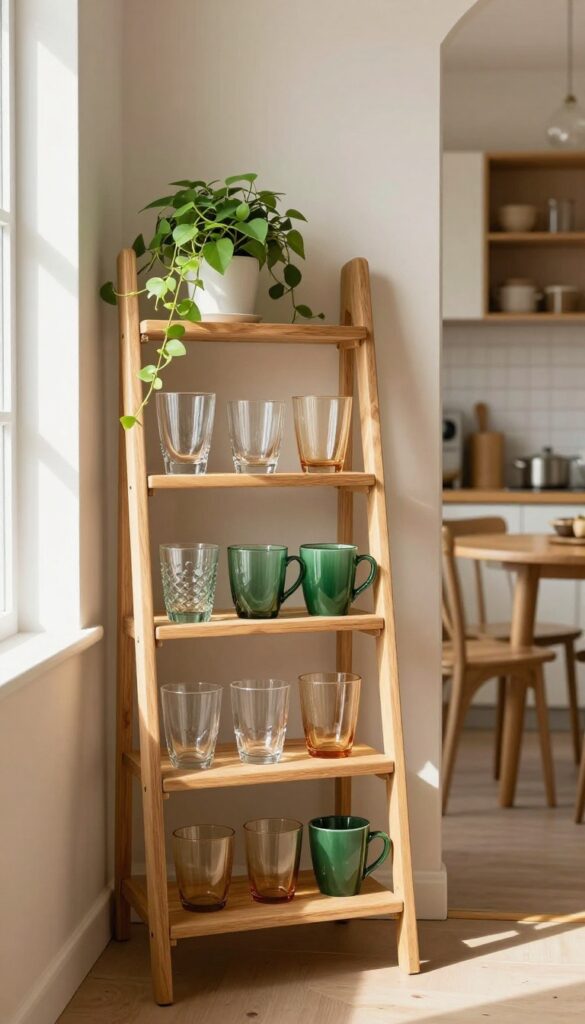
That awkward corner next to your eat-in table doesn't have to stay empty. A corner étagère or ladder shelf turns it into a functional display spot for everyday glasses and mugs. Suddenly, your morning coffee feels a little more intentional with your favorite ceramic cups within arm's reach, and the space stops feeling like a dead zone.
Why It Works
It transforms wasted square footage into vertical storage that keeps daily-use items accessible without cluttering the table or countertops. The open design also makes it easy to grab a glass while serving drinks during meals, cutting down on trips back and forth.
Best For
Small eat-in kitchens where every inch counts, especially if you have a collection of glassware or colorful mugs you want to show off rather than hide in cabinets. It also works well in rental kitchens where you can't add permanent shelving.
Styling Tip
Stick to a cohesive color palette for the glassware—think clear glass with one accent color like amber or emerald green—to keep the shelf looking curated. Add a small trailing plant on the top shelf to soften the edges and bring in some life.
11. Under-Table Drawers for Flatware and Napkins
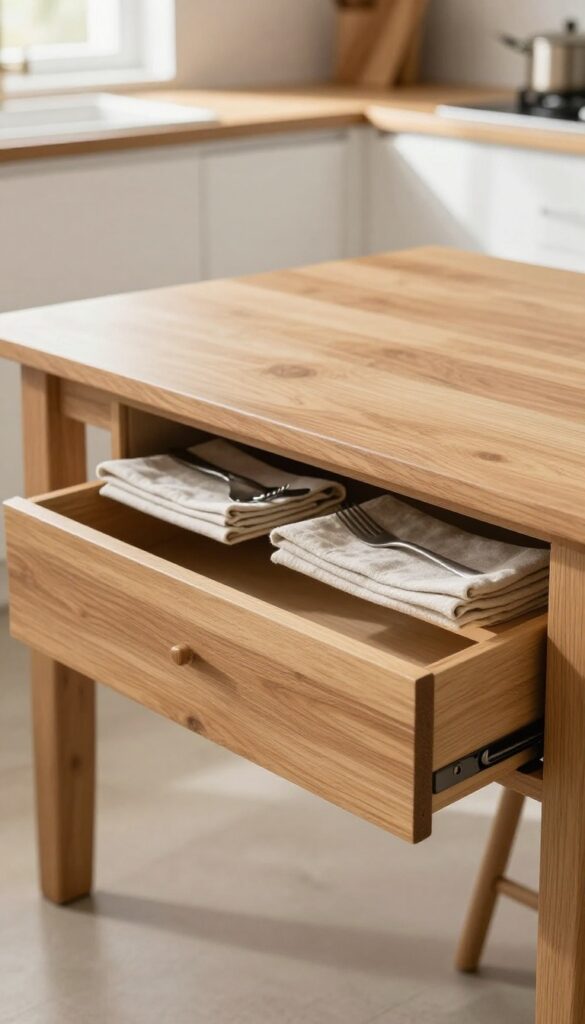
Shallow drawers mounted right under the tabletop are one of those ideas that make you wonder why every eat-in kitchen doesn’t have them. They keep forks, spoons, knives, and cloth napkins within arm’s reach during meals, so you never have to get up mid-bite. The look is clean and almost hidden—when closed, the drawers blend into the table’s edge, preserving a streamlined silhouette.
Why It Works
It eliminates the need for a bulky sideboard or credenza, freeing up floor space in tight kitchens. Everything you need for setting the table is stored exactly where you’ll use it, making daily meals feel more effortless and organized.
Best For
Smaller eat-in kitchens where every square inch counts. Also ideal for families who eat most meals at the table and want to streamline the pre-meal routine without cluttering the surface.
Styling Tip
Choose a wood tone that matches or subtly contrasts with your tabletop—like a warm walnut under a white oak table. Add slim leather pulls or brass finger pulls for a refined touch that won’t snag clothes.
FAQ
How do I make a small eat-in kitchen feel cozy?
Layer textures like a soft rug, woven placemats, and warm lighting. Use a round table to maximize flow, and add open shelving for an airy feel.
What's the best table shape for a narrow kitchen?
A rectangular drop-leaf or a round pedestal table works well. Both save space and allow easy movement around the room.
How can I add storage without making the room feel cramped?
Use vertical solutions like wall shelves, pegboards, or hanging racks. Built-in banquettes with hidden storage also keep clutter out of sight.
What seating works best for an eat-in kitchen?
Backless stools or benches slide under the table when not in use. Upholstered banquettes add comfort and can include storage underneath.
Can I have an eat-in kitchen if I have very little floor space?
Absolutely. A wall-mounted drop-leaf table or a narrow console with stools creates a dining spot without taking up permanent floor area.
Conclusion
Creating a cozy eat-in kitchen doesn't require a major renovation—just a few smart choices that blend storage with style. From hidden drawers to mobile carts, each idea helps you make the most of your space while keeping meals inviting.
Pick one or two ideas that fit your kitchen's layout and watch how small changes transform your daily routine. After all, the best meals are the ones shared in a space that feels like home.