8 Under Deck Patio Ideas for Extra Living Space
Unused space under a deck usually turns into storage chaos or a forgotten corner that collects dust and random outdoor items.
Most homeowners build upward but completely ignore the square footage sitting right beneath their feet. That gap between ground and deck framing quietly holds serious potential if you approach it with intention instead of treating it like leftover space.
I’ve seen people spend thousands expanding patios while perfectly usable covered space already existed in their backyard. Once you start viewing under-deck areas as outdoor rooms instead of leftover construction space, design decisions become surprisingly easy.
Let’s talk about ways to turn that awkward zone into something you’ll actually use.
1. Cozy Under Deck Lounge Area
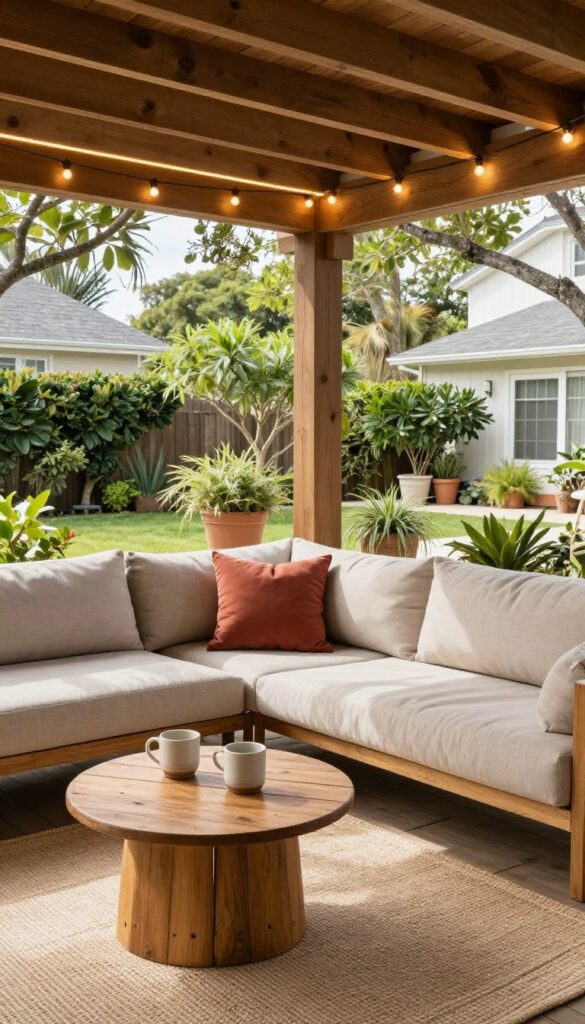
Most patios fail because they try to do too much instead of doing one thing well. A lounge setup under the deck works beautifully because the overhead structure already creates shade, making the space naturally comfortable without extra installations. I tried this approach at a friend’s place, and honestly, it became the most used hangout spot in the entire backyard.
Instead of forcing dining furniture or decorative pieces, focus on comfort first. Think of it as an outdoor living room rather than patio furniture squeezed into leftover square footage. The goal is relaxation, not perfection.
Why This Works
The deck above acts like a built-in ceiling, controlling sunlight and temperature better than open patios. That protection allows softer furnishings, layered textures, and longer usability throughout the year.
People naturally gather where seating feels inviting, and enclosed overhead spaces psychologically feel safer and cozier. You’re essentially creating a defined room outdoors without building walls.
How to Do It
- Start with a weather-resistant outdoor sofa or sectional sized to fit the space proportionally
- Add an outdoor rug to visually anchor the seating area
- Install warm string lights or low-profile LED strips under deck beams
- Include a small coffee table for drinks and practical use
- Add side tables instead of bulky storage furniture
Each step builds comfort gradually instead of overwhelming the area.
Style & Design Tips
Stick to soft neutral cushions with one or two accent colors rather than mixing too many patterns. Low seating works better because deck ceilings can sometimes feel visually heavy.
Avoid oversized furniture since it makes the area feel cramped. A common mistake is treating outdoor seating like indoor furniture scale, which rarely fits well under decks.
Pro Tip or Budget Hack
Use indoor throw pillows with removable waterproof covers instead of expensive outdoor pillows. You’ll save money and get far better design options.
2. Under Deck Dining Zone
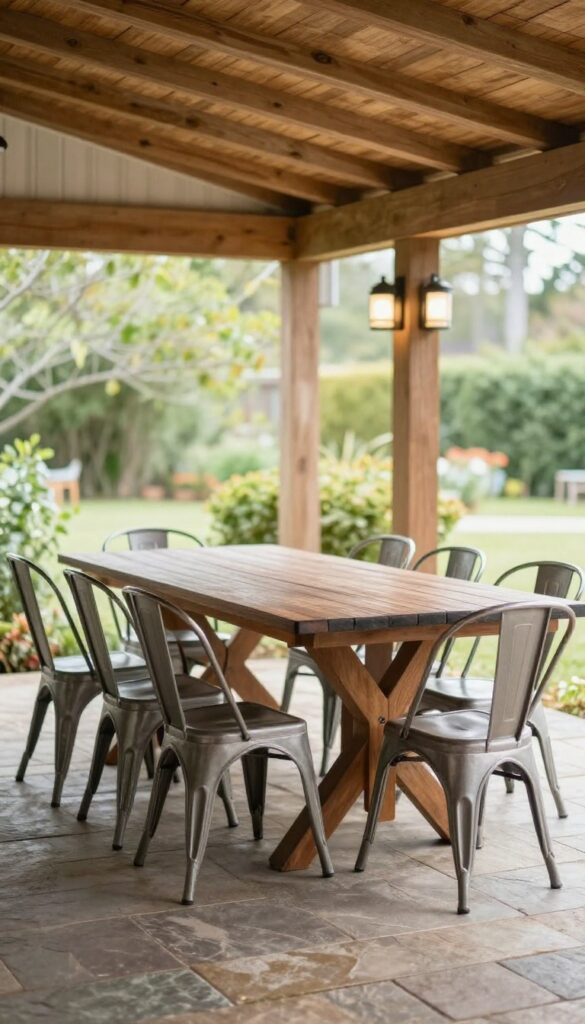
Outdoor dining sounds great until direct sun or unexpected rain ruins the experience. Under-deck dining solves both problems instantly because the overhead structure naturally shelters meals without needing umbrellas or pergolas. I learned quickly that people stay longer at the table when they aren’t battling heat or glare.
This setup works especially well for families who entertain casually rather than hosting formal backyard dinners. You get usability without complicated planning.
Why This Works
Covered dining areas extend meal time because guests remain comfortable. Shade reduces temperature swings, and the defined overhead space creates an intimate atmosphere that feels intentional.
The structure also improves acoustics slightly, making conversations feel closer and less scattered compared to open yards.
How to Do It
- Choose a rectangular or round dining table depending on available width
- Position the table centrally for easy walking paths
- Install a moisture-resistant ceiling panel or drainage system above if needed
- Add wall-mounted lighting instead of hanging fixtures
- Include stackable chairs for flexibility
Keeping pathways clear prevents the space from feeling boxed in.
Style & Design Tips
Use mixed materials like wood tables with metal chairs for durability and visual balance. Darker tabletops hide outdoor wear better than light finishes.
Avoid heavy table decor because wind and outdoor movement quickly turn decoration into clutter. Simple centerpieces always win outdoors.
Pro Tip or Budget Hack
Indoor dining chairs sealed with exterior polyurethane often cost less than outdoor furniture and look more stylish. I’ve done this before, and guests never notice the difference.
3. Outdoor Movie or Entertainment Corner
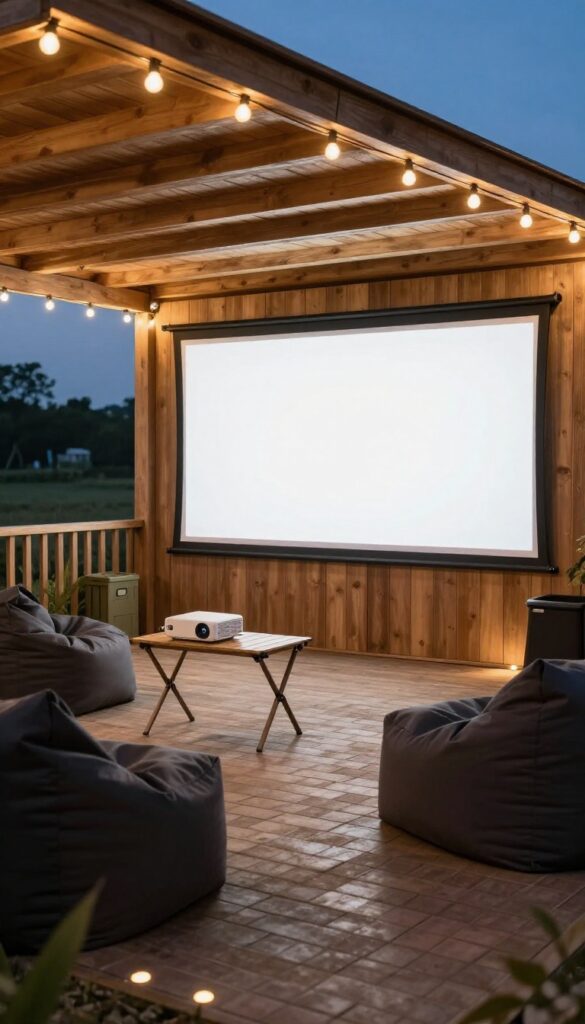
People love backyard movie nights, but setting them up in open spaces usually becomes a logistical headache. Under-deck areas naturally block excess light and create the perfect viewing environment without complicated structures. The first time I watched a movie under a deck setup, I realized how much better the sound and visibility felt.
This idea turns unused space into something genuinely memorable.
Why This Works
The deck ceiling reduces glare and improves screen visibility during evenings. Enclosed overhead spaces also help contain sound slightly, creating a more immersive experience.
Because the setup stays semi-protected, electronics last longer compared to exposed patios.
How to Do It
- Mount a retractable projector screen to deck beams
- Use a portable projector stored indoors when not in use
- Arrange lounge seating or outdoor bean bags facing the screen
- Add subtle ground lighting for safe movement
- Use weatherproof storage bins for accessories
Each element keeps the setup flexible and easy to maintain.
Style & Design Tips
Choose dark or muted seating colors to reduce visual distraction during movies. Keep décor minimal so attention stays on the screen.
Avoid placing the screen where rainwater may drip from deck gaps. That mistake ruins equipment faster than anything else.
Pro Tip or Budget Hack
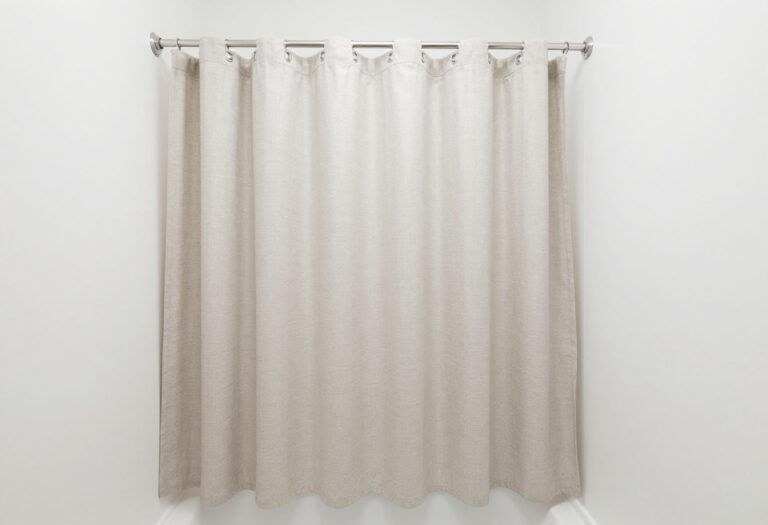
A white outdoor curtain works surprisingly well as a projector screen. It’s inexpensive and easy to replace if weather eventually wears it out.
4. Functional Outdoor Kitchenette
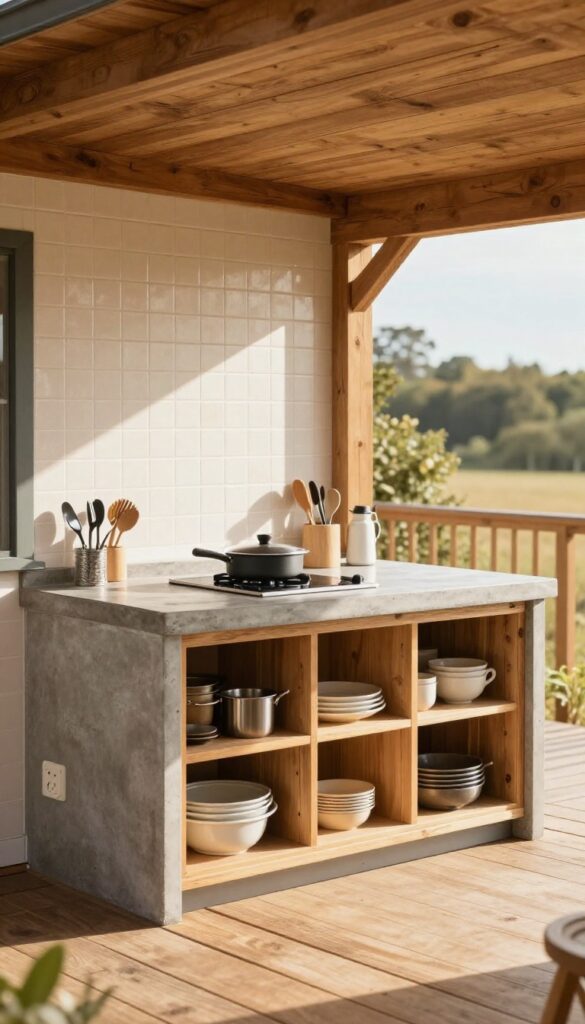
Full outdoor kitchens can get expensive fast, but a small kitchenette under the deck feels practical and achievable. Having a prep station nearby eliminates constant trips indoors, which honestly gets annoying during gatherings. I’ve noticed hosts relax more when everything stays within reach.
You don’t need fancy appliances to make this work.
Why This Works
The overhead deck protects appliances and countertops from direct exposure, increasing longevity. Shade also keeps food prep comfortable even during warmer months.
A compact setup encourages efficiency instead of excess.
How to Do It
- Install a weatherproof counter or repurposed cabinet base
- Add a small electric grill or portable cooktop
- Include shelving for utensils and serving items
- Use outdoor-safe backsplash materials like tile or metal panels
- Ensure access to nearby power outlets safely
Focus on workflow rather than size.
Style & Design Tips
Use durable surfaces like concrete or sealed wood for counters. Matching finishes with deck materials helps the kitchenette feel intentional instead of temporary.
Avoid overcrowding with appliances you rarely use.
Pro Tip or Budget Hack
Old kitchen cabinets sealed with exterior paint make excellent outdoor bases. I’ve seen stunning setups built entirely from recycled indoor materials.
5. Relaxing Hammock or Reading Nook
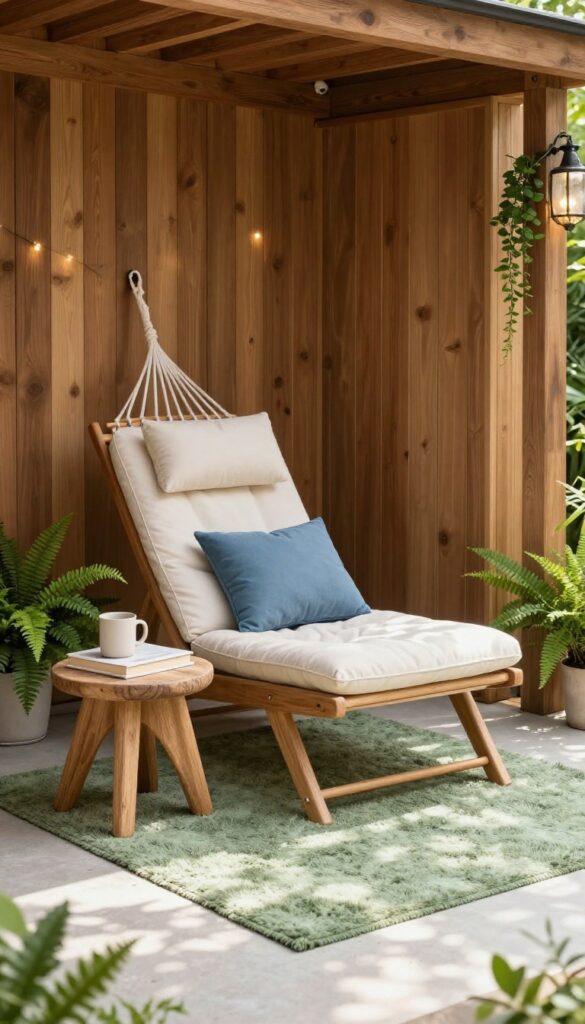
Not every outdoor space needs social energy. Sometimes you just want a quiet corner where nobody asks you to host anything, and under-deck areas naturally create that tucked-away feeling. A hammock or reading nook turns unused space into a personal escape without major renovations.
This is easily one of my favorite transformations because it feels effortless yet impactful.
Why This Works
Partial enclosure reduces distractions and wind exposure, making relaxation easier. Shade also protects books, cushions, and fabrics from fading quickly.
The smaller footprint encourages intentional design instead of clutter.
How to Do It
- Install hammock hooks into structural beams safely
- Add a compact lounge chair if hammocks aren’t practical
- Include a small side table for drinks or books
- Use layered outdoor rugs for softness
- Add subtle lighting for evening use
Comfort should guide every decision here.
Style & Design Tips
Stick to calming colors like soft greens, creams, or muted blues. Too many bold colors defeat the peaceful purpose of the space.
Avoid overdecorating walls or posts since visual noise disrupts relaxation.
Pro Tip or Budget Hack
Use indoor floor cushions treated with fabric protector spray instead of pricey outdoor seating. They create a cozy vibe without overspending.
6. Kids’ Play Zone or Activity Space
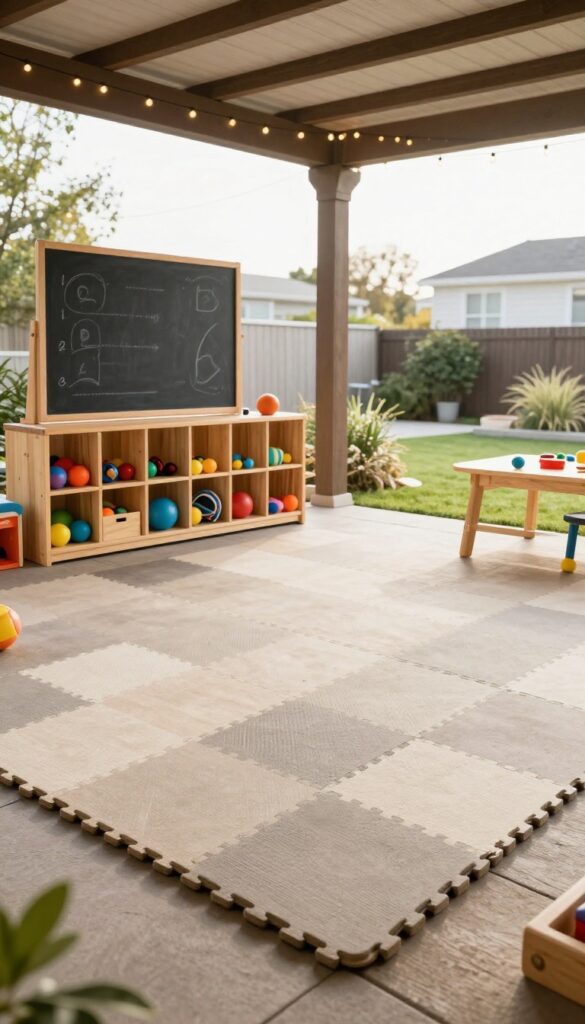
Backyards often lack shaded play areas, which limits how long kids actually use outdoor spaces. Turning the under-deck area into a play zone keeps children protected while still enjoying fresh air. I’ve seen families reclaim backyard time simply by adding a defined activity space.
Parents also appreciate contained mess zones.
Why This Works
The overhead structure shields toys from sun and light rain, reducing cleanup and maintenance. Defined play areas help kids focus activities in one spot instead of spreading toys everywhere.
It creates boundaries without building walls.
How to Do It
- Lay down foam outdoor mats or artificial turf
- Add storage bins for toys and sports equipment
- Include a chalkboard wall or activity panel
- Install soft lighting for visibility
- Keep pathways open for supervision
Organization matters more than decoration here.
Style & Design Tips
Use bright accents sparingly against neutral bases to avoid visual overwhelm. Durable materials always outperform decorative ones in kid spaces.
Avoid fragile décor that quickly becomes a hazard.
Pro Tip or Budget Hack
Repurpose indoor toy shelves coated with outdoor sealant. It’s cheaper and often sturdier than specialty outdoor storage.
7. Garden Retreat or Plant Haven
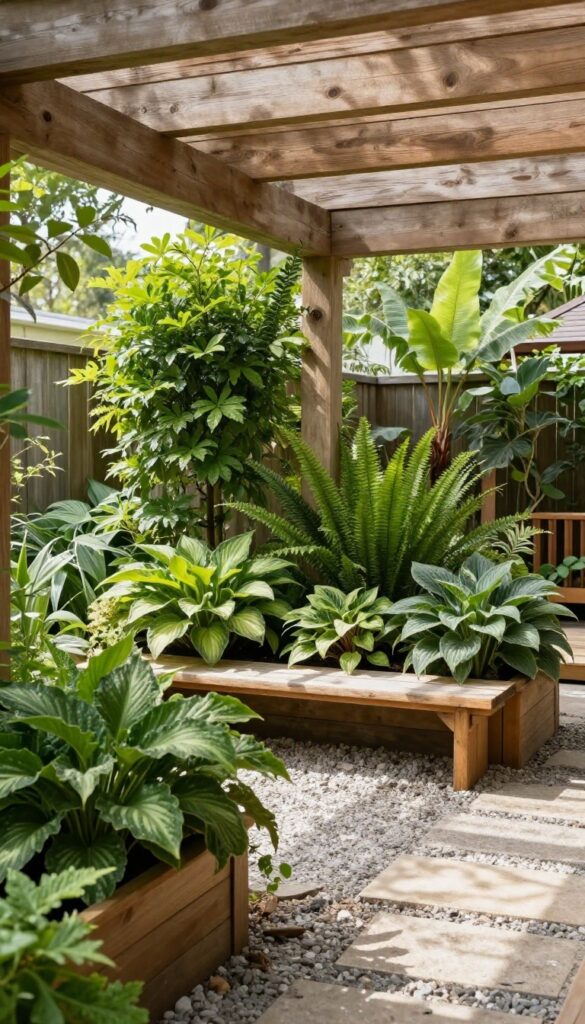
Plants thrive under decks when you choose varieties that prefer filtered light. Many people assume gardens require full sun, but shaded greenery often looks richer and more layered. I experimented with this once and ended up loving the cooler, calmer feel compared to traditional garden beds.
This idea transforms structural space into living décor.
Why This Works
Filtered light reduces plant stress and moisture evaporation. The deck ceiling also protects delicate plants from harsh weather swings.
Vertical layering creates depth even in small spaces.
How to Do It
- Use raised planters or vertical plant stands
- Choose shade-tolerant plants like ferns or hostas
- Install drip irrigation or simple watering systems
- Add gravel or pavers for drainage
- Include a small seating element to enjoy the space
Maintenance becomes easier with thoughtful layout.
Style & Design Tips
Mix different leaf shapes and heights rather than relying on flowers alone. Green textures create visual richness without overwhelming color.
Avoid overcrowding planters since airflow matters in covered areas.
Pro Tip or Budget Hack
Use inexpensive plastic pots placed inside decorative containers. You get style flexibility while making plant swaps simple.
8. Multi-Purpose Storage That Still Looks Stylish
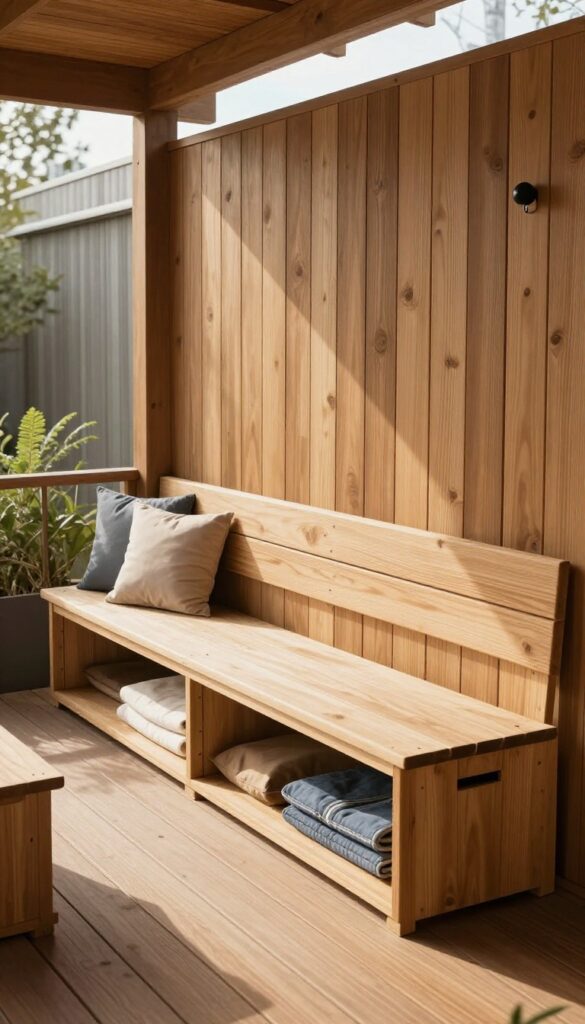
Let’s be honest, every backyard needs storage whether we admit it or not. The trick is designing storage that blends into the patio instead of screaming “utility zone.” Under-deck areas excel at hidden organization because structure already defines boundaries.
I used to think storage ruined aesthetics until I saw how integrated designs actually improve visual calm.
Why This Works
Built-in storage reduces clutter across the rest of the yard. Covered positioning protects tools, cushions, and seasonal items from weather damage.
When storage looks intentional, the entire patio feels more organized.
How to Do It
- Build bench seating with hidden storage compartments
- Install vertical cabinets along one wall
- Use waterproof deck boxes matching furniture colors
- Add hooks for tools or outdoor gear
- Label containers discreetly for easy access
Efficiency comes from accessibility.
Style & Design Tips
Choose matching finishes so storage blends with furniture instead of standing out. Neutral tones help large storage pieces disappear visually.
Avoid mixing too many storage styles, which creates chaos quickly.
Pro Tip or Budget Hack
Paint inexpensive plastic storage boxes the same color as deck posts. They instantly look custom and far more expensive.
Final Thoughts
Under-deck spaces stop feeling awkward the moment you give them a clear purpose. Treating the area like an outdoor room instead of leftover square footage changes every design decision you make.
Start small, experiment, and adjust based on how you actually live outside. The best patios evolve naturally, and honestly, the most successful setups are the ones people use daily without thinking twice about them.