10 Toddler Girl Bedroom Ideas So Cute
Function matters more than fantasy when you’re designing a toddler’s bedroom. The space has to survive toys on the floor, sudden growth spurts, and at least one juice spill a week.
Cute is important, obviously, but if it doesn’t work for real life, it’ll drive you nuts fast.
I’ve learned that the sweet spot sits somewhere between playful and practical. You want charm, but you also want storage, flexibility, and zero daily battles over cleanup. That balance is where the magic actually happens.
1. Soft Pastel Color Palette with Warm Neutrals
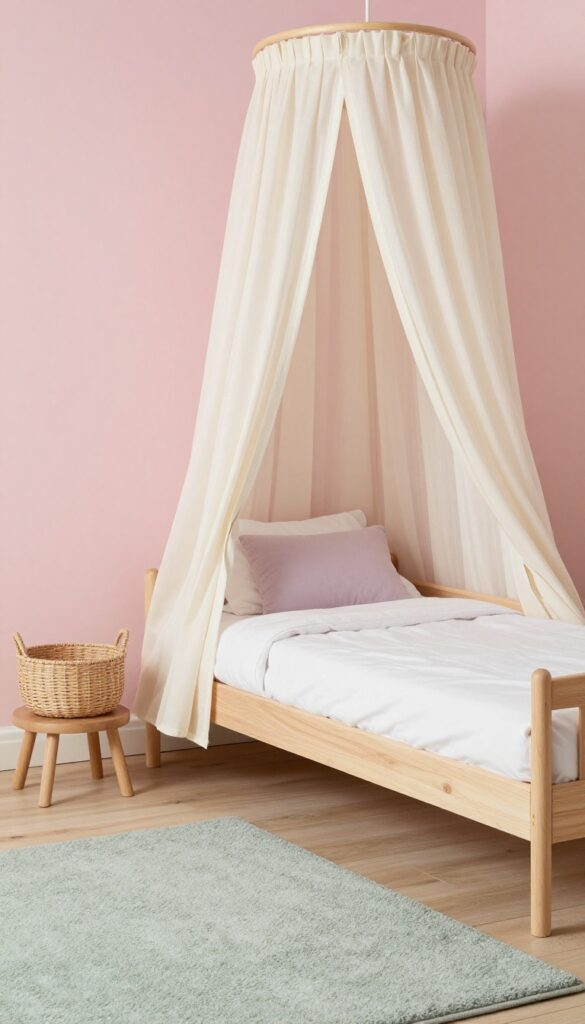
Bright colors look adorable in photos, but they can overwhelm a small toddler room fast. A softer pastel palette mixed with warm neutrals feels calm without looking boring. It also grows better with her, which saves you from repainting in a year.
I’ve tried bold pink walls before, and trust me, they get loud quickly. Pastel blush, sage, or lavender paired with beige or soft white keeps the room sweet but grounded. It feels intentional instead of chaotic.
Why This Works
Soft tones reflect light gently and make small rooms feel bigger. Neutrals give the eye a place to rest, which keeps the space from feeling cluttered even when toys are everywhere.
Pastels also adapt easily to new themes. Swap out accessories, and suddenly the room shifts from baby-cute to big-girl chic without a full makeover.
How to Do It
- Choose one main pastel shade for walls or large décor pieces.
- Pair it with two warm neutrals like cream and light wood.
- Keep furniture mostly neutral so accessories can shine.
- Add texture through rugs or curtains instead of adding more colors.
Each step keeps the space balanced. When you limit the palette, everything else feels easier to coordinate.
Style & Design Tips
Stick to muted pastels, not neon or candy shades. Glossy finishes can look harsh, so go with matte or eggshell for walls.
Avoid mixing too many pastel tones together. Two is charming; five looks like a cupcake exploded.
Pro Tip or Budget Hack
If repainting isn’t an option, use removable wallpaper in a soft pastel pattern on one accent wall. It gives you that dreamy feel without committing long-term or spending a fortune.
2. Canopy Bed Corner for a Cozy Nook
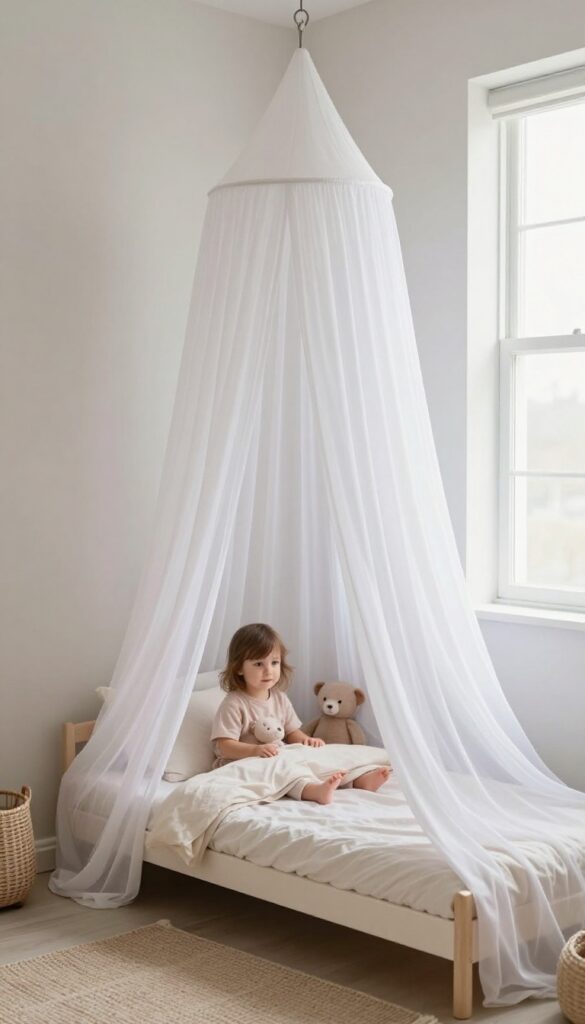
Toddlers love feeling tucked in and secure. A simple canopy draped over the bed instantly creates that cocoon effect without major construction. It turns an ordinary toddler bed into something that feels special.
I added a canopy once just to test it, and bedtime resistance dropped noticeably. There’s something about that enclosed feeling that makes it cozy instead of scary.
Why This Works
A canopy visually defines the sleep area. It signals that this is a calm zone, separate from the play chaos happening elsewhere.
It also adds vertical interest. In smaller rooms, drawing the eye upward makes everything feel taller and more styled.
How to Do It
- Install a secure ceiling hook directly above the bed.
- Choose lightweight, breathable fabric.
- Let the canopy fall just around the sides of the mattress.
- Keep it high enough to avoid tangling during playtime.
Safety comes first, so anchor everything firmly. Toddlers will test it, guaranteed.
Style & Design Tips
Go with soft white, blush, or dusty lavender for a dreamy vibe. Avoid heavy fabrics that collect dust or feel bulky.
Keep the bedding simple if the canopy is detailed. Balance matters more than layering everything at once.
Pro Tip or Budget Hack
Sheer curtain panels from a basic home store work perfectly as canopy fabric. They cost way less than specialty kids’ décor and look just as cute.
3. Low Open Toy Shelving for Easy Access
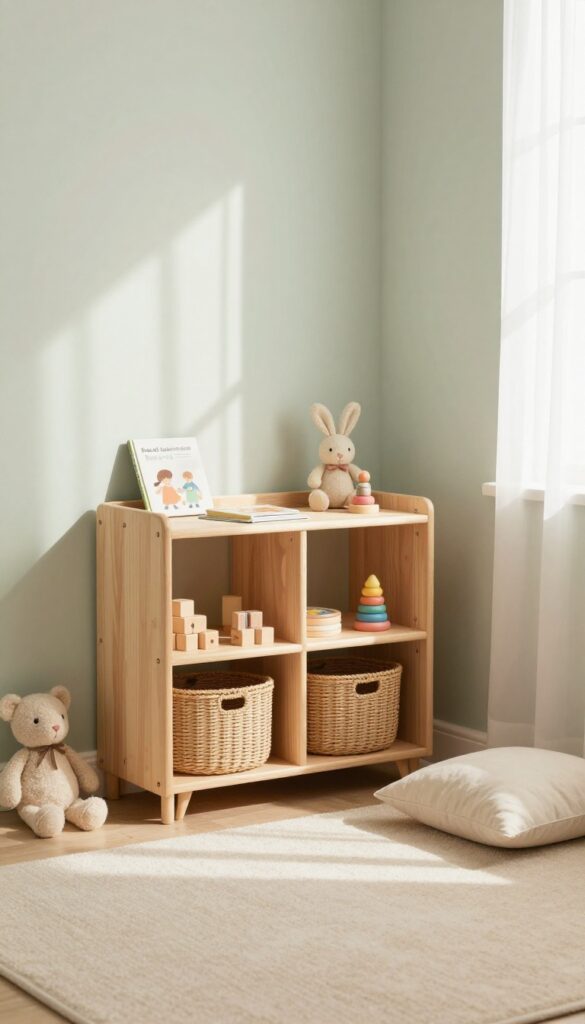
Closed bins hide clutter, but they also hide toys from toddlers. Low, open shelving lets her see what she owns and actually use it. It also encourages independence, which feels like a small parenting win.
I noticed fewer “I’m bored” complaints when toys were visible and reachable. Kids don’t dig through closed storage; they give up.
Why This Works
Toddlers thrive on accessibility. When everything sits at eye level, they feel capable instead of dependent.
Open shelving also forces you to edit toys regularly. Less clutter equals a calmer room, and that helps everyone.
How to Do It
- Choose a shelf no taller than her shoulder height.
- Use baskets on lower levels for small pieces.
- Display books face-forward so covers show.
- Rotate toys every few weeks to keep interest high.
Rotation keeps the room fresh without buying new things. It’s simple but powerful.
Style & Design Tips
Stick to matching baskets for visual order. Mixed bins can look messy even when everything is organized.
Avoid overcrowding shelves. Empty space is your friend, not wasted real estate.
Pro Tip or Budget Hack
Repurpose a short bookshelf and secure it to the wall. Wall anchors are non-negotiable with toddlers, and they’re cheap insurance.
4. Whimsical Wall Decals Instead of Permanent Murals
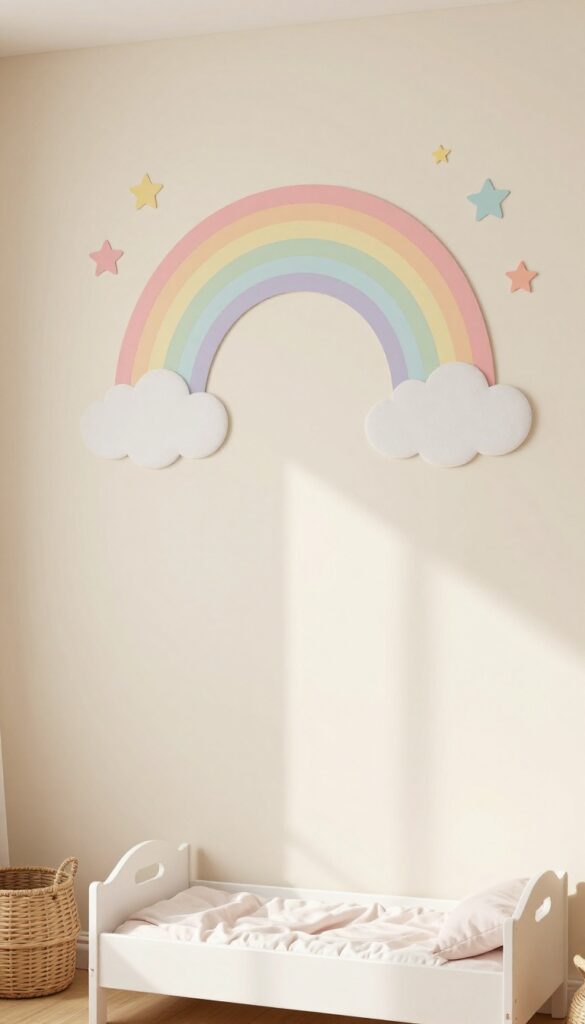
Toddlers change interests like outfits. One week it’s unicorns, next week it’s dinosaurs. Wall decals let you lean into themes without committing forever.
I’ve peeled off more stickers than I’d like to admit. Removable options save both sanity and paint.
Why This Works
Decals give you instant personality without damage. They create focal points while keeping flexibility intact.
They also fill blank walls without heavy frames or fragile décor, which is ideal for this age.
How to Do It
- Choose one main wall for decals.
- Keep spacing balanced and not overly dense.
- Test placement lightly before pressing firmly.
- Smooth from center outward to prevent bubbles.
Planning placement first prevents that “random sticker explosion” look.
Style & Design Tips
Pick large-scale decals rather than dozens of tiny ones. Bigger shapes feel intentional and cleaner.
Avoid placing decals too high. Toddlers love seeing their favorite shapes at eye level.
Pro Tip or Budget Hack
Create your own shapes with removable vinyl sheets. Simple stars, clouds, or flowers look custom but cost much less than branded sets.
5. Statement Rug for Soft Play Space
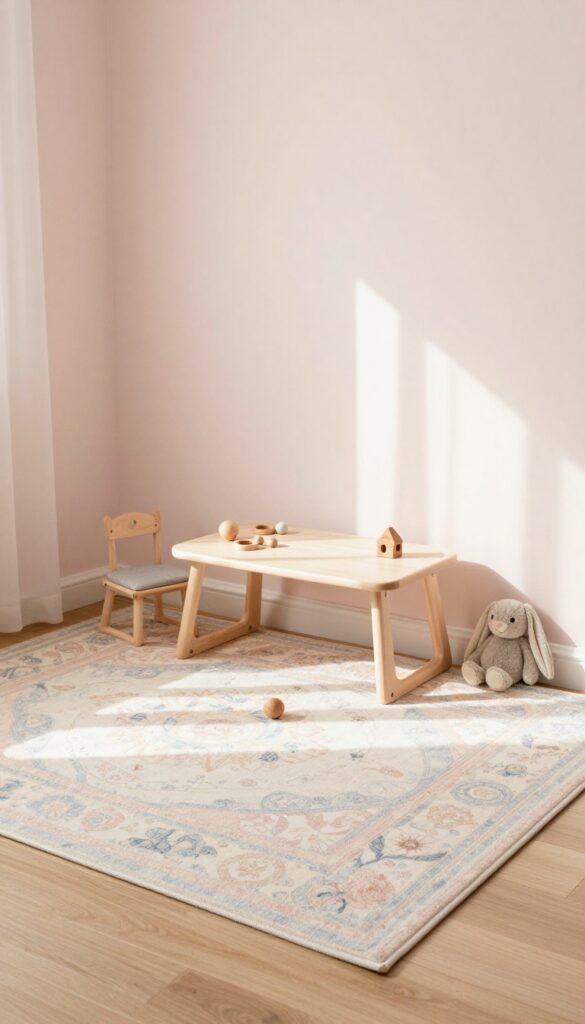
Hard floors might look sleek, but toddlers live on the ground. A large, soft rug anchors the room and makes playtime comfortable.
I always recommend going bigger than you think. Tiny rugs float awkwardly and don’t serve the space well.
Why This Works
A rug defines the play zone clearly. It visually grounds the furniture and softens the entire room instantly.
It also absorbs sound, which helps when wooden toys start clacking everywhere.
How to Do It
- Measure the room before shopping.
- Choose a rug large enough to fit under key furniture.
- Opt for washable materials when possible.
- Use a non-slip pad underneath.
Non-slip backing prevents sliding during those enthusiastic toddler dance sessions.
Style & Design Tips
Patterns hide stains better than solid white. Look for soft pastels with subtle prints that won’t overwhelm the space.
Avoid overly shaggy rugs. They trap crumbs and make cleanup harder.
Pro Tip or Budget Hack
Indoor-outdoor rugs are surprisingly soft now and much easier to clean. They cost less and survive spills like champs.
6. Dress-Up Corner with Hooks and Mirror
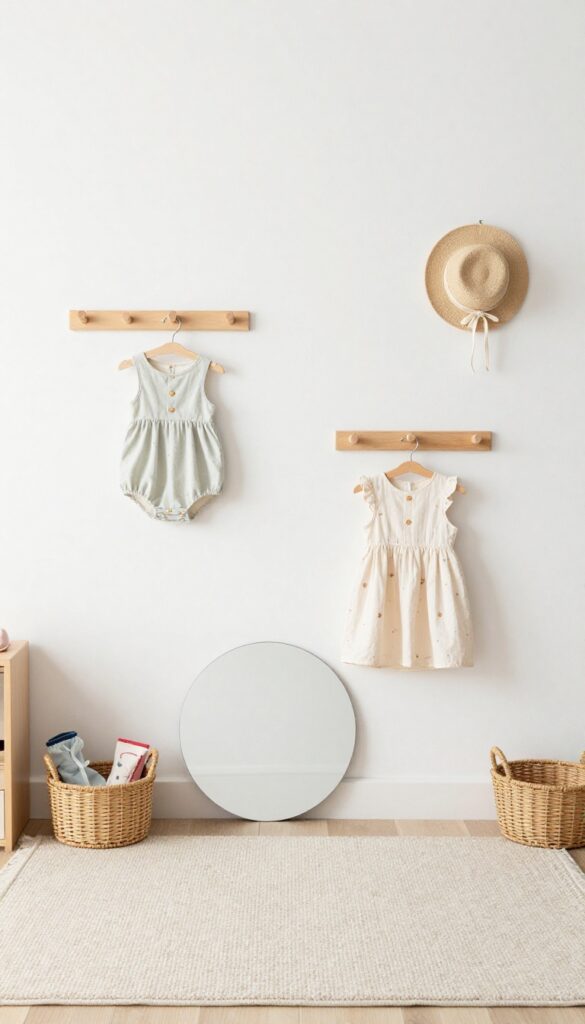
Toddlers love pretending. A small dress-up station gives that energy a dedicated home instead of scattering costumes everywhere.
I’ve seen the confidence boost when kids have their own little stage. It’s adorable and practical at the same time.
Why This Works
A designated dress-up area encourages creative play. It also keeps costumes contained rather than stuffed into random drawers.
Hooks make cleanup easier because toddlers can actually hang things up themselves.
How to Do It
- Install low wall hooks securely.
- Add a shatterproof mirror at toddler height.
- Use a small basket for accessories.
- Keep only a few costumes out at once.
Limiting options keeps the area tidy and manageable.
Style & Design Tips
Choose simple wooden hooks instead of flashy plastic. They look cleaner and blend with other décor.
Avoid placing the mirror too close to the floor. Mount it slightly above ground to prevent accidental kicks.
Pro Tip or Budget Hack
Use command-style heavy-duty hooks if you’re renting. They hold surprisingly well and save you from wall repairs later.
7. Personalized Name Sign Above the Bed
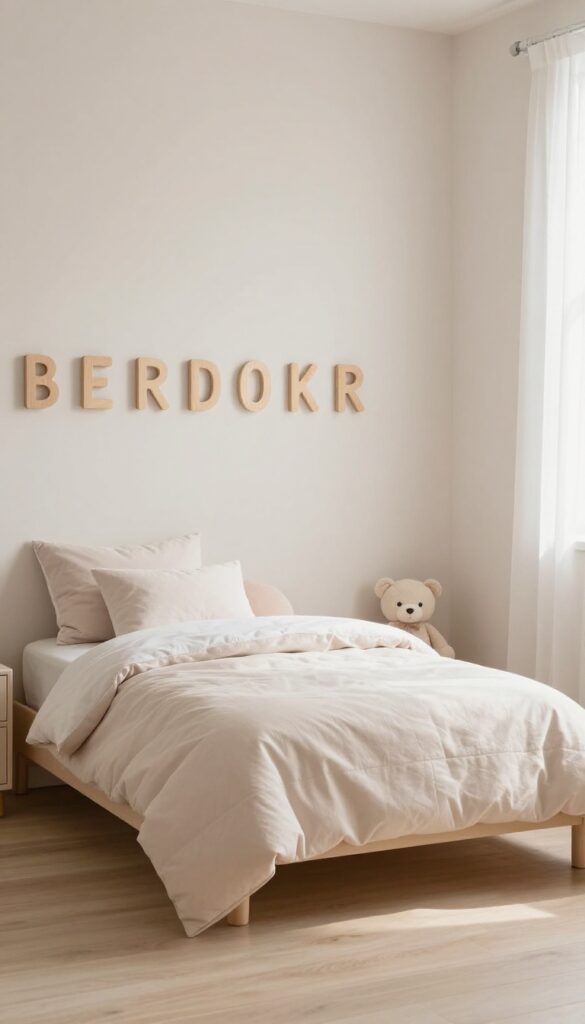
Adding her name instantly makes the room feel custom. It’s such a simple detail, but it carries emotional weight.
I’ve seen kids light up when they recognize their name on the wall. That ownership feeling matters.
Why This Works
Personalization builds identity. It tells her this space belongs to her and no one else.
It also becomes a visual focal point that ties the room together.
How to Do It
- Choose lightweight wooden or acrylic letters.
- Mount securely above the bed or dresser.
- Keep spacing even between letters.
- Match the color to your palette.
Consistency keeps it looking intentional rather than random.
Style & Design Tips
Stick to one font style that matches the room vibe. Script works for soft themes; block letters suit modern rooms.
Avoid oversized lettering in small rooms. Scale matters more than drama.
Pro Tip or Budget Hack
Order unfinished wooden letters and paint them yourself. It costs less and lets you match the exact shade you need.
8. Reading Nook with Floor Cushions
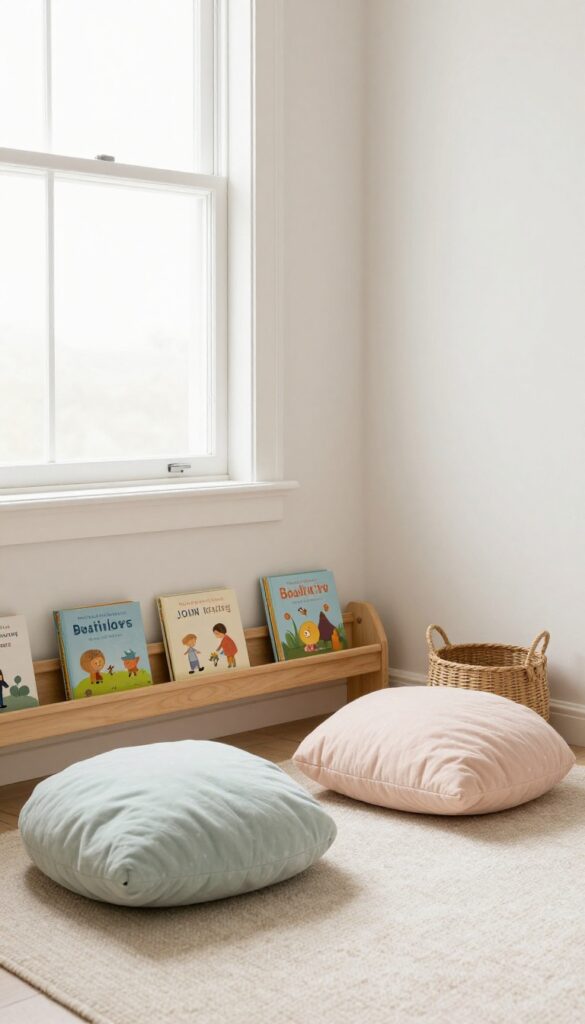
Encouraging reading early makes a difference. A cozy corner with floor cushions and a few favorite books can turn into her favorite spot.
I’ve noticed toddlers gravitate toward spaces that feel separate from the main play area. It creates quiet without forcing it.
Why This Works
A defined nook signals calm time. Even toddlers understand spatial cues better than we think.
Soft seating also invites lounging instead of bouncing off the walls.
How to Do It
- Pick a quiet corner near natural light.
- Add two large floor cushions or a small bean bag.
- Install a low book ledge nearby.
- Keep the area clutter-free.
Less distraction equals better focus, even for a three-year-old.
Style & Design Tips
Choose washable cushion covers because spills will happen. Keep patterns subtle so books stay the star.
Avoid overcrowding with too many stuffed animals in this zone.
Pro Tip or Budget Hack
Large throw pillows stacked together can replace expensive floor seating. They look just as cute and cost way less.
9. Functional Storage Bench Under the Window
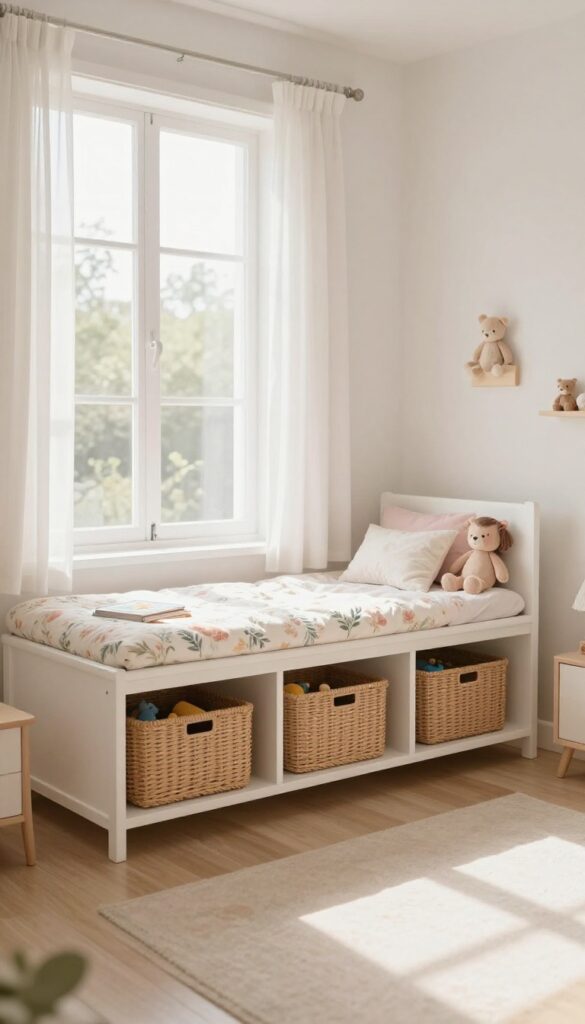
Storage always runs out in toddler rooms. A bench with hidden compartments solves that without adding bulky furniture.
I love pieces that serve double duty. It keeps the room from feeling overstuffed.
Why This Works
It offers seating and storage in one footprint. That efficiency matters in smaller bedrooms.
Hidden storage also keeps visual clutter down, which instantly makes the room feel cleaner.
How to Do It
- Measure the window width before buying.
- Choose a bench with soft-close hinges.
- Use bins inside to organize smaller toys.
- Add a cushion on top for comfort.
Soft-close prevents little fingers from getting pinched.
Style & Design Tips
Pick a bench in light wood or white to keep the room airy. Add patterned cushions for personality.
Avoid dark bulky pieces in small rooms. They weigh down the space visually.
Pro Tip or Budget Hack
Use cube storage units laid horizontally with baskets inside. Add a cushion on top, and you’ve built your own bench.
10. Growth-Friendly Furniture That Evolves
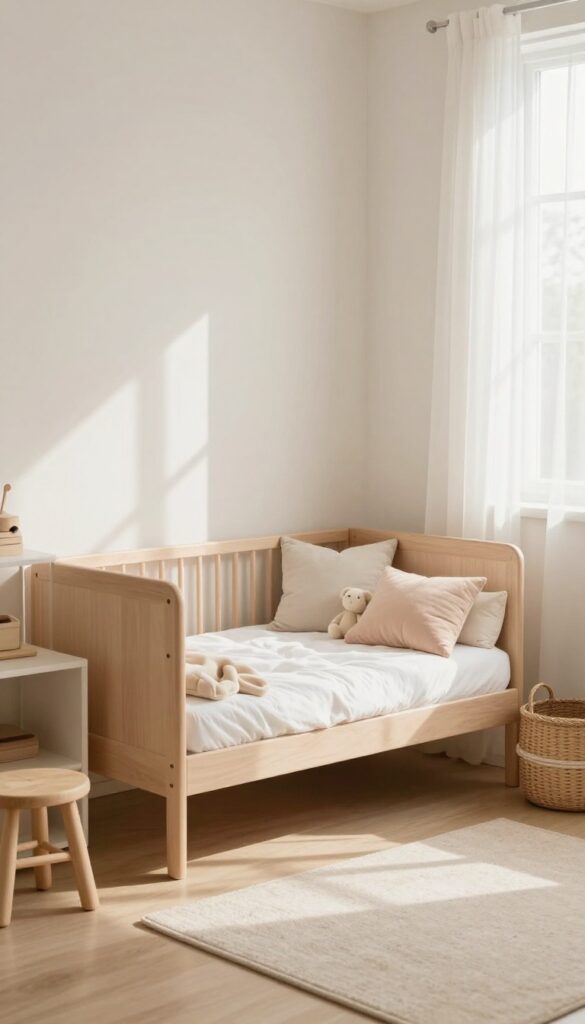
Toddlers grow faster than your décor budget allows. Choosing convertible furniture saves money and effort long-term.
I learned this after replacing a tiny dresser within two years. Now I always think ahead.
Why This Works
Convertible cribs that turn into toddler beds extend usability. Adjustable shelving and neutral dressers adapt to changing needs.
This approach prevents constant redesign and keeps the room cohesive.
How to Do It
- Invest in a convertible bed frame.
- Choose neutral large furniture pieces.
- Avoid overly baby-themed items.
- Leave room for future desk space.
Planning ahead avoids a total overhaul later.
Style & Design Tips
Keep major pieces simple and timeless. Let accessories handle the “cute” factor.
Avoid cartoon-heavy furniture. She’ll outgrow it quickly.
Pro Tip or Budget Hack
Buy secondhand solid wood furniture and repaint it. It’s sturdier than many new pieces and far more affordable.
Final Thoughts
Designing a toddler girl’s bedroom doesn’t require perfection. It just needs thought, flexibility, and a little restraint so the cute factor doesn’t take over common sense.
When you blend function with charm, the room feels sweet without feeling chaotic. Honestly, that balance makes everything smoother, from cleanup to bedtime, and that’s what actually matters in the long run.