10 Small Front Yard Landscaping Ideas
Small front yards force better design decisions because every square foot has to justify itself. Random plants, oversized décor, or awkward walkways show immediately when space is limited. Smart layout always beats more stuff.
Front yards set the tone before anyone even steps inside. A small one can look polished and intentional instead of cramped, but it requires strategy.
A few focused upgrades can completely shift how the space feels without tearing everything out.
1. Create a Defined Entry Path
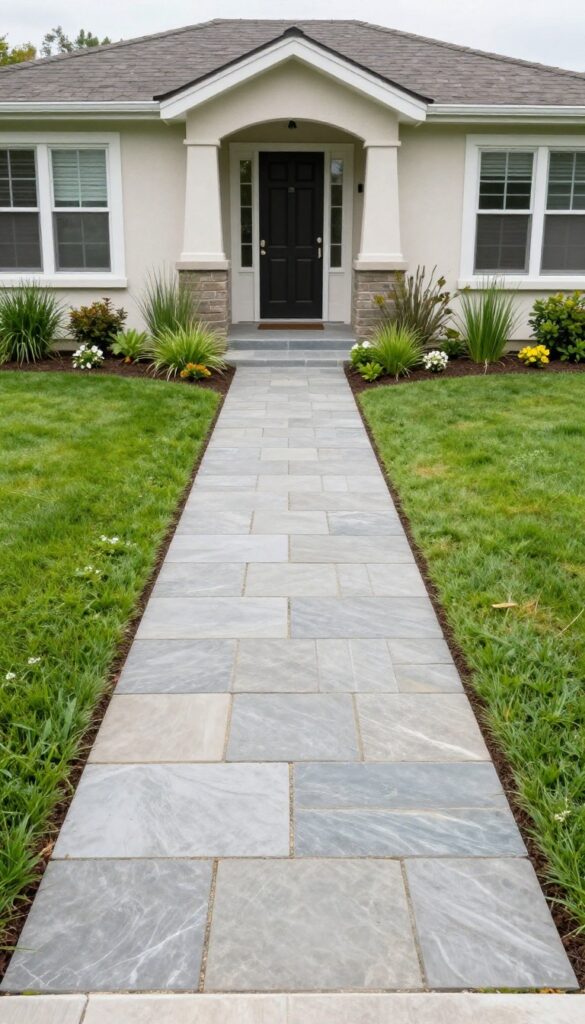
Most small front yards suffer from one simple issue: the path to the door feels like an afterthought. When the walkway blends into the lawn or cuts awkwardly across the space, everything looks messy. A clearly defined entry path instantly makes the yard feel intentional and organized.
I once helped a friend swap out a narrow concrete strip for a slightly wider stone path, and the difference shocked both of us. It didn’t add square footage, but it added structure. Suddenly the yard felt designed instead of accidental.
Why This Works
A defined path creates visual direction and improves flow. The eye follows the walkway naturally, which makes the yard feel larger and more cohesive. It also separates planting areas from foot traffic, protecting both.
How to Do It
- Choose a material like pavers, gravel with edging, brick, or stepping stones for character and durability.
- Widen the path slightly if possible, even by a few inches, to improve comfort and proportion.
- Add edging on both sides to prevent grass or soil from spilling over and ruining clean lines.
- Keep the path gently curved or straight depending on your house style, but avoid awkward zigzags.
Style & Design Tips
Match the path material to your home’s exterior for balance. Modern homes pair well with large concrete slabs, while brick or cottage homes look better with smaller textured pavers. Avoid tiny stepping stones spaced too far apart because they look cheap and feel impractical.
Pro Tip or Budget Hack
If replacing concrete isn’t realistic, paint or stain the existing path and add clean metal or stone edging. That simple frame can completely upgrade the look without heavy construction costs.
2. Add Raised Garden Beds for Structure
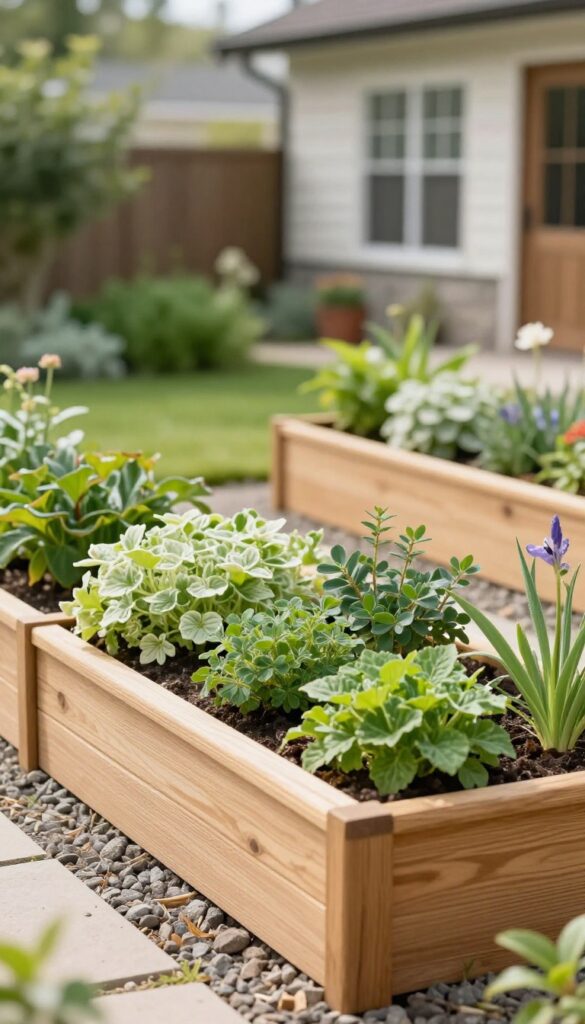
Flat, undefined planting areas often make small yards look scattered. Raised garden beds create boundaries and bring vertical dimension without overwhelming the space. They give plants a proper home instead of letting them float randomly in the soil.
I like raised beds because they feel tidy by default. Even basic greenery looks intentional when framed in wood, brick, or stone. It’s almost unfair how much structure they add with minimal effort.
Why This Works
Raised beds introduce clean lines and height variation, which visually expands a compact yard. They also improve soil drainage and plant health, which means fuller greenery over time. Strong borders help separate zones in a small layout.
How to Do It
- Measure your yard and sketch simple rectangular or L-shaped bed placements before building.
- Use treated wood, composite boards, brick, or stone depending on budget and style.
- Keep the height moderate, usually 8–18 inches, to avoid blocking sightlines.
- Fill with quality soil mix and choose plants suited for your climate.
Style & Design Tips
Stick to one material for all beds to maintain cohesion. Too many finishes can make a small yard feel chaotic. Paint wooden beds in neutral tones or stain them to match your trim for a seamless look.
Pro Tip or Budget Hack
Use concrete blocks and stain or paint them for a modern vibe at a fraction of the cost of stone. You can even tuck small solar lights along the edges to highlight the structure at night.
3. Install Layered Planting Instead of Scattered Shrubs
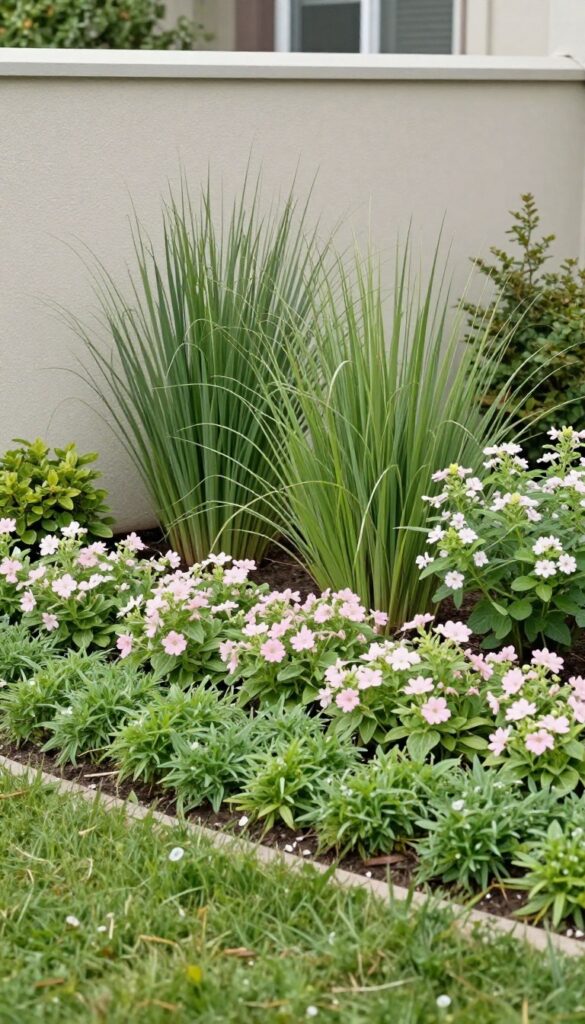
Random shrubs placed across the yard shrink the space visually. Layered planting, where taller plants sit at the back and shorter ones at the front, creates depth and dimension. It feels intentional instead of cluttered.
I learned this the hard way after planting three medium bushes in a straight line across a tiny yard. It looked like a hedge started and then gave up halfway through. Rearranging them into layers against the house instantly fixed it.
Why This Works
Layering draws the eye upward and backward, creating depth. It also prevents the “floating plant” look that often makes small yards feel disorganized. A tiered approach mimics professional landscaping techniques.
How to Do It
- Place taller shrubs or ornamental grasses closest to the house or fence line.
- Add medium-height plants in front of them to bridge the gap.
- Finish with low-growing ground cover or flowers along the edge.
- Keep spacing consistent to avoid overcrowding.
Style & Design Tips
Choose a limited color palette to avoid visual noise. Two to three plant varieties repeated strategically often look better than ten different types. Keep the front row neat and trimmed to maintain a clean edge.
Pro Tip or Budget Hack
Buy smaller plants and let them grow instead of purchasing mature ones. It takes patience, but you’ll save a significant amount and still achieve the layered effect over time.
4. Incorporate Vertical Greenery
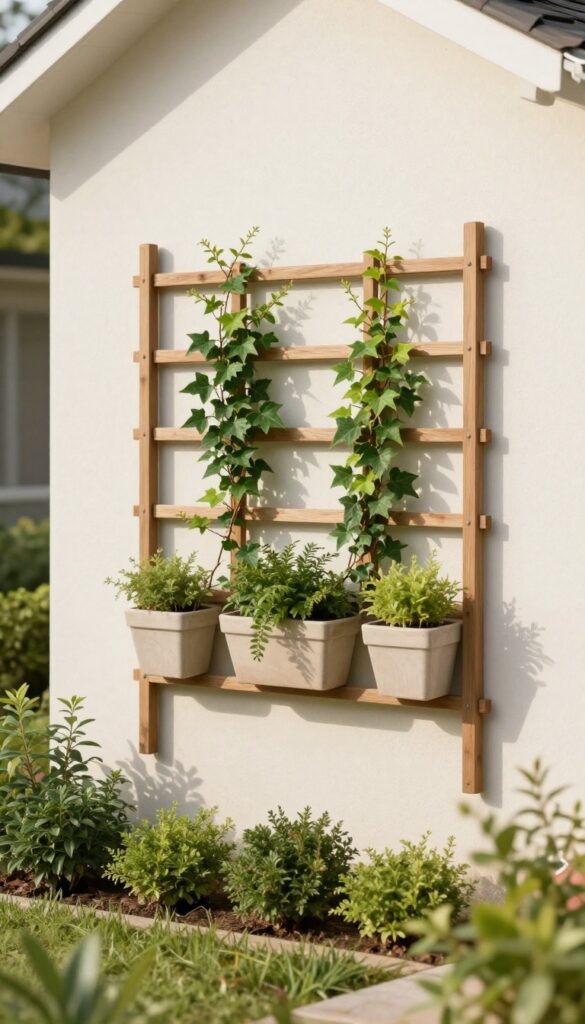
When horizontal space runs out, go vertical. Trellises, climbing plants, and wall-mounted planters add greenery without eating up lawn space. They make a small yard feel lush without feeling crowded.
Vertical elements also soften harsh exterior walls. A bare wall in a tiny yard can feel overwhelming, but climbing jasmine or ivy changes the mood completely without taking over.
Why This Works
Vertical landscaping maximizes unused wall space. It adds texture and height, which helps balance low plantings below. The eye naturally travels upward, making the yard appear larger.
How to Do It
- Install a sturdy trellis or wall-mounted grid anchored securely.
- Choose climbing plants suited to your climate and sunlight exposure.
- Space plants evenly and train vines as they grow.
- Trim regularly to prevent overgrowth.
Style & Design Tips
Keep trellis colors neutral like black, white, or natural wood. Bold colors can dominate a small yard and distract from greenery. Avoid mixing too many climbing varieties on one wall.
Pro Tip or Budget Hack
Repurpose wooden pallets into vertical planters. Sand them down, paint them if needed, and attach small pots for herbs or flowers.
5. Replace Grass with Decorative Gravel or Mulch Zones
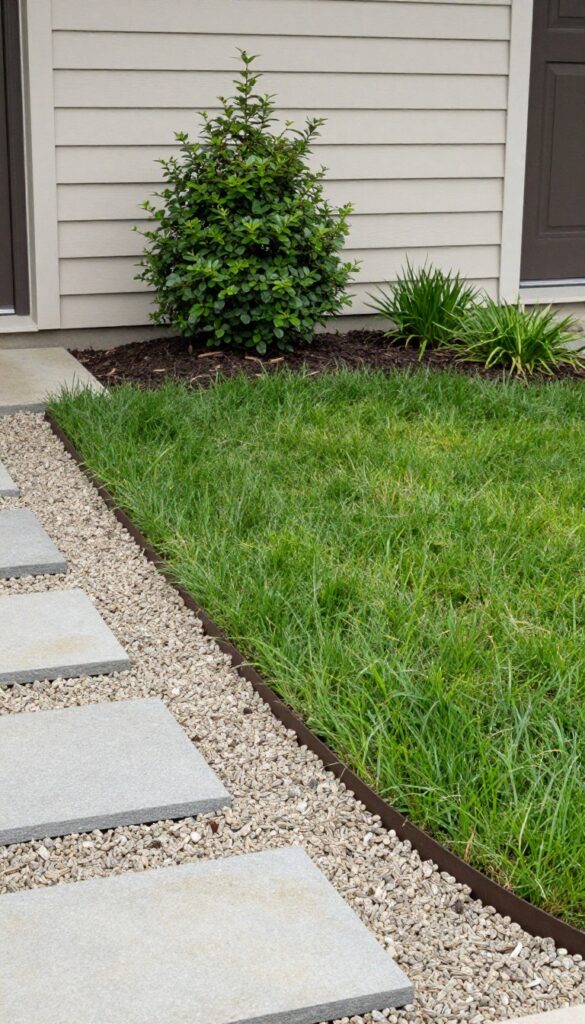
Tiny lawns often look patchy and high-maintenance. Replacing sections of grass with gravel or mulch reduces upkeep and adds visual contrast. It also frees up room for structured plant beds.
I switched part of a small front lawn to gravel with stepping stones, and mowing instantly became easier. Less grass meant fewer maintenance headaches, and the yard looked sharper.
Why This Works
Gravel and mulch create texture contrast, which makes landscaping feel layered. They also define planting zones clearly. Reduced lawn area means less water and trimming.
How to Do It
- Outline the area you want to convert and remove existing grass.
- Lay down landscaping fabric to prevent weeds.
- Add a thick layer of gravel or mulch evenly.
- Install edging to keep materials contained.
Style & Design Tips
Choose neutral-toned gravel for a timeless look. Avoid overly bright stones that may clash with your home exterior. Pair gravel with clean geometric shapes for a modern vibe.
Pro Tip or Budget Hack
Bulk gravel purchases are cheaper than bagged options from garden stores. Compare local suppliers before buying.
6. Add a Compact Seating Nook
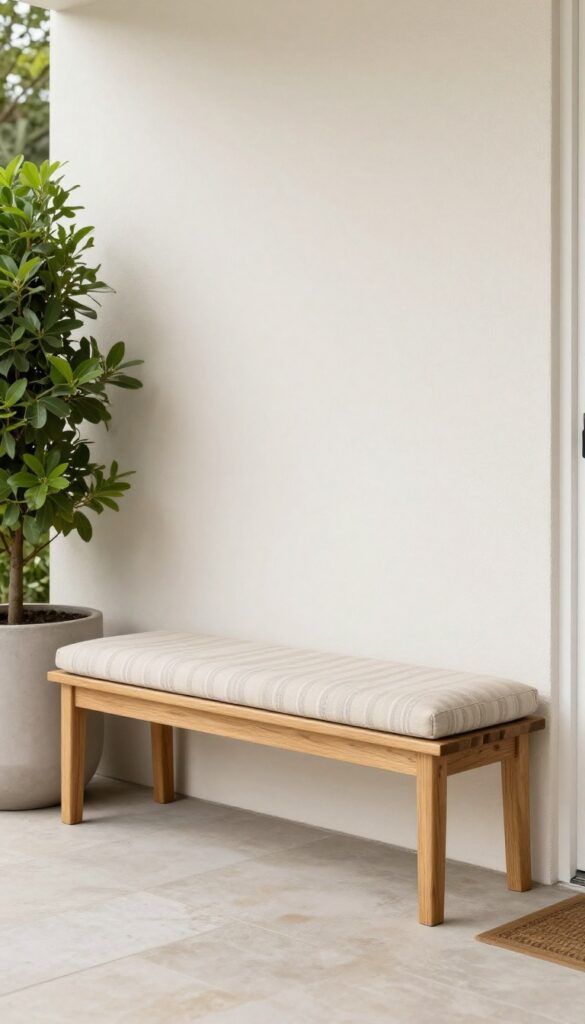
Small yards can still offer a place to sit. A compact bench or two slim chairs near the entry creates charm without overwhelming the space. It makes the yard feel lived-in rather than purely decorative.
I used to think seating belonged only in big backyards. Then I saw a tiny front porch with a slim bench and two planters, and it completely changed my mind.
Why This Works
Seating adds function and personality. It creates a focal point and encourages intentional use of the space. Even one small bench can anchor the layout.
How to Do It
- Choose slim-profile furniture that fits comfortably without blocking walkways.
- Place it against a wall or near a defined edge.
- Add weather-resistant cushions for comfort.
- Keep surrounding décor minimal.
Style & Design Tips
Stick to neutral cushion colors with subtle patterns. Avoid bulky armchairs that overwhelm the area. Match furniture finish to other exterior accents for cohesion.
Pro Tip or Budget Hack
Look for foldable bistro sets if space is extremely tight. They provide seating when needed and tuck away easily.
7. Frame the House with Symmetry
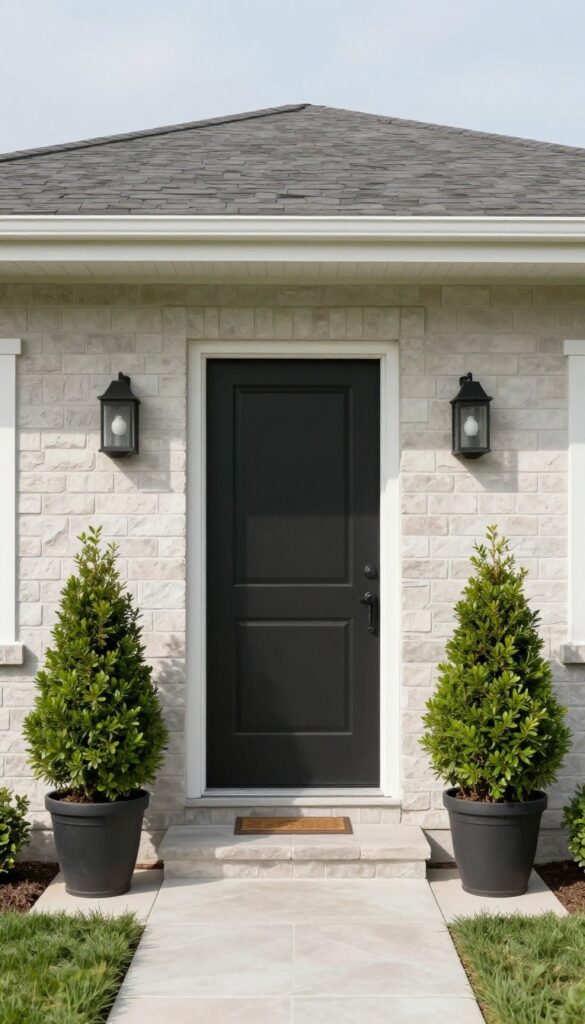
Asymmetry can feel chaotic in small front yards. Framing your entrance with matching planters or shrubs adds balance and polish. Symmetry naturally feels organized.
I’ve noticed even basic homes look more expensive when the entry feels centered and intentional. Two identical planters can do more than ten random decorative pieces.
Why This Works
Symmetry simplifies visual processing. The eye appreciates balance, which creates a calming effect. It also highlights the entrance clearly.
How to Do It
- Place matching planters or shrubs on either side of the door or walkway.
- Keep height and spacing consistent.
- Choose plants with similar growth patterns.
- Maintain regular trimming.
Style & Design Tips
Avoid oversized pots that dominate the entrance. Choose proportionate containers that complement the scale of your door. Keep plant choices cohesive.
Pro Tip or Budget Hack
Buy identical pots in affordable materials like resin and paint them for a custom look.
8. Install Low Landscape Lighting
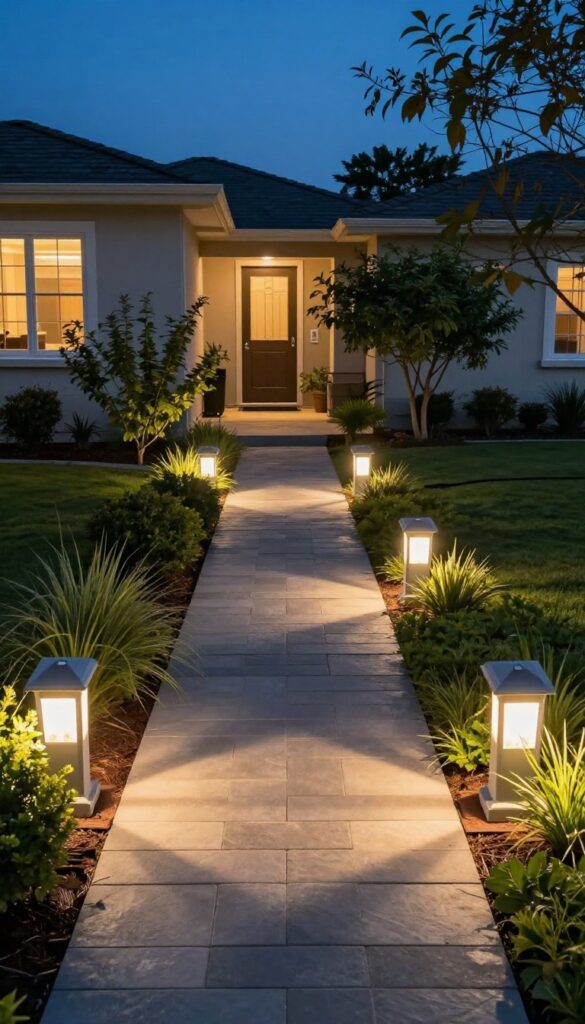
Small yards benefit from subtle lighting. Low pathway lights or uplights create depth and dimension without overwhelming the space. They also improve safety.
Lighting doesn’t need to be dramatic. A few strategically placed fixtures make the yard feel intentional rather than dark and flat.
Why This Works
Soft lighting creates contrast and highlights key features. It extends usability into the evening. Proper placement enhances textures and structure.
How to Do It
- Install solar pathway lights along the walkway.
- Add one or two uplights near focal plants.
- Keep wiring concealed if using wired fixtures.
- Test brightness levels before final placement.
Style & Design Tips
Choose warm white lighting for a welcoming feel. Avoid overly bright or cool-toned lights that feel harsh. Keep fixture styles consistent.
Pro Tip or Budget Hack
Solar lights eliminate wiring costs and installation complexity. Start small and add more gradually if needed.
9. Use Decorative Edging for Clean Lines
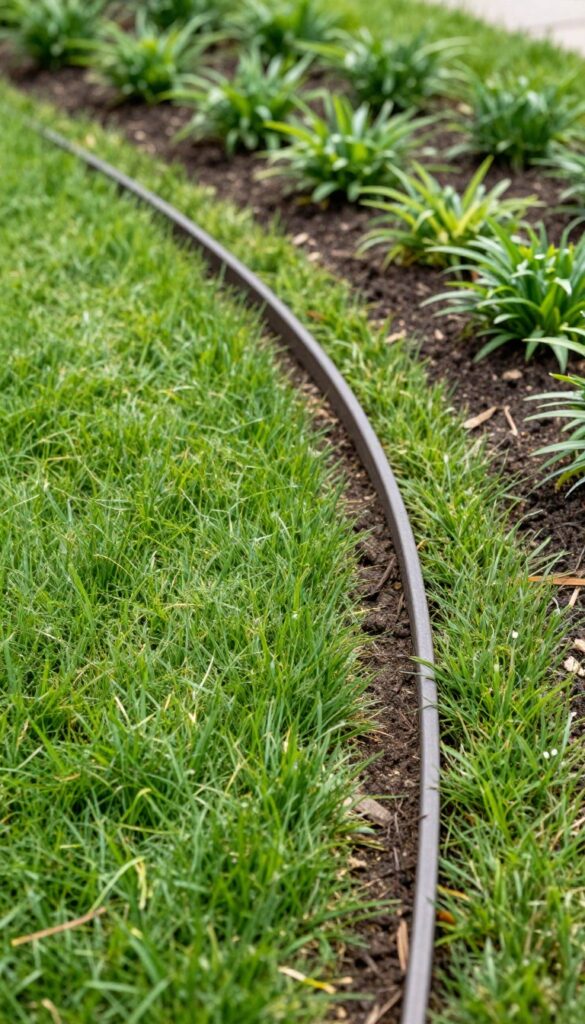
Messy lawn edges make small yards look smaller. Decorative edging defines borders and sharpens the entire layout. It’s one of those small details that makes a big impact.
I underestimated edging for years until I installed simple metal strips. The yard suddenly looked professionally maintained.
Why This Works
Defined edges separate grass from beds clearly. Clean lines create structure and reduce visual clutter. Maintenance becomes easier over time.
How to Do It
- Dig a shallow trench along planting borders.
- Install metal, brick, or stone edging securely.
- Ensure the top edge sits flush with the ground.
- Fill gaps with soil and tamp firmly.
Style & Design Tips
Choose edging materials that complement your path or beds. Avoid mixing too many finishes. Keep curves smooth and intentional.
Pro Tip or Budget Hack
Flexible plastic edging costs less and works well for curved borders. Just secure it properly to prevent shifting.
10. Add a Statement Focal Point
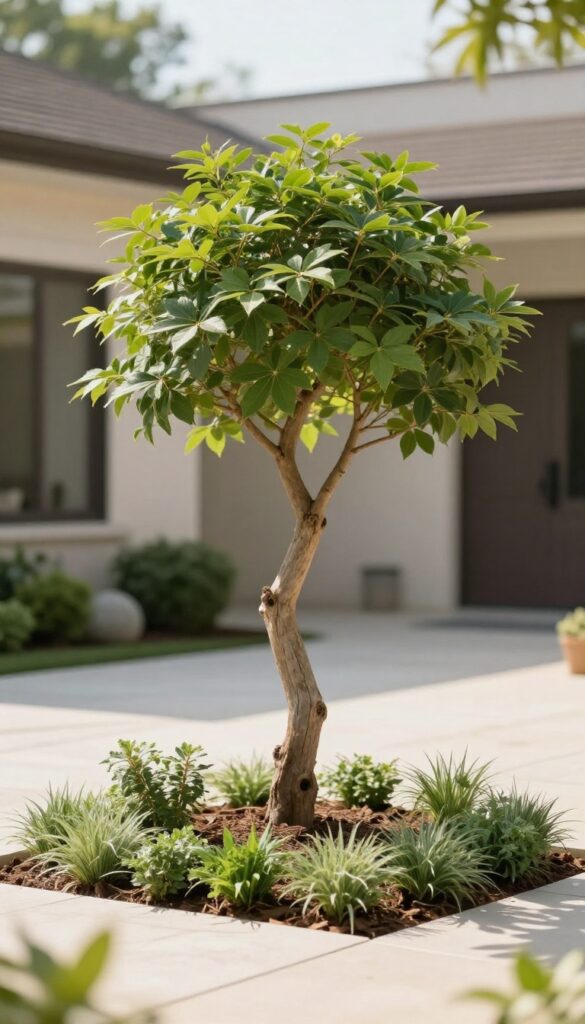
Every small yard benefits from one standout feature. It could be a sculptural plant, water feature, or bold planter arrangement. One strong focal point beats several weak ones.
I once saw a tiny yard transformed by a single ornamental tree placed slightly off-center. It drew attention instantly and made everything else feel supporting instead of random.
Why This Works
A focal point anchors the design. It gives the eye somewhere to rest and builds structure around it. This prevents the yard from feeling scattered.
How to Do It
- Choose one standout element suited to your space size.
- Position it where it’s visible from the street and entry.
- Surround it with complementary, subtle plantings.
- Maintain it regularly.
Style & Design Tips
Avoid adding multiple bold elements that compete for attention. Keep surrounding décor simple. Let the focal piece shine.
Pro Tip or Budget Hack
A large statement planter with seasonal flowers can act as a rotating focal point. Swap plants seasonally instead of installing permanent features.
Final Thoughts
Small front yards reward intentional design more than big ones ever could. Structure, balance, and restraint matter more than sheer quantity. Thoughtful upgrades can transform limited space into something polished and inviting.
I genuinely enjoy working with smaller yards because every decision counts. Focus on clarity over clutter, and the space will feel bigger than it actually is.