9 Modern Small Living Room Layout Ideas That Feel Bigger
Furniture placement usually decides whether a small living room feels functional or frustrating.
The wrong layout can make a decent-sized space feel cramped, while a few smart choices can make even the tiniest room feel open and livable. That contrast is what most people miss when they start decorating.
I’ve lived in apartments where the living room barely fit a couch and a coffee table, and I’ve also helped friends fix rooms that felt crowded for no real reason.
The difference almost always came down to layout, scale, and a few sneaky design tricks. These ideas are the ones that actually work in real homes, not just in styled photos.
1. Use Furniture With Legs Instead of Boxy Pieces
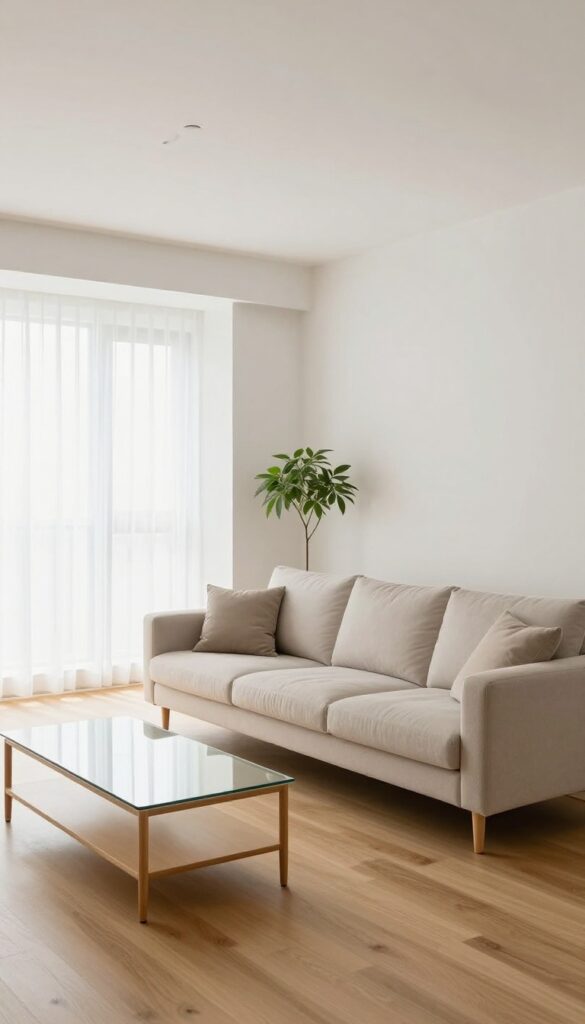
Most small living rooms feel tight because everything sits too low and too heavy. Bulky sofas, solid coffee tables, and chunky TV stands visually block the floor, which makes the room feel shorter and more crowded than it really is.
Switching to furniture with visible legs instantly changes how open the space feels.
I learned this the hard way after swapping out a bulky sectional for a slim sofa with tapered legs. The room didn’t magically grow, but it felt like it did.
You could suddenly see more floor, and that visual breathing room made a huge difference.
Why This Works
Furniture on legs allows light and sightlines to pass underneath, which tricks the eye into seeing more space. It also makes cleaning easier, which keeps clutter from piling up unnoticed. Even a few inches of visible floor can make a room feel less boxed in.
How to Do It
- Choose sofas and chairs with raised legs instead of skirted bases
- Swap solid coffee tables for ones with open frames or glass tops
- Avoid bulky storage pieces that sit flat on the floor
- Keep furniture heights consistent to avoid visual clutter
Style & Design Tips
Stick to slim profiles and clean lines for a modern look. Mid-century pieces work especially well here because they’re designed to feel light without sacrificing comfort. Avoid oversized armrests or thick bases that eat up visual space.
Pro Tip or Budget Hack
If replacing furniture isn’t in the budget, try furniture risers or switch out chunky legs for slimmer ones. It’s a small change that can make a surprisingly big impact without buying new pieces.
2. Stick to a Tight Color Palette
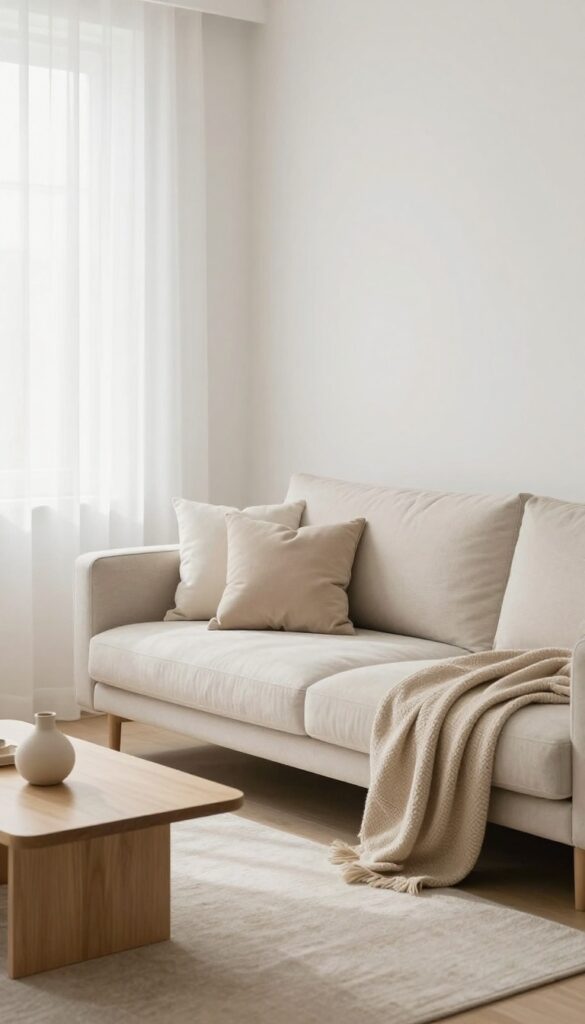
Too many colors in a small living room can make everything feel chaotic. When the eye keeps bouncing from one shade to another, the room feels busier and smaller. A limited color palette creates flow and makes the space feel more intentional.
I used to think small rooms needed bold colors to feel interesting, but the opposite is usually true. Once I stuck to three main tones, everything instantly felt calmer and more spacious.
Why This Works
A cohesive color scheme reduces visual noise. When walls, furniture, and decor share similar tones, the room feels more unified and open. It also helps the eye move smoothly around the space without stopping at harsh contrasts.
How to Do It
- Pick one main neutral color for walls and large furniture
- Add one secondary color for warmth or contrast
- Use one accent color sparingly in decor or textiles
- Keep patterns subtle and consistent
Style & Design Tips
Soft whites, warm beiges, greiges, and light grays work especially well in small living rooms. If you love color, use it in pillows, throws, or art instead of on big furniture pieces. Avoid mixing too many undertones, like warm beige with cool gray.
Pro Tip or Budget Hack
If repainting isn’t an option, use slipcovers, pillow covers, or curtains to bring your color palette together. Fabric changes are cheaper and easier to update later.
3. Choose a Sofa That Fits the Room, Not the Trend
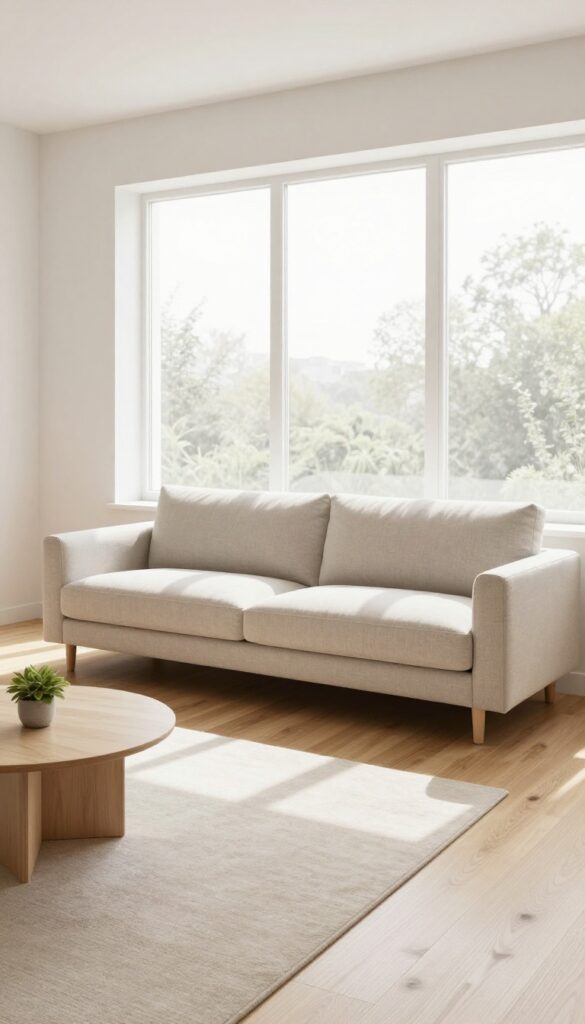
Oversized sectionals look amazing online but can completely overpower a small living room. A couch that’s even a few inches too deep can block walkways and make everything feel cramped. Scale matters more than style here.
I’ve seen people try to force massive sofas into tiny rooms, and it never works long-term. Comfort drops, movement feels awkward, and the room loses its balance.
Why This Works
Furniture that fits the scale of the room allows better traffic flow and makes the space feel intentional. A well-sized sofa gives you room to add other elements without crowding.
How to Do It
- Measure the room before buying anything
- Leave at least 30–36 inches for walking paths
- Choose low-back or armless designs when possible
- Consider apartment-size or loveseat options
Style & Design Tips
Look for slim arms, shallow depth, and clean silhouettes. Modular sofas can also work well if you keep the configuration simple. Avoid bulky recliners or oversized cushions.
Pro Tip or Budget Hack
If you already own a large sofa, remove extra pillows or swap thick cushions for slimmer ones. Even small adjustments can improve how much space the room feels like it has.
4. Mount the TV Instead of Using a Stand
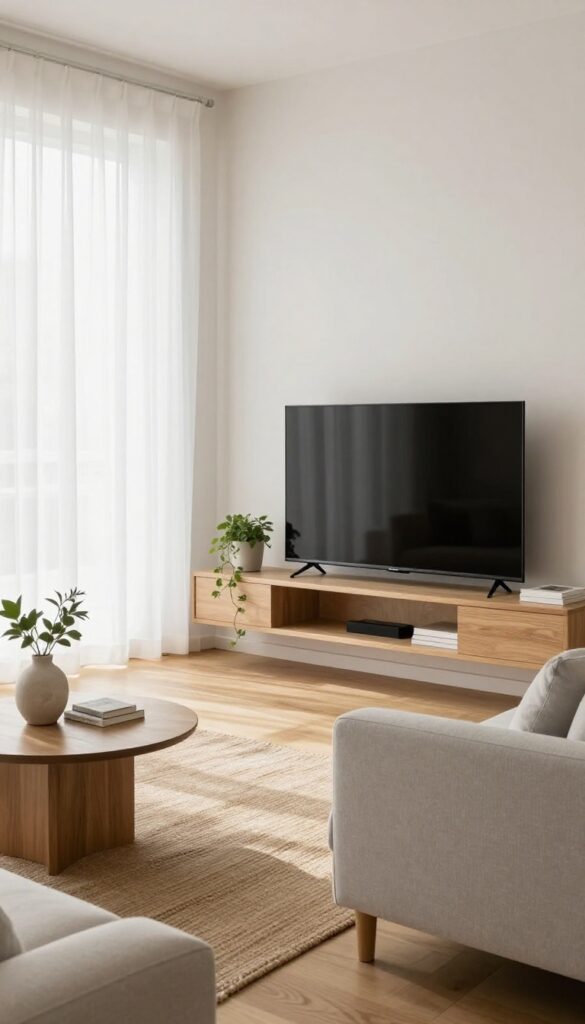
TV stands take up a surprising amount of floor space, especially in small living rooms. Mounting the TV instantly frees up that area and makes the room feel more open. It also creates a cleaner, more modern look.
I resisted wall-mounting for years because it felt permanent, but once I did it, I wished I had done it sooner. The room instantly felt less cluttered.
Why This Works
Wall-mounted TVs eliminate the need for bulky furniture underneath. That opens up visual space and allows for lighter storage solutions or even open shelving.
How to Do It
- Mount the TV at eye level when seated
- Hide cables using wall channels or cord covers
- Use a slim floating shelf if storage is needed
- Keep decor minimal around the TV area
Style & Design Tips
Avoid over-decorating the TV wall. A simple console or a few clean-lined shelves work better than a full entertainment unit. Dark walls can work well here if the rest of the room stays light.
Pro Tip or Budget Hack
If wall mounting isn’t possible, choose a narrow console with legs instead of a bulky TV stand. It still opens up the floor visually.
5. Use Mirrors Strategically
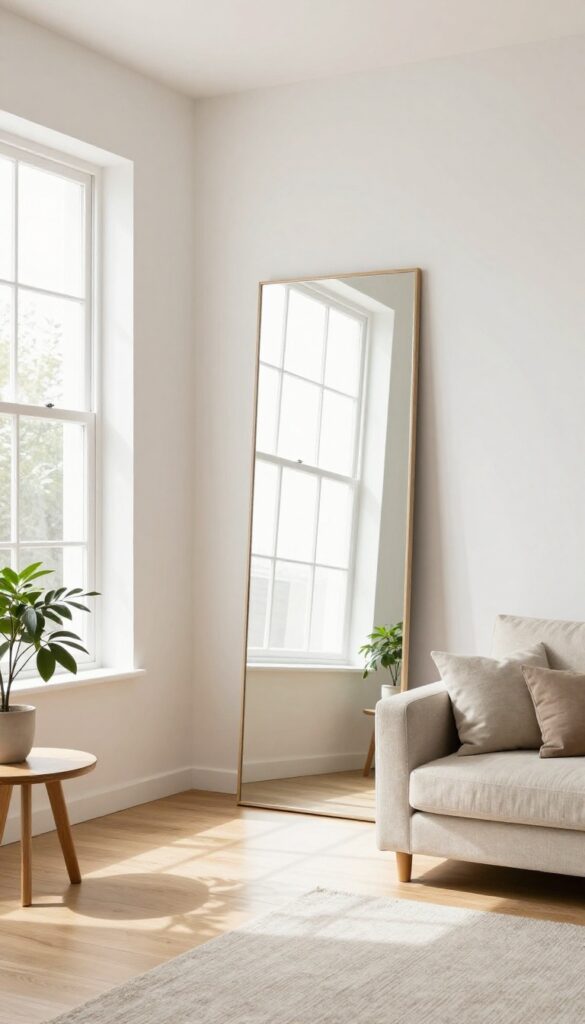
Mirrors aren’t just decorative in small living rooms, they’re functional. When placed correctly, they reflect light and make the room feel larger than it actually is. The trick is using them intentionally, not randomly.
I once added a single large mirror opposite a window, and the difference was immediate. The room felt brighter and almost twice as wide.
Why This Works
Mirrors bounce light around and create the illusion of depth. They also help balance darker corners that might otherwise feel closed off.
How to Do It
- Place mirrors across from windows or light sources
- Use one large mirror instead of several small ones
- Avoid cluttering mirror surfaces with decor
- Keep frames simple for a modern look
Style & Design Tips
Round or arched mirrors soften sharp lines and work well in modern spaces. Frameless mirrors feel clean and contemporary, while thin metal frames add subtle character.
Pro Tip or Budget Hack
Leaning a large mirror against the wall can look just as good as mounting it, and it’s renter-friendly. Thrift stores often have oversized mirrors at a fraction of the cost.
6. Keep the Floor as Open as Possible
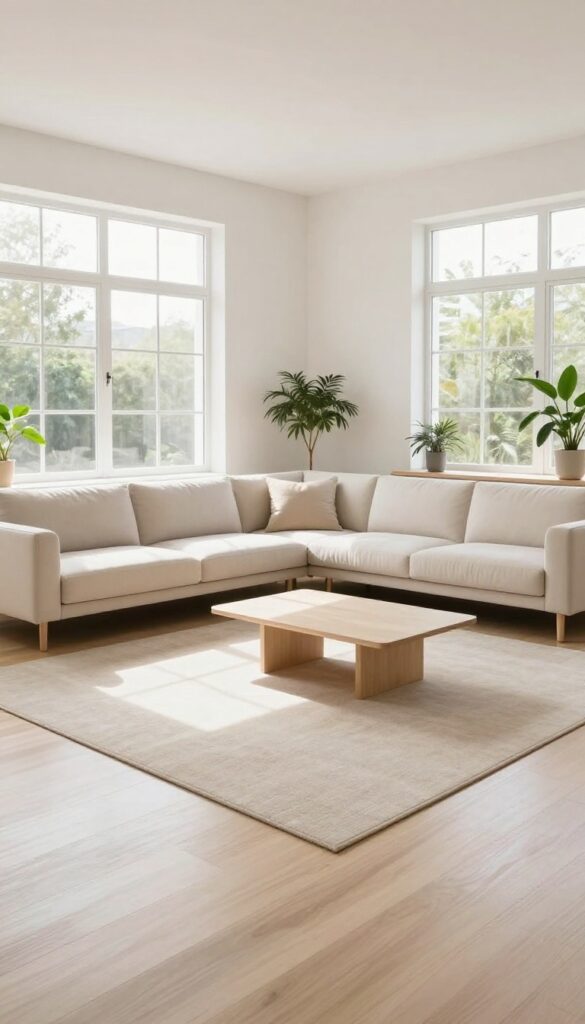
A crowded floor makes a room feel smaller instantly. Even if the furniture is nice, too many pieces break up the space and shrink it visually. Open floor space creates breathing room.
This was a game changer for me when I stopped adding “just one more” chair or side table. Less really did feel like more.
Why This Works
An open floor allows the eye to travel freely, which makes the room feel larger. It also improves flow and makes everyday movement easier.
How to Do It
- Limit furniture to essential pieces only
- Use wall-mounted shelves instead of floor units
- Choose multi-functional furniture
- Avoid blocking walkways
Style & Design Tips
Use area rugs to define zones without adding bulk. Keep rugs proportional to the room so they don’t overwhelm the space.
Pro Tip or Budget Hack
If storage is the issue, go vertical instead of horizontal. Tall shelving uses wall space without crowding the floor.
7. Layer Lighting Instead of Using One Overhead Light
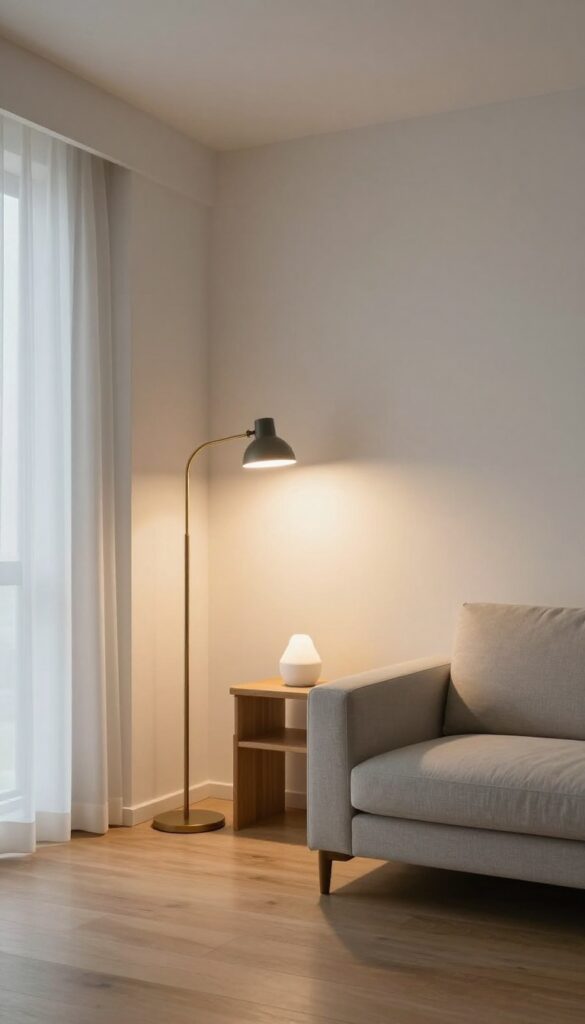
One harsh ceiling light can make a small living room feel flat and uninviting. Layered lighting adds depth and makes the room feel more spacious and comfortable.
I used to rely on a single overhead light, and the room always felt dull. Once I added lamps, everything felt warmer and more balanced.
Why This Works
Multiple light sources reduce shadows and create visual depth. This makes walls appear farther apart and ceilings feel higher.
How to Do It
- Use a mix of floor lamps and table lamps
- Add wall sconces if possible
- Choose warm light bulbs
- Spread light evenly around the room
Style & Design Tips
Stick to simple lamp designs that don’t take up visual space. Black, brass, or white finishes blend easily into modern interiors.
Pro Tip or Budget Hack
Plug-in wall sconces are a great alternative if you can’t hardwire lighting. They’re affordable and easy to install.
8. Use Vertical Space Wisely
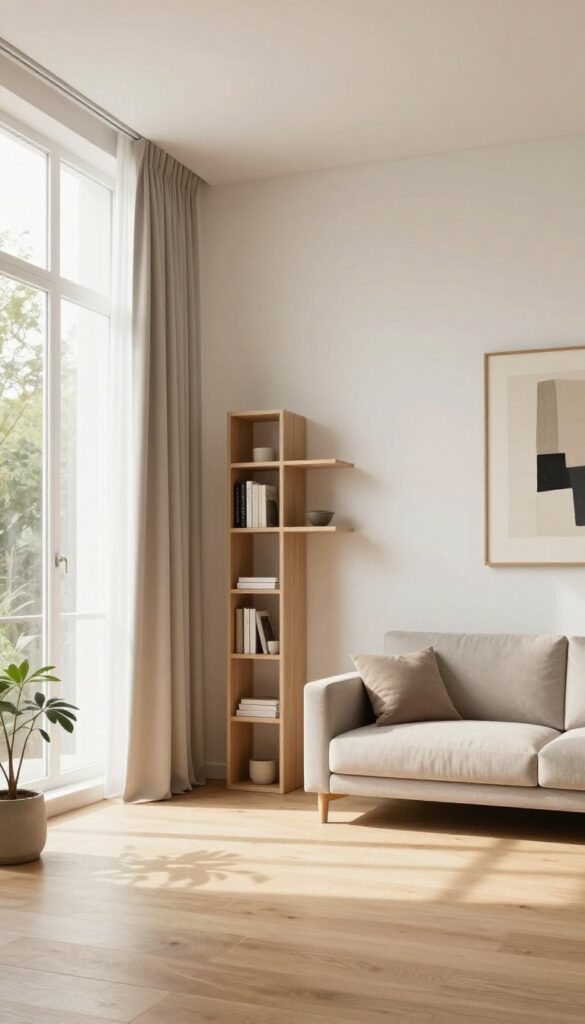
When floor space is limited, the walls become your best friend. Vertical storage and decor draw the eye upward and make the room feel taller.
I used to ignore wall space completely, but adding shelves and tall art made a noticeable difference in how open the room felt.
Why This Works
Vertical elements stretch the visual height of the room. This balances proportions and keeps the space from feeling squat or boxy.
How to Do It
- Install shelves higher up the wall
- Hang curtains closer to the ceiling
- Use tall bookcases or cabinets
- Choose vertical artwork
Style & Design Tips
Avoid overcrowding shelves. A few well-spaced items look cleaner than packed displays. Stick to a consistent color palette to keep things cohesive.
Pro Tip or Budget Hack
Floating shelves are cheaper than full bookcases and take up less visual space. Paint them the same color as the wall for a seamless look.
9. Edit Your Decor Ruthlessly
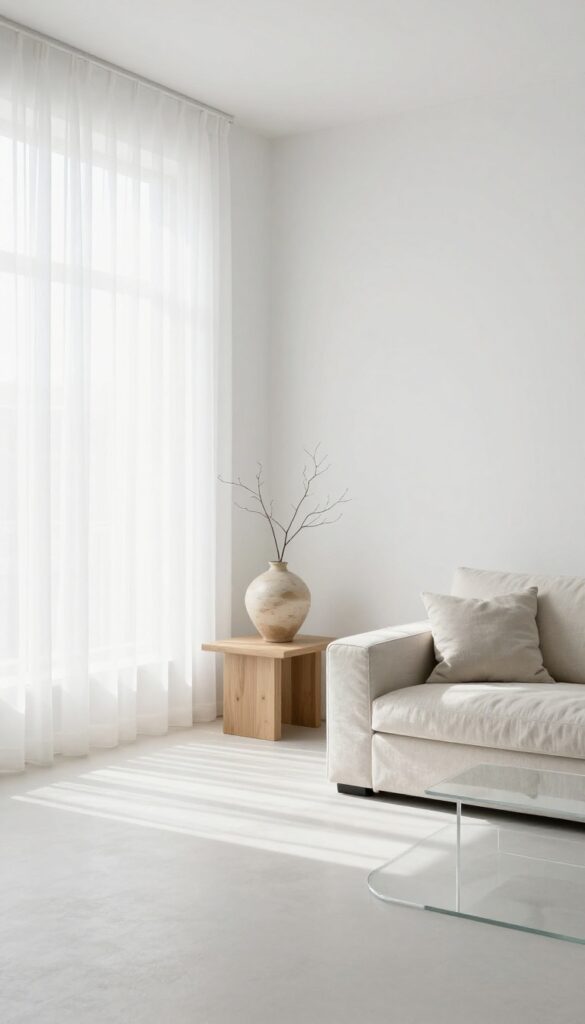
This one’s tough, but it matters. Too many decorative items make even a decent-sized room feel cluttered. Editing your decor helps the best pieces stand out and gives the room room to breathe.
I’ve had to remind myself that not every surface needs something on it. Once I started removing extras, the room instantly felt calmer.
Why This Works
Visual clutter shrinks a space faster than almost anything else. Fewer items mean more focus and a cleaner overall look.
How to Do It
- Remove anything that doesn’t serve a purpose
- Group decor in odd numbers
- Leave some surfaces completely bare
- Rotate decor seasonally instead of displaying everything
Style & Design Tips
Stick to a few statement pieces instead of lots of small ones. Negative space is just as important as decor.
Pro Tip or Budget Hack
Store extra decor in a box and rotate pieces every few months. It keeps the room feeling fresh without buying new things.
Final Thoughts
Small living rooms don’t need big renovations to feel better, they just need smarter choices. Once you focus on scale, flow, and simplicity, everything starts to click into place. The goal isn’t to make the room look empty, just intentional.
If you take anything away from this, let it be this: less clutter, better layout, and thoughtful details go a long way. A small space can still feel stylish, comfortable, and totally you with the right approach.