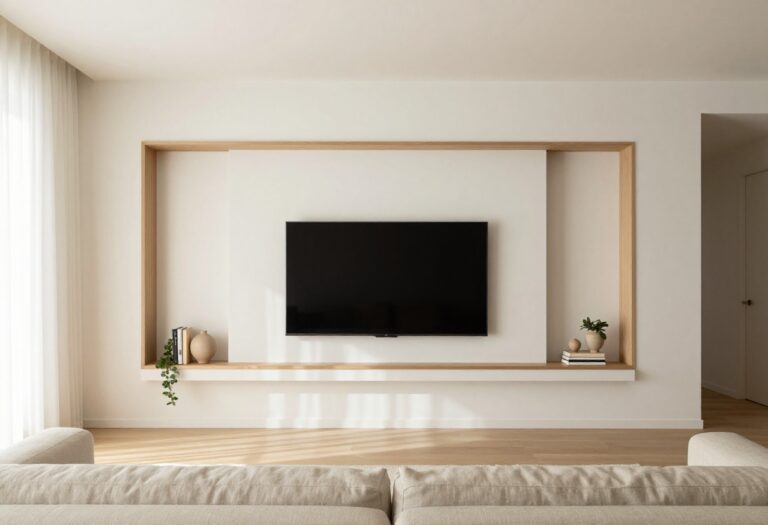
8 Small Spare Bedroom Ideas That Feel Bigger
A narrow doorway opens to a room that still smells faintly like fresh paint and unopened cardboard boxes.
Light sneaks in through a single window, hits the far wall, and somehow makes the space feel both hopeful and slightly awkward.
Spare bedrooms tend to live in that in-between zone where intention exists but clarity doesn’t. That’s actually a good thing, because it means there’s room to make smart choices.
Small spare bedrooms don’t need dramatic renovations or expensive furniture to feel better. They need clarity, restraint, and a few intentional moves that work harder than they look.
I’ve played around with enough “almost rooms” to know that less really does more here.
1. Turn It into a Guest Room That Doesn’t Try Too Hard
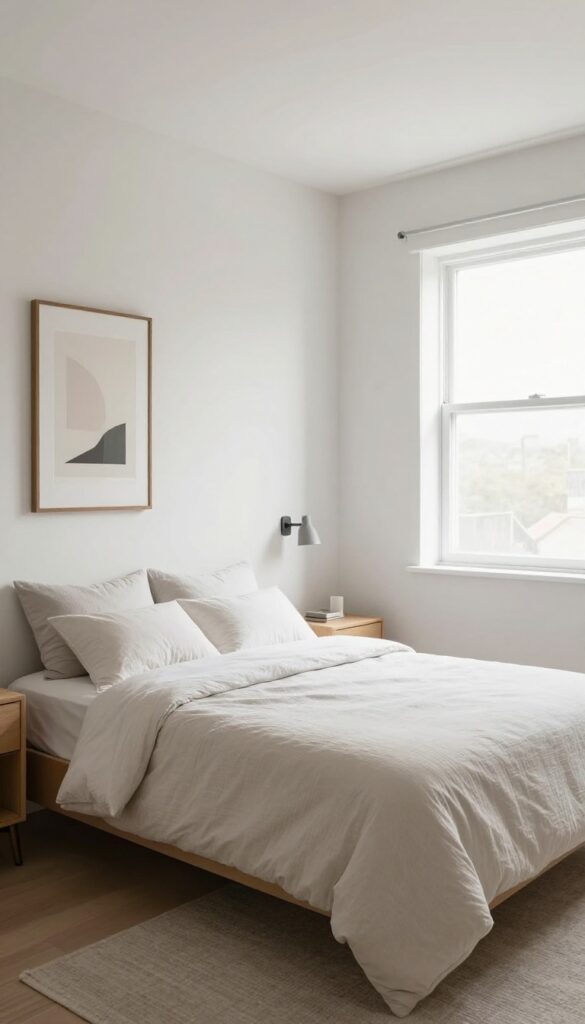
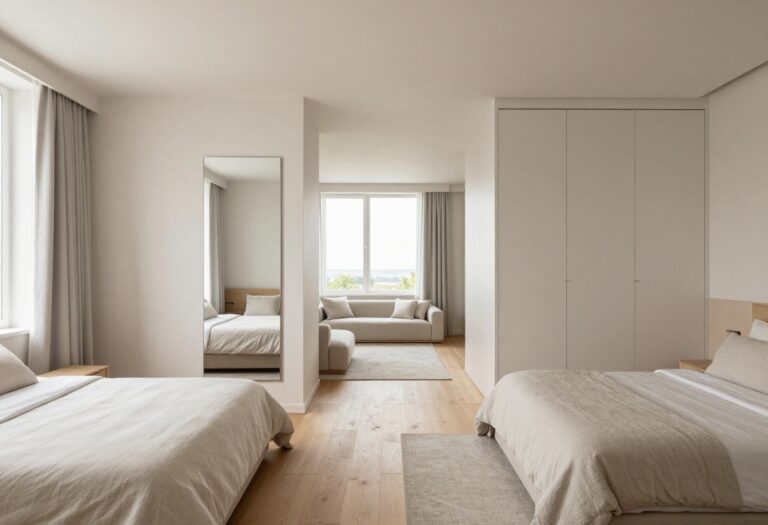
A spare bedroom usually fails when it tries to be too much at once. Random furniture piles up, old decor sneaks in, and suddenly the room feels smaller than it ever needed to. A calm, flexible guest setup instantly creates breathing room and purpose.
This idea works because guests don’t need excess, they need comfort and clarity. A simple bed, space to move, and a few thoughtful touches make the room feel intentional instead of forgotten.
I’ve learned that a relaxed guest room always feels bigger than one stuffed with “just in case” items.
Why This Works
Visual calm tricks the eye into seeing more space than actually exists. When the room has a single clear function, everything flows better. Negative space becomes part of the design instead of wasted square footage.
A pared-down guest room also adapts easily. It looks good empty and feels welcoming when occupied, which is exactly what a spare room should do.
How to Do It
- Choose a bed size that fits the room without squeezing walkways.
- Use one nightstand instead of two if space feels tight.
- Keep the bed centered to maintain balance.
- Add wall-mounted lighting to free floor space.
Style & Design Tips
Stick to a light, neutral color palette to reflect natural light. Avoid heavy headboards or ornate bed frames that visually crowd the room. Simple bedding with subtle texture adds warmth without adding bulk.
One mistake I see a lot is overdecorating guest rooms with generic art. One thoughtful piece beats three filler prints every time.
Pro Tip or Budget Hack
Skip a bulky dresser and use a slim luggage rack instead. Guests rarely unpack fully, and the room instantly feels more open. You can fold it away when the room isn’t in use, which keeps the space flexible.
2. Use a Daybed Instead of a Traditional Bed
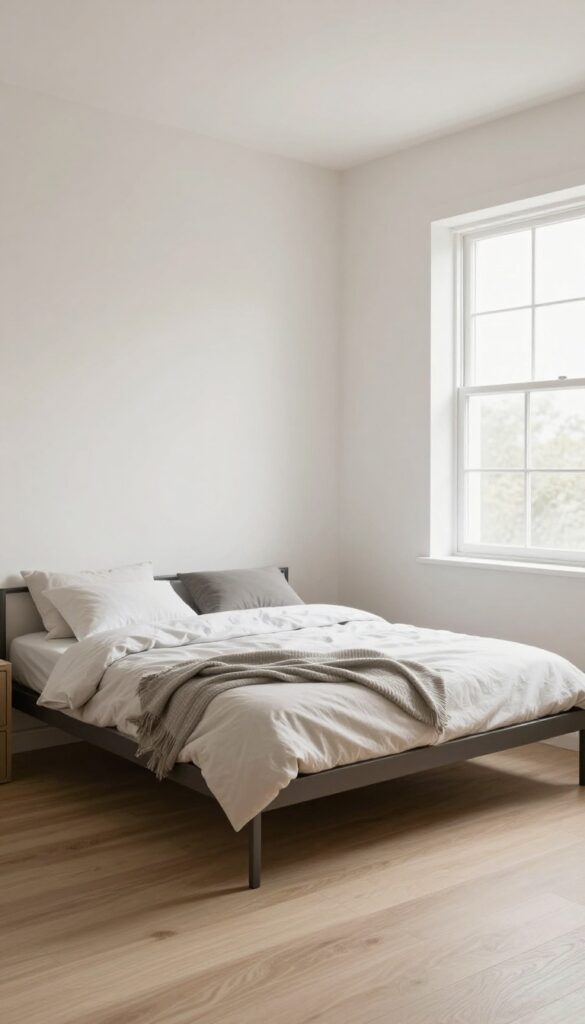
A standard bed can dominate a small spare bedroom fast. Daybeds offer the comfort of a bed with the footprint of a sofa, which changes how the room functions. This is one of my favorite swaps for tight spaces.
The room immediately feels less boxed in when the bed doesn’t eat the entire floor. You gain visual width and flexibility without sacrificing comfort. I’ve used this trick in more than one apartment, and it always surprises people.
Why This Works
Daybeds sit lower and usually have slimmer frames. That visual lightness makes walls feel farther apart. The dual function also prevents the room from feeling “empty but full” at the same time.
They work especially well in spare rooms that double as reading nooks or overflow spaces. The room stays useful even when no one’s sleeping there.
How to Do It
- Choose a daybed with a clean, open frame.
- Push it against a wall to open floor space.
- Use supportive pillows that double as backrests.
- Keep bedding minimal and tailored.
Style & Design Tips
Stick with solid or lightly patterned bedding to avoid visual noise. Metal or wood frames with open sides feel lighter than upholstered ones. Avoid bulky trundles unless you truly need extra sleeping space.
One mistake is overloading the daybed with throw pillows. It looks nice in photos but eats usable space fast.
Pro Tip or Budget Hack
Use a standard twin mattress and upgrade the bedding instead of the frame. Crisp sheets and a structured coverlet elevate even a budget daybed. The room will feel styled without feeling staged.
3. Go Vertical with Storage Instead of Wide Furniture
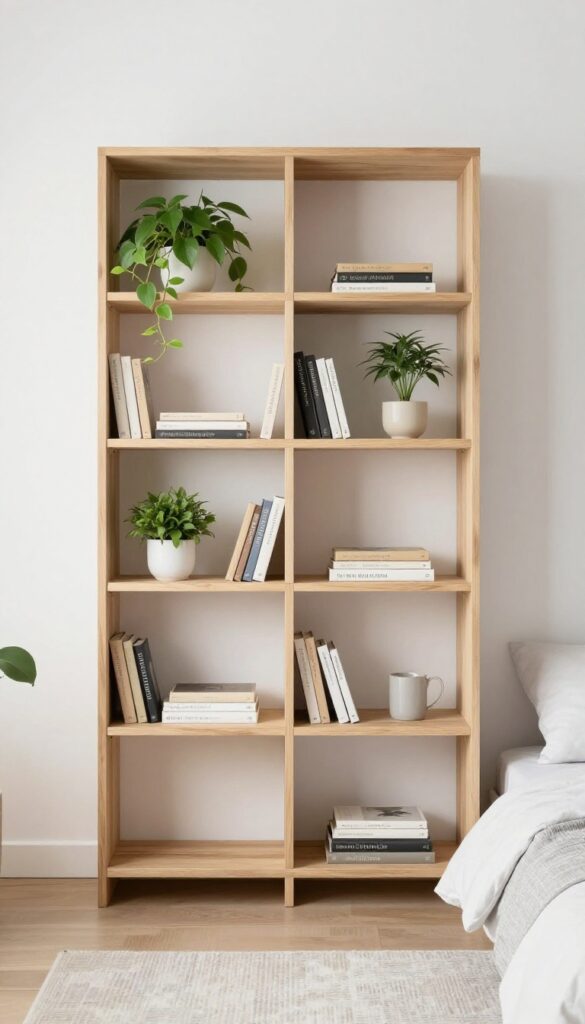
Floor-hugging furniture is a space killer in small rooms. Vertical storage pulls the eye upward and frees valuable floor space. Once you see the difference, it’s hard to go back.
Tall shelving or wall storage keeps the room functional without crowding it. I used to default to low dressers, but switching to vertical storage changed everything.
Why This Works
The eye reads height as openness. When furniture rises instead of spreads, the floor feels less cluttered. Vertical storage also keeps pathways clear, which matters more than people realize.
This approach makes the room feel taller even if the ceiling height stays the same. It’s a simple illusion that works every time.
How to Do It
- Install tall, narrow bookcases.
- Use floating shelves above eye level.
- Store less-used items higher up.
- Keep the bottom third visually light.
Style & Design Tips
Match shelving color to the wall for a seamless look. Open shelves feel lighter than closed cabinets in tight rooms. Avoid overcrowding shelves with decor, which defeats the purpose.
One common mistake is mixing too many shelf styles. Consistency keeps the room from feeling chaotic.
Pro Tip or Budget Hack
Use adjustable shelving systems so storage can change over time. You’ll avoid replacing furniture when needs shift. It’s cheaper long-term and keeps the room adaptable.
4. Create a Minimal Home Office Setup
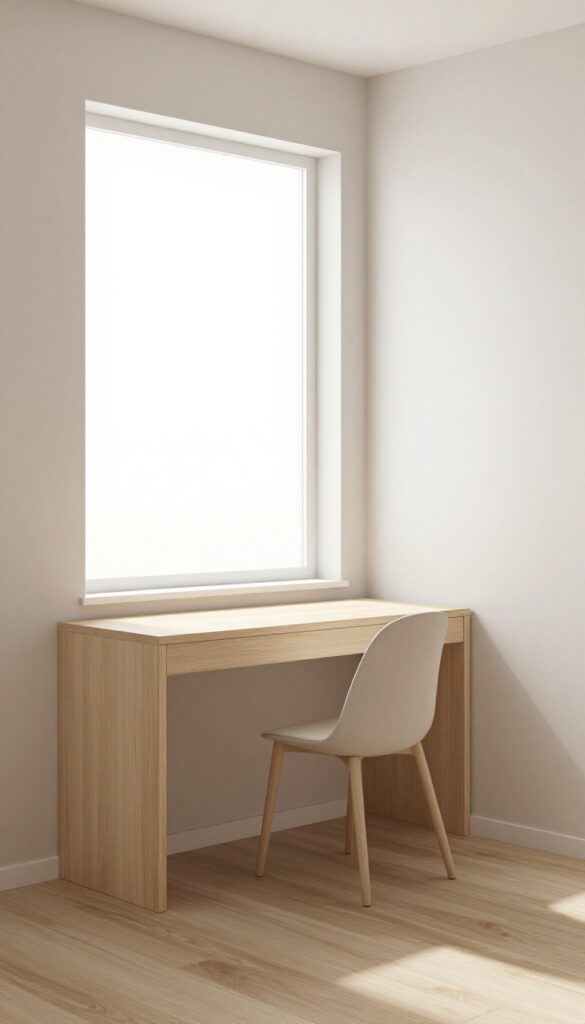
Spare bedrooms often become accidental offices, but bulky desks ruin the space fast. A minimal, intentional setup keeps the room open while adding function. The key is editing aggressively.
A slim desk and smart placement can make the room feel purposeful instead of cramped. I’ve learned that working in a clean, open room actually improves focus too.
Why This Works
Small desks create visual breathing room. When the workspace doesn’t dominate, the room maintains balance. The dual function also prevents the room from feeling unused.
A compact office setup encourages tidiness. Less surface area means less clutter collecting over time.
How to Do It
- Choose a wall-mounted or narrow desk.
- Position it near natural light.
- Use a lightweight chair that tucks in fully.
- Keep cables hidden and minimal.
Style & Design Tips
Stick to light wood or matte finishes. Floating desks feel especially space-friendly in spare rooms. Avoid oversized office chairs that visually overpower the room.
A big mistake is trying to add full office storage. Keep only what you actually use daily.
Pro Tip or Budget Hack
Use a shelf as a desk surface with brackets. It costs less and looks cleaner than most store-bought desks. You can customize the width to fit the room perfectly.
5. Use Mirrors Strategically to Expand the Room
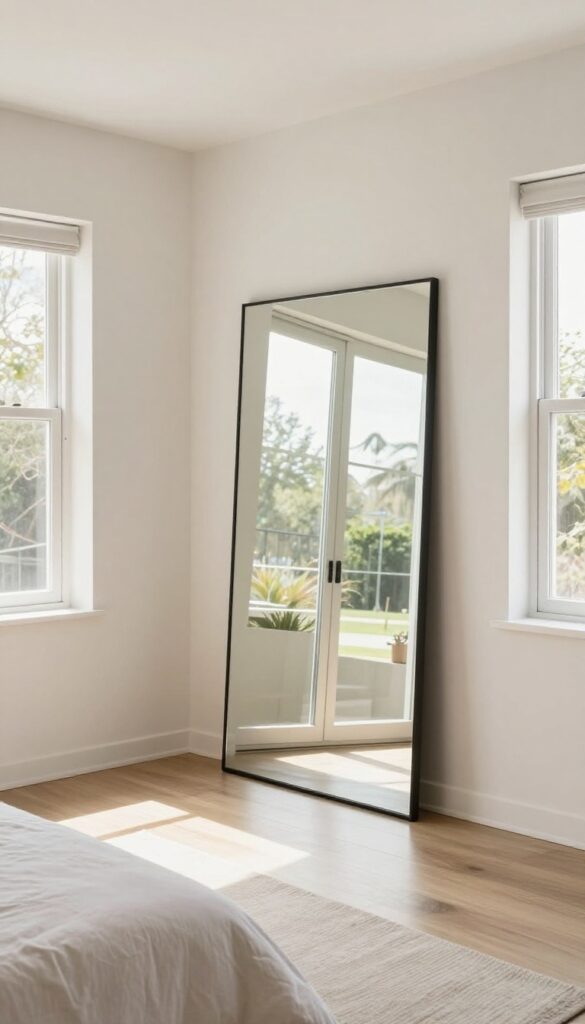
Mirrors aren’t just decorative in small rooms. They’re space multipliers when used correctly. The difference between a good mirror and a bad one is placement.
A well-placed mirror reflects light and depth. I’ve seen tiny rooms feel nearly double in size with one smart mirror choice.
Why This Works
Mirrors bounce light around, reducing shadows. They visually extend walls and create depth. The brain reads reflected space as real space.
When mirrors reflect windows or open areas, the effect increases dramatically. Placement matters more than size.
How to Do It
- Place mirrors opposite or adjacent to windows.
- Choose vertical mirrors to enhance height.
- Lean large mirrors instead of mounting.
- Avoid cluttered reflections.
Style & Design Tips
Simple frames work best in small rooms. Thin or frameless mirrors feel lighter than ornate designs. Avoid placing mirrors where they reflect messy corners.
One mistake is using too many small mirrors. One large mirror always works better.
Pro Tip or Budget Hack
Check thrift stores for oversized mirrors. A quick frame refresh can make them look custom. It’s one of the cheapest ways to transform a room visually.
6. Stick to a Tight, Light Color Palette
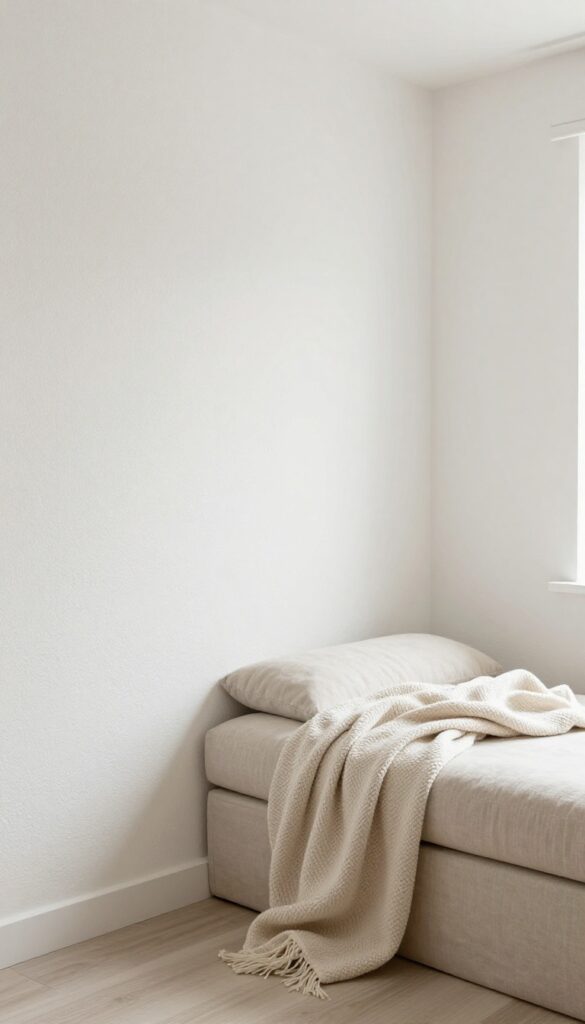
Color can shrink or expand a room instantly. Small spare bedrooms benefit from restraint more than creativity. A tight palette keeps everything cohesive.
Light tones don’t mean boring. They mean intentional. I used to overcomplicate color schemes until I saw how calming simplicity felt.
Why This Works
Fewer color changes mean fewer visual breaks. The eye moves smoothly around the room. That flow creates a sense of openness.
Light colors also amplify natural light. Even darker rooms feel airier with the right palette.
How to Do It
- Choose one main wall color.
- Add one accent tone only if needed.
- Keep furniture within the same color family.
- Use texture instead of contrast.
Style & Design Tips
Soft whites, warm beiges, and pale grays work beautifully. Tone-on-tone designs feel intentional without being flat. Avoid sharp contrasts that chop the room visually.
A common mistake is adding too many “statement” colors. Small rooms don’t need them.
Pro Tip or Budget Hack
Use removable wallpaper in subtle patterns. It adds interest without commitment. If it overwhelms the room, you can peel it off easily.
7. Choose Multi-Functional Furniture Pieces
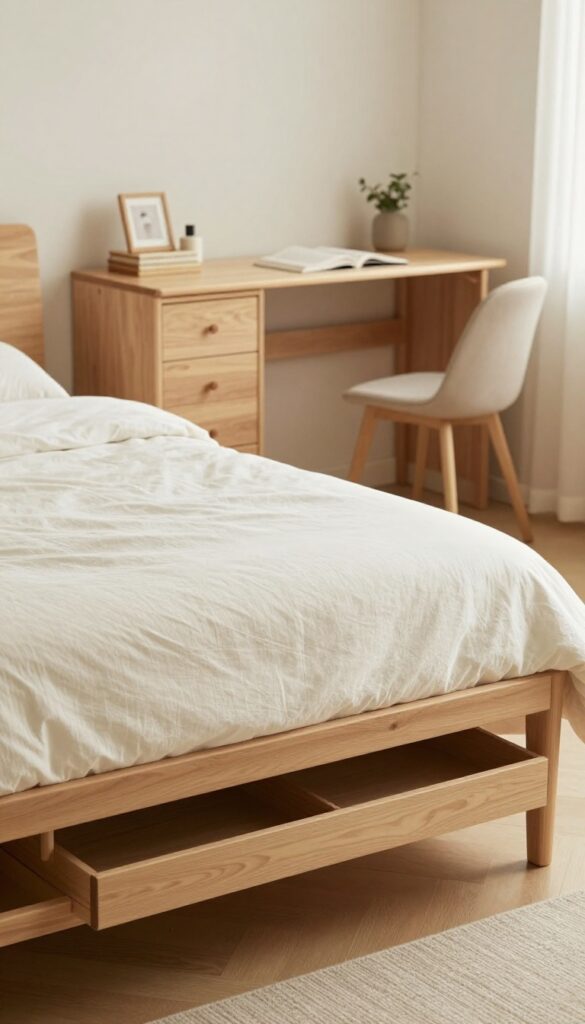
Every item in a small spare bedroom should earn its place. Multi-functional furniture keeps the room useful without clutter. This mindset changes how you shop entirely.
Pieces that serve two roles reduce visual noise. I’ve learned that fewer, smarter items always beat more furniture.
Why This Works
Dual-purpose furniture reduces the total item count. Fewer pieces mean clearer sightlines. The room feels calmer and more open.
It also keeps the space flexible. Needs change, and the room adapts without rearranging everything.
How to Do It
- Use storage benches at the foot of the bed.
- Choose nightstands with drawers.
- Pick fold-out desks or tables.
- Avoid single-use furniture.
Style & Design Tips
Look for clean lines and hidden storage. Furniture that hides its function feels less bulky. Avoid chunky pieces that visually dominate.
One mistake is buying furniture that looks clever but functions poorly. Test usability first.
Pro Tip or Budget Hack
DIY a storage bench with a basic box and cushion. It’s cheaper and customizable. You’ll get storage and seating without designer prices.
8. Keep Decor Minimal but Intentional
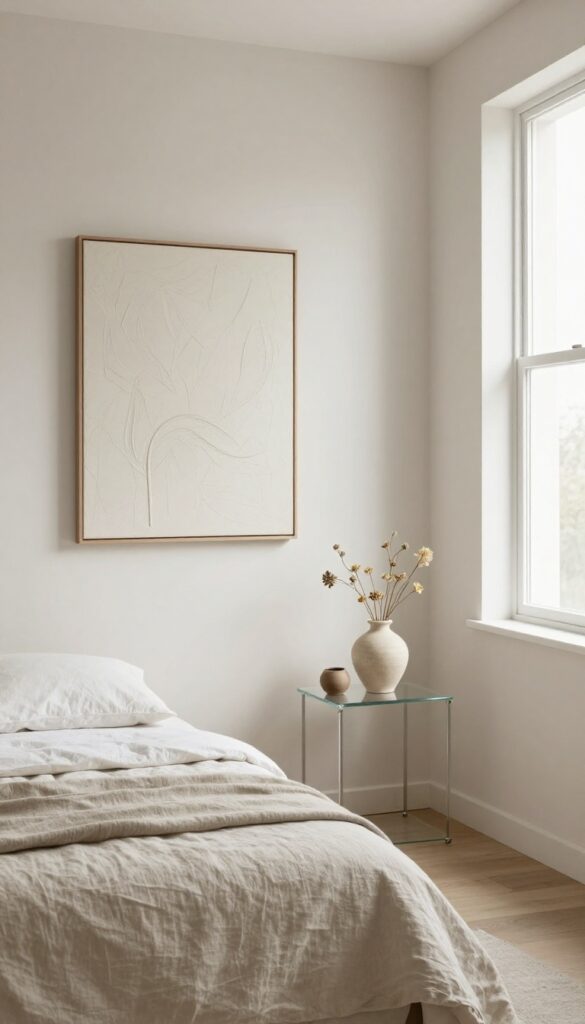
Decor finishes a room, but too much kills it fast. In small spare bedrooms, restraint wins every time. Each piece should have a reason to exist.
Intentional decor adds personality without clutter. I’ve learned to remove one item after decorating, and the room always looks better.
Why This Works
Minimal decor keeps visual weight low. The room feels calmer and larger. The eye rests instead of bouncing around.
Intentional choices feel personal instead of random. That’s what makes a small room feel designed.
How to Do It
- Choose one focal decor piece.
- Limit wall art to one or two items.
- Keep surfaces mostly clear.
- Edit regularly.
Style & Design Tips
Use texture instead of quantity. Natural materials add warmth without clutter. Avoid filling empty space just because it’s there.
A common mistake is treating decor as storage. Decorative items should stay decorative.
Pro Tip or Budget Hack
Rotate decor from other rooms instead of buying new. It keeps the room fresh for free. Spare bedrooms don’t need constant shopping.
Final Thoughts
Small spare bedrooms don’t need to do everything at once to feel good. One clear purpose and a few smart choices can change how the room feels entirely. Space isn’t always about square footage, it’s about intention.
Trying all eight ideas at once usually backfires. Pick one, see how it changes the room, then build from there. I’ve found that slow changes always stick longer than rushed makeovers.