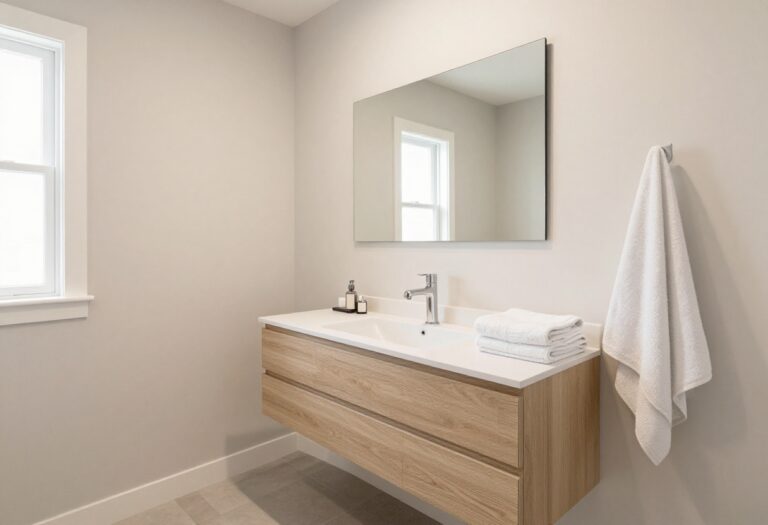
15 Minimalist Home Decor Ideas for a Clean Aesthetic
I’ll be honest, I didn’t fall for minimalist home decor because it looked trendy on Instagram. I fell for it because I got tired of cleaning around stuff I didn’t even like anymore.
Ever felt that moment when your space feels noisy even though no one’s talking? That’s exactly where minimalist decor steps in and saves the day.
I’ve lived with both cluttered chaos and calm, clean spaces, and trust me, the difference feels almost unfair.
Why Minimalist Home Decor Actually Works
Minimalist home decor works because it gives your brain a break. When your space looks calm, you feel calmer, and that’s not some deep design theory, that’s real life.
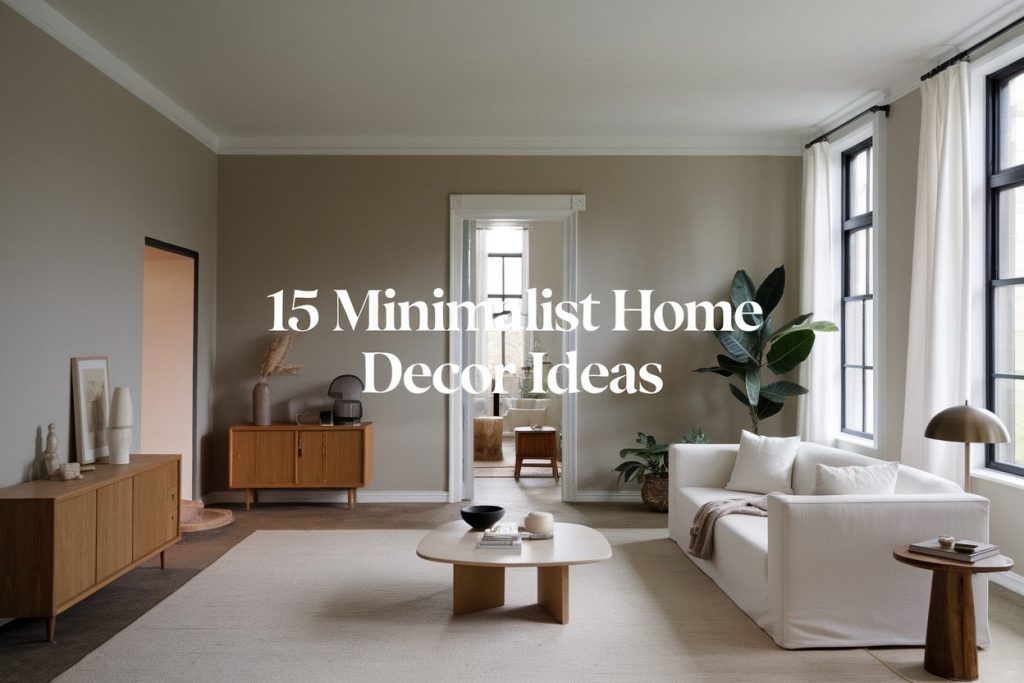
I noticed I slept better and focused more once I stopped surrounding myself with random décor pieces I bought just because they were on sale.
Minimalism doesn’t mean boring or empty, by the way. It means intentional, thoughtful, and clean without trying too hard. Ever wondered why hotel rooms feel so peaceful even when they’re simple? Same idea.
1. Stick to a Neutral Color Palette
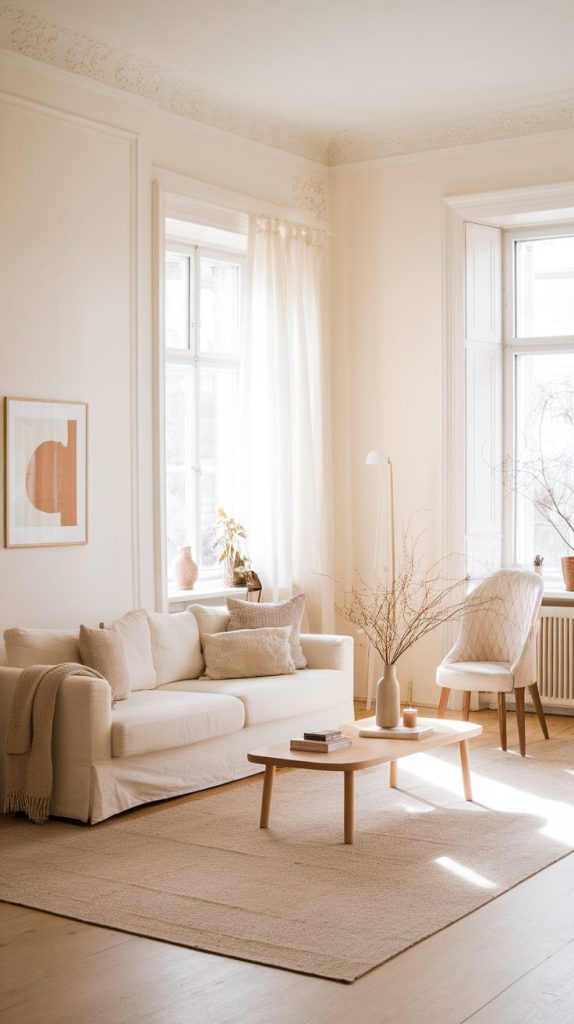
Neutral colors create the foundation of minimalist home decor. I always recommend starting with whites, soft grays, beige, or warm taupe because these shades instantly calm a room.
When I repainted my living room in warm white, the space suddenly felt twice as big and way more breathable.
Neutral walls also make it easier to switch accessories later without repainting everything. IMO, that flexibility alone makes neutrals worth it.
How to Use Neutrals Without Feeling Cold
You can avoid the sterile look by layering tones instead of using one flat shade. Mix warm whites with creamy beige or soft greige to keep things cozy.
Textures matter here, so add linen curtains, cotton throws, or a wool rug to soften the look. A neutral space feels welcoming when it looks lived in, not staged.
2. Choose Furniture with Clean Lines
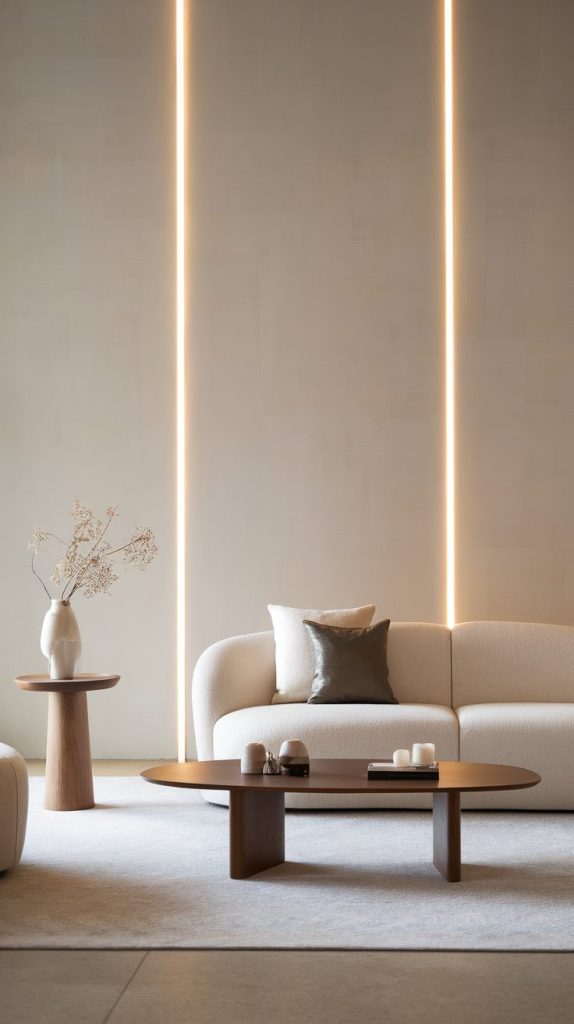
Minimalist furniture focuses on shape, not decoration. I always gravitate toward pieces with straight edges, slim legs, and zero unnecessary detailing.
Bulky furniture eats visual space faster than you think. When I replaced a chunky coffee table with a sleek wooden one, my living room instantly felt more open. Ever noticed how some rooms feel cramped even when they aren’t small? Furniture usually causes that.
What to Look for in Minimalist Furniture
- Simple silhouettes with no carvings
- Neutral or natural materials like wood, metal, or fabric
- Furniture that sits slightly off the floor to create airflow
You don’t need designer brands either. Plenty of affordable furniture brands nail minimalist design without draining your wallet.
3. Declutter Like You Actually Mean It
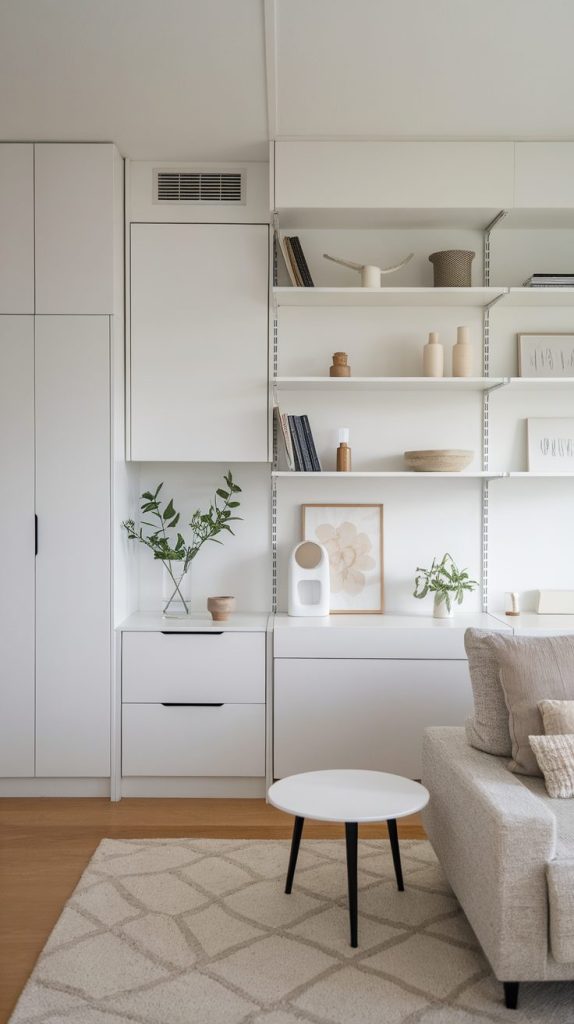
Minimalist home decor collapses the second clutter sneaks back in. I learned this the hard way after “decorating minimally” but keeping piles of random items on every surface.
Decluttering doesn’t mean throwing away everything you own. It means keeping what serves a purpose or sparks genuine joy. If you wouldn’t buy it again today, why keep it?
Easy Decluttering Rules That Actually Work
- Clear one surface completely before moving on
- Limit decor items to odd numbers like three or five
- Store daily-use items out of sight whenever possible
FYI, decluttering feels emotional at first, but the calm that follows feels addictive.
4. Let Natural Light Do the Heavy Lifting
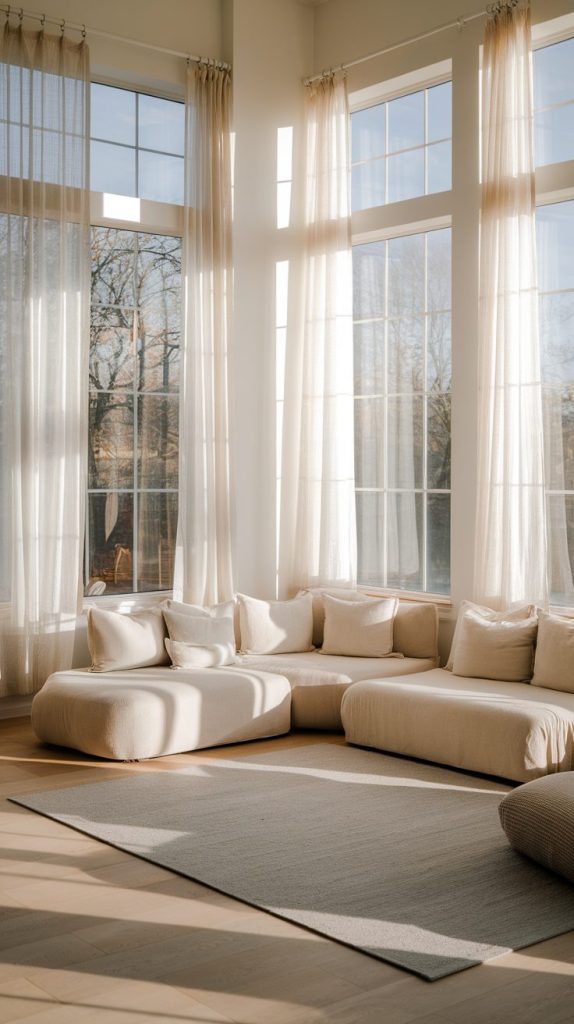
Natural light might be the most underrated minimalist decor element. Bright rooms feel cleaner and more open without adding a single item.
I swapped heavy curtains for sheer white panels, and the difference shocked me. The room felt warmer, brighter, and more alive. Why block free beauty from the sun?
Maximize Light Without Renovations
Keep window areas clear and avoid placing furniture directly in front of them. Use mirrors strategically to bounce light around darker corners.
Light-colored walls and floors also help reflect sunlight, which makes even small rooms feel airy.
5. Limit Decorative Accessories
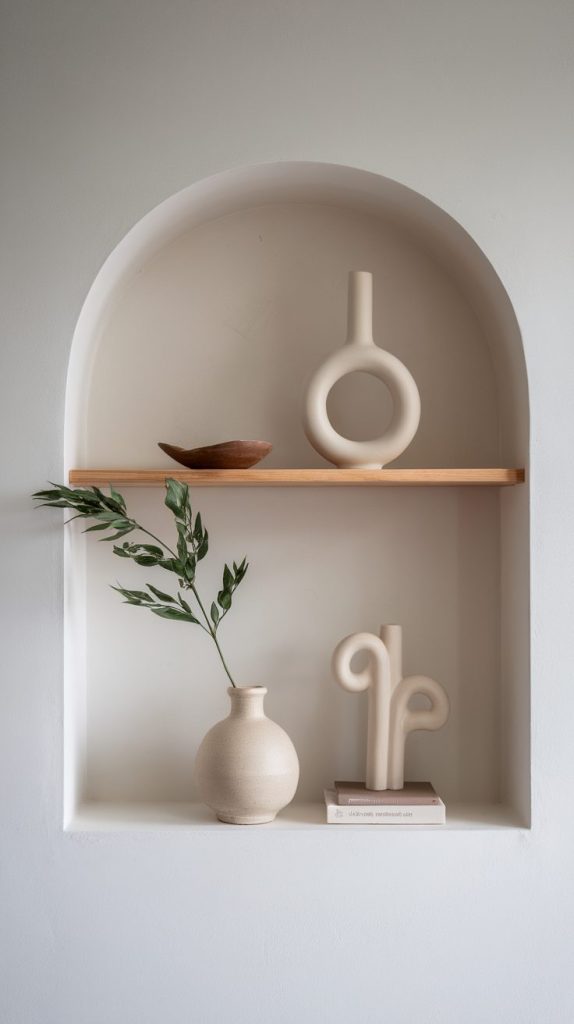
Minimalism loves restraint, and accessories follow the same rule. I now choose a few statement pieces instead of filling shelves with small decor items.
A single ceramic vase or sculptural object carries more impact than ten tiny trinkets. Ever looked at a shelf and felt overwhelmed instead of inspired? That’s accessory overload.
Smart Accessory Choices
- One bold art piece instead of multiple small frames
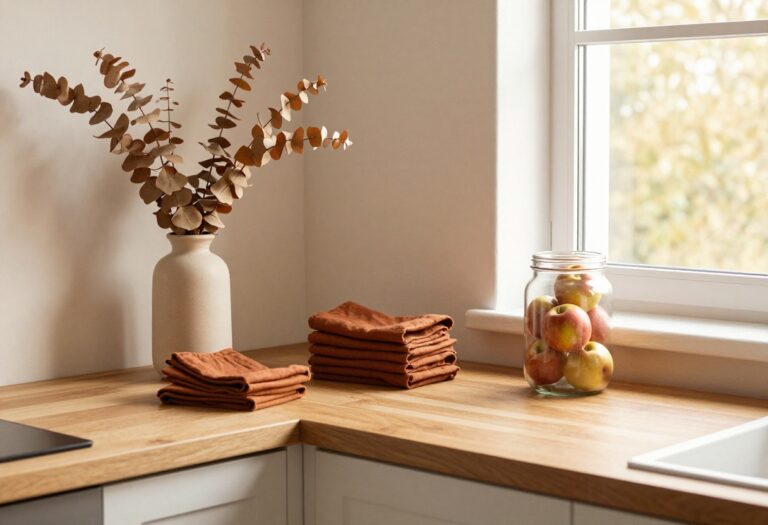
- A single vase with fresh greenery
- Decor items in neutral or earthy tones
Every item should earn its spot visually.
6. Embrace Negative Space
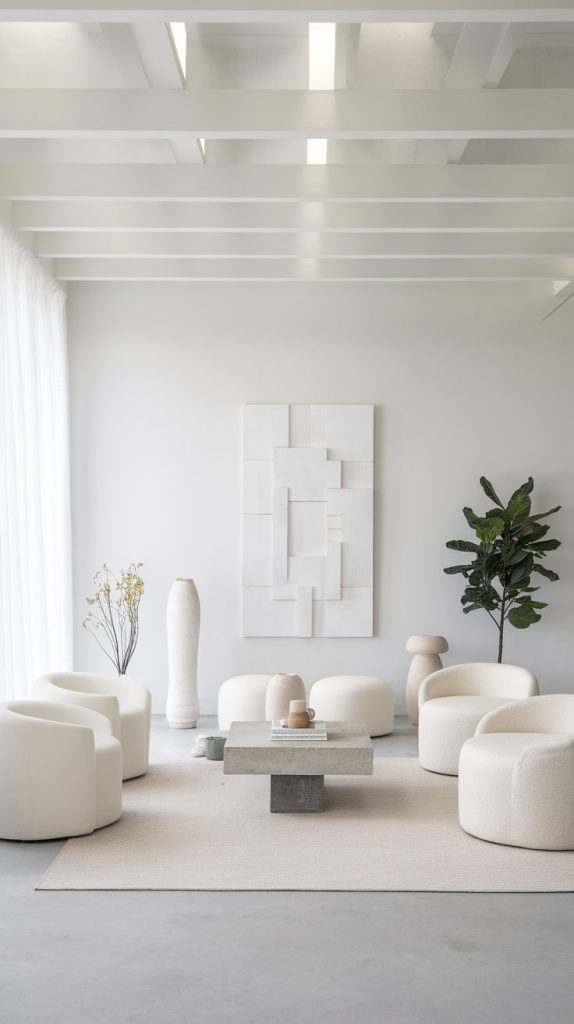
Negative space sounds fancy, but it simply means empty space. Empty areas help your decor breathe and give your eyes a place to rest.
When I stopped filling every corner of my apartment, the space instantly felt more intentional. Empty space isn’t wasted space, it’s design.
Where Negative Space Works Best
Leave space around furniture, especially sofas and beds. Avoid pushing everything against walls just to fill gaps.
Open walls and clear surfaces amplify minimalist aesthetics more than any decorative object ever could.
7. Add Texture Instead of Color
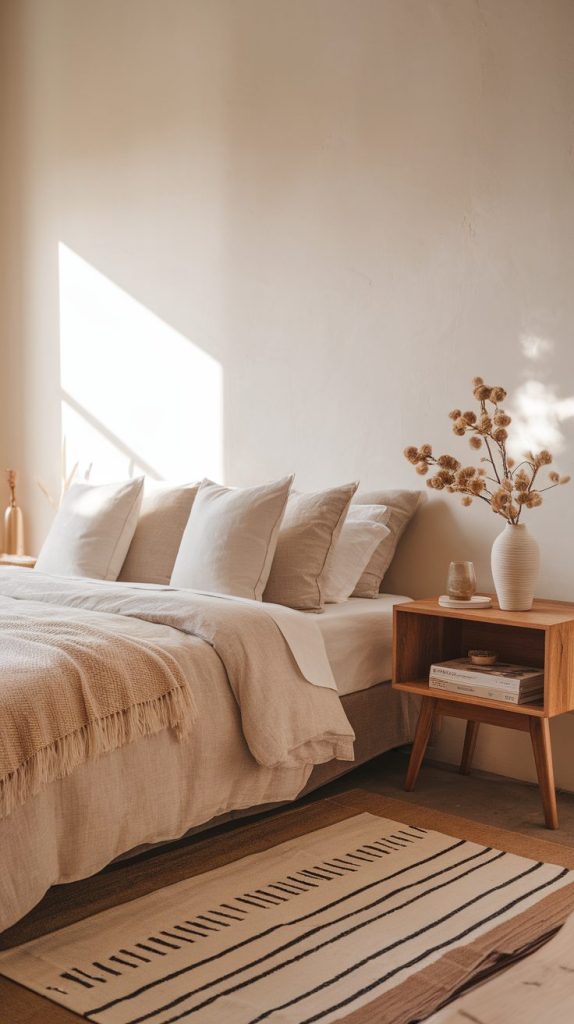
Minimalist decor doesn’t rely on bold colors, so texture becomes your best friend. Texture adds depth without visual chaos.
I love layering textures like linen, leather, wood, and wool. The room feels rich even when the color palette stays simple.
Easy Texture Ideas
- Linen curtains or bedding
- Woven baskets for storage
- Wooden furniture with visible grain
Texture keeps minimalism warm instead of flat.
8. Choose Functional Decor Pieces
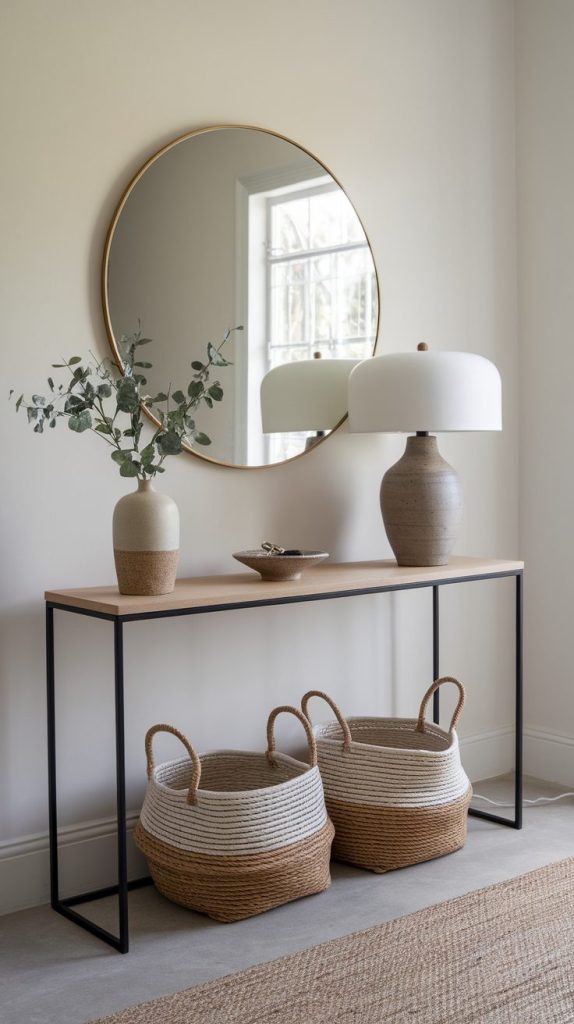
Minimalist home decor thrives when decor also serves a purpose. I stopped buying decor just to “fill space” and started choosing items I actually use.
A sleek floor lamp, a ceramic bowl for keys, or a stylish tray instantly elevate a room while staying practical. Why decorate with something that does nothing?
Functional Decor Examples
- Decorative storage boxes
- Statement lighting fixtures
- Minimalist wall clocks
Form and function should always work together.
9. Keep Open Shelving Simple
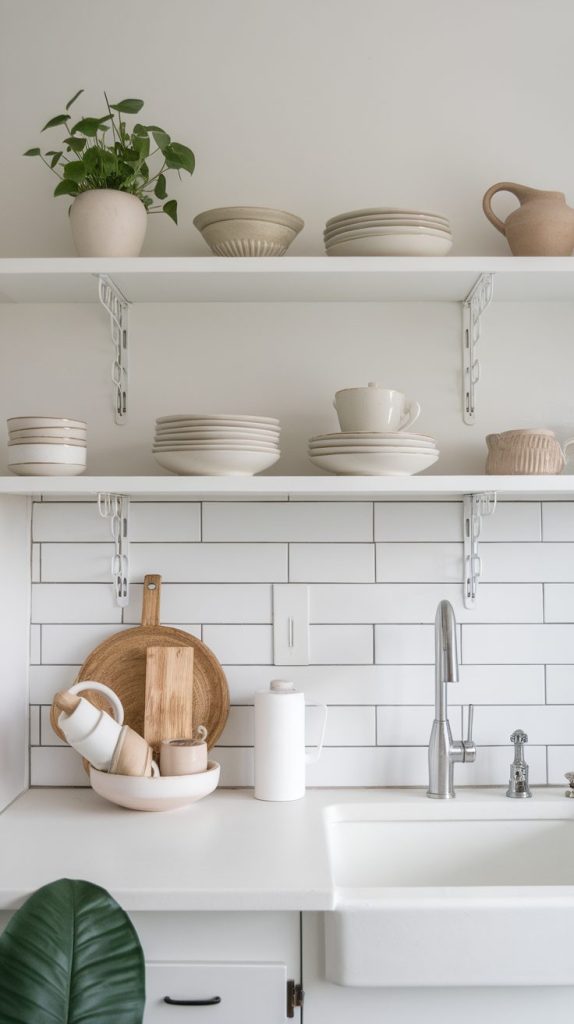
Open shelving scares people because it exposes clutter fast. I love it because it forces discipline.
When shelves look intentional, they add character without heaviness. I limit shelf decor to books, a plant, and one sculptural object.
Styling Open Shelves the Minimalist Way
- Stick to a limited color palette
- Leave space between objects
- Use books as subtle decor
Less really does more here.
10. Invest in Quality Over Quantity
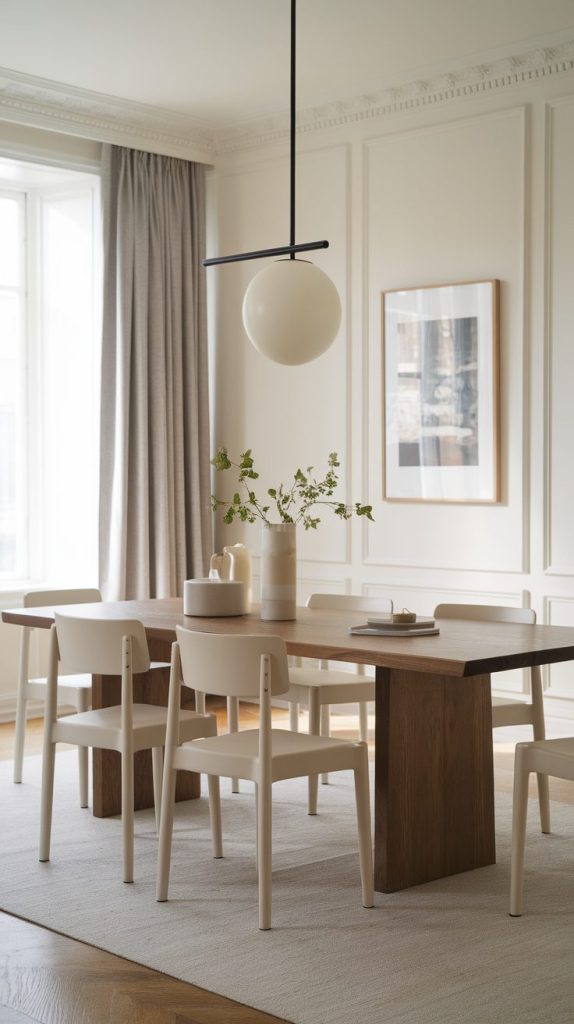
Minimalism values fewer, better items. I stopped buying cheap decor that broke or went out of style quickly.
One solid wood table beats three flimsy ones any day. Quality pieces age well and feel timeless instead of trendy.
Where Quality Matters Most
- Sofas and seating
- Beds and mattresses
- Dining tables
Long-term comfort beats short-term savings.
11. Keep Flooring Clean and Simple
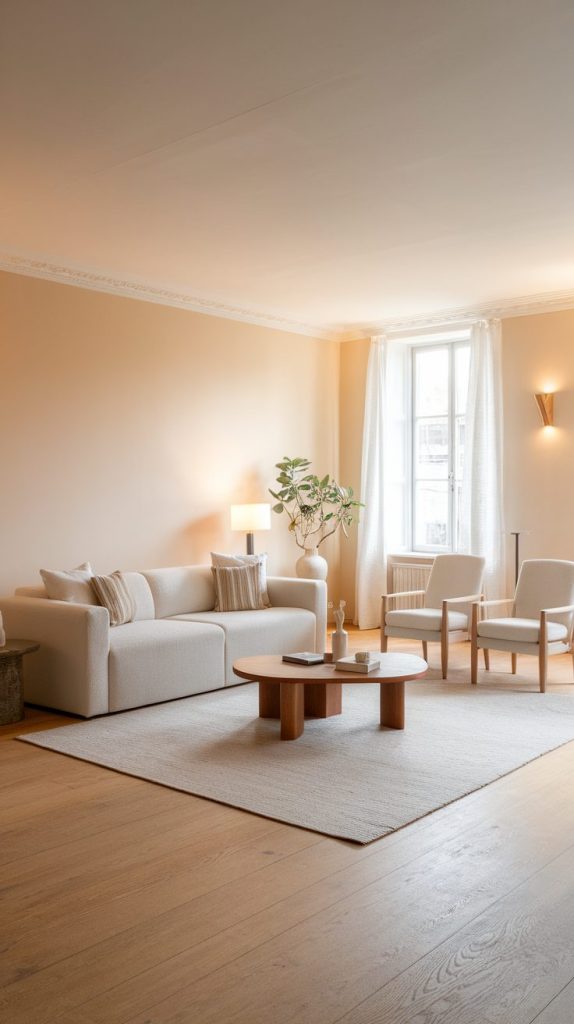
Flooring sets the tone for minimalist home decor. I always recommend simple wood, tile, or polished concrete finishes.
Busy patterns fight against minimalism. A clean floor instantly grounds the entire space and makes everything else shine.
Rug Tips for Minimalist Spaces
Choose solid or subtly textured rugs. Avoid loud patterns or overly bold colors.
A neutral rug anchors furniture without stealing attention.
12. Use Plants as Natural Decor
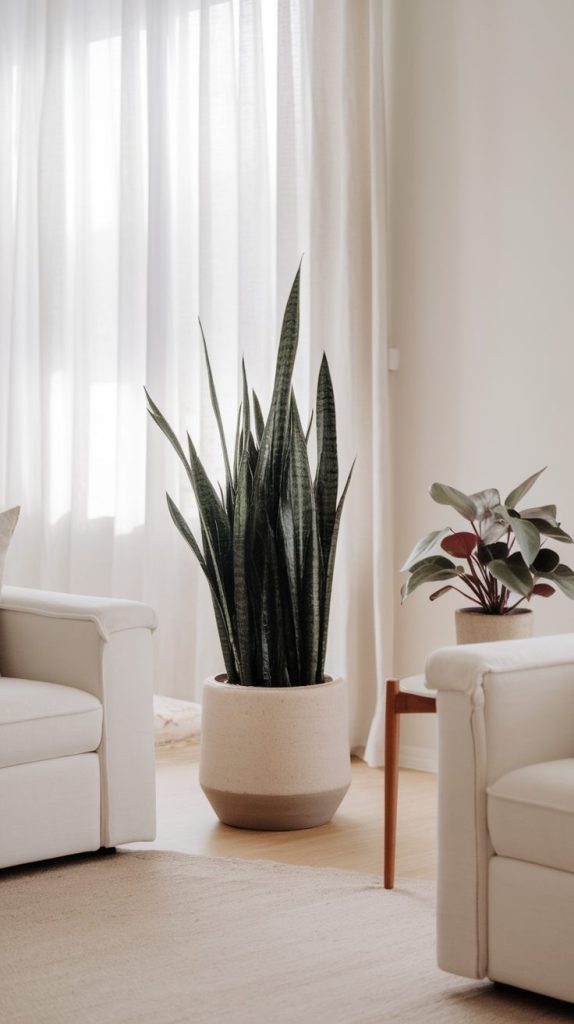
Plants bring life into minimalist interiors without visual clutter. I swear one healthy plant can transform an entire room.
Greenery softens clean lines and adds warmth effortlessly. Ever noticed how minimalist rooms with plants feel more human? Exactly.
Best Plants for Minimalist Homes
- Snake plants
- Fiddle leaf figs
- Pothos or rubber plants
Stick to simple pots in neutral shades for a cohesive look.
13. Keep Wall Art Minimal and Meaningful
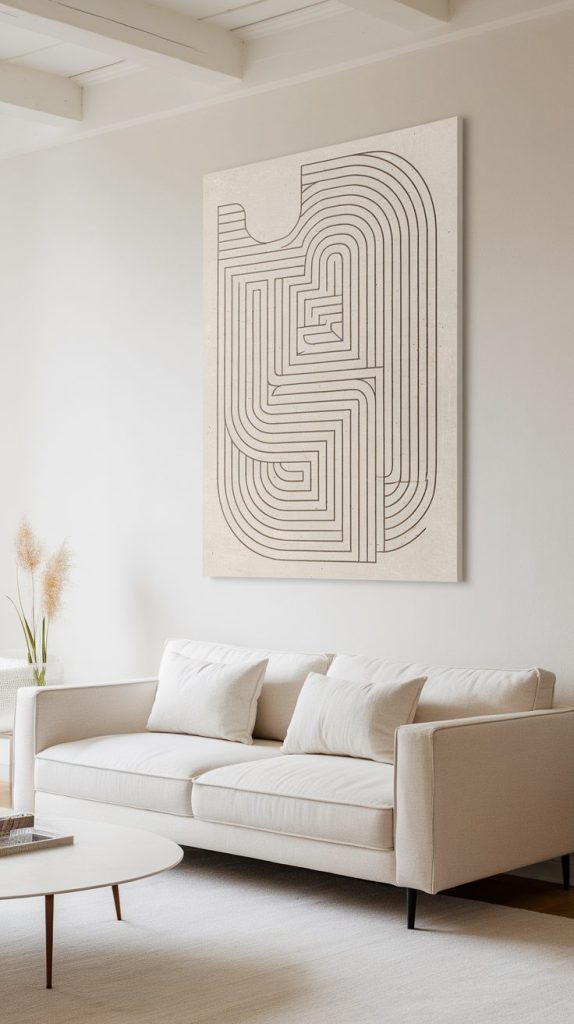
Minimalist wall art should feel intentional, not crowded. I prefer one large piece over multiple small frames.
Art works best when it complements the space instead of overwhelming it. If you have to explain it too much, it probably doesn’t belong there.
Wall Art Guidelines
- Choose abstract or line art
- Stick to neutral or monochrome tones
- Leave wall space around the art
Let the art breathe just like the room.
14. Hide Storage Whenever Possible
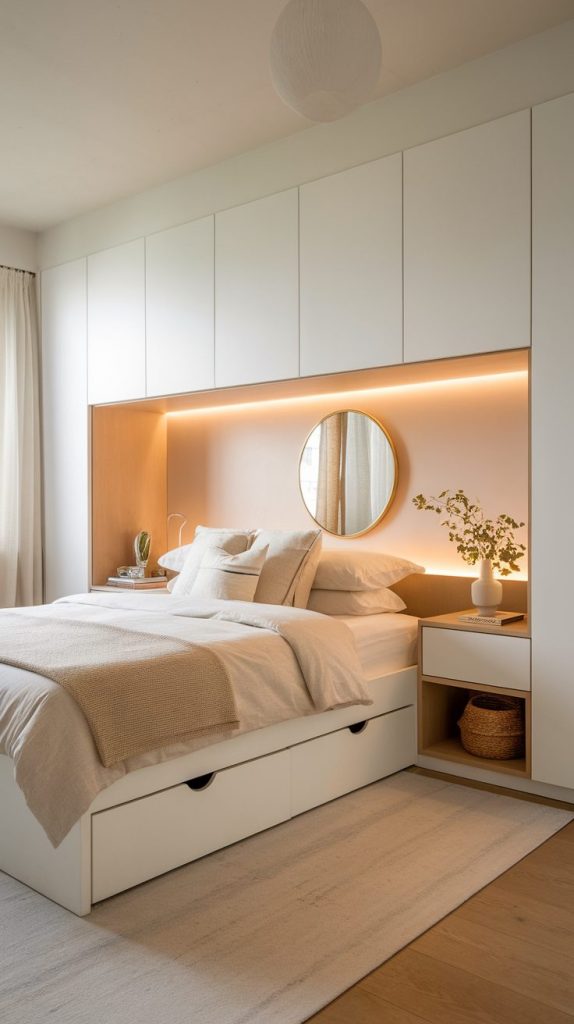
Hidden storage keeps minimalist homes looking effortless. I rely heavily on closed cabinets and storage furniture.
Out of sight truly means out of mind. When clutter disappears, the room feels instantly calmer.
Smart Storage Ideas
- Beds with built-in drawers
- Ottomans with hidden compartments
- Wall-mounted cabinets
Minimalism thrives on clean surfaces.
15. Maintain Consistency Across Rooms
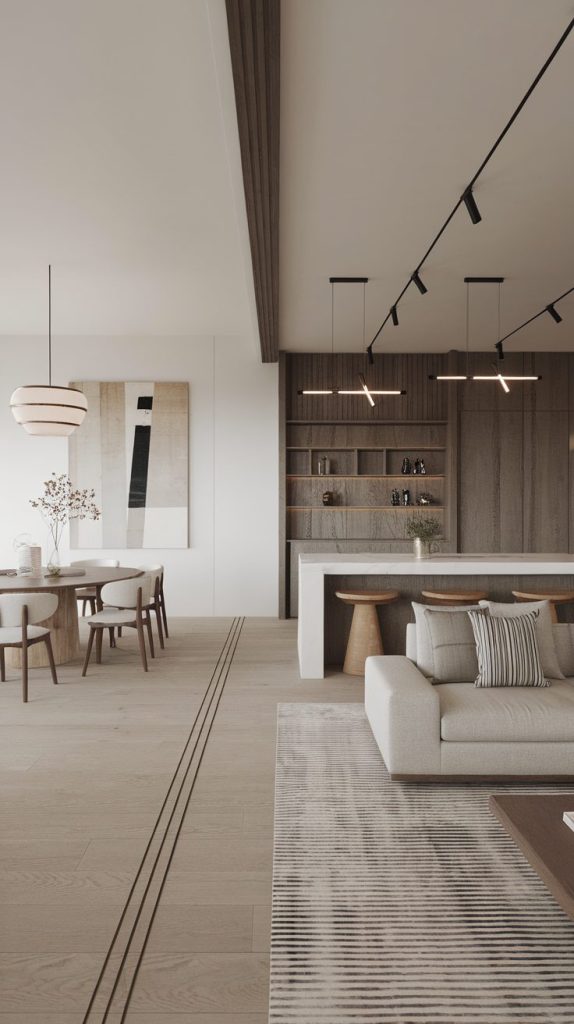
Consistency ties minimalist home decor together. I use similar color palettes and materials throughout my home to keep everything flowing.
Jumping between styles breaks the calm. When rooms connect visually, the entire home feels balanced and intentional.
How to Stay Consistent
- Repeat materials like wood or metal
- Stick to one color palette
- Use similar lighting styles
Consistency creates harmony without effort.
Final Thoughts
Minimalist home decor isn’t about rules or perfection, it’s about creating a space that feels calm, functional, and genuinely yours.
I’ve lived with clutter and without it, and I’ll choose simplicity every single time. Start small, stay intentional, and let your home breathe a little. Once you feel that calm kick in, you’ll wonder why you ever lived any other way.