
15 Easy Ways to Create a Peaceful Home Environment
I learned the hard way that a home can look perfect and still feel chaotic. I spent years tweaking furniture and buying decor, yet my place still stressed me out after long days.
Ever felt that weird tension when you walk in and think, why does this not feel calm at all?

Today I want to share practical, real-life ways I use to turn any space into a peaceful home environment without going full monk mode.
1. Declutter Like You Mean It, Not Like a Weekend Fantasy
I always tell friends that decluttering works only when you stay honest with yourself. You don’t need a dramatic purge that leaves you exhausted and surrounded by regret.
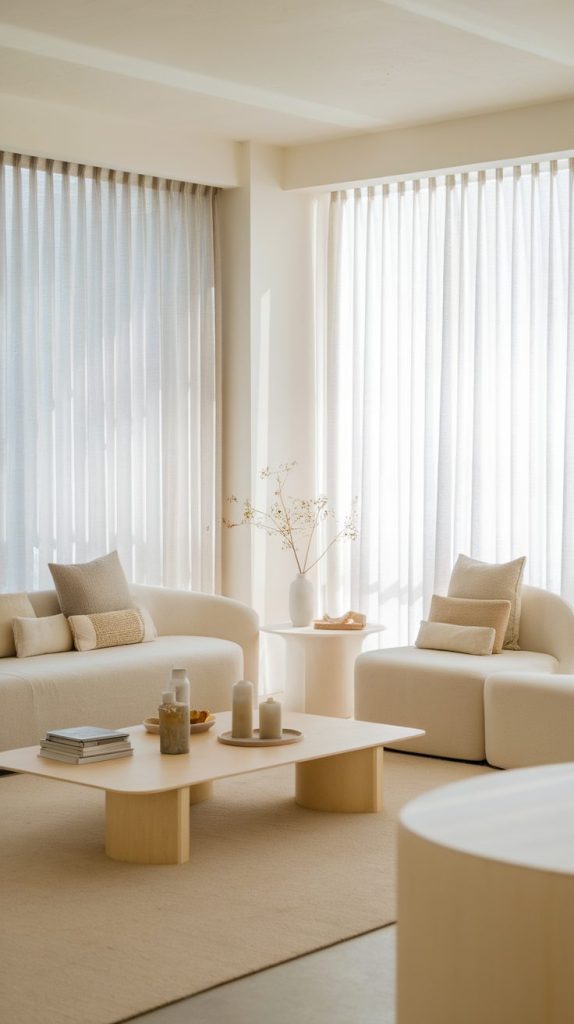
You need a realistic system that respects how you actually live.
Focus on One Small Zone at a Time
I start with one drawer or one shelf and finish it fully before touching anything else. This approach keeps my brain calm and avoids that half-done chaos that somehow feels worse than clutter.
Ever noticed how unfinished cleaning tasks mess with your head more than the mess itself?
Keep Only What Serves a Purpose or Brings Calm
I ask myself one simple question for every item, does this help my daily life or make me feel good when I see it? If the answer feels forced, I let it go without overthinking. IMO, emotional clutter drains energy faster than physical clutter.
2. Let Natural Light Do the Heavy Lifting

Natural light acts like free therapy for your home. I noticed an instant mood shift the moment I stopped blocking windows with heavy curtains and random furniture.
Open Up Your Windows Daily
I make it a habit to open my windows every morning, even for ten minutes. Fresh air clears stale energy and wakes up the entire space naturally. Ever wonder why hotel rooms feel better after housekeeping visits?
Use Light Curtains Instead of Heavy Drapes
I switched to sheer curtains and instantly felt my rooms breathe better. Light fabrics soften sunlight instead of killing it completely. Your home should glow, not hide from the sun like it owes money.
3. Choose Calm Colors That Don’t Shout at You
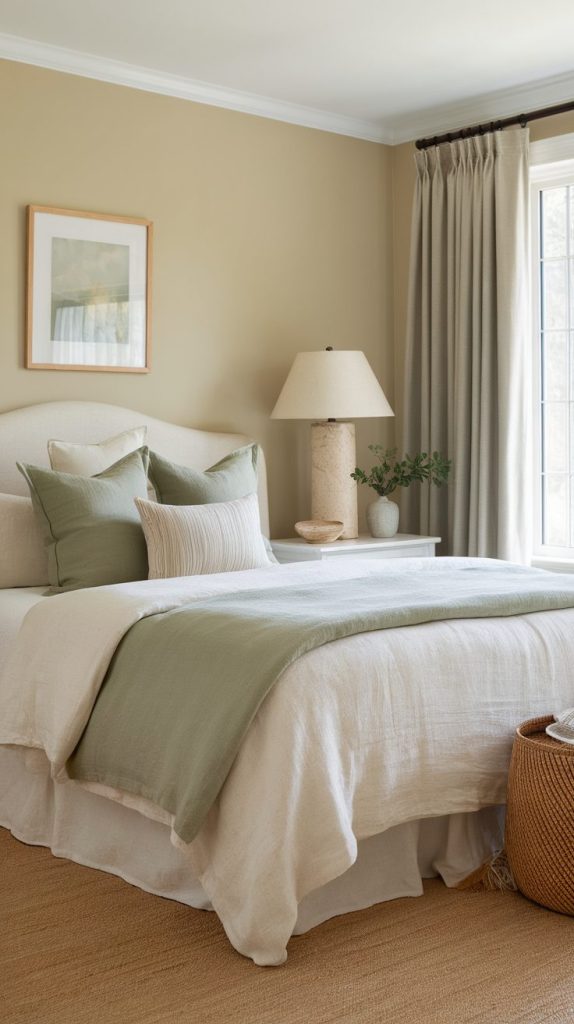
Color influences mood more than most people admit. I once painted a room bright red and wondered why I felt restless all the time.
Stick to Soft Neutrals and Muted Tones
I love warm whites, soft beiges, sage green, and light gray. These colors create visual breathing room and help your brain relax without trying too hard. Loud colors belong in small accents, not everywhere.
Keep Color Consistency Across Rooms
I keep my color palette consistent so my home flows naturally. Walking from one room to another shouldn’t feel like jumping between different personalities. Peace loves continuity.
4. Bring Nature Indoors Without Turning It into a Jungle
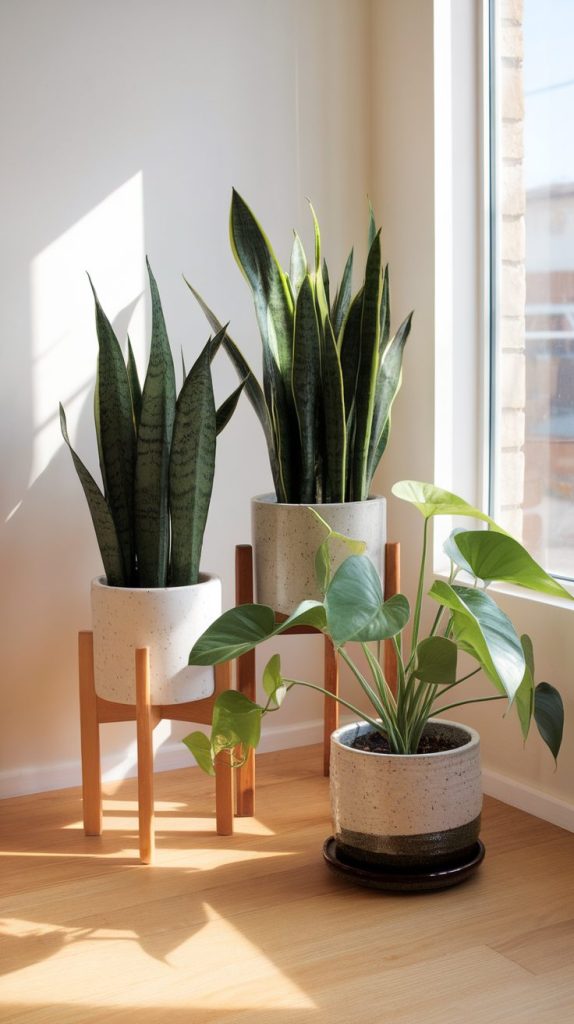
Indoor plants changed my relationship with my home completely. They add life, texture, and a weird sense of companionship without talking back.
Start with Low-Maintenance Plants
I always recommend snake plants, pothos, or peace lilies for beginners. These plants forgive missed watering sessions and still look good doing it. FYI, stressed plants kill the peaceful vibe fast.
Place Plants Where You Actually See Them
I place plants near windows, desks, and entryways. Seeing greenery throughout the day subtly lowers stress levels. Ever notice how your shoulders drop when you look at something green?
5. Simplify Your Furniture Layout for Better Flow

Crowded furniture blocks both movement and mental clarity. I learned this after constantly bumping into things and feeling irritated for no clear reason.
Create Clear Walking Paths
I arrange furniture so I can walk freely without dodging corners. Easy movement creates subconscious calm. Your body relaxes when it knows where to go.
Remove Extra Pieces That Serve No Purpose
If a chair only holds laundry, it needs to go. Functional furniture beats decorative clutter every single time. Peace loves practicality.
6. Control Noise Instead of Accepting It
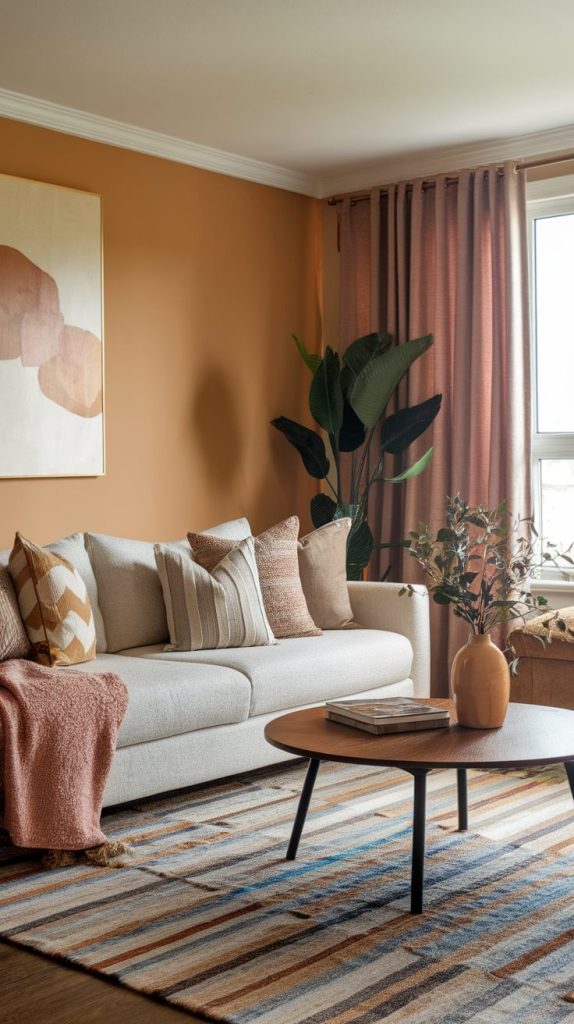
Noise sneaks into homes quietly and ruins calm without permission. I used to ignore it until I realized how much it affected my mood.
Add Soft Furnishings to Absorb Sound
I use rugs, curtains, cushions, and fabric wall hangings to reduce echo. Soft textures quiet a space naturally. Silence feels warmer when sound gets absorbed.
Create Intentional Quiet Zones
I designate at least one quiet corner where I don’t allow TVs or loud devices. This spot becomes my reset button after long days. Everyone needs a noise-free escape.
7. Use Lighting That Matches Your Mood, Not a Hospital
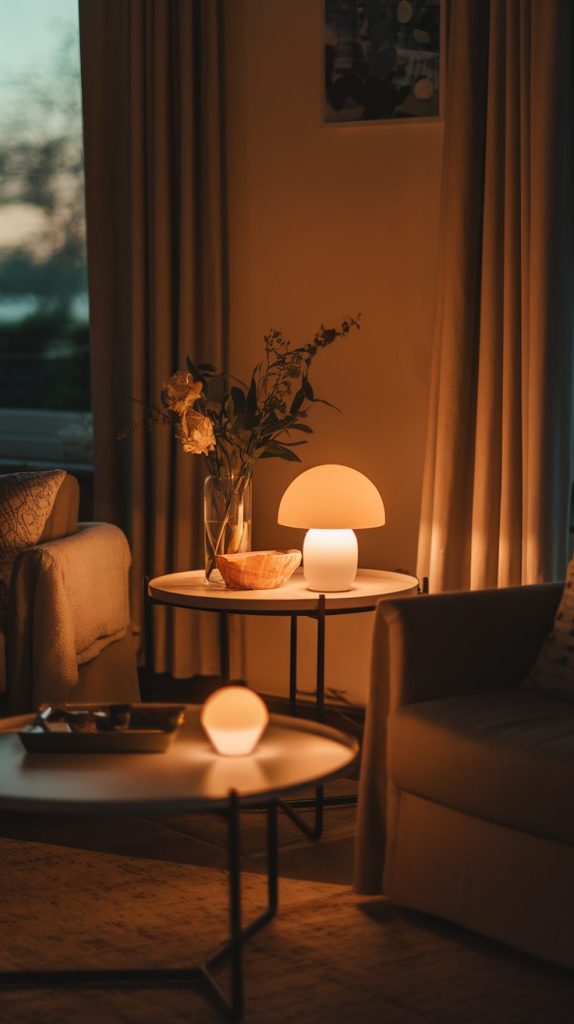
Lighting can either relax you or keep you wired. I once lived under harsh white bulbs and wondered why sleep felt impossible.
Switch to Warm Light Bulbs
I use warm bulbs in living rooms and bedrooms to create a cozy atmosphere. Warm lighting tells your brain it’s okay to slow down. Bright white belongs in kitchens and work areas only.
Layer Your Lighting Sources
I mix overhead lights with lamps and wall lights. This layered approach gives flexibility and avoids harsh brightness. Ever tried relaxing under one blinding ceiling light?
8. Keep Scents Subtle and Intentional

Smell shapes how a space feels instantly. I noticed my mood shift the moment I started paying attention to home scents.
Choose One Signature Scent Per Area
I stick to calming scents like lavender, sandalwood, or citrus. Overloading scents creates confusion, not peace. Your nose needs clarity too.
Avoid Overpowering Artificial Fragrances
I stay away from aggressive air fresheners. Natural candles or essential oil diffusers work better and feel cleaner. Subtle always wins here.
9. Create Daily Reset Rituals That Feel Easy
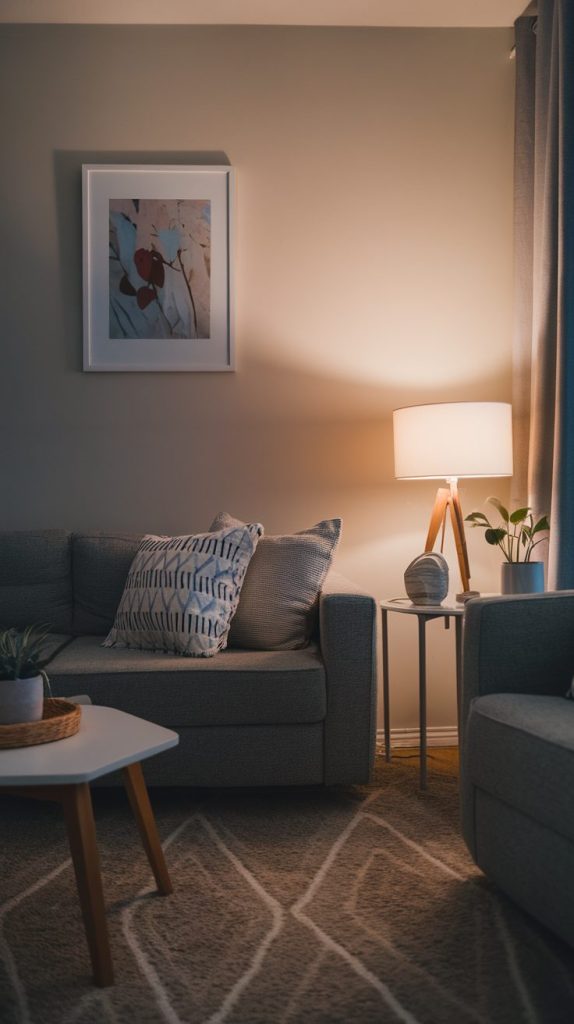
A peaceful home stays peaceful only with small daily habits. I don’t wait for weekends anymore.
Do a Five-Minute Evening Tidy
I spend five minutes every night resetting key areas. This habit prevents mess from snowballing. Ever wake up happier when your space feels ready for you?
Reset Surfaces Before Bed
I clear countertops and tables each night. Clean surfaces greet you with calm energy in the morning. Peace loves fresh starts.
10. Designate Storage That Actually Makes Sense
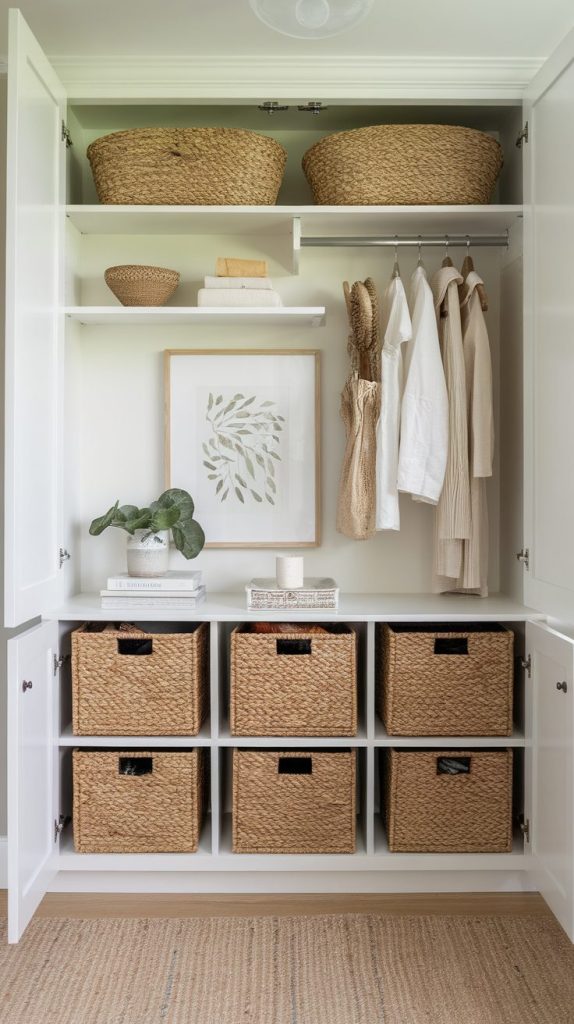
Storage systems fail when they fight your habits. I stopped copying Pinterest and started copying myself.
Store Items Where You Use Them
I keep cleaning supplies near cleaning zones and daily items within reach. This logic reduces friction and frustration. Smart storage supports peace effortlessly.
Use Closed Storage for Visual Calm
I prefer cabinets, baskets, and drawers over open shelves. Visual quiet matters as much as physical order. Less visible clutter equals less mental noise.
11. Reduce Digital Noise Inside Your Home
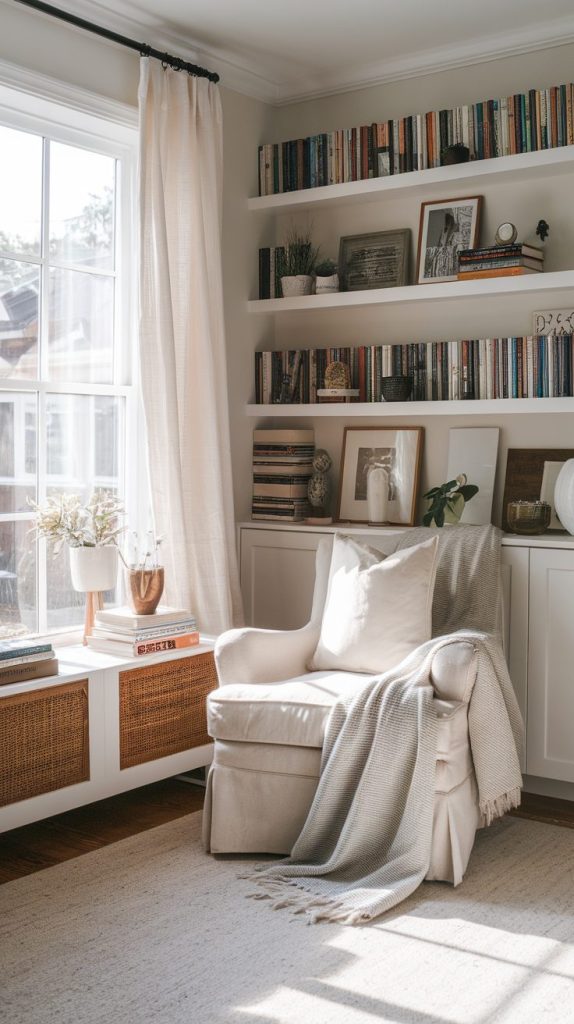
Screens bring chaos faster than we realize. I felt calmer the moment I set boundaries with technology.
Limit Background TV and Notifications
I avoid leaving the TV on for noise. Silence or intentional sound feels better than random chatter. Your brain deserves breaks.
Create Tech-Free Zones
I keep bedrooms and dining areas mostly screen-free. These zones encourage real rest and connection. Peace hates constant digital interruption.
12. Add Personal Touches That Tell Your Story
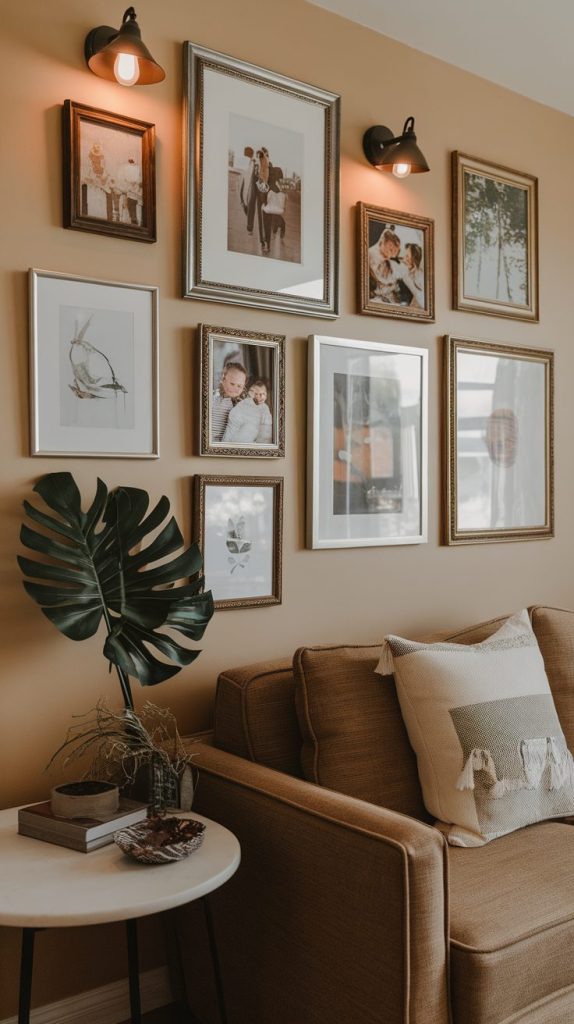
A peaceful home still needs personality. Blank spaces feel cold when they lack meaning.
Display Items with Emotional Value
I showcase photos, souvenirs, and art that spark good memories. These items ground me emotionally. Ever smile without realizing why?
Avoid Overdecorating with Trends
I skip trends that don’t resonate personally. Timeless pieces age better emotionally and visually. Your home should reflect you, not algorithms.
13. Establish Gentle Daily Routines at Home
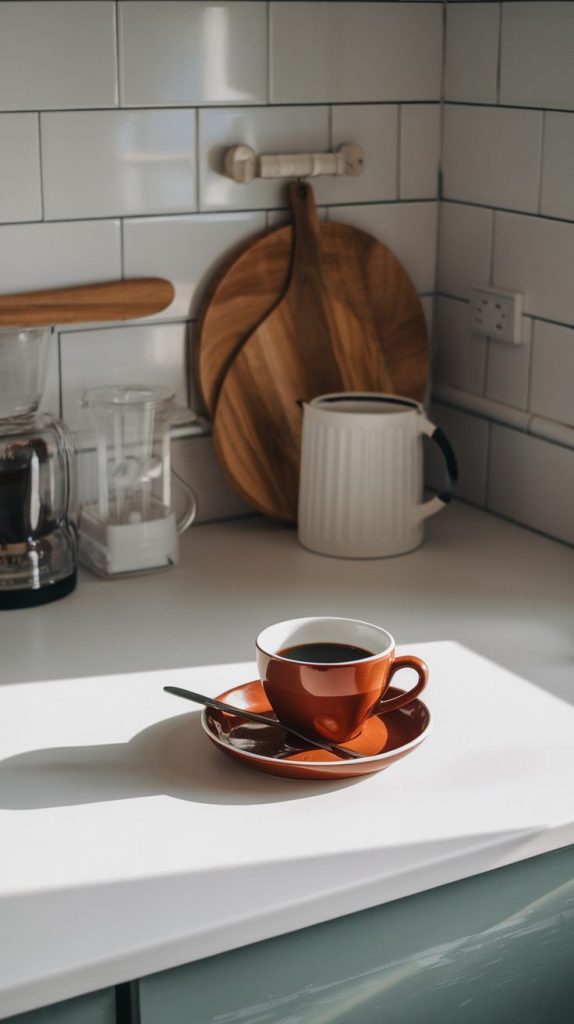
Routine creates predictability, and predictability calms the mind. I noticed stress drop when I embraced simple structure.
Start and End Your Day the Same Way
I begin mornings with light, fresh air, and quiet time. I end nights with tidying and dim lighting. These rituals signal safety to your nervous system.
Keep Routines Flexible, Not Rigid
I allow flexibility because life happens. Peace comes from consistency, not perfection. Stress loves strict rules.
14. Keep Your Bedroom Sacred and Simple
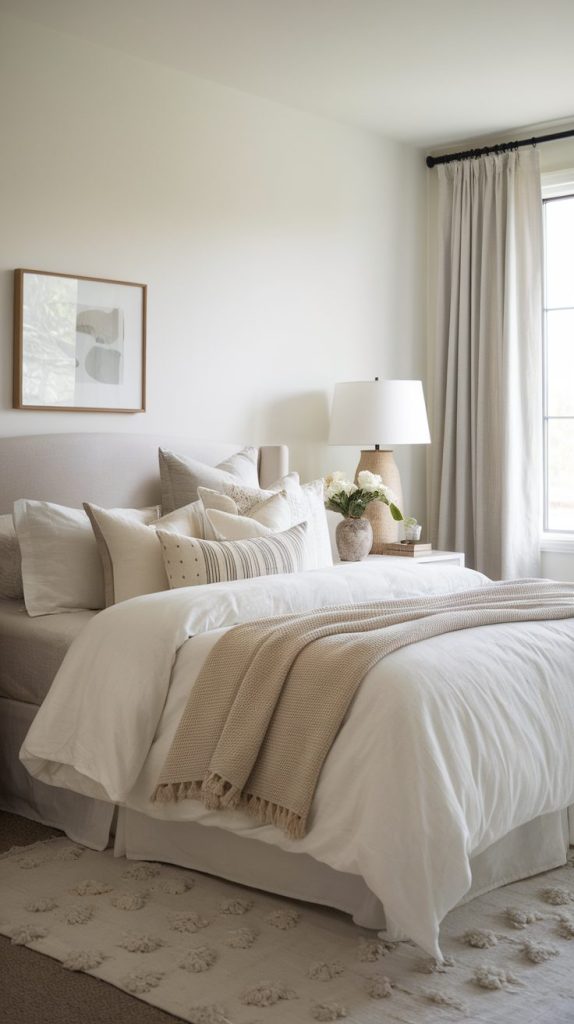
Your bedroom sets the tone for rest. I treat it like a sanctuary, not a storage unit.
Remove Work-Related Items
I keep laptops, paperwork, and clutter out of the bedroom. Work energy kills relaxation fast. Your bed should feel like rest, not deadlines.
Focus on Comfort Over Style
I invest in comfortable bedding and breathable fabrics. Good sleep fixes more problems than expensive decor ever will. Comfort always wins.
15. Practice Presence Inside Your Space

A peaceful home starts with how you show up. I realized my mindset mattered as much as furniture placement.
Slow Down When You’re at Home
I intentionally move slower once I step inside. This shift helps my body relax instantly. Ever notice how rushing ruins calm spaces?
Appreciate Small Moments
I pause to enjoy quiet coffee mornings or evening light. Presence turns ordinary moments into peaceful experiences. Your home responds to your energy.
Final Thoughts
Creating a peaceful home environment doesn’t require perfection or endless shopping. It requires intention, awareness, and small daily choices that support calm living.
I learned that peace grows when your home works with you instead of against you. Try one change today and notice how it shifts your mood. Your space wants to support you, so let it.