9 Warm Kitchen Theme Ideas That Give Your Space a Fresh Update
Your kitchen is the heart of your home, but sometimes it can feel a little cold or dated. The good news is you don't need a full renovation to make it feel warm and inviting. A few thoughtful changes—like swapping out hardware or adding natural textures—can completely transform the vibe.
Warmth in a kitchen isn't just about color; it's about how the space makes you feel. Think soft lighting, cozy textiles, and materials that beg to be touched. And the best part?
Most of these updates won't cost a fortune. Whether you're renting or own, these nine ideas are designed to be budget-friendly and achievable over a weekend.
1. Embrace Earthy Neutrals
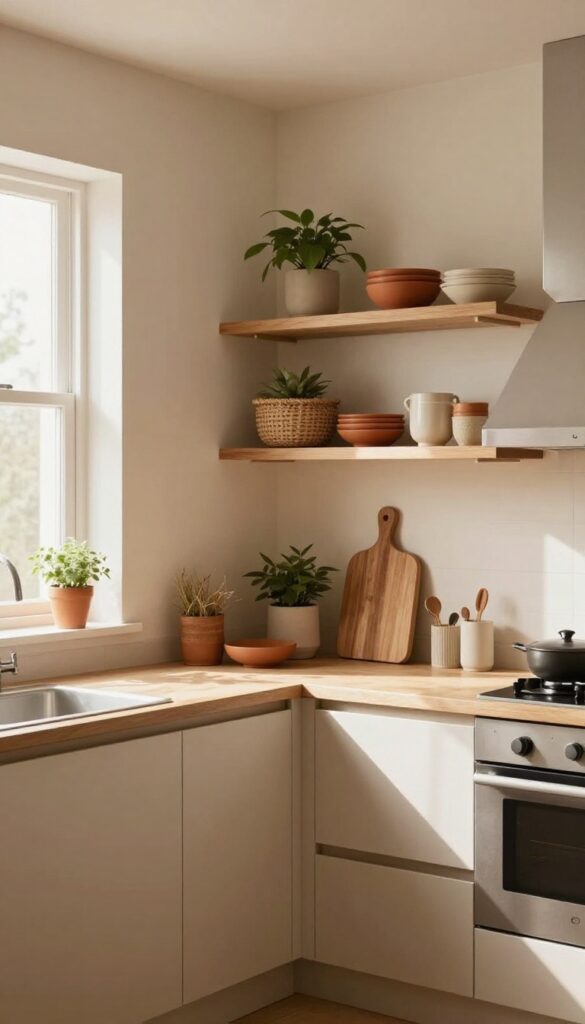
A kitchen should feel like the heart of your home—warm, welcoming, and lived-in. Earthy neutrals bring that cozy factor without costing a fortune. Think soft beiges, warm terracottas, and gentle browns that wrap your space in a comforting hug.
This palette is easy on the eyes and even easier on your wallet, since you can work with what you already have.
Why It Works
Earthy neutrals create a calm, grounded atmosphere that makes any kitchen feel more inviting. They pair beautifully with natural wood accents and plants, adding depth without overwhelming the space. Plus, these tones are timeless—you won't feel the urge to repaint every few years.
Best For
This idea is perfect for kitchens that feel too cold or sterile, especially if you're working with a tight budget. It's also great for renters who want to warm up their space without permanent changes—try removable wallpaper or peel-and-stick tiles in earthy shades.
Styling Tip
Start small: swap out your dish towels, rug, and countertop accessories for terracotta or warm beige versions. If you're feeling bolder, paint just one wall or the lower cabinets in a soft clay color. Finish with wooden cutting boards and woven baskets for texture.
2. Add Warm Wood Accents
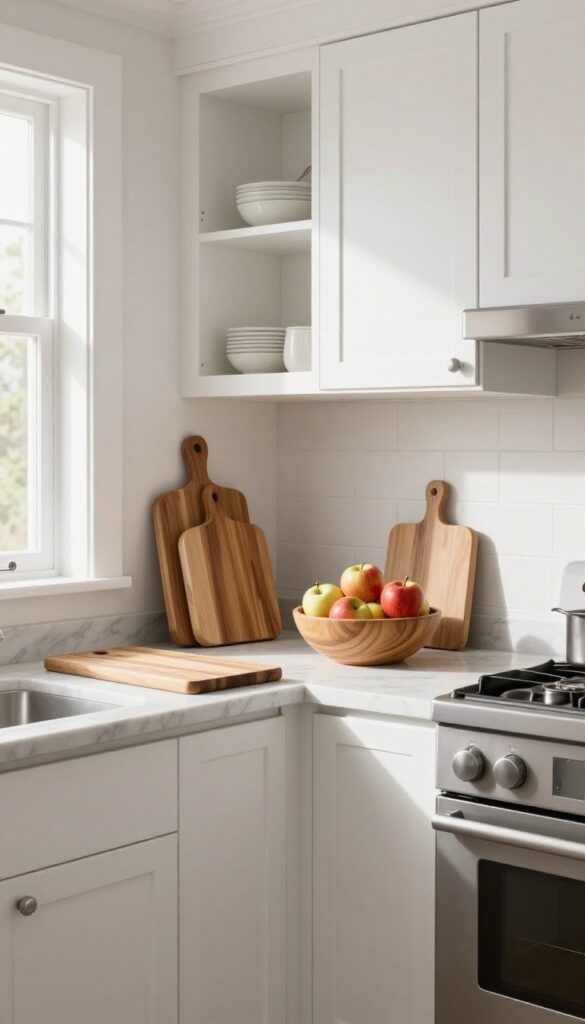
Nothing says cozy quite like wood. It brings a natural, grounded feel that softens the hard edges of appliances and countertops. Even a single wooden cutting board left out on the counter can shift the whole mood of your kitchen from cold to inviting.
Why It Works
Wood is one of the easiest materials to work with because it complements almost any color palette. Whether your kitchen is all white, dark navy, or somewhere in between, wood tones add warmth without clashing. Plus, wood elements are often budget-friendly—think thrifted cutting boards or DIY floating shelves.
Best For
This idea is perfect for kitchens that feel a bit sterile or lack personality. If you have mostly neutral cabinets and stainless steel appliances, wood accents will instantly make the space feel more lived-in and welcoming.
Styling Tip
Mix different wood tones for a layered look. A light butcher block countertop pairs beautifully with darker walnut shelves. Just avoid matching everything perfectly—imperfection here adds character.
3. Layer Soft Lighting
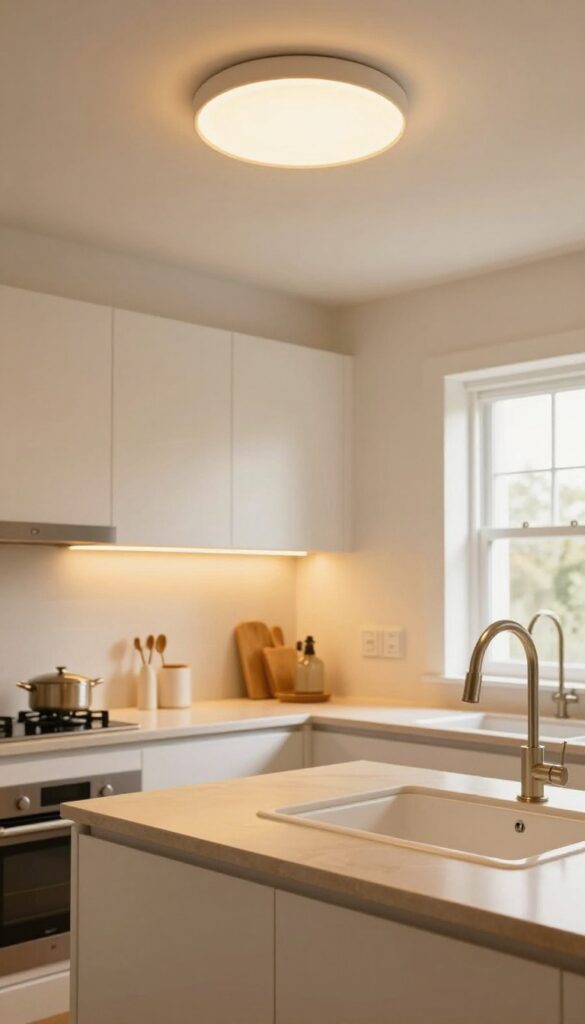
Good lighting can make or break a kitchen’s warmth. Instead of relying on one overhead fixture, try layering different light sources at varying heights. Combine a flush-mount ceiling light with under-cabinet LED strips and a small pendant over the sink or island.
Stick with warm bulbs in the 2700K to 3000K range—they cast a soft, golden glow that feels cozy and inviting. Adding dimmer switches gives you even more control, letting you dial the brightness up for cooking or down for a relaxed dinner.
Why It Works
Layered lighting eliminates harsh shadows and creates depth, making the kitchen feel larger and more welcoming. Warm bulbs mimic natural sunset light, which instantly makes a space feel more intimate. Dimmer switches add flexibility without costing much—just swap out your existing switches for dimmable ones (under $20 each) and use compatible bulbs.
Best For
This idea works for any kitchen size or style, but it’s especially effective in galley kitchens or spaces with limited natural light. If your kitchen feels flat or too bright all at once, layering lights softens the edges and adds character without a renovation.
Styling Tip
For a budget-friendly approach, start with under-cabinet battery-operated puck lights (around $15 for a pack) and a plug-in pendant lamp from a big-box store. Use Edison bulbs for extra warmth. Place the pendant off-center to avoid symmetry and create visual interest.
4. Incorporate Textured Textiles
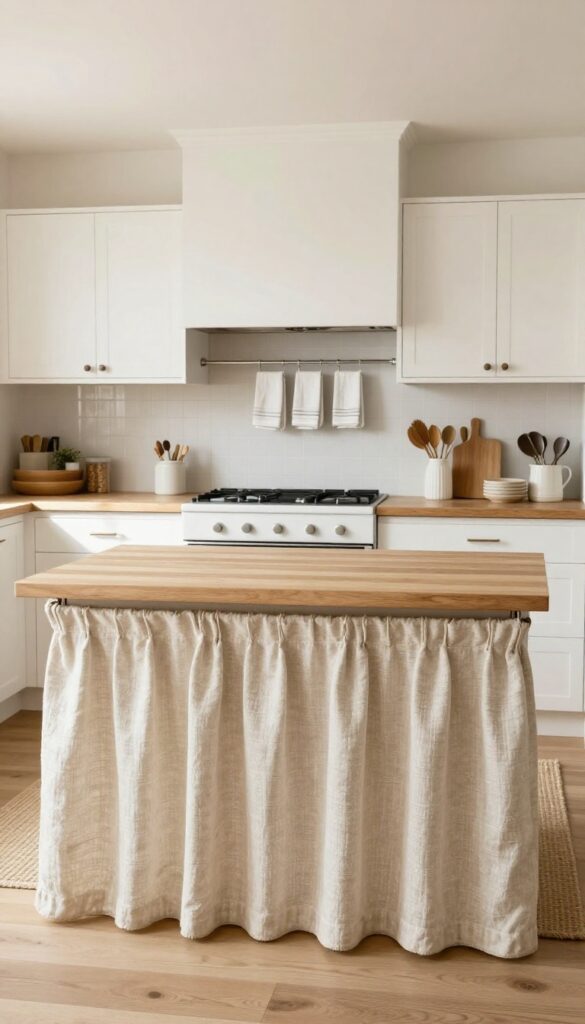
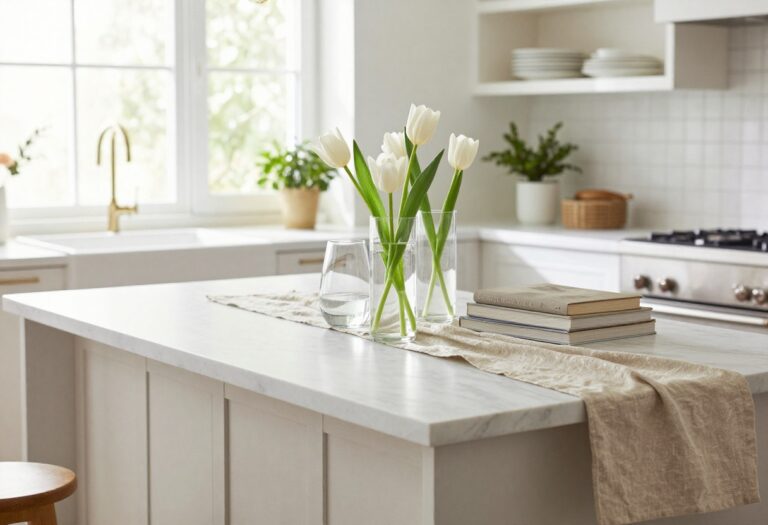
Soft textiles are an easy, budget-friendly way to make your kitchen feel warmer and more inviting. A woven runner down the center of the kitchen island or in front of the sink adds instant coziness without a major renovation. Linen curtains soften harsh window lines, while cotton dish towels bring a casual, lived-in feel.
Natural fibers like jute, cotton, or linen introduce subtle pattern and texture that balance out all the hard surfaces—tile, countertops, cabinets—that dominate most kitchens.
Why It Works
Textiles absorb sound, add visual warmth, and break up the monotony of hard finishes. They’re also one of the cheapest ways to change the whole mood of a room—swap out a runner or towels seasonally for an instant refresh.
Best For
Any kitchen that feels too cold, sterile, or echoey. Especially great for open-concept spaces where you want to define zones without building walls.
Styling Tip
Stick to two or three natural fiber textures (like a jute runner + linen curtains + cotton towels) to keep the look cohesive. Avoid matching everything—mixing weaves adds depth.
5. Display Open Shelving with Warm Tones
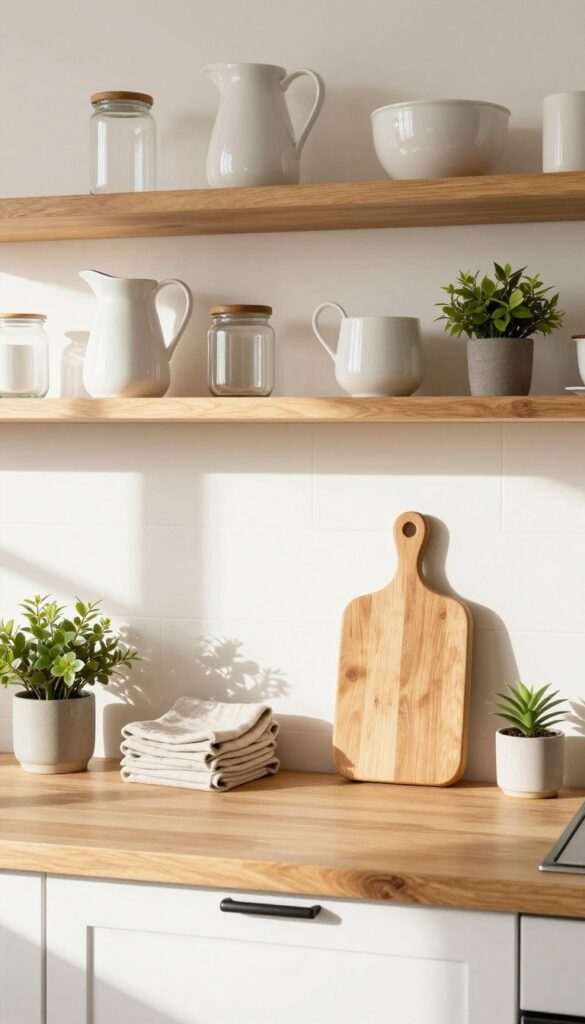
Upper cabinets can make a kitchen feel boxed in, especially if you're working with a smaller space or trying to keep things light. Swapping them out for open shelving instantly opens up the room and gives it an airier, more welcoming feel. The trick is choosing shelves in warm wood tones or a soft metal finish like brass or copper—these materials add coziness without making the kitchen feel cluttered.
Plus, open shelves force you to be intentional about what you display, which naturally keeps your space curated and calm.
Why It Works
Open shelving eliminates the heavy visual weight of upper cabinets, making your kitchen feel larger and more inviting. Warm-toned shelves—whether natural oak, walnut, or a brushed bronze—add depth and richness that plain white cabinets just can't match. It's a budget-friendly swap because you're removing cabinetry rather than installing expensive new ones, and the shelves themselves are relatively affordable.
Best For
This idea shines in small to medium kitchens where every inch of visual breathing room counts. It's also perfect if you have a collection of pretty dishes, glass jars, or cookbooks you want to show off. If your kitchen lacks natural light, open shelving in warm tones can help bounce light around and make the space feel sunnier.
Styling Tip
Keep your display balanced but not too symmetrical—group similar items together, like three ceramic pitchers on one shelf and a stack of linen napkins next to a wooden cutting board on another. Mix in a few plants or small woven baskets for texture. Avoid overcrowding; leave some breathing room between items so each piece stands out.
6. Use Warm Metal Finishes
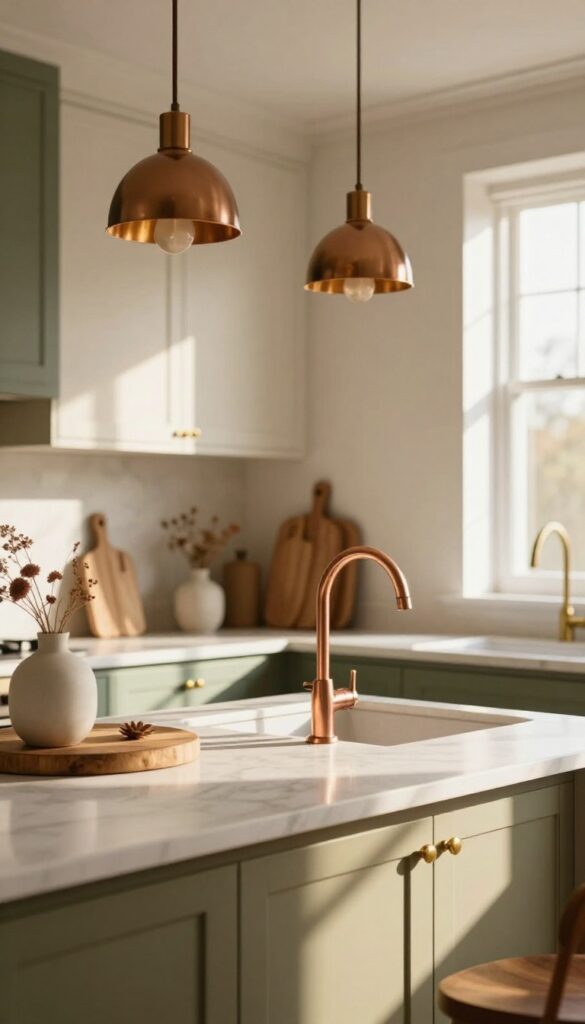
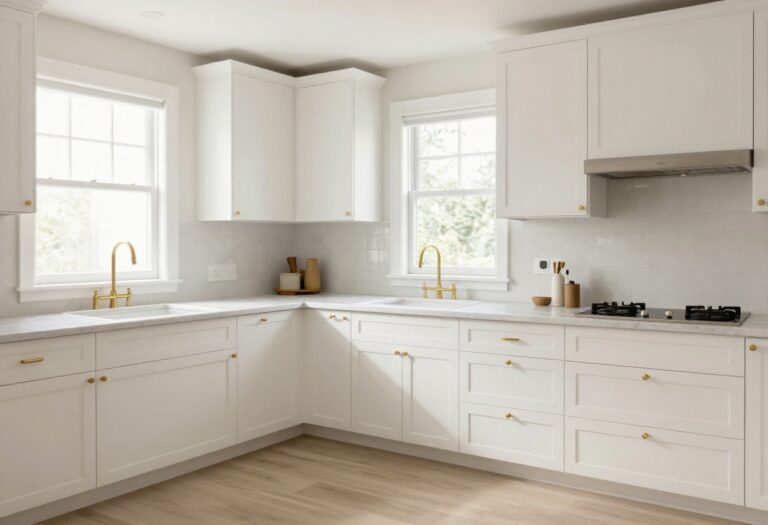
Brass, copper, and bronze bring a cozy glow that chrome and nickel just can't match. These warm metals catch the light in a soft, vintage way, making your kitchen feel instantly more inviting. The best part?
You don't have to redo the whole room—small swaps like cabinet pulls or a new faucet do the trick without breaking the bank.
Why It Works
Warm metals reflect light with a golden or rosy hue, which adds depth and richness to any color scheme. They pair beautifully with wood tones, creamy whites, and even deep greens or blues, creating a layered, collected-over-time look that feels personal and welcoming.
Best For
This idea shines in kitchens that feel a little cold or sterile—especially those with lots of white cabinets, gray walls, or stainless steel appliances. It's also perfect for renters because you can swap hardware back when you move out.
Styling Tip
Stick to one warm metal finish throughout the kitchen for a cohesive look. If you're on a tight budget, start with cabinet knobs and pulls—they're cheap and easy to change yourself. Then add a brass faucet or copper pendant light when you can.
7. Bring in Greenery and Natural Elements
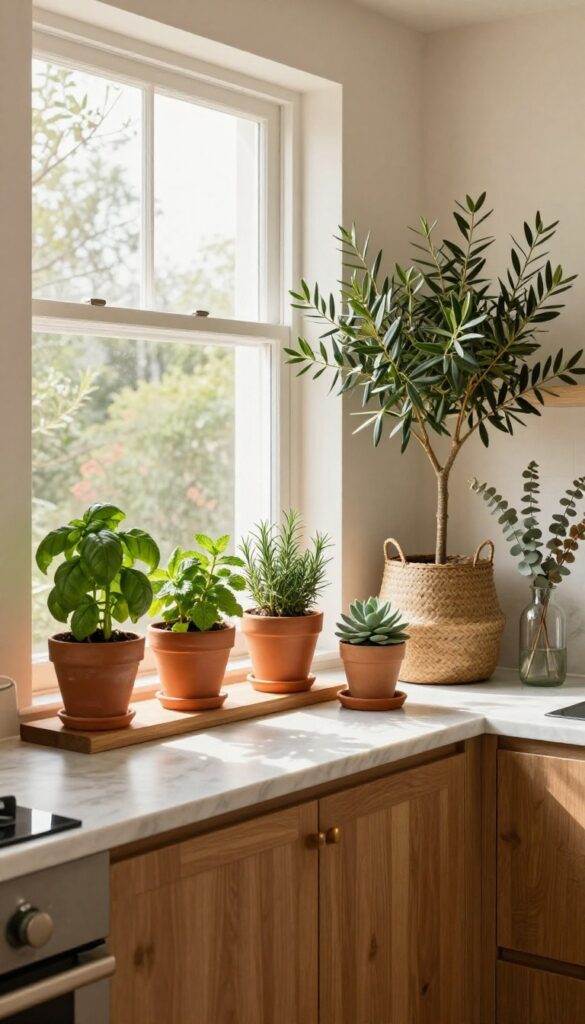
Plants have a way of making a kitchen feel instantly more alive, and they don't have to cost a lot. A few potted herbs on the windowsill or a small olive tree in the corner add softness and color without overwhelming the space. Dried eucalyptus bundles are another budget-friendly option that last for months and bring in a subtle earthy scent.
The key is choosing containers that feel warm—think ceramic, terracotta, or woven baskets—to keep everything cohesive with your warm theme.
Why It Works
Greenery breaks up hard surfaces like countertops and cabinets, adding visual texture and a sense of calm. It's an easy, low-cost way to introduce life and freshness into the room, making it feel more inviting and less sterile.
Best For
This idea works well in any kitchen, but especially in spaces that lack natural light or feel too monochromatic. A few green touches can brighten up a neutral palette and make the room feel more connected to nature.
Styling Tip
Group plants at varying heights for more impact. Place a tall olive tree or fiddle leaf fig in one corner, then cluster smaller herbs or succulents on the counter. Mix pot materials—like a glazed ceramic pot next to a woven basket—to keep the look layered and interesting.
8. Paint an Accent Wall or Backsplash
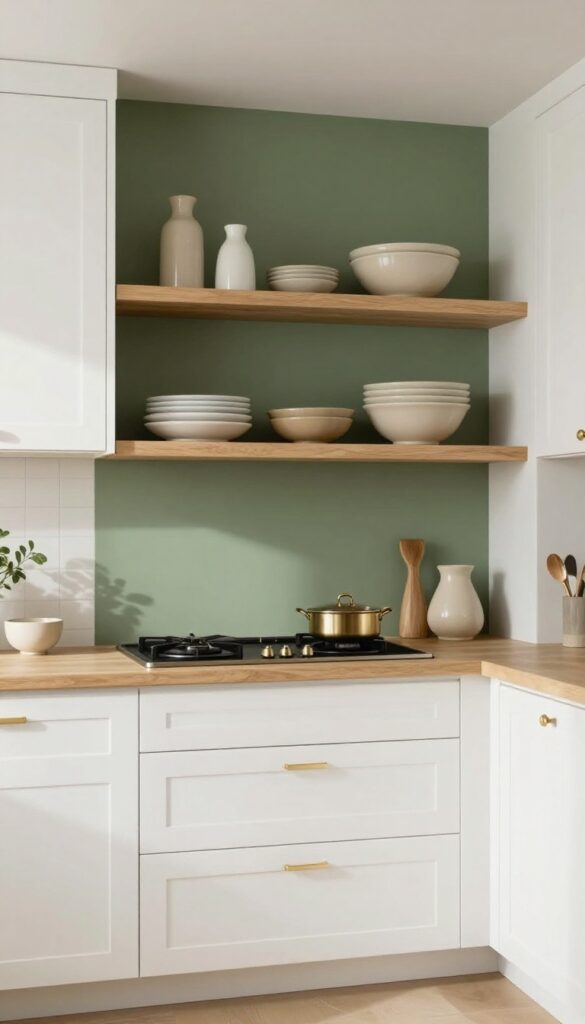
A single wall painted in a warm, saturated hue can completely shift the energy of your kitchen without requiring a full renovation. Deep rust, mustard yellow, or olive green add that cozy, grounded feel while keeping the rest of the space neutral and airy. If you're renting or just want to test the color before committing, tile stickers over existing backsplash tiles give you the same visual punch with zero permanence.
Why It Works
Paint is one of the cheapest ways to make a big impact—a gallon of quality paint and a weekend of work can transform the whole room. The warmth from these earthy tones makes the kitchen feel inviting and collected, especially when paired with natural wood or warm metals.
Best For
This idea is perfect for kitchens with mostly white or light cabinetry that need a focal point. It also works well in galley kitchens or open-plan layouts where one wall can anchor the space without overwhelming it.
Styling Tip
For a cohesive look, pull a lighter version of your accent color into accessories like dish towels, open shelving items, or a small rug. If you go with tile stickers, choose a matte finish to mimic real zellige or subway tile rather than glossy plastic.
9. Style with Cozy Accessories
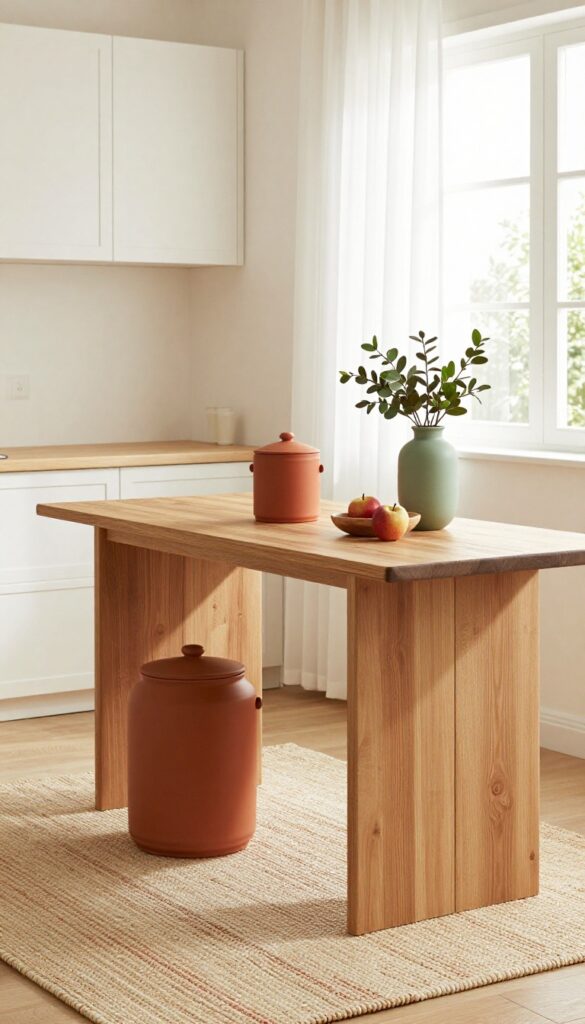
Sometimes it's the little things that make a kitchen feel warm and inviting. Think ceramic canisters on the counter, a wooden fruit bowl filled with apples, or a soft rug underfoot. These small accessories in earthy tones—terracotta, cream, sage—pull the whole room together without costing much.
And since they're items you use every day, they add a lived-in charm that feels natural, not staged.
Why It Works
Accessories are the easiest way to inject warmth on a budget. A few well-chosen pieces in warm colors and natural materials create visual texture and make the space feel curated. Plus, swapping out a canister or adding a new bowl is quick and doesn't require any tools or installation.
Best For
This idea works beautifully in kitchens that feel a bit sterile or neutral. If your cabinets are white or gray and you want to soften the look without painting or renovating, cozy accessories are your answer. It's also perfect for renters who can't make permanent changes.
Styling Tip
Stick to three or four accessory groupings—like near the coffee station, by the sink, and on the dining table. Use a mix of materials: ceramic, wood, and woven textures. Keep the color palette consistent; warm earth tones like rust, ochre, and olive green create a cohesive look.
FAQ
What are the best warm colors for a kitchen?
Warm colors like terracotta, soft beige, olive green, mustard yellow, and warm browns work well. They create a cozy atmosphere without overwhelming the space.
How can I make my kitchen feel warmer on a budget?
Simple swaps like changing light bulbs to warm tones, adding a rug, or painting an accent wall can make a big difference. Thrift stores are great for finding wooden accessories and brass hardware.
Can I incorporate warm themes in a rental kitchen?
Absolutely. Use removable wallpaper, peel-and-stick tiles, and temporary lighting. Swap out cabinet knobs and add textiles—all easily reversible when you move out.
What type of lighting makes a kitchen feel warm?
Layered lighting with warm bulbs (2700K-3000K) is key. Combine ambient, task, and accent lighting. Pendants with fabric shades or brass finishes add extra warmth.
How do I balance warm tones without making the kitchen feel dark?
Pair warm colors with plenty of white or cream to keep it bright. Use mirrors or glossy tiles to reflect light. Natural wood and light-colored textiles also help maintain balance.
Conclusion
Updating your kitchen with warm, inviting touches doesn't have to be expensive or time-consuming. By focusing on small changes—like swapping hardware, adding textiles, or introducing natural elements—you can create a space that feels both fresh and cozy. Remember, the goal is to make your kitchen a place you love spending time in.
Start with one or two ideas that speak to you, and build from there. Your kitchen will thank you.