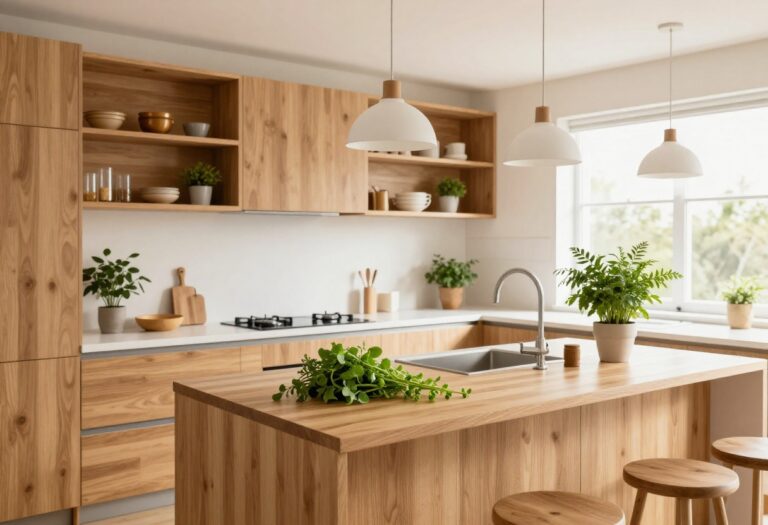
10 Warm Kitchen And Dining Room Ideas for Cozy Everyday Meals
Your kitchen and dining room are where mornings start and evenings wind down. They should feel like a hug, not a showroom.
But creating that cozy, lived-in warmth doesn't have to mean a full renovation or spending a fortune. With a few smart swaps and space-aware choices, you can turn these everyday areas into inviting spots that make even a quick breakfast feel special.
These ten ideas focus on budget-friendly updates that add texture, warmth, and personality—without cluttering your counters or crowding your floor plan.
1. Swap Out Overhead Lights for Warm-Toned Pendants
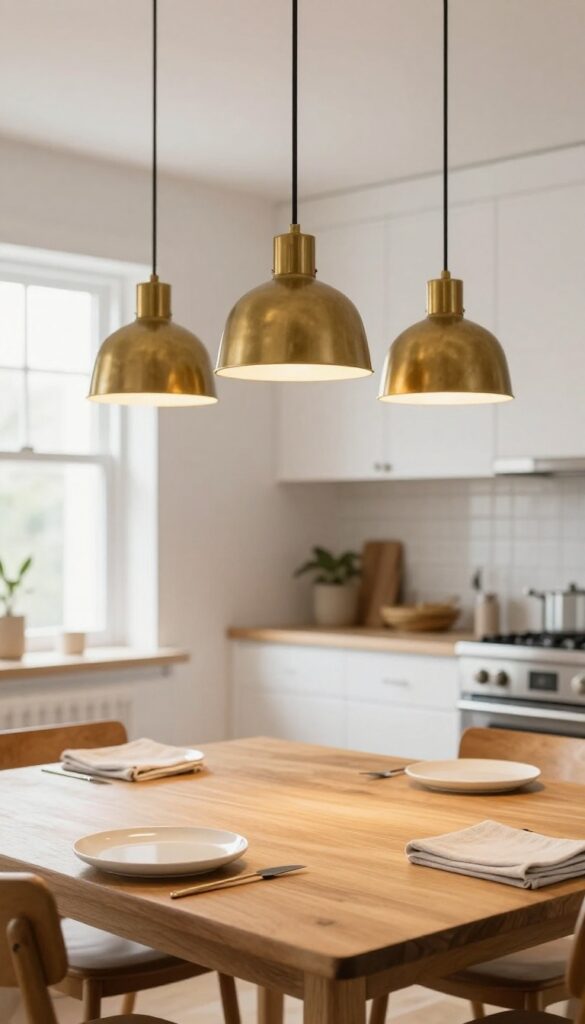
Overhead lighting can kill the mood in a kitchen or dining room faster than a burnt dinner. That single harsh fixture casts unflattering shadows and makes everything feel a bit clinical. Swapping it for warm-toned pendants changes the whole vibe—suddenly the room feels inviting, like a place you actually want to linger over coffee or conversation.
Why It Works
Warm-toned pendants soften the light and create pockets of glow that make the space feel intimate and layered. The brass, wood, or matte black finishes add visual warmth without costing a fortune, so you get that cozy restaurant feel on a budget.
Best For
This works especially well in open-plan kitchens where the dining area shares space with the cooking zone. It defines the eating area without needing walls, and the warm light balances out cooler cabinet colors or stainless steel appliances.
Styling Tip
Hang pendants about 30 to 36 inches above the table or island for the best light spread. Go for dimmable bulbs so you can dial down the brightness during dinner—it makes everything look softer and more flattering.
2. Add a Slim Console Table for Extra Surface and Storage
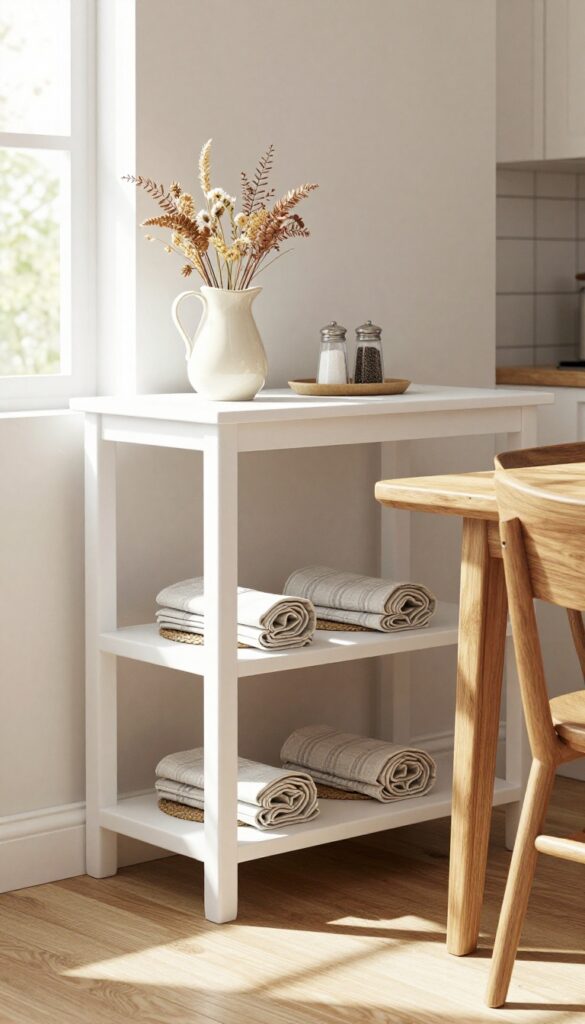
In a cozy kitchen or dining area, every inch of surface counts. A slim console table tucked against a wall or behind your dining setup instantly gives you more room to set out serving dishes, stack plates, or display a small vase of greenery. It’s one of those budget-friendly additions that feels like a smart upgrade because it doesn’t demand much floor space but delivers plenty of function.
Choose a style with drawers or open shelves to keep linens, placemats, or everyday dishes neatly tucked away yet easy to grab.
Why It Works
A narrow console table adds valuable surface area without blocking traffic flow, making it ideal for tight layouts. The storage underneath helps reduce counter clutter by holding items you use daily, from napkins to extra utensils. It also creates a natural spot to layer decor—like a small lamp, a bowl of fruit, or a stack of cookbooks—that makes the room feel intentionally styled.
Best For
This idea works especially well in open-plan kitchens where the dining table sits near the cooking zone. It’s also perfect for galley kitchens with limited counter space or for renters who can’t install permanent shelving. If your dining area feels bare or underused, a console table adds purpose without overwhelming the room.
Styling Tip
Go for a slim profile—no deeper than 12 inches—in a light wood tone or painted white to keep the space airy. Use the top for a mix of practical and pretty: try a ceramic pitcher with dried flowers next to a small tray for salt and pepper shakers. In the drawers or baskets below, store cloth napkins and placemats rolled up so they’re easy to pull out at mealtime.
3. Layer a Washable Runner Under the Dining Table
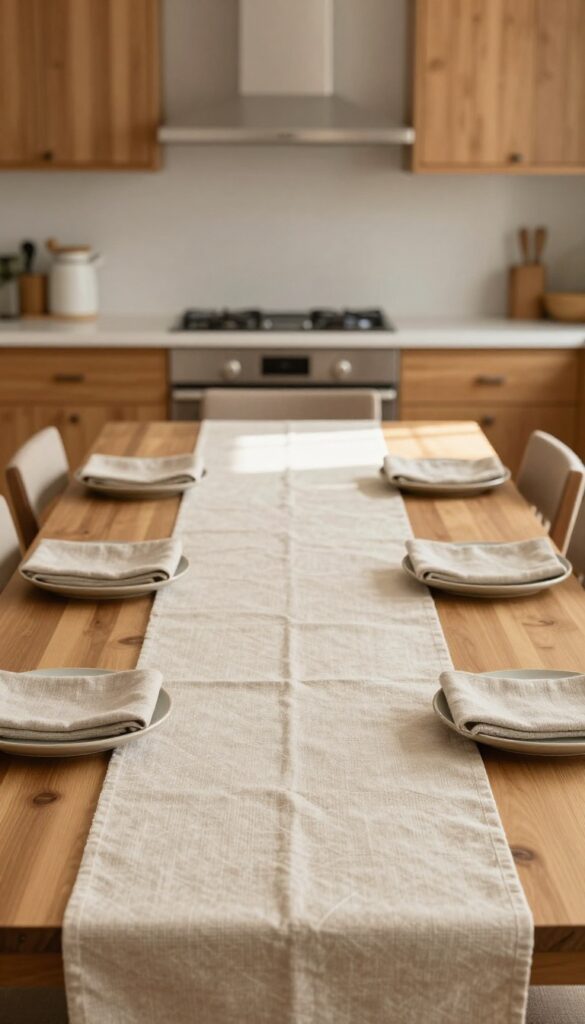
A dining table can feel a bit bare without something grounding it. A washable runner adds texture and warmth while defining the eating zone—especially useful in open-plan layouts. Going with natural fibers like cotton or jute in warm neutrals keeps things soft underfoot and easy on the eyes.
Plus, it’s a budget-friendly swap that you can change out with the seasons without breaking the bank.
Why It Works
A runner softens the hard surface of a table and brings a layer of coziness to mealtime. Washable materials mean you don’t have to stress over spills or crumbs, which is huge for everyday use. It also anchors the dining area visually, making the space feel intentional even in a small apartment.
Best For
This works great for open-concept kitchens where the dining table doubles as a prep or work surface. It’s also ideal for families with kids or anyone who loves hosting casual dinners but hates dry-cleaning bills.
Styling Tip
Choose a runner that extends about 12–18 inches past each end of the table for a balanced look. Pair it with simple linen napkins or ceramic dishes in similar earthy tones to tie everything together without going overboard.
4. Display Open Shelving With Everyday Dishware
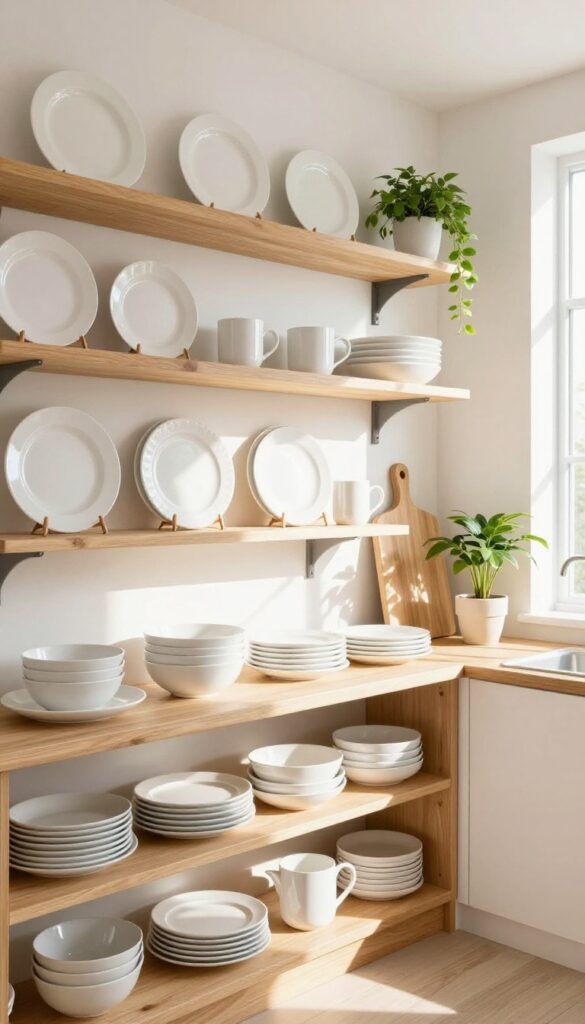
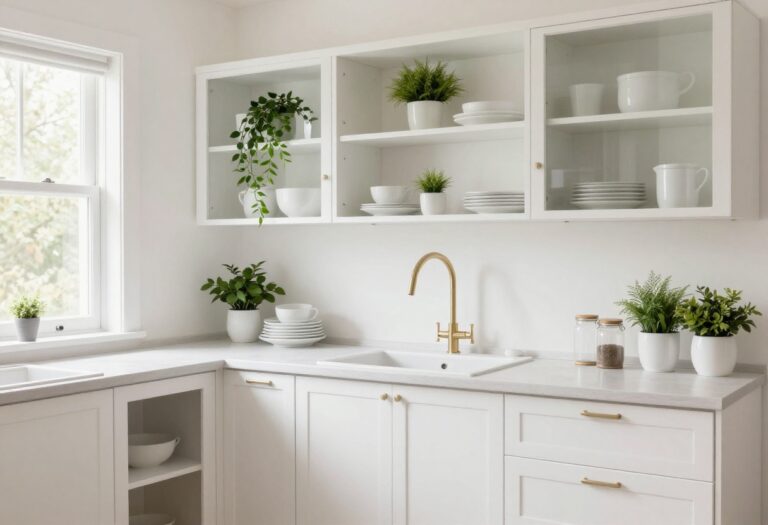
Open shelving instantly makes a kitchen feel more lived-in and welcoming. Instead of hiding your plates behind cabinet doors, put them on display—it turns functional items into part of the decor. Stick to a unified color palette so the look feels intentional, not cluttered.
This swap is budget-friendly because you’re using what you already own, just rearranging it for maximum warmth and accessibility.
Why It Works
Everyday dishware becomes a design feature when grouped by color or material. It also saves you from digging through cabinets; everything is right at eye level, which makes mealtime prep smoother and more enjoyable.
Best For
Renters or homeowners who want an instant refresh without buying new furniture. It’s ideal for small kitchens where upper cabinets can feel bulky—removing doors opens up the space visually.
Styling Tip
Mix in a few wooden cutting boards or a small plant among the dishes to break up the ceramic and add texture. Keep the shelves lightly filled—about 70% full—so it feels curated rather than crammed.
5. Incorporate Wood Accents Through Cutting Boards and Trays
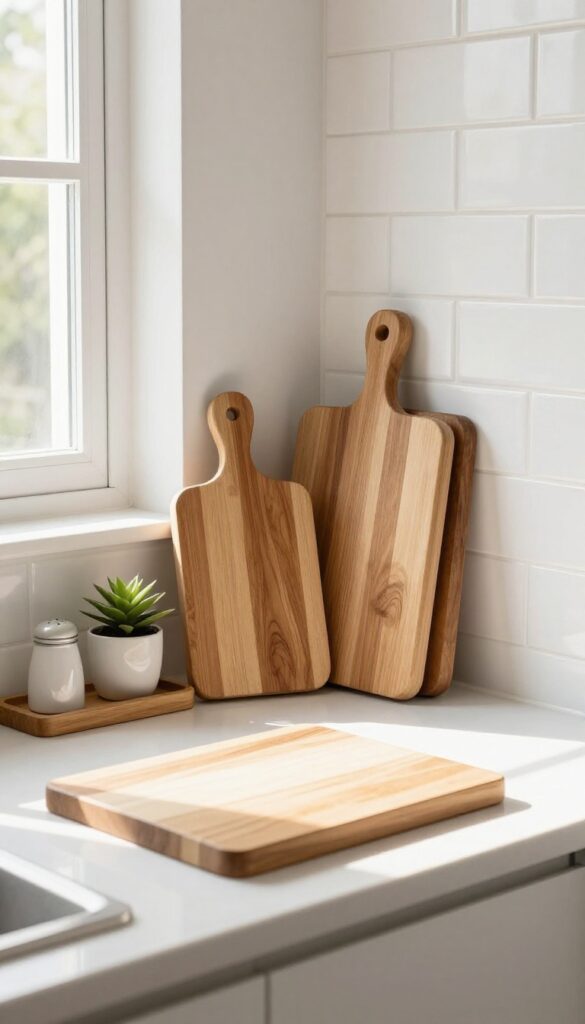
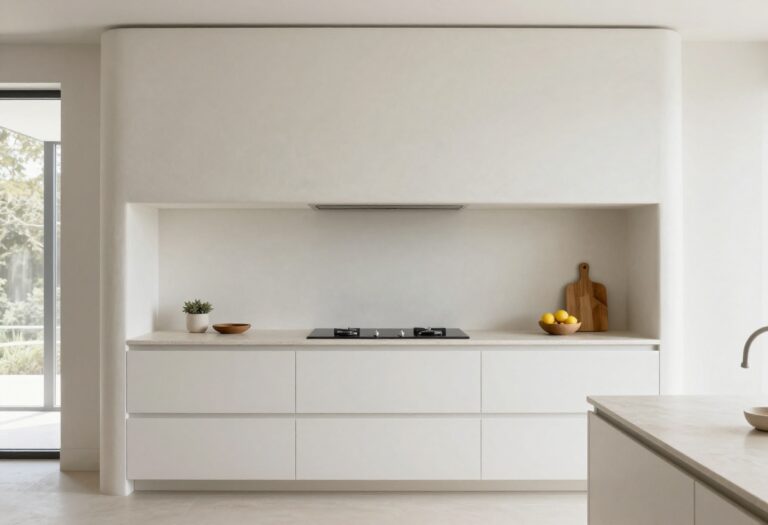
Wood is one of the easiest ways to make a kitchen feel instantly warmer, and you don't need to renovate to bring it in. A few cutting boards leaned against the backsplash or a wooden tray on the counter adds natural texture without taking up much space. Mixing light and dark woods creates subtle contrast that keeps the look intentional, not accidental.
Why It Works
Wood introduces organic warmth that balances out hard surfaces like tile, stone, and stainless steel. It's also incredibly budget-friendly—you can find beautiful boards and trays at thrift stores or discount home goods shops for just a few dollars.
Best For
This idea works especially well in kitchens with neutral or cool-toned palettes, where a little warmth goes a long way. It's also perfect for renters who can't change permanent fixtures but want to add character.
Styling Tip
Cluster three cutting boards of varying sizes and wood tones on your counter, leaning them against the wall at slightly different angles. Add a small wooden tray nearby holding salt and pepper shakers or a plant for a cohesive vignette.
6. Hang a Large Mirror to Reflect Light and Open Up the Space
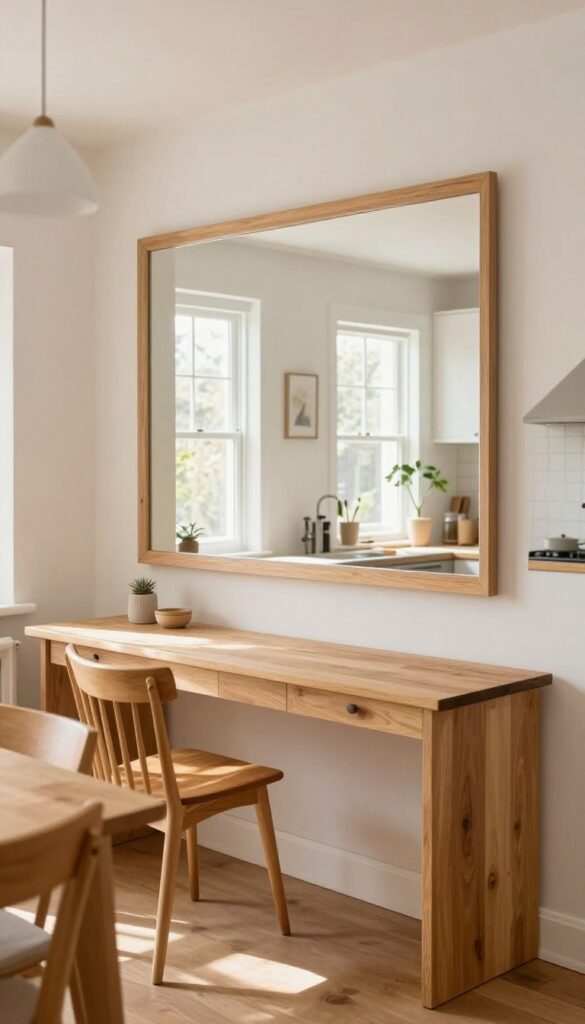
A well-placed mirror can completely change how a room feels without costing a fortune. In a warm kitchen or dining area, a large mirror not only bounces natural light around but also creates the illusion of more square footage. It’s one of those budget-friendly tricks that instantly makes the space feel airier and more inviting—perfect for everyday meals where you want the room to feel open and cozy at the same time.
Why It Works
Mirrors double the visual impact of any light source, whether it’s sunlight streaming through a window or the glow of pendant lights above your table. By reflecting both light and the room’s decor, they make narrow or darker spaces feel significantly larger and brighter. Plus, they add a decorative element that can tie together your color scheme and style.
Best For
This idea works especially well in dining rooms that lack windows or in kitchens with limited natural light. It’s also great for small eat-in kitchens where every inch counts, or for long, narrow dining areas that need a sense of depth.
Styling Tip
Look for an oversized mirror with a simple frame at thrift stores or flea markets—often for under $50. Paint the frame in a color that matches your existing trim or cabinets (black, white, or warm wood tones work well). Lean it against the wall for a casual look, or hang it securely above a buffet or console table to maximize reflection.
7. Use Baskets to Corral Clutter and Add Texture
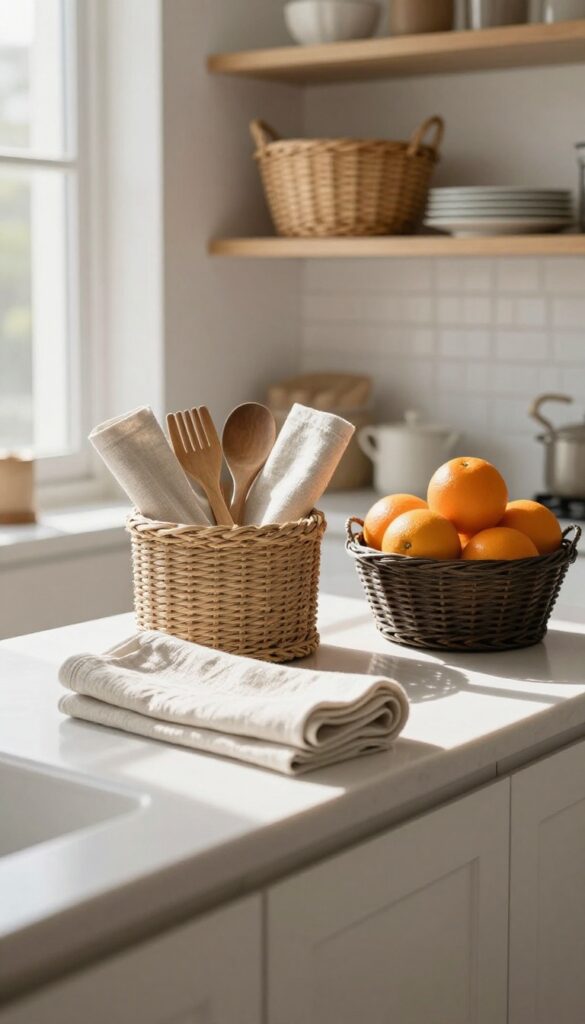
Woven baskets are one of those budget-friendly heroes that quietly tidy up a kitchen or dining room while adding warmth. Instead of letting napkins, fruit, or utensils pile up on counters, drop them into a basket and instantly create a more organized, inviting look. The natural texture of seagrass or dark wicker softens hard surfaces like tile or wood, making the space feel layered and lived-in without trying too hard.
Why It Works
- Baskets hide visual chaos in plain sight. A jumble of dish towels or a heap of onions becomes a styled vignette when placed inside a textured basket. They add organic warmth and depth to clean lines, balancing modern finishes with a touch of nature.
- Plus, they're easy to move around when you need to clear counters for cooking.
Best For
This trick works wonders in small kitchens where counter space is precious, or in open shelving setups where you want to display items without them looking messy. It's also perfect for dining room consoles that double as storage for extra linens or serving pieces.
Styling Tip
Stick to one basket material—like natural seagrass or dark wicker—to keep the look cohesive. Mix shapes and sizes for interest: a tall basket for utensils on the counter, a flat one for fruit on the table, and a lidded basket on a shelf for hiding odds and ends. Avoid overfilling; leave some breathing room so the basket remains part of the decor.
8. Switch to Cloth Napkins and Placemats for Instant Polish
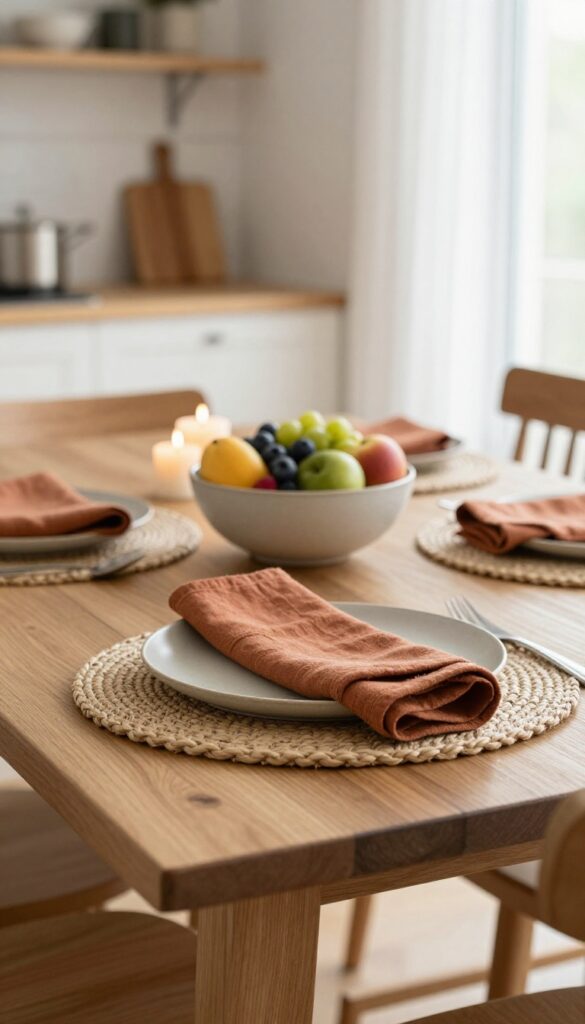
It's amazing what a simple swap can do. Reaching for cloth napkins instead of paper ones instantly makes the table feel more intentional—like you're actually sitting down to a meal, not just grabbing a quick bite. Choose warm earth tones like terracotta, ochre, or olive, or go with subtle stripes or checks.
Pair them with simple woven placemats or linen runners. This is one of those low-cost changes that adds texture, softness, and a touch of everyday elegance without any renovation or big spending.
Why It Works
Cloth napkins and placemats introduce layers and tactile variety to the table. They soften hard surfaces and absorb sound, making the dining area feel quieter and cozier. Plus, they're reusable—so you're being kind to your wallet and the planet at the same time.
Best For
This idea is perfect for anyone who wants to elevate their daily meals without buying new furniture or decor. It works especially well in kitchens with open shelving or visible dining areas where the table is part of the room's focal point.
Styling Tip
Stick to a palette of two to three colors that complement your existing dishes or kitchen accents. Fold napkins simply—a basic rectangle or a loose knot—and avoid overly fussy folds. For extra warmth, add a small centerpiece like a ceramic bowl of seasonal fruit or a cluster of candles.
9. Bring in Greenery With Low-Maintenance Herbs or Pothos
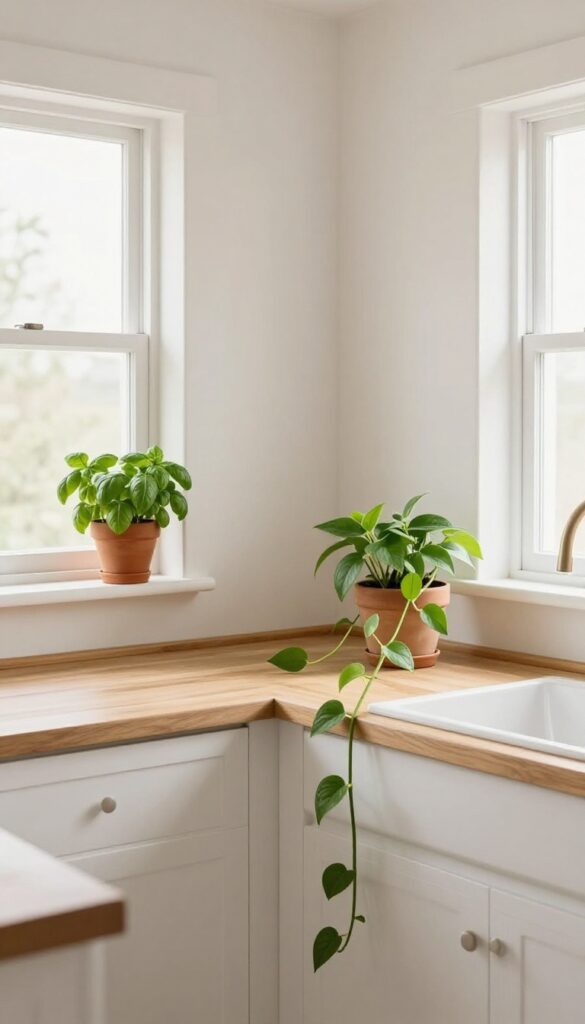
A kitchen or dining space can feel a bit sterile without a touch of life. Adding a few small plants is one of the easiest ways to introduce color and freshness without cluttering your counters. Herbs like basil or mint thrive on sunny windowsills, while a trailing pothos near the sink adds a soft, organic shape that contrasts nicely with hard surfaces.
Best of all, these plants are forgiving if you forget to water them now and then.
Why It Works
Greenery instantly makes a room feel more inviting and lived-in. Low-maintenance plants require minimal effort but deliver maximum visual impact, softening sharp lines and adding a natural pop of green that complements warm wood tones and neutral palettes.
Best For
This idea works especially well in small kitchens or dining nooks where floor space is limited. Windowsill herbs keep cooking ingredients within arm's reach, while a hanging pothos uses vertical space without taking up counter area.
Styling Tip
Thrifted pots are your friend here—look for mismatched ceramic or terracotta containers in earthy hues. Group two or three together on a tray for a curated look, and rotate them occasionally so each plant gets even light.
10. Paint an Accent Wall in a Warm, Muted Shade
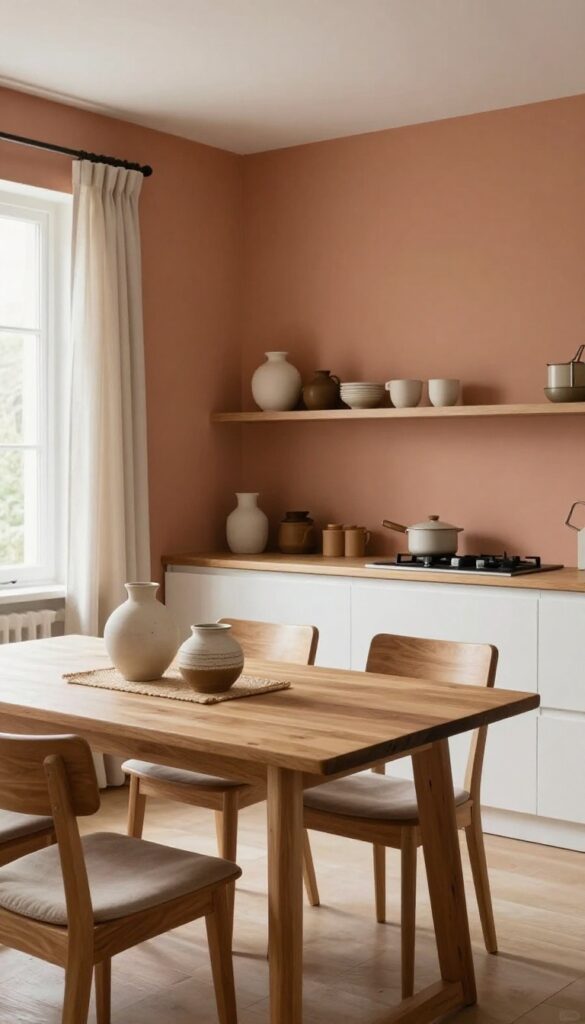
One of the quickest ways to add warmth without a full renovation is an accent wall. Choose a spot that naturally draws the eye—like the wall behind your dining table or the one above the kitchen sink—and coat it in a muted, earthy tone. Think terracotta, sage green, or soft mustard.
A single gallon of paint costs around $30–$50 and can completely shift the mood of the room from cold to cozy. It’s a low-commitment, high-impact move that works with almost any existing decor.
Why It Works
A warm accent wall creates a visual anchor and adds depth to an otherwise neutral space. Because you’re only painting one wall, the project stays under $100 and takes just an afternoon. The muted tone absorbs light rather than bouncing it around harshly, which makes the room feel more intimate and relaxed—perfect for everyday meals.
Best For
This idea shines in open-plan kitchen-dining combos where you want to define separate zones without building walls. It’s also great for rental kitchens where you can repaint before moving out, or for anyone who wants to test a bolder color without committing to four walls.
Styling Tip
Keep the rest of the room light and airy so the accent wall stands out. White or off-white cabinets, a natural wood table, and simple linen curtains let the painted wall do the talking. Add a couple of warm-toned accessories—like ceramic vases or woven placemats—to tie the color into the rest of the space.
FAQ
How can I make my kitchen feel warm without spending much?
Focus on small swaps: change light bulbs to warm-toned LEDs, add a runner rug, display wooden cutting boards, and use cloth napkins. These low-cost changes instantly soften the space.
What colors make a kitchen and dining room feel cozy?
Warm neutrals like beige, cream, and taupe, plus muted earth tones like terracotta, sage green, and soft mustard. Avoid stark whites and cool grays if you want a cozy vibe.
How do I decorate a small kitchen-dining combo on a budget?
Use multifunctional furniture like a slim console table, hang a mirror to open up the space, and keep surfaces clutter-free with baskets. Stick to a cohesive color palette to avoid visual chaos.
What are some easy ways to add texture to my dining area?
Layer a jute or cotton runner under the table, use woven placemats, display wooden serving boards, and add a few linen napkins. These textures create depth without adding bulk.
Can I make my kitchen feel warm if I have all-white cabinets?
Absolutely. Add warm wood accents through cutting boards and trays, bring in greenery, swap hardware for brass or matte black, and use warm lighting. The contrast will make the white feel inviting.
Conclusion
Warmth in a kitchen and dining room isn't about expensive renovations—it's about thoughtful details that make the space feel lived-in and welcoming. By focusing on texture, lighting, and smart storage, you can create a cozy atmosphere that fits your budget and your daily life.
Start with one or two ideas that resonate most, and build from there. Small changes add up to a room that feels like home.