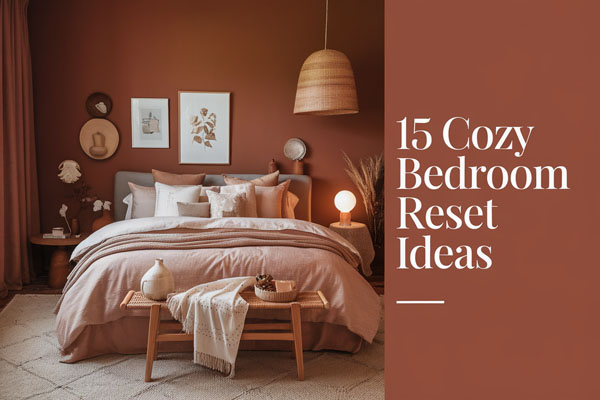
9 Very Tiny Bedroom Ideas That Actually Work
A narrow strip of morning light slides across the floor and lands halfway up the wall, stopping short of the bed frame.
Shoes sit in a neat line because there’s nowhere else for them to go. The room feels calm but cramped, like it’s holding its breath.
Tiny bedrooms always look manageable in photos, then reality shows up with laundry piles and nowhere to put your phone.
I’ve lived with that awkward shuffle around the bed, the constant bumping into furniture, and the feeling that one wrong purchase ruins everything.
The good news is that small bedrooms don’t need magic, just smarter choices.
1. Use a Low-Profile Bed to Open Up the Room
A tall bed frame can quietly wreck a small bedroom by chopping the room in half visually. When the bed sits too high, everything else feels squished, even if the square footage hasn’t changed.
Dropping the bed lower instantly makes the ceiling feel taller and the space calmer.
I switched to a low-profile frame in a rental once and the difference shocked me. The room didn’t grow, but it felt less bossy and more breathable.
Lower beds also feel more modern and intentional, not like a leftover dorm setup.
Why This Works
The eye reads space vertically before it processes furniture. A low bed leaves more visible wall above it, which tricks the brain into feeling openness. That extra wall space creates visual rest instead of cluttered pressure.
Lower furniture also reduces visual competition. When nothing fights for attention at eye level, the room feels simpler and more put together.
How to Do It
- Choose a platform bed or a frame with short legs
- Skip thick box springs that add unnecessary height
- Keep bedding streamlined to avoid bulky layers
- Place the bed fully against one wall if space is tight
Each step removes vertical weight and keeps the focus on openness instead of mass.
Style & Design Tips
Stick with clean lines and minimal headboards for the best effect. Upholstered headboards can work, but avoid anything oversized or winged. A common mistake is pairing a low bed with heavy nightstands, which cancels out the benefit.
Neutral tones help here because they don’t visually advance. Dark frames can still work, but only if the rest of the room stays light.
Pro Tip or Budget Hack
If replacing the bed isn’t in the budget, remove the box spring and place the mattress directly on slats. It’s not glamorous, but it buys you instant visual space without spending a dime.
2. Swap Nightstands for Wall-Mounted Shelves
Traditional nightstands eat floor space fast, especially in tight bedrooms. They block walkways, collect clutter, and make the room feel boxed in. Wall-mounted shelves do the same job without the bulk.
I resisted this idea for a long time because I liked drawers, but once I made the switch, I never looked back. The floor space alone made the room feel less crowded. It also forced me to keep only what I actually used beside the bed.
Why This Works
Floating shelves remove visual weight from the floor. When you can see more flooring, the room automatically feels bigger. Wall-mounted pieces also let you customize height and placement.
This setup improves flow because nothing juts into walking paths. You get function without the awkward shin-bumping.
How to Do It
- Install one sturdy shelf per side of the bed
- Mount shelves slightly higher than a normal nightstand
- Limit items to essentials like a lamp and phone
- Use wall-mounted lights to free up shelf space
Each choice keeps things practical without clutter creep.
Style & Design Tips
Choose thin shelves with simple brackets or hidden mounts. Thick wood slabs look heavy and defeat the purpose. Another mistake is overstyling the shelf with decor instead of keeping it functional.
Matching the shelf color to the wall helps it blend in. Contrast looks cool, but blending keeps things visually calm.
Pro Tip or Budget Hack
IKEA picture ledges work surprisingly well as nightstand shelves. They’re shallow, affordable, and perfect for small items without encouraging clutter.
3. Go Vertical with Storage Instead of Wider Furniture
When a bedroom feels tight, the instinct is to shrink furniture horizontally. The smarter move is to build upward. Vertical storage uses wall height instead of precious floor space.
I learned this after trying to squeeze a wider dresser into a tiny room and regretting it immediately. Tall storage felt scary at first, but it actually balanced the room better. Everything finally had a place without crowding the floor.
Why This Works
Walls are often underused real estate. Vertical storage draws the eye upward, which makes the room feel taller. It also consolidates storage into fewer footprints.
Tall furniture creates order instead of spreading clutter across multiple small pieces. That order makes the space feel calmer and more intentional.
How to Do It
- Choose tall dressers with a narrow width
- Use wall-mounted cabinets above existing furniture
- Add hooks or peg rails for frequently used items
- Keep lower areas open for walking space
Each step keeps storage efficient and contained.
Style & Design Tips
Anchor tall pieces with simple shapes and minimal hardware. Ornate details can feel top-heavy in a small room. A common mistake is mixing too many vertical pieces, which creates visual chaos.
Limit vertical storage to one or two walls. That balance prevents the room from feeling boxed in.
Pro Tip or Budget Hack
Stack two smaller dressers securely to create a custom tall unit. It’s cheaper than buying a single tall piece and gives flexibility if you move later.
4. Use Mirrors Strategically, Not Everywhere
Mirrors get overused advice, but placement matters more than quantity. One well-placed mirror can double the sense of space. Five random mirrors just add noise.
I once hung a mirror directly across from a window in a tiny bedroom, and it felt like cheating. The light bounced, the room brightened, and everything felt less cramped. Bad placement, though, made the room feel busy fast.
Why This Works
Mirrors reflect light and create depth. When they bounce natural light back into the room, the space feels larger and more open. They also visually extend walls when placed thoughtfully.
Strategic placement avoids the funhouse effect. The goal is expansion, not distraction.
How to Do It
- Place one large mirror opposite a window
- Lean a tall mirror against a wall to avoid bulk
- Use mirrored closet doors if available
- Avoid clustering multiple small mirrors
Each move keeps the effect clean and intentional.
Style & Design Tips
Frames matter more in small rooms. Choose thin frames or frameless styles to avoid visual clutter. A common mistake is using decorative mirrors that fight with the rest of the decor.
Stick to one mirror as a feature instead of many accents. Less really does more here.
Pro Tip or Budget Hack
Thrift stores often have oversized mirrors for cheap. A simple frame paint job can make it look custom without the price tag.
5. Choose Light Curtains That Go Ceiling to Floor
Short curtains cut a room in half and make ceilings feel lower. Floor-to-ceiling curtains pull the eye upward and soften the room without stealing space. In tiny bedrooms, this matters more than people realize.
I used to hang curtains just above the window frame, and the room always felt off. Once I raised the rod close to the ceiling, everything clicked. The room instantly felt taller and more polished.
Why This Works
Vertical lines create height. Curtains that run from ceiling to floor stretch the visual space upward. Light fabrics also allow natural light to flow through instead of blocking it.
This approach frames the room instead of boxing it in. It adds softness without heaviness.
How to Do It
- Mount curtain rods close to the ceiling
- Let curtains lightly touch the floor
- Choose sheer or lightweight fabrics
- Keep panels wide enough to frame the window
Each choice enhances openness and flow.
Style & Design Tips
Stick to solid colors or subtle textures. Busy patterns can overwhelm small rooms. A common mistake is choosing heavy blackout curtains that feel too bulky.
If privacy matters, layer sheers with slim blackout panels instead of thick single layers.
Pro Tip or Budget Hack
Use affordable curtain panels and iron them well. Crisp fabric looks expensive, even when it isn’t.
6. Replace Bulky Lamps with Wall Lighting
Table lamps take up valuable surface space in tiny bedrooms. Wall-mounted lighting frees up shelves and nightstands instantly. It also adds a clean, intentional look.
I switched to wall sconces out of desperation when my nightstand couldn’t fit anything else. It felt like a small change, but it solved multiple problems at once. The room felt calmer and more grown-up.
Why This Works
Wall lighting removes clutter from horizontal surfaces. It also directs light exactly where you need it. That efficiency matters in small rooms.
Mounted lights create visual structure. They frame the bed without adding furniture bulk.
How to Do It
- Install plug-in wall sconces for easy setup
- Mount lights at shoulder height when seated
- Use adjustable arms for flexibility
- Hide cords with simple cord covers
Each step keeps things practical and tidy.
Style & Design Tips
Choose simple silhouettes and avoid oversized shades. Industrial or minimalist styles work well in tight spaces. A common mistake is mounting lights too high, which makes them useless.
Match metal finishes to other hardware for cohesion.
Pro Tip or Budget Hack
Plug-in sconces are renter-friendly and cost far less than hardwired options. They look custom without the commitment.
7. Keep the Color Palette Tight and Intentional
Too many colors make small rooms feel chaotic. A limited palette creates calm and cohesion. In tiny bedrooms, calm equals bigger.
I used to mix neutrals with random accent colors and couldn’t figure out why the room felt messy. Once I stuck to three main tones, everything finally worked. The space felt calmer and easier to live in.
Why This Works
A tight palette reduces visual noise. When the eye doesn’t jump between colors, the room feels unified. That unity makes the space feel larger.
Consistency also helps furniture blend instead of stand out. Blending keeps focus on space, not objects.
How to Do It
- Choose one main neutral color
- Add one soft accent and one darker anchor
- Repeat colors across textiles and decor
- Avoid introducing random new tones
Each step reinforces visual simplicity.
Style & Design Tips
Soft neutrals like warm whites, greige, or pale gray work well. A common mistake is using high-contrast color blocks that chop the room visually.
Texture adds interest without adding color. Use it wisely.
Pro Tip or Budget Hack
Change pillow covers and throws instead of repainting. Small swaps refresh the palette without big costs.
8. Use Under-Bed Storage the Right Way
Under-bed storage gets messy fast if it’s not planned. Done right, it’s invisible and incredibly useful. Done wrong, it becomes a black hole of clutter.
I ignored under-bed storage for years because it stressed me out. Once I organized it with matching bins, it became my favorite hidden solution. Everything stayed out of sight and easy to find.
Why This Works
The space under the bed is often wasted. Using it keeps clutter off visible surfaces. Hidden storage preserves visual calm.
When storage is consistent and contained, it doesn’t overwhelm the room. That balance matters.
How to Do It
- Use low-profile storage bins
- Label everything clearly
- Store only seasonal or rarely used items
- Keep access easy to avoid chaos
Each step prevents clutter buildup.
Style & Design Tips
Choose bins in neutral colors that blend with the bed. Clear bins can look messy if visible. A common mistake is overstuffing, which makes retrieval annoying.
Leave some space empty for flexibility.
Pro Tip or Budget Hack
Vacuum storage bags work great for bedding and off-season clothes. They save space and keep things fresh.
9. Edit Ruthlessly and Leave Breathing Room
The most powerful tiny bedroom idea costs nothing. Editing. Fewer items mean more space, even if the room stays the same size.
I’ve never regretted removing furniture, but I’ve always regretted adding too much. Once I cleared out extras, the room finally felt livable. Space isn’t about what you add, but what you let go.
Why This Works
Clutter shrinks rooms visually and mentally. Removing excess restores balance and flow. Breathing room makes everything else work better.
Editing also highlights what you actually love. That focus improves the room instantly.
How to Do It
- Remove one unnecessary piece of furniture
- Clear surfaces down to essentials
- Store or donate unused items
- Reassess after a week
Each step creates space without spending money.
Style & Design Tips
Aim for intentional emptiness, not bare coldness. A common mistake is replacing removed items with decor instead of enjoying the space.
Let the room rest.
Pro Tip or Budget Hack
Box up extras and live without them for a month. If you don’t miss them, they don’t belong.
Final Thoughts
Tiny bedrooms don’t need dramatic makeovers or expensive furniture to feel good. One thoughtful change can shift how the entire room works and feels. Small spaces reward intention more than effort.
Try just one idea and live with it for a bit. Once you feel the difference, the next change becomes obvious. That’s how small rooms slowly start working for you instead of against you.