
13 Pottery Barn Bedroom Ideas for a Cozy Neutral Look
Your bedroom should feel like a deep exhale at the end of the day. Pottery Barn's signature neutral look—warm beiges, creamy whites, and natural textures—makes that possible without a full renovation.
The secret is layering: soft linens, chunky knits, and wood tones that add warmth instead of clutter. In this list, you'll find 13 practical ideas to bring that relaxed, catalog-worthy vibe into your own space.
Whether you're starting fresh or just tweaking a few details, these tips will help you create a bedroom that feels both stylish and soothing.
1. Start with a Warm Neutral Paint Palette
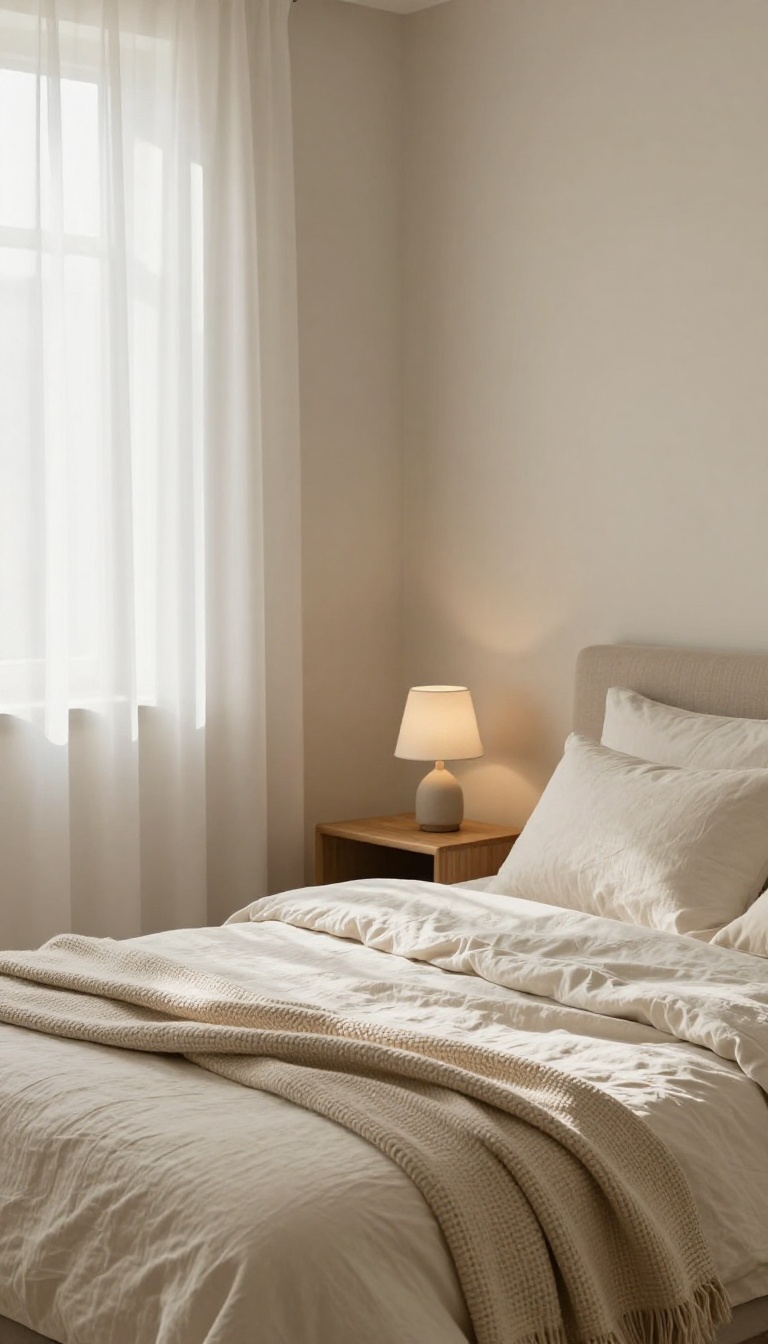
The foundation of any cozy Pottery Barn-inspired bedroom is the wall color. Get this right, and every layer you add afterward—the linens, the wood, the lighting—will feel intentional. Choose a warm neutral that softens the light and makes the room feel like a gentle hug the moment you walk in.
Warm neutrals are the unsung heroes of a relaxing bedroom. They don't compete with your furniture or textiles; instead, they create a calm canvas that lets texture and tone take center stage. The key is to avoid cool grays and stark whites that can feel clinical.
Instead, lean into beige, cream, and greige—colors with a hint of yellow, brown, or gray that add depth without overwhelming.
Pick The Right Undertone
The difference between a warm and cool neutral often comes down to undertone. Beige with yellow or red undertones feels inviting, while gray with blue undertones can feel chilly. Look for paint names like 'warm white, ' 'cream, ' or 'greige'—a blend of gray and beige that's endlessly versatile.
Test a few swatches on your wall and check them at different times of day to see how they shift with natural light.
Consider Your Lighting
North-facing rooms tend to have cooler light, so a warmer beige will balance that out. South-facing rooms get lots of warm sunlight, so you can go slightly cooler with a soft greige without losing coziness. If your bedroom gets little natural light, opt for a lighter cream to keep things airy.
And don't forget artificial light—warm bulbs (2700K–3000K) will enhance the warmth of your walls.
Go Tone-on-tone For Depth
Once you've chosen a wall color, consider using a slightly lighter or darker shade of the same tone on the trim or ceiling. This creates a subtle, layered look that feels custom and enveloping. For a truly cohesive Pottery Barn vibe, keep the ceiling a soft white or cream rather than stark white—it'll reflect light gently and keep the room feeling warm from top to bottom.
2. Layer Your Bedding Like a Stylist
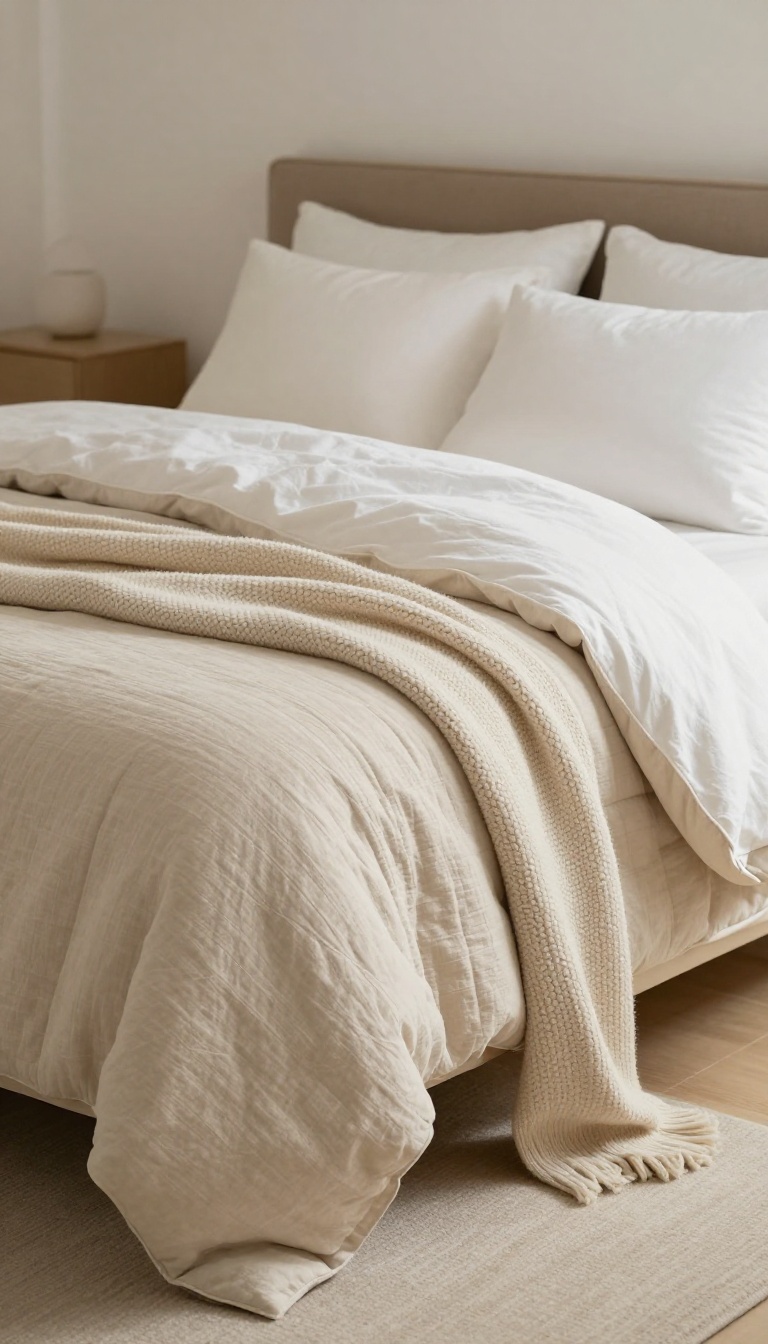
A bed dressed in one flat duvet looks fine, but it doesn't invite you in. The Pottery Barn trick is stacking three textures that each do a different job: linen for breathability, a quilt for structure, and a knit throw for that final cozy pull. The goal isn't bulk.
It's contrast. When a smooth linen duvet sits next to a nubby quilt and a chunky throw, the eye reads warmth and depth even though the palette stays calm and neutral. Start with your base, then build up in thin layers.
You'll know it's right when the bed looks relaxed rather than perfectly pressed.
Think of your bedding the way a stylist thinks about an outfit. You want a base layer, a middle layer that adds interest, and a finishing piece that ties it together. In a neutral bedroom, texture does the work that color usually does.
Keep everything in the same family of beige, cream, oatmeal, and soft white. Then let the fabrics create the variety. That's what keeps a layered bed from looking busy.
Start With A Washed Linen Duvet
Linen is the backbone of this whole look. It has a slightly rumpled, lived-in quality that reads as relaxed instead of sloppy, and it breathes well in every season. Choose a duvet in oatmeal, flax, or warm white.
Skip anything stiff or shiny. You want the kind of linen that softens a little more with every wash. Fold the top edge back a few inches so the underside shows.
That small move instantly makes the bed look styled rather than just made.
Add A Quilt For Structure
A quilt gives the bed a middle layer and a bit of visual weight without turning it into a heavy winter setup. A cotton quilt in a subtle stitch or diamond pattern works beautifully here. Drape it across the lower two-thirds of the bed rather than pulling it all the way up.
This leaves the linen visible at the top and creates that layered, slightly undone look. Stick to a tone one shade deeper than your duvet. Cream linen with a sand-colored quilt is a pairing that never misses.
Finish With A Chunky Knit Throw
The throw is the piece that makes people want to crawl in. A chunky knit in ivory, camel, or heathered gray adds instant texture and a little softness at the foot of the bed. Fold it in thirds and lay it across one corner, or drape it loosely over the end.
Either way, don't fuss with it too much. A casual fold looks better than a precise one. If you sleep hot, keep the throw decorative and pull it off at night.
It's there for the look as much as the warmth.
Mix Your Pillows By Feel
Pillows follow the same logic as the bedding. Start with two euro shams in linen, add two standard pillows in a smooth cotton, then tuck one small textured accent pillow in front. Keep the colors close and the textures different.
A boucle or waffle-weave accent pillow next to smooth linen gives the arrangement depth without introducing a new color. Resist the urge to overstuff. Four to six pillows is plenty for a calm, neutral bed.
3. Mix Linen and Cotton for Breathable Softness
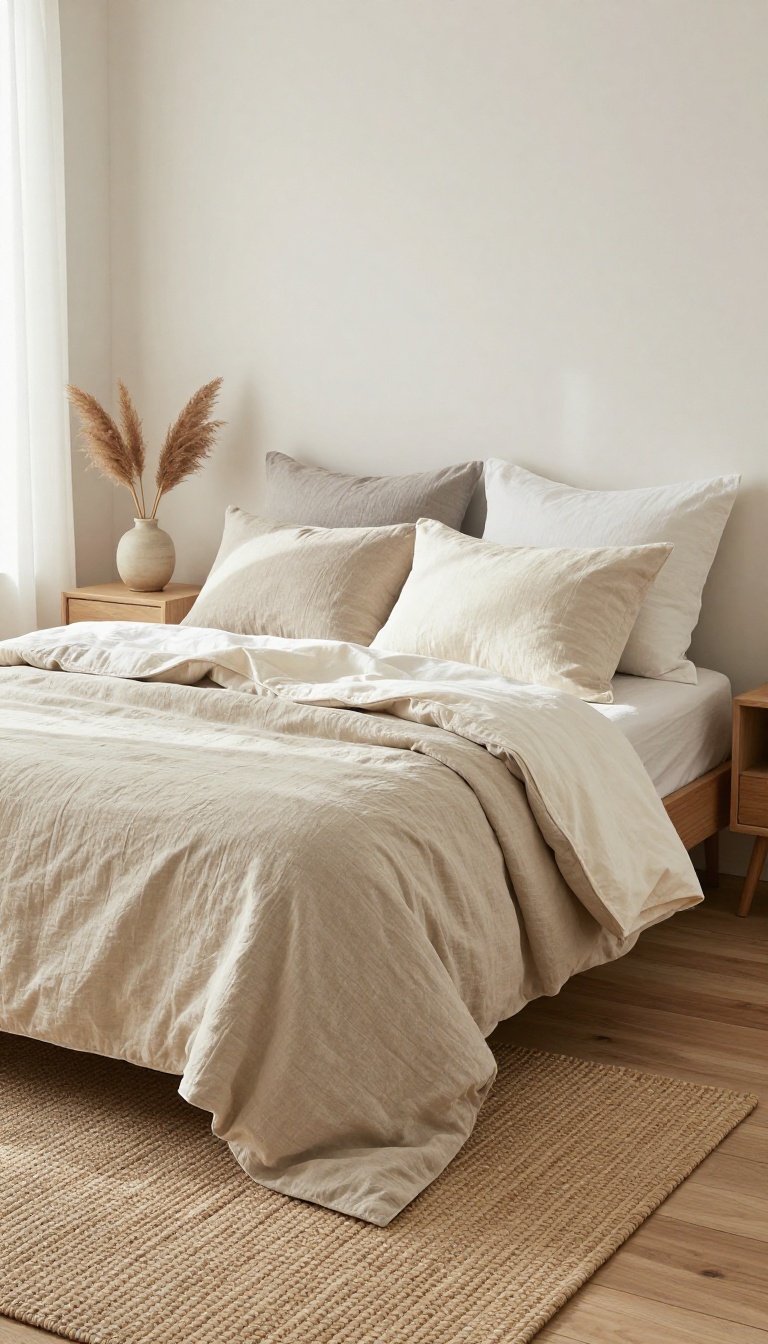
Linen gets all the credit for that relaxed, rumpled look, but it's the mix with cotton that makes a bed feel truly comfortable. Linen breathes beautifully and has that natural texture, while cotton adds a soft, smooth layer that keeps things from feeling too scratchy. Together, they create a bed that's cozy in winter and cool in summer—no need to swap everything out when the seasons change.
The trick is to use linen where you want that lived-in look and cotton where you want softness. Start with linen sheets or a linen duvet cover, then layer a cotton blanket or quilt on top. The contrast in texture makes the bed look inviting without trying too hard.
You don't have to buy everything at once, either. Add one linen piece to your existing cotton bedding and see how it changes the feel. Pottery Barn often sells linen-cotton blends, which give you the best of both worlds in a single set.
Start With Linen Sheets
Linen sheets are the foundation of that relaxed, breathable feel. They start out a little crisp but soften with every wash. Look for stonewashed linen if you want them to feel broken-in from day one.
A neutral color like oatmeal, flax, or pale gray keeps the look calm and versatile.
Add A Cotton Blanket Or Quilt
A cotton blanket or quilt on top of linen sheets adds warmth without weight. It also gives you something smooth to touch if linen feels too textured against your skin. Choose a quilt in a matching neutral tone, or go slightly lighter or darker for subtle contrast.
Fold it at the foot of the bed for that effortless, layered look.
Try A Linen-cotton Blend Duvet
If you want the look of linen with the softness of cotton, a blend duvet cover is a smart pick. It wrinkles less than pure linen and feels cooler than pure cotton. Pottery Barn's Belgian flax linen-cotton blend is a popular choice for this exact reason.
It's an easy way to get that cozy, lived-in vibe without committing to one fiber.
4. Add a Soft, Plush Rug Underfoot
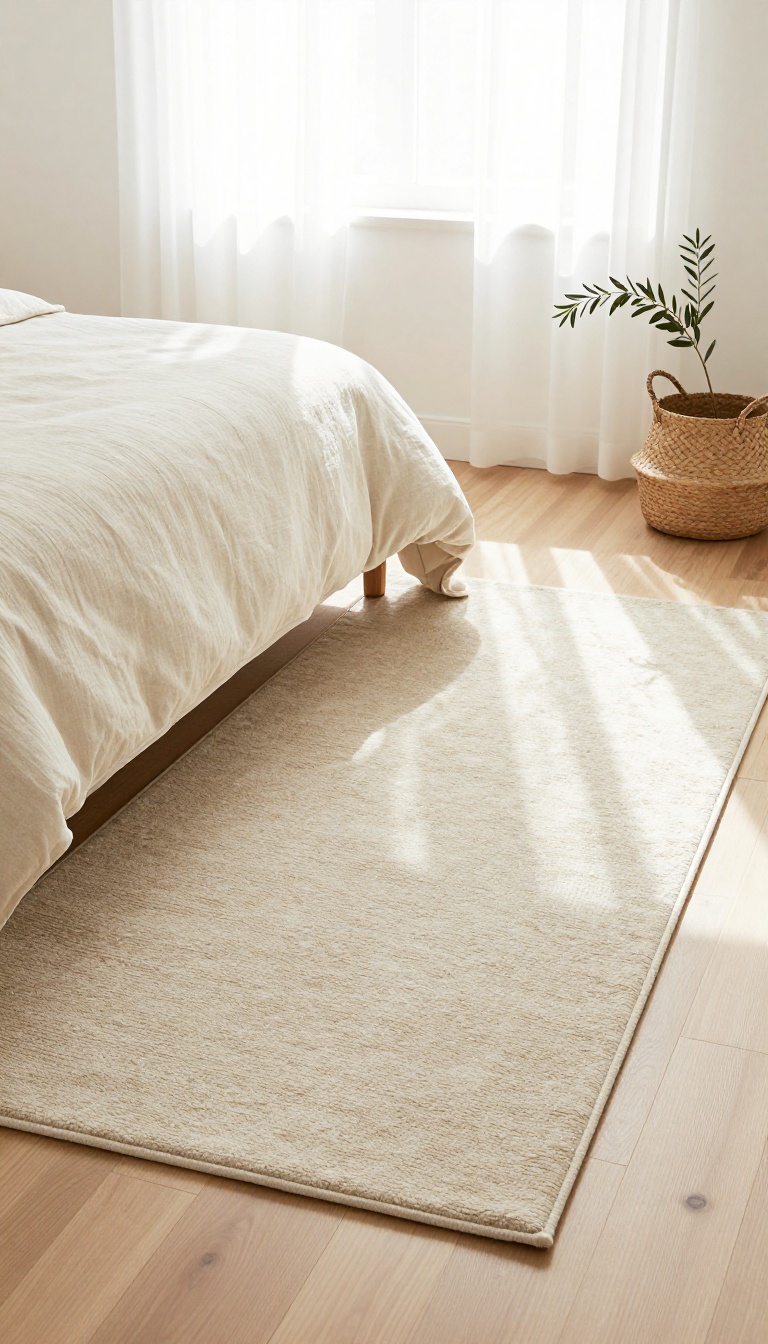
Bare floors have a way of making even a beautifully styled bed feel unfinished. A rug fixes that in one move, softening the space and giving your feet something warm to land on first thing in the morning. The trick is keeping it neutral.
A wool or jute rug in beige, oatmeal, or soft cream blends right into the Pottery Barn palette while adding the texture your room is missing.
Rugs do quiet work in a bedroom. They absorb sound, warm up hard flooring, and visually tie the bed to the rest of the room instead of letting it float alone. In a neutral scheme, texture is your main source of interest, so the rug matters more than you might think.
Size is where most people go wrong. A rug that's too small makes the bed look oversized and the room look choppy. You want the rug to extend well past the sides and foot of the bed so the whole sleeping area feels grounded.
Material comes down to the feel you're after. Wool gives you that dense, plush step. Jute brings a rougher, more casual weave that works beautifully in layered setups.
Either one fits the warm neutral look as long as you stick to natural, undyed tones.
Get The Size Right
For a queen or king bed, aim for a rug that's at least 8×10, or 9×12 if your room allows it. The rug should extend roughly 18 to 24 inches beyond each side of the bed and a few feet past the foot. If you can't fit one large rug, layer a smaller one over a bigger jute base.
That combo adds depth and lets you mix textures without committing to a single look.
Pick A Texture That Feels Good
Wool is the cozy choice. It's soft, durable, and holds up well in high-traffic spots like the side of the bed. A low-pile wool rug keeps things clean, while a plush or shag style cranks up the comfort.
Jute and sisal are the earthy options. They're affordable, tough, and add that natural, woven look Pottery Barn leans on. Just know they're rougher underfoot, so they work best layered under a softer rug or placed where you won't stand barefoot all the time.
Keep The Palette Quiet
Stick to oatmeal, sand, ivory, or soft taupe. These tones sit back and let your bedding and wood furniture do the talking. A subtle pattern, like a faded vintage motif or a faint stripe, can add interest without breaking the neutral feel.
Just keep the contrast low so it reads as texture rather than a design statement.
Layer For Extra Warmth
Try a large jute rug as your base, then top it with a smaller wool or faux-shearling rug near the bed. The mix of weaves makes the floor feel intentional and cozy. A runner along the foot of the bed is another easy layer.
It adds softness right where you step and pulls the whole arrangement together.
5. Choose Warm Wood Tones for Furniture

Wood furniture does more for a neutral bedroom than most people give it credit for. It breaks up all that beige and cream with something organic and grounded. And when you pick the right tones, it makes the whole room feel warmer without making it feel dark.
Pottery Barn leans hard on natural wood finishes for good reason. Oak, pine, and reclaimed wood bring a softness that painted or lacquered pieces just can't match. They also age well, picking up character over time instead of looking dated.
The goal is warmth, not heaviness. You want wood that feels sunbaked and relaxed, not shiny or formal. Think honey, wheat, and weathered gray-browns rather than espresso or cherry.
Those lighter, warmer tones play nicely with linen bedding and cream walls. You don't need to replace everything at once. Start with the pieces you actually touch and see every day: the bed frame, nightstands, maybe a dresser.
Those anchor the room. Everything else can follow.
Which Woods Work Best
Oak is the workhorse here. It's sturdy, has a beautiful grain, and comes in finishes from pale blonde to warm honey. Pine is softer and more casual, with a cottage feel that suits relaxed bedrooms.
Reclaimed wood adds instant history and looks especially good on a headboard or bench. If you want something a little more refined, look for ash or maple in a natural finish. Both keep that light, airy feel while still bringing in texture.
How To Mix Wood Tones Without It Looking Messy
You can absolutely mix woods, but keep them in the same temperature family. Warm with warm, cool with cool. A honey oak bed pairs beautifully with a slightly darker walnut nightstand.
What you want to avoid is a bright orange pine next to a gray-washed piece—they'll fight each other. A good rule: pick one dominant wood and let everything else be a supporting player. Two or three tones max in one room.
Where To Add Wood For Maximum Cozy Impact
The bed frame is the obvious starting point, but don't stop there. A wooden bench at the foot of the bed adds warmth and gives you a spot for a throw blanket. Wood nightstands ground the sides of the bed.
A simple wood dresser or armoire balances out all the softness of your textiles. Even small touches count. A wooden tray on the nightstand, a wood-framed mirror, or a wooden stool used as a side table all reinforce the look without overwhelming the space.
6. Use a Slipcovered Headboard for Softness

A wooden or metal headboard makes a statement, but it doesn't exactly say "curl up here. " A slipcovered headboard changes that instantly. It's upholstered, usually in linen or cotton, and it softens the whole bed without adding visual weight.
Pottery Barn uses this trick constantly. Their beds often feature a fabric headboard that looks like a loose slipcover, which gives the room a relaxed, lived-in feel. The fabric absorbs sound and light, so the bed becomes a quieter, cozier focal point.
You can buy one ready-made or slipcover an existing headboard with a simple cover. Either way, it's one of the easiest upgrades for a neutral bedroom.
Pick A Fabric That Feels Good
Linen and cotton are the obvious choices, but they behave differently. Linen has that casual, slightly rumpled texture that fits the Pottery Barn look perfectly. Cotton is smoother and often more affordable.
A linen-cotton blend gives you the best of both: softness with a bit more durability. Stick to warm neutrals like oatmeal, flax, or warm white so it blends with the rest of your bedding.
Get The Slipcover Fit Right
A slipcover should look relaxed, not sloppy. It needs to be snug enough that it doesn't shift around, but loose enough to feel soft. Look for covers with ties, buttons, or a hidden zipper.
If you're covering a headboard yourself, choose a fabric with a little stretch or pre-wash it so it doesn't shrink later. A tailored but unfussy fit is the goal.
Style Around The Softness
Once the headboard is soft, keep the rest of the bed from feeling too heavy. Use layered bedding in similar tones—cream, beige, and soft gray—so the headboard doesn't compete. Add a couple of pillows in a slightly darker shade for contrast.
A textured throw draped over one corner ties it all together. The headboard becomes the quiet anchor, not the loudest thing in the room.
7. Incorporate Cozy Lighting with Warm Bulbs
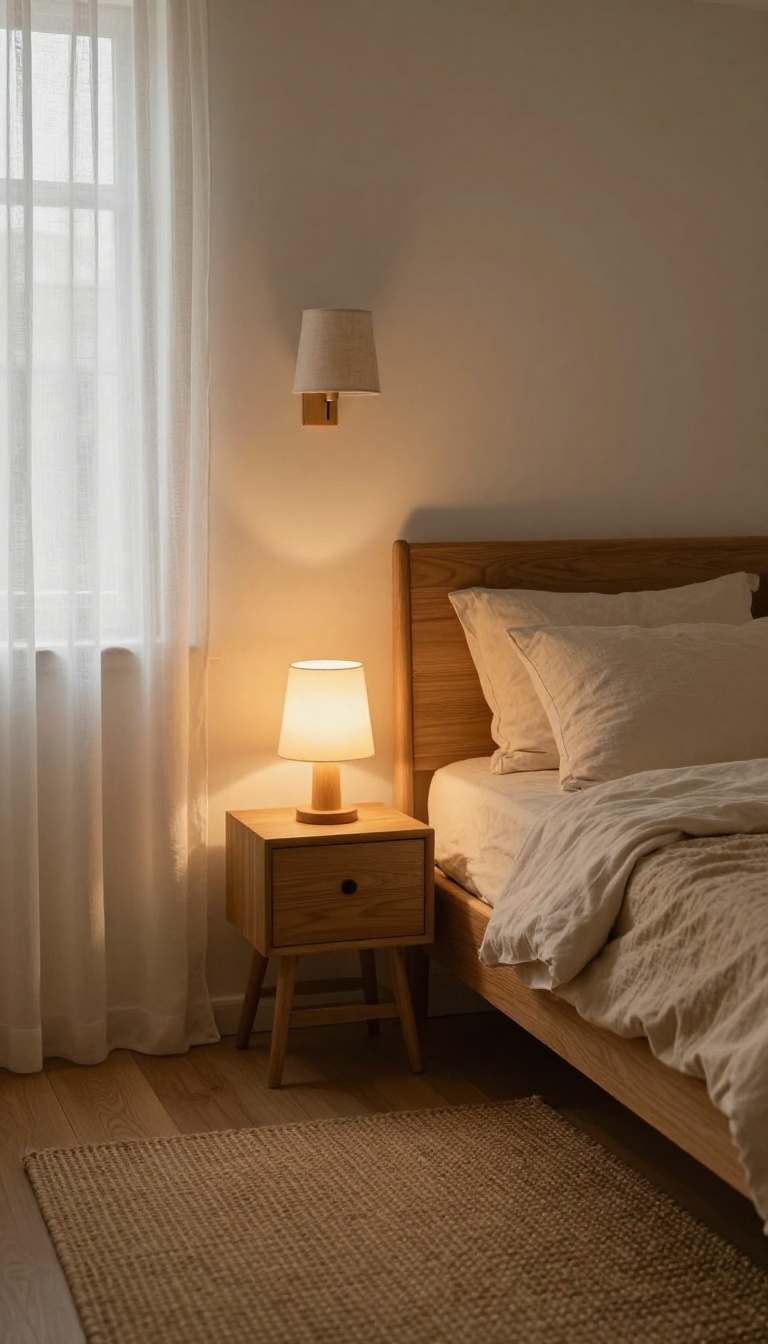
Lighting can make or break the cozy factor in a neutral bedroom. Harsh, cool bulbs cast a sterile glow that fights against warm beiges and creams. Swap them for warm-white options and watch your space instantly feel softer.
The right bulbs and a few dimmable fixtures turn evening wind-down into a ritual you look forward to.
Start by checking the color temperature on your current bulbs. Anything labeled 4000K or higher leans cool and blue, which kills the warmth of a Pottery Barn-inspired palette. Look for bulbs in the 2700K to 3000K range instead.
That golden, slightly amber light mimics the glow of a candle or a sunset. It's the difference between a hotel lobby and a cozy reading nook.
Choose The Right Color Temperature
Warm-white bulbs are the foundation of this look. Aim for 2700K for the softest, most amber glow, or 3000K if you want something a touch brighter but still warm. Avoid anything labeled 'daylight' or 'cool white'—those belong in garages, not bedrooms.
Once you switch, you'll notice how much better wood tones and linen textures look under that light.
Add Dimmable Lamps And Sconces
Dimmers give you control over the mood. Put a dimmable table lamp on each nightstand and swap your overhead switch for a dimmer if you can. Wall sconces with warm bulbs are another great option—they free up nightstand space and cast light downward, which feels intimate.
Pottery Barn's plug-in sconces are an easy upgrade if you don't want to hardwire anything.
Layer Your Light Sources
One ceiling fixture is rarely enough for a cozy bedroom. Combine a dimmable floor lamp in a corner, a small accent lamp on a dresser, and maybe a subtle nightlight in the hallway. The goal is to avoid any single harsh source.
When you layer warm light at different heights, the whole room feels wrapped in a gentle glow—perfect for winding down.
8. Hang Curtains High and Wide for Airiness
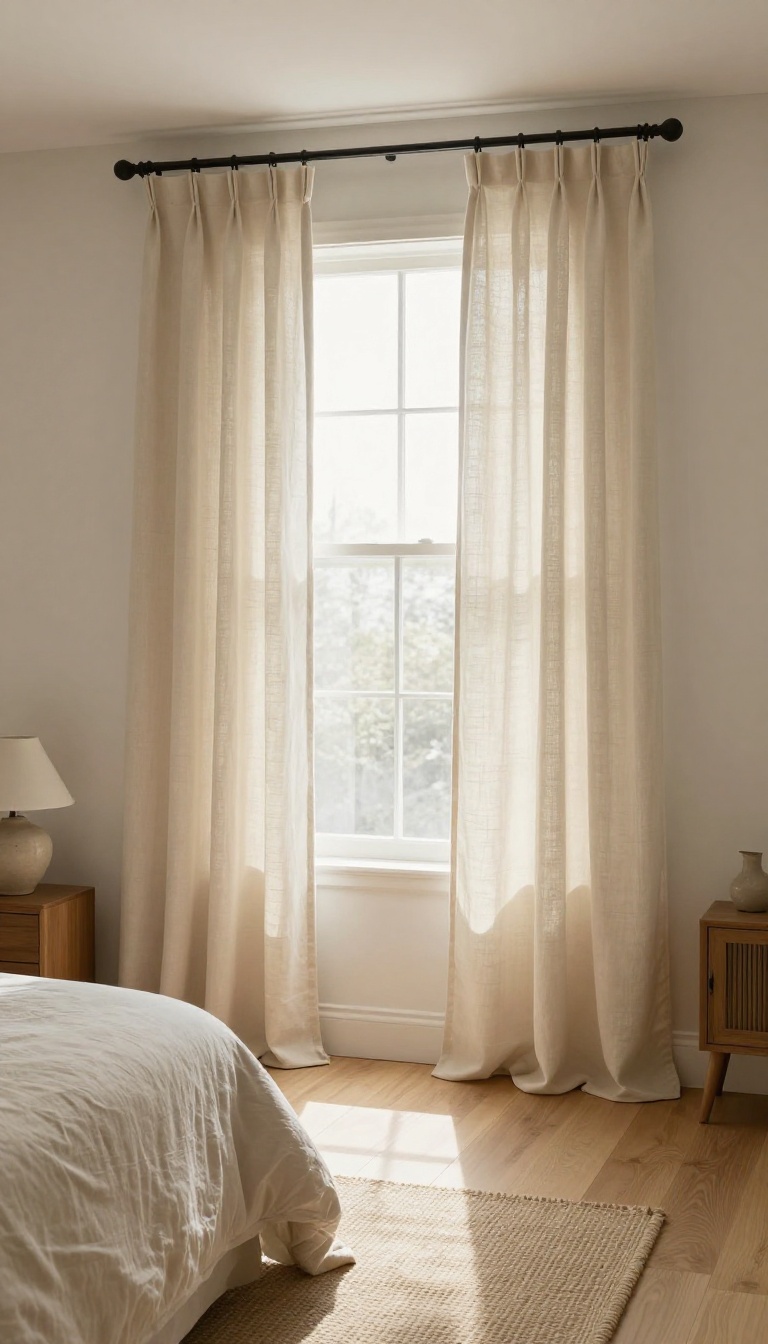
Curtains are often treated as an afterthought, but they can make or break the airy, cozy feel of a neutral bedroom. Hang them high and wide, and suddenly your windows seem larger and your ceiling taller. This simple trick adds a touch of drama without overwhelming the space.
The key is to mount the curtain rod close to the ceiling and extend it several inches beyond the window frame on each side. This draws the eye upward and outward, creating an illusion of more space. Floor-length curtains in cream or beige linen or cotton keep the look soft and relaxed, while the extra fabric adds a sense of luxury.
Pick The Right Rod And Rings
Choose a simple metal or wood rod in a finish that blends with your room's tones. Matte black, brushed nickel, or warm brass all work well with neutrals. Use rings that glide easily so you can open and close the curtains without a struggle.
The rod should be sturdy enough to hold the weight of floor-length curtains.
Choose Airy Fabrics In Soft Neutrals
Linen and cotton are ideal because they drape beautifully and filter light gently. Stick to cream, beige, or soft gray to keep the palette calm. If you want a bit more privacy, add a sheer layer behind.
Avoid heavy, dark fabrics that can make the room feel closed in.
Get The Length And Width Right
For a high-end look, curtains should just touch the floor or break slightly. Measure from the rod to the floor and add a couple of inches for hemming. Width-wise, aim for curtains that are at least twice the width of the window for nice folds.
This ensures they look full and intentional, not skimpy.
9. Style a Simple Nightstand with Natural Accents
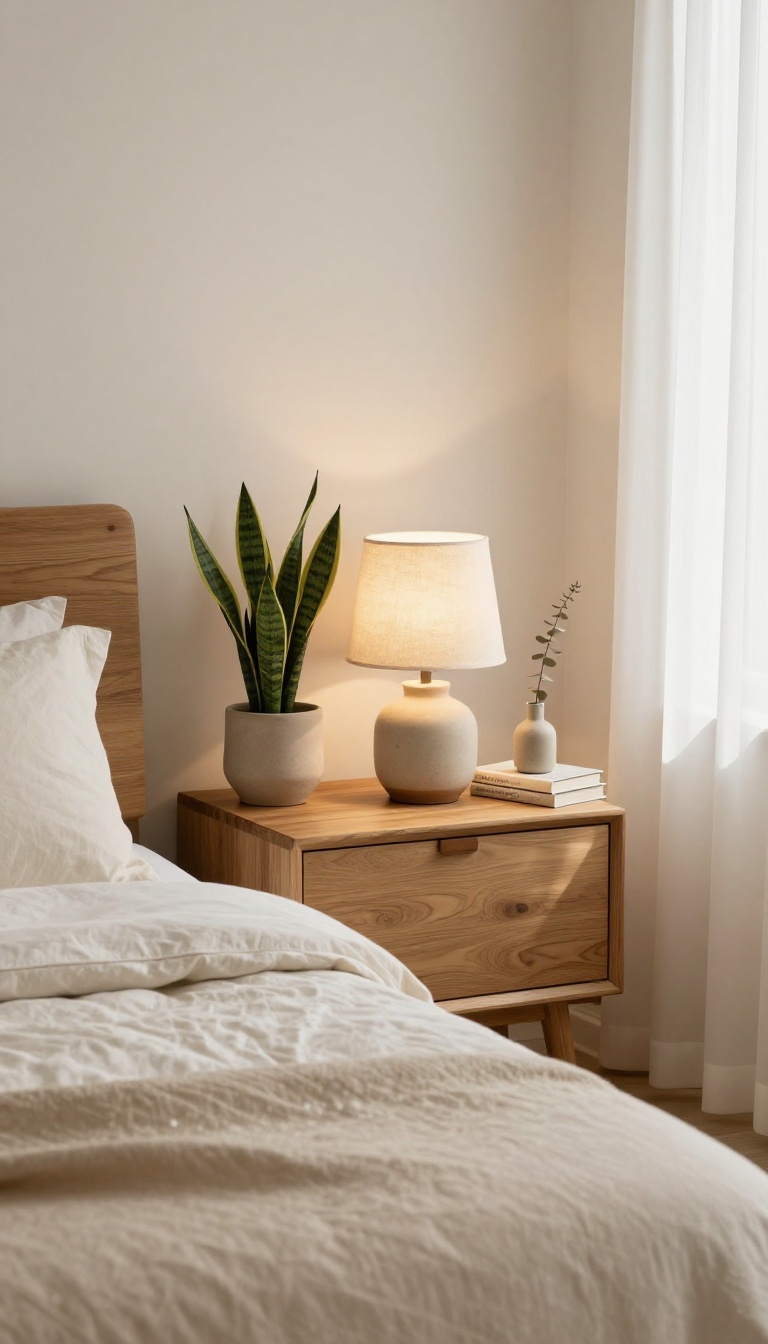
A nightstand can easily become a catch-all for clutter, but it can also be a small canvas for calm. The Pottery Barn look keeps things minimal: a ceramic lamp, a tiny plant, and a few books. That trio adds warmth and texture without overwhelming the space.
It's about editing, not adding more. Start by clearing everything off, then add back only what you love. A single stem in a bud vase or a small potted plant brings life to the corner.
Books stacked flat or standing upright add height and a personal touch. Keep the palette neutral—cream, beige, or warm wood—so it blends with the rest of the room. The goal is a nightstand that feels curated but not fussy.
You want it to look effortless, like it just happened. A few well-chosen pieces do more than a crowded surface ever could.
Pick A Lamp With A Soft Glow
A ceramic lamp with a linen shade is a Pottery Barn staple for good reason. It throws a warm, diffused light that's perfect for winding down. Look for a base in cream, sand, or soft gray—something that blends rather than competes.
A three-way bulb lets you adjust the mood from reading to relaxing. Keep the cord tidy with a simple clip, and you're set.
Add A Touch Of Greenery
A small plant or a single fresh stem in a ceramic vase brings a breath of fresh air. It doesn't need to be high-maintenance—a snake plant, a small fern, or even a few dried eucalyptus stems work beautifully. The green adds a subtle contrast to all the neutrals without breaking the calm.
Just make sure the pot matches the vibe: matte ceramic, stoneware, or a simple terracotta.
Stack Books For Height And Interest
Books aren't just for reading—they're great for styling. Stack two or three horizontally, then top with a small object like a wooden bowl or a candle. Or stand a few upright with a bookend for a cleaner look.
Choose books with neutral spines or remove the jackets for a cohesive feel. It's an easy way to add personality without visual noise.
Keep The Surface Uncluttered
The key to this look is restraint. After adding your lamp, plant, and books, step back. If something doesn't serve a purpose or bring you joy, take it away.
A small tray can corral keys or glasses, but otherwise, let the surface breathe. A clean nightstand feels more peaceful and makes your bedroom feel more put-together.
10. Add a Bench or Storage Ottoman at the Foot of the Bed
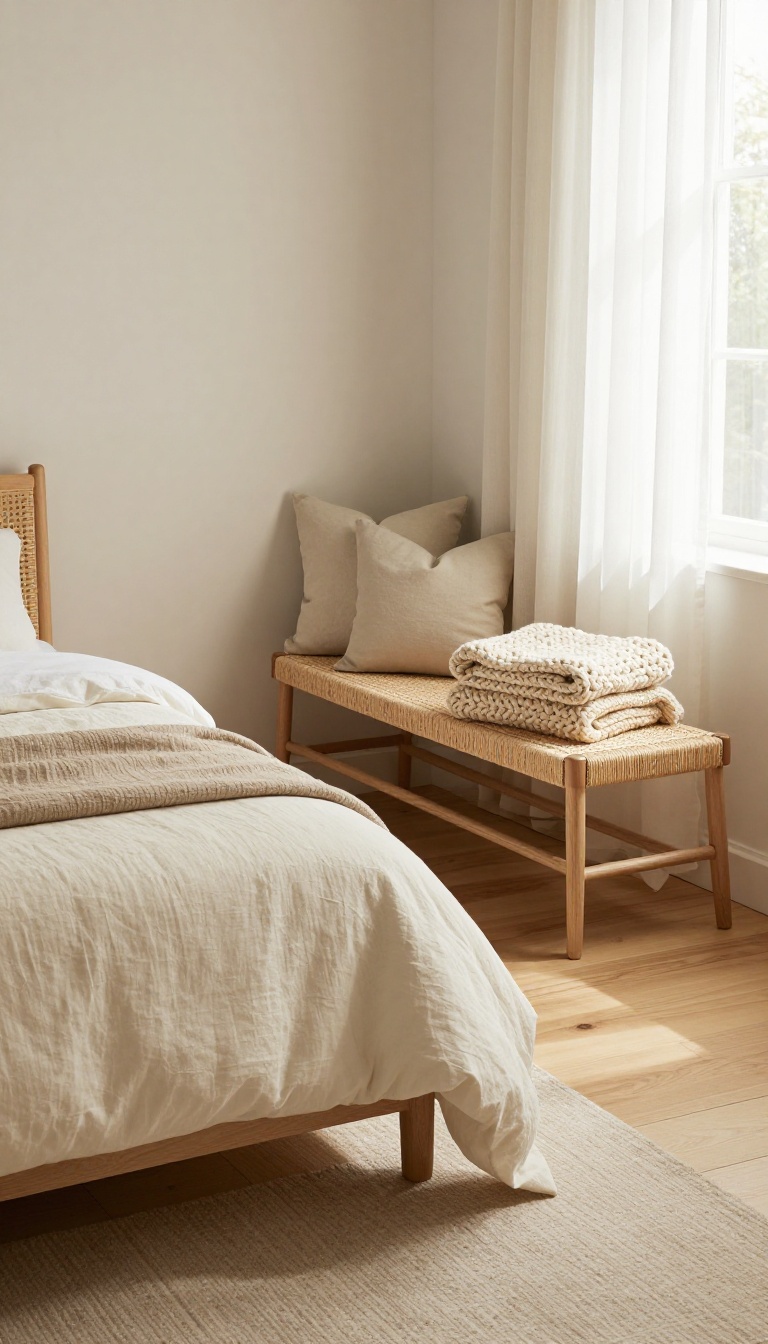
The foot of the bed is prime real estate that often goes unused. A bench or storage ottoman fills that space with purpose, giving you a spot to sit while you tie your shoes or lay out tomorrow's clothes. It also adds a layer of texture and warmth that fits right into a neutral, Pottery Barn-inspired room.
Best of all, it keeps extra blankets and pillows within reach without cluttering your nightstand.
A bench or ottoman at the foot of the bed does more than look good. It creates a natural gathering spot in the morning and a convenient drop zone at night. In a neutral bedroom, it also introduces another texture—woven rattan, soft linen, or smooth leather—that deepens the cozy feel.
And if you choose a storage version, you get a hidden home for spare throws, sheets, or off-season pillows.
Pick The Right Size And Shape
Measure the width of your bed and leave a few inches on each side so the bench doesn't overpower the frame. A rectangular bench works well for most beds, but a round or oval ottoman can soften a room with lots of straight lines. For smaller spaces, a narrow bench or a pair of small poufs gives you flexibility without blocking the walkway.
Choose Materials That Blend In
Woven seagrass, rattan, or jute brings a natural, earthy touch that pairs beautifully with beige and cream. Upholstered options in linen, cotton, or boucle add softness and can double as extra seating. If you want a bit of contrast, a warm wood frame or dark metal legs grounds the piece without breaking the neutral palette.
Style It Without Overdoing It
A folded throw draped over one corner and a single decorative pillow is often all you need. Keep the top mostly clear so it still functions as a seat. If you use a storage ottoman, choose one with a lid that stays open on its own—it makes grabbing extra bedding much easier.
11. Use Baskets and Bins for Relaxed Storage
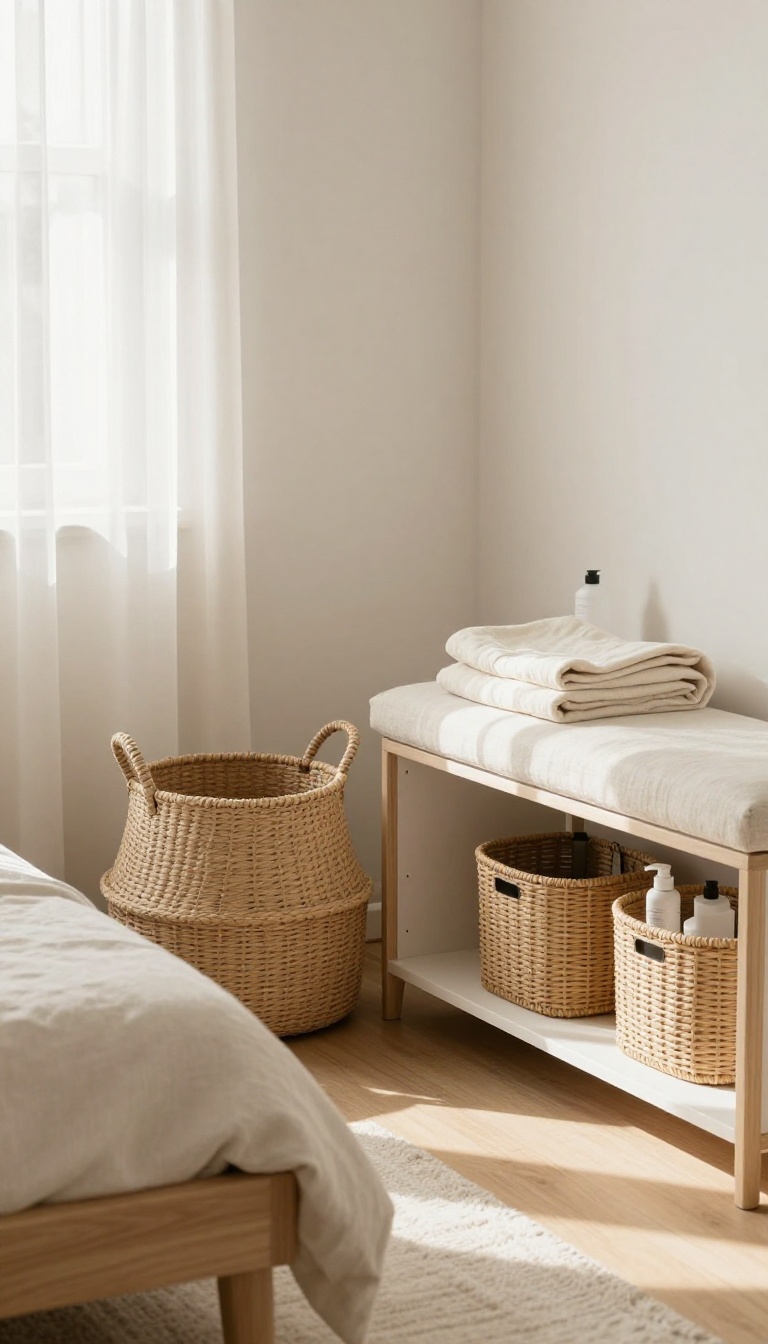
Clutter is the quiet enemy of a cozy neutral bedroom. A stack of magazines, a tangle of chargers, and a few stray sweaters can undo all that calm you worked so hard to create. Woven baskets solve that problem without introducing anything loud or shiny.
Seagrass, jute, and rattan bring in texture that matches your linen and wood tones, so storage actually adds to the look instead of hiding from it. The best part? You can toss things in and walk away.
No folding, no color-coding, no stress.
Baskets work because they're forgiving. They hold a lot, they soften hard edges, and they look intentional even when they're just holding everyday stuff. In a neutral room, they also add the one thing flat surfaces usually lack: texture.
You don't need a matching set or a perfect system. A few well-placed baskets in different sizes will do more for the room than a plastic bin ever could.
Pick The Right Material
Seagrass and jute are the workhorses here. Seagrass is sturdy and holds its shape, which makes it great for floor baskets and larger totes. Jute is softer and a little more casual, so it works well for smaller bins on shelves.
Rattan brings a slightly dressier look with its lighter, more open weave. Mix two or three materials in the same tone family and the room still reads calm, just with more depth.
Where They Earn Their Keep
Under the nightstand is prime real estate. A low basket there swallows books, slippers, and the random stuff that piles up next to the bed. On an open shelf, smaller bins corral lotions, chargers, and reading glasses.
A tall floor basket near the closet or bench catches throw blankets and laundry without looking like a hamper. And a lidded basket on a dresser hides the things you don't want on display but reach for often.
Keep It From Looking Messy
The trick is to leave a little breathing room. Don't line up ten baskets in a row. Group two or three, then let the surface go bare.
Empty space is what makes the texture read as calm instead of cluttered. Stick to one or two tones, like natural, whitewashed, or warm brown. If a basket starts overflowing, that's your cue to edit, not to buy another one.
12. Bring in a Touch of Greenery
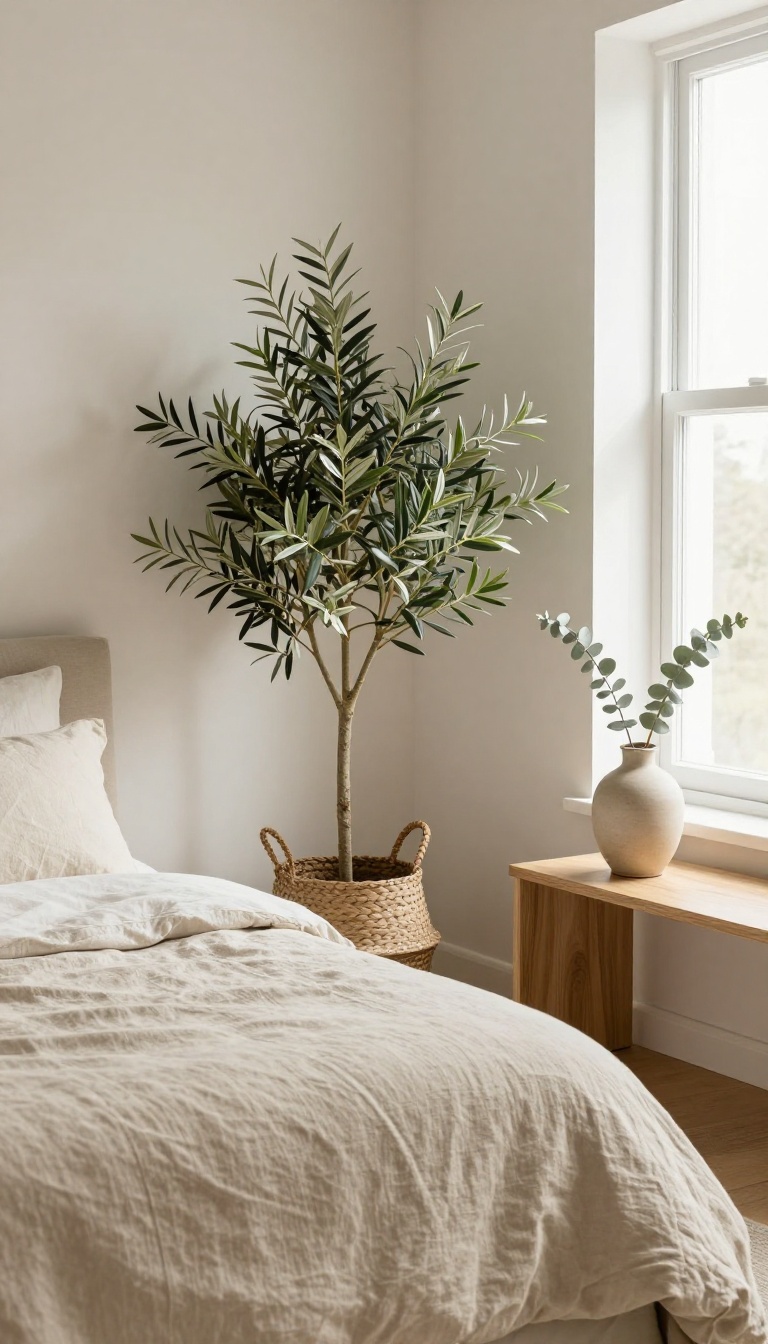
Neutral rooms can sometimes feel a little too quiet, like a beautiful song with no melody. A single plant or a few stems can change that in minutes. Greenery adds life, softness, and a subtle organic shape that breaks up all the straight lines and solid colors.
It's the easiest way to make a beige bedroom feel alive instead of flat.
You don't need a jungle. One well-placed plant or a simple vase of branches is enough to wake up the space. The goal is a soft, natural accent that complements your warm neutrals, not a burst of bright color that fights them.
Think muted greens, delicate leaves, and relaxed shapes that feel like they belong in a Pottery Barn catalog.
Choose Plants That Fit The Vibe
An olive tree is a classic choice for this look. Its silvery-green leaves and slender trunk feel elegant but not fussy. A potted olive tree in a woven basket or a simple terracotta pot adds height and texture without overwhelming the room.
Place it in a corner near a window, or use a smaller one on a nightstand or dresser. Eucalyptus is another favorite. Fresh or dried, its round leaves and soft sage color work beautifully with cream and beige.
A few stems in a ceramic vase on a dresser or nightstand add a gentle, organic touch. Dried eucalyptus lasts for months and needs zero care, which is a win for busy people. If you want something a little more lush, try a rubber plant or a snake plant.
Both have deep green leaves that pop against neutral walls, and they're forgiving if you forget to water them. Just keep the pot simple—no bright glazes or busy patterns. A matte white, sand, or stone-colored pot keeps the focus on the plant itself.
Placement Tips For A Natural Look
Don't cluster all your greenery in one spot. Spread it out so it feels like it grew there naturally. A tall plant in the corner, a small vase on the nightstand, and a tiny succulent on a shelf create a gentle rhythm.
The eye moves around the room and finds little moments of life. Scale matters. A tiny plant on a huge empty wall will look lost.
A giant tree in a small room will feel cramped. Match the plant to the space. In a large bedroom, a tall fiddle leaf fig or olive tree can anchor a corner.
In a smaller room, go with a medium plant on a stand or a few stems in a vase. Light is key. Most of these plants need bright, indirect light.
If your bedroom is dark, choose low-light options like a snake plant or a ZZ plant. Or go with dried eucalyptus or branches—they look great anywhere and never complain about the lack of sun.
Keep It Low-maintenance And Cozy
The last thing you want is a plant that stresses you out. Pick varieties that thrive with minimal attention. Succulents, pothos, and snake plants are practically indestructible.
If you travel a lot or have a brown thumb, dried stems or high-quality faux plants are perfectly fine. Nobody will judge you. A little greenery goes a long way.
One or two plants are enough to soften the space. More than that can start to feel like a greenhouse. The point is to add a touch of life, not to turn your bedroom into a botanical garden.
Finally, think about texture. A plant with wispy leaves, like a fern or a palm, adds a soft, feathery contrast to crisp linens and smooth wood. A plant with broad leaves, like a rubber tree, adds a bold, sculptural shape.
Mix a couple of different leaf shapes for visual interest. Just keep the colors in the green family—no bright variegated leaves that clash with your neutral palette.
13. Finish with Thoughtful Wall Decor
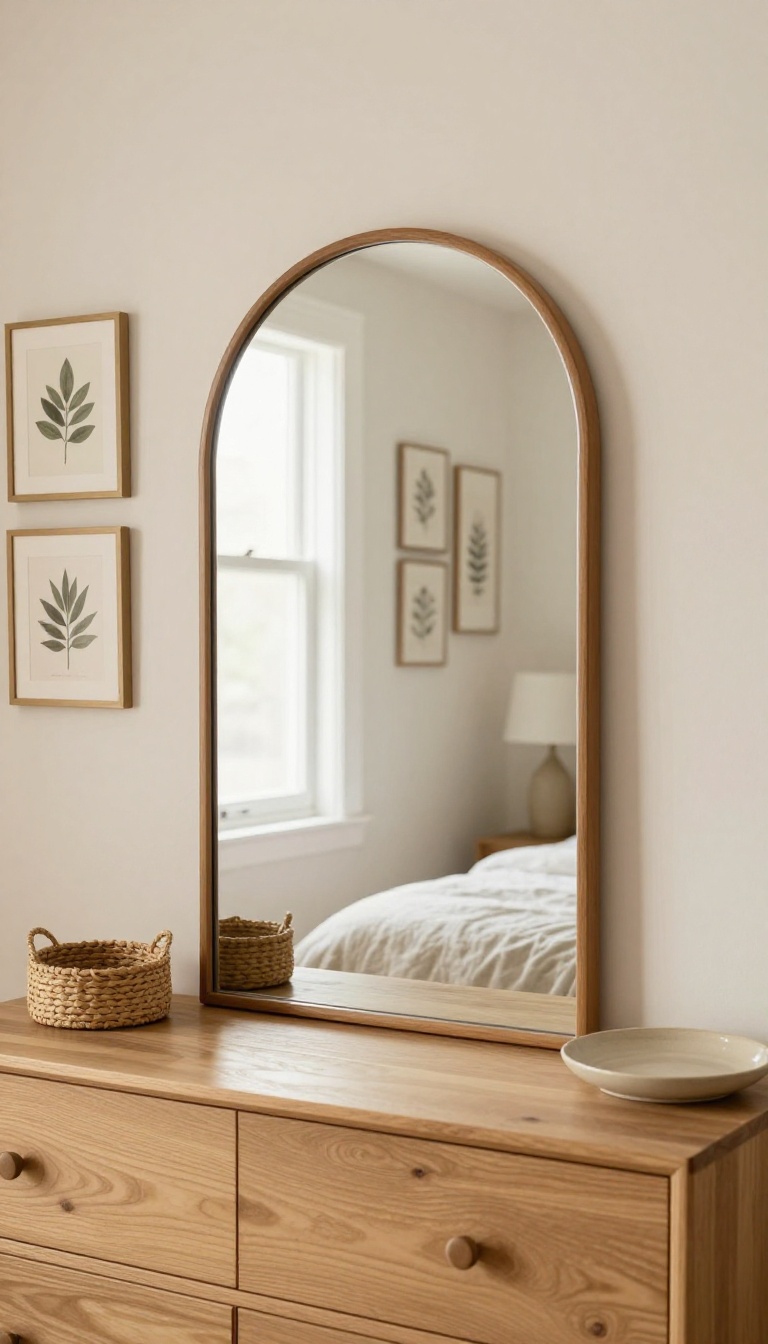
Walls can make or break a neutral bedroom. Leave them bare and the room feels unfinished; overdo it and the calm disappears. The fix is simple: choose one or two pieces that add texture, shape, or a soft pattern without introducing loud colors.
A large mirror or a set of botanical prints does exactly that.
Wall decor in a Pottery Barn-inspired room should feel collected, not crowded. You want pieces that blend with your beige, cream, and wood tones while adding just enough visual interest. The goal is to frame the bed, not fight it.
Think of wall art as the final layer that pulls everything together.
Go Big With A Mirror
A large mirror above the bed or dresser bounces light around the room, making it feel brighter and more open. Look for a wood-framed or arched mirror in a warm finish like oak or walnut. It adds a subtle focal point without competing with your bedding.
Just make sure it's securely hung—safety first.
Frame Soft Botanicals
A series of framed botanical prints in thin wood or brass frames brings a gentle, organic touch. Stick to muted greens, faded browns, and cream backgrounds. Hang them in a grid or a simple row above a nightstand or bench.
This keeps the palette neutral while adding a bit of life.
Mix Textures And Shapes
Don't be afraid to combine a mirror with a small gallery wall. A woven basket, a ceramic plate, or a simple wood carving can add depth. Just keep the colors in the same warm family.
Vary the shapes—round, rectangular, organic—to avoid a flat look.
Hang At The Right Height
Art should relate to the furniture below it. As a rule, hang pieces so the center is about 57 to 60 inches from the floor. Above a bed, leave 6 to 8 inches between the headboard and the bottom of the frame.
This small detail makes the whole room feel intentional.
FAQ
What colors are best for a Pottery Barn-style neutral bedroom?
Stick to warm neutrals like beige, cream, greige, and soft white. These tones create a cozy, inviting base that works with natural textures.
How can I make my bed look layered without feeling heavy?
Use lightweight fabrics like linen and cotton, and layer a duvet, quilt, and throw. Keep the colors similar so it looks cohesive, not cluttered.
What kind of lighting creates a cozy atmosphere?
Warm-white bulbs (2700K-3000K) and dimmable lamps or sconces help create a soft, relaxing glow. Avoid cool or bright white lights.
Do I need to replace all my furniture to get this look?
Not at all. Start with small changes like new bedding, a rug, or lighting. You can also slipcover existing furniture or add wood accents.
How do I keep a neutral bedroom from looking boring?
Mix textures like linen, wool, wood, and rattan. Add a plant or a piece of art with subtle color. Varying heights and layers also add interest.
Conclusion
A cozy neutral bedroom doesn't come together in one weekend, and that's fine. Start with the pieces you touch every day, like bedding and lighting, then layer in rugs, wood tones, and small accents as you find them.
Let the room evolve slowly. Warm neutrals reward patience, and the mix of linen, soft texture, and relaxed Pottery Barn style only gets better as it settles into your space.