13 Men’s Old Money Outfit Ideas With Tailored Details
Old money style isn’t about flashy logos; it’s about the quiet confidence of well-cut pieces that fit perfectly and feel even better. For men, that means investing in tailored details—think structured shoulders, crisp collars, and trousers with a clean break—that elevate everyday dressing without trying too hard.
This list of 13 outfit ideas focuses on that refined yet relaxed approach, using classic staples like blazers, knits, and oxford shirts in versatile ways. Each look is designed for real life, whether you’re heading to the office, a weekend dinner, or just running errands.
You’ll find practical styling tips to help you master that understated polish with pieces you can actually wear.
1. The Tailored Polo: Polished Weekend Staple
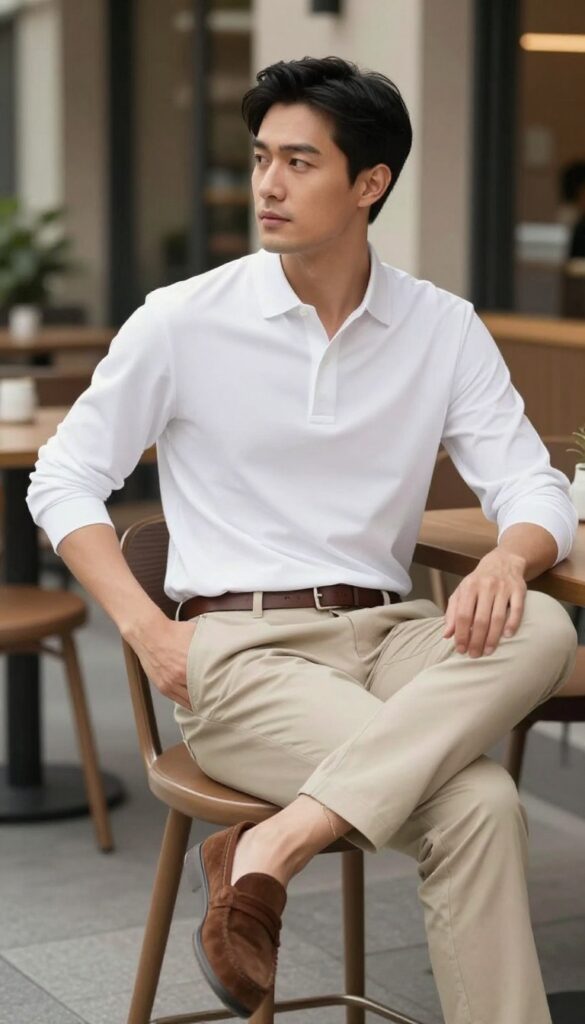
A tailored polo is the easiest way to upgrade your weekend wardrobe without overthinking it. The key is fit: choose one that skims the chest and shoulders without being tight, and has a collar that stands up crisply. In a breathable fabric like pique cotton or merino wool, it feels as comfortable as a tee but looks far more intentional.
The Right Fit and Fabric
Not all polos are created equal. A tailored polo should follow your torso's natural lines without clinging, and the sleeves should hit mid-bicep without flaring. For fabric, pique cotton is the classic choice for warm days, while merino wool adds a touch of polish for cooler evenings.
Both breathe well and hold their shape, so you won't look rumpled by the end of brunch.
Balancing the Silhouette
Pair your polo with chinos that have a slight taper and a clean break at the shoe. This keeps the look streamlined without being too slim. For shoes, suede loafers or leather derbies work best—they echo the relaxed yet refined vibe.
A simple leather belt in a matching tone ties the whole outfit together, and you can skip the watch or add a minimalist one for a subtle finish.
Where It Works Best
This outfit is made for weekend plans: a casual brunch, a gallery visit, or a relaxed Friday at the office. It's easy to dress up with a blazer or down with a pair of clean white sneakers, but the tailored polo keeps you looking sharp either way. Just avoid pairing it with athletic shorts or overly distressed jeans—that would undo the polished effect.
2. The Navy Blazer: Effortless Smart Casual
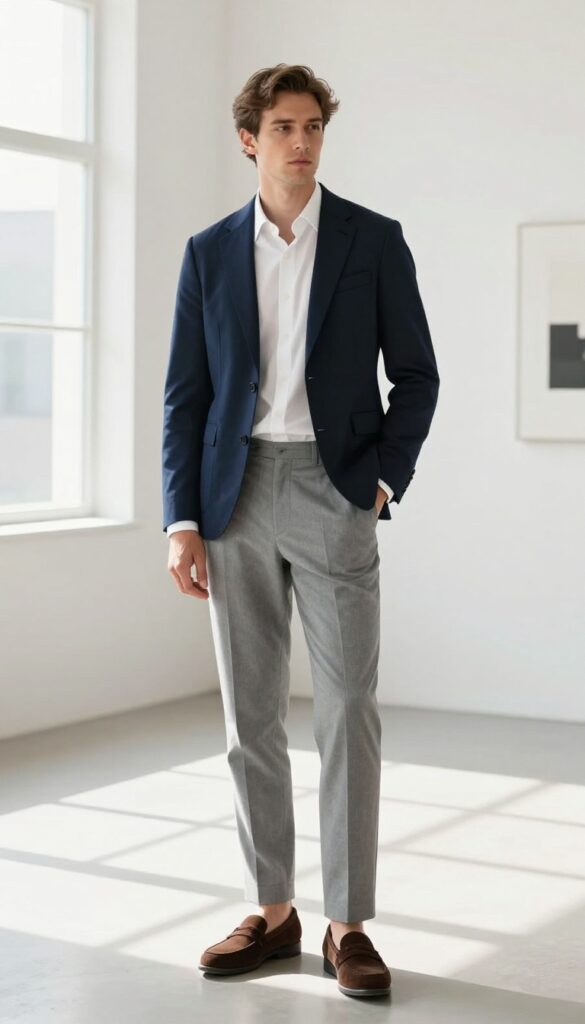
Few pieces say 'quietly well-dressed' like a navy blazer. It's not about looking like you're headed to a boardroom—it's about that easy polish that works for a lunch meeting or a weekend gallery visit. The trick is in the fit and the way you style it with relaxed pieces.
Fit First: Shoulders and Length
A blazer only looks old money if it fits properly. The shoulder seam should sit right at your shoulder bone, not droop or pinch. The jacket length should cover your rear, ending around mid-hip.
If the sleeves show a little cuff of your shirt, that's perfect—it adds that tailored, intentional touch.
The Right Pairings: Keep It Relaxed
Pair the blazer with grey trousers in a breathable fabric like wool or cotton. A crisp white oxford shirt underneath keeps it classic, but you can swap in a fine-knit polo for a more laid-back feel. Suede loafers finish the look with a soft, understated texture that matches the blazer's easy confidence.
Color and Texture Balance
The navy blazer is a neutral, so you can play with textures and shades. Grey trousers in a lighter tone create a nice contrast, while a white shirt brightens your face. Add a pocket square in a subtle pattern—maybe a small check or a solid silk—to bring in a hint of personality without shouting.
3. The Cable Knit Sweater: Preppy Comfort
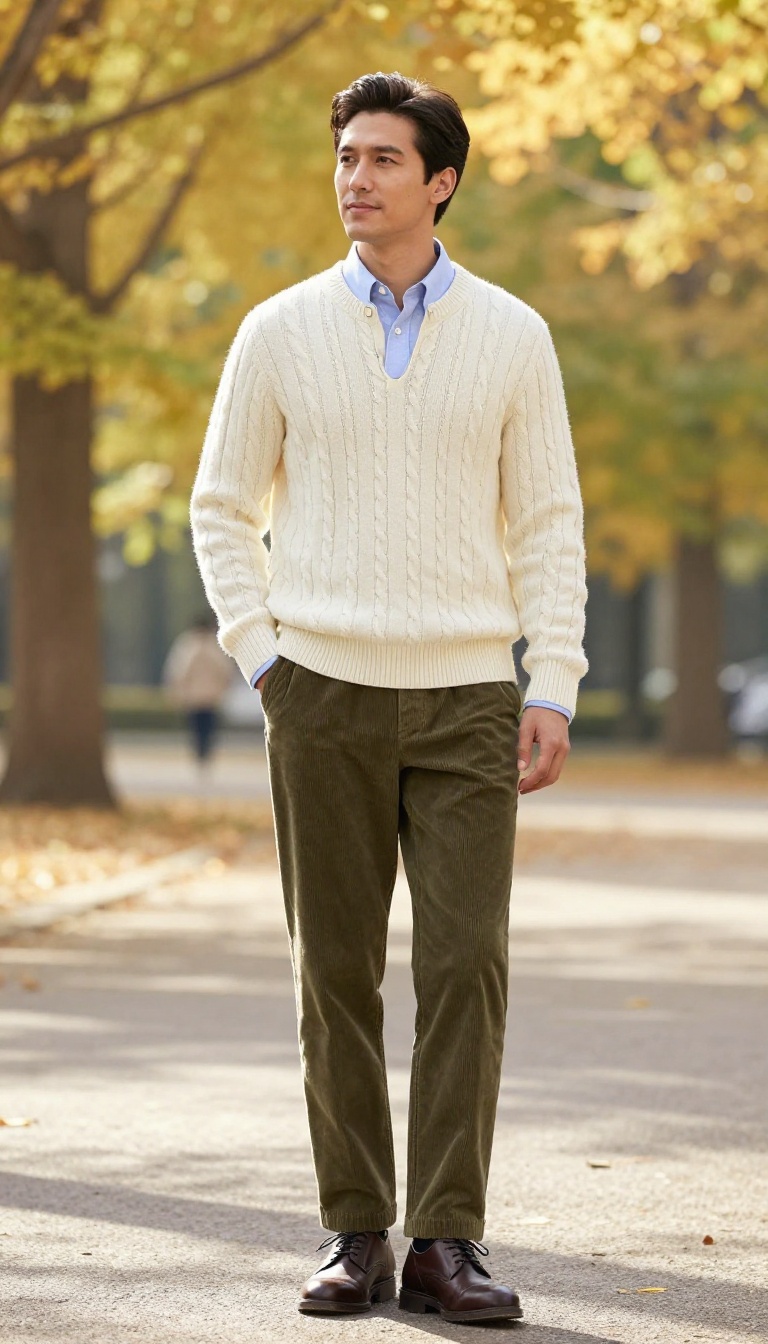
There’s something quietly reassuring about a cable knit sweater. It’s not loud or trendy—just a timeless texture that speaks to comfort and polish at the same time. When you choose a neutral like cream or navy, you get a piece that anchors your outfit without shouting for attention.
This look is all about balance: the sweater’s soft bulk pairs perfectly with the crispness of a collared shirt and the relaxed structure of corduroy. It’s the kind of outfit that feels like a warm hug but still looks put-together enough for a casual Friday or a weekend lunch. Whether you’re strolling through the park or meeting friends for coffee, this combination keeps you comfortable and effortlessly refined.
Layering the Collar
The secret to nailing this preppy look is the collar. Pop the collar of your oxford shirt just enough to peek out from the sweater’s neckline—not too stiff, not too sloppy. A button-down collar works best because it stays put and adds a neat, intentional frame around your face.
Keep the shirt untucked or tucked loosely; the goal is a relaxed, lived-in feel that still looks deliberate.
Corduroy’s Quiet Texture
Corduroy trousers bring a subtle ribbed texture that complements the sweater’s cable knit without competing. Choose a warm brown or olive tone to ground the outfit and add depth. The wale (the vertical ridges) catches light in a way that feels rich and old-money, especially when the pants have a tailored straight or slight taper.
Avoid overly baggy fits—a clean line from hip to hem keeps the look sharp.
Finishing with Leather Derbies
Leather derbies are the perfect footwear here—they’re sturdy, comfortable, and more relaxed than oxfords but still polished. A dark brown or tan pair ties the whole look together, echoing the warmth of the corduroy. For an extra touch, add a leather belt in a matching shade to create a seamless line.
This shoe choice keeps you ready for long walks or errands without sacrificing style.
4. The Oxford Shirt: Versatile Wardrobe Hero
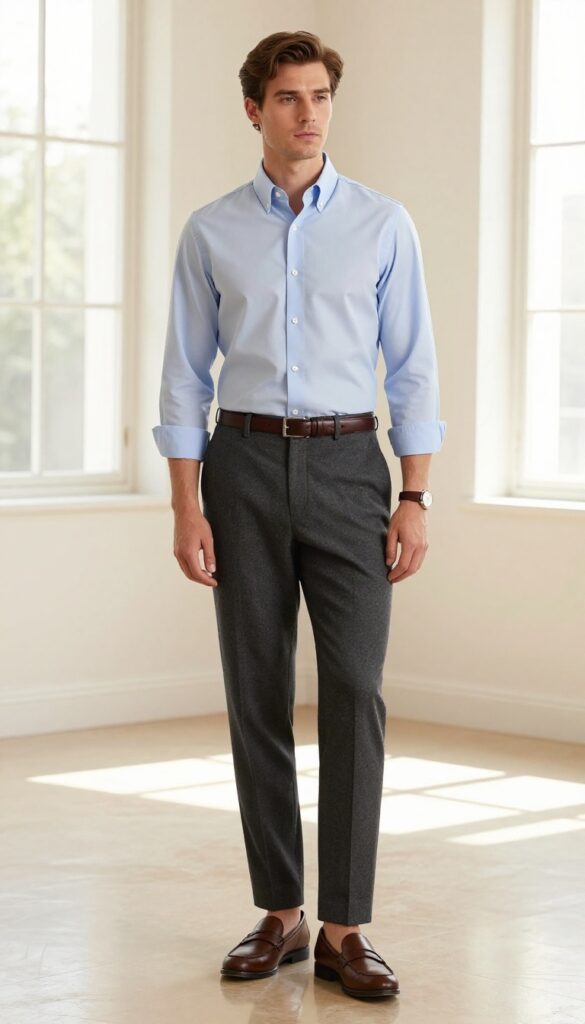
There’s a reason the oxford shirt is a cornerstone of old money style. Its soft collar and slightly textured cotton give it a relaxed feel, while the button-down front keeps things tidy. This is the shirt that moves easily from a morning meeting to an evening out without missing a beat.
Pair it with tailored wool trousers and you’ve got a foundation that’s both polished and comfortable. The key is in the details: a leather belt that matches your shoes, and penny loafers that add a touch of classic charm. This look is your go-to when you need to look sharp but not stiff.
The Right Fit and Fabric
The magic of an oxford shirt lies in its fit. Look for one that skims your torso without pulling at the buttons, and sleeves that end just at your wrist. A slightly relaxed cut is fine, but avoid anything too baggy.
The fabric matters too—a cotton oxford with a bit of weight will drape better and resist wrinkles, making it perfect for all-day wear.
Trousers and Belt Coordination
Tailored wool trousers in a neutral shade like charcoal or navy are the ideal partner. They should have a clean break at the shoe, not too much bunching. Your belt should match your shoes in color—brown with brown, black with black.
This simple trick ties the whole outfit together and shows you’ve thought about the details.
Shoes and Finishing Touches
Penny loafers are the classic choice here. They’re comfortable, stylish, and work with the relaxed formality of the oxford. For a slightly dressier feel, opt for leather-soled loafers; for everyday, rubber soles are fine.
Add a simple watch with a leather strap and keep other accessories minimal. The goal is understated polish.
5. The Tweed Jacket: Textured Heritage
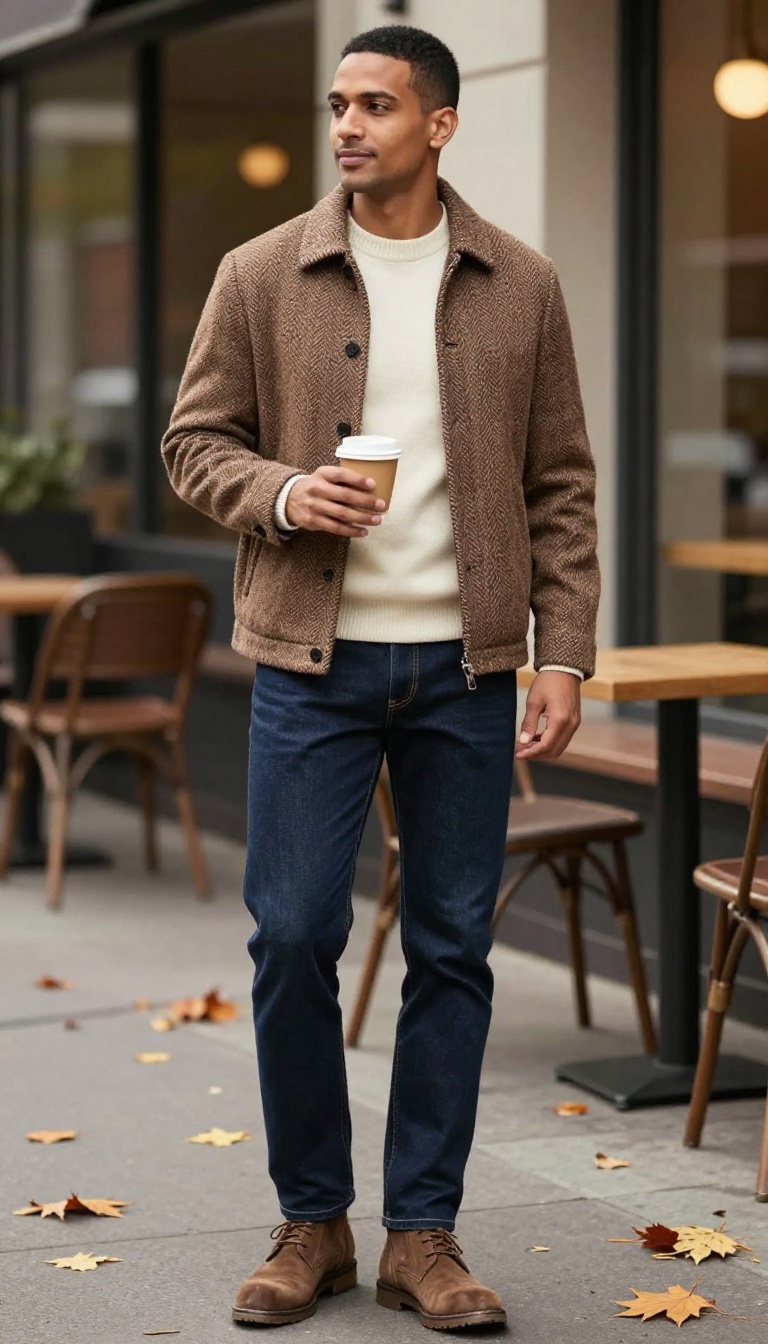
A tweed jacket brings a sense of history and craftsmanship to your wardrobe without feeling costume-y. It’s the kind of piece that looks better with age and pairs effortlessly with modern staples.
This outfit idea shows how to wear tweed in a relaxed, everyday way—layered over a roll-neck sweater with dark denim and suede chukka boots. It’s smart-casual in the best sense: polished but never stiff, and perfect for cooler days when you want a bit of texture.
Balancing Texture and Weight
Tweed has a naturally heavy, nubby texture, so it’s important to balance it with smoother, lighter layers. A fine-gauge roll-neck sweater in merino wool or cashmere works beautifully—it adds warmth without bulk and lets the jacket’s texture stand out. Keep the rest of the outfit simple: dark denim and suede boots won’t compete with the jacket’s visual interest.
Choosing the Right Tweed Jacket
Look for a tweed jacket with a soft shoulder and a slightly relaxed fit—nothing too boxy or too tight. A herringbone or houndstooth pattern in earthy tones like brown, olive, or navy is versatile and easy to pair. Avoid overly bold patterns; the goal is a subtle, refined look that feels inherited, not rented.
Smart-Casual Styling for Everyday Wear
This outfit is ideal for a weekend lunch, a gallery visit, or even a casual Friday at the office. The roll-neck and chukka boots keep it approachable, while the tweed jacket adds a layer of sophistication. If the weather turns, swap the chukkas for leather loafers and add a scarf—the jacket will still do the heavy lifting.
6. The Chino & Blazer Combo: Smart Weekend
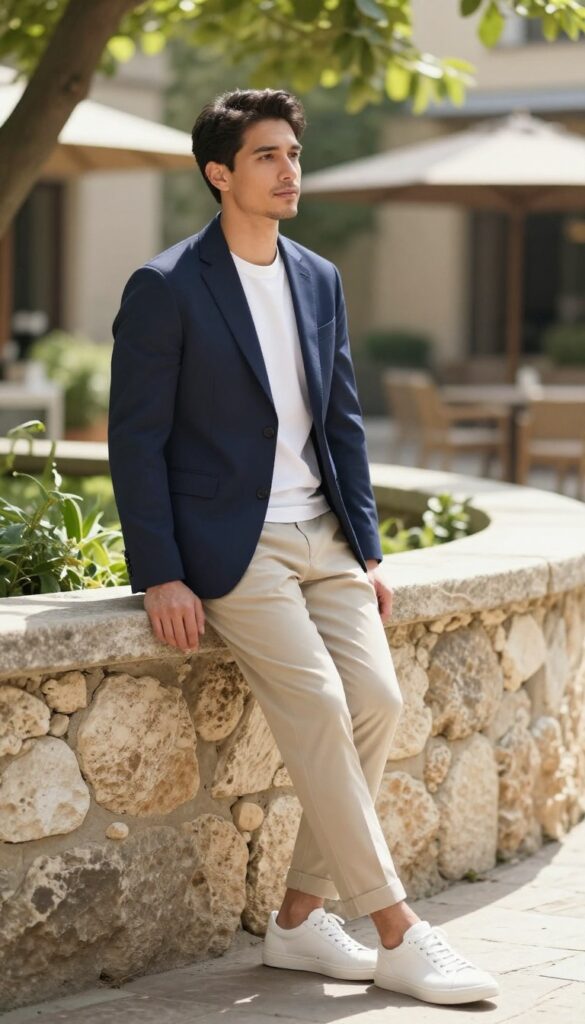
This is the outfit that bridges the gap between a lazy Saturday and a dinner reservation you actually care about. The trick is pairing a structured blazer with soft, well-fitted chinos—not too dressy, not too slouchy. It’s the kind of look that says you put thought into getting dressed, but you didn’t overthink it.
Balancing the Blazer and Chino Proportions
The magic of this combo is in the fit. Choose a blazer that’s tailored through the shoulders and slightly nipped at the waist—nothing boxy or oversized. Pair it with chinos that have a straight or slim-straight leg, breaking just above the shoe.
The goal is a clean line from shoulder to hem, so avoid chinos that are too baggy or too tight. A mid-rise works best, keeping the proportions balanced and the look effortlessly put-together.
Choosing the Right Footwear and Top
For a smart weekend vibe, skip the dress shoes and go for clean white leather sneakers—they keep the outfit grounded and relaxed. On top, a simple crew-neck t-shirt or a fine-knit polo in a neutral tone (white, navy, or heather grey) works perfectly. The contrast between the casual top and the structured blazer is what makes this look feel modern and wearable, not stiff.
Picking a Color Palette That Feels Effortless
Stick to complementary, muted tones that feel timeless. A navy blazer with beige or khaki chinos is the classic combo, but you can also try a grey blazer with olive chinos or a brown blazer with off-white chinos. Keep the top neutral and let the blazer and chinos do the talking.
This palette is easy to mix and match, so you can rotate pieces without overthinking.
Adding Subtle Accessories for a Personal Touch
Accessories should be minimal but intentional. A leather watch with a simple dial adds a touch of sophistication, and a slim belt that matches your shoes ties the look together. If you want a bit more polish, fold a pocket square in a subtle pattern—nothing loud.
The idea is to enhance the outfit without drawing attention away from the clean, tailored lines.
7. The Turtleneck: Sleek Minimalism
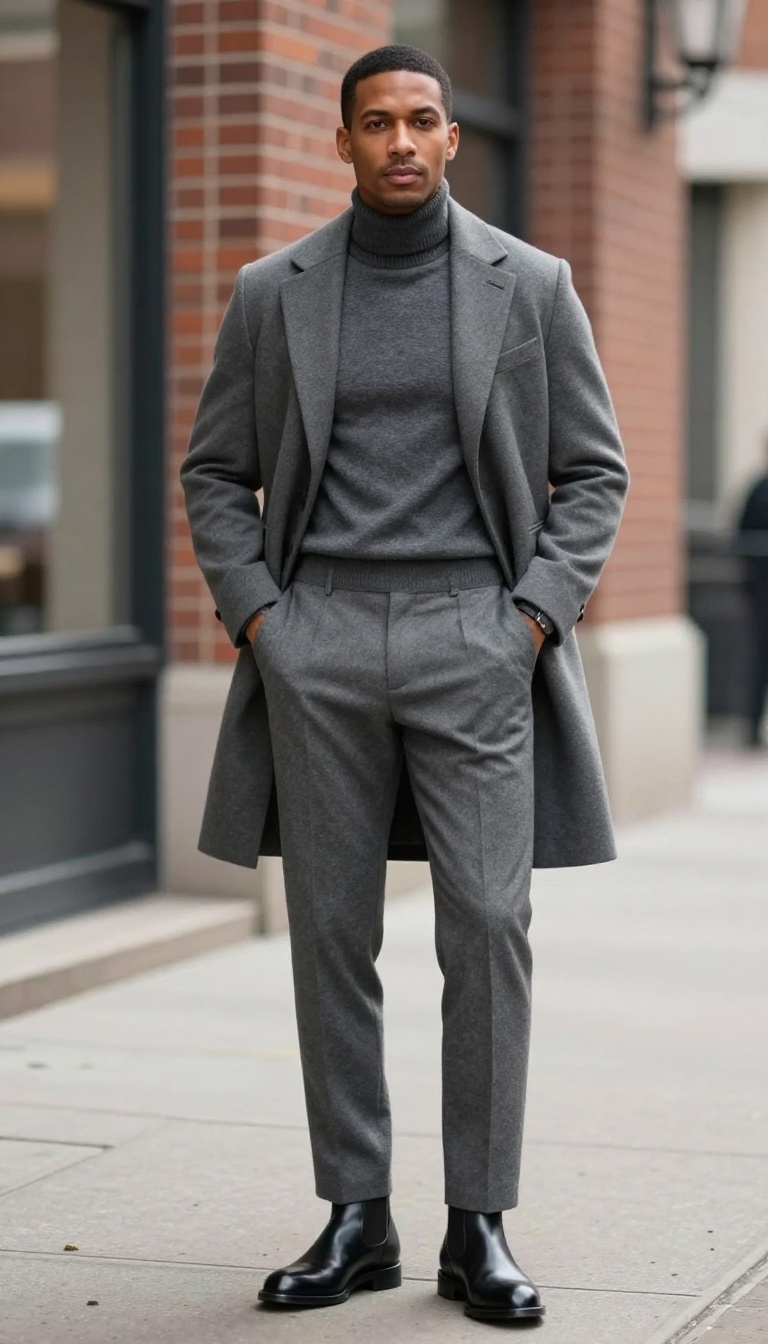
When you want to look put-together without any extra noise, a fine-gauge turtleneck is your best friend. It’s smooth, close-fitting, and instantly makes you look more polished. This outfit pairs that sleek top with tailored trousers and a structured overcoat for a look that’s both minimal and expensive.
The beauty of this idea is how effortless it feels. You’re not layering a bunch of pieces or playing with patterns. Instead, you’re letting the clean lines and quality fabrics do the talking.
It’s the kind of outfit that works for a business lunch, a gallery opening, or a dinner date in the city.
The Power of a Fine Gauge
A fine-gauge turtleneck is different from a chunky knit. It hugs your torso without adding bulk, which is key for that sleek, tailored look. Choose a solid color like charcoal, camel, or navy—these shades are versatile and read as high-end.
The fabric should be soft and smooth, like merino wool or a cashmere blend, so it feels as good as it looks.
Proportion and Layers
The turtleneck works best when it’s paired with pieces that have some structure. A tailored overcoat with a defined shoulder gives you that sharp silhouette, while straight-leg trousers keep the line clean from hip to hem. Avoid anything too baggy or too tight—the goal is a streamlined, almost monochrome effect.
If you want to add a subtle contrast, let the turtleneck be a shade lighter or darker than the coat.
Finishing with Footwear
Leather Chelsea boots are the natural choice here. They’re sleek, slip-on, and have that understated elegance that matches the rest of the outfit. Go for a polished leather in black or dark brown.
The boots should be snug at the ankle so they don’t break the line of your trousers. If you’re in a warmer climate, you could swap them for suede loafers, but for this look, boots add that grounded, sophisticated finish.
8. The Double-Breasted Suit: Statement Tailoring
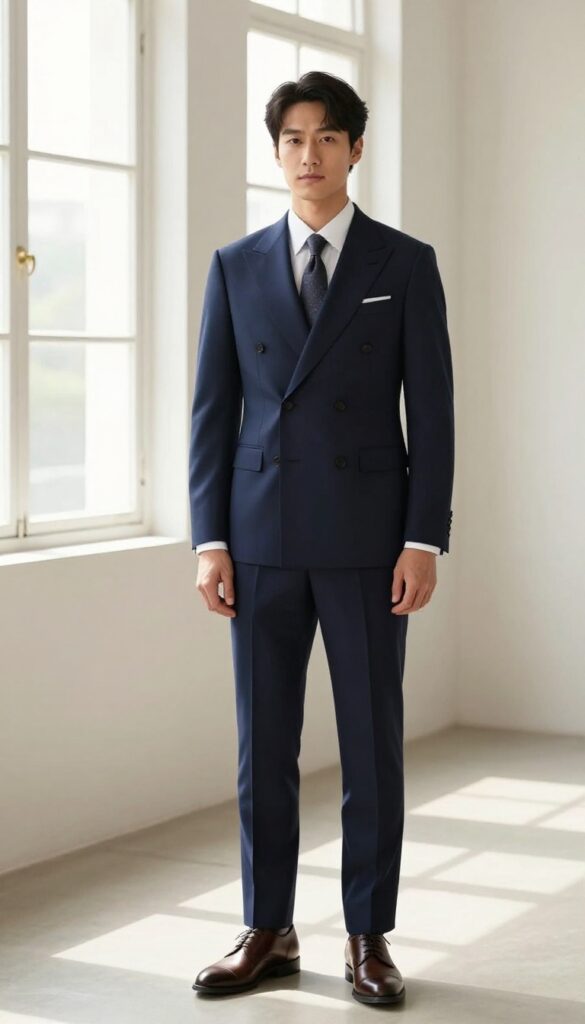
When the occasion calls for more than a blazer, the double-breasted suit steps in with quiet authority. Its structured shoulders and broad lapels create a commanding silhouette that feels both timeless and current. In midnight blue, it reads as classic evening wear without veering into costume territory.
This look is less about following trends and more about owning a piece that fits impeccably. The key is balance: let the suit do the talking, keep everything else simple, and you'll exude that effortless old money confidence.
Balancing Proportions for a Clean Line
The double-breasted jacket naturally adds width through the shoulders and chest, so the rest of the outfit needs to stay streamlined. Opt for flat-front trousers with a slight taper to avoid any bulk, and ensure the jacket's length hits mid-hip to elongate your legs. A crisp white shirt with a spread collar complements the lapels, while a silk tie in a subtle pattern—like a small dot or micro-check—adds texture without competing for attention.
This balance keeps the silhouette sharp and intentional.
Choosing the Right Fabric and Finish
For a versatile suit that works across seasons, choose a wool or wool-blend fabric with a smooth finish. Midnight blue is a smart alternative to black because it looks softer under indoor lighting and pairs well with brown leather accessories. If you want a touch of old money flair, look for a suit with subtle texture, like a birdseye or nailhead weave, which adds depth without being flashy.
Avoid shiny or overly synthetic fabrics that can cheapen the look.
Footwear and Accessories That Ground the Look
Polished oxfords are the natural choice here—black or dark brown leather keeps the focus on the suit. A simple leather dress watch with a white or navy dial adds a functional, elegant touch. Skip the pocket square if you're new to double-breasted styling; instead, let the tie and crisp shirt carry the statement.
For a modern twist, you can swap the tie for a silk knit one, which feels less formal but still polished.
9. The Knit Polo: Soft Structure
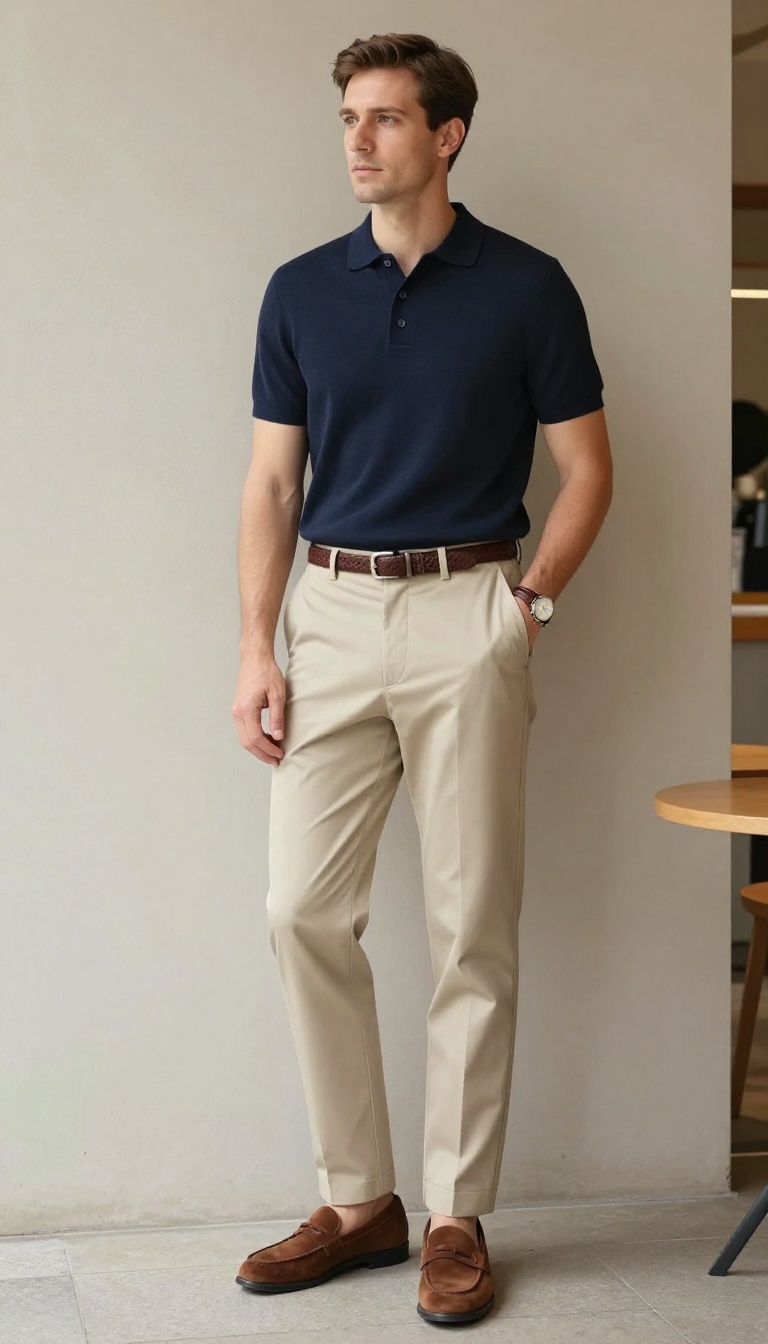
A knit polo is the kind of piece that quietly upgrades your weekend rotation. Its fine-gauge fabric drapes more smoothly than a standard cotton polo, giving you a softer silhouette that still looks sharp. This idea pairs that relaxed top with tailored trousers and loafers for an outfit that feels both polished and easy.
Why the Knit Matters
The knit polo’s magic is in the fabric. A fine-gauge merino or cotton-blend knit has a subtle drape that follows your shoulders and torso without clinging. It also resists wrinkles better than a regular polo, so you look neat from morning coffee to evening plans.
The texture adds visual interest without shouting, which is exactly the old money vibe.
Balancing Proportions
Pair the knit polo with tailored trousers that have a slight taper—not too skinny, not too wide. This keeps the look clean and elongates your legs. Tuck the polo in for a more formal feel, or leave it untucked if the trousers have a lower rise.
Either way, the soft structure of the knit keeps the outfit from feeling stiff.
Shoe and Accessory Pairings
Loafers are the natural choice here—think suede penny loafers or leather tassel loafers in tan or dark brown. They complement the refined yet relaxed tone. For accessories, keep it minimal: a simple leather watch and maybe a woven belt.
Avoid sneakers unless you’re going for a very casual look, and even then, choose clean white leather styles.
Color and Layering Options
Stick to muted, versatile colors like navy, olive, heather grey, or burgundy for the polo. These pair effortlessly with beige, grey, or navy trousers. For cooler days, layer a lightweight overshirt or a Harrington jacket over the polo—just keep the proportions balanced so you don’t lose that tailored feel.
This outfit works year-round with the right fabric weight.
10. The Field Jacket: Casual Utility
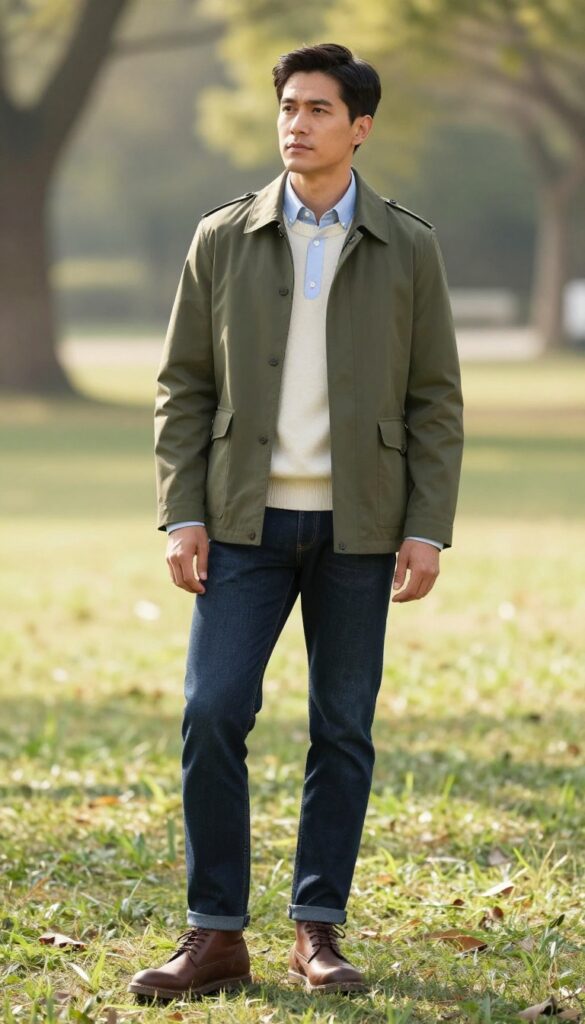
When you want that rugged, outdoorsy feel without looking like you just came off a hike, a tailored field jacket is the answer. It brings a utilitarian edge to your look while keeping things polished. This is the kind of piece that works with jeans, chinos, or even corduroys, and it never feels out of place, whether you're at a farmers market or a casual Friday at the office.
Balance the Proportions
The key to nailing this look is balance. A field jacket has a boxy, functional shape, so pair it with slim or straight-leg jeans to keep the silhouette clean. Avoid baggy pants, which can make the whole outfit feel sloppy.
Tuck in your button-down shirt to define your waist and create a sharp line from shoulder to hem.
Layer with Texture
For a rich, old-money feel, choose a jacket in a neutral tone like olive, khaki, or navy. Layer it over a crisp white or light blue oxford shirt, and add a fine-gauge knit sweater underneath for extra warmth and depth. The mix of cotton, wool, and leather from your boots gives the outfit a tactile, lived-in quality that's both comfortable and refined.
Choose the Right Footwear
Leather boots are the natural partner for a field jacket. Go for a classic Chelsea boot or a chukka boot in brown or tan—they're sleek enough to keep the look polished but still rugged. If you're in a warmer climate, suede loafers or clean white leather sneakers can also work, but boots really anchor the utilitarian vibe.
11. The Cashmere Crewneck: Luxe Layering
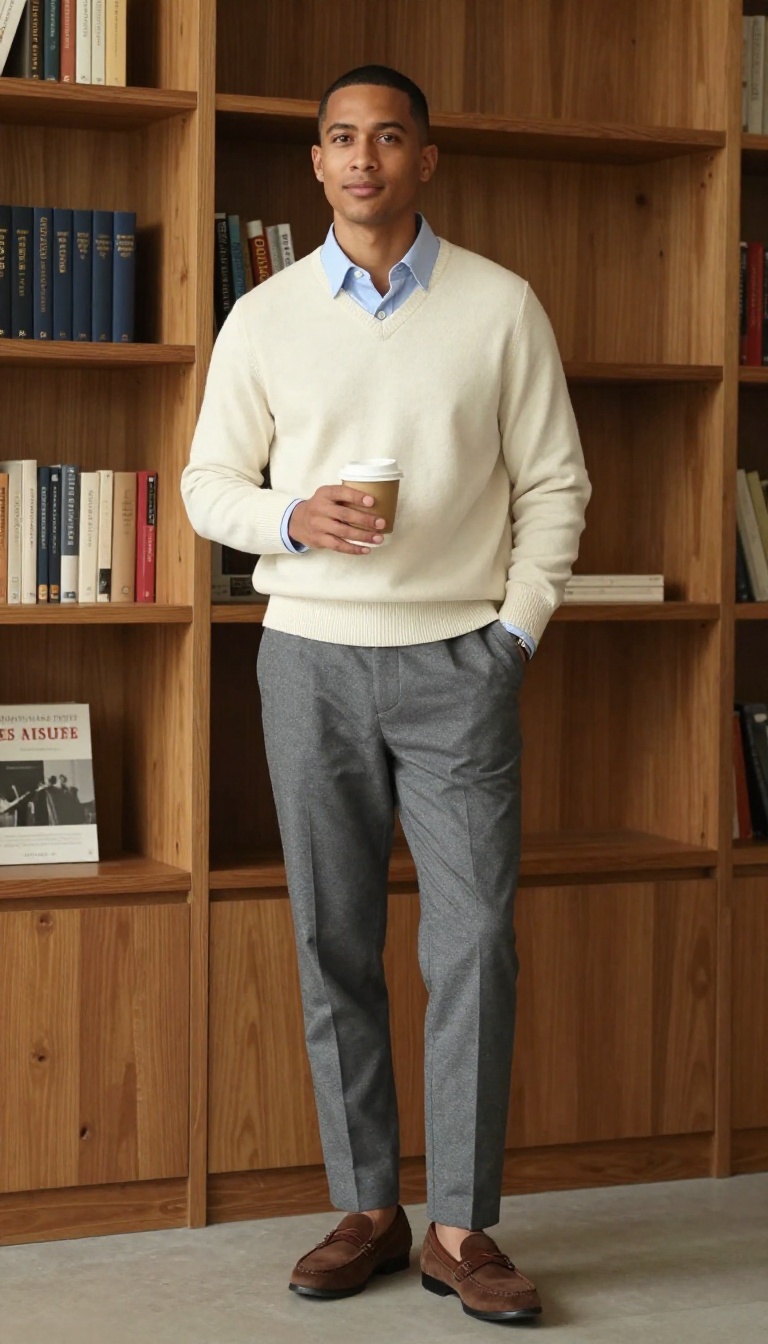
There's a reason cashmere is the unofficial uniform of old money style—it feels like a warm hug and looks effortlessly refined. This outfit centers on a crewneck sweater in a rich neutral tone, layered over a crisp collared shirt for that classic preppy depth. Pair it with flannel trousers and suede loafers, and you've got a look that's cozy enough for a coffee run but polished enough for a dinner date.
Why Cashmere Beats Regular Knits
Cashmere is lighter than wool yet warmer, and it drapes beautifully without adding bulk. That means you can layer it under a jacket or wear it on its own without looking puffy. The fabric's softness also elevates the whole outfit—even with casual trousers, a cashmere crewneck instantly signals quality and taste.
The Collar Trick for Instant Polish
Pop the collar of your shirt just enough to peek above the sweater's neckline—it adds a touch of preppy sophistication without looking stiff. Keep the collar crisp and the top button undone for a relaxed vibe. This simple layering move turns a basic sweater into a considered outfit.
Trousers and Shoes That Ground the Look
Flannel trousers in a muted gray or brown bring texture and warmth, while suede loafers in a matching tone keep things refined. The combination of soft knit, structured trousers, and easy loafers creates a balanced silhouette—smart but not stiff. For cooler days, add a tailored overcoat in camel or navy.
12. The Pleated Trouser: Classic Silhouette
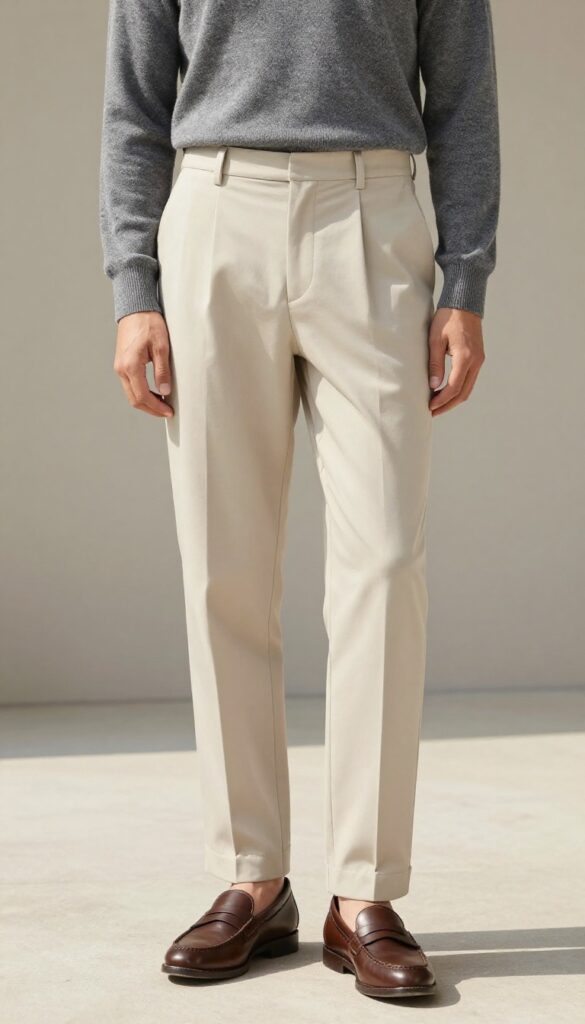
Pleated trousers are having a well-deserved moment in menswear, and for good reason. They offer a touch of vintage sophistication while remaining completely modern. The key is in the fit—choose a pair with a high rise and a straight or slightly tapered leg to keep the silhouette clean and flattering.
When styled right, they become the foundation of a look that feels both polished and relaxed, perfect for the man who appreciates the finer details without making a fuss.
The Right Rise and Break
The secret to pulling off pleats is all in the rise and break. Opt for a high-rise trouser that sits at your natural waist—this elongates the legs and creates a more tailored line. As for the break, a single, subtle break at the shoe is ideal; it keeps the fabric from bunching and maintains a crisp appearance.
Avoid a full break or puddling at the hem, as that can look sloppy and overwhelm the pleats.
Tuck It In, But Keep It Soft
To really show off the pleats, tuck in your sweater or shirt. This highlights the waistband and the fabric's drape. Choose a fine-gauge knit or a crisp oxford shirt—something with a bit of structure but not too bulky.
The goal is a smooth front without excess fabric bunching around the waist. If you're wearing a sweater, make sure it's not too thick, or it will create a lumpy silhouette.
Balance With a Belt and Loafers
A belt is not just functional here; it's a style anchor. Choose a simple leather belt in brown or black to match your shoes. For footwear, loafers are the classic choice—they complement the tailored vibe of the trousers and keep the look grounded.
Suede loafers in a tan or navy add a subtle texture, while polished leather ones lean more formal. The combination of pleats, a clean tuck, and loafers creates a cohesive, put-together outfit that works from the office to a weekend dinner.
13. The Overcoat: Outerwear Elegance
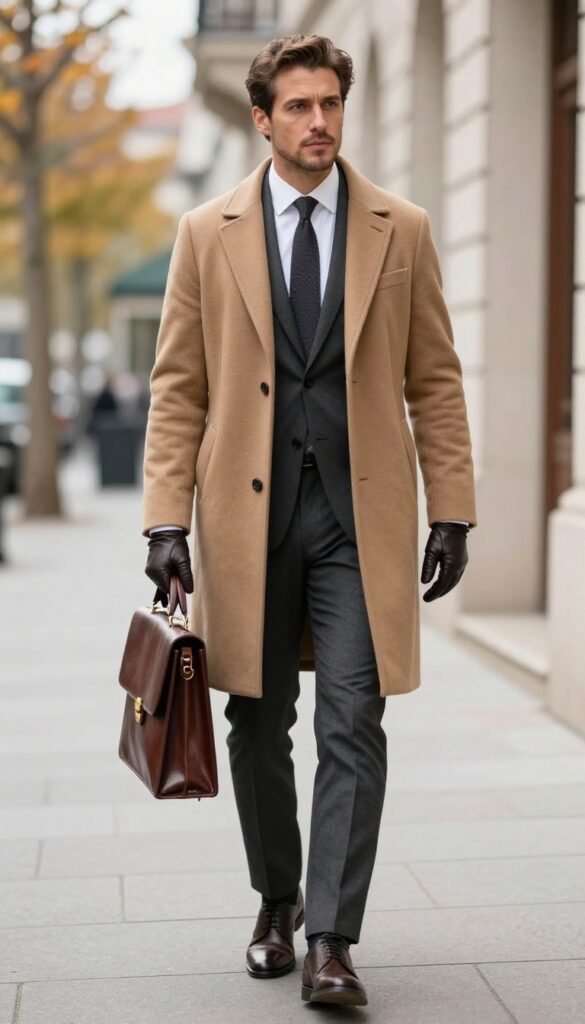
There's a reason the overcoat has been a staple in refined wardrobes for generations. It's the kind of piece that instantly adds a layer of quiet sophistication to whatever you're wearing, whether you're in a full suit or just a sweater and trousers. A well-chosen overcoat in camel or grey is not just outerwear; it's a statement of understated taste.
Choosing the Right Cut and Fabric
The magic of an overcoat lies in its tailoring. Look for a cut that skims the body without being tight—you want enough room for a blazer or chunky knit underneath. Traditional fabrics like wool or a wool-cashmere blend offer warmth and drape beautifully, while a classic camel or charcoal grey color ensures versatility.
A notch lapel keeps it timeless, while a peak lapel adds a touch more formality.
Layering for Comfort and Style
The overcoat is a layering piece, so think about what goes underneath. For a polished look, wear it over a tailored suit with a crisp shirt and tie. For a more relaxed approach, pair it with a fine-gauge turtleneck or a crewneck sweater and flannel trousers.
The key is to keep the layers proportionate—the coat should be the longest piece, and everything underneath should be trim enough to avoid bulk.
Finishing Touches and Occasion
The right accessories can elevate an overcoat outfit. A silk scarf in a subtle pattern adds a touch of personality, while leather gloves and a structured briefcase reinforce the old money aesthetic. This look works for a range of occasions, from a business meeting to a weekend lunch.
For footwear, leather dress boots or classic oxfords keep the ensemble cohesive and polished.
FAQ
What is old money style for men?
Old money style for men is about understated elegance, quality fabrics, and impeccable tailoring. It avoids flashy logos and instead focuses on timeless pieces that fit well and convey quiet confidence.
How can I make my outfits look more tailored?
Focus on fit: ensure shoulders align, sleeves hit at the wrist, and trousers break slightly at the shoe. Invest in alterations if needed. Choose structured fabrics like wool, tweed, and crisp cotton.
What are essential old money wardrobe pieces for men?
Key pieces include a navy blazer, white oxford shirt, tailored trousers, chinos, a cable knit sweater, a fine-gauge turtleneck, a tweed jacket, and quality leather shoes like loafers or derbies.
Can old money style be casual?
Absolutely. Old money style can be casual with items like knit polos, chinos, and loafers. The key is to keep everything well-fitted and made from quality materials.
What colors are typical in old money fashion?
Neutral and earthy tones are common: navy, grey, camel, cream, olive, and brown. These colors are versatile and exude a sense of timeless sophistication.
Conclusion
Old money style is more than a trend—it's a mindset that values quality, fit, and timelessness. By incorporating tailored details into your wardrobe, you can achieve a look that's both sophisticated and approachable. Start with a few key pieces and build from there, focusing on how each item fits and feels.
Remember, the goal is to look effortlessly put-together, not overdone. With these 13 outfit ideas, you're well on your way to mastering the art of quiet luxury.