9 Bathroom Ideas With a Bathtub That Feel Relaxing
Function matters more than aesthetics when a bathroom starts to feel cluttered and stressful. A bathtub should never feel like it’s squeezed into leftover space or treated as an afterthought.
The difference between “just a tub” and a relaxing setup usually comes down to layout, spacing, and a few intentional design choices.
Most people try to fix the vibe with decor alone, but that rarely works if the structure feels off. I’ve tested a bunch of these setups myself, and small changes can completely shift how the space feels. These ideas focus on what actually improves comfort without making things complicated.
1. Freestanding Tub as the Focal Point
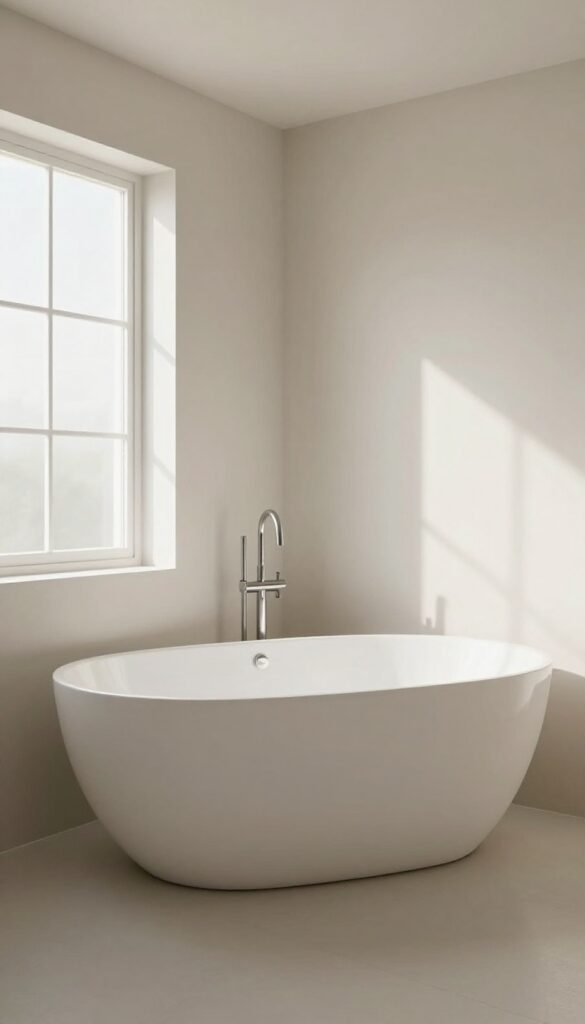
Most bathrooms fail at relaxation because everything competes for attention instead of working together. When the bathtub blends into the background, it ends up feeling like just another utility piece instead of something you actually want to use. That’s where a freestanding tub changes everything.
I’ve noticed that even in smaller bathrooms, pulling the tub slightly away from the wall instantly makes it feel more intentional. It creates breathing space around it, which oddly makes the whole room feel bigger. The setup feels less like a cramped necessity and more like a choice.
Why This Works
A freestanding tub naturally draws the eye, which helps anchor the entire room visually. Instead of cluttered corners and broken layout lines, everything flows around one clear focal point.
That sense of openness around the tub also reduces visual stress, which is honestly half the battle when trying to make a bathroom feel relaxing.
How to Do It
- Choose a compact freestanding tub if space is tight
- Leave at least a few inches of clearance around it
- Keep nearby fixtures minimal to avoid crowding
- Position it where natural movement in the room flows easily
Style & Design Tips
Stick to soft, neutral tones around the tub so it stands out without screaming for attention. Avoid bulky surrounds or heavy tile patterns that compete with the shape.
A common mistake is over-decorating the area, which kills the clean, calm look you’re trying to create.
Pro Tip or Budget Hack
If a real freestanding tub isn’t in the budget, use a sleek tub panel and open floor space to mimic the same effect. It’s not identical, but visually, it still gives that airy feel.
2. Built-In Tub With a Wide Ledge
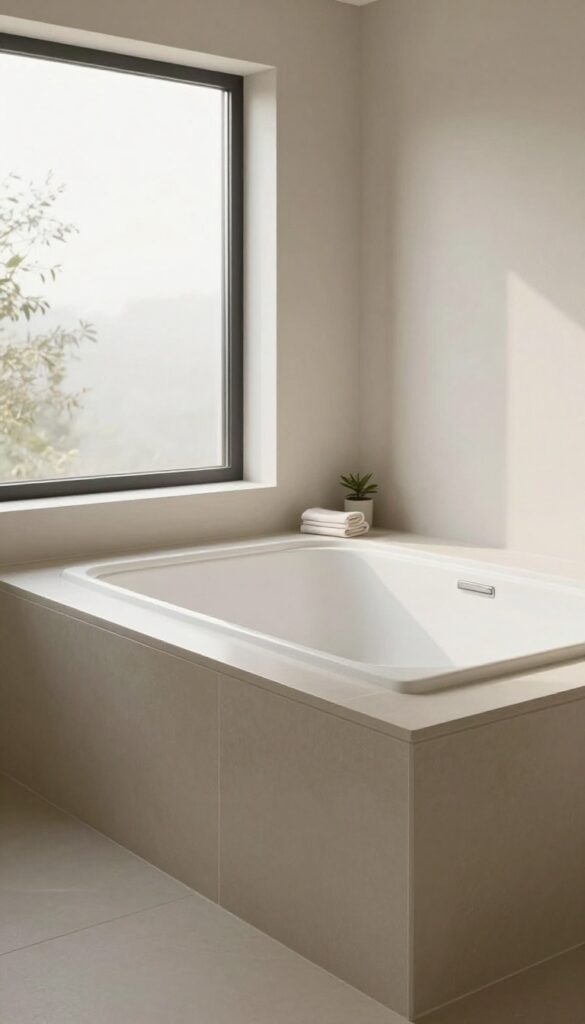
A plain built-in tub often feels boring because it lacks purpose beyond bathing. The space around it usually goes unused, which is a missed opportunity in terms of both function and comfort. Adding a wide ledge completely changes how the tub works.
I’ve done this in one setup where the ledge doubled as storage and a resting spot, and honestly, it made the whole routine feel more relaxed. You don’t realize how useful that extra surface is until you have it.
Why This Works
The ledge adds functional space without making the room feel crowded. It also creates a visual frame around the tub, which makes the setup feel more complete.
That balance between utility and design is what keeps the space from feeling flat or unfinished.
How to Do It
- Extend the tub surround to create a wide, flat ledge
- Use water-resistant materials like stone or tile
- Keep edges smooth and easy to clean
- Make sure the height aligns comfortably with the tub
Style & Design Tips
Go for matching or slightly contrasting materials to keep things cohesive. Too many textures can make the area feel messy.
Avoid cluttering the ledge with random items, or it quickly turns into storage chaos instead of a relaxing feature.
Pro Tip or Budget Hack
Use large-format tiles to create the ledge instead of custom stone. It looks clean and saves a decent amount of money.
3. Bathtub Next to a Window
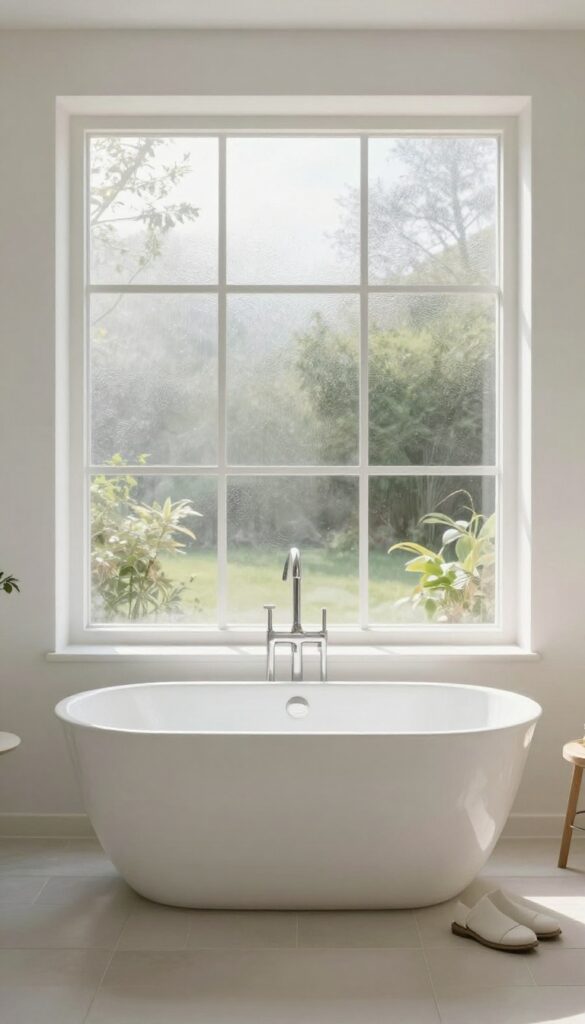
Bathrooms often feel closed off, which makes them less inviting over time. Placing a bathtub near a window changes that dynamic immediately by adding openness and a sense of connection to the outside.
I’ve tried this in a small space, and even a modest window made a huge difference. The setup felt less boxed in, and the overall experience was way more calming.
Why This Works
Natural light softens the entire space and reduces the need for harsh artificial lighting. It also creates a visual escape, which helps mentally disconnect from the usual routine.
That combination makes the bath feel less like a chore and more like a break.
How to Do It
- Position the tub where it can access natural light
- Use frosted or textured glass for privacy
- Keep window treatments simple and minimal
- Ensure proper sealing to prevent water damage
Style & Design Tips
Stick with light, airy colors around the window to amplify brightness. Heavy curtains or dark frames can block the effect.
Avoid placing too many decorative items on the sill, which can interrupt the clean look.
Pro Tip or Budget Hack
If a window isn’t possible, use a large mirror across from the tub to reflect light and create a similar sense of openness.
4. Soft Neutral Color Palette Around the Tub
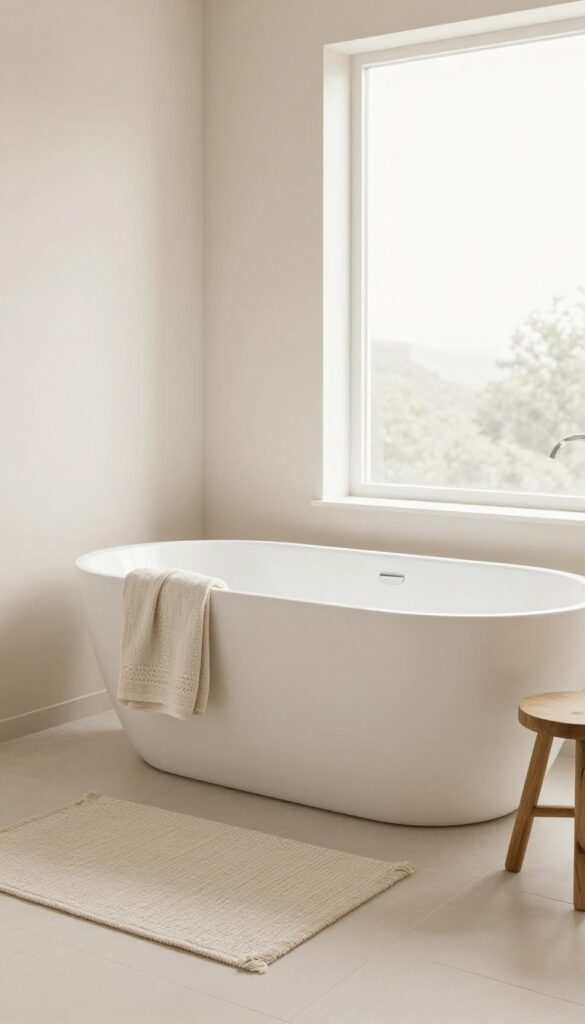
Color choices can quietly ruin a bathroom without being obvious. Strong or mismatched tones tend to create visual tension, which works against the whole idea of relaxation.
Switching to a soft neutral palette instantly smooths things out. I’ve done this with simple beige and off-white tones, and the difference felt immediate.
Why This Works
Neutral colors reduce visual noise and help everything blend together more naturally. That creates a calm baseline that makes the space easier to enjoy.
It also allows textures and shapes to stand out without overwhelming the eye.
How to Do It
- Choose 2–3 neutral shades for consistency
- Use the lightest tone for larger surfaces
- Add subtle contrast through textures, not colors
- Keep fixtures within the same color family
Style & Design Tips
Focus on layering tones instead of mixing bold colors. Too much contrast can break the relaxing effect.
Avoid overly glossy finishes everywhere, which can feel cold and harsh.
Pro Tip or Budget Hack
Paint is your best friend here. A simple color shift can completely transform the space without touching anything else.
5. Minimalist Tub Area With Hidden Storage
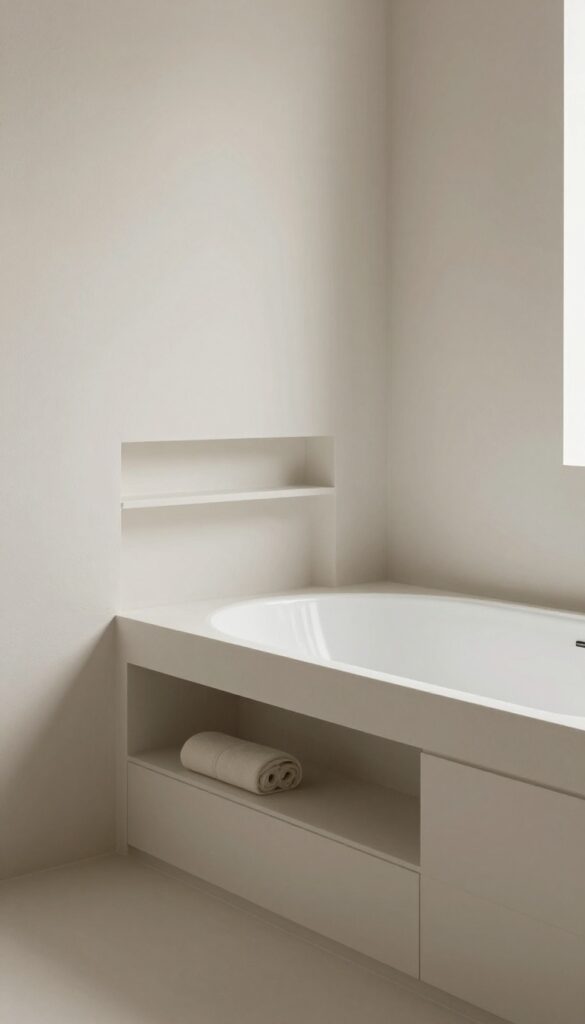
Clutter builds up fast in bathrooms, and it quietly ruins the vibe. Even a well-designed tub area can feel stressful if products and items are scattered everywhere.
I’ve cleaned up a setup like this by hiding storage, and it instantly felt calmer. Less visual noise makes a bigger difference than most people expect.
Why This Works
A minimalist setup removes distractions, which helps the space feel more open and intentional. Hidden storage keeps everything accessible without being visible.
That balance keeps the area functional while still looking clean.
How to Do It
- Install recessed shelves or cabinets
- Use under-tub storage if available
- Keep only essentials within reach
- Organize items by category for easy access
Style & Design Tips
Stick with simple, clean lines and avoid overly decorative storage units. They can bring back the cluttered look you’re trying to avoid.
A common mistake is keeping too many “just in case” items nearby.
Pro Tip or Budget Hack
Use matching containers or baskets inside cabinets to keep things organized without spending much.
6. Warm Lighting Around the Bathtub
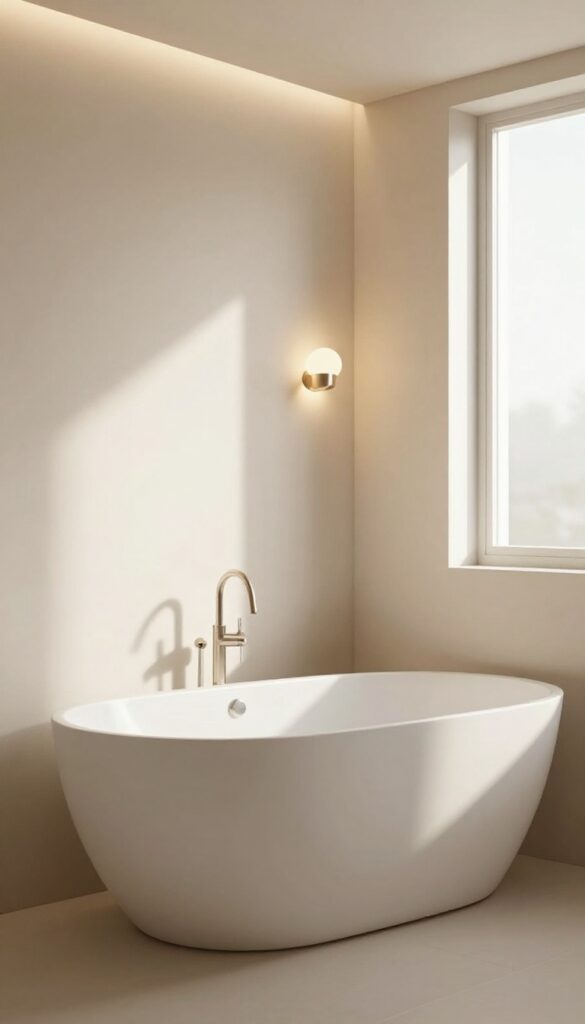
Harsh lighting can make even the nicest bathroom feel uncomfortable. Bright white lights often feel too clinical, especially when you’re trying to relax.
Switching to warm lighting changes the entire mood. I swapped out bulbs in one setup, and it honestly felt like a different room.
Why This Works
Warm light softens shadows and creates a more inviting atmosphere. It also reduces glare, which makes the space easier on the eyes.
That subtle shift plays a huge role in how relaxing the bath feels.
How to Do It
- Use warm white bulbs instead of cool tones
- Add layered lighting for flexibility
- Install dimmers if possible
- Position lights to avoid direct glare
Style & Design Tips
Go for soft, diffused lighting instead of harsh spotlights. It keeps the look gentle and balanced.
Avoid placing lights directly above eye level where they can feel too intense.
Pro Tip or Budget Hack
LED strip lighting under a ledge or behind the tub can create a soft glow without spending much.
7. Textured Wall Behind the Tub
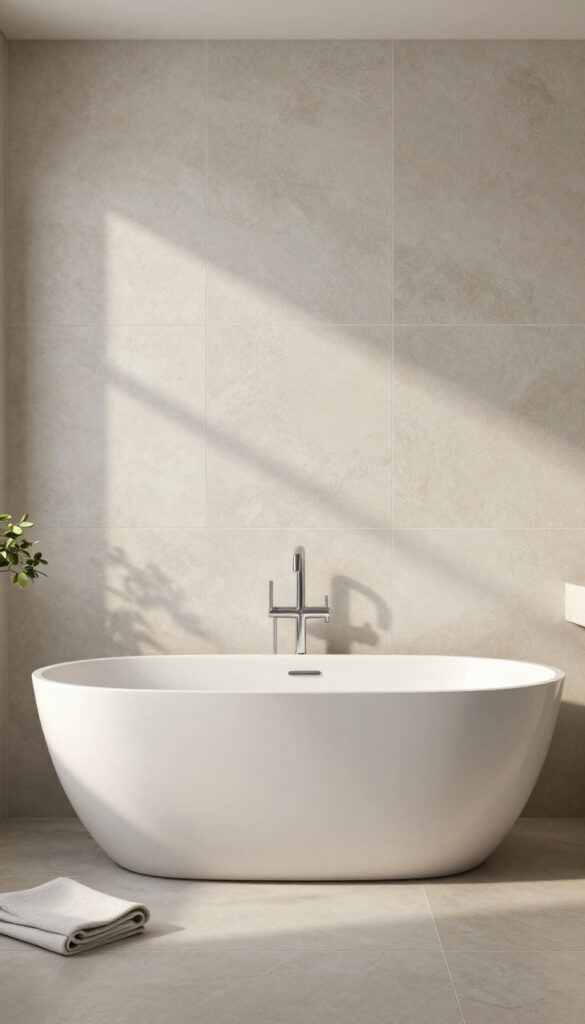
Flat walls can make a bathroom feel plain and unfinished. Adding texture behind the tub creates depth without making the space feel busy.
I’ve used subtle tile patterns before, and it gave the whole area a more polished feel without going overboard.
Why This Works
Texture adds visual interest without relying on bold colors or heavy decor. It creates a focal backdrop that enhances the tub.
That balance keeps the space engaging but still calm.
How to Do It
- Choose a subtle textured tile or panel
- Keep the pattern consistent and not too bold
- Limit texture to one main wall
- Ensure materials are water-resistant
Style & Design Tips
Stick with low-contrast textures for a more relaxing effect. High contrast can feel too busy.
Avoid mixing too many patterns, which can quickly look chaotic.
Pro Tip or Budget Hack
Peel-and-stick textured panels can work surprisingly well if you choose quality options.
8. Add a Small Stool or Side Table
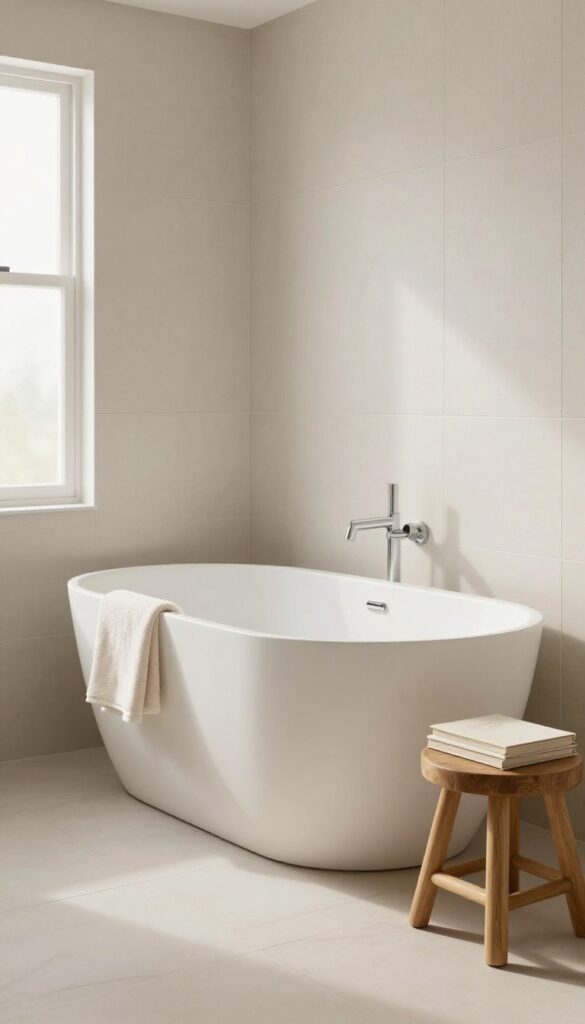
A bathtub setup often lacks a convenient spot for essentials. Reaching across the room for items breaks the whole relaxing flow.
Adding a small stool or side table solves that problem instantly. I’ve used a simple wooden stool, and it became one of the most useful additions.
Why This Works
It keeps everything within reach without cluttering the tub area. It also adds a functional layer that makes the setup feel complete.
That small detail improves both comfort and usability.
How to Do It
- Choose a compact, water-resistant stool
- Place it within easy reach of the tub
- Keep only a few essential items on it
- Make sure it’s stable and safe
Style & Design Tips
Go for natural materials like wood or stone to keep the look warm. Avoid overly shiny finishes that can feel out of place.
Too large of a table can make the space feel cramped.
Pro Tip or Budget Hack
Repurpose a small plant stand or unused stool instead of buying something new.
9. Simple Greenery Near the Bathtub
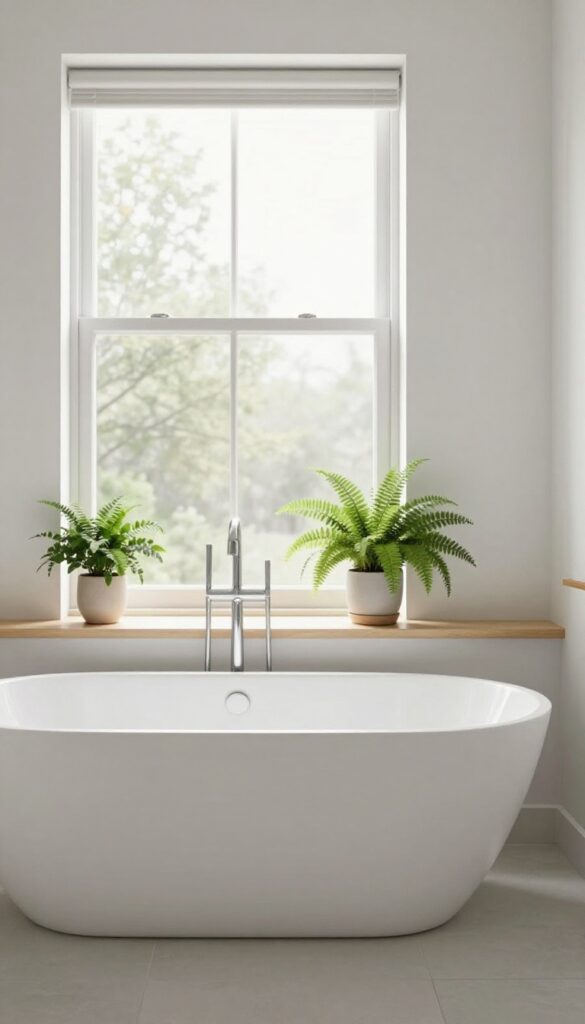
Bathrooms can feel lifeless without any natural elements. Adding a bit of greenery brings a subtle freshness that’s hard to replicate with decor alone.
I’ve added low-maintenance plants in a few setups, and it instantly made the space feel more alive without much effort.
Why This Works
Plants soften hard surfaces and add a natural contrast to tiles and fixtures. They also improve the overall feel of the space without overwhelming it.
That slight touch of nature makes the environment more balanced.
How to Do It
- Choose humidity-friendly plants like ferns or pothos
- Place them where they won’t get splashed constantly
- Use simple pots that match the space
- Keep maintenance minimal
Style & Design Tips
Stick with small, controlled greenery instead of filling the space with plants. Too many can feel messy.
Avoid placing plants where they block movement or light.
Pro Tip or Budget Hack
High-quality faux plants can work if real ones aren’t practical, especially in low-light bathrooms.
Final Thoughts
A relaxing bathroom doesn’t come from one big change but from a bunch of small, intentional decisions working together. Each of these ideas focuses on how the space feels in everyday use, not just how it looks in photos.
I’ve tried a mix of these over time, and the difference always comes down to simplicity and balance. Once the setup feels right, the whole routine naturally becomes something you actually look forward to.