9 Stylish Small Parallel Kitchen Ideas That Add Function and Personality
Parallel kitchens, with their two facing countertops, often get labeled as tricky to style. But that narrow footprint can actually work in your favor when you lean into cozy, layered design. The key is balancing practicality with warmth so the space feels inviting rather than cramped.
Think of your parallel kitchen as a hallway of possibilities. Every inch counts, but that doesn't mean you have to sacrifice personality.
With the right mix of textures, lighting, and smart storage, you can turn a functional corridor into a room that feels both efficient and full of character. These nine ideas focus on making your small parallel kitchen feel layered and lived-in without overwhelming the layout.
1. Warm Wood Accents to Soften the Lines
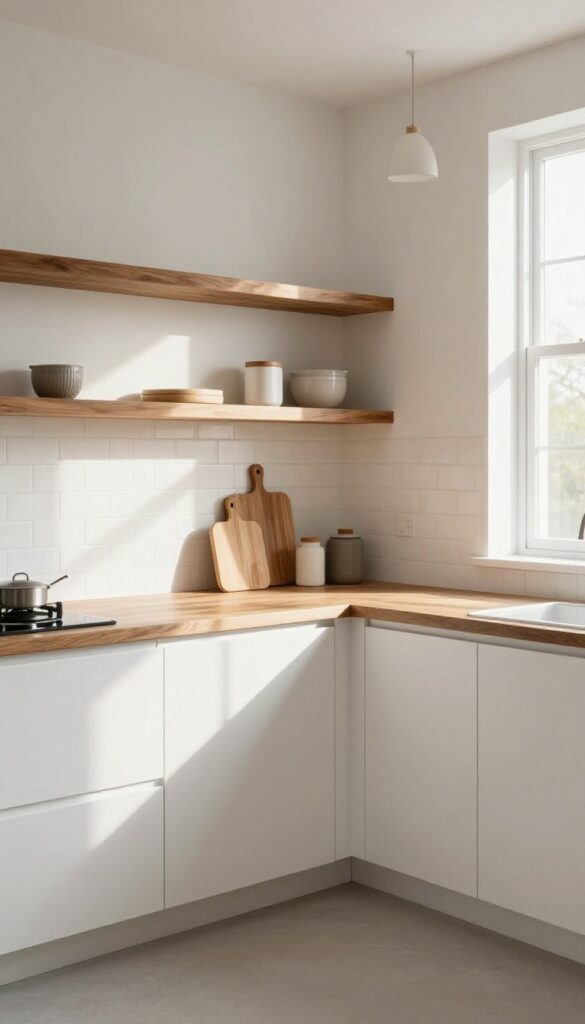
Parallel kitchens can feel a bit like a hallway—long, narrow, and lined with cabinets on both sides. But that doesn't mean they have to feel cold or clinical. Adding warm wood accents is one of the easiest ways to break up all those straight lines and introduce a cozy, lived-in feel.
Think floating shelves in a rich walnut, a butcher block countertop on one run of cabinets, or even just a few wooden cutting boards propped against the backsplash. The natural grain brings in texture and warmth that instantly softens the geometry of the space.
Why It Works
Wood is naturally warm and inviting, which counteracts the stark, linear feel of a parallel kitchen. It adds visual softness and an organic layer that makes the room feel more like a home and less like a corridor. Plus, wood ages beautifully and develops character over time.
Best For
This idea works especially well in parallel kitchens that get a lot of natural light, because the wood grain will catch the light and create subtle shadows. It's also great for kitchens with white or neutral cabinetry, where the wood can stand out as a warm accent without competing.
Styling Tip
- Stick to one or two wood tones to keep the look intentional. If you go with walnut shelves, carry that same tone into your cutting boards or a wooden fruit bowl. Mixing too many different woods can make the space feel busy.
- Also, consider adding a warm-toned pendant light or under-cabinet lighting to make the wood glow.
2. Open Shelving with a Curated, Layered Look
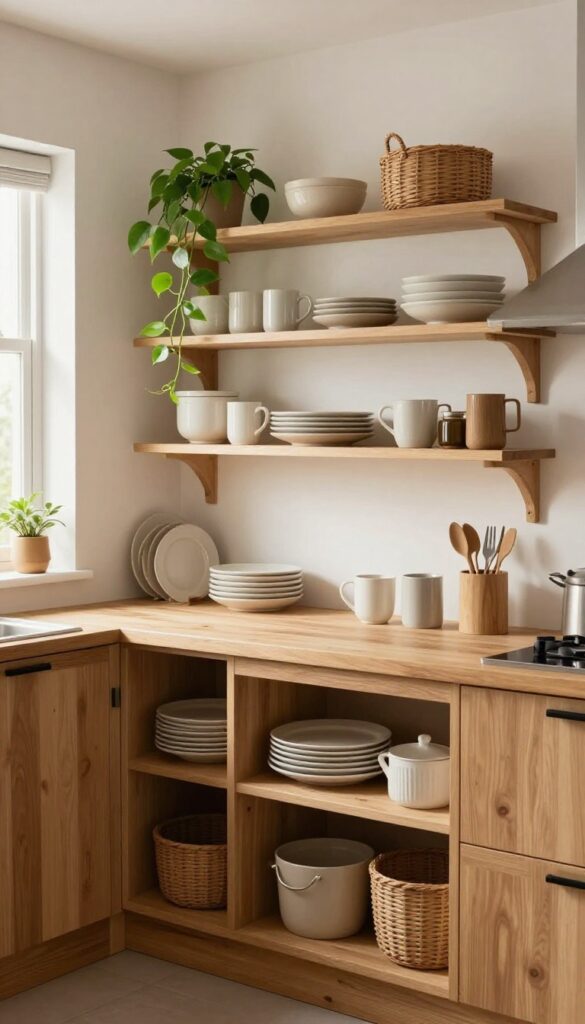
Swapping bulky upper cabinets for open shelving instantly makes a small kitchen feel bigger and more welcoming. The trick is to style those shelves with intention—think a mix of everyday ceramics, a trailing pothos, and a few woven baskets for texture. This approach keeps the space from looking cluttered while still feeling warm and lived-in.
Why It Works
Open shelving removes visual bulk at eye level, making the kitchen feel more open and airy. The layered styling adds personality without sacrificing function, as frequently used items stay within easy reach.
Best For
Parallel kitchens where one wall can be dedicated to shelving while the opposite side handles closed storage. It works especially well in galley layouts where every inch of vertical space counts.
Styling Tip
Stick to a cohesive color palette—neutral dishes, warm wood tones, and a few green plants create a calm, collected look. Use baskets to hide less attractive items like snack bags or measuring cups.
3. A Textured Backsplash That Draws the Eye
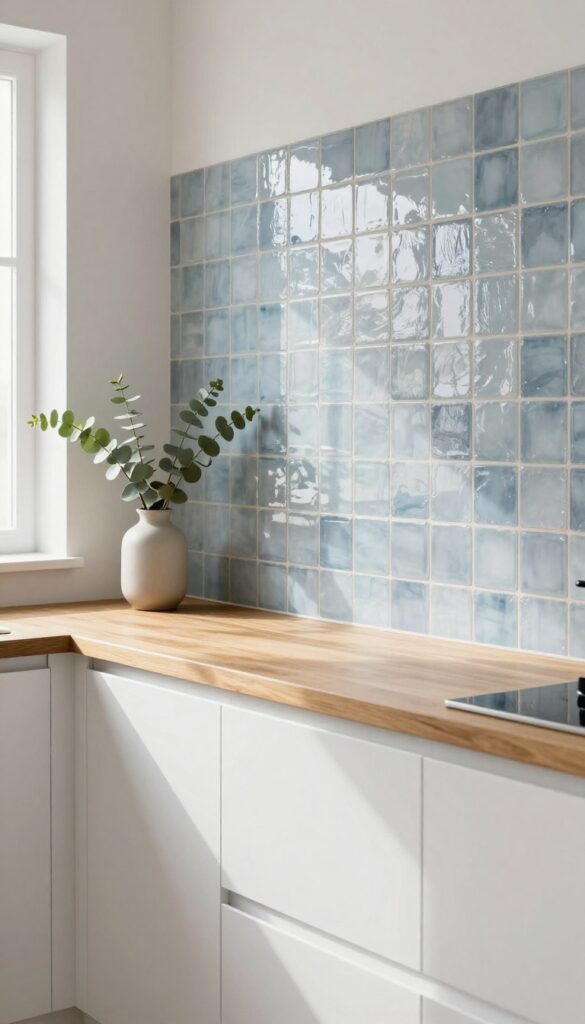
In a parallel kitchen, where counter space is long but narrow, the backsplash becomes a major visual player. Instead of plain tile or paint, choose a material with texture—handmade subway tiles with uneven edges, zellige with its signature crackled finish, or beadboard for a cottage feel. These surfaces catch light differently throughout the day, creating subtle shadows and highlights that make the kitchen feel layered and lived-in, not flat or sterile.
It’s a simple swap that instantly warms up the room.
Why It Works
Texture adds depth without taking up any floor space, which is key in a narrow kitchen. The irregularities in handmade tiles or the glossy dips in zellige create a sense of craftsmanship and character. They also hide splashes and smudges better than smooth tiles, so the backsplash stays looking good even between cleanings.
Best For
This idea works well in parallel kitchens that get good natural light, because the texture will catch the light and create movement. It’s also great for kitchens with mostly neutral cabinets and counters, as the backsplash can serve as the focal point without overwhelming the space.
Styling Tip
Pair a textured backsplash with simple, flat-front cabinets to keep the look balanced. If you choose zellige or handmade subway tiles, use a contrasting grout color—like warm ivory or charcoal—to emphasize the tile shapes. For beadboard, paint it the same color as the walls for a seamless, cozy feel.
4. Layered Lighting for Ambience and Task
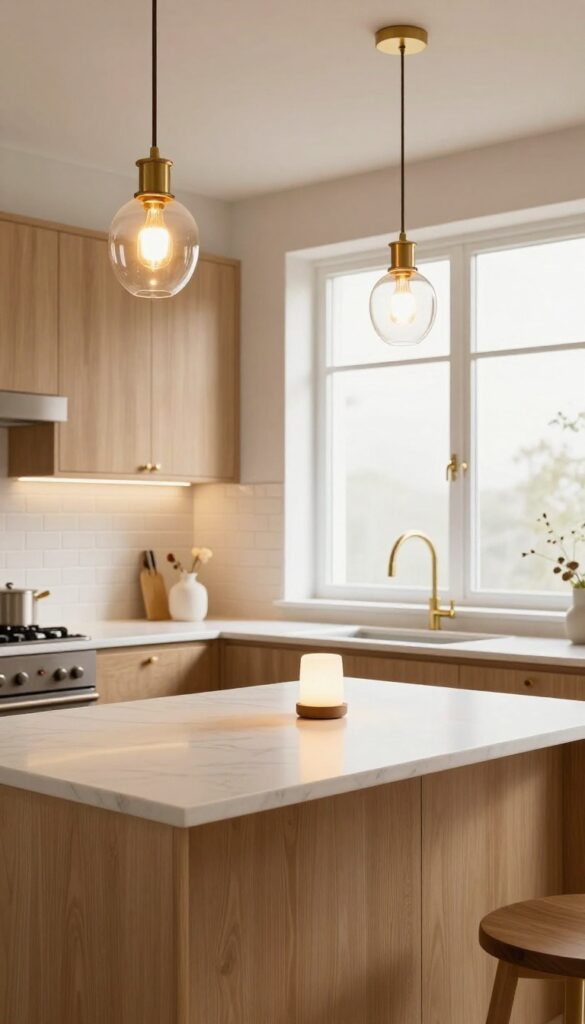
Good lighting can transform a narrow kitchen from flat and functional to warm and inviting. Instead of relying on a single overhead fixture, think in layers: pendant lights over the sink or prep area for focused task lighting, under-cabinet strips to eliminate shadows on countertops, and a small counter lamp for a soft glow. This mix lets you dial the mood up or down—bright for chopping vegetables, dim for a quiet cup of tea.
In a parallel kitchen, where every inch counts, layered lighting also visually expands the space by drawing the eye to different heights and zones.
Why It Works
Layered lighting solves the common problem of harsh overhead glare while making a narrow kitchen feel wider. By spreading light sources across the room, you eliminate dark corners and create a cozy, balanced atmosphere. The flexibility to switch between task and ambient light means the kitchen works just as well for early-morning meal prep as it does for late-night chats.
Best For
This approach is ideal for parallel kitchens that lack natural light or feel like a dark tunnel. It’s also perfect for anyone who loves cooking and wants a space that feels both efficient and relaxing. If you entertain often, the ability to dim the lights instantly sets a more intimate mood.
Styling Tip
Choose warm-toned bulbs (2700K–3000K) to keep the glow soft and inviting. For pendants, go with glass or metal shades that let light diffuse gently. Place the counter lamp at the far end of the kitchen to create a visual anchor and break up the linear run of cabinets.
5. A Slim Breakfast Bar at One End
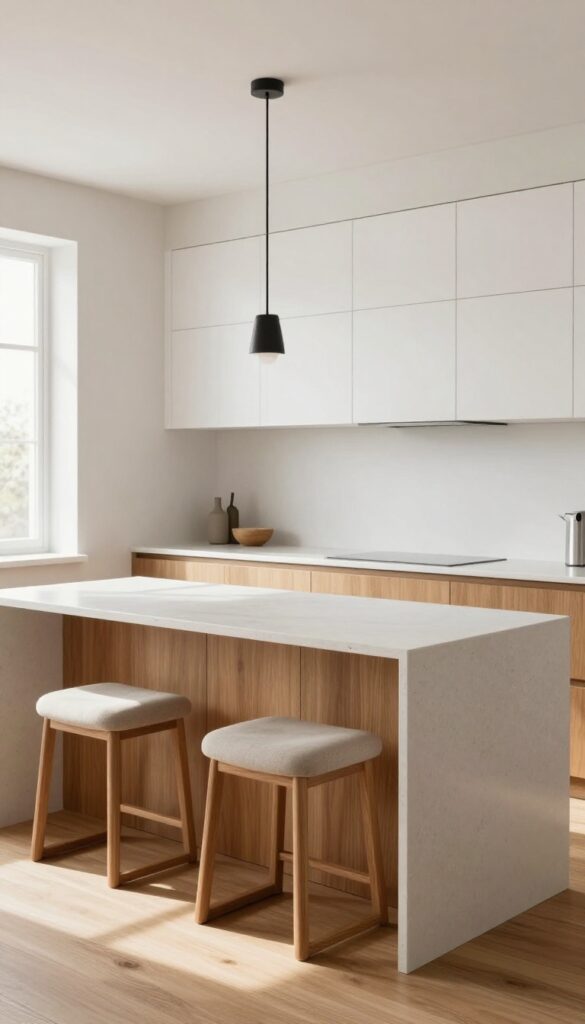
Parallel kitchens can feel a bit like a hallway—efficient but not exactly inviting. Tucking a slim breakfast bar at one end changes that instantly. It adds a spot for morning coffee or a quick weeknight dinner, and it softens those strict parallel lines.
The trick is keeping it narrow so it doesn't eat into your walkway, but just wide enough for two stools.
Why It Works
This setup turns a purely functional kitchen into a social space. Even a shallow overhang—around 12 to 15 inches—gives you a place to perch while someone cooks. It breaks up the galley layout visually, making the room feel wider and more connected to the rest of the home.
Best For
Long, narrow parallel kitchens where one end has a bit of extra floor space. It's also great for open-plan layouts where the kitchen flows into a living or dining area, because the bar creates a natural transition zone.
Styling Tip
Choose stools that tuck completely under the overhang when not in use to keep the walkway clear. Warm wood or upholstered seats in a soft neutral add coziness. Hang a small pendant light above the bar to define the zone and add a layer of ambient lighting.
6. Soft, Warm Paint Colors on the Walls
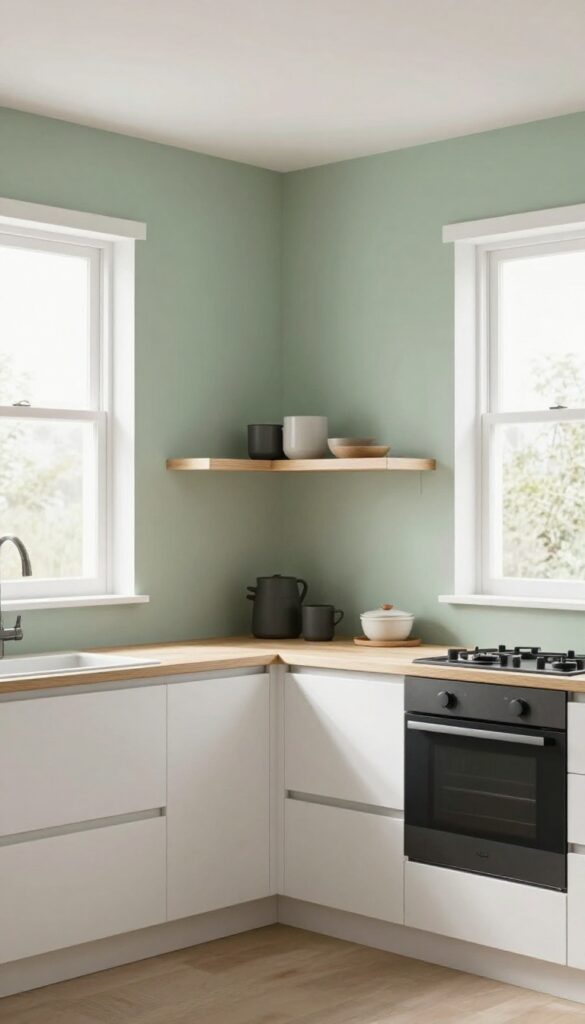
Paint color sets the entire mood of a small parallel kitchen, and going warm can make all the difference. Instead of stark white or cool gray, consider a soft off-white, a gentle beige, or a muted sage green. These hues reflect light beautifully while wrapping the room in a cozy, enveloping feel.
They act as a neutral backdrop that lets your countertops, backsplash, and decor shine without competing for attention. In a narrow galley layout, warm walls keep the space feeling grounded and inviting rather than clinical or cramped.
Why It Works
- Warm paint colors add depth and softness to a long, narrow kitchen. They make the room feel more intimate and less like a hallway. Because they reflect light without being harsh, they help the space feel brighter and more open while still maintaining a cozy atmosphere.
- Plus, these tones pair effortlessly with natural wood accents, warm metals, and layered textiles.
Best For
This idea is perfect for small parallel kitchens that lack natural light or feel cold and uninviting. It also works well if you want a flexible neutral base that can adapt to different decor styles over time. If you're drawn to a Scandinavian or modern farmhouse look with a warm twist, these paint colors are an excellent starting point.
Styling Tip
To enhance the cozy effect, paint the ceiling the same warm color as the walls. This blurs the edges and makes the room feel taller and more wrapped in color. Then, add contrast with white or light wood open shelving and a few dark accents like matte black hardware or a deep charcoal range hood to keep the space from feeling too one-note.
7. Runners and Mats to Define Zones
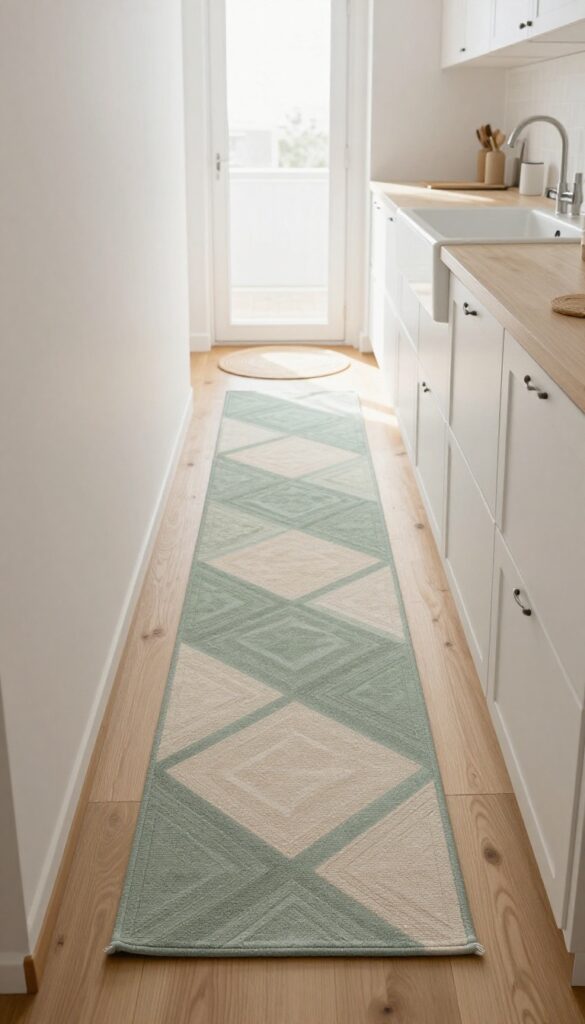
In a parallel kitchen, the floor often feels like one long stretch of tile or wood. Breaking that up with a runner or a few well-placed mats instantly adds warmth and visual structure. A soft runner down the center of the walkway not only cushions your steps but also carves out a clear path, making the kitchen feel more intentional and less like a narrow corridor.
Layering in a small mat in front of the sink or stove adds comfort where you stand the most, while introducing texture and pattern that make the space feel cozy and collected.
Why It Works
Runners and mats soften hard flooring, reduce noise, and create distinct zones in an open layout. They also add an extra layer of warmth underfoot, which is especially welcome in a compact kitchen where every square foot counts.
Best For
This idea works well in galley or parallel kitchens where the floor is one continuous surface. It's also great for renters who can't change the flooring but want to add personality and comfort without permanent changes.
Styling Tip
Choose a runner that's long enough to span most of the walkway but leaves a few inches of floor visible on each end. For a cohesive look, pick a pattern that pulls in one or two accent colors from your cabinets or backsplash. A low-pile or flat-weave design is easiest to clean in a kitchen.
8. Hanging Pot Racks for Vertical Storage
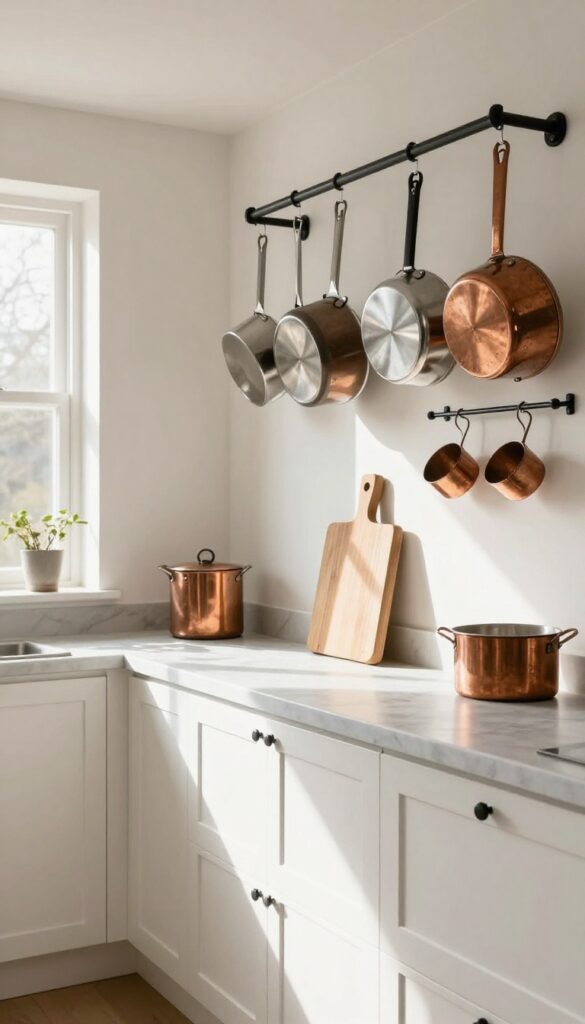
Above the counter or sink, a ceiling-mounted pot rack turns empty air into prime storage real estate. It keeps your most-used pans and skillets within easy reach while freeing up precious cabinet space. The warm, lived-in look of hanging cookware adds instant character—think rustic farmhouse or cozy French bistro—and makes the kitchen feel more grounded and inviting.
Why It Works
By moving bulky pots and pans out of cabinets, you instantly gain more room for dry goods, dishes, and small appliances. The visual weight of hanging metal brings a layered, collected feel that softens the sleek lines of modern cabinets. Plus, having cookware visible encourages you to actually use it.
Best For
Small parallel kitchens where every inch counts and you want to avoid a cramped, cluttered look. It’s especially ideal if you cook often and want your most-used tools front and center without digging through cabinets.
Styling Tip
Stick with a single metal finish—black iron, brushed brass, or stainless steel—to keep the look cohesive. Hang pots by size, largest at the ends and smaller toward the center, and add a few wooden spoons or copper measuring cups for texture. A low-hanging pendant light above the rack creates a cozy focal point.
9. Greenery and Natural Elements Throughout
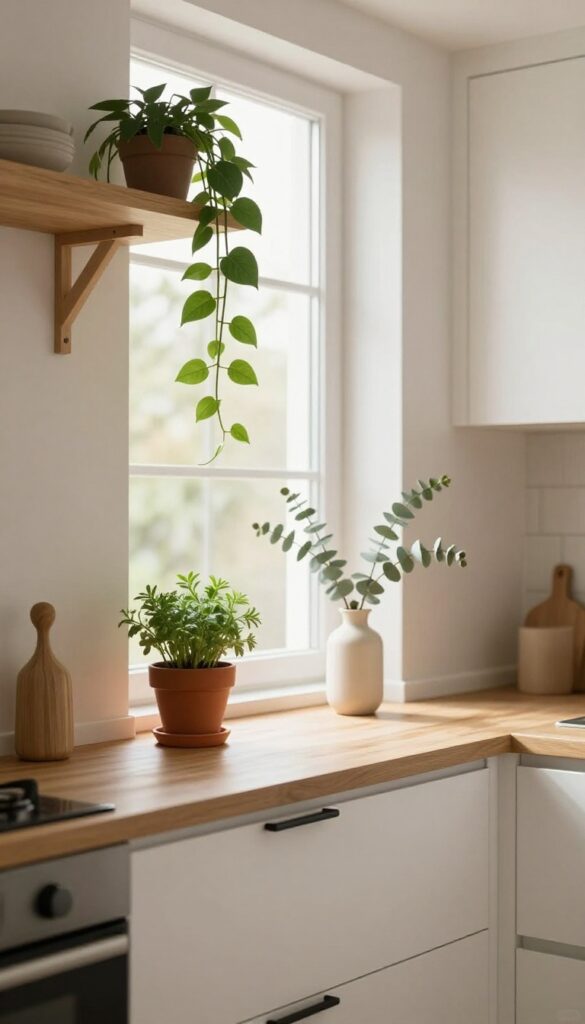
A narrow kitchen can feel like a corridor if it lacks softness. That’s where plants and natural textures come in—they break up hard lines and make the space feel lived-in. Even one small pot of herbs on the windowsill or a trailing vine on a high shelf adds a layer of warmth that no cabinet can match.
The trick is to keep it simple so the greenery doesn’t clutter your limited counter space.
Why It Works
Plants soften the sharp edges of cabinets and appliances, making a parallel kitchen feel less like a hallway and more like a cozy room. They also improve air quality and add a living, changing element to an otherwise static space.
Best For
This idea works especially well in kitchens that get some natural light, even if it’s indirect. If you have a windowsill, a narrow shelf, or a spot near the sink, you can make it work without sacrificing function.
Styling Tip
Stick with low-maintenance options like pothos, snake plants, or herbs. Use small pots in warm tones—terracotta, cream, or matte black—to keep the look cohesive. A single dried eucalyptus bundle in a slim vase on the counter adds scent and texture without needing water.
FAQ
What is the best layout for a small parallel kitchen?
Keep the work triangle compact by placing the sink, stove, and fridge in a logical flow along one counter. Use the opposite side for prep and storage to avoid cross-traffic congestion.
How can I make a narrow parallel kitchen feel wider?
Use light, warm colors on walls and cabinets, add reflective surfaces like a mirrored backsplash or glossy tiles, and keep the countertops clutter-free. Open shelving also helps maintain an airy feel.
What type of flooring works best in a parallel kitchen?
Long, narrow planks laid perpendicular to the counters can visually widen the space. Warm wood-look vinyl or tile adds coziness and durability.
Can I have an island in a parallel kitchen?
Typically, islands don't fit in narrow parallel kitchens. Instead, consider a slim rolling cart or a breakfast bar overhang at one end for extra counter space and seating.
How do I add personality without cluttering the counters?
Focus on vertical elements like open shelving with styled items, a colorful backsplash, unique hardware, or a statement pendant light. Use baskets and hooks for storage that also decorates.
Conclusion
A small parallel kitchen doesn't have to feel like a tight corridor. By layering warm textures, smart lighting, and personal touches, you can turn it into one of the coziest spots in your home. Each idea here is meant to add function without sacrificing style.
Start with one or two changes that speak to you, and let the rest follow naturally. The goal is a kitchen that feels efficient, inviting, and unmistakably yours—no matter how narrow the footprint.