10 Smart Kitchen Extension Ideas That Make the Space Feel Finished
A kitchen extension can feel like a blank canvas—full of potential but missing that final layer of warmth. You’ve got the extra square footage, but something still feels unfinished. That’s where thoughtful decor comes in.
The key is to treat the extension as part of your home’s story, not just an add-on. By layering textures, colors, and personal touches, you can make the space feel intentional and inviting.
Here are ten ideas that go beyond the basics, helping you create a kitchen that feels both finished and lived-in. Each one focuses on cozy details that make a real difference.
1. Warm Up with a Textured Backsplash
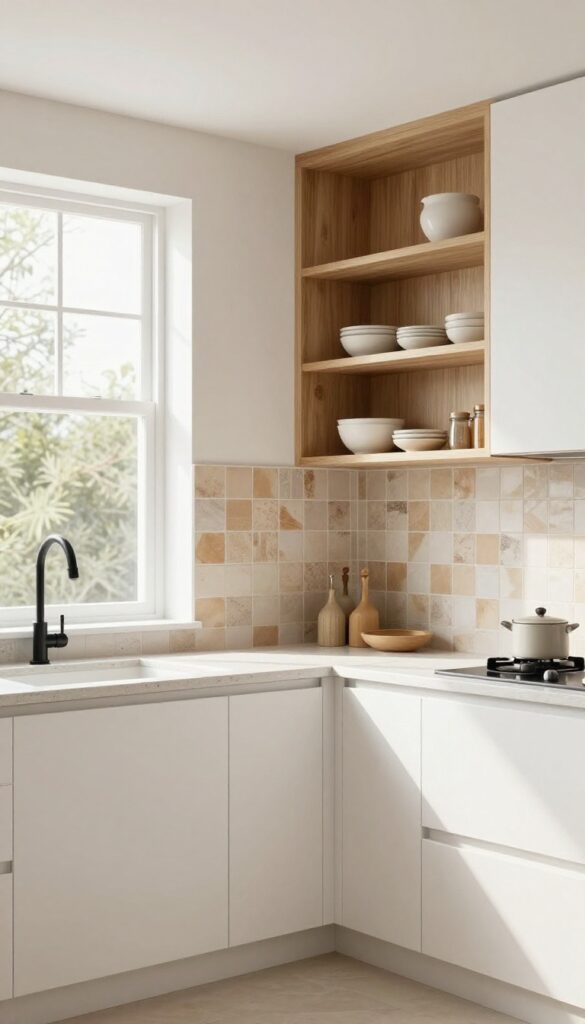
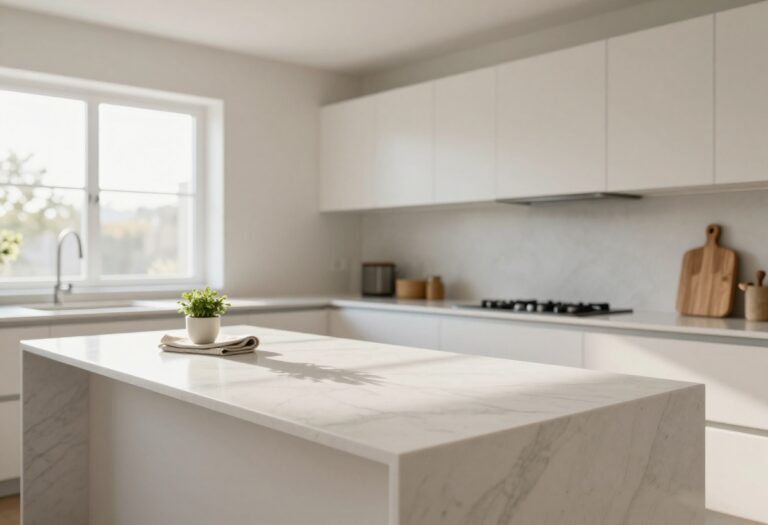
A kitchen extension can sometimes feel a little cold and unfinished, especially if you’ve gone with clean lines and lots of white. One of the quickest ways to add warmth is through texture, and the backsplash is the perfect place to start. Swapping standard subway tile for something with more depth—like handmade zellige or ribbed ceramic—instantly changes the whole mood of the room.
The uneven surfaces catch light in different ways throughout the day, creating subtle shadows that make the space feel grounded and lived-in. It’s not a loud statement, but it’s one of those details you notice every time you walk in. The best part?
You don’t have to redo your cabinets or counters to get that cozy, layered look.
Why It Works
Texture adds visual weight without adding clutter. In an open-plan extension where sightlines matter, a textured backsplash breaks up large expanses of wall and brings a handcrafted feel that modern materials often lack. It also softens hard surfaces like quartz or concrete, making the whole room feel more inviting.
Best For
This idea works especially well in extensions with lots of natural light because the texture will cast interesting shadows. It’s also great for galley kitchens or smaller spaces where you want to add character without taking up floor area.
Styling Tip
Pair a zellige backsplash with matte black hardware and warm wood open shelving to keep the look balanced. Avoid glossy cabinets—they compete with the tile’s sheen. Stick with matte finishes on counters and cabinets so the backsplash remains the star.
2. Layer in Open Shelving with Purpose
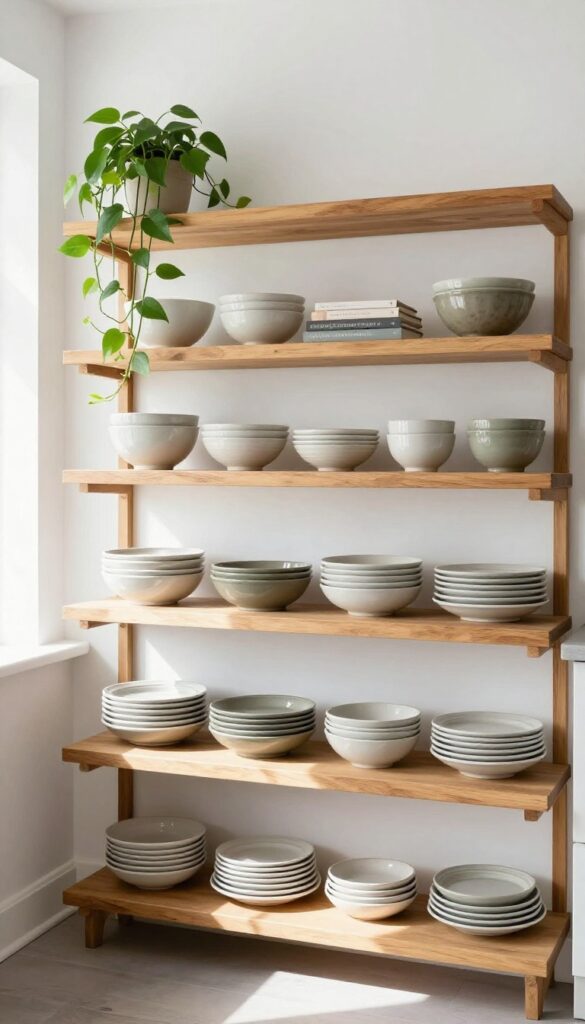
Open shelving can feel like a gamble—too much stuff and it looks messy, too little and it feels cold. The trick is treating it like a curated display, not a storage dump. Warm wood shelves soften the look of a kitchen extension, making the space feel lived-in and welcoming rather than just functional.
Why It Works
Open shelving breaks up long stretches of cabinetry and adds visual texture. When you style it with everyday items like ceramic bowls, stacked plates, and a few cookbooks, it feels intentional. The warm wood tone brings in coziness, which is exactly what a kitchen extension needs to avoid feeling like an afterthought.
Best For
This idea works great in galley-style extensions or breakfast nooks where you want easy access to dishes without opening cabinet doors. It's also perfect for renters who can't install permanent built-ins—just mount the shelves on studs and patch holes when you move out.
Styling Tip
Stick to a tight color palette: whites, earthy tones, and one accent color like sage green or terracotta. Add a trailing plant like pothos or string of pearls on the top shelf to draw the eye upward. Rotate items seasonally so the display stays fresh without requiring a full restyle.
3. Introduce a Soft Rug Underfoot
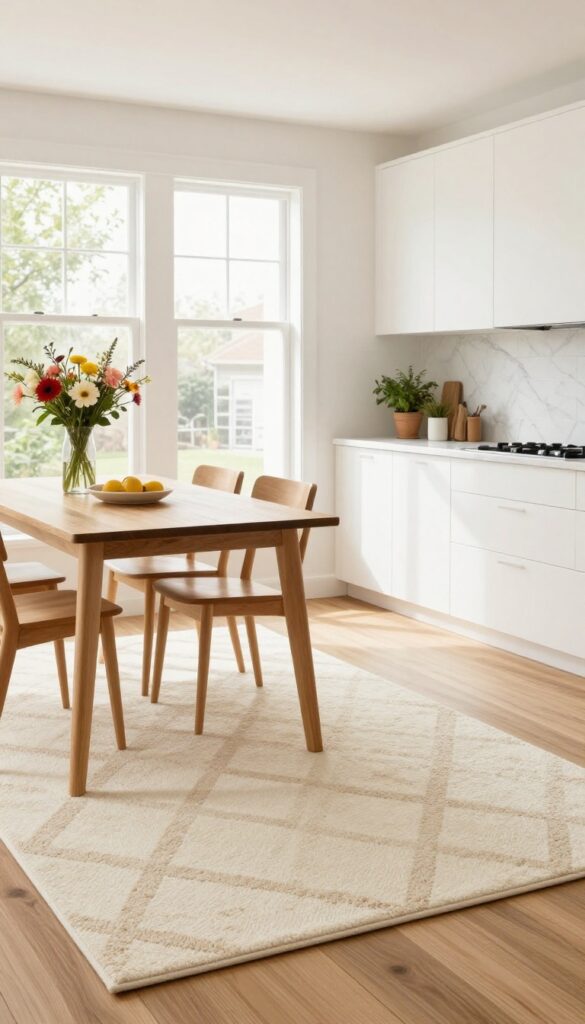
Hard floors are practical, but they can leave a kitchen feeling cold and unfinished. A well-placed rug changes that instantly—adding warmth, texture, and a subtle anchor for the space. Think of it as the finishing layer that pulls the whole room together without overwhelming it.
Why It Works
A low-pile wool or cotton rug softens the hard surfaces underfoot, making the kitchen feel more inviting and comfortable to stand in for longer periods. It also helps define zones—like the prep area or a small dining nook—giving the room a clear sense of purpose.
Best For
This idea works especially well in open-plan kitchens where you want to separate the cooking zone from the living area. It's also great for kitchens with tile or hardwood floors that need a touch of softness and visual break.
Styling Tip
Choose a rug with a subtle geometric or tonal pattern that can hide inevitable spills and crumbs. Stick to low-pile styles so chair legs and cabinet doors glide easily over the surface. Place it so it sits just under the front legs of your dining table or in front of the sink for maximum impact.
4. Add a Statement Pendant Light
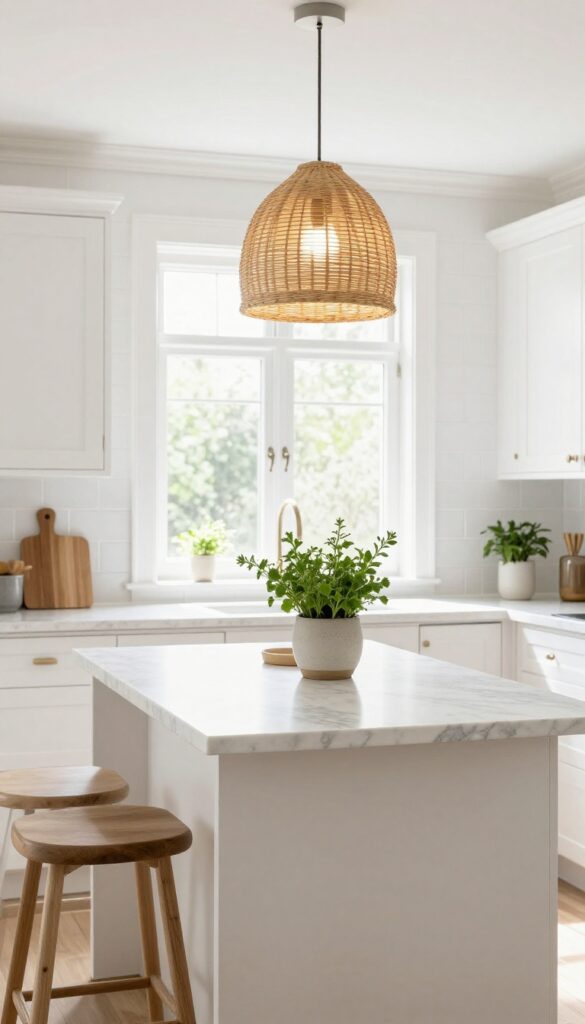
Lighting can make or break a kitchen extension, and nothing sets the mood quite like a pendant light with natural texture. A rattan or linen shade softens the hard lines of cabinetry and countertops, bringing warmth that feels instantly inviting. Over an island or dining table, it becomes the visual anchor—a piece that says this room was designed with care.
Why It Works
A statement pendant draws the eye upward, making the ceiling feel higher and the space more open. Natural materials add organic texture that balances sleek surfaces, while the warm glow creates a cozy atmosphere perfect for both cooking and lingering.
Best For
Kitchen extensions with an island or a small dining table where you want to define a distinct zone. It’s especially effective in open-plan layouts where the pendant helps separate the kitchen from living areas without walls.
Styling Tip
Hang the pendant so the bottom is 30–36 inches above the table or countertop for optimal light and proportion. Choose a shade with a slight translucency to cast a soft, diffused glow rather than harsh direct light.
5. Incorporate a Banquette or Window Seat
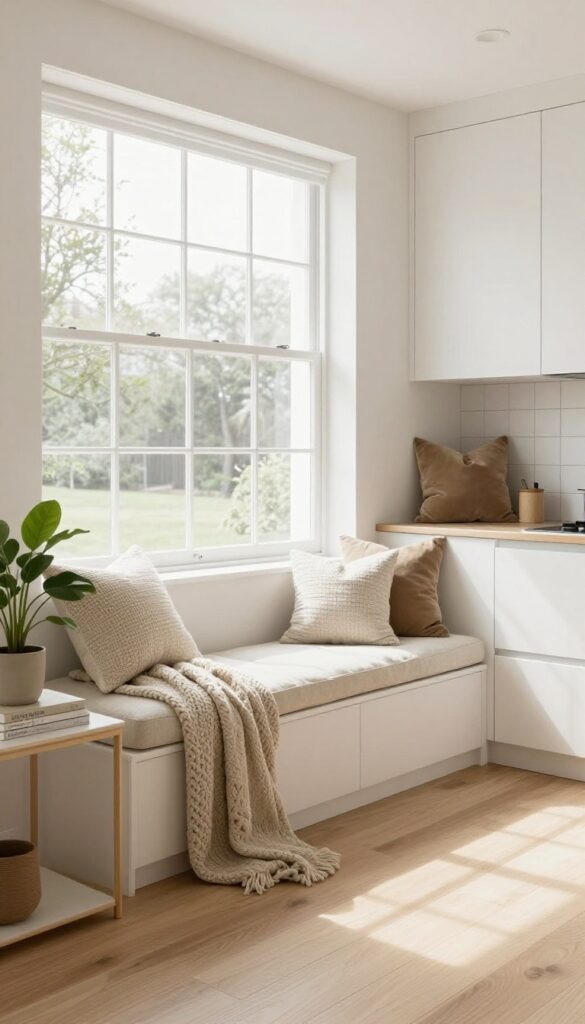
There’s nothing quite like a built-in banquette to make a kitchen feel finished and lived-in. Tucked into a corner or under a window, it creates an instant cozy nook that invites people to linger over coffee or conversation. Paired with cushions in a durable, stain-resistant fabric and a few throw pillows, it becomes the most welcoming spot in the house—proof that smart design can be both practical and charming.
Why It Works
A banquette maximizes seating without taking up extra floor space, making it ideal for narrow or awkward corners. The built-in storage underneath (like drawers or flip-top lids) keeps clutter hidden while adding function. Plus, the soft cushions and pillows soften the kitchen’s hard surfaces, balancing out cabinets and countertops for a more layered, inviting look.
Best For
This idea shines in kitchens with an unused corner, a bay window, or an L-shaped layout where standard chairs would feel cramped. It’s also perfect for families who want a casual dining spot that pulls double duty as a homework station or coffee corner.
Styling Tip
Choose cushion fabric in a warm neutral or soft pattern that ties into your kitchen’s color palette—think linen-look performance velvet or cotton canvas. Add two or three throw pillows in contrasting textures (like chunky knit or velvet) for depth. A slim console table behind the bench can hold plants, cookbooks, or a lamp for extra coziness.
6. Use Warm Metals for Hardware and Fixtures
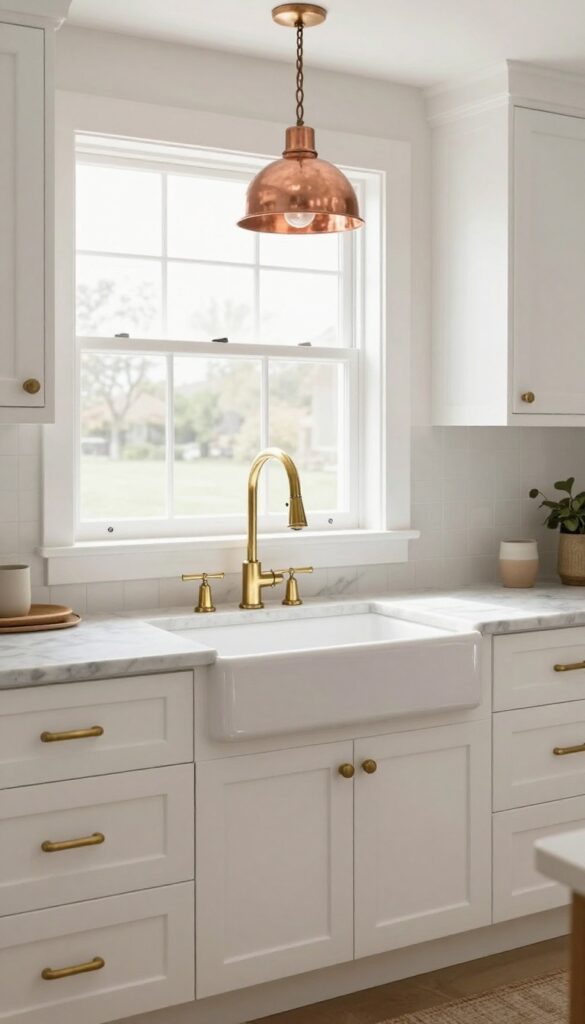
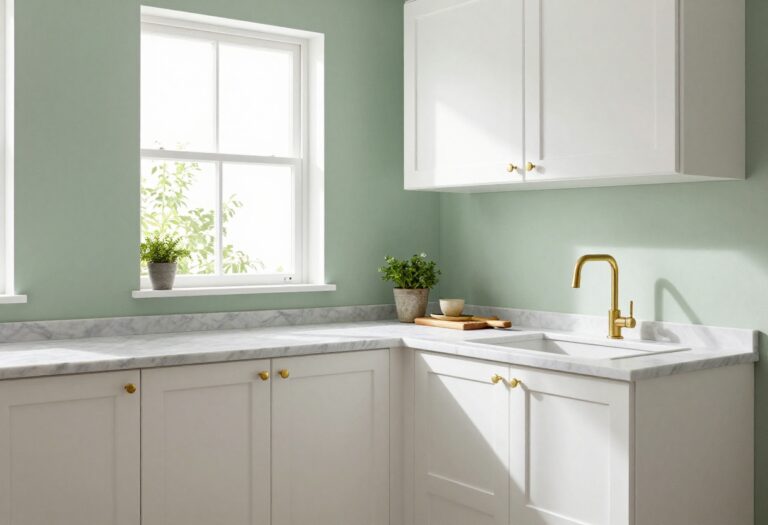
Stainless steel has had a good run, but there's a new mood in kitchen design that leans softer, richer, and more inviting. Swapping out cool silver tones for warm metals like brass, copper, or oil-rubbed bronze instantly changes the energy of the room—it goes from clinical to cozy without losing any polish. These finishes catch the light differently, adding depth and a subtle glow that makes the whole space feel more layered and lived-in.
Why It Works
Warm metals introduce contrast and visual warmth, especially in kitchens with lots of white, gray, or wood tones. They break up the monotony of uniform stainless appliances and create small focal points that draw the eye around the room. The slight patina that develops over time on unlacquered brass or copper adds character and makes the kitchen feel collected rather than showroom-new.
Best For
This idea shines in transitional, farmhouse, or eclectic kitchens where you want a touch of vintage charm without going full antique. It also works beautifully in modern spaces that feel a bit cold—just one or two warm metal accents can soften the whole look.
Styling Tip
Start small: swap out your cabinet pulls and knobs first—it's an easy DIY that makes a big impact. Then consider a faucet in brushed brass or a pendant light with copper accents. Keep the undertones consistent (e.g., all warm golds or all reddish coppers) to avoid a mismatched look.
7. Bring in Natural Wood Accents
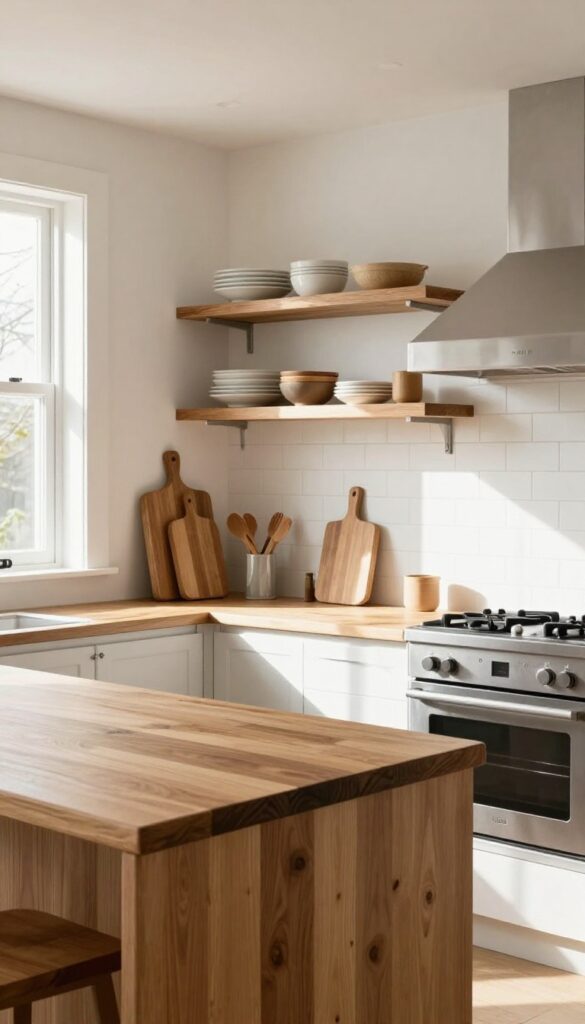
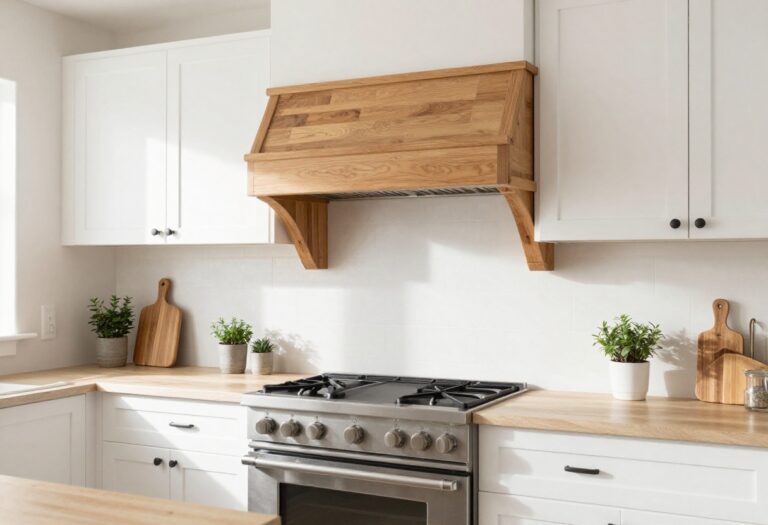
Wood has a way of making any kitchen feel instantly warmer and more inviting. In a kitchen extension, where you might be blending old and new, natural wood accents act as the bridge that ties everything together. Think warm oak cutting boards leaning against the backsplash, a butcher block island that begs to be used, or floating walnut shelves displaying your favorite ceramics.
The texture and grain bring a softness that balances out sleek appliances and hard surfaces, creating that cozy, layered look we're after.
Why It Works
Wood is inherently warm and tactile, which counters the coldness of stainless steel or stone. It introduces organic texture and a sense of nature indoors, making the space feel grounded and lived-in rather than sterile. Plus, wood ages beautifully—scratches and patina only add character over time.
Best For
This approach works especially well in open-plan kitchen extensions where you want to visually connect the cooking area with adjacent living spaces. It's also perfect for kitchens with lots of natural light, as sunlight brings out the richness of the wood grain.
Styling Tip
Mix wood tones intentionally—don't match everything exactly. Pair a light oak butcher block countertop with darker walnut floating shelves for contrast. Add a few wooden utensils in a crock on the counter to carry the theme through without overwhelming the space.
8. Create a Coffee or Tea Station
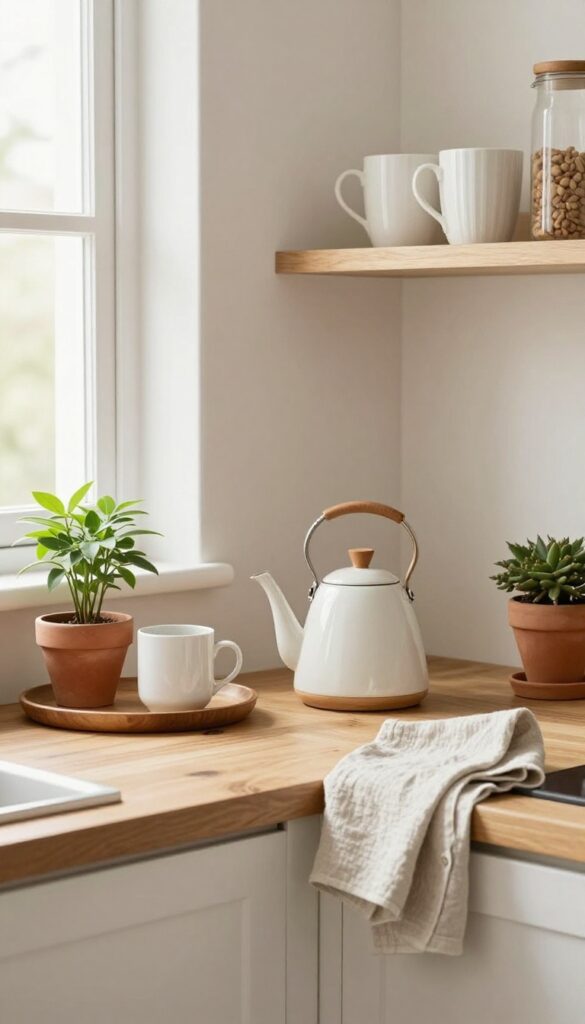
There’s a reason coffee shops feel so cozy—it’s the ritual. You can bring that same warmth into your kitchen by carving out a tiny spot just for your morning brew. A dedicated coffee or tea station doesn’t need much: a corner of the counter, a slim cart, or even a shelf.
Add a kettle, your favorite mugs, and a little tray to catch drips. Suddenly that corner feels intentional, like it was designed just for you.
Why It Works
This idea works because it turns a daily habit into a moment. Instead of scrambling for mugs or digging through cabinets, everything you need is right there. It reduces clutter and adds visual warmth—especially when you layer in textures like wood, ceramic, and linen.
Best For
Best for kitchens with an empty stretch of counter, a narrow wall, or an awkward nook near the sink or pantry. It’s also great for small apartments where every inch counts—a rolling cart can tuck away when not in use.
Styling Tip
Keep it cozy by layering textures: a wooden tray, ceramic canisters, and a soft linen towel draped over the side. Add a small plant or a jar of stir sticks for personality. Stick to warm neutrals or muted earth tones so the station blends without feeling busy.
9. Hang Curtains for Softness
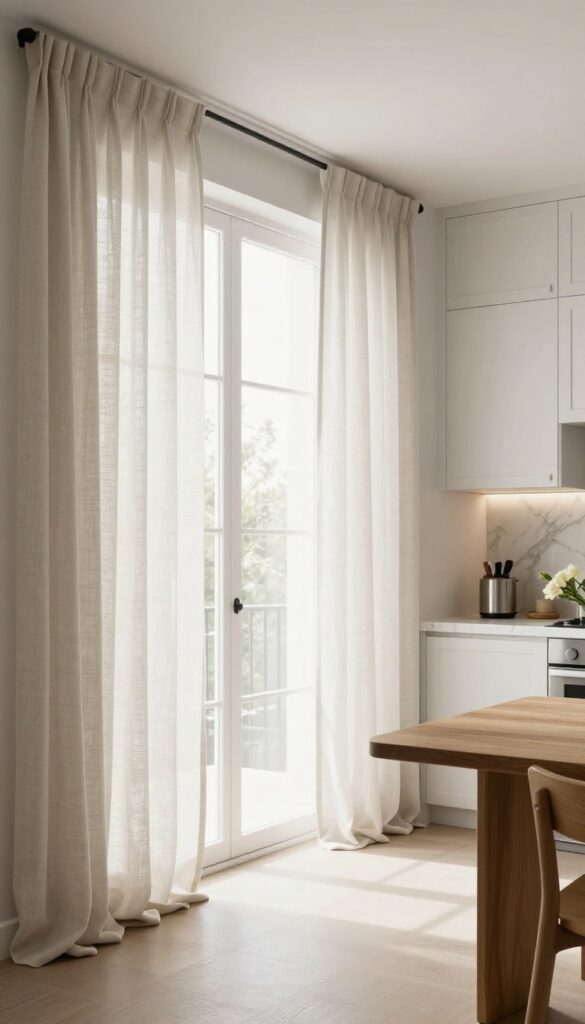
Even in a modern kitchen, floor-length linen curtains over windows or a door soften the room. They add texture and make the space feel more like a living area. This simple addition brings warmth and a touch of coziness that balances out all the hard surfaces.
Why It Works
Curtains introduce fabric and movement, which counteracts the cold, sterile feel of tile, stone, and stainless steel. They also absorb sound and create a softer ambiance, making the kitchen feel more inviting.
Best For
This works well in kitchens with large windows or glass doors where you want to reduce glare without losing natural light. It's especially effective in open-plan layouts where the kitchen flows into living spaces.
Styling Tip
Choose lightweight linen or cotton in neutral tones like oatmeal, soft white, or pale gray. Hang them high and wide to make the window appear larger. For a relaxed look, let them puddle slightly on the floor.
10. Style with Greenery and Natural Elements
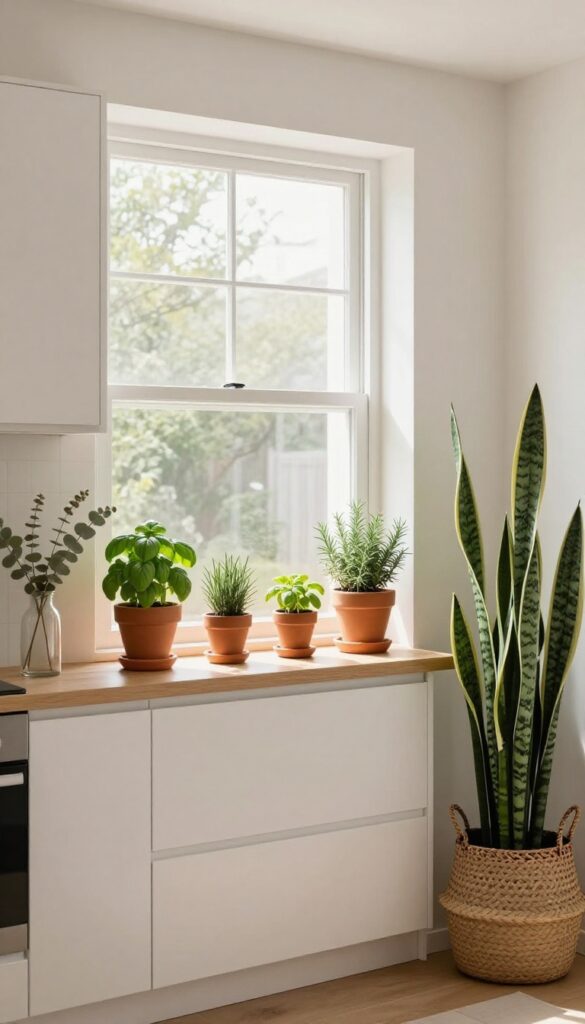
Plants are the easiest way to make a kitchen extension feel finished without spending a ton. A few pots of herbs on the windowsill or a tall snake plant in the corner add life and soften all those hard surfaces. Dried eucalyptus in a simple vase brings texture and a subtle scent that makes the space feel intentional, not cluttered.
Why It Works
Greenery bridges the gap between your old kitchen and the new extension. It adds color, texture, and that lived-in warmth that makes a room feel complete. Plus, plants improve air quality and give you fresh herbs for cooking—practical and pretty.
Best For
Any kitchen extension, especially ones with good natural light. If your extension has a windowsill or counter space, this idea is a no-brainer. It works in modern, farmhouse, or eclectic styles.
Styling Tip
Mix different pot materials—terra cotta, ceramic, and woven baskets—for a layered look. Group plants at varying heights using stands or stacked books. Stick to low-maintenance varieties like pothos, snake plant, or rosemary so it stays easy.
FAQ
How do I make my kitchen extension feel cozy without cluttering it?
Focus on layering textures like wood, soft rugs, and warm metals rather than adding lots of objects. Choose a few statement pieces—like a pendant light or open shelves—and keep surfaces mostly clear.
What colors work best for a cozy kitchen extension?
Warm neutrals like beige, cream, soft gray, and earthy greens or terracotta create a cozy base. Use deeper tones in accents like cabinet hardware or textiles for contrast.
Should I match my extension exactly to the existing kitchen?
Not necessarily. A slight shift in style or color can define the extension as its own zone while still feeling connected. Use similar materials or repeat one element—like wood tone—for cohesion.
How can I add storage without making the space feel cramped?
Use open shelving for everyday items and closed cabinets for less-used ones. Incorporate multifunctional furniture like a bench with storage or a rolling cart that tucks away.
What lighting makes a kitchen extension feel finished?
Layer ambient, task, and accent lighting. A warm pendant over the island, under-cabinet lights for prep areas, and a dimmer switch let you adjust the mood easily.
Conclusion
Finishing a kitchen extension isn’t about filling every corner—it’s about choosing details that add warmth and personality. From textured backsplashes to soft curtains, each idea here helps the space feel like it belongs.
Take it one step at a time. Start with the elements that speak to you most, and let your kitchen extension become a cozy, layered part of your home.