10 Bedroom Ideas for Two People That Work
Sharing a bedroom forces design decisions that actually matter. Two people bring twice the habits, twice the clutter, and usually very different ideas about comfort.
A room that works for one person often fails immediately when someone else moves in. Storage gets tight, lighting becomes an argument, and suddenly the layout feels wrong.
Small adjustments fix most of these problems faster than a full redesign. A few thoughtful bedroom ideas can make a shared space feel balanced, comfortable, and surprisingly calm.
1. Dual Nightstands for Personal Space
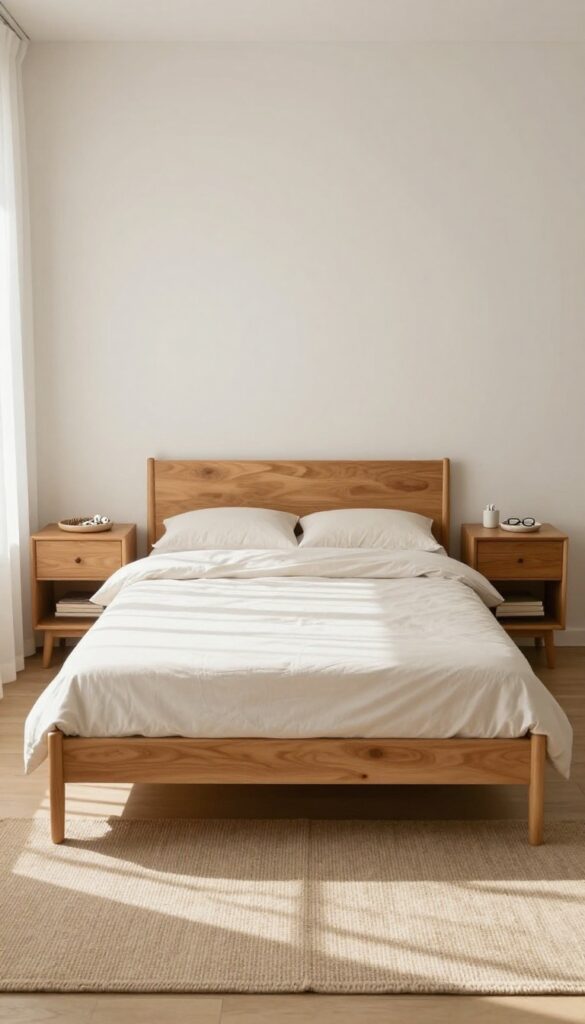
One nightstand almost always turns into a silent competition. One person’s book, charger, water glass, and random stuff slowly takes over until the other person ends up using the floor.
Two nightstands instantly solve that awkward imbalance. Each person gets a small zone that feels personal, organized, and easy to access at night.
I’ve tried the one-table setup before, and it works for about three days. After that, the tiny surface becomes a chaotic pile of chargers and half-read books.
Why This Works
Personal zones reduce friction in shared spaces. When both people have equal bedside access, routines stay smooth and nobody feels like they’re borrowing space.
It also balances the room visually. Matching nightstands create symmetry that makes a bedroom look more polished without much effort.
How to Do It
- Place one nightstand on each side of the bed to give both people equal reach.
- Choose nightstands with drawers or shelves to hold everyday items like chargers, books, and glasses.
- Keep the surface minimal so the space stays functional instead of cluttered.
- Add a small tray to organize loose items like jewelry or earbuds.
Style & Design Tips
Matching nightstands look clean, but they don’t have to be identical. Two pieces in similar colors or materials create balance without feeling overly staged.
Avoid oversized tables that crowd the bed area. Compact designs with storage usually work best for shared bedrooms.
Pro Tip or Budget Hack
Thrift stores often have great small tables that work perfectly as nightstands. Sand them lightly and repaint both pieces in the same color for a coordinated look that costs almost nothing.
2. Layered Lighting Instead of One Overhead Light
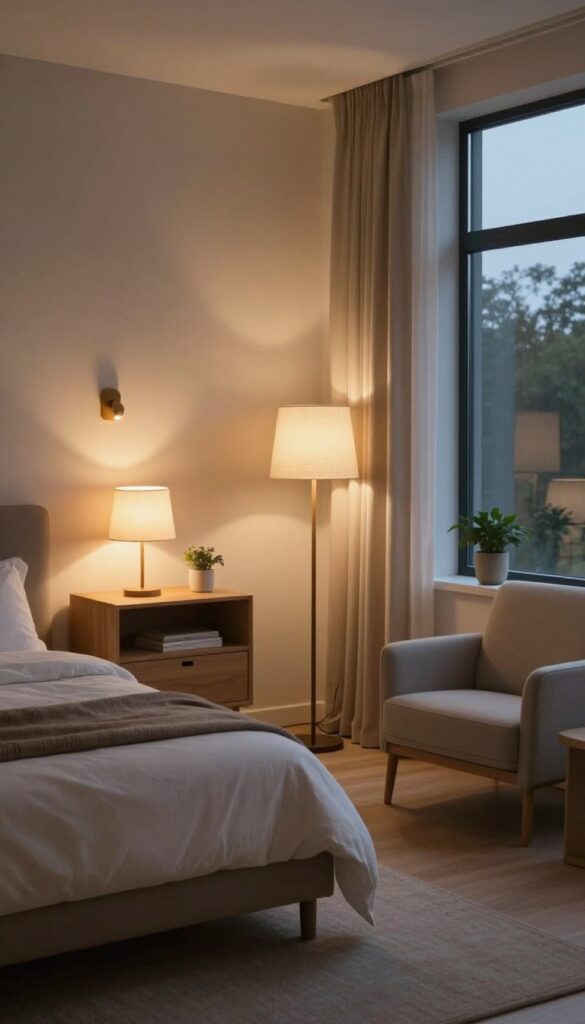
A single ceiling light rarely works for two people. One person wants brightness while the other just wants a soft glow before sleep.
Layered lighting fixes that issue quickly. Different light sources let each person control their own comfort without affecting the entire room.
Bedrooms feel far more relaxed when the lighting options change throughout the evening.
Why This Works
Lighting affects how a room feels and how people use it. Multiple light sources create flexibility for reading, relaxing, or getting ready without disturbing the other person.
It also adds depth to the room. Bedrooms with layered lighting almost always feel more thoughtfully designed.
How to Do It
- Add bedside lamps for personal reading light.
- Install soft ambient lighting like floor lamps or wall sconces.
- Use warm LED bulbs to keep the atmosphere comfortable.
- Place switches within easy reach of the bed.
Style & Design Tips
Mixing lighting styles adds personality. A floor lamp paired with simple bedside lamps creates contrast while keeping the room cohesive.
Avoid overly bright bulbs that feel harsh late at night. Soft warm light always works better in bedrooms.
Pro Tip or Budget Hack
Plug lamps into smart plugs or dimmers so you can control lighting without leaving bed. It’s one of those small upgrades that feels surprisingly luxurious.
3. A Wider Bed That Actually Fits Two Adults
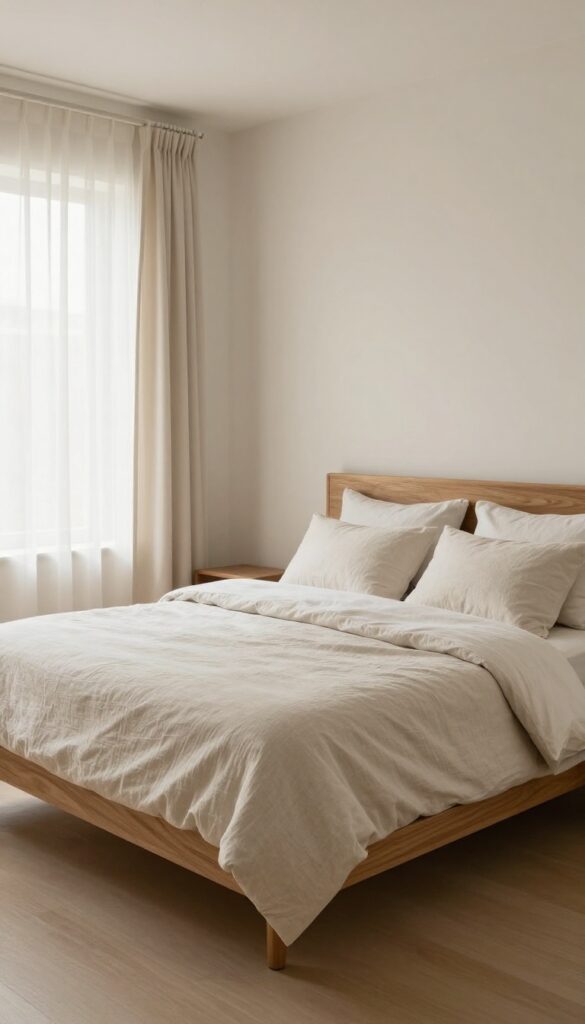
A full-size bed might look fine in photos, but two adults quickly learn how small it really is. Sleeping space becomes a nightly negotiation.
Upgrading to a queen or king bed changes the entire experience of sharing a bedroom. More space means fewer interruptions and far better sleep.
This might be the single most practical upgrade in a shared bedroom.
Why This Works
Sleep quality depends heavily on space and comfort. When both people can move naturally during the night, they wake up feeling far more rested.
A larger bed also improves room balance. It anchors the space and makes the layout feel more intentional.
How to Do It
- Measure the room carefully before choosing a bed size.
- Leave at least two feet of walking space around the bed.
- Choose a supportive mattress that works for both sleepers.
- Add a sturdy bed frame that provides stability.
Style & Design Tips
Large beds benefit from simple bedding. Neutral colors or soft textures keep the bed looking inviting instead of overwhelming the room.
Avoid bulky bed frames in smaller rooms. Low-profile designs often make a space feel larger.
Pro Tip or Budget Hack
If a king bed feels too expensive, try a queen mattress with a thicker topper. It adds comfort and space without the cost of a full upgrade.
4. Separate Closet Zones
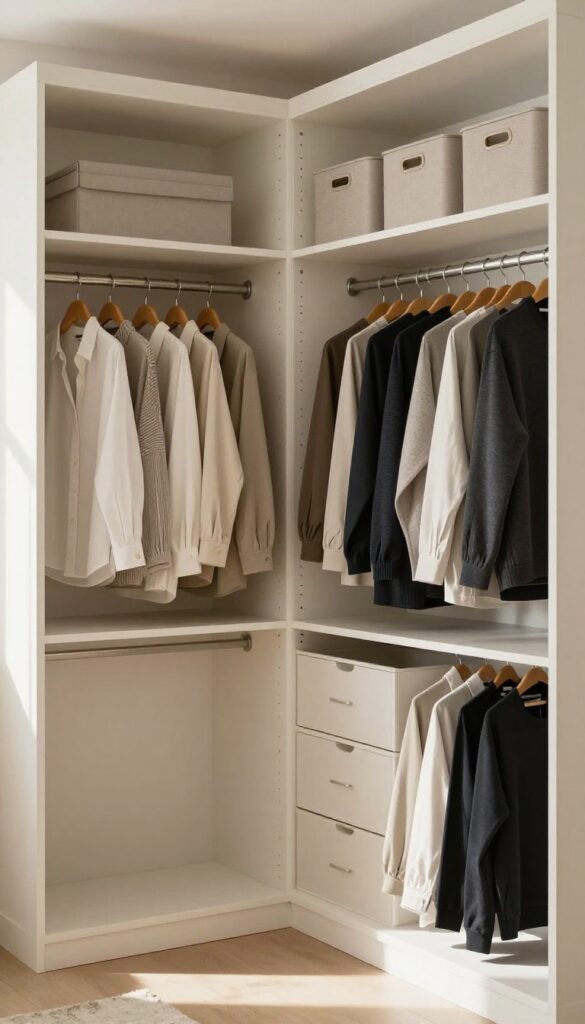
Closets become chaotic fast when two wardrobes share one rail. Clothes mix together, shelves fill unevenly, and nobody can find anything.
Dividing the closet into two clear zones keeps everything manageable. Each person knows exactly where their things belong.
Organization improves immediately once boundaries exist.
Why This Works
Defined storage zones remove confusion. When each person has their own section, the closet stays organized much longer.
It also reduces stress during busy mornings. Nobody wants to dig through someone else’s clothes just to find a shirt.
How to Do It
- Divide the closet with separate hanging sections.
- Assign shelves or drawers to each person.
- Use storage bins for accessories or seasonal items.
- Label containers if needed to keep things consistent.
Style & Design Tips
Matching hangers instantly make closets look cleaner. Even inexpensive plastic hangers create a more organized visual effect.
Avoid overcrowding the rails. Breathing room between clothes helps everything stay visible.
Pro Tip or Budget Hack
Simple closet dividers made from cardboard or plastic can clearly mark sections. It’s a cheap fix that prevents daily clutter battles.
5. A Neutral Base With Personal Accents
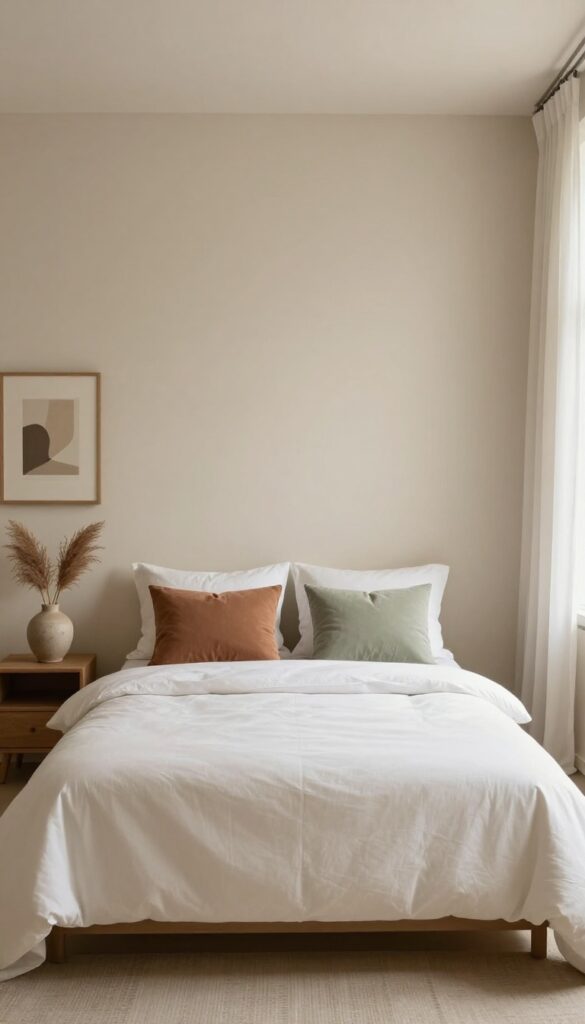
Design disagreements happen more often than people admit. One person loves bold colors while the other prefers calm neutral tones.
A neutral base keeps the room balanced while allowing personal accents to shine. Both people get input without the space feeling chaotic.
This approach works especially well in shared bedrooms.
Why This Works
Neutral foundations create visual calm. When the walls and furniture stay simple, smaller decorative pieces can reflect each person’s style.
It’s easier to update accents than repaint an entire room. That flexibility keeps the design fresh over time.
How to Do It
- Choose neutral wall colors like soft beige, gray, or warm white.
- Use simple bedding as the foundation.
- Add personal touches through pillows, artwork, or small décor.
- Keep accents balanced across both sides of the room.
Style & Design Tips
Limit the number of colors to maintain harmony. Two or three complementary shades usually look best.
Avoid overly themed décor. Subtle textures and patterns keep the space feeling mature.
Pro Tip or Budget Hack
Swap pillow covers seasonally instead of buying new pillows. It’s a quick way to refresh the room without spending much.
6. A Bench or Seating Area at the Foot of the Bed
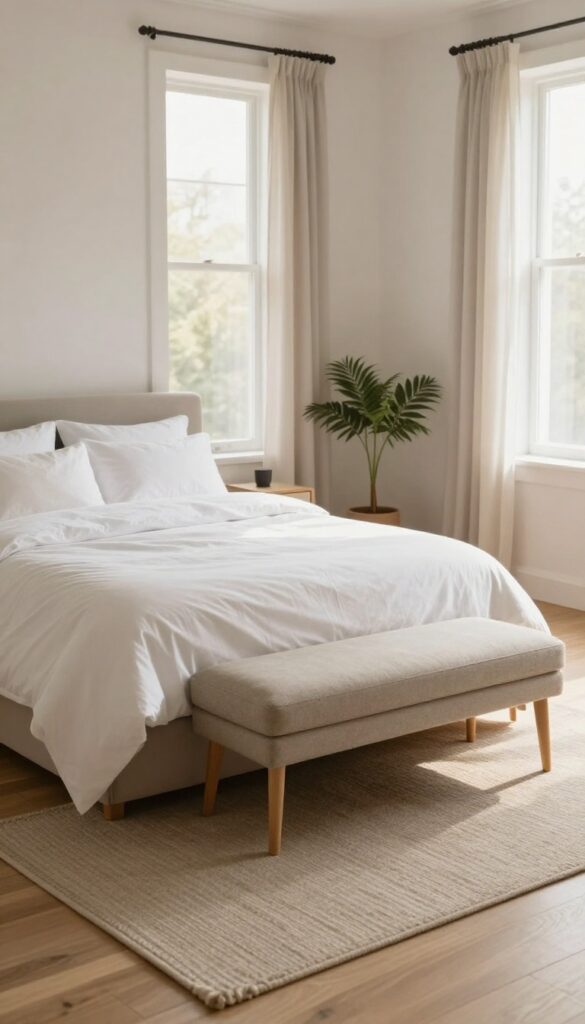
Bedrooms shared by two people often lack a comfortable place to sit. Someone ends up perched awkwardly on the bed while getting dressed.
A small bench at the foot of the bed solves that problem instantly. It adds function while making the room look more complete.
This piece quietly becomes one of the most useful items in the space.
Why This Works
Seating creates flexibility. A bench gives people a place to sit, fold clothes, or drop a bag without cluttering the bed.
It also visually anchors the bed area. Designers use this trick constantly because it makes bedrooms feel finished.
How to Do It
- Choose a bench slightly shorter than the bed width.
- Place it centered at the foot of the bed.
- Use upholstered designs for comfort.
- Leave walking space around the bench.
Style & Design Tips
Storage benches add extra practicality. Hidden compartments are perfect for spare blankets or pillows.
Avoid bulky furniture in tight rooms. Slim benches usually look cleaner.
Pro Tip or Budget Hack
A sturdy wooden bench or even a narrow storage trunk can serve the same purpose for a fraction of the cost.
7. Dual Charging Stations
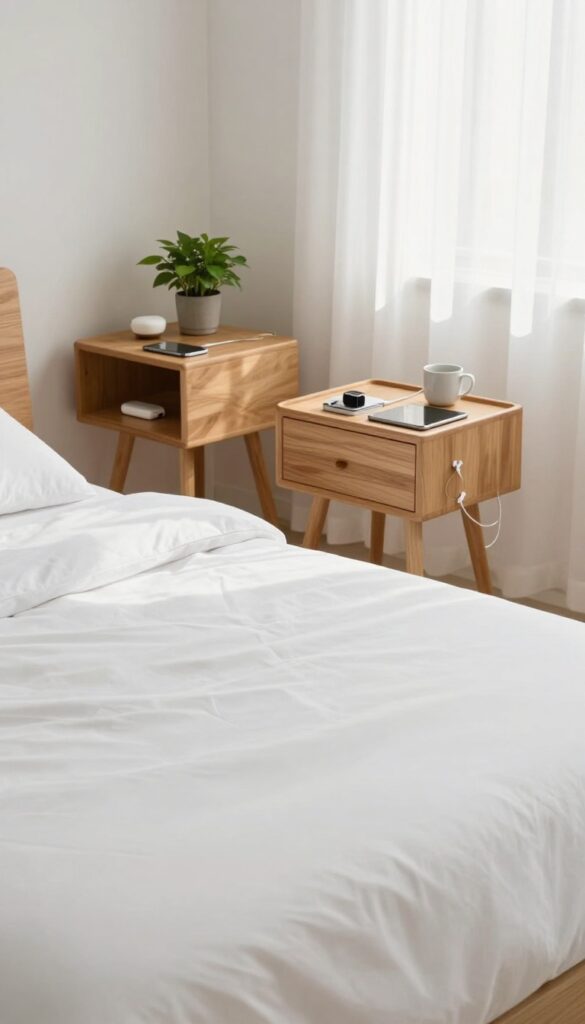
Phones, tablets, smartwatches, earbuds… the charging cables multiply fast in a shared bedroom. Soon every outlet disappears behind tangled wires.
Dedicated charging stations solve the problem neatly. Each person gets a small organized area for devices.
Once you set this up properly, bedtime routines become much smoother.
Why This Works
Technology is part of everyday life now. Creating a designated charging area prevents clutter and keeps devices easy to access.
It also protects outlets and cables from constant unplugging.
How to Do It
- Use multi-port USB chargers on each nightstand.
- Add cable organizers to keep wires tidy.
- Choose short cables to avoid messy tangles.
- Keep devices off the floor or bed surface.
Style & Design Tips
Small charging trays or boxes hide cables while keeping devices accessible. They look cleaner than loose wires.
Avoid stacking devices on top of each other. Separate spots for each device prevent overheating.
Pro Tip or Budget Hack
Simple adhesive cable clips cost very little and instantly keep wires from slipping behind furniture.
8. Individual Reading Lights
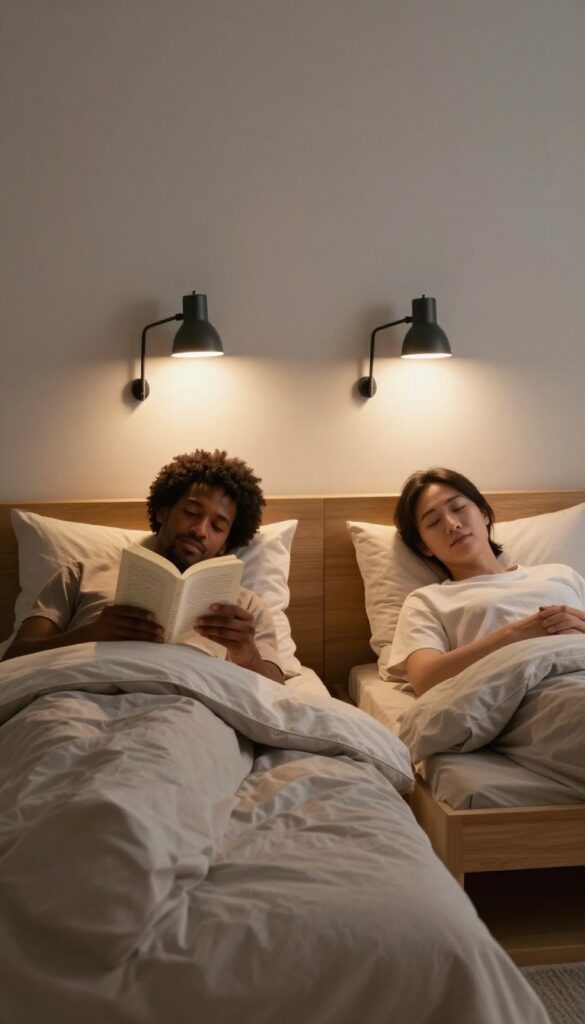
Shared lighting often creates bedtime conflicts. One person wants to read while the other tries to fall asleep.
Individual reading lights solve that instantly. Each side of the bed gets its own focused lighting.
It’s a small detail that dramatically improves nightly routines.
Why This Works
Task lighting provides brightness exactly where it’s needed. It prevents the entire room from lighting up just for one person.
Focused lighting also feels calmer and more relaxing than overhead lights.
How to Do It
- Install wall-mounted reading lamps beside each side of the bed.
- Position lights slightly above head level.
- Choose adjustable arms for flexible angles.
- Use warm light bulbs for comfort.
Style & Design Tips
Minimal metal or matte black lamps work with most bedroom styles. They feel modern without drawing too much attention.
Avoid oversized lamps that crowd the wall space. Compact designs usually look cleaner.
Pro Tip or Budget Hack
Clip-on reading lights work surprisingly well if wall installation isn’t possible.
9. Smart Storage Under the Bed
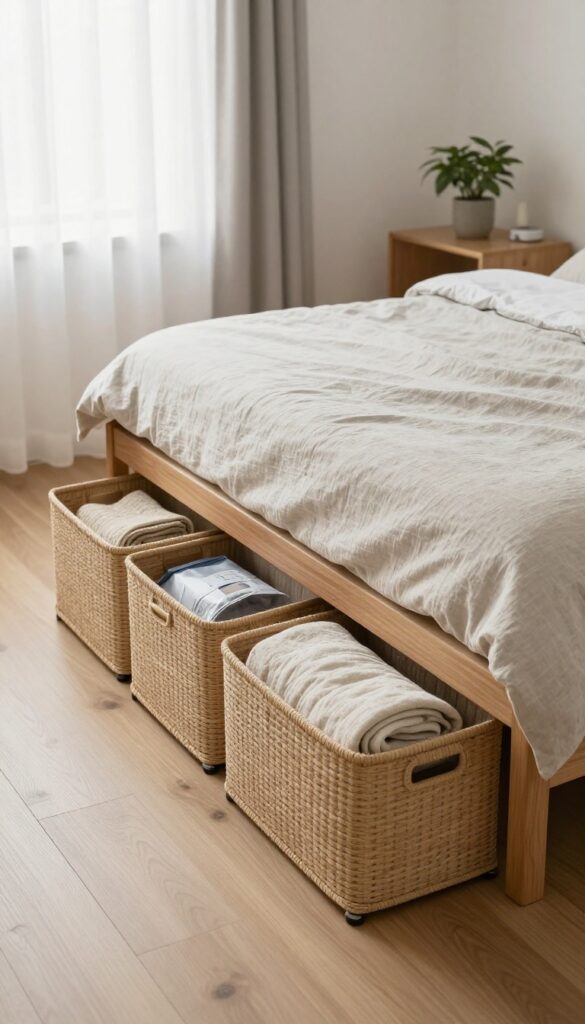
Storage shortages show up quickly in shared bedrooms. Extra blankets, seasonal clothes, and random items need a place to live.
Under-bed storage turns unused space into a practical solution. It’s one of the easiest ways to expand storage without adding furniture.
Most people overlook this area completely.
Why This Works
The space under a bed is large and easy to access. Using it properly keeps the rest of the room uncluttered.
Hidden storage also maintains a clean appearance. Everything stays out of sight but still within reach.
How to Do It
- Use rolling storage bins for easy access.
- Store seasonal clothing or extra bedding.
- Label containers so items stay organized.
- Keep frequently used items closer to the edges.
Style & Design Tips
Choose matching storage boxes for a consistent look. Even hidden storage benefits from organization.
Avoid stuffing random items under the bed. Clear categories keep things manageable.
Pro Tip or Budget Hack
Vacuum storage bags reduce bulky bedding to a fraction of its size, freeing up valuable space.
10. A Balanced Layout That Respects Both Sides
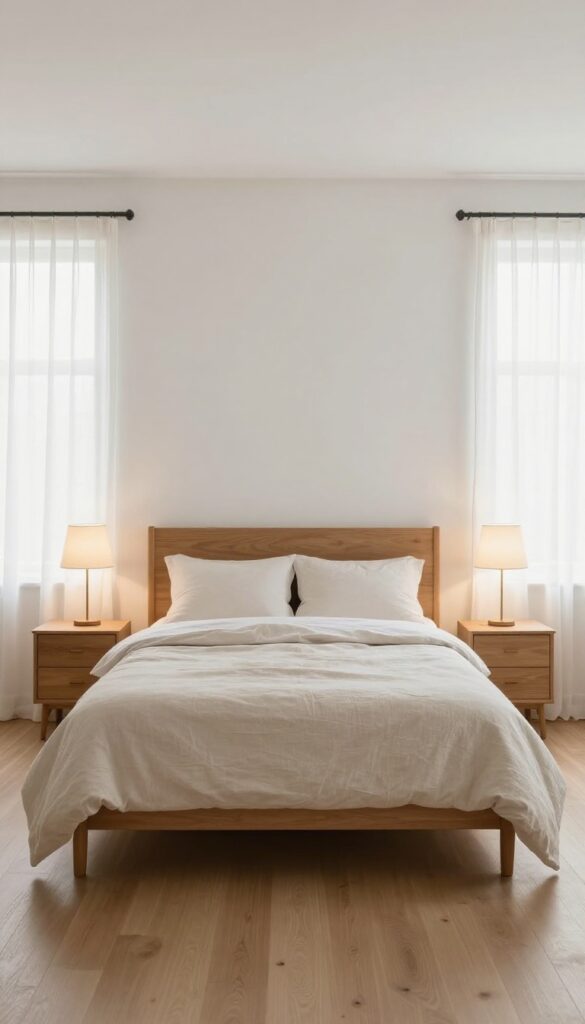
Bedroom layouts often favor one side without realizing it. One person gets more space, better lighting, or easier access to storage.
A balanced layout ensures both sides of the room feel equal. That fairness quietly improves how the space functions.
Design works best when both people feel comfortable in it.
Why This Works
Symmetry creates visual calm and practical balance. When both sides mirror each other, the room feels organized and intentional.
Shared spaces benefit greatly from fairness in layout.
How to Do It
- Center the bed on the main wall.
- Place matching furniture on both sides when possible.
- Ensure equal access to lighting and storage.
- Leave comfortable walking space around the bed.
Style & Design Tips
Symmetry doesn’t have to be perfect. Small variations still work as long as the overall layout feels balanced.
Avoid crowding one side with extra furniture. Even spacing keeps the room feeling open.
Pro Tip or Budget Hack
If matching furniture isn’t available, use pieces with similar height and color to create visual balance.
Final Thoughts
Designing a bedroom for two people isn’t about squeezing everything into one room. The real goal is creating a layout that respects both routines and preferences.
Small adjustments usually make the biggest difference. A balanced setup, smart storage, and thoughtful lighting can turn a shared bedroom into a space that actually works for both people.