9 Gray Bathroom Ideas That Feel Calm and Clean
Function always wins in a bathroom, but that doesn’t mean style has to sit quietly in the corner. The smartest spaces balance practicality with visual calm, and gray happens to sit right in that sweet spot. It behaves like a neutral but still carries enough personality to keep things interesting.
Gray also plays nicely with almost everything else in a bathroom. Tile, stone, metal, wood, and even bold accents feel more grounded when gray sits somewhere in the mix.
I’ve experimented with gray in a few bathrooms over the years, and when it’s done right, the space immediately feels calmer, cleaner, and honestly a little more grown-up.
1. Soft Gray Walls With Crisp White Fixtures
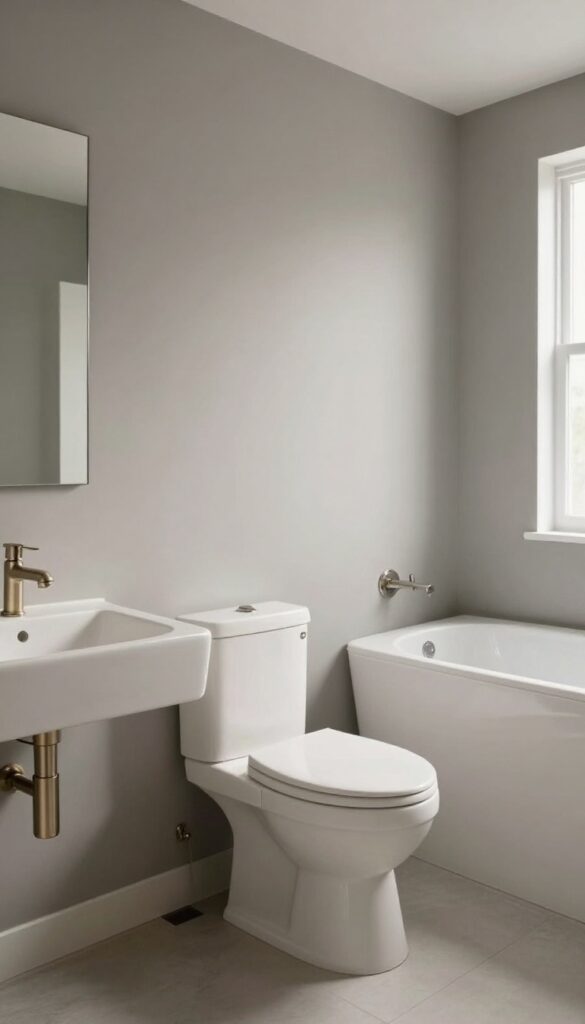
Most bathrooms struggle with visual clutter because too many finishes compete for attention. White fixtures alone sometimes feel too stark, while darker colors can make a bathroom feel smaller than it actually is. Soft gray walls solve that tension almost instantly.
Gray tones soften the brightness of white sinks, tubs, and toilets without making the space feel dull. I tried this combination in a small guest bathroom once, and it surprised me how much cleaner everything looked.
Why This Works
Soft gray acts like a buffer between bright white fixtures and the rest of the room. Instead of harsh contrast, you get a smoother transition that feels calm and balanced.
It also hides everyday wear much better than pure white paint. Tiny splashes, humidity marks, and fingerprints don’t scream for attention.
How to Do It
- Choose a light warm gray paint instead of a cool blue-gray for a softer feel
- Use eggshell or satin paint so moisture doesn’t damage the walls
- Keep fixtures bright white to maintain contrast
- Paint all walls the same shade to avoid visual fragmentation
Style & Design Tips
Pair gray walls with chrome or brushed nickel hardware for a polished look. These metals echo gray tones without overpowering them.
Avoid pairing soft gray walls with too many dark elements. Too much contrast can cancel out the calm effect you’re trying to create.
Pro Tip or Budget Hack
Instead of repainting cabinets, simply replace hardware with matte black handles. That one small change instantly makes the gray-and-white palette feel more intentional.
2. Gray Marble Vanity Countertop
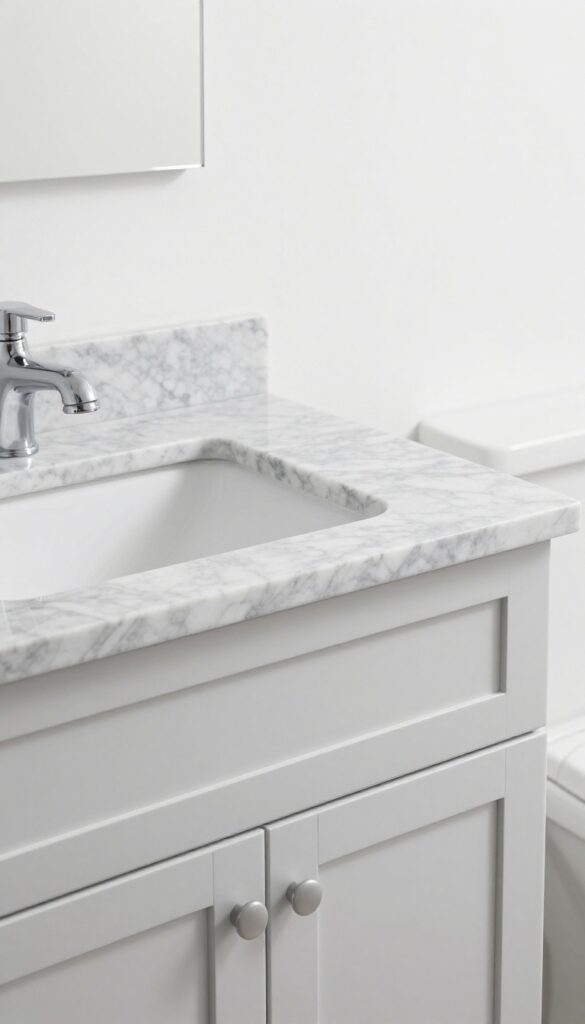
Cheap countertops age badly in bathrooms because water and daily use expose every flaw. Marble or marble-look surfaces handle that challenge better while adding natural texture.
Gray marble vanity tops bring movement and subtle pattern without feeling busy. I personally like how marble veins break up solid surfaces so the room doesn’t feel flat.
Why This Works
Marble naturally mixes multiple shades of gray and white. That built-in variation adds depth while still staying neutral.
It also reflects light in a soft way, which helps bathrooms feel brighter without relying on shiny finishes.
How to Do It
- Choose light gray marble or quartz with gray veining
- Pair it with a white or pale gray vanity cabinet
- Seal natural marble properly to protect it from water stains
- Install an undermount sink for a seamless look
Style & Design Tips
Let the countertop act as the visual centerpiece. If the marble has strong veining, keep the backsplash simple.
Avoid pairing bold patterned tiles with marble counters. Two competing patterns usually feel chaotic instead of stylish.
Pro Tip or Budget Hack
Real marble can get pricey. A high-quality quartz slab with gray veining gives a similar appearance with much easier maintenance.
3. Gray Subway Tile Shower Walls
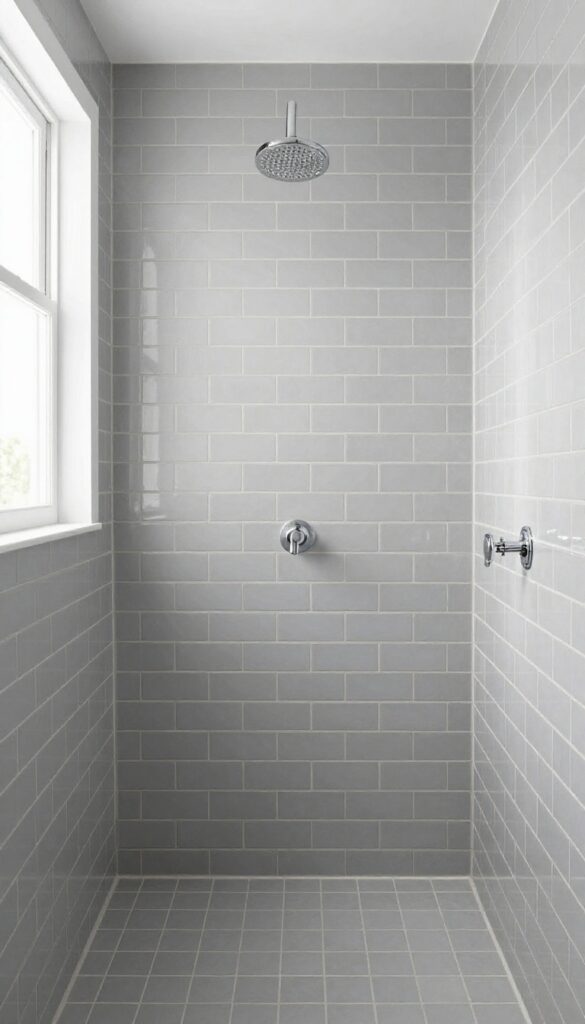
Plain shower walls often look unfinished, especially in bathrooms where the shower sits right in the visual line of sight. Subway tile fixes that problem while keeping things timeless.
Switching from white to gray subway tile instantly adds depth without making the space darker. I’ve installed gray subway tile in two different bathrooms, and both still look current years later.
Why This Works
Subway tile creates structure through its clean grid layout. Gray tones soften that structure so the space feels relaxed instead of rigid.
The horizontal pattern also visually widens small showers. That trick works especially well in narrow bathrooms.
How to Do It
- Use light or medium gray subway tiles for shower walls
- Lay tiles in a classic brick pattern for timeless style
- Choose white or light gray grout for a clean look
- Extend tile to the ceiling for a more polished result
Style & Design Tips
Mix gray subway tile with simple chrome fixtures to keep the look classic.
Avoid dark grout unless you want a bold graphic effect. In smaller bathrooms it can make walls look busier than necessary.
Pro Tip or Budget Hack
If full tile walls stretch your budget, tile only the shower area and paint the remaining bathroom walls in a similar gray tone.
4. Gray Floating Vanity
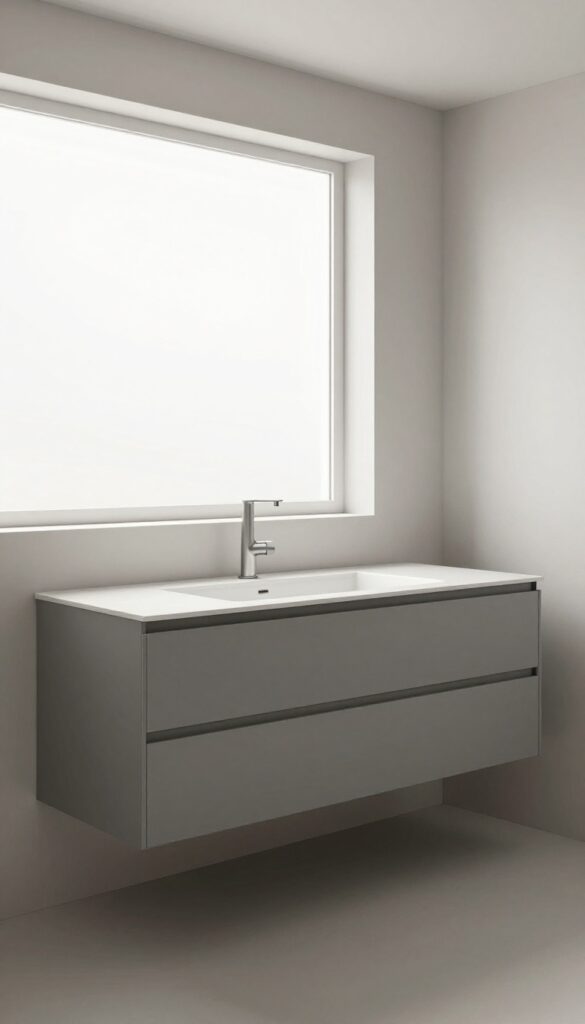
Traditional vanities often feel bulky, especially in smaller bathrooms. Floating vanities fix that by freeing up floor space visually and physically.
A gray floating vanity adds modern style while keeping the overall palette calm. I’m a big fan of this approach because it instantly makes a bathroom feel more open.
Why This Works
Floating furniture creates the illusion of more space. Seeing the floor underneath makes the room appear larger.
Gray cabinetry keeps the vanity grounded without making it the loudest feature in the room.
How to Do It
- Choose a wall-mounted vanity in medium gray
- Install it 8–12 inches above the floor
- Use hidden wall brackets or floating mounts
- Pair with a simple rectangular sink
Style & Design Tips
Add under-vanity LED lighting for a soft glow effect. It subtly highlights the floating design without being flashy.
Avoid overly ornate handles or hardware. Simple pulls maintain the modern look.
Pro Tip or Budget Hack
You can convert some existing cabinets into floating vanities by removing the legs and wall-mounting the frame with proper support.
5. Gray and Wood Bathroom Combination
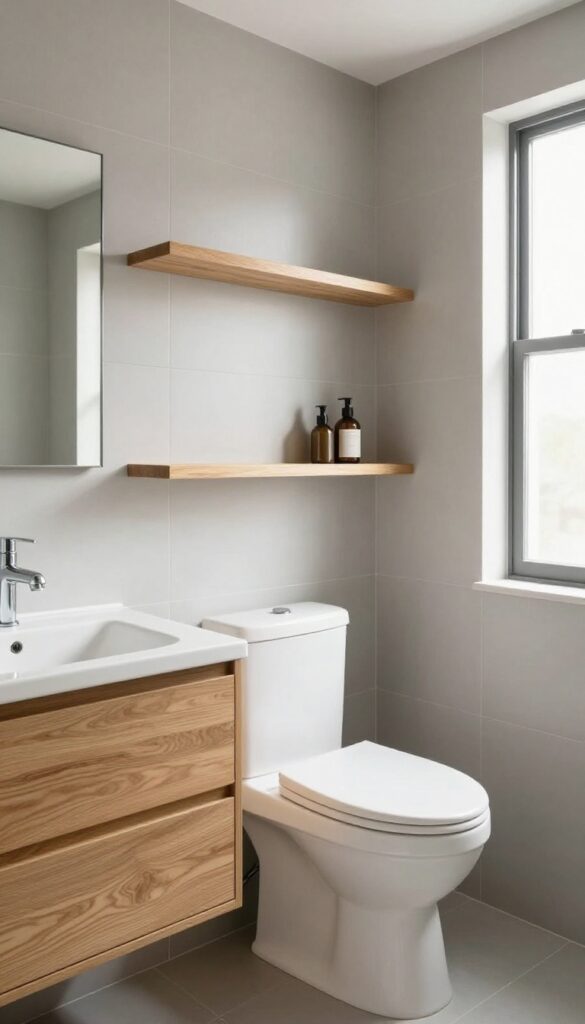
All-gray bathrooms sometimes feel a little cold if there’s no natural texture involved. Wood solves that instantly.
Mixing gray walls or tile with warm wood cabinets or shelving creates a balanced look that feels calm but still inviting.
Why This Works
Gray tones provide calm neutrality while wood adds warmth. That contrast keeps the space from feeling sterile.
The combination also works with both modern and rustic design styles.
How to Do It
- Use light oak or walnut vanity cabinets
- Pair with soft gray wall paint or tiles
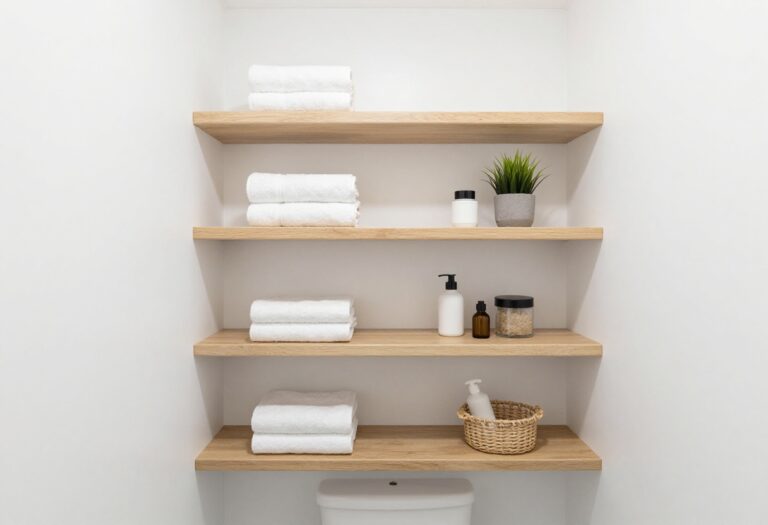
- Add wood shelves above the toilet or sink
- Keep fixtures simple and neutral
Style & Design Tips
Choose woods with visible grain so the texture stands out.
Avoid overly dark wood if the bathroom is small. Medium or light tones keep the space airy.
Pro Tip or Budget Hack
Floating wood shelves from simple stained boards cost far less than custom cabinetry but deliver a similar warm effect.
6. Dark Gray Accent Wall Behind the Vanity
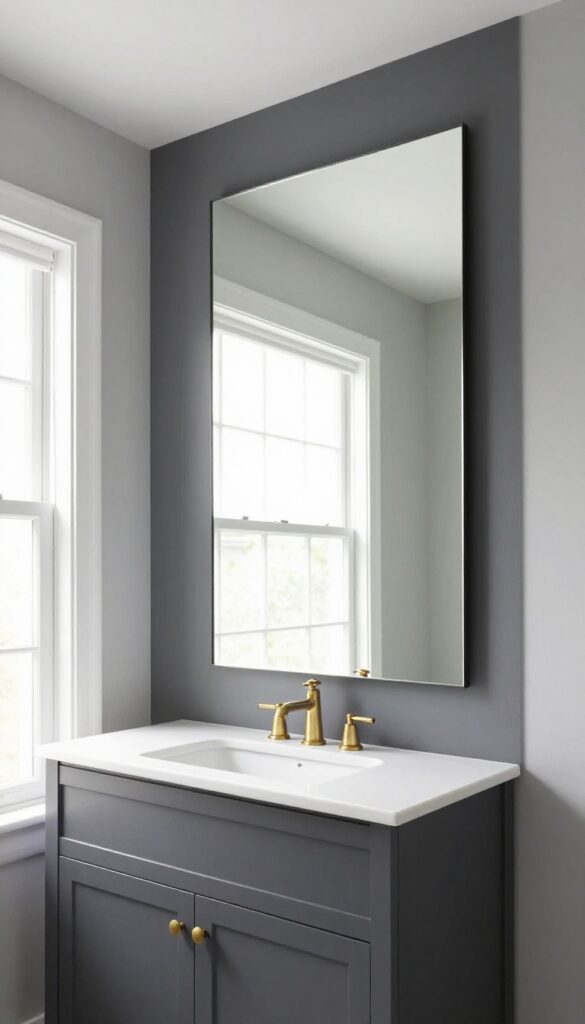
Bathrooms often lack a focal point. Everything blends together because fixtures, tiles, and walls share the same visual weight.
A dark gray accent wall behind the vanity fixes that instantly. It anchors the mirror and sink area while adding depth.
Why This Works
Darker tones draw attention naturally. Placing them behind the vanity creates a subtle visual center.
It also frames mirrors and lighting so those elements stand out more clearly.
How to Do It
- Paint the vanity wall charcoal or deep gray
- Keep surrounding walls lighter gray or white
- Install good lighting to prevent shadows
- Use a large mirror to reflect brightness
Style & Design Tips
Pair dark gray with brushed brass fixtures for a sophisticated contrast.
Avoid adding multiple accent walls in a small bathroom. One strong feature is enough.
Pro Tip or Budget Hack
Instead of paint, try peel-and-stick textured gray wallpaper for a quick transformation.
7. Gray Hexagon Floor Tiles
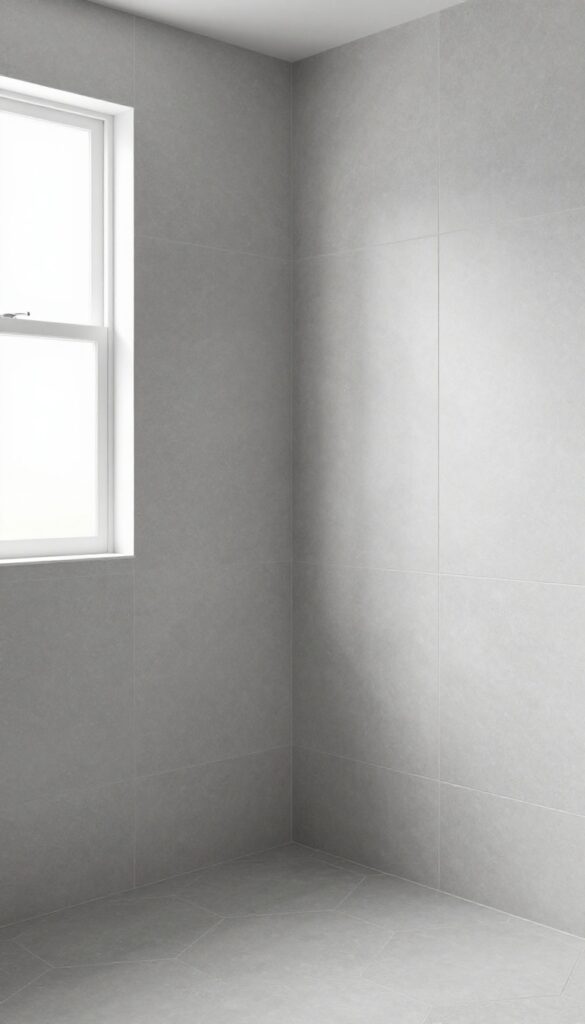
Bathroom floors take the most abuse, so durability matters as much as appearance. Hexagon tiles combine both.
Gray hexagon tiles bring subtle pattern while staying neutral. I’ve always liked how they add texture without overwhelming the room.
Why This Works
Small hexagon shapes create visual interest through pattern rather than color. Gray keeps that pattern calm instead of loud.
The matte surface also hides water spots and dust better than glossy floors.
How to Do It
- Choose matte gray hexagon floor tiles
- Use light grout for a softer pattern
- Extend tiles slightly into the shower area if possible
- Seal grout to prevent staining
Style & Design Tips
Pair hexagon floors with simple wall tiles to avoid pattern overload.
Avoid mixing too many geometric shapes in the same bathroom.
Pro Tip or Budget Hack
Porcelain hexagon tiles often cost less than natural stone but deliver nearly identical visual impact.
8. Layered Gray Towels and Textiles
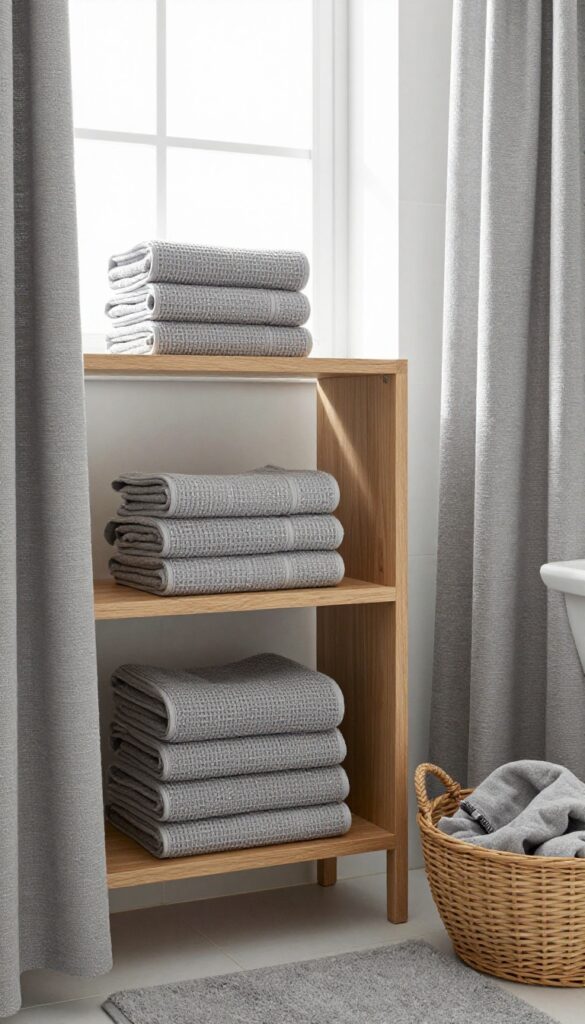
Hard surfaces dominate bathrooms, which sometimes makes the room feel sterile. Textiles soften everything instantly.
Using layered gray towels, bath mats, and shower curtains adds comfort while reinforcing the color palette.
Why This Works
Fabric introduces texture that tile and stone can’t provide. Different shades of gray keep the look cohesive.
It’s also one of the easiest ways to update a bathroom without renovation.
How to Do It
- Use two or three gray shades for towels
- Add a soft gray bath mat for contrast
- Choose a subtle patterned shower curtain
- Store extra towels in open baskets or shelves
Style & Design Tips
Mix textures like waffle weave, cotton, and linen.
Avoid perfectly matching everything. Slight shade variation makes the space feel more natural.
Pro Tip or Budget Hack
Buy hotel-style gray towels in bulk sets. They’re usually cheaper and surprisingly durable.
9. Gray Stone Shower Floor
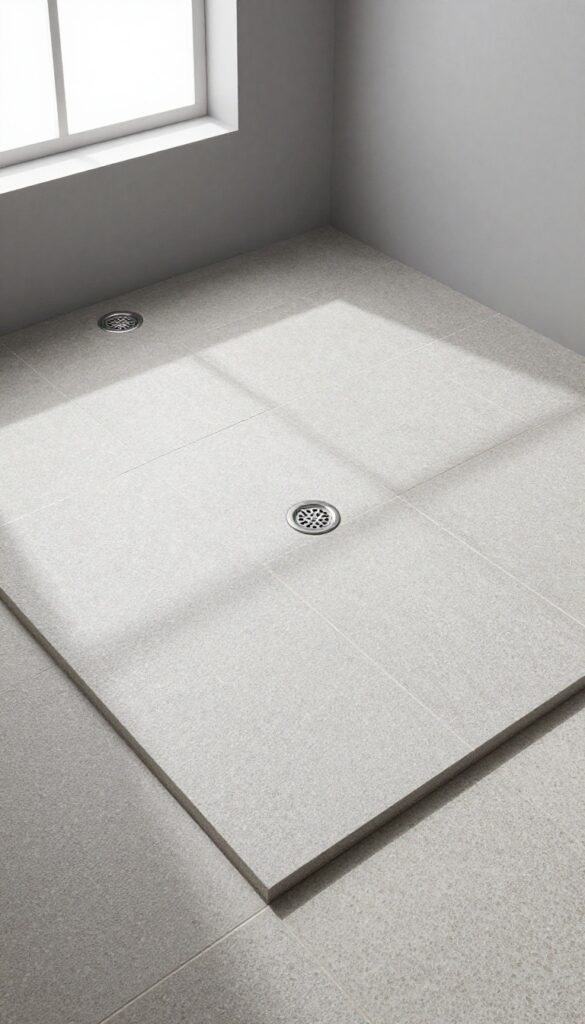
Slippery shower floors create both safety issues and visual blandness. Natural stone or stone-look tiles solve both problems.
A gray stone shower floor adds texture underfoot while grounding the rest of the bathroom design.
Why This Works
Small stone tiles create natural grip, making the floor safer when wet.
The irregular texture also adds depth without requiring bold colors.
How to Do It
- Choose pebble stone or textured gray tiles
- Install with epoxy grout for durability
- Slightly slope the floor toward the drain
- Seal natural stone surfaces properly
Style & Design Tips
Keep shower walls simple if the floor has strong texture.
Avoid large smooth tiles on shower floors since they can become slippery.
Pro Tip or Budget Hack
Pebble-style tile sheets are surprisingly affordable and install faster than individual stones.
Final Thoughts
Gray bathrooms succeed because they remove visual chaos without removing personality. The color sits quietly in the background while materials, textures, and shapes do the interesting work.
That’s why I keep coming back to gray whenever a bathroom needs a refresh. It’s flexible, forgiving, and almost impossible to make look outdated.
Pick one or two of these ideas and build from there. Bathrooms don’t need dramatic redesigns to feel calmer and cleaner.