9 Multi-Level Deck Ideas for Stunning Backyards
Outdoor spaces feel more functional when elevation changes create purpose instead of wasted square footage.
A single flat deck often forces everything into one crowded zone, which quickly turns relaxing areas into awkward multipurpose spaces. Breaking a deck into levels solves flow problems while making the backyard feel intentionally designed rather than randomly assembled.
Most people assume multi-level decks belong only in luxury homes, but smart layout choices matter far more than budget. I’ve seen small yards look twice as large simply by separating activities vertically instead of spreading everything sideways.
The right setup turns a backyard into a place people naturally move through instead of just sitting in one spot.
1. Dining Level Above Lounge Area
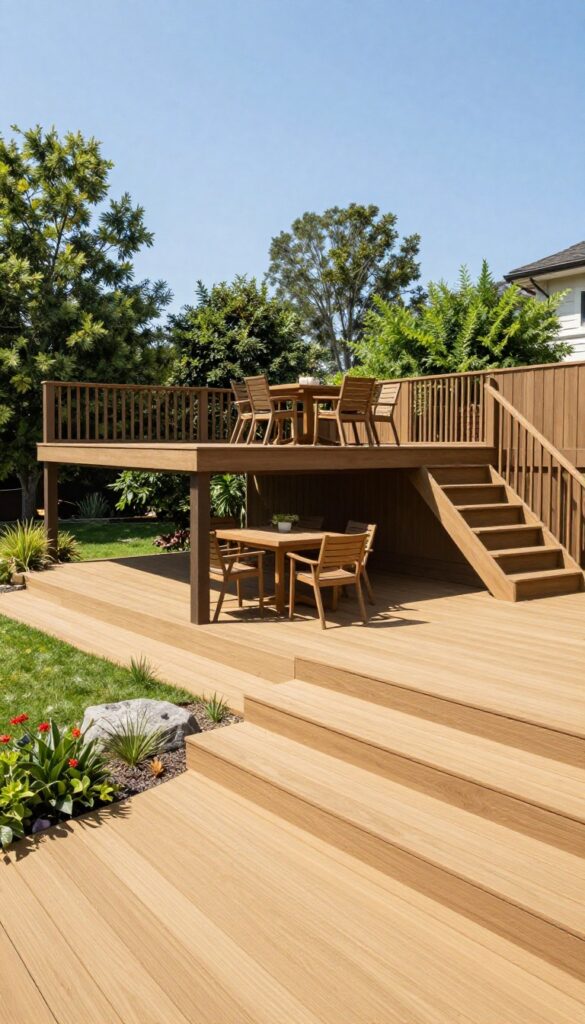
Trying to fit dining furniture and relaxation seating on one surface usually leads to constant rearranging. Chairs scrape, traffic paths cross, and someone always blocks the grill. Separating dining onto a slightly raised platform instantly fixes that chaos while giving each space a clear purpose.
I’ve noticed elevated dining areas feel more intentional because they visually frame meals as an experience instead of an afterthought. Even a step difference of 12–18 inches changes how people use the space. Guests naturally migrate between levels without needing direction.
Why This Works
Elevation subtly organizes behavior without adding walls or barriers. The raised dining level creates psychological separation while maintaining openness across the yard. It also improves sightlines, making outdoor meals feel connected to the entire backyard.
How to Do It
- Measure traffic flow first before choosing placement so walkways stay clear.
- Build the dining level closest to the house for easier food transport.
- Keep step height consistent to avoid awkward transitions.
- Use wide stairs instead of narrow steps to encourage movement between areas.
Each decision reduces friction, which matters more than decorative features.
Style & Design Tips
Choose durable flooring tones that hide food spills and chair movement marks. Composite decking in medium wood tones works better than very dark boards, which show dust constantly. Avoid overcrowding with oversized tables because breathing room makes the elevation difference shine.
Pro Tip or Budget Hack
Instead of custom railings, use built-in planter boxes along the edge for definition. They cost less than metal rails and double as décor without adding clutter.
2. Sunken Fire Pit Conversation Zone
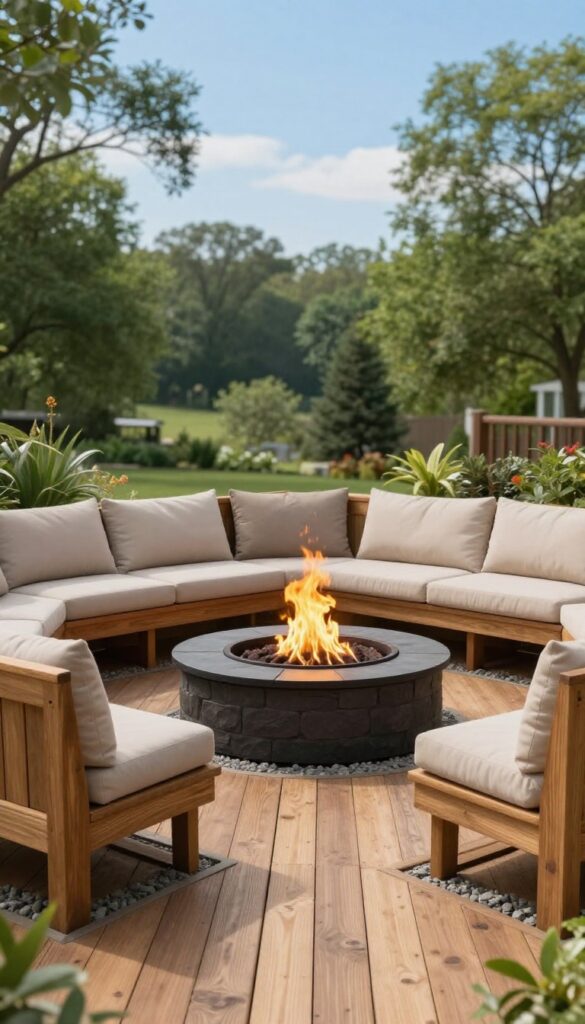
Flat decks struggle to create intimacy because everyone sits at the same visual height. Lowering a fire pit area creates an instant gathering zone that feels cozy without walls. The small drop naturally draws people inward, which I learned after trying a standard fire pit that nobody used for long.
A sunken level encourages longer conversations because seating surrounds the heat source more comfortably. It also protects flames slightly from wind, which makes practical sense beyond aesthetics.
Why This Works
Lowered spaces create enclosure through perspective rather than structure. People feel sheltered even in open air, which increases comfort during cooler evenings. The design also prevents furniture from drifting randomly across the deck.
How to Do It
- Plan drainage carefully before lowering any section.
- Keep the drop between 12–24 inches for safety and comfort.
- Use built-in bench seating to maximize space efficiency.
- Install heat-resistant materials around the fire feature.
Proper planning prevents costly fixes later.
Style & Design Tips
Contrast flooring textures between levels to highlight the transition visually. Stone accents or darker boards work well for the lower section because they anchor the space. Avoid placing tall furniture nearby since it breaks the cozy effect.
Pro Tip or Budget Hack
Use gravel beneath seating bases instead of full decking underneath benches. It reduces material costs while improving drainage at the same time.
3. Split-Level Deck for Sloped Yards
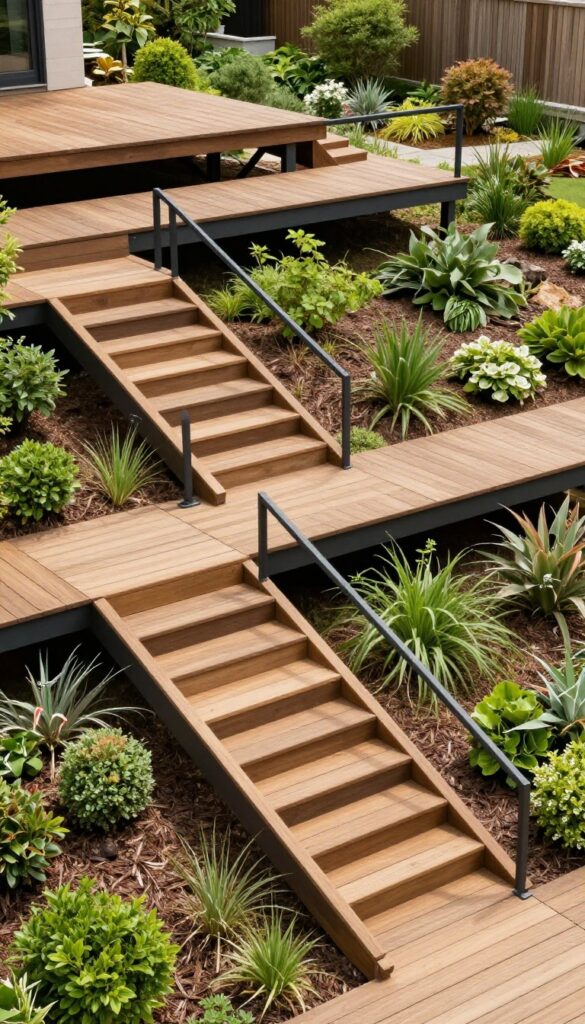
Sloped yards often frustrate homeowners because leveling the ground feels expensive and unnecessary. Multi-level decking actually turns that slope into an advantage instead of a problem. I always recommend working with the terrain rather than fighting it.
Each level can follow the natural grade, reducing excavation costs dramatically. The result looks intentional instead of forced, which surprisingly makes landscaping easier too.
Why This Works
Building along the slope minimizes structural stress and foundation work. Smaller platforms distribute weight more efficiently than one large raised deck. The layered look also adds depth, making the yard appear larger.
How to Do It
- Map the slope height changes before designing layouts.
- Create smaller connected platforms rather than one giant deck.
- Use staggered stairs that follow natural walking paths.
- Anchor posts securely at each level for stability.
Working step-by-step keeps construction manageable.
Style & Design Tips
Keep materials consistent across levels so the design feels unified. Matching deck boards with varied railing styles adds interest without visual clutter. Avoid mixing too many colors because elevation already provides enough contrast.
Pro Tip or Budget Hack
Reuse excavated soil to build garden beds along deck edges. This saves landscaping costs while blending the structure naturally into the yard.
4. Cooking Station Level with Grill and Prep Space
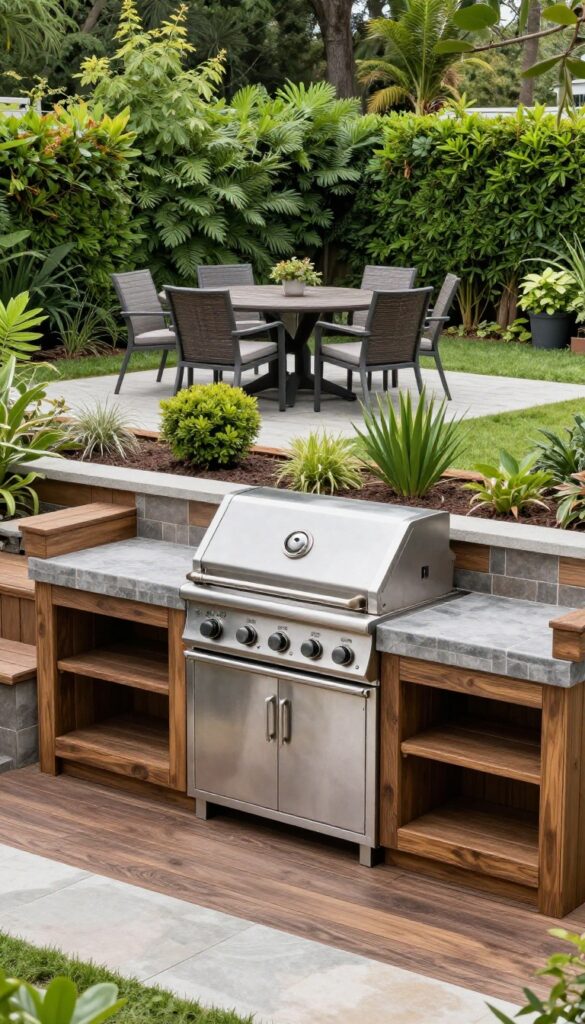
Outdoor cooking becomes frustrating when prep surfaces compete with seating areas. A dedicated cooking level keeps heat, smoke, and movement contained while making the chef feel part of the gathering. I learned this the hard way after hosting a barbecue where everyone crowded around one flat surface.
Separating the grill slightly below or beside the dining level improves safety and organization. It also keeps food prep mess out of relaxation zones.
Why This Works
Cooking requires movement, storage, and heat clearance. A separate level isolates functional chaos from social comfort areas. The layout mimics indoor kitchen zoning, which naturally improves efficiency.
How to Do It
- Position the cooking level near house access points.
- Include counter space at least 24 inches deep for prep.
- Add weather-resistant cabinets or storage benches.
- Install proper ventilation clearance around grills.
Function-first planning prevents regret later.
Style & Design Tips
Use darker decking or tile near cooking zones to hide stains. Stainless steel accents pair well with modern outdoor kitchens without feeling overly commercial. Avoid placing seating directly behind the grill area.
Pro Tip or Budget Hack
Concrete pavers under the grill cost less than full decking and handle heat better over time.
5. Poolside Multi-Level Relaxation Deck
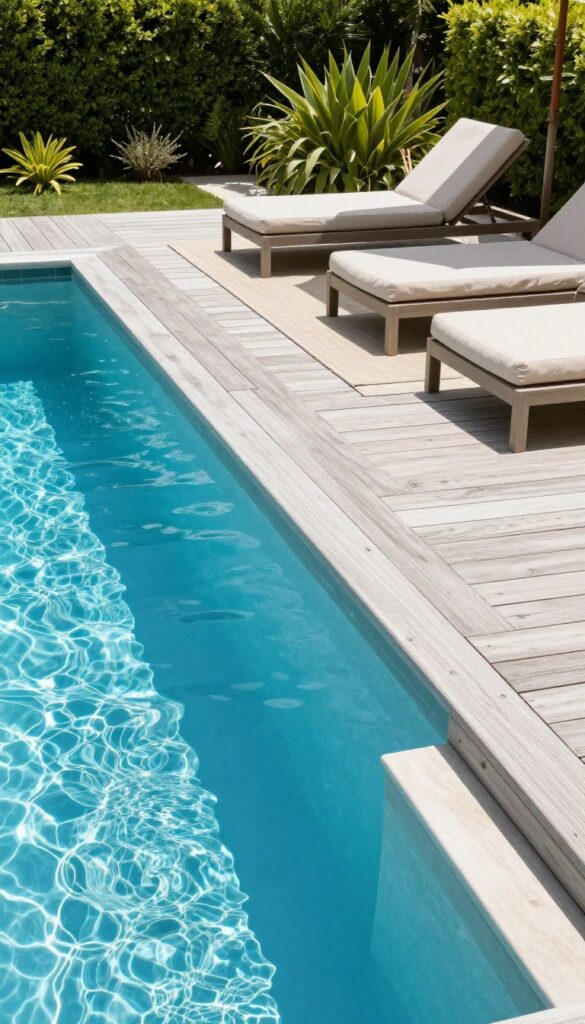
Pool decks often become slippery, crowded rectangles that feel more practical than relaxing. Adding a secondary lounging level creates separation between swimmers and sunbathers. It instantly reduces noise and splash zones.
I’ve noticed people naturally retreat to higher platforms when they want to dry off or relax quietly. That behavioral shift alone makes the design worthwhile.
Why This Works
Elevation manages moisture zones effectively. Wet traffic stays closer to the pool while dry seating remains comfortable above. It also improves safety by reducing congestion near pool edges.
How to Do It
- Keep the lower level flush with pool entry points.
- Raise lounge seating at least one step higher.
- Use slip-resistant materials near water areas.
- Include wide transitions for safe movement.
Safety and comfort should guide every measurement.
Style & Design Tips
Light-colored boards reflect heat better around pools. Neutral cushions with washable fabrics maintain a clean look without constant upkeep. Avoid glossy finishes that become dangerously slick.
Pro Tip or Budget Hack
Outdoor rugs designed for patios can define lounge areas without building additional structures.
6. Garden-Integrated Tiered Deck
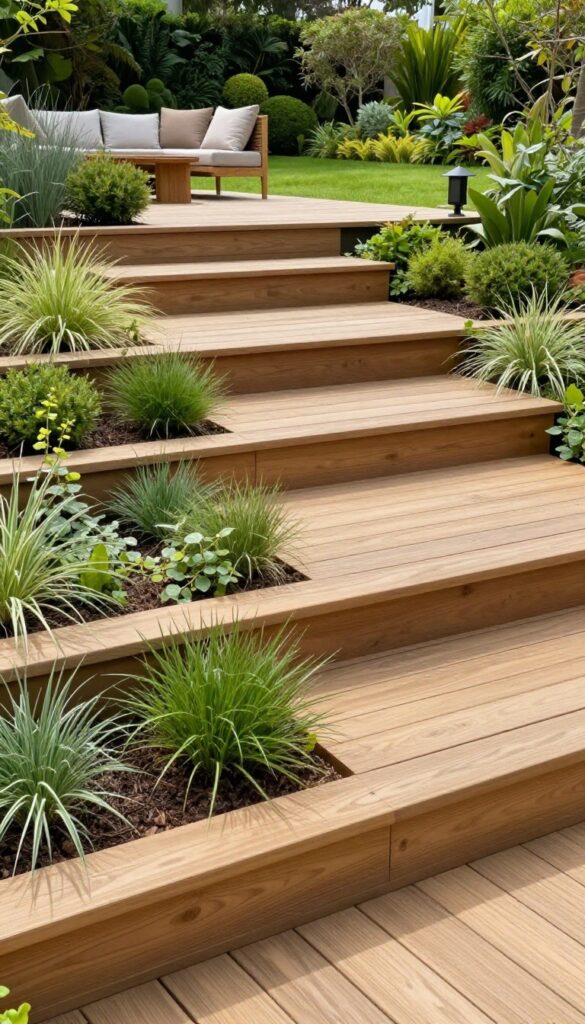
Decks sometimes feel disconnected from landscaping, almost like furniture dropped onto grass. Integrating garden beds between levels softens that separation beautifully. Plants act as natural transitions instead of harsh structural edges.
I love this approach because greenery makes decks feel established instantly, even when newly built. It also gives gardening lovers an excuse to blend hobbies with outdoor living.
Why This Works
Plants break up hard surfaces and reduce visual heaviness. Layered greenery enhances depth perception, making small spaces appear fuller. The combination balances structure with nature naturally.
How to Do It
- Leave planting gaps between deck tiers during planning.
- Install proper soil barriers to protect wood framing.
- Choose low-maintenance plants suited to sunlight levels.
- Add irrigation lines before finishing construction.
Planning early prevents messy retrofits later.
Style & Design Tips
Mix heights using shrubs, grasses, and trailing plants. Greenery should frame spaces, not block views, so avoid overly tall species near seating. Consistent planter materials help unify the design.
Pro Tip or Budget Hack
Grow herbs instead of decorative plants near dining levels. They look great and actually get used, which feels oddly satisfying.
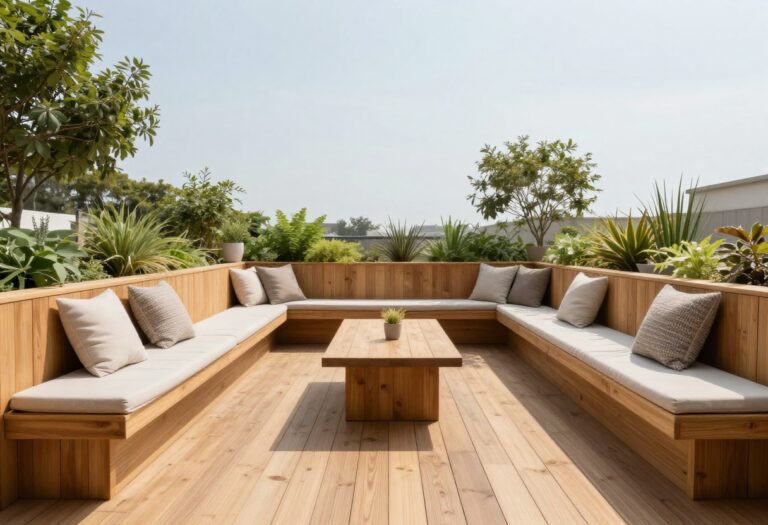
7. Private Upper Deck Retreat
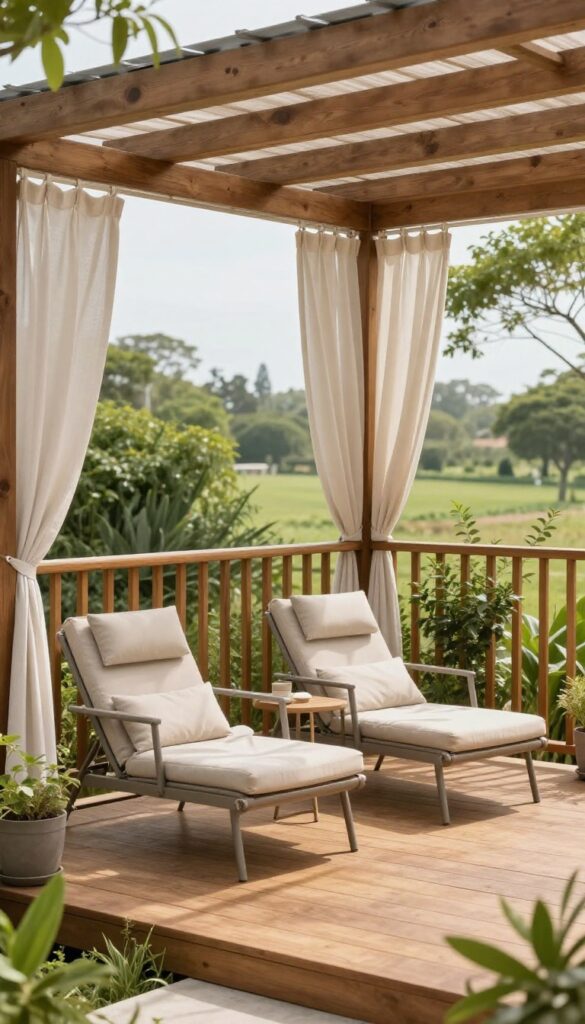
Sometimes the backyard needs a quiet escape separate from social zones. Adding a small upper-level retreat creates a personal corner for reading or relaxing away from activity. Even families appreciate having one peaceful spot.
I added a raised seating nook once for a friend’s project, and it became the most-used area surprisingly fast. People naturally gravitate toward slightly secluded spaces.
Why This Works
Height increases privacy without requiring fences or walls. Elevated seating improves views while reducing noise perception. The separation encourages slower, calmer use of the space.
How to Do It
- Position the retreat away from main traffic paths.
- Use partial railings or screens for subtle enclosure.
- Add comfortable weather-resistant seating.
- Include shade options like pergolas or umbrellas.
Comfort determines whether the space actually gets used.
Style & Design Tips
Soft textures make elevated areas feel inviting rather than exposed. Neutral cushions with layered throws create warmth without clutter. Avoid bulky furniture that overwhelms smaller platforms.
Pro Tip or Budget Hack
Outdoor curtains attached to simple rods provide privacy at a fraction of custom screen costs.
8. Entertainment Stage and Seating Levels
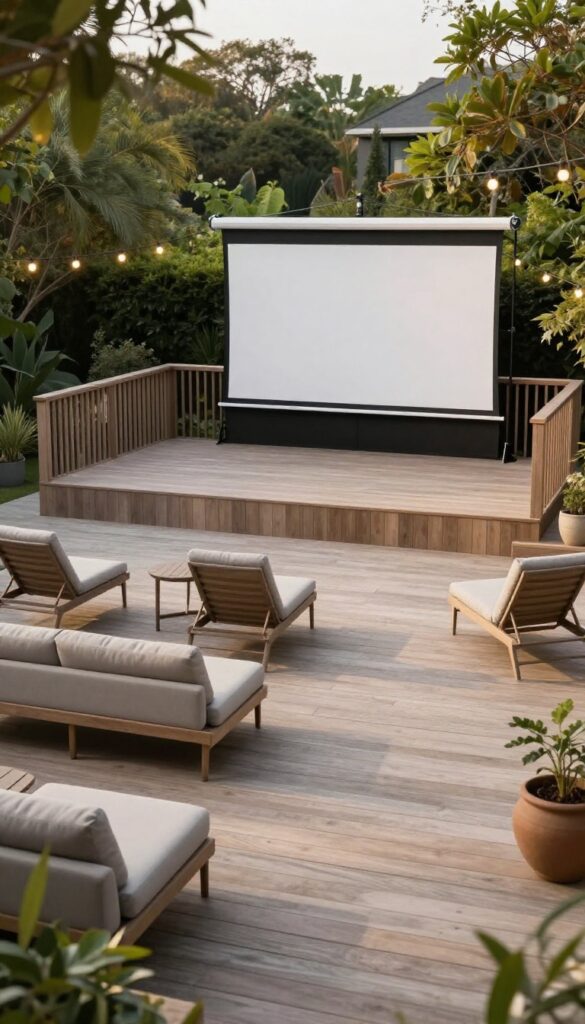
Hosting outdoors becomes easier when seating naturally faces a focal point. A small raised stage area works for movie nights, music setups, or even casual gatherings. It sounds fancy, but the concept is surprisingly practical.
I once helped set up a projector night using a slightly elevated deck section, and suddenly everyone had a clear view without constant chair adjustments. The structure did the organizing automatically.
Why This Works
Elevation directs attention and improves visibility. Guests instinctively orient seating toward higher focal points. The design also prevents overcrowding because seating spreads across levels.
How to Do It
- Create a modest platform 6–12 inches higher than seating.
- Install outdoor electrical access safely.
- Leave open floor space for flexible use.
- Use durable finishes that handle foot traffic.
Simple planning allows multiple uses beyond entertainment.
Style & Design Tips
Keep the stage visually simple so decorations remain flexible. Neutral decking tones allow seasonal styling without clashes. Avoid permanent fixtures that limit versatility.
Pro Tip or Budget Hack
A retractable projector screen mounted to a railing saves space and removes the need for permanent installations.
9. Wraparound Multi-Level Deck with Zoned Spaces
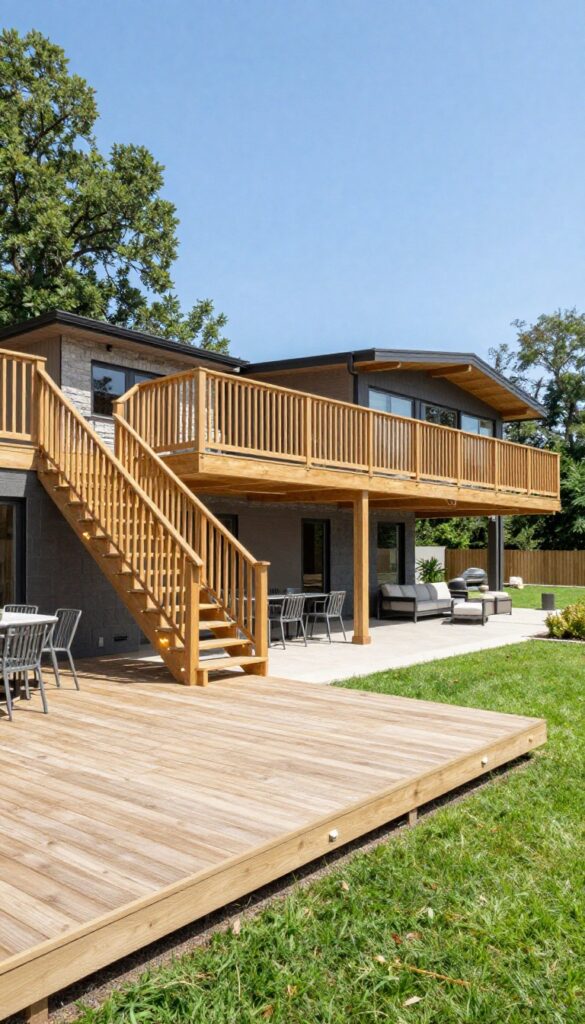
Large backyards sometimes feel empty despite having plenty of room. A wraparound multi-level deck divides space into purposeful zones without fencing everything off. Movement feels natural because pathways connect areas seamlessly.
This layout works especially well for families who entertain often. Different groups can relax, dine, or play simultaneously without stepping on each other’s space.
Why This Works
Continuous flow encourages exploration while maintaining organization. Multiple levels visually guide movement without signage or barriers. The design makes outdoor areas feel like extensions of indoor rooms.
How to Do It
- Plan zones first before drawing deck shapes.
- Connect levels with wide, gentle stair transitions.
- Maintain consistent railing design throughout.
- Add lighting along pathways for safety.
Clear planning keeps large builds from feeling overwhelming.
Style & Design Tips
Use repeating materials to unify the entire structure. Consistent color palettes prevent the deck from looking fragmented. Avoid overdecorating every zone because open space improves balance.
Pro Tip or Budget Hack
Install solar stair lights instead of wired lighting to reduce installation costs significantly.
Final Thoughts
Multi-level decks succeed because they organize outdoor living naturally instead of forcing one space to do everything. Small elevation changes quietly solve problems related to flow, comfort, and usability without requiring massive budgets. Thoughtful planning matters far more than square footage or expensive materials.
The best backyard layouts evolve through experimentation, so don’t stress about perfection from the start. Try one level change, observe how people use it, and adjust from there. Honestly, the most memorable outdoor spaces aren’t the biggest ones; they’re the ones that simply feel easy to live in.