10 Creative Deck Skirting Ideas to Try
Deck skirting determines whether an outdoor space feels finished or forgotten. Leaving the underside exposed can make even a well-built deck look incomplete, and it also invites clutter, critters, and moisture issues.
A smart skirting solution solves those problems while adding serious visual polish.
Plenty of people spend money on new railings or furniture but ignore the base completely. That’s backward, in my opinion.
The lower half anchors the whole structure, and when it looks intentional, everything above it instantly feels more expensive.
1. Classic Horizontal Wood Slat Skirting
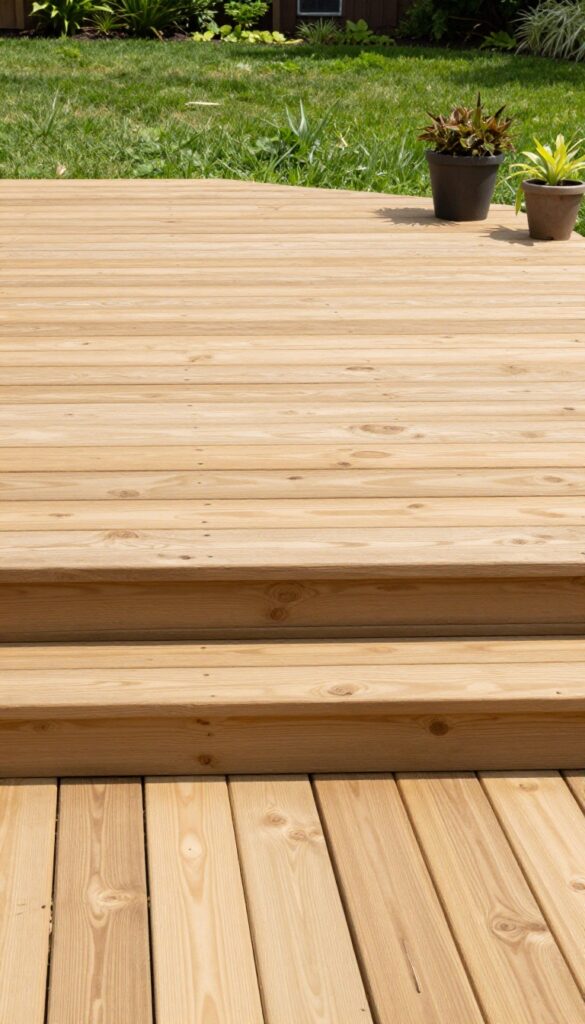
An open deck often exposes support posts, beams, and whatever random storage gets shoved underneath. That visual chaos pulls attention downward in the worst way. Horizontal wood slats create a clean, modern barrier without completely blocking airflow.
I’ve used this style on a friend’s backyard project, and the transformation felt immediate. Instead of seeing concrete blocks and garden tools, you notice smooth lines that mirror the deck boards above. It ties the entire structure together.
Why This Works
Horizontal lines naturally widen the visual footprint of a deck. They make the structure feel grounded and intentional rather than perched on stilts.
The spacing between slats allows ventilation, which prevents moisture buildup and helps avoid that musty under-deck smell nobody wants. It balances form and function.
How to Do It
- Measure the full perimeter carefully before cutting any boards to avoid uneven seams.
- Use pressure-treated lumber or cedar to resist moisture and insects.
- Install vertical support battens first so the horizontal slats stay evenly spaced.
- Leave small gaps between boards for airflow and expansion.
Each step matters because uneven spacing or untreated wood will quickly make the project look amateur.
Style & Design Tips
Match the slat color to your deck boards for a seamless look, or paint them a contrasting dark shade for drama. Consistent spacing is what makes this design look high-end, so use spacers during installation.
Avoid overly wide gaps unless you want to see what’s underneath. Keep it clean and deliberate.
Pro Tip or Budget Hack
If hardwood feels expensive, use pressure-treated pine and stain it to mimic cedar. The stain does most of the visual heavy lifting, and the savings can go toward better deck furniture.
2. Vertical Board and Batten Skirting
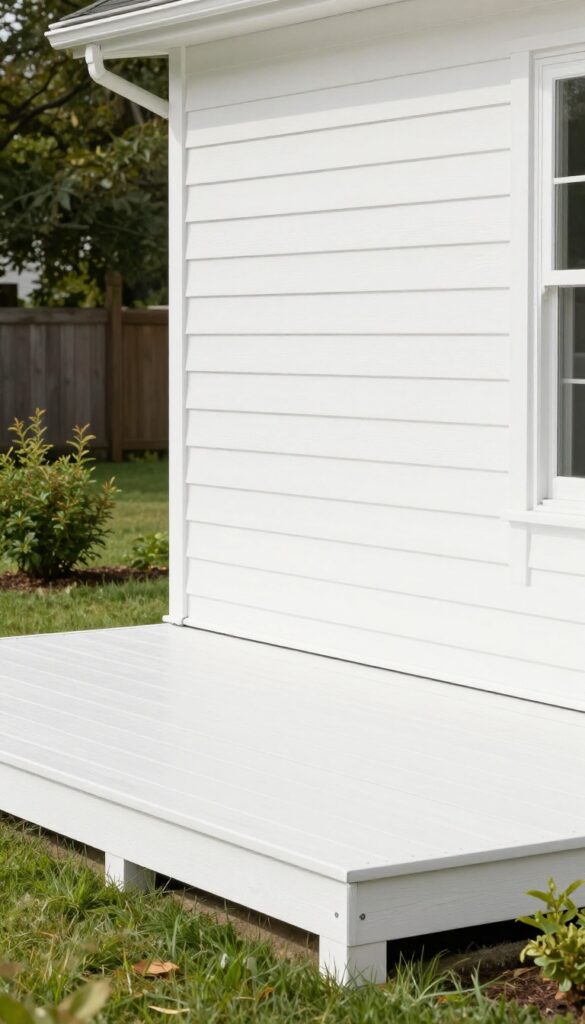
Sometimes the underside of a deck feels too open, especially in smaller yards where every detail shows. Vertical board and batten skirting adds structure and subtle farmhouse character. It gives the base weight and presence.
I tried this style on a narrow side deck, and it instantly looked more architectural. The vertical rhythm felt tailored rather than improvised.
Why This Works
Vertical lines draw the eye upward, which makes shorter decks appear taller. That’s a smart trick if your deck sits low to the ground.
The alternating wide boards and narrow battens hide seams and imperfections, so even beginner-level carpentry can look polished.
How to Do It
- Install a solid plywood or exterior-grade backing as a base layer.
- Attach wide vertical boards evenly across the surface.
- Cover the seams with narrow battens for depth and detail.
- Seal or paint everything thoroughly to protect from moisture.
Skipping the sealing step leads to warping later, so don’t rush that part.
Style & Design Tips
Paint works beautifully here, especially muted greens, navy, or crisp white. Matte finishes often look more refined than glossy ones.
Avoid mixing too many decorative trims. The charm lies in simplicity.
Pro Tip or Budget Hack
Use primed MDF only if the area stays dry. Otherwise, stick to exterior plywood and save money by doing the painting yourself instead of ordering pre-finished boards.
3. Lattice Panels with Framed Borders
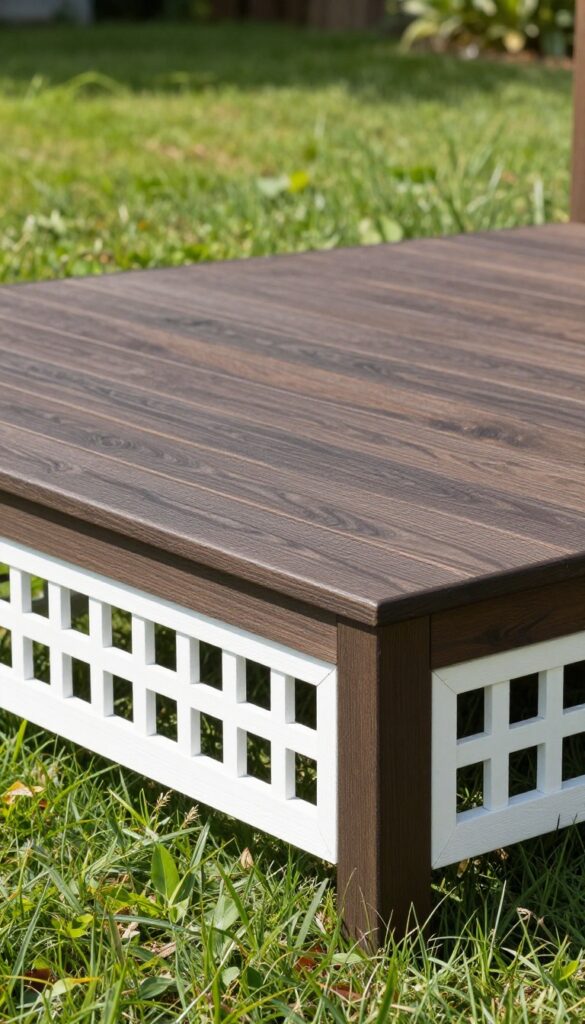
Standard lattice often feels dated, but framed lattice panels look intentional and tidy. The key is adding a structured border around each section. Without the frame, it can feel like an afterthought.
I used to dislike lattice entirely until I saw it installed properly. When framed and painted, it suddenly looked classic rather than cheap.
Why This Works
Lattice allows maximum airflow while still concealing the mess underneath. It also discourages animals from nesting when installed securely.
The crisscross pattern adds texture without overwhelming the space. It creates visual interest in an otherwise flat area.
How to Do It
- Build rectangular frames from 2×4 lumber.
- Insert pre-cut lattice panels inside each frame.
- Secure panels tightly to prevent sagging.
- Paint or stain before installation for easier coverage.
Painting beforehand saves you from awkward brush angles later.
Style & Design Tips
White lattice against a darker deck feels timeless. Thicker frames elevate the look instantly.
Avoid thin plastic lattice unless budget leaves no choice. Wood tends to look more authentic.
Pro Tip or Budget Hack
Buy large lattice sheets and cut them yourself instead of purchasing pre-sized panels. It reduces cost and gives you full control over measurements.
4. Stone Veneer Skirting
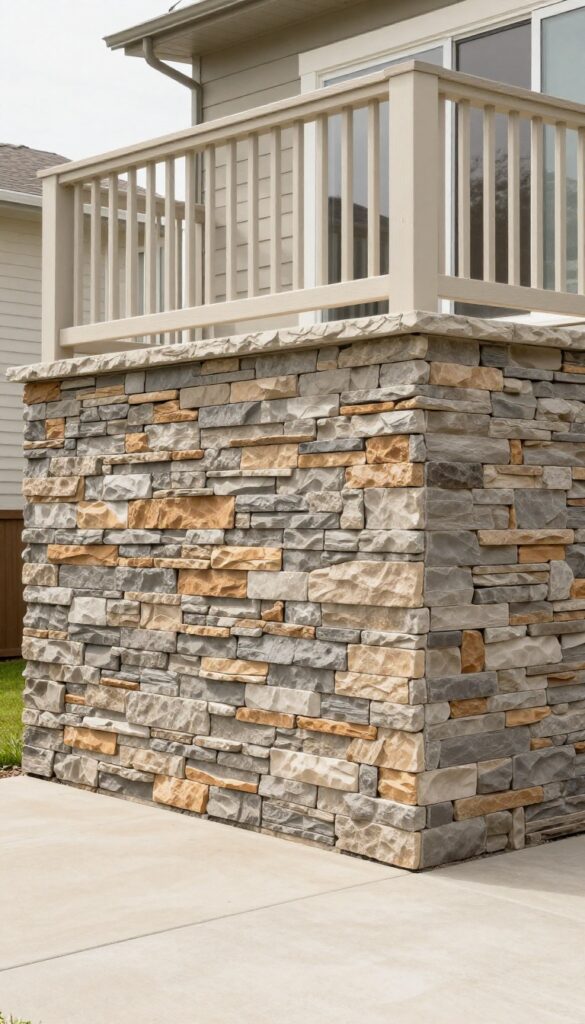
Exposed deck supports can make a space feel unfinished, especially on sloped yards. Stone veneer skirting brings serious presence. It makes the deck feel like a permanent extension of the house.
I once helped a neighbor install faux stone panels, and honestly, it changed the entire vibe. The deck suddenly looked custom-built.
Why This Works
Stone visually anchors the structure and adds texture. It also hides imperfections and withstands weather beautifully.
The weighty look contrasts nicely with lighter deck railings. That contrast creates balance.
How to Do It
- Attach cement board to the deck’s lower framing.
- Apply adhesive specifically designed for stone veneer.
- Press panels firmly into place.
- Seal edges and corners carefully.
Strong adhesion prevents panels from shifting over time.
Style & Design Tips
Choose tones that complement your home’s exterior. Neutral grays and warm browns tend to blend best.
Avoid mixing too many stone colors unless you want a rustic effect.
Pro Tip or Budget Hack
Faux stone panels cost less and install faster than real stone. Most guests won’t notice the difference unless they tap it.
5. Corrugated Metal Skirting
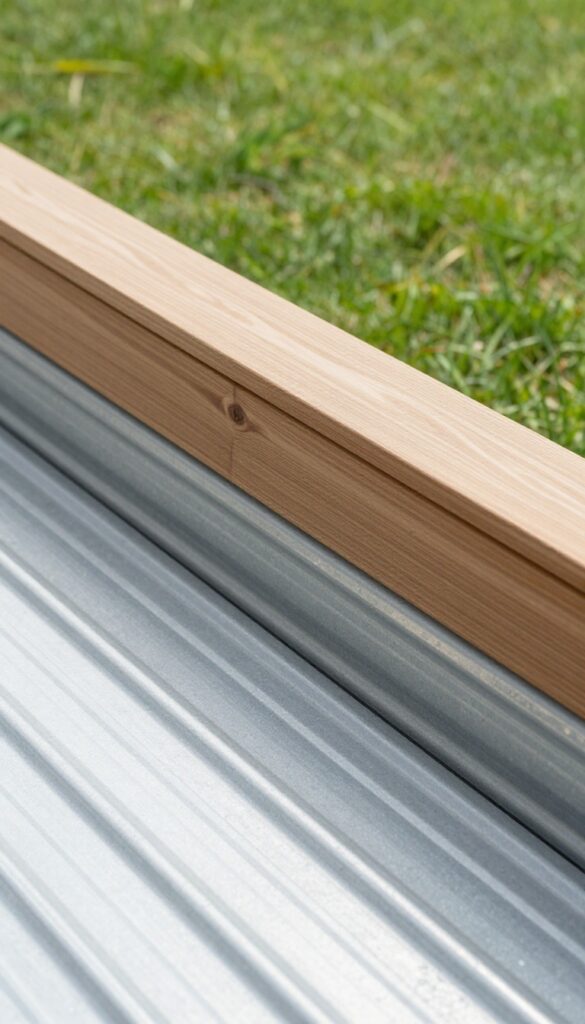
Wood isn’t always the answer, especially if you want a slightly industrial feel. Corrugated metal panels offer durability and bold texture. They stand up well to rain and humidity.
I was skeptical at first, but after seeing it paired with wood trim, I changed my mind. It feels modern without being cold.
Why This Works
Metal resists rot and pests better than untreated wood. It also reflects light subtly, which can brighten darker areas.
The ridged texture adds dimension without adding bulk.
How to Do It
- Frame the skirting area with treated lumber.
- Cut metal sheets to size using appropriate tools.
- Secure with exterior-grade screws and washers.
- Add trim boards around edges for a finished look.
Trim makes the difference between rugged and messy.
Style & Design Tips
Pair galvanized metal with stained wood for balance. Black-painted trim gives a sleek, contemporary edge.
Avoid leaving sharp edges exposed for safety reasons.
Pro Tip or Budget Hack
Check local salvage yards for leftover metal sheets. They often sell usable pieces at a fraction of retail cost.
6. Decorative Screen Panels
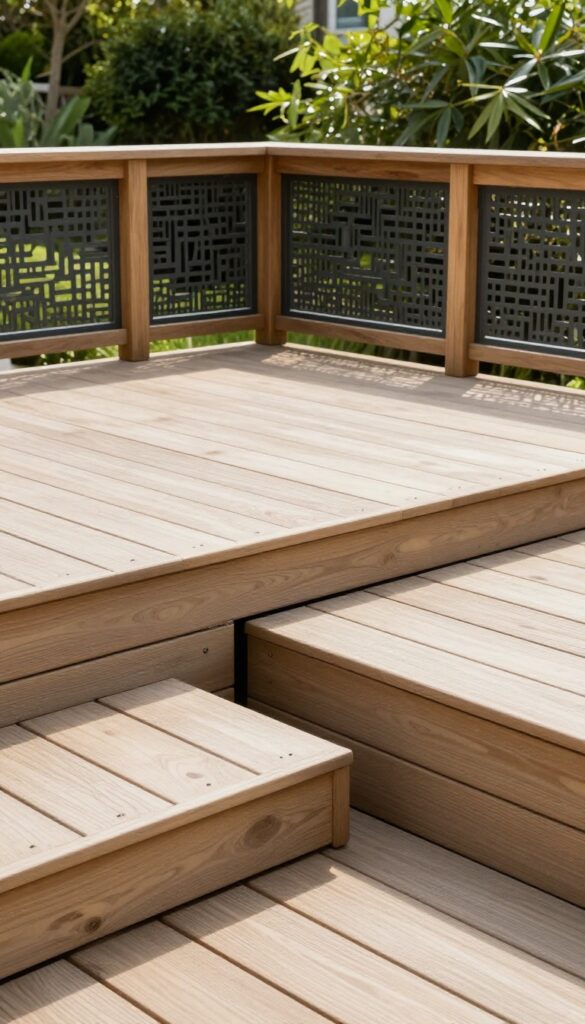
Basic skirting sometimes feels boring. Decorative laser-cut screen panels offer pattern and personality. They turn a functional area into a design feature.
I saw this on a patio renovation and couldn’t stop staring at it. It felt custom without requiring major construction.
Why This Works
Intricate patterns add visual movement. They also provide airflow while maintaining privacy.
The panels act almost like outdoor artwork.
How to Do It
- Measure each section precisely.
- Attach panels to a sturdy wood or metal frame.
- Secure firmly to avoid rattling.
- Finish with weather-resistant paint if needed.
Accurate measuring prevents frustrating gaps.
Style & Design Tips
Choose patterns that match your home’s vibe. Geometric designs feel modern, while floral patterns lean traditional.
Avoid overcrowding the design with too many patterns nearby.
Pro Tip or Budget Hack
Look for composite or PVC panels for lower maintenance. They cost more upfront but save on repainting later.
7. Hinged Access Door Panels
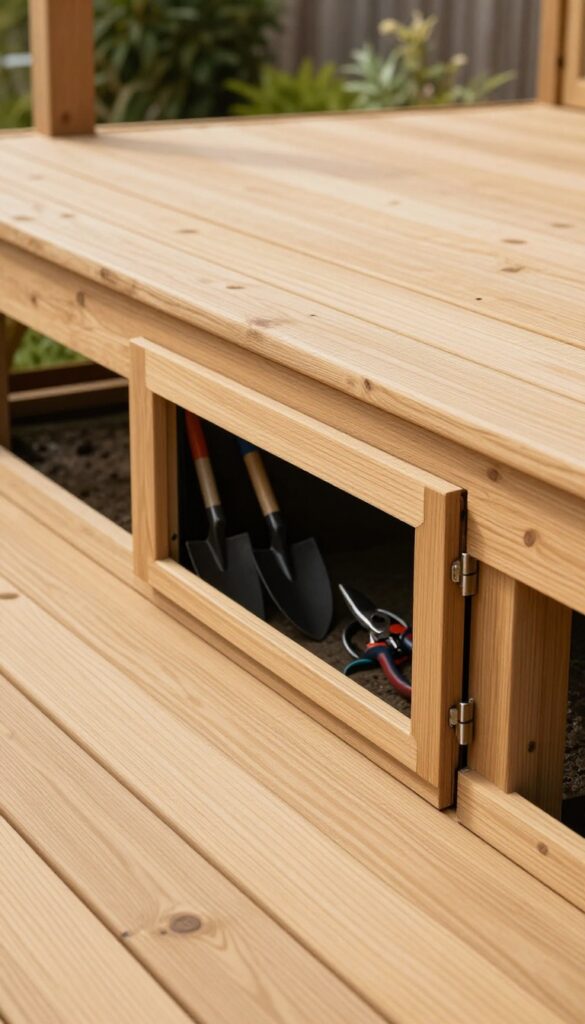
Completely sealing off the underside of a deck can create storage headaches. Hinged skirting panels solve that issue. They hide the space but keep it accessible.
I learned this the hard way after storing tools under a fully enclosed deck. Crawling under there was not fun.
Why This Works
Hidden hinges allow quick access for maintenance or storage. It keeps the space functional without sacrificing appearance.
Accessibility prevents future frustration.
How to Do It
- Build a framed section where you want access.
- Attach heavy-duty outdoor hinges.
- Install a subtle latch system.
- Test movement before finishing.
Testing ensures smooth operation over time.
Style & Design Tips
Blend the door seams with the rest of the skirting. Concealed hardware looks cleaner.
Avoid placing the door where water collects.
Pro Tip or Budget Hack
Use leftover deck boards for the door panel so the texture matches perfectly.
8. Brick Skirting
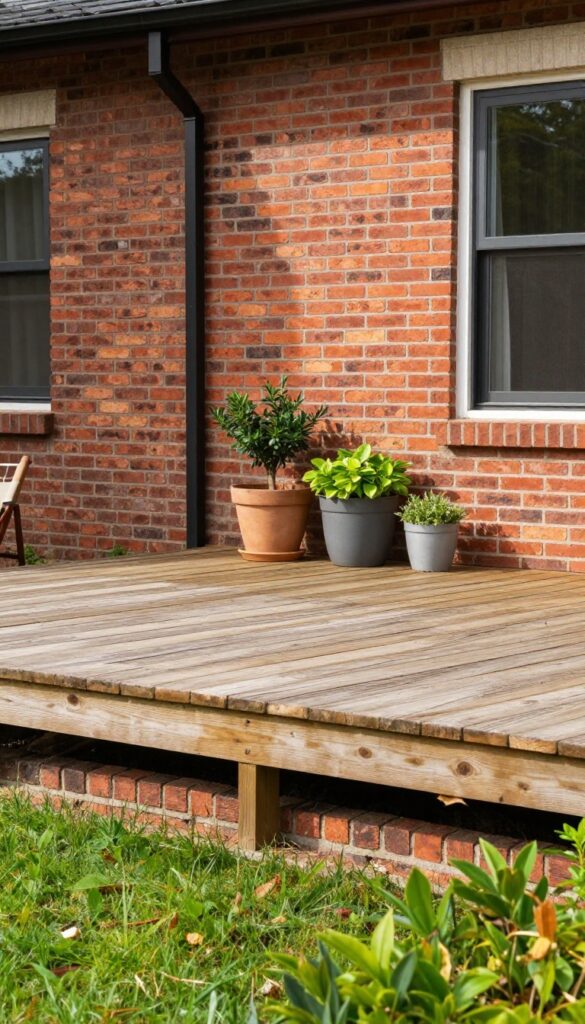
Wood decks sometimes look too lightweight against brick homes. Brick skirting bridges that gap. It creates cohesion between house and deck.
I’ve seen this approach elevate basic decks dramatically. It makes everything feel solid.
Why This Works
Brick adds durability and classic appeal. It withstands harsh weather better than many alternatives.
The texture complements traditional exteriors beautifully.
How to Do It
- Build a concrete footing if needed.
- Lay bricks evenly with mortar.
- Check alignment frequently.
- Seal the surface once cured.
Proper alignment prevents a wavy look.
Style & Design Tips
Match brick tone to your home’s facade. Consistent mortar color matters more than people think.
Avoid mixing brick styles unless you want a reclaimed aesthetic.
Pro Tip or Budget Hack
Brick veneer offers the same look with less weight and cost.
9. Painted Plywood Panels
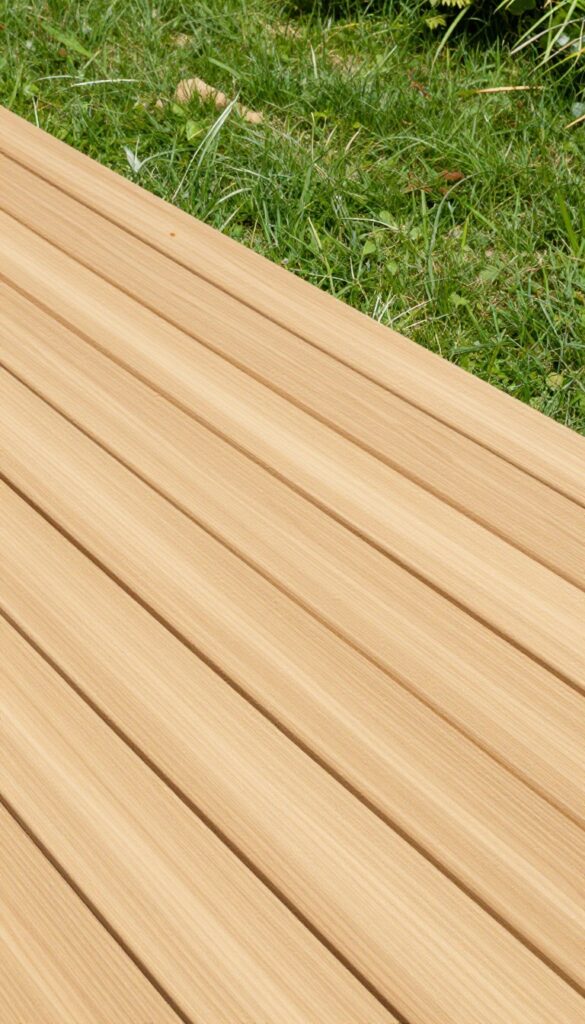
Sometimes simplicity wins. Smooth plywood panels painted to match the deck create a seamless finish. It’s straightforward and clean.
I’ve used this option for quick upgrades when budgets were tight. It works surprisingly well.
Why This Works
Flat panels keep the focus on furniture and landscaping. They minimize visual clutter.
Paint protects the wood while unifying the design.
How to Do It
- Cut exterior-grade plywood to fit each section.
- Sand edges for a smooth finish.
- Prime thoroughly.
- Apply at least two coats of exterior paint.
Priming prevents peeling later.
Style & Design Tips
Choose a darker shade to hide dirt. Satin finishes hold up well outdoors.
Avoid skipping edge sealing.
Pro Tip or Budget Hack
Use leftover house paint if it complements the deck.
10. Planter Box Skirting
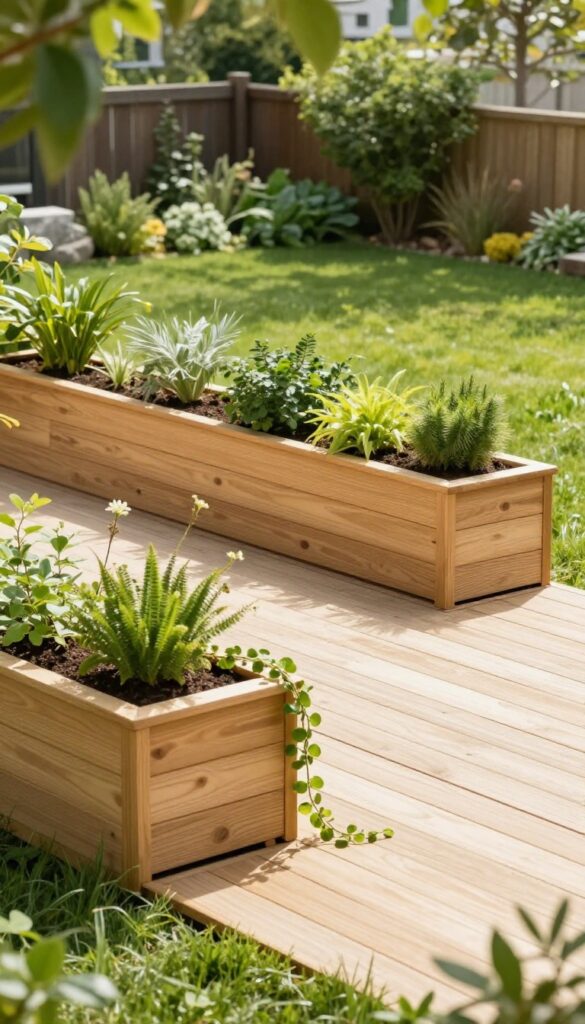
Sometimes the best way to hide something is to distract from it entirely. Built-in planter boxes along the deck’s base double as skirting. They add greenery and structure.
I love this idea because it feels alive. Plants soften hard edges instantly.
Why This Works
Planters conceal gaps while adding color and texture. They also improve curb appeal.
The layered look makes the deck feel integrated into the yard.
How to Do It
- Build rectangular planter boxes along the perimeter.
- Line interiors with landscape fabric.
- Add proper drainage holes.
- Fill with soil and plants suited to your climate.
Drainage prevents root rot and deck damage.
Style & Design Tips
Mix trailing plants with upright varieties. Varying heights create visual depth.
Avoid overcrowding plants.
Pro Tip or Budget Hack
Use inexpensive composite boards for planters to reduce maintenance long term.
Final Thoughts
Deck skirting shapes how the entire outdoor space feels. When the base looks intentional, everything above it benefits.
Pick a style that fits your home and budget, then commit to doing it well. The difference between average and impressive usually comes down to detail, and honestly, that’s the fun part.