8 Kivik Sofa Living Room Ideas That Feel Relaxed
A Kivik sofa is basically the definition of “good enough to nap on, but still looks put together.” It’s one of those couches that doesn’t try too hard, and honestly, that’s why people love it.
The only problem is that because it’s so common, a lot of Kivik living rooms end up looking a little… copy-paste.
And if you’re anything like me, you want relaxed, not boring. You want cozy, not cluttered. So let’s talk about how to style a Kivik sofa in a way that feels effortless, personal, and actually livable.
1. Build a Calm Neutral Base With Texture Layers
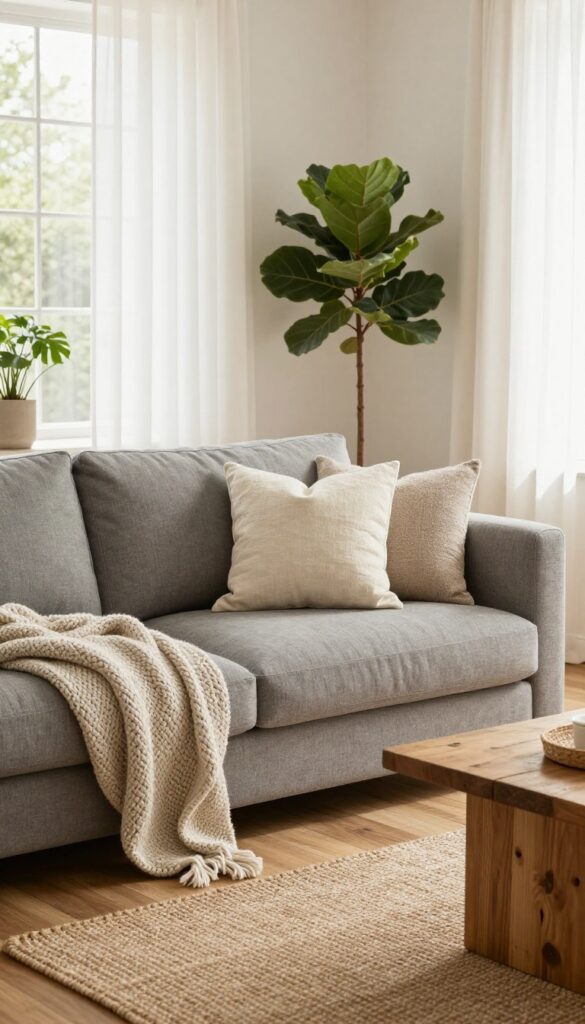
The biggest issue people run into with a Kivik sofa is that they style it like it’s a showroom couch. They keep everything beige, safe, and matching… and then wonder why the room feels flat.
The fix isn’t adding loud colors, it’s adding texture so the room feels warm without looking busy.
A Kivik sofa already has that soft, boxy, grounded vibe, so it’s perfect for a relaxed neutral living room. But you need layers to make it feel intentional.
I’ve tried the “all-white everything” look before, and I’m telling you right now, it looks amazing for about three hours until real life hits it.
The key is mixing soft textures with rough textures so your living room feels cozy without feeling like a bland furniture catalog. You want it to look like someone lives there, but also like someone with taste lives there.
Why This Works
Neutral rooms feel relaxed because your eyes don’t bounce around too much. Instead of fighting for attention, everything blends together smoothly, which automatically feels calmer.
The texture keeps it from feeling boring, because your brain still sees variety.
The Kivik sofa is naturally a “background” piece, which is actually a good thing. It lets the rest of the room shine without needing constant styling tricks.
When you add texture around it, the sofa becomes the anchor instead of the whole personality.
How to Do It
- Choose a neutral color palette like cream, warm gray, taupe, or greige
- Add at least three different textures (linen, boucle, wool, leather, jute, wood)
- Layer pillows in different fabrics instead of different colors
- Add a chunky knit throw and casually drape it instead of folding it neatly
- Use a textured rug like jute, wool, or a low-pile patterned neutral
Style & Design Tips
Go for pillows that feel slightly imperfect, like washed linen or nubby boucle. Avoid shiny fabrics because they look formal, and formal is the enemy of relaxed. If you want the space to feel calm but elevated, stick to warm neutrals, not icy grays.
One common mistake is choosing everything in the exact same beige tone. That makes the room look like a sandstorm. Mix light, medium, and dark neutrals so there’s some depth.
Pro Tip or Budget Hack
Instead of buying expensive designer pillows, buy pillow covers and swap them seasonally. You can get a high-end look for cheap, and you won’t feel guilty when your throw blanket gets destroyed by snacks, pets, or life.
2. Add a Large Cozy Rug That Frames the Sofa Properly
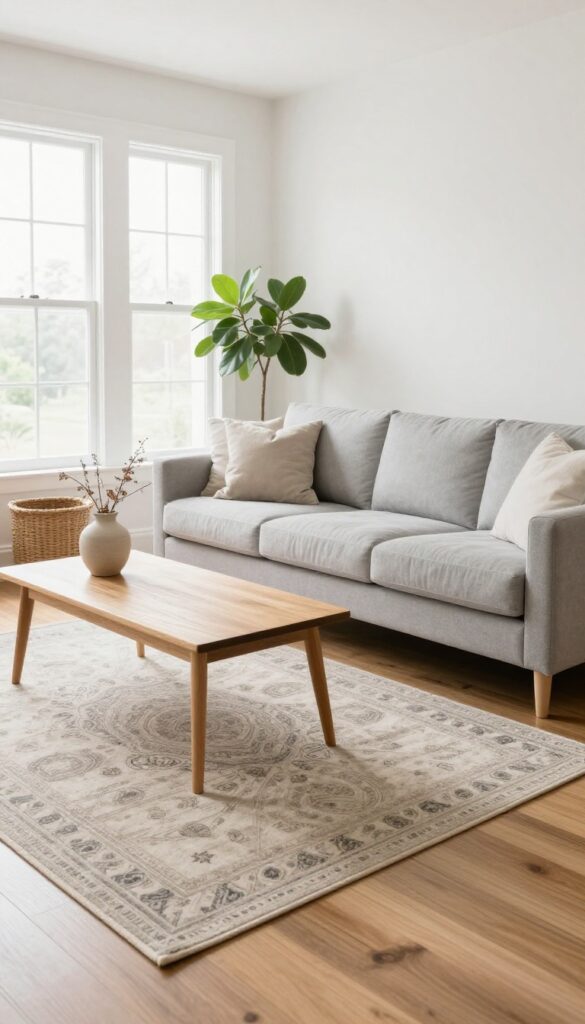
If your Kivik sofa is floating on a tiny rug, the whole room will feel awkward. I don’t care how pretty your decor is, the rug situation can ruin everything. Most living rooms feel “off” because the rug is too small, not because the sofa is wrong.
The Kivik is a chunky sofa, and it needs a rug that matches its presence. A relaxed living room should feel grounded, like everything belongs together. A too-small rug makes it feel like the sofa is sitting on a decorative napkin.
When you get the rug size right, the entire room instantly looks more expensive. It’s honestly one of the easiest upgrades you can make, and it doesn’t require redecorating everything else.
Why This Works
A properly sized rug visually connects your sofa, coffee table, and accent chairs. It creates a “zone,” which makes the space feel organized even if you have some clutter. And organization is basically half of what makes a room feel relaxed.
The Kivik’s boxy shape looks best when it sits on something that softens the edges. A rug adds softness and makes the room feel warmer, especially if you have hardwood or tile floors.
How to Do It
- Choose a rug big enough for the front legs of the sofa to sit on it
- If possible, make sure the rug extends 8–12 inches past each side of the sofa
- Place the coffee table fully on the rug for a cohesive look
- Use a rug pad so it feels plush and doesn’t slide
- Pick low-pile rugs if you have pets or kids
Style & Design Tips
For a relaxed vibe, go for rugs with subtle patterns like faded vintage styles, soft geometrics, or washed-out stripes. Avoid super high-contrast rugs because they can make the space feel visually loud. If you want cozy, stick with muted tones.
A mistake I see all the time is people choosing rugs that are too trendy. A Kivik sofa is timeless and simple, so a trendy rug can look weirdly disconnected.
Pro Tip or Budget Hack
If you can’t afford a huge wool rug, layer a large inexpensive jute rug underneath and place a smaller patterned rug on top. It looks designer, and it’s way cheaper than buying one giant statement rug.
3. Create a Soft Scandinavian Look With Light Wood and Minimal Decor
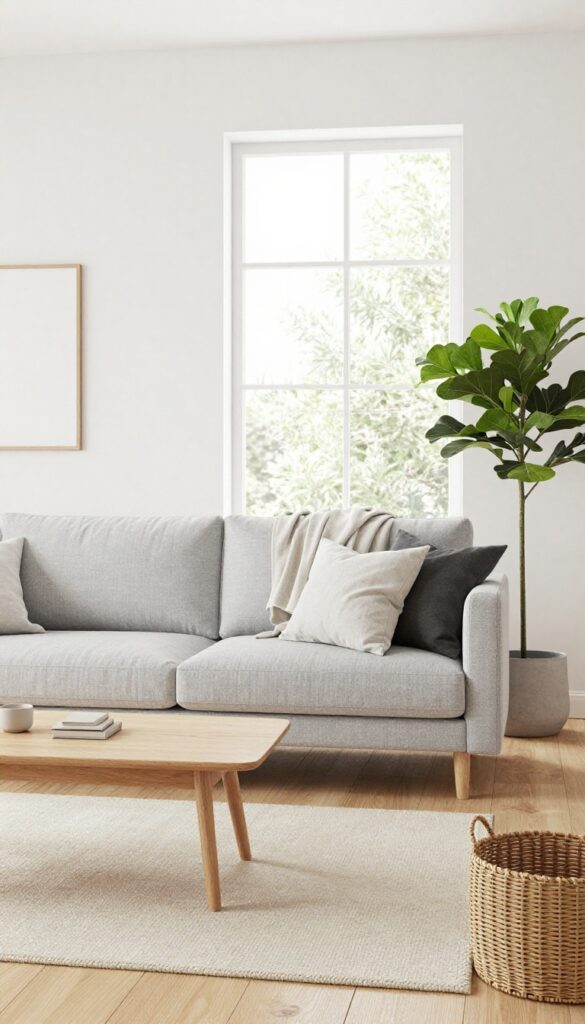
The Kivik sofa basically screams Scandinavian style, even if you don’t mean it to. It’s clean, simple, and comfortable, which is the whole Nordic vibe. The mistake people make is trying to decorate it with too many random pieces, which ruins that calm simplicity.
If you want your living room to feel relaxed, Scandinavian-inspired styling is one of the easiest routes. Light woods, soft whites, and clean lines automatically make the space feel airy. But it still needs warmth, otherwise it can start feeling like a waiting room.
I’ve done this style in my own space before, and the best part is how easy it is to maintain. You’re not constantly rearranging decor just to make the room feel “styled.”
Why This Works
Scandinavian design works because it’s practical first. The furniture is functional, the colors are calming, and there’s breathing room between items. That space is what makes it feel peaceful.
The Kivik sofa fits perfectly because it has that low, grounded shape. When paired with light wood and minimal accessories, it becomes cozy instead of heavy.
How to Do It
- Choose a light wood coffee table with simple legs
- Add a neutral rug in cream, beige, or pale gray
- Use only a few decor items, but make them intentional
- Add one tall plant for softness and height
- Stick to a palette of white, tan, light gray, and black accents
Style & Design Tips
Keep the decor clean but not sterile. Add natural materials like rattan baskets, linen pillows, and wool throws. If you add art, choose simple prints with lots of negative space.
Avoid filling every surface with decor. Scandinavian style needs open space, otherwise it loses the whole point.
Pro Tip or Budget Hack
Instead of expensive minimalist art, print high-resolution line art or abstract designs and put them in thin black frames. It looks high-end, and it costs almost nothing.
4. Make It Feel Extra Cozy With a “Blanket + Pillow Corner” Setup
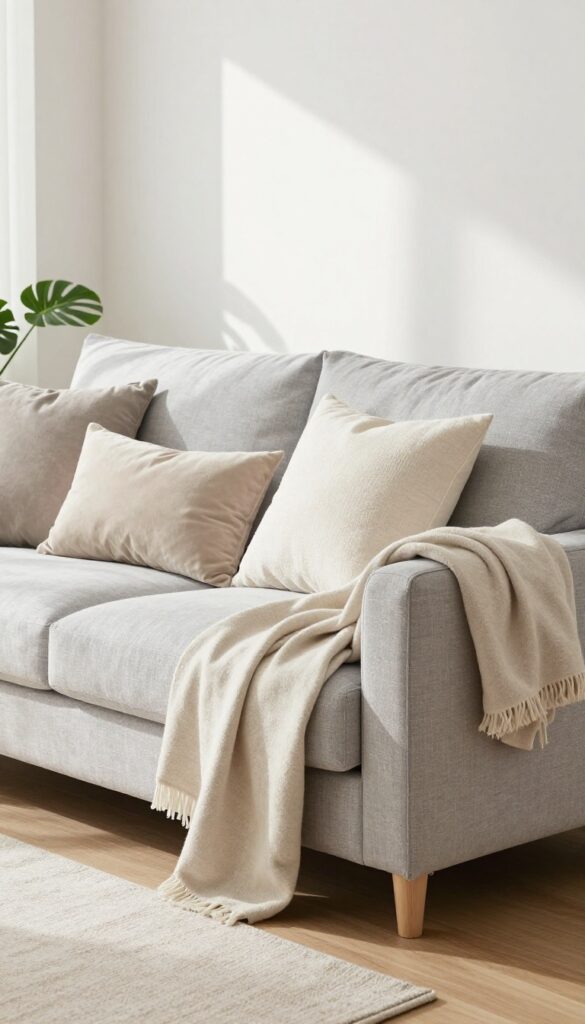
A Kivik sofa is made for lounging, so you might as well lean into that. One of the easiest ways to make the whole room feel relaxed is creating a cozy corner that looks like it’s begging you to sit down.
The problem is, most people either over-style the sofa with a million pillows, or they leave it bare because they don’t want clutter. There’s a middle ground where it looks cozy but still clean.
I’m personally a fan of the “intentional mess” look. Not chaos, just a little softness that makes the room feel lived in.
Why This Works
Relaxed living rooms don’t look perfect. They look comfortable. When you style one end of the Kivik with layered pillows and a throw, it makes the sofa feel inviting instead of stiff.
It also creates a visual “resting spot” in the room. Your eyes naturally settle there, and the space feels calmer because it has a clear focal area.
How to Do It
- Choose 3–5 pillows in mixed textures
- Use different pillow sizes (20”, 22”, lumbar)
- Add one oversized throw blanket in a soft fabric
- Drape the blanket casually over the arm or corner
- Keep the colors within the same palette for a clean look
Style & Design Tips
Don’t match all your pillows. Matching pillows look like you bought a pre-made set, and those sets always feel a little cheap. Mix linen, velvet, boucle, and cotton for that layered look.
Avoid overly stiff pillows. If your pillows can’t be squished, they ruin the cozy vibe immediately.
Pro Tip or Budget Hack
Buy feather insert pillows once, then keep reusing them with new covers. Feather inserts make pillows look fuller and more expensive, even if the covers are affordable.
5. Add a Gallery Wall That Balances the Sofa’s Boxy Shape
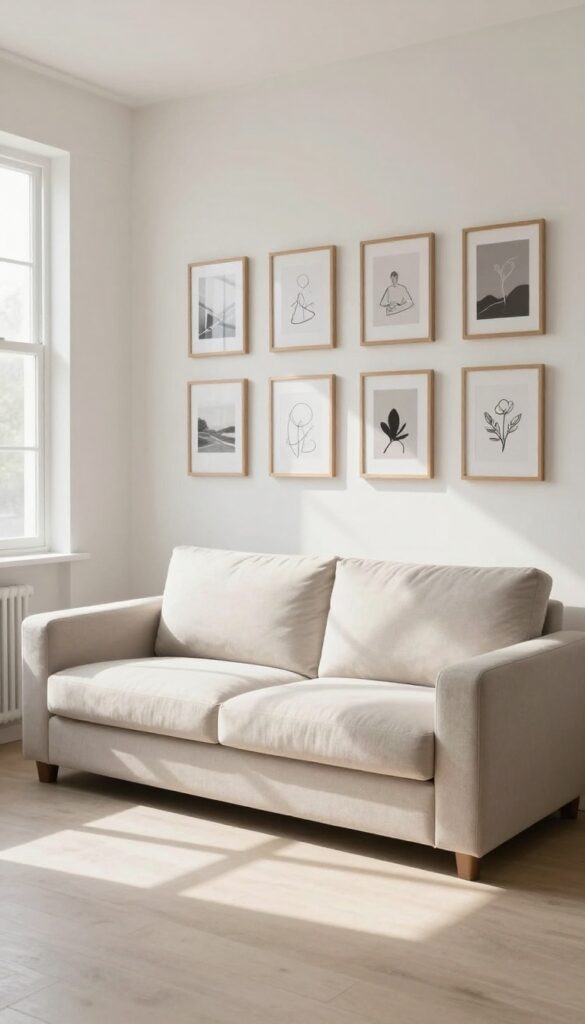
The Kivik sofa is very square and structured, which can sometimes make the wall behind it feel empty or heavy. If your living room feels like it’s missing something, it’s usually because the wall above the sofa has no visual weight.
A gallery wall is one of the best ways to fix that without adding more furniture. It also makes your living room feel more personal, which instantly makes it feel warmer and more relaxed.
I used to think gallery walls were stressful because they look complicated. But honestly, once you follow a simple approach, it’s pretty foolproof.
Why This Works
A gallery wall breaks up the big rectangular shape of the Kivik sofa. It adds height and personality, which helps the sofa feel integrated into the room instead of just sitting there.
It also creates a focal point that draws attention upward. That makes the space feel taller and more styled, without needing more clutter.
How to Do It
- Choose 6–10 frames in a consistent style
- Lay the frames on the floor first to plan the layout
- Keep 2–3 inches of spacing between frames
- Center the gallery wall above the sofa, not the wall
- Hang the bottom of the frames about 6–8 inches above the sofa
Style & Design Tips
If you want relaxed, don’t use super bold art everywhere. Mix calm prints, photography, line drawings, and maybe one slightly darker piece. Stick to a cohesive color palette so it doesn’t look chaotic.
Avoid tiny frames scattered randomly. That makes the wall look messy instead of curated.
Pro Tip or Budget Hack
Use thrifted frames and spray paint them matte black or warm white. You’ll get that designer look without paying designer prices.
6. Style a Low Coffee Table for a Lounge-Friendly Vibe
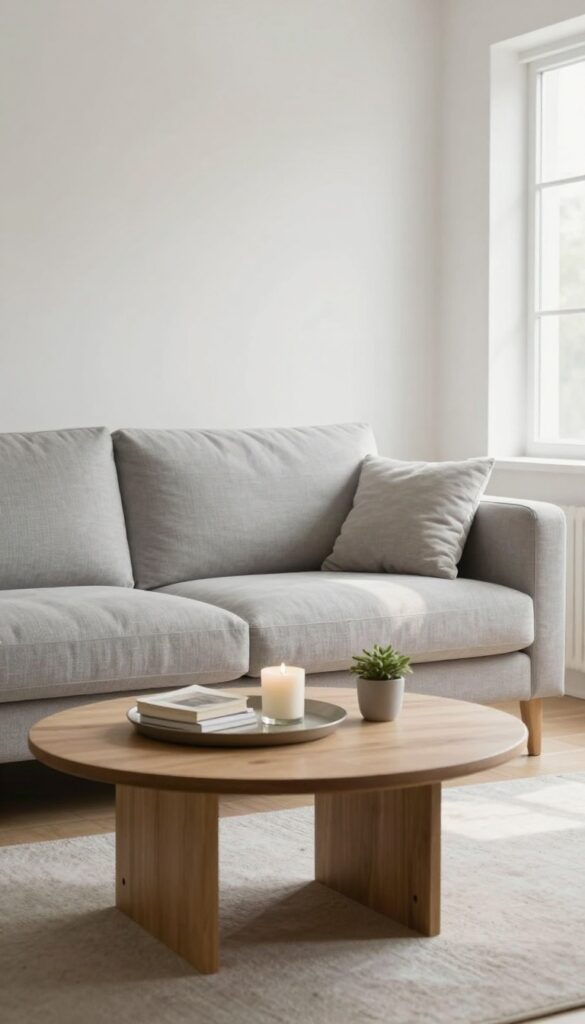
The Kivik is a low sofa, so tall or bulky coffee tables can look awkward next to it. If your coffee table feels like it’s towering over the couch, the whole living room will feel less relaxed, almost like it’s trying too hard.
A low coffee table keeps the vibe casual. It also makes the space feel more modern and lounge-like, which pairs perfectly with the Kivik’s laid-back personality.
I’m also going to be honest: low coffee tables make your room feel more expensive. It’s one of those weird design tricks that just works.
Why This Works
Low tables visually keep the room open. They don’t block sight lines, so the space feels larger and calmer. They also match the Kivik’s proportions, which creates better balance.
A coffee table that’s too tall makes the sofa look squat. A low one makes everything feel intentional and stylish.
How to Do It
- Choose a coffee table that sits 1–2 inches lower than the sofa seat
- Pick a round or oval table if your room feels boxy
- Keep decor minimal: tray, candle, book stack, small plant
- Leave enough open space for snacks and real life
- Use a table with storage if clutter is an issue
Style & Design Tips
Wood tables feel warmer, while black tables look more modern. If you want relaxed, don’t go too glossy. Matte finishes look softer and less formal.
Don’t overload the table with decor. A cluttered coffee table makes the whole room feel stressful.
Pro Tip or Budget Hack
Use a large decorative tray to “contain” your items. Even if the tray is holding random remotes and coasters, it instantly looks cleaner and more styled.
7. Use Floor Lamps and Side Tables to Make It Feel Like a Lounge
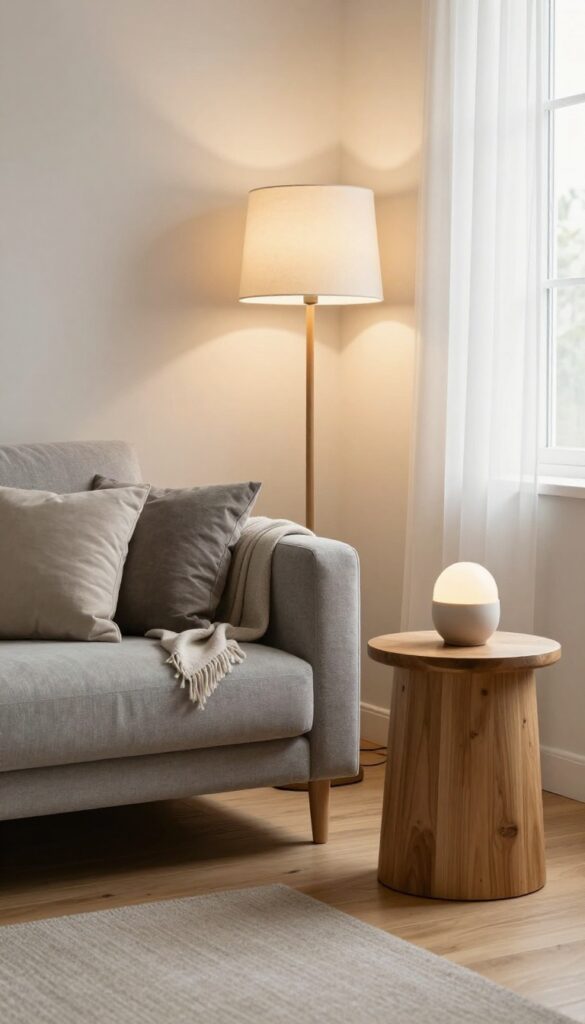
Overhead lighting is the fastest way to make your living room feel harsh. If you want relaxed, you need layers of lighting. And the Kivik sofa looks so much better when it’s surrounded by warm, cozy light instead of one bright ceiling bulb.
A floor lamp and a good side table setup can completely transform the vibe. It makes the room feel like a space designed for comfort, not just for sitting.
I used to ignore side tables because they seemed boring. Then I realized I was constantly putting my drink on the floor like a caveman.
Why This Works
Lighting changes mood instantly. Soft lamp lighting makes the room feel calmer and more inviting, even if nothing else changes. Side tables also make the sofa feel more functional, which makes the space feel easier to live in.
When you create a lounge-like setup, your living room starts feeling like a place you actually want to hang out.
How to Do It
- Add one floor lamp near the corner of the Kivik sofa
- Place a side table on at least one side of the sofa
- Use warm-toned bulbs (2700K works great)
- Add a small lamp on the side table if possible
- Keep cords hidden using cord covers or baskets
Style & Design Tips
Choose lamps with fabric shades for softer light. Metal shades can look harsh unless they’re designed well. If your room feels heavy, go for lighter lamp bases like wood, white ceramic, or thin black metal.
Avoid tiny side tables that look undersized next to the Kivik. The sofa is big, so the tables need some presence.
Pro Tip or Budget Hack
If you don’t want to buy expensive side tables, use a small stool or even a vintage wooden chair as a side table. It looks creative and gives your space personality.
8. Add Hidden Storage Pieces So the Room Stays Calm Long-Term
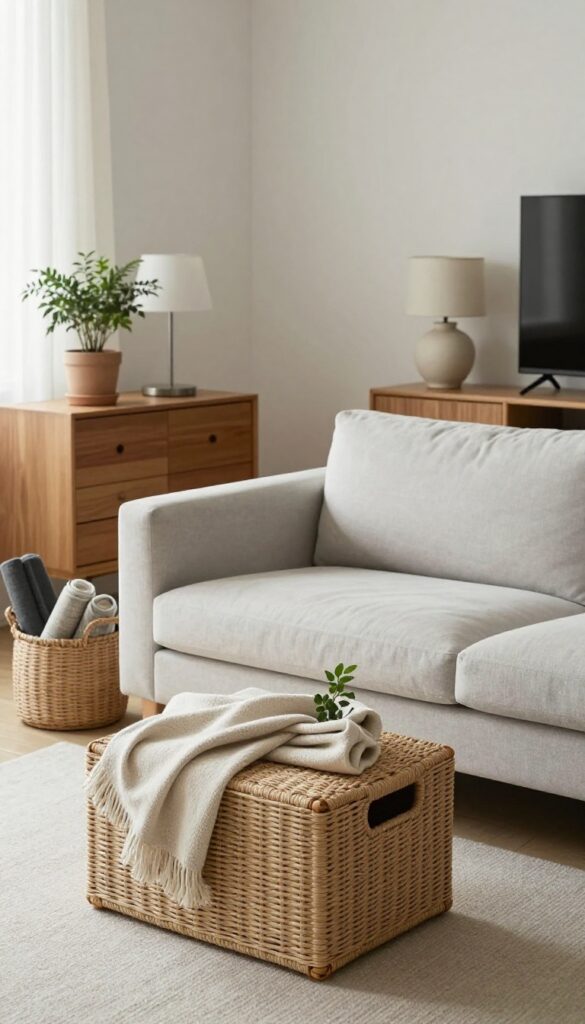
A relaxed living room isn’t just about style. It’s about how the room functions when you’re tired, busy, and not in the mood to clean. The Kivik sofa is comfy, but if the area around it becomes clutter-central, the whole vibe disappears fast.
This is where hidden storage becomes your best friend. And no, I don’t mean plastic bins shoved into corners. I mean storage that looks like decor, so your room stays calm without looking like a supply closet.
I’ve learned this the hard way: if your living room doesn’t have a place for clutter, clutter will invent its own place.
Why This Works
Visual clutter makes a space feel stressful, even if the furniture is beautiful. When everything has a home, the room automatically feels more peaceful. Storage also helps you keep surfaces clear, which makes your decor look more intentional.
The Kivik sofa already feels like a big cozy anchor, so adding smart storage around it makes the whole living room feel complete.
How to Do It
- Add a storage ottoman that doubles as a coffee table
- Use a console table behind the sofa if space allows
- Add woven baskets for blankets and pillows
- Choose a TV stand with drawers, not open shelving
- Use a side table with a shelf or hidden compartment
Style & Design Tips
Choose storage pieces that match your room’s vibe. Woven baskets look cozy, while sleek closed cabinets look modern. The best trick is choosing storage that blends in so it doesn’t feel like “storage.”
Avoid open shelves unless you’re willing to style them constantly. Open shelves look great in photos, but in real life they collect random junk like magnets.
Pro Tip or Budget Hack
Use large baskets under a console table or beside the sofa. They’re cheap, they hide clutter instantly, and they look decorative even when they’re full of chaos.
Final Thoughts
A Kivik sofa can look unbelievably cozy and stylish, but it needs the right support system around it. The good news is you don’t need a full makeover to make it feel relaxed, you just need better balance, softer layers, and smarter choices.
If you try even two of these ideas, your living room will start feeling more pulled together without losing that comfy, lived-in vibe. And honestly, that’s the sweet spot.