9 Low Budget Bedroom Ideas That Look Expensive
Most bedrooms don’t need more stuff, they need smarter choices. A lot of expensive-looking rooms are actually built on restraint, not money, and that’s something people rarely talk about.
I’ve seen plenty of gorgeous bedrooms that cost less than a weekend getaway, simply because the owner focused on the right details.
Once you understand what actually makes a space feel “done,” everything else gets easier.
The funny part is that budget bedrooms usually fail for the same reasons over and over. Too much clutter, mismatched finishes, or trying to copy luxury trends without understanding why they work.
The good news is that fixing those things doesn’t require a designer or a big wallet, just a little intention and some strategic choices.
Below are nine low-budget bedroom ideas that consistently make a space look more expensive than it really is. These are things I’ve tried, tweaked, or seen work in real homes, not showroom fantasies that fall apart in real life.
1. Stick to a Tight, Neutral Color Palette
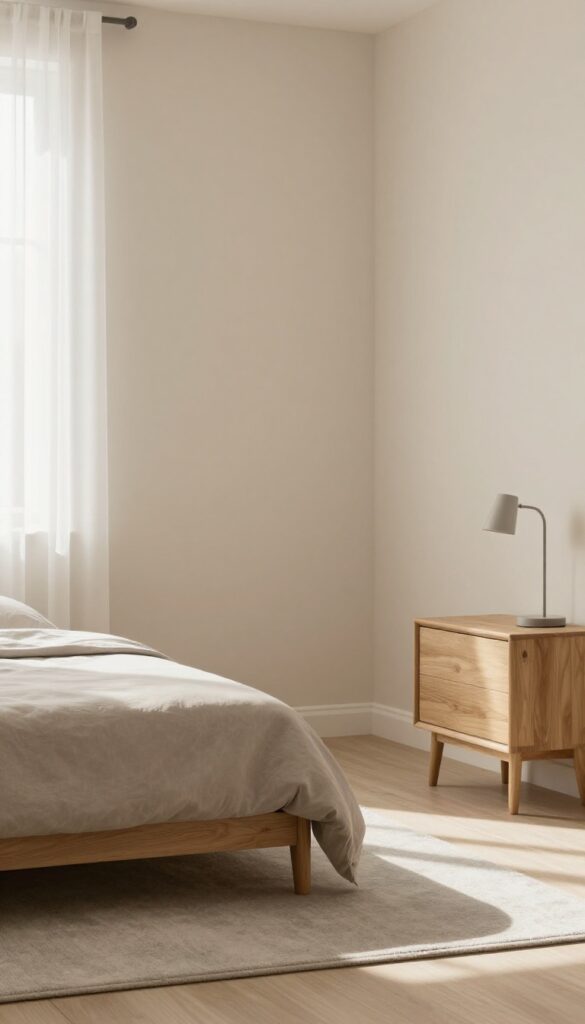
Most bedrooms look cheap because they’re trying to do too much with color. When you limit your palette to two or three tones, the entire room instantly feels calmer and more expensive.
Neutral shades like beige, soft gray, warm white, or muted taupe create a backdrop that makes everything else look intentional.
I learned this the hard way after trying to mix trendy colors in one room and ending up with visual chaos.
Once I repainted and simplified, the room suddenly felt like a hotel suite instead of a college apartment. The best part is that paint is still one of the cheapest upgrades you can make.
Why This Works
A limited color palette creates visual consistency, which the brain reads as “designed.” Luxury spaces rely on cohesion more than decoration. When colors stop competing, the room feels larger and more put together.
How to Do It
- Choose one main neutral and one soft accent color
- Keep walls, bedding, and curtains within the same tone family
- Use darker shades sparingly for contrast
- Test paint samples on the wall before committing
Style & Design Tips
Avoid stark white unless your room gets great natural light, since it can feel cold fast. Warm neutrals photograph better and feel cozier in real life. Consistency matters more than trendiness when you’re working on a budget.
Pro Tip or Budget Hack
If repainting isn’t an option, swap out colorful accessories for neutral ones. Pillow covers, throws, and lamp shades can shift the entire mood without touching the walls.
2. Upgrade Your Bedding, Not Your Furniture
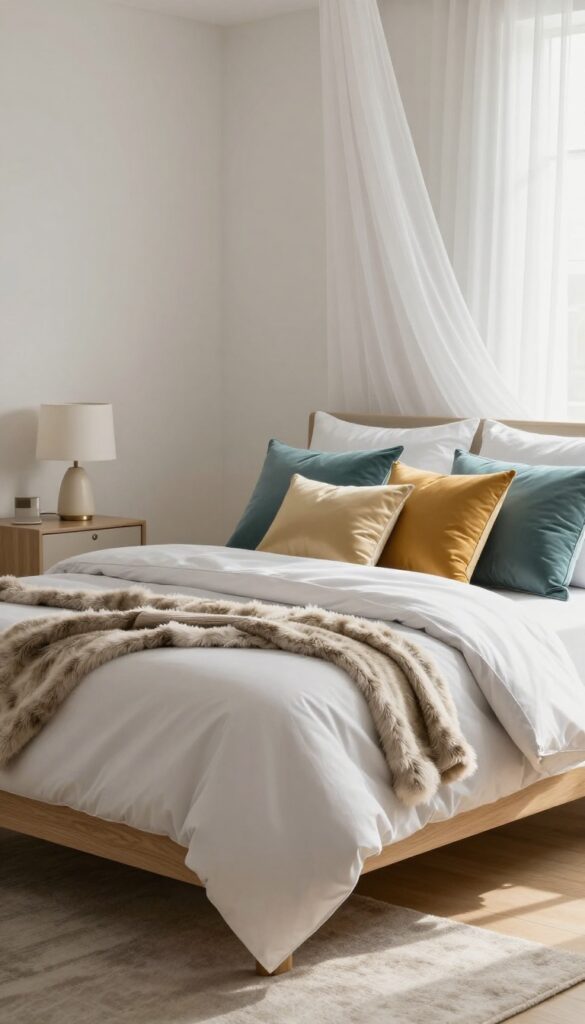
Nothing screams “budget room” faster than thin, wrinkled bedding. On the flip side, even an average bed frame looks expensive when the bedding is layered properly. This is one of the highest-impact upgrades you can make without spending much.
I used to waste money on decor pieces until I realized the bed is the star of the room. Once I invested in better sheets and a decent comforter, everything else felt secondary in a good way.
Why This Works
The bed takes up the most visual space in the room. When it looks plush and intentional, the whole room levels up automatically. Hotels rely on this trick for a reason.
How to Do It
- Choose solid or lightly textured bedding
- Layer with a comforter, throw, and two pillow sizes
- Stick to neutral or muted colors
- Keep bedding wrinkle-free or lightly steamed
Style & Design Tips
Avoid busy patterns unless the rest of the room is very minimal. Texture beats pattern when you’re going for a high-end look. Linen, cotton percale, and microfiber blends all work well on a budget.
Pro Tip or Budget Hack
Buy pillow inserts one size larger than the cover for that full, fluffy look. It’s a small detail that makes a massive difference visually.
3. Add a Statement Headboard (Even a DIY One)
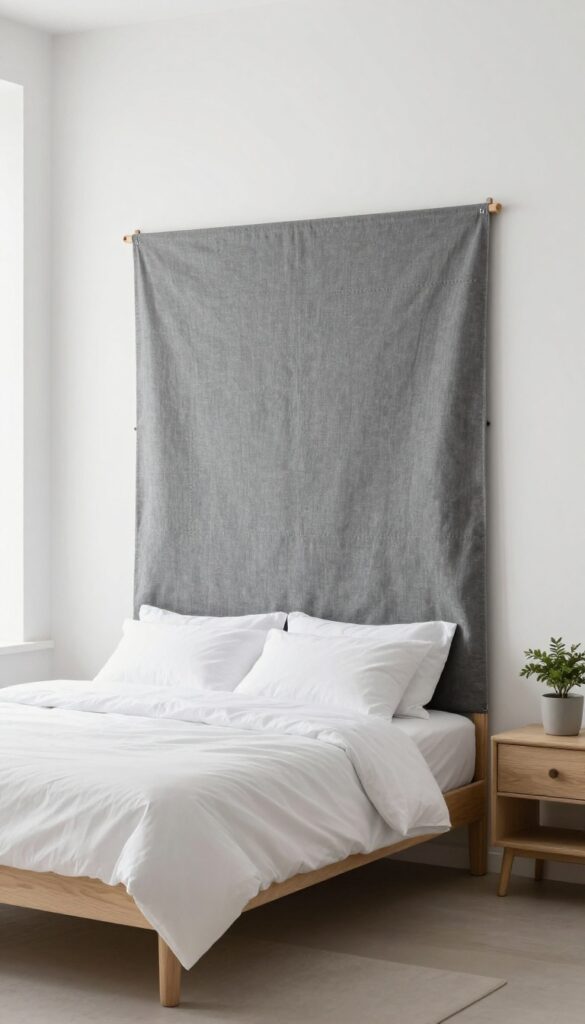
A headboard instantly makes a bedroom feel complete. Without one, the bed often looks like it’s floating awkwardly in the room. The good news is you don’t need to buy an expensive one to get the effect.
I once used a fabric panel mounted to the wall with command hooks, and people assumed it was custom-made. Sometimes it’s more about shape and placement than materials.
Why This Works
The headboard anchors the bed visually and adds vertical interest. It draws the eye upward, which makes the room feel taller and more intentional.
How to Do It
- Use an upholstered panel or padded board
- Mount it slightly higher than the mattress
- Keep colors neutral or soft
- Make sure it’s centered properly
Style & Design Tips
Tall headboards feel more luxurious than wide ones. Avoid overly ornate designs unless the rest of the room is very simple. Clean lines always look more expensive.
Pro Tip or Budget Hack
Peel-and-stick wall panels or fabric stretched over plywood can mimic high-end headboards for a fraction of the cost.
4. Use Matching Nightstands and Lamps
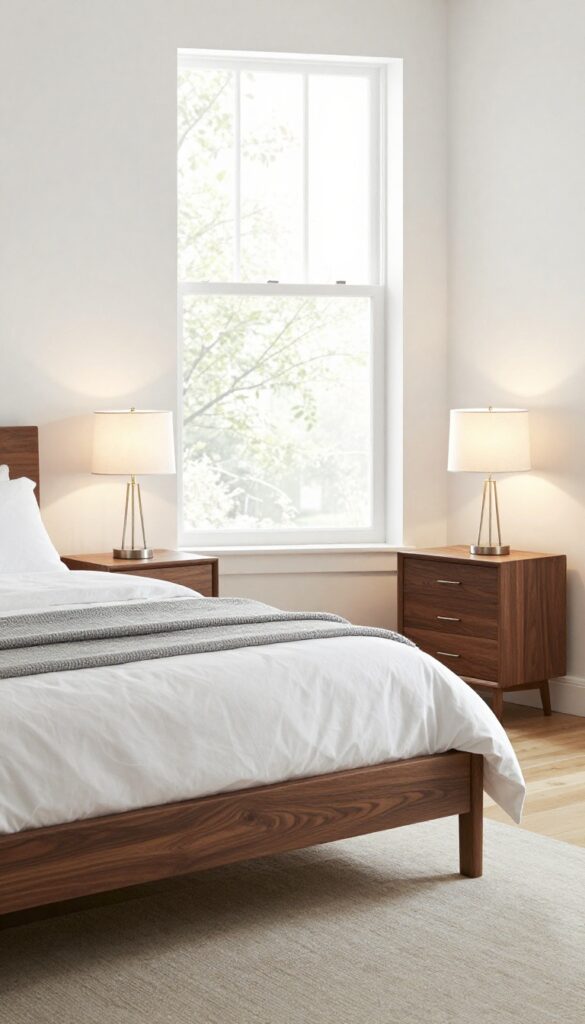
Mismatched bedside furniture is one of the quickest ways to make a bedroom feel chaotic. Matching nightstands and lamps instantly create balance, even if the pieces themselves are inexpensive.
I used to think symmetry was boring, but it turns out it’s just calming. Once I matched both sides of the bed, the whole room felt more polished without adding anything new.
Why This Works
Symmetry creates visual order, which people associate with luxury and thoughtfulness. It also makes the room feel more restful, which is kind of the point of a bedroom.
How to Do It
- Use identical or very similar nightstands
- Match lamp height and shape
- Keep clutter to a minimum
- Center the bed between them
Style & Design Tips
If matching sets feel too rigid, use similar shapes in different finishes. Balance matters more than identical pieces.
Pro Tip or Budget Hack
Secondhand stores often have matching lamp pairs for cheap. A fresh lampshade can make even old bases look new.
5. Hang Curtains Higher Than the Window
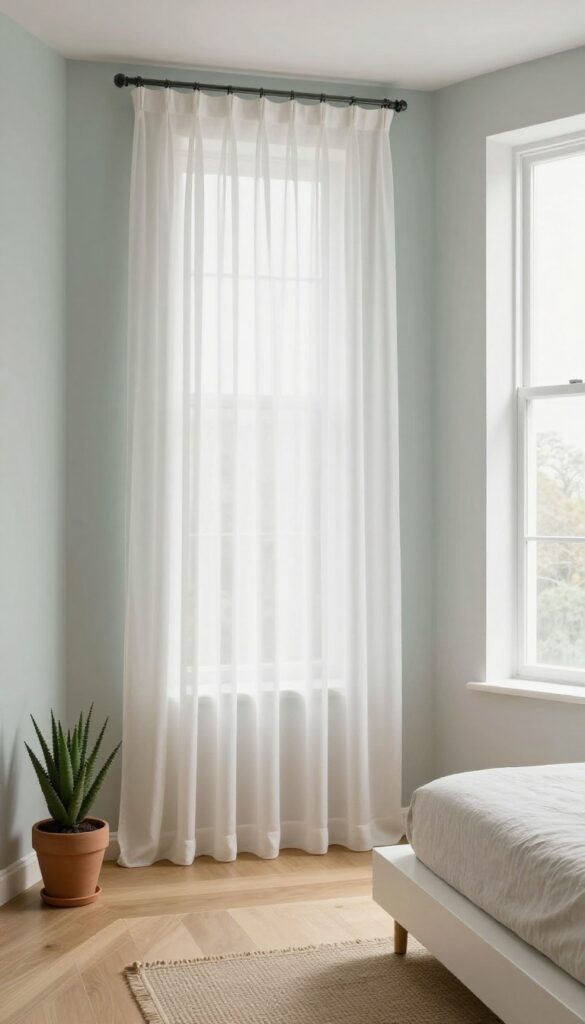
This one trick changes everything, and it costs almost nothing. Hanging curtains closer to the ceiling makes the room feel taller and more elegant, even if the windows are small.
I didn’t believe this until I tried it myself. The difference was immediate, and suddenly my low ceilings didn’t feel so low anymore.
Why This Works
Higher curtain placement draws the eye upward, creating the illusion of height. It also makes windows look larger than they really are.
How to Do It
- Mount curtain rods 6–10 inches above the window
- Let curtains fall to the floor
- Use light, flowing fabric
- Avoid short or stiff panels
Style & Design Tips
Neutral curtains blend better and feel more expensive. Floor-length panels are non-negotiable if you want a polished look.
Pro Tip or Budget Hack
Buy longer curtains than you need and hem them yourself. It’s often cheaper than buying the “perfect” length.
6. Declutter and Edit Ruthlessly
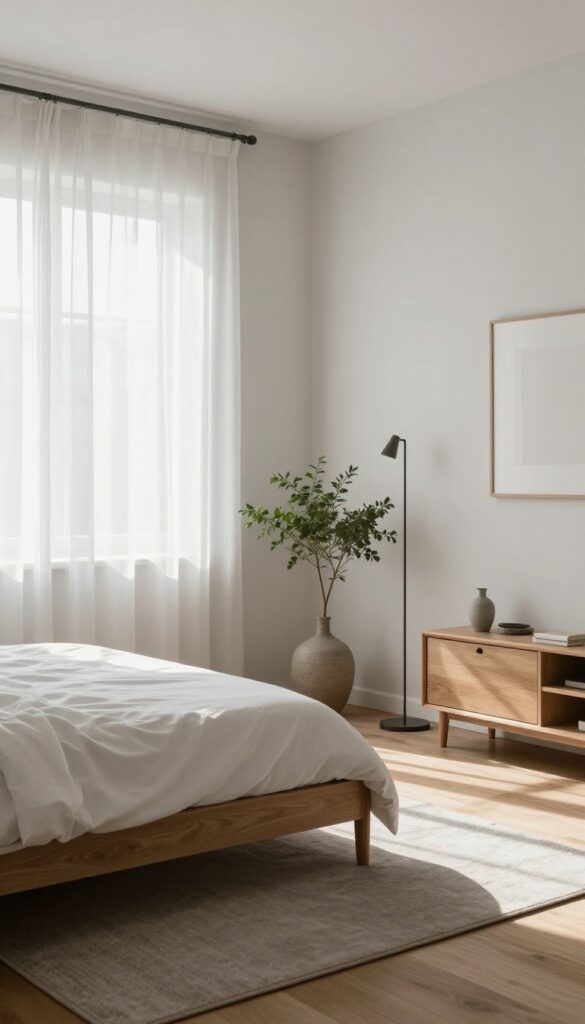
You can spend money on decor all day, but clutter will still make a room feel cheap. Expensive spaces almost always have fewer items, not more.
This one hurts a little, but once I removed half the stuff in my bedroom, everything else finally had room to breathe. The space instantly felt calmer and more intentional.
Why This Works
Visual noise makes a room feel smaller and messier. Editing your space creates a sense of order that reads as luxury.
How to Do It
- Clear surfaces except for one or two items
- Remove anything without a purpose
- Store extras out of sight
- Keep decor minimal and meaningful
Style & Design Tips
Group items in odd numbers and vary height slightly. Less styling always looks more expensive than too much styling.
Pro Tip or Budget Hack
Use decorative boxes or baskets to hide everyday clutter without sacrificing style.
7. Add One Oversized Art Piece
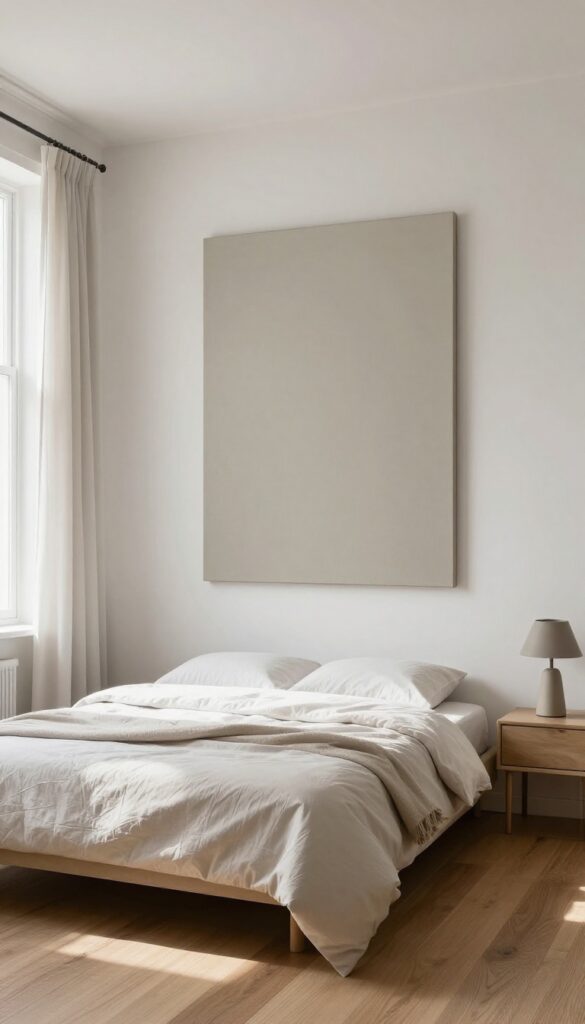
A single large art piece almost always looks better than multiple small ones. It creates focus and gives the room a designer feel, even if the art itself is inexpensive.
I’ve used printable art, fabric wall hangings, and even framed wallpaper samples with great results. It’s more about scale than price.
Why This Works
Large art creates impact and reduces visual clutter. It also anchors the room and gives the eye a place to rest.
How to Do It
- Choose one large piece instead of several small ones
- Center it above the bed or dresser
- Keep colors aligned with the room palette
- Use a simple frame
Style & Design Tips
Abstract art works best for budget spaces because it doesn’t need to be perfect. Avoid tiny frames that get lost on the wall.
Pro Tip or Budget Hack
Download high-resolution printable art and frame it yourself. You’ll save a lot and still get a custom look.
8. Upgrade Lighting, Not Just Bulbs
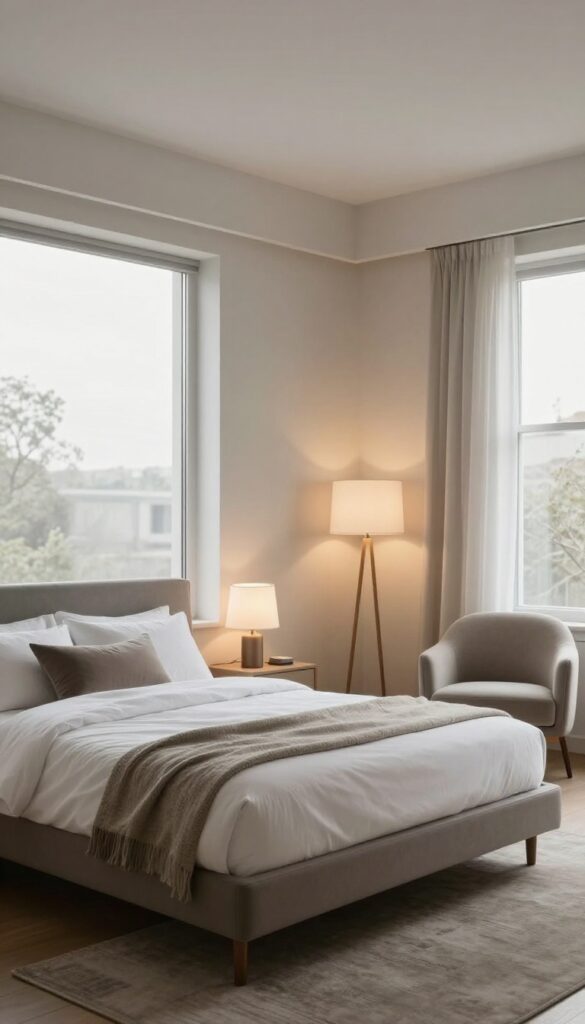
Lighting changes everything, yet it’s often overlooked. A single overhead light rarely does a bedroom any favors. Layered lighting makes the space feel warm, intentional, and expensive.
Once I added a table lamp and a floor lamp, I barely used the ceiling light again. The room instantly felt more relaxing.
Why This Works
Multiple light sources create depth and softness. This is a common trick in hotels and high-end homes.
How to Do It
- Use at least two light sources
- Choose warm bulbs
- Add a bedside lamp or floor lamp
- Avoid harsh white lighting
Style & Design Tips
Lamps with fabric shades feel more high-end than bare bulbs. Warm light always beats cool light in bedrooms.
Pro Tip or Budget Hack
Smart bulbs let you control brightness and warmth without replacing fixtures.
9. Style With Texture, Not More Stuff
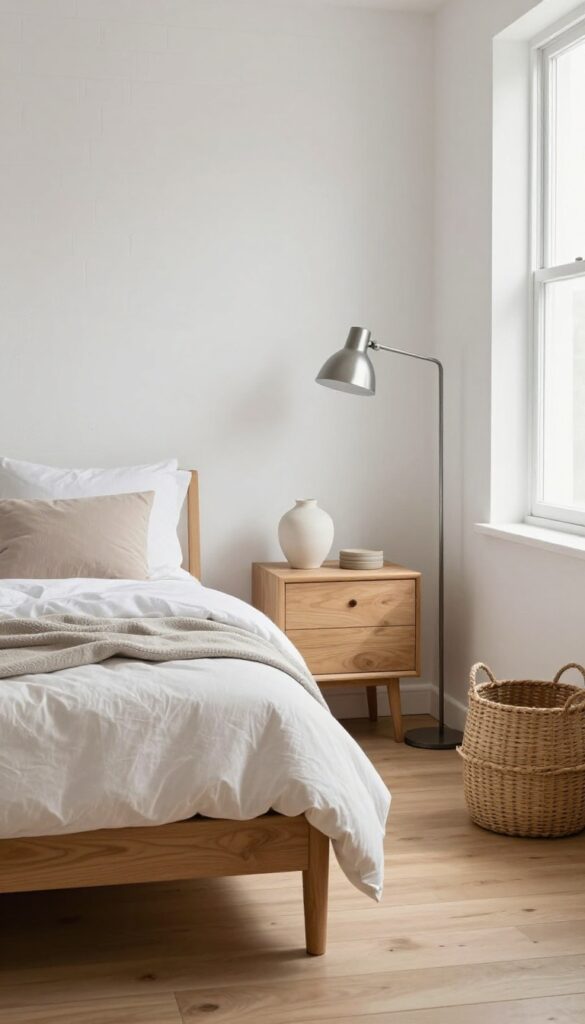
Texture is what makes a room feel layered and intentional. You don’t need more decor, you need better contrast between materials.
I noticed the biggest improvement when I mixed soft fabrics with wood, metal, or woven pieces. The room instantly felt more dynamic without feeling busy.
Why This Works
Texture adds depth without adding clutter. It keeps neutral spaces from looking flat or boring.
How to Do It
- Mix soft and hard materials
- Add a throw or textured pillow
- Use wood, metal, or woven accents
- Keep colors consistent
Style & Design Tips
Avoid matching everything perfectly. Contrast creates interest, even in simple spaces.
Pro Tip or Budget Hack
Thrift stores are goldmines for textured decor like baskets, throws, and trays.
Final Thoughts
Making a bedroom look expensive has way more to do with choices than money. When you focus on layout, color, and balance, even budget pieces start to look intentional. I’ve seen tiny bedrooms outshine massive ones simply because the details were handled right.
If you take anything from this, let it be this: edit first, upgrade second, and decorate last. A calm, well-thought-out space will always beat an overdecorated one, no matter the budget.