17 Apartment Living Room Ideas That Feel Spacious
You know that moment when you walk into an apartment living room and instantly feel cramped, even before you drop your bag?
Yeah, I’ve been there more times than I’d like to admit. I’ve lived in small apartments, helped friends rearrange theirs, and obsessed way too much over Pinterest boards at 2 a.m., so I get the struggle.
The good news is that you don’t need a massive space or a huge budget to make your living room feel open, airy, and actually enjoyable to hang out in.
Why Small Apartment Living Rooms Feel Cramped in the First Place
Before we fix anything, let’s talk about why apartment living rooms often feel tight and boxed in. Most apartments come with awkward layouts, limited natural light, and proportions that feel slightly off, which already puts you at a disadvantage.
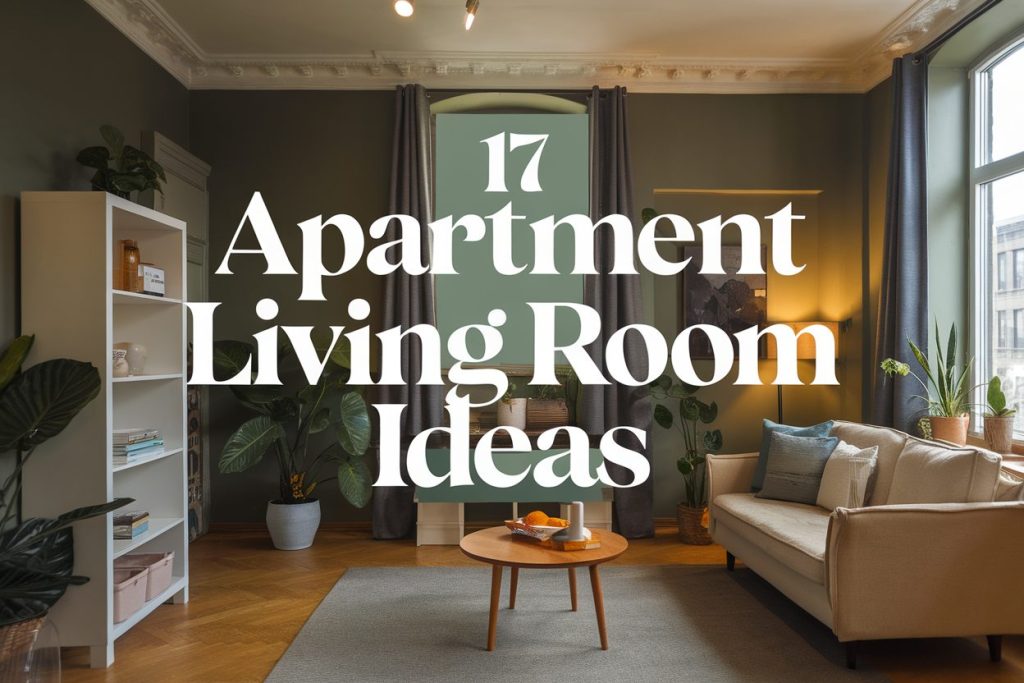
Add oversized furniture or poor layout choices, and the room starts closing in on you fast.
I’ve noticed that clutter plays a huge role here too. Even stylish furniture can make a room feel smaller when too many pieces compete for attention.
Ever wondered why some tiny living rooms feel calm while others feel chaotic? It usually comes down to intention and restraint.
1. Choose a Light and Airy Color Palette
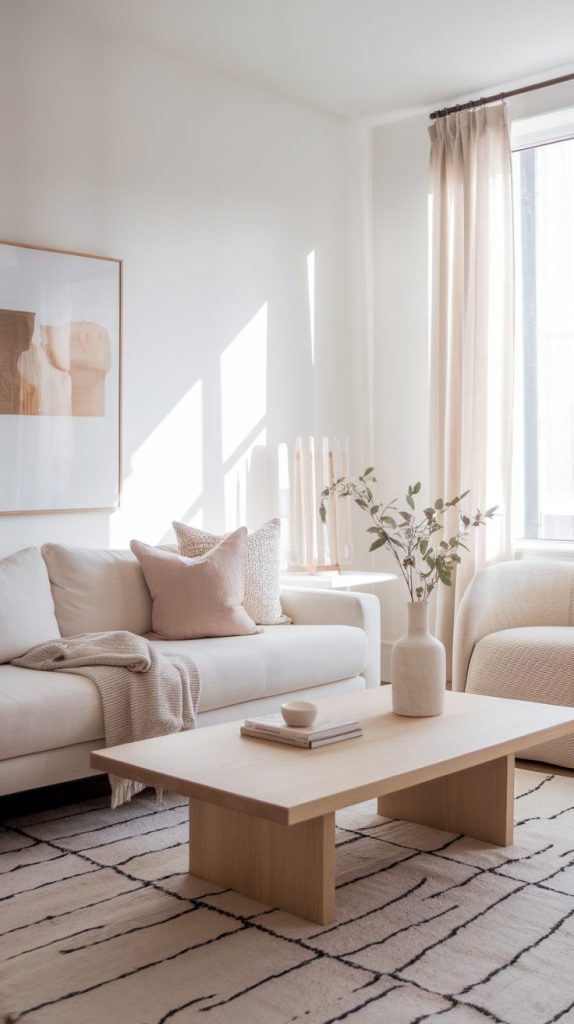
Color sets the mood faster than anything else in a room, and lighter shades almost always win when space feels limited.
Whites, soft creams, pale grays, and gentle pastels bounce light around instead of swallowing it. I once painted a dark beige living room off-white, and the difference felt borderline magical.
That doesn’t mean your space needs to look boring or sterile. You can still layer in warmth with textures, wood tones, and subtle accents without overwhelming the room. Light walls create a visual illusion of depth, which tricks the eye into seeing more space than actually exists.
2. Let Natural Light Do the Heavy Lifting
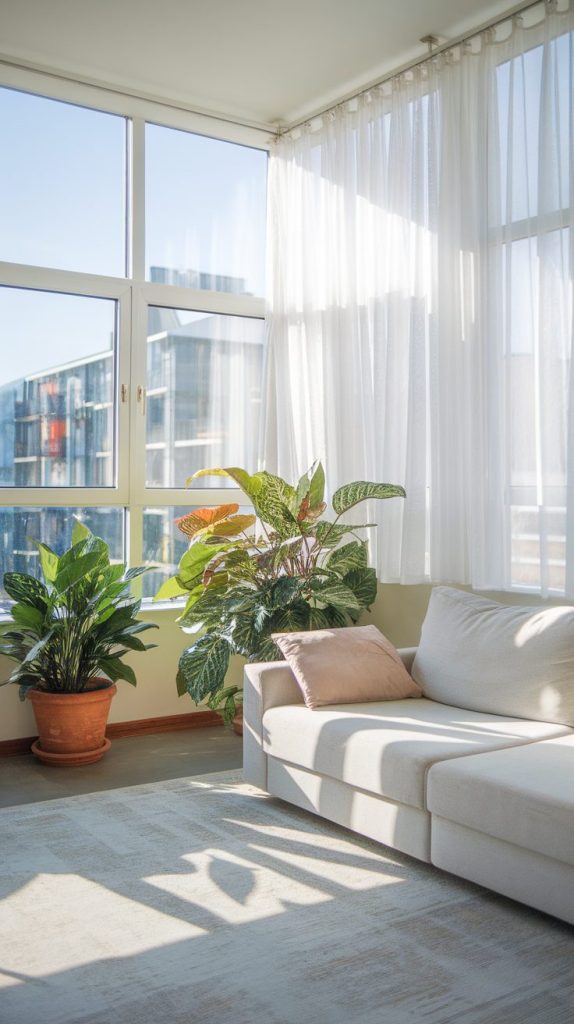
Natural light acts like free square footage, so blocking it makes zero sense. Heavy curtains, dark blinds, or furniture placed in front of windows instantly shrink the room. I always recommend sheer curtains or light-filtering shades that let sunlight in while still offering privacy.
If your apartment doesn’t get much sunlight, place mirrors strategically across from windows to reflect whatever light you do have. It sounds simple, but this move works shockingly well. FYI, even one well-placed mirror can change the entire vibe of the room.
3. Pick Furniture That Fits the Room, Not Your Wishlist
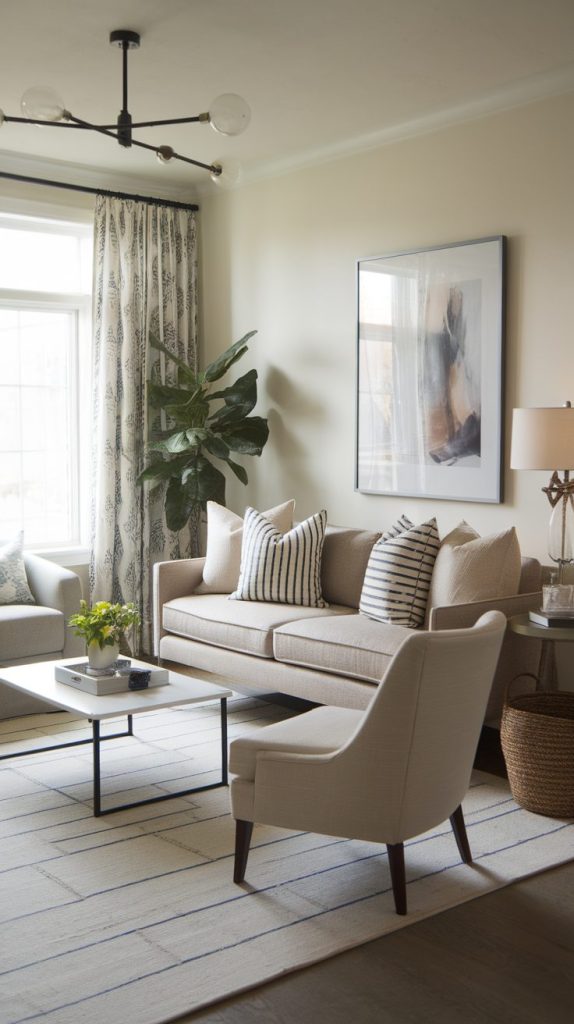
I get it, that oversized sectional looks amazing online. In a small apartment, though, it can dominate the room and leave no breathing space. Scale matters more than style here, and smaller, streamlined furniture almost always performs better.
Look for sofas with exposed legs, armless chairs, and slim coffee tables. These designs let your eyes travel across the floor, which makes the room feel more open. Furniture that visually “floats” creates instant spaciousness, IMO, without sacrificing comfort.
4. Embrace Multi-Functional Furniture
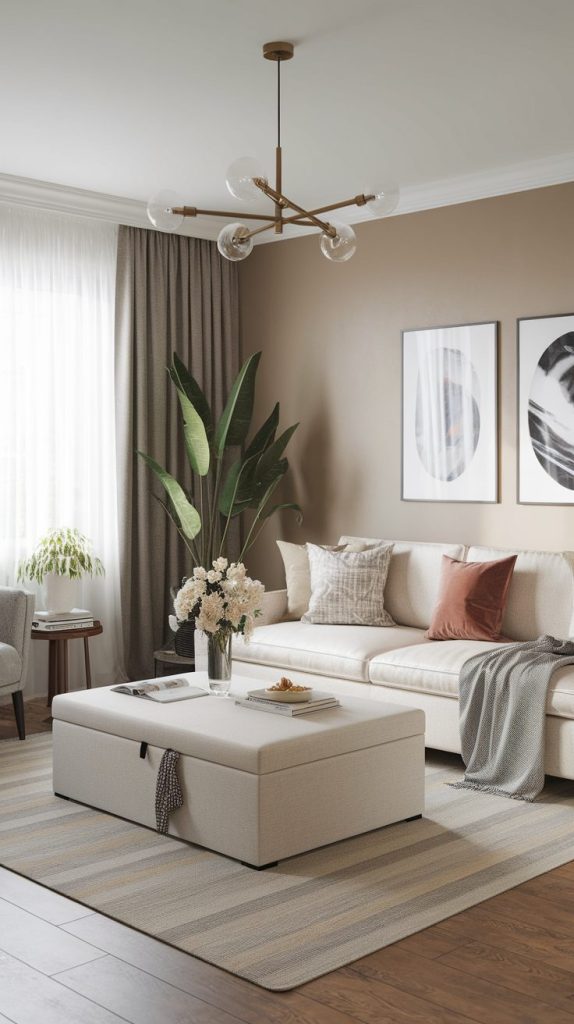
When square footage feels limited, every piece needs to earn its place. Multi-functional furniture saves space while keeping the room practical and stylish. Think storage ottomans, coffee tables with shelves, or sofas that double as guest beds.
I’ve personally used a storage ottoman as a coffee table, footrest, and blanket holder, and it honestly felt like cheating the system.
These pieces reduce clutter because they combine multiple uses into one footprint. Less furniture almost always equals more space.
5. Float Furniture Away From the Walls
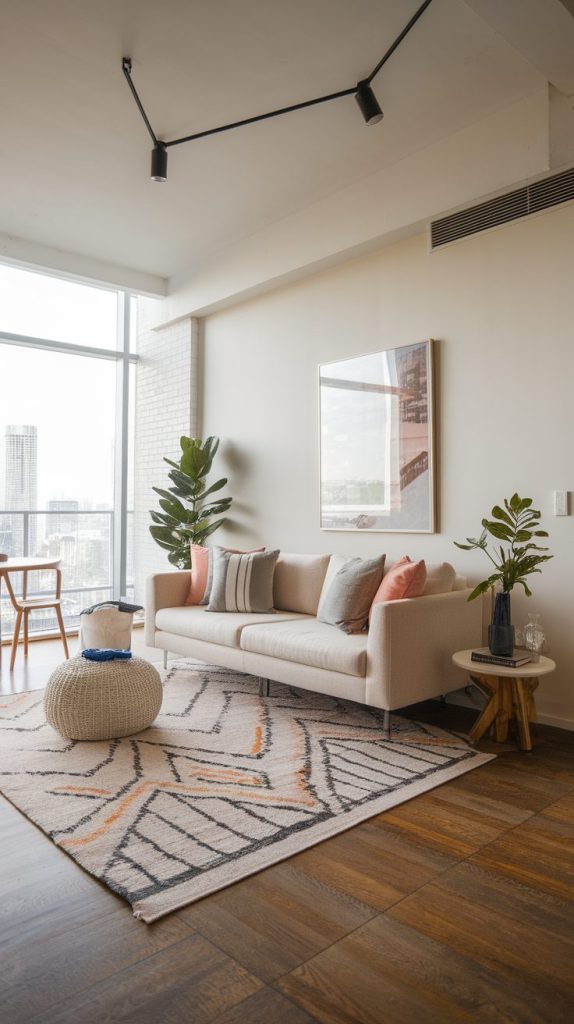
This one sounds counterintuitive, but pushing everything against the wall can actually make the room feel smaller.
Floating furniture creates pathways and visual flow, which adds depth. I usually pull the sofa a few inches away from the wall and center it around a rug.
When you define zones intentionally, the room starts to feel curated instead of cramped. Ever noticed how hotel rooms do this so well? They use space deliberately instead of hugging the walls out of fear.
6. Use Rugs to Define Space Without Closing It Off
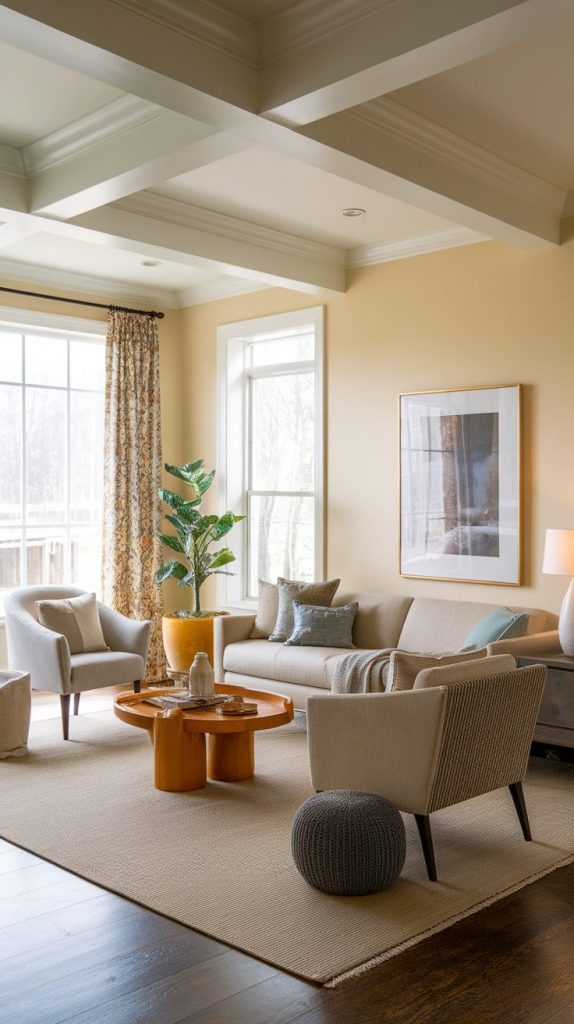
Rugs help anchor furniture and define areas, especially in open-plan apartments. The key is choosing the right size because a rug that’s too small can chop up the room visually. I always tell people to go bigger than they think.
A larger rug placed under the front legs of your furniture pulls everything together and creates a sense of unity. Unified spaces feel larger than fragmented ones, and rugs help achieve that effortlessly.
7. Keep Window Treatments Minimal and High
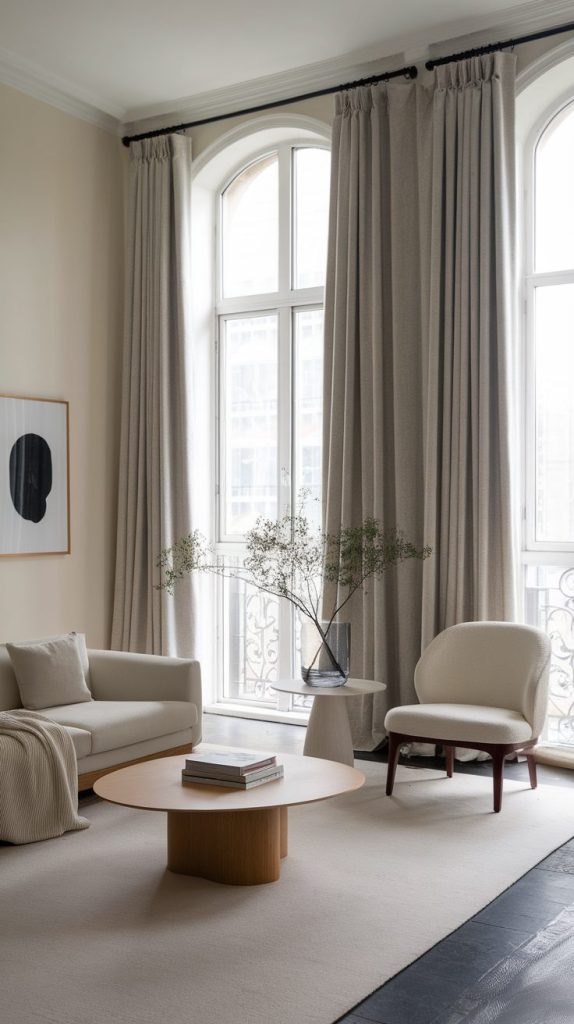
Hanging curtains high and wide creates the illusion of taller ceilings and wider windows. I usually install curtain rods closer to the ceiling instead of directly above the window frame. This simple trick visually stretches the room upward.
Stick with light fabrics and neutral colors to avoid visual heaviness. Heavy drapes can feel luxurious, but in small apartments, they often steal precious visual space. Sometimes less drama works better.
8. Choose a Cohesive Color Scheme
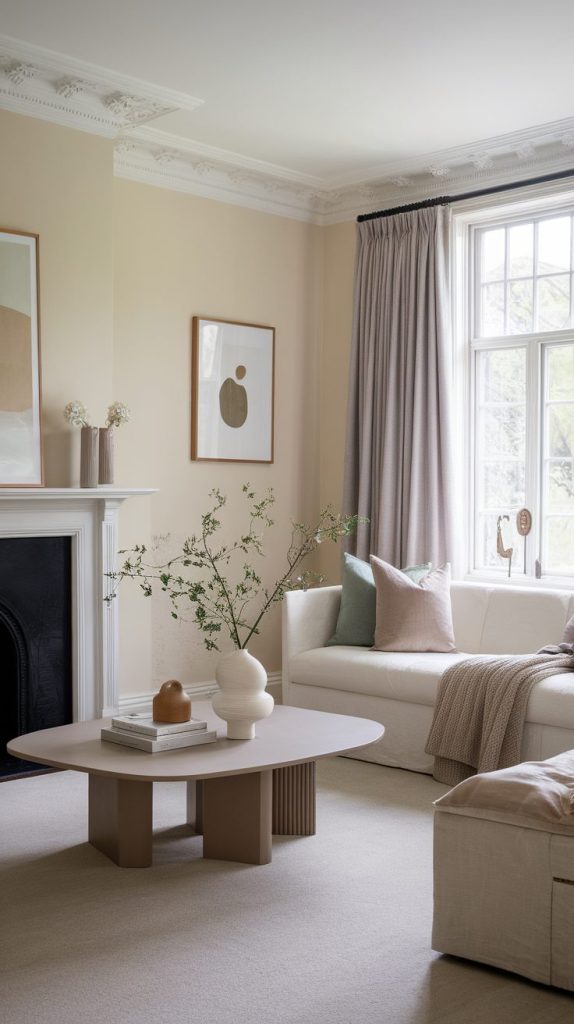
Too many colors can make a small living room feel busy and overwhelming. I recommend sticking to one main color with one or two complementary shades. This approach keeps the room visually calm and cohesive.
That doesn’t mean you can’t have personality. You can layer interest through textures, patterns, and materials instead of adding more colors. Consistency creates visual flow, and flow makes the room feel larger.
9. Add Vertical Storage to Free Up Floor Space
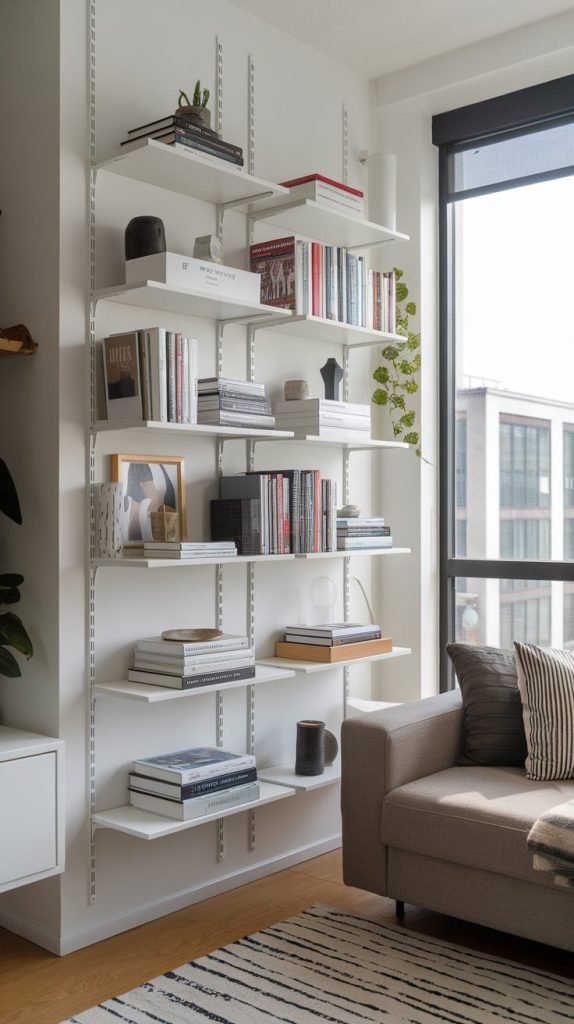
Floor space feels precious in apartments, so using vertical storage makes a huge difference. Tall shelves, wall-mounted cabinets, and floating shelves draw the eye upward. I love how this trick adds function without crowding the room.
Vertical storage also keeps clutter off the floor, which instantly opens up the space. Ever noticed how a clear floor makes a room feel calmer? That’s not an accident.
10. Keep Decor Intentional and Edited
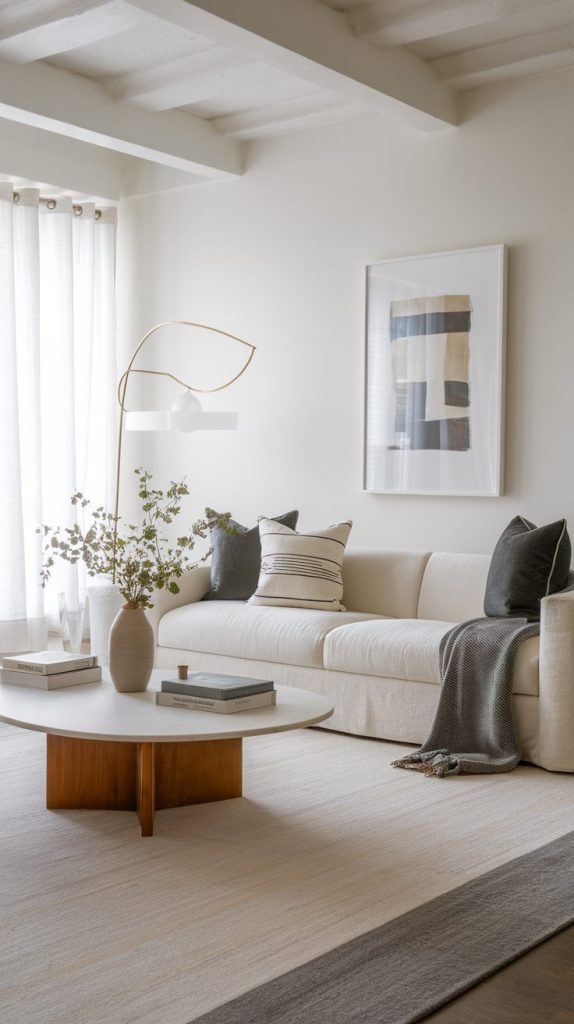
Decor should enhance the space, not compete with it. Too many decorative items create visual noise, which shrinks the room mentally. I always recommend editing decor like you’re curating a gallery.
Choose a few statement pieces instead of many small ones. Intentional decor feels thoughtful, and thoughtful spaces almost always feel more spacious. Plus, cleaning gets easier, which is a nice bonus.
11. Use Mirrors to Create Depth
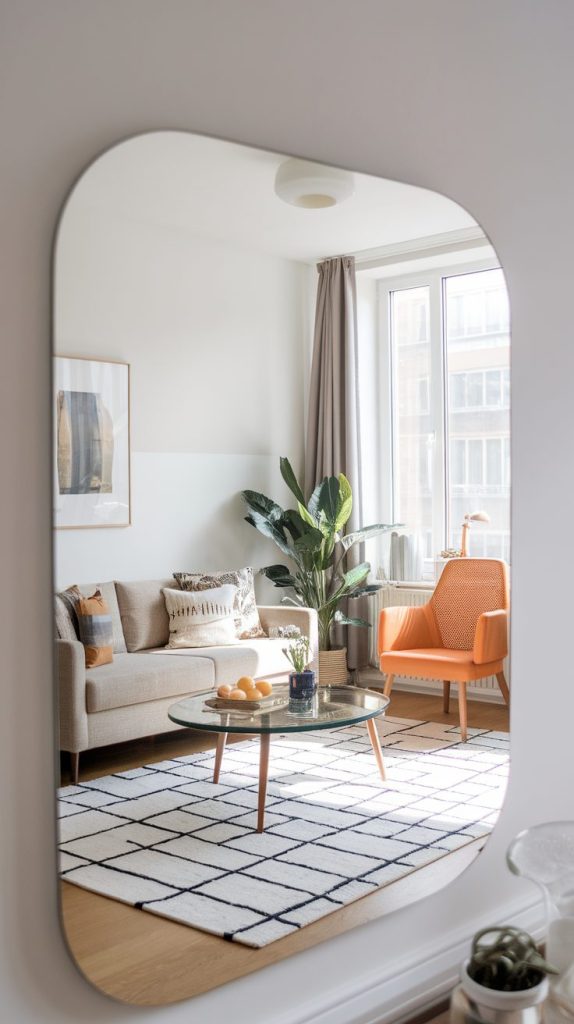
Mirrors act like visual windows, and they work wonders in small living rooms. Placing a large mirror opposite a window doubles the perceived light and space. I’ve used this trick in studio apartments with surprisingly good results.
Even decorative mirrors add depth when placed thoughtfully. Avoid tiny mirrors scattered everywhere because they can feel cluttered. One strong mirror beats five weak ones every time.
12. Opt for Open or Glass Furniture Pieces
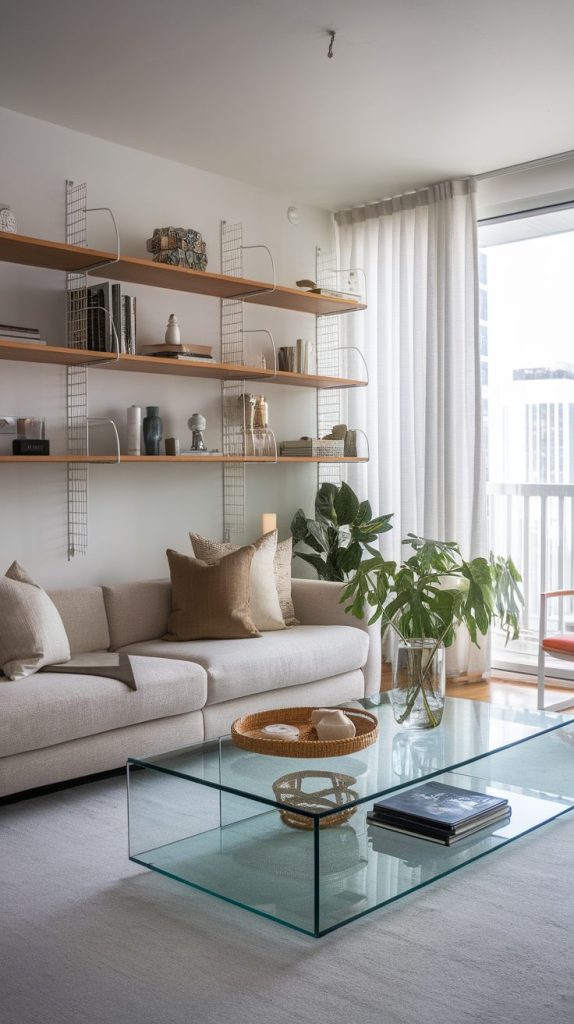
Solid, bulky furniture blocks visual flow, while open or glass pieces let light pass through. Glass coffee tables, acrylic chairs, or open shelving keep the room feeling airy. I know some people worry about practicality, but modern options hold up surprisingly well.
These pieces visually disappear, which gives your living room room to breathe. Transparency reduces visual weight, and that matters a lot in tight spaces.
13. Stick to Low-Profile Seating
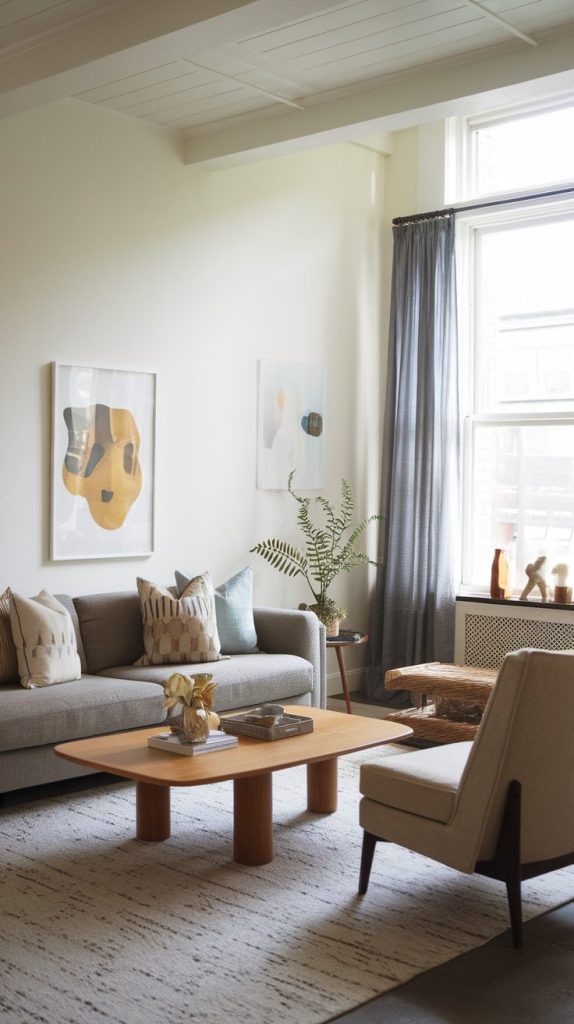
Low-profile sofas and chairs make ceilings feel taller by comparison. I’ve noticed this especially in apartments with standard-height ceilings. When furniture sits lower, the room automatically feels more open.
Pair low seating with taller decor like plants or lamps to balance the proportions. This contrast adds interest without cluttering the space. Ever wondered why minimalist spaces feel so calm? Proportion plays a big role.
14. Create Clear Walkways
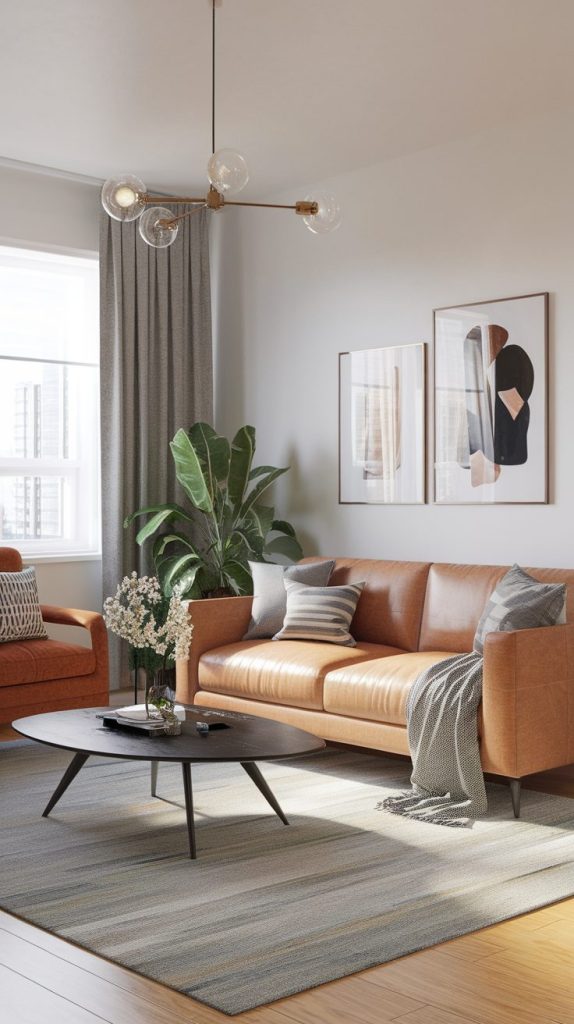
A cramped living room often suffers from poor traffic flow. Furniture placed without considering movement can make the room feel boxed in. I always map out walkways before committing to a layout.
Clear paths make the room feel functional and open. Good flow equals good energy, and you feel it immediately when you walk into the space. Nobody enjoys navigating an obstacle course just to sit down.
15. Bring in Plants Without Overcrowding
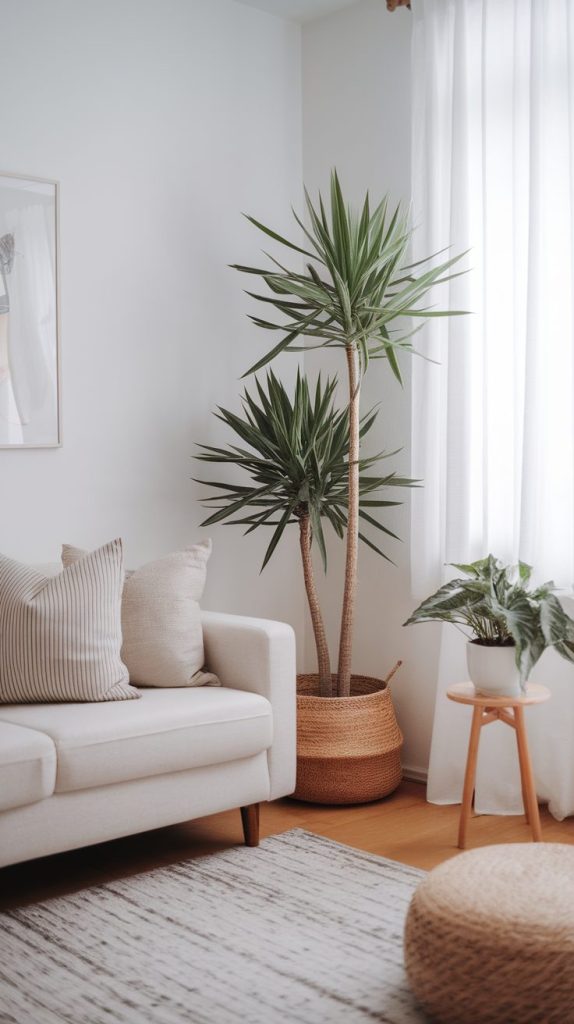
Plants add life and warmth, but too many can overwhelm a small room. I prefer a few larger plants over many tiny ones. A tall plant in a corner draws the eye upward and adds softness without clutter.
Wall-mounted planters also work well if floor space feels limited. Plants make the room feel fresh and lived-in, which balances out minimalist layouts nicely.
16. Keep Technology Sleek and Streamlined
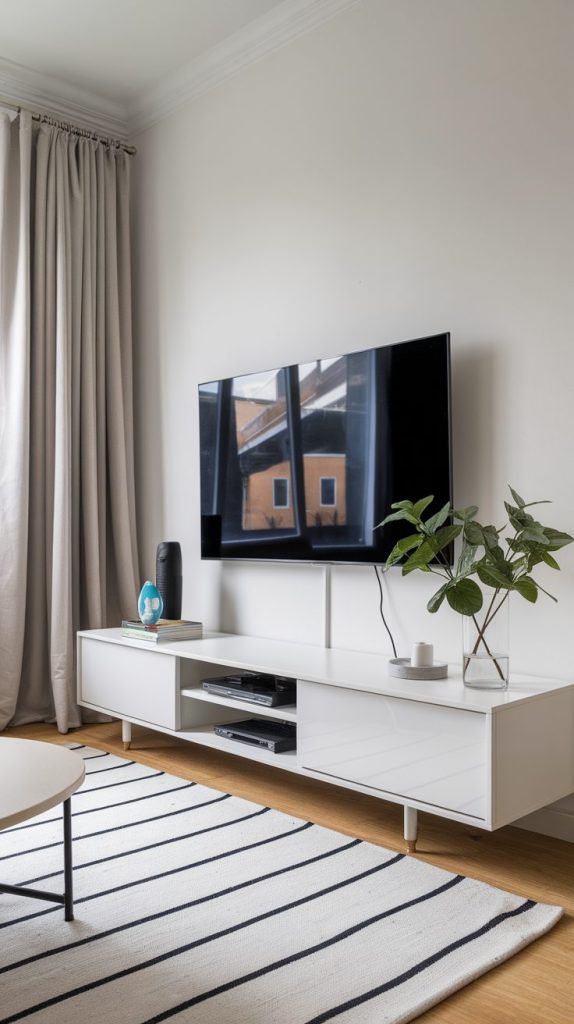
Bulky entertainment units and visible cables kill the spacious vibe fast. I recommend wall-mounting the TV and hiding cords whenever possible. Sleek media consoles with closed storage keep things looking tidy.
Technology should blend into the space, not dominate it. Clean lines create calm, and calm spaces always feel bigger than they are.
17. Edit Regularly and Let the Room Breathe
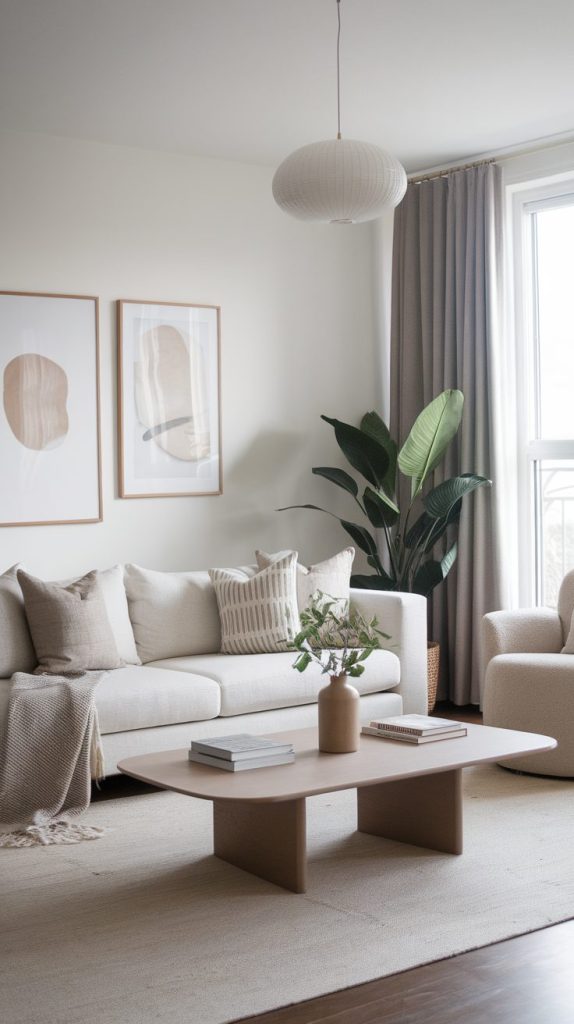
Even the best-designed living room needs regular editing. Stuff accumulates over time, and clutter sneaks back in before you notice. I do a quick reset every few months to reassess what actually belongs in the space.
Letting the room breathe keeps it functional and visually open. Ever noticed how good your living room feels right after cleaning? That’s your sign to keep it that way.
Final Thoughts
Creating a spacious-feeling apartment living room isn’t about perfection or expensive furniture, and it never was. It’s about intentional choices, smart layouts, and knowing when to say no to stuff that doesn’t serve the space.
Try a few of these ideas, trust your instincts, and don’t be afraid to experiment because your living room should work for you, not against you.