10 Bedroom Comforter Ideas for a Cozy Bed Style
A comforter quietly controls the entire personality of a bed. Change that single layer and suddenly the whole bedroom feels warmer, calmer, brighter, or more polished without touching anything else.
People often spend hours choosing furniture while treating bedding like an afterthought. In reality, the comforter becomes the largest visual surface in the room, so the style you choose matters more than most people realize.
A well-chosen comforter doesn’t just keep you warm. It creates the feeling of a finished, welcoming bed that you actually want to climb into at the end of the day.
1. Layered Neutral Comforter Look
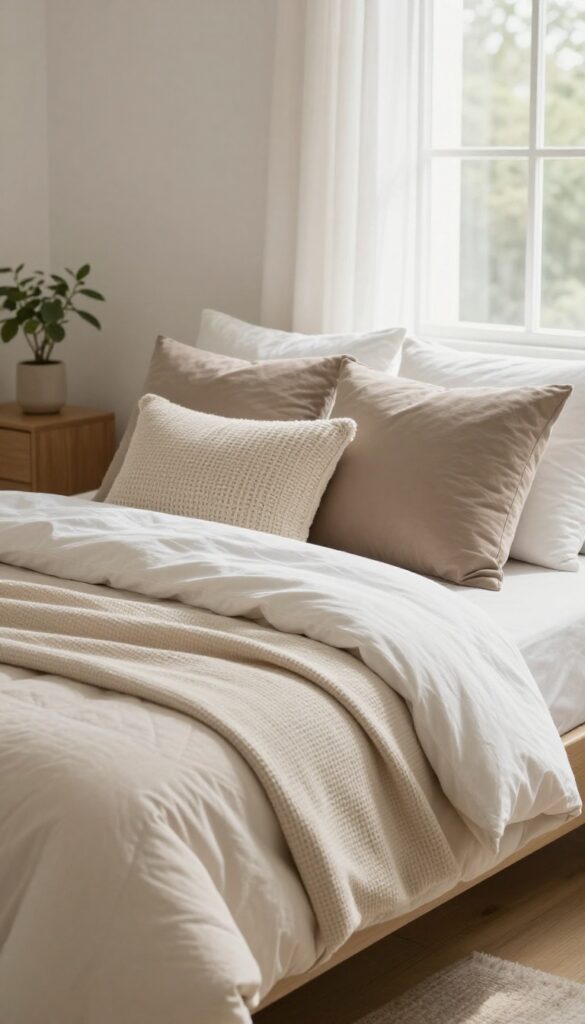
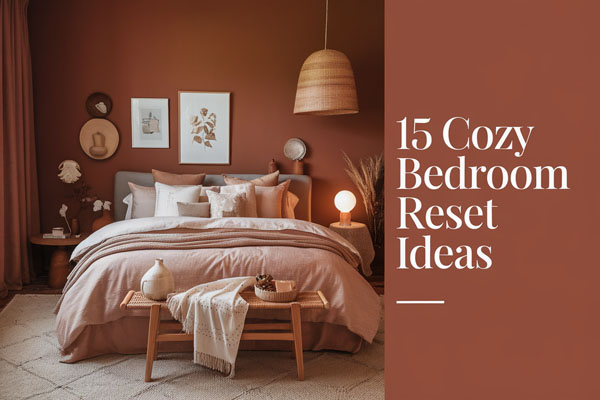
Beds that feel cozy almost always rely on layers instead of a single blanket. A neutral comforter paired with subtle textures creates that relaxed, hotel-style softness that instantly makes the bed look inviting.
I’ve tried this setup a few times, and the difference surprised me. The bed suddenly looked styled without feeling staged, which is the sweet spot most bedrooms need.
Why This Works
Neutral tones calm down visual clutter in a bedroom. When the bed looks simple and layered instead of busy and colorful, the entire space feels more relaxing.
Texture does most of the heavy lifting here. Soft quilting, subtle stitching, or waffle patterns add depth without overwhelming the room.
How to Do It
- Start with a neutral comforter in beige, ivory, light gray, or soft taupe
- Add a lightweight throw blanket folded at the foot of the bed
- Place two large euro pillows behind your regular pillows
- Use one textured accent pillow in linen or knit fabric
Each layer adds depth, which makes the bed look fuller and softer.
Style & Design Tips
Avoid mixing too many neutrals with different undertones. Warm beige and cool gray together can feel slightly off if they clash.
Stick to one tone family and vary the textures instead of the colors.
Pro Tip or Budget Hack
You don’t need expensive bedding to get this look. Buy a simple neutral comforter and add interest through inexpensive textured pillow covers.
The pillow covers create the layered look for a fraction of the cost.
2. Oversized Comforter for a Plush Hotel Feel
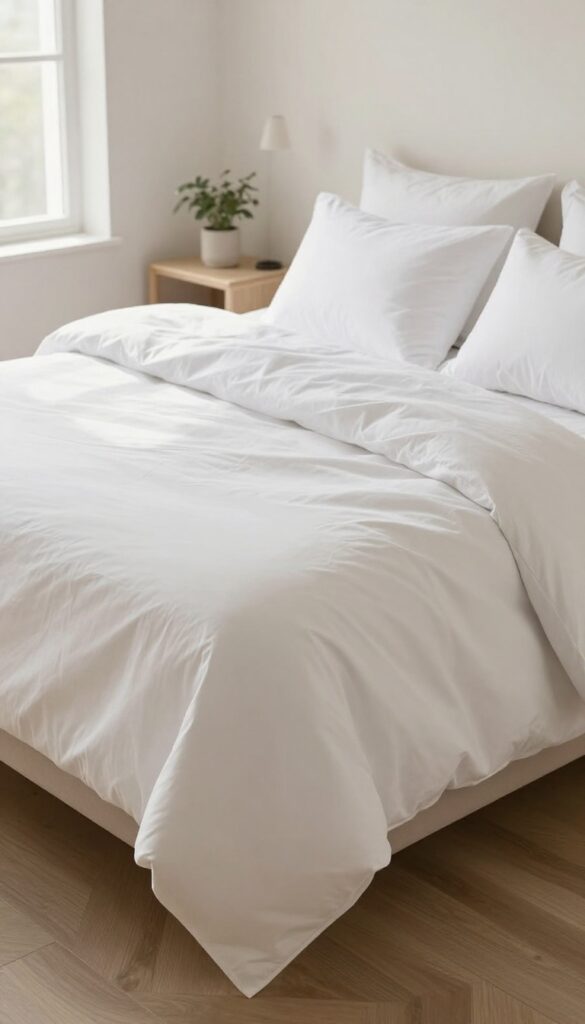
Standard comforters often stop right at the mattress edge. Oversized comforters hang lower on the sides, which instantly creates that luxurious hotel bed look.
The first time I switched to an oversized comforter, I noticed something funny. The bed suddenly looked more expensive even though nothing else changed.
Why This Works
Extra drape creates softness. The longer sides cover the mattress edges and make the bed look fuller and more polished.
This also hides the box spring or frame, which eliminates visual clutter around the bed.
How to Do It
- Choose a comforter one size larger than your mattress
- Let the sides hang naturally instead of tucking tightly
- Smooth the top gently but keep the fabric slightly relaxed
- Pair with two to four sleeping pillows
Loose draping makes the bed look effortless rather than rigid.
Style & Design Tips
Avoid extremely heavy comforters if you live somewhere warm. Thick bedding might look cozy but can become uncomfortable quickly.
Instead, choose lightweight oversized comforters with breathable fill.
Pro Tip or Budget Hack
Look for oversized comforters labeled “hotel style” or “extra drop.” These usually cost the same as standard ones but provide much better coverage.
That tiny upgrade makes a surprisingly big visual difference.
3. Quilted Comforter for Texture
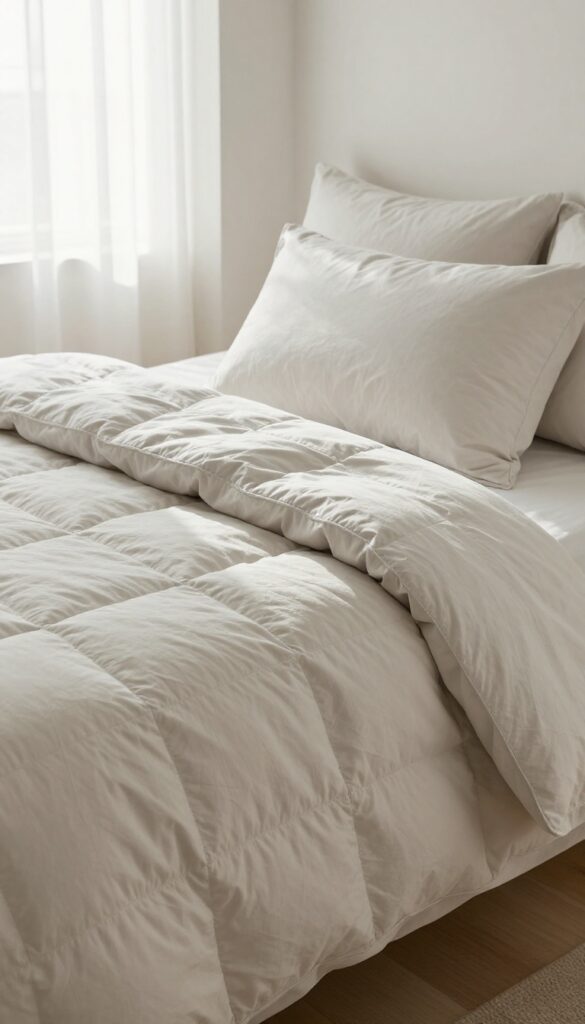
Flat bedding often looks unfinished. Quilted comforters solve that problem by adding visual depth without requiring extra layers.
A quilted comforter is one of those quiet design tricks that make a bed look thoughtful. The texture draws attention without shouting.
Why This Works
Patterns created by stitching catch light differently across the fabric. That subtle variation creates depth, even if the color stays simple.
Texture also softens large surfaces, which prevents the bed from looking flat.
How to Do It
- Choose a quilted comforter with subtle stitching
- Stick to solid colors to keep the texture noticeable
- Add simple pillow shams that match the comforter
- Keep the rest of the bedding minimal
Let the quilting pattern do the visual work.
Style & Design Tips
Avoid overly complicated stitched designs. Extremely busy quilting patterns can look outdated or heavy.
Simple diamond or square stitching keeps the look modern and clean.
Pro Tip or Budget Hack
Lightly steam the comforter before placing it on the bed. Removing wrinkles makes the quilting pattern stand out much more clearly.
It takes five minutes and improves the entire look.
4. White Comforter for a Fresh Hotel Look
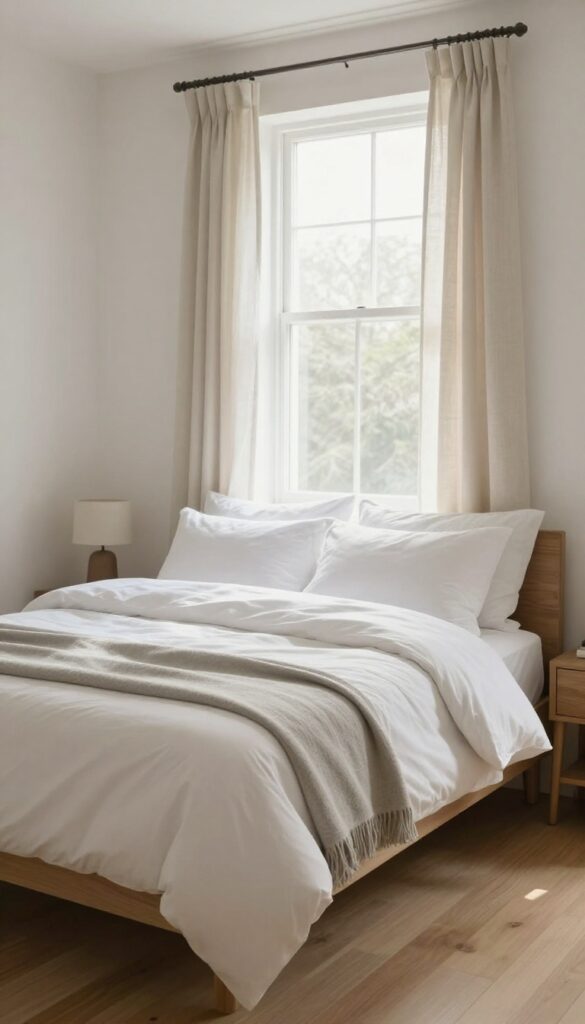
White bedding never really goes out of style. It instantly makes a bedroom feel cleaner, brighter, and more spacious.
Many people avoid white because they assume it’s hard to maintain. In reality, washable comforters solve most of that worry.
Why This Works
White reflects light evenly across the bed. That brightness creates a sense of freshness and simplicity that darker colors sometimes lack.
It also pairs well with nearly every bedroom style.
How to Do It
- Choose a machine-washable white comforter
- Layer with white or soft neutral pillows
- Add a single accent throw for contrast
- Keep sheets in light tones
The goal is softness, not starkness.
Style & Design Tips
Pure bright white can feel slightly sterile in some rooms. A soft cream or ivory shade often feels warmer.
Pair white bedding with natural textures like wood or linen to avoid a clinical feel.
Pro Tip or Budget Hack
Use a light gray or beige throw blanket at the foot of the bed. It protects the comforter from everyday wear while adding visual contrast.
Small details like this keep white bedding looking fresh longer.
5. Earth Tone Comforter for a Warm Bedroom
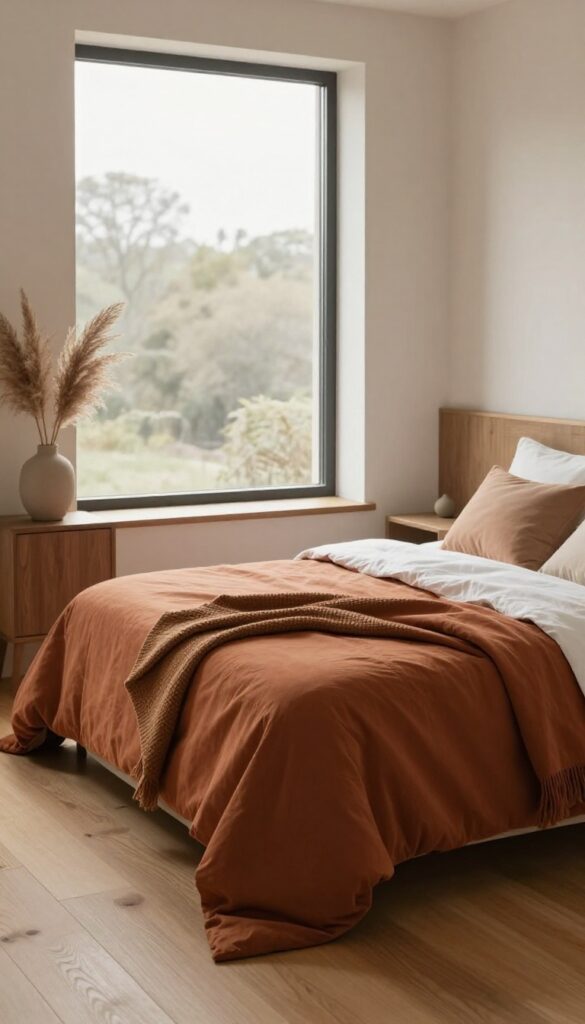
Bedrooms often benefit from colors that feel grounded. Earth tones like terracotta, olive, or warm brown create a calm environment that feels naturally cozy.
I noticed something interesting after trying earth-tone bedding. The room immediately felt warmer without adding any extra decorations.
Why This Works
Natural colors mimic tones found in nature. Our brains tend to relax around those shades, which makes them perfect for bedrooms.
Earth tones also work well with wood furniture and neutral walls.
How to Do It
- Choose a comforter in olive, rust, or warm brown
- Pair with neutral sheets and pillows
- Add one textured throw blanket
- Keep surrounding décor simple
Too many colors can weaken the calming effect.
Style & Design Tips
Balance darker comforters with lighter pillows. This prevents the bed from feeling visually heavy.
Also avoid extremely glossy fabrics. Matte textures look more natural with earthy colors.
Pro Tip or Budget Hack
If a bold earth tone feels risky, start with earth-tone pillow covers instead. You can introduce color slowly before committing to a full comforter.
It’s an easy way to test the look.
6. Fluffy Down Comforter for Maximum Softness
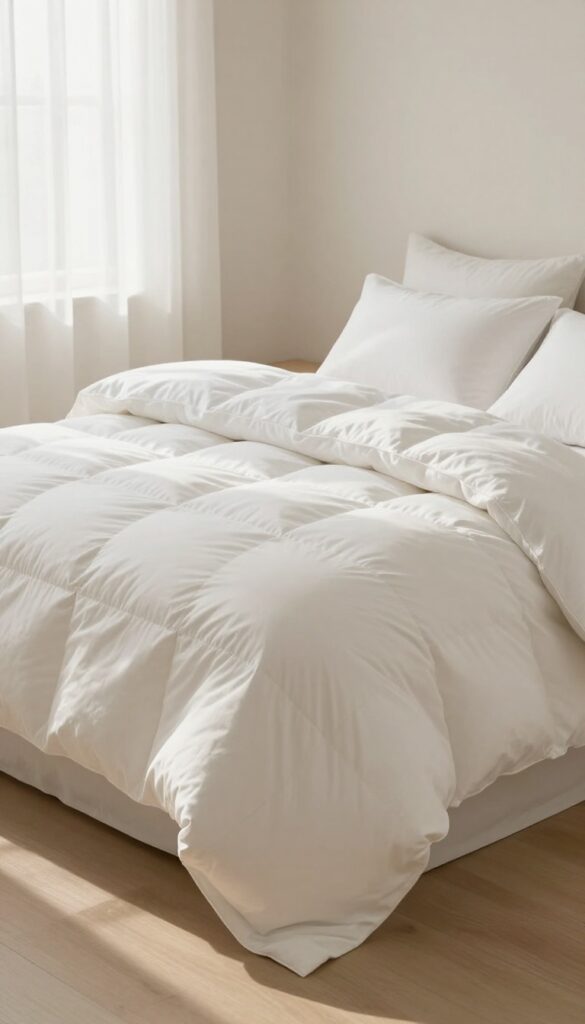
Some beds look cozy but don’t actually feel that comfortable. A fluffy down or down-alternative comforter fixes that instantly.
The moment you place a thick, airy comforter on the bed, the entire setup starts looking softer.
Why This Works
Down fill traps air inside the comforter, which creates both warmth and volume. That puffiness gives the bed a plush, inviting appearance.
The extra loft also adds dimension to the bed surface.
How to Do It
- Choose a medium-weight down or down-alternative comforter
- Shake it lightly to fluff before placing it
- Use simple white or neutral duvet covers
- Avoid excessive layering
The comforter itself should be the focal point.
Style & Design Tips
Too many pillows can flatten the comforter’s loft. Keep the pillow count simple so the puffiness remains visible.
Also avoid thin duvet covers that wrinkle easily.
Pro Tip or Budget Hack
Put the comforter in the dryer with two clean tennis balls for ten minutes. This restores loft and makes the bedding look brand new.
It’s a small trick that hotels use all the time.
7. Patterned Comforter for a Statement Bed
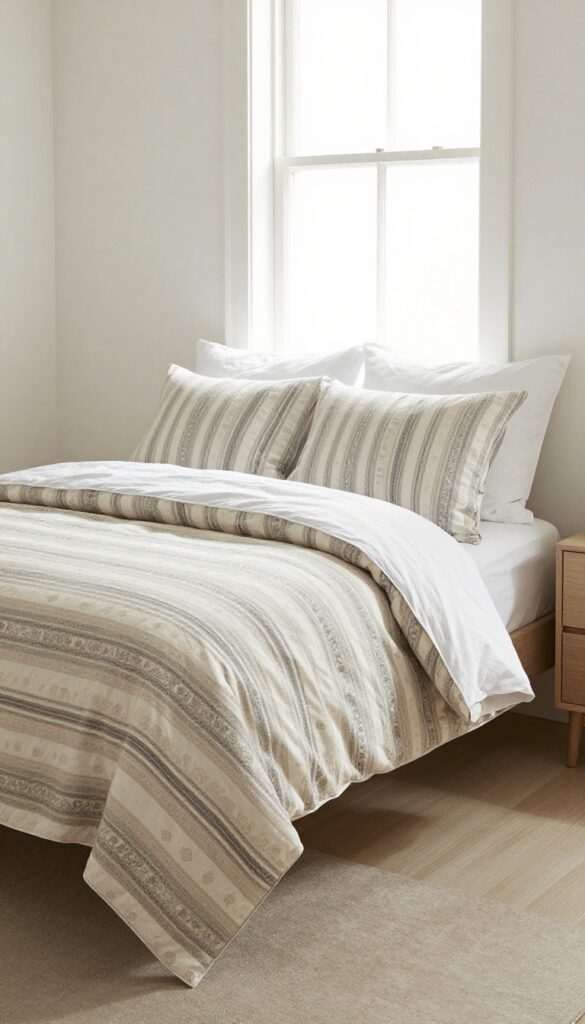
Sometimes a bedroom needs one strong focal point. A patterned comforter can anchor the entire room while keeping everything else simple.
This approach works especially well in neutral bedrooms that feel slightly empty.
Why This Works
Patterns naturally draw the eye. When the bed becomes the visual centerpiece, the rest of the room doesn’t need heavy decoration.
It simplifies the design process.
How to Do It
- Choose a comforter with a bold but balanced pattern
- Keep sheets and pillows solid colored
- Limit additional patterns in the room
- Use neutral furniture nearby
The comforter should remain the star.
Style & Design Tips
Avoid extremely trendy prints that may feel dated later. Classic patterns like stripes or subtle florals tend to age better.
Also ensure the pattern scale fits the bed size.
Pro Tip or Budget Hack
If you’re unsure about committing to a patterned comforter, try a patterned duvet cover instead. It gives you the same visual effect with less commitment.
Switching covers later becomes easy.
8. Two-Tone Comforter for Visual Balance
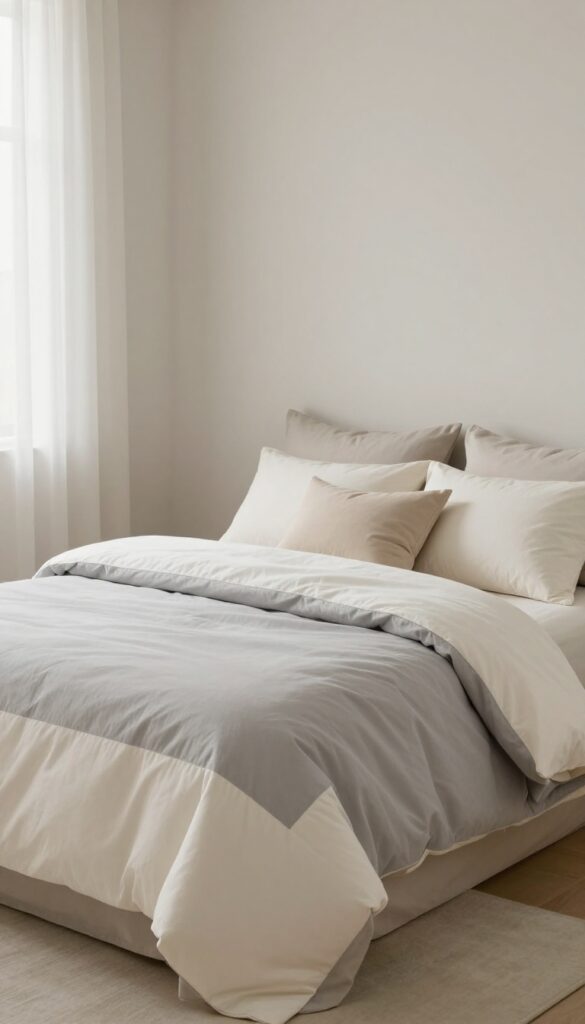
Two-tone comforters combine two complementary colors in a single piece. This simple contrast creates depth without requiring extra layers.
I like this approach because it feels styled without needing much effort.
Why This Works
Color contrast creates visual separation on the bed. The design adds interest while keeping the layout clean.
It also helps tie together different colors already present in the room.
How to Do It
- Choose a comforter with two balanced colors
- Match pillows with the lighter tone
- Keep sheets neutral
- Add one small accent pillow
The goal is harmony, not chaos.
Style & Design Tips
Avoid harsh color combinations that fight each other. Soft contrasts like gray and white or beige and cream feel more relaxing.
Bedrooms benefit from calm palettes.
Pro Tip or Budget Hack
Reversible comforters offer two color options in one product. Flipping the comforter occasionally refreshes the entire room without buying new bedding.
It’s an easy refresh trick.
9. Knit Comforter for Extra Texture
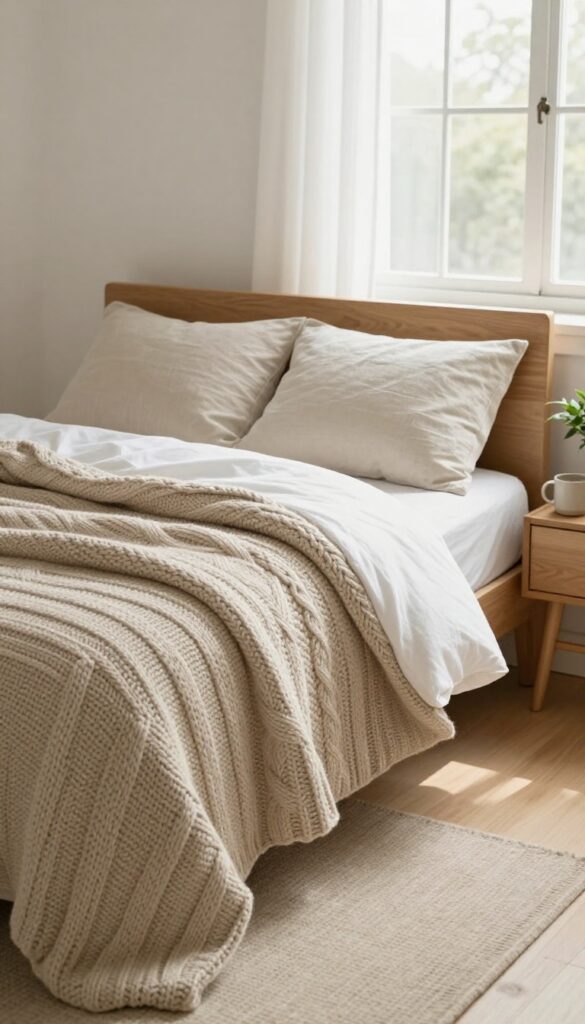
Knitted bedding introduces softness in a different way than smooth fabrics. The chunky texture creates warmth even before you touch the bed.
I didn’t expect knit bedding to look as cozy as it does, but it instantly changes the atmosphere of a room.
Why This Works
Large knit patterns break up flat surfaces. The texture feels tactile and inviting, which reinforces the cozy atmosphere.
Texture also pairs beautifully with minimalist bedrooms.
How to Do It
- Choose a chunky knit comforter or coverlet
- Pair with simple cotton sheets
- Keep pillow designs minimal
- Use neutral or earthy tones
Too many textures can overwhelm the look.
Style & Design Tips
Chunky knits already attract attention. Avoid adding multiple textured throws or patterned pillows.
Let the knit pattern remain the main feature.
Pro Tip or Budget Hack
Instead of buying a full knit comforter, try a large chunky knit throw blanket across the bed. It delivers the same cozy look for much less money.
Sometimes the smaller upgrade works just as well.
10. Seasonal Comforter Rotation
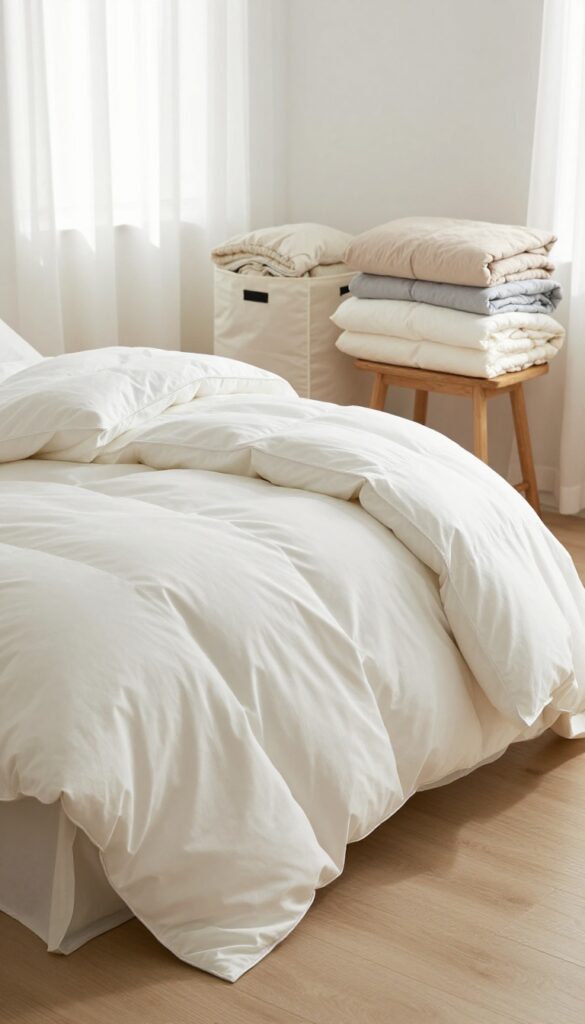
Bedrooms feel refreshed when bedding changes with the seasons. Rotating comforters keeps the room visually interesting throughout the year.
This strategy also extends the lifespan of your bedding.
Why This Works
Seasonal swaps prevent design fatigue. Changing colors or textures occasionally keeps the room feeling new.
It also ensures the comforter weight matches the temperature.
How to Do It
- Use lightweight comforters in warmer months
- Switch to thicker bedding in colder months
- Store off-season comforters in breathable bags
- Rotate pillow covers as well
Small seasonal changes create noticeable variety.
Style & Design Tips
Choose seasonal colors carefully. Soft pastels work well for warmer months, while deeper tones suit cooler seasons.
Avoid buying extremely themed bedding that feels temporary.
Pro Tip or Budget Hack
Instead of buying multiple comforters, buy one good comforter and two duvet covers for different seasons. This approach saves money and storage space.
Switching covers takes only a few minutes.
Final Thoughts
A bed rarely feels cozy by accident. Small design decisions like comforter texture, color, and layering quietly shape how inviting the bedroom becomes.
The good news is that upgrading bedding doesn’t require a full room makeover. Sometimes swapping a single comforter changes the entire atmosphere of the space.
I’ve tested several of these ideas over the years, and the layered neutral setup still wins for everyday comfort. Still, the best comforter style is the one that makes you look at the bed and think, “Yeah, that’s exactly where I want to be tonight.”