8 Light Gray Bathroom Ideas That Feel Airy
Practical color choices usually determine whether a bathroom feels open or cramped. Light gray sits in a sweet spot where it softens the room without turning everything stark white.
Designers lean on gray because it plays nicely with almost every material. It keeps a bathroom looking calm, organized, and quietly stylish without trying too hard.
A lot of bathrooms struggle with visual clutter and heavy color combinations. Light gray solves that problem by creating a neutral base that still feels modern.
The trick is knowing how to use it properly. When you combine the right textures, finishes, and layouts, gray suddenly feels fresh and surprisingly spacious.
1. Soft Light Gray Walls With Bright White Trim
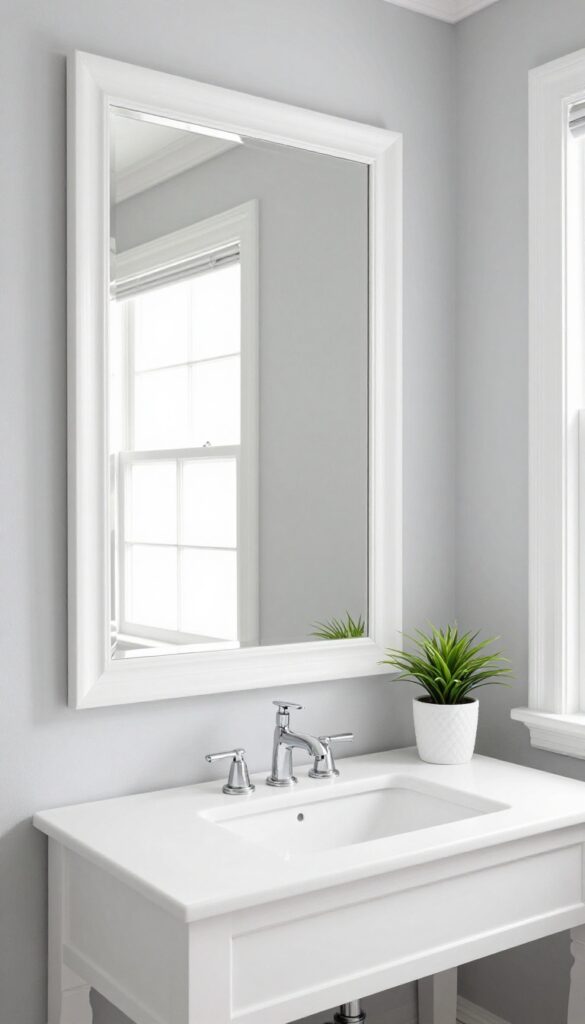
Heavy wall colors tend to shrink bathrooms visually. Light gray solves that problem while still giving the room more personality than plain white paint.
I started recommending this combo to friends after repainting a small guest bathroom years ago. The moment we added crisp white trim around the mirror, baseboards, and window frames, the whole space felt brighter and more intentional.
Why This Works
Light gray reflects light without washing out the room. It creates gentle contrast against white trim, which makes architectural details stand out.
White trim also frames the space visually. Instead of everything blending together, your eyes see clean edges and structure, which naturally makes the bathroom feel more polished.
How to Do It
• Choose a soft warm gray paint, not a cold blue-toned gray
• Paint all walls light gray with a satin or eggshell finish
• Use pure white trim paint for baseboards, window trim, and door frames
• Keep ceilings white to maximize brightness
• Match the vanity color to the trim if possible
The white framing effect creates a subtle visual outline around the room.
Style & Design Tips
Avoid dark gray here because it defeats the airy feeling. Stick with shades that feel closer to silver than charcoal.
Glossy trim works best because it reflects light slightly. Matte trim can sometimes dull the contrast and flatten the room visually.
Pro Tip or Budget Hack
Skip expensive designer paint lines and grab a solid mid-range brand instead. Most hardware store brands carry excellent light gray neutrals that look nearly identical once they dry.
2. Light Gray Tile Flooring With White Grout
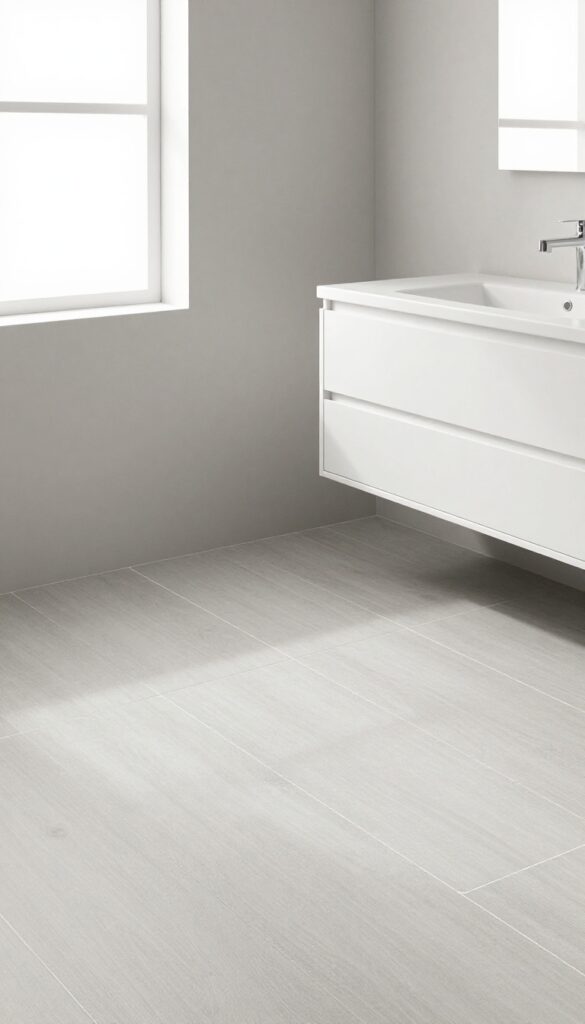
Bathroom floors quietly shape the whole mood of the space. When the floor feels heavy or dark, the room instantly looks smaller.
Light gray tile fixes that issue while hiding dirt better than white floors ever could. After installing this in my own bathroom renovation, I realized how forgiving gray flooring actually is.
Why This Works
Gray flooring creates a grounded base without overpowering the room. It anchors the space while still reflecting enough light to maintain an open feeling.
White grout lines also add subtle pattern. They break up the surface just enough to keep the floor interesting without making it busy.
How to Do It
• Choose large-format light gray porcelain tiles
• Use white or very light gray grout lines
• Lay tiles in a simple straight pattern
• Extend tile under the vanity if possible
• Seal grout properly to keep it bright
Large tiles reduce visual clutter from too many grout lines.
Style & Design Tips
Avoid small mosaic tiles unless they are extremely light in color. Too many tiny tiles can make a bathroom feel crowded.
Matte or lightly textured tiles work better than glossy ones. Glossy floors look pretty but become slippery and high maintenance.
Pro Tip or Budget Hack
Porcelain tiles often mimic expensive stone beautifully. You can get the look of marble or limestone in light gray tones without paying premium prices.
3. Floating Light Gray Vanity
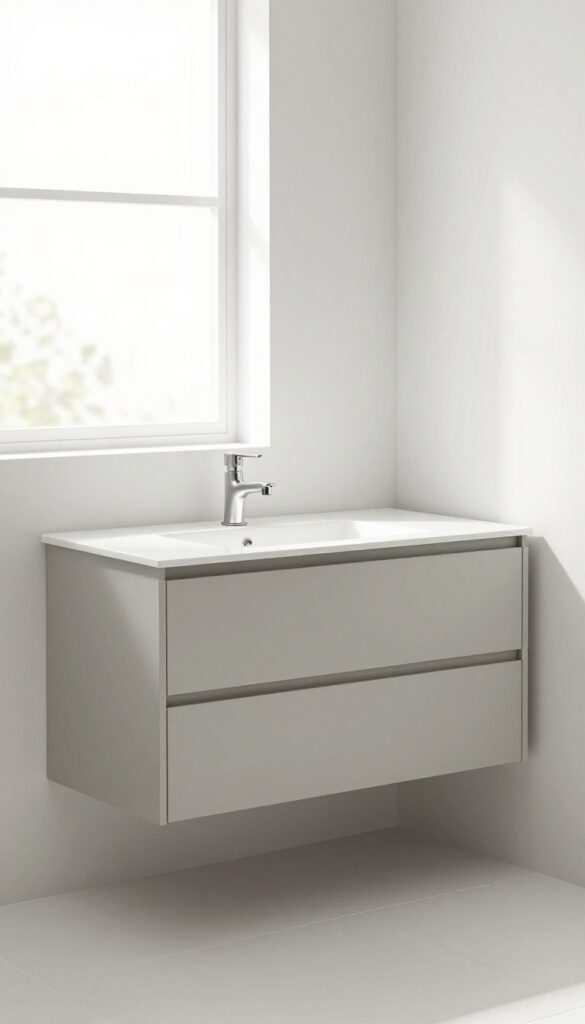
Traditional vanities that sit flat on the floor sometimes make a bathroom feel heavier than necessary. Floating vanities instantly fix that by opening up visual space underneath.
I love this design because it tricks the eye into thinking the room is larger. Even a small powder room feels more breathable once the floor becomes visible.
Why This Works
Seeing more floor area creates a sense of openness. The gap underneath the vanity allows light to travel across the room instead of getting blocked.
Light gray cabinetry also softens the vanity’s presence. Instead of dominating the room, it blends naturally into the overall palette.
How to Do It
• Choose a wall-mounted vanity in light gray finish
• Install it 8–12 inches above the floor
• Pair it with a white or quartz countertop
• Keep plumbing concealed if possible
• Add under-vanity lighting for extra depth
The floating look creates an immediate modern upgrade.
Style & Design Tips
Avoid bulky hardware on floating vanities. Slim brushed nickel or matte black handles keep the look clean.
Choose drawers instead of cabinets if storage matters. Drawers usually organize toiletries better and feel easier to access.
Pro Tip or Budget Hack
You can convert a standard vanity into a floating one. Simply mount it securely into wall studs and remove the toe kick.
4. Light Gray Subway Tile Shower
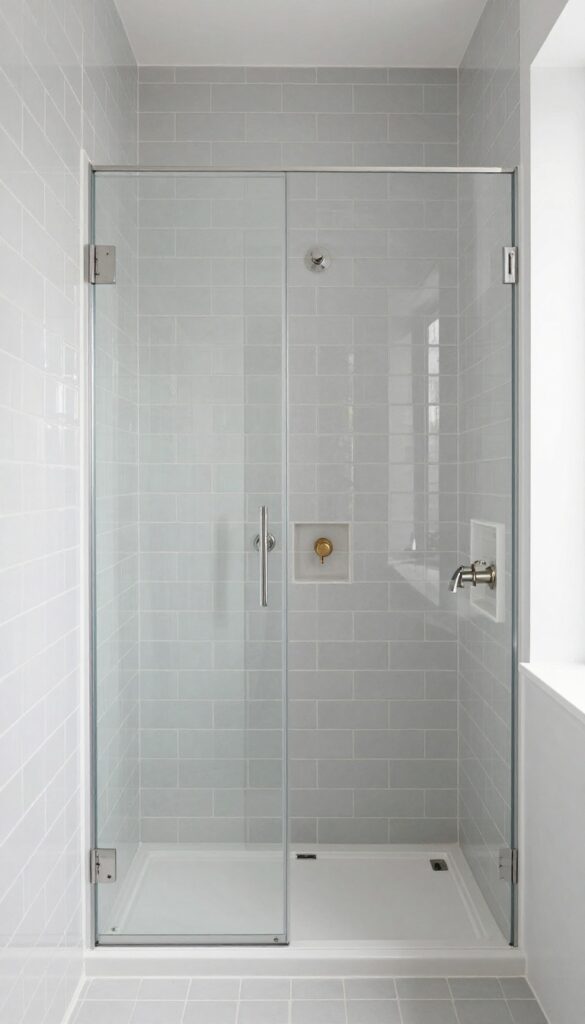
Plain white subway tile sometimes looks a little too predictable. Light gray subway tile keeps the classic look while adding subtle depth.
I saw this in a friend’s newly remodeled bathroom and immediately noticed how much softer it felt. The gray tone created contrast without overwhelming the shower.
Why This Works
Subway tiles already create a clean pattern. Using light gray instead of white gives the wall dimension without making it busy.
The consistent tile pattern also reflects light across the shower walls evenly.
How to Do It
• Install light gray subway tiles in a horizontal pattern
• Use white grout to highlight the tile layout
• Extend tile from floor to ceiling for a seamless look
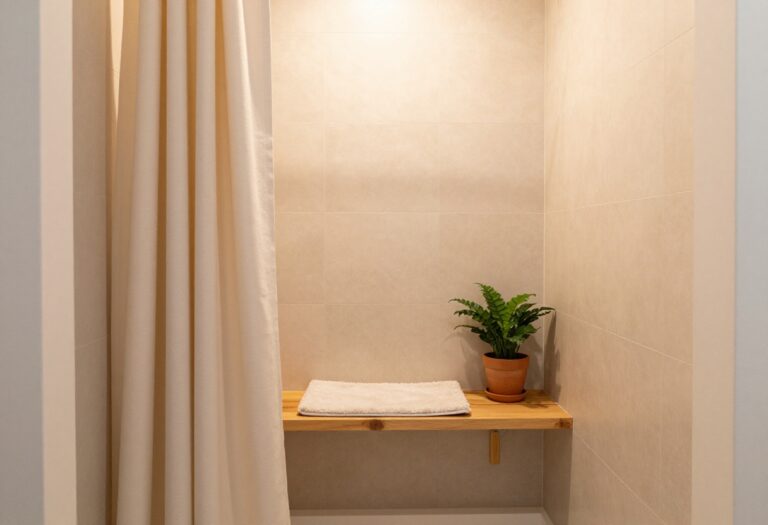
• Add a built-in shower niche for storage
• Finish edges with white trim tiles
Full-height tile walls feel more spacious than half-tiled showers.
Style & Design Tips
Avoid mixing too many tile styles in one shower. Keep the wall tiles consistent and let hardware create contrast.
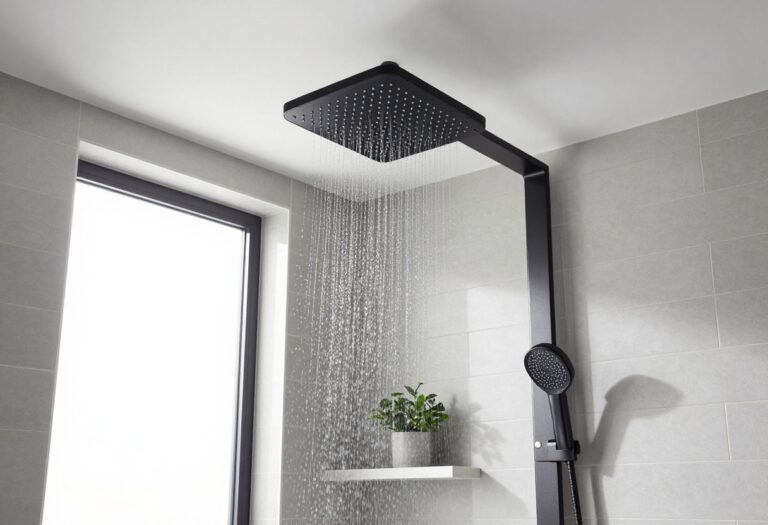
Brushed nickel or chrome fixtures pair beautifully with light gray tiles.
Pro Tip or Budget Hack
Standard subway tiles remain one of the most affordable tile options. Even high-quality ceramic versions cost far less than decorative stone.
5. Light Gray and Wood Accents
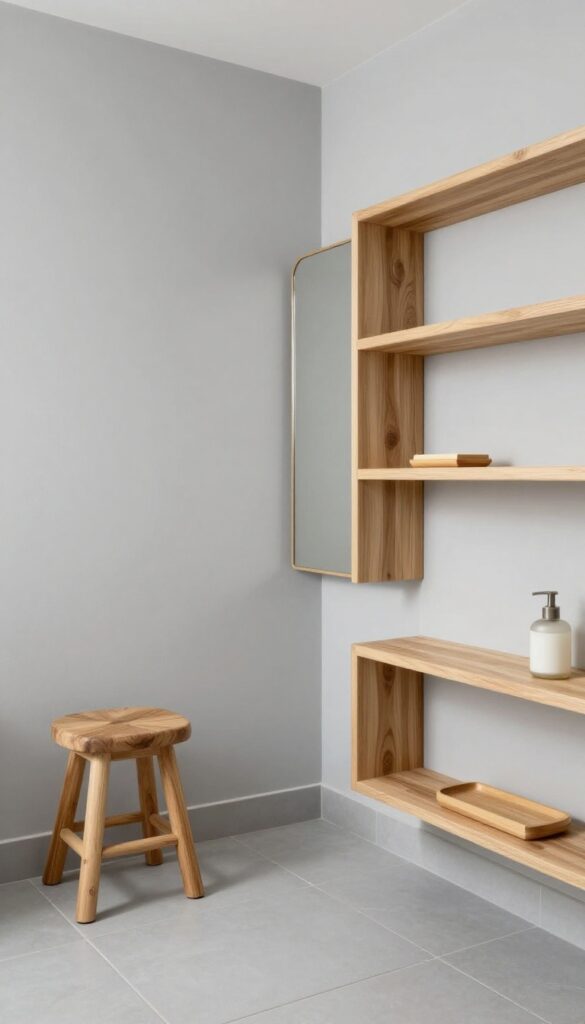
Bathrooms sometimes lean too far into sterile territory. Adding wood elements alongside light gray keeps things warm and relaxed.
I learned this lesson the hard way after designing a bathroom that felt a little too clinical. One wooden stool and a bamboo tray instantly softened the entire space.
Why This Works
Wood adds organic texture. It balances the coolness of gray and prevents the bathroom from feeling cold.
The contrast between soft gray tones and natural wood grains creates visual warmth.
How to Do It
• Choose light gray walls or tile as the base color
• Add wooden shelves or a small wooden stool
• Use bamboo accessories like soap trays or baskets
• Consider a wood-framed mirror
• Keep wood finishes natural, not overly dark
Subtle wood touches work better than heavy rustic pieces.
Style & Design Tips
Avoid overly orange wood tones. Light oak, bamboo, or walnut usually complements gray much better.
Balance wood accents evenly throughout the room so one corner does not feel heavier than the rest.
Pro Tip or Budget Hack
Kitchen cutting boards actually make great bathroom trays. They hold soap dispensers and candles while adding natural texture.
6. Light Gray Bathroom With Large Mirror
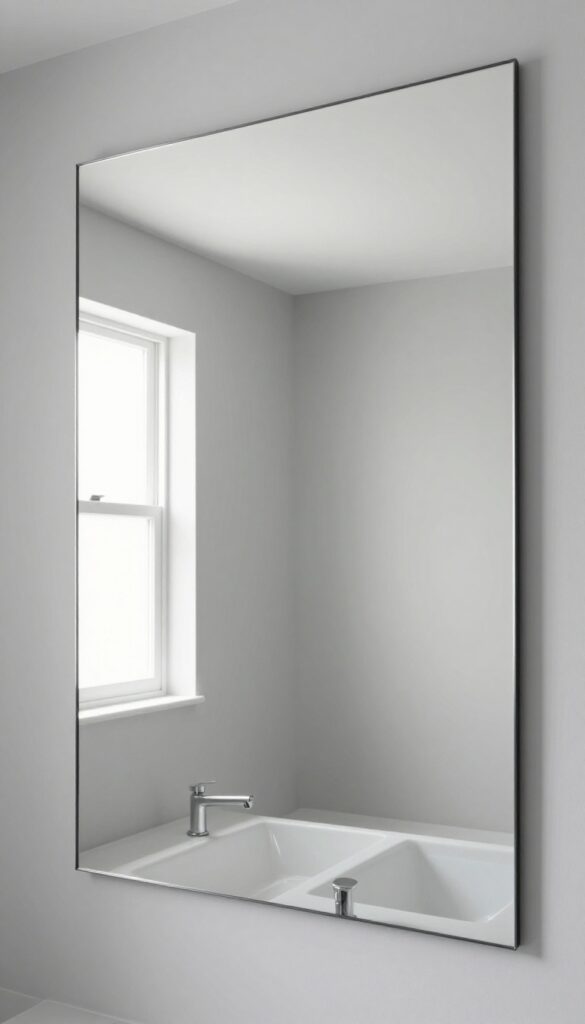
Mirrors quietly control how open a bathroom feels. A large mirror combined with light gray walls creates a dramatic sense of space.
I once installed a mirror nearly the full width of a vanity, and the room instantly doubled in visual size. It felt like someone had knocked out a wall overnight.
Why This Works
Mirrors reflect light and color across the room. Light gray walls bounce that reflection softly instead of creating harsh glare.
The combination makes even a compact bathroom feel breathable.
How to Do It
• Install a wide mirror above the vanity
• Choose a frameless or thin metal frame design
• Extend the mirror close to the ceiling if possible
• Add wall sconces or overhead lighting near the mirror
• Keep surrounding decor minimal
A larger mirror creates the illusion of depth.
Style & Design Tips
Avoid tiny mirrors centered over wide vanities. They break the visual flow and waste reflection space.
Frameless mirrors work best for modern bathrooms. Thin metal frames suit transitional styles.
Pro Tip or Budget Hack
Glass shops often cut mirrors cheaper than home décor stores. You can order a custom size that perfectly fits your vanity.
7. Light Gray Shower Curtain and Textiles
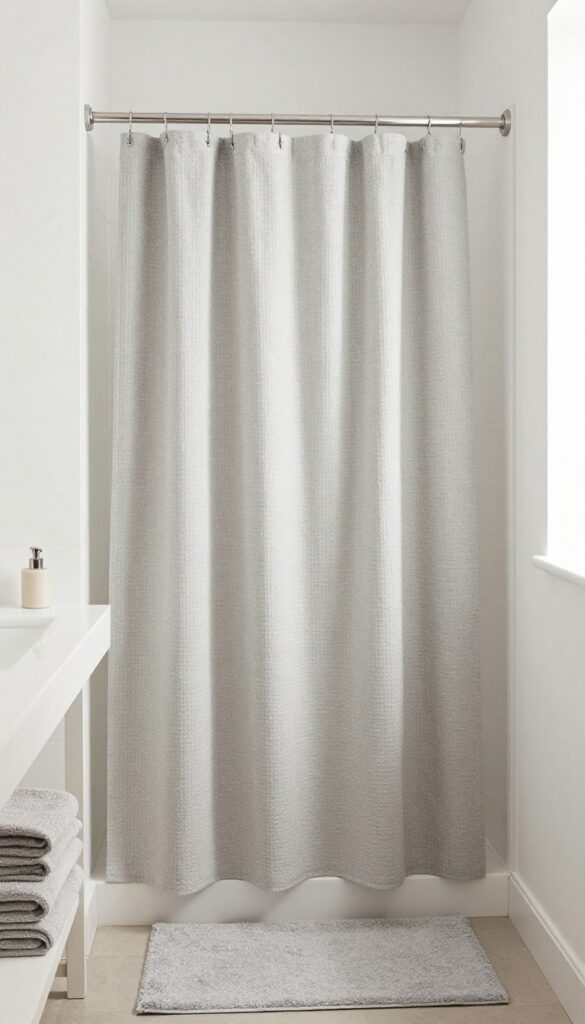
Permanent fixtures are not the only way to introduce color. Textiles like shower curtains, towels, and bath mats can quietly shape the entire palette.
This trick works especially well if you rent or avoid big renovations. Swapping fabrics gives the bathroom a fresh look in minutes.
Why This Works
Soft textiles introduce gray without overwhelming the room. They allow flexibility if you want to change styles later.
Light gray fabrics also soften bright white bathrooms that might otherwise feel stark.
How to Do It
• Choose a light gray shower curtain with subtle texture
• Pair it with matching or coordinating towels
• Add a light gray bath mat for cohesion
• Keep other accessories neutral
• Stick with simple patterns or solids
Layering textiles builds a cohesive look.
Style & Design Tips
Avoid overly busy prints. Simple textures like waffle weave or linen-style fabric feel calmer.
Stick with two or three colors total in the bathroom. Too many shades can make the space look chaotic.
Pro Tip or Budget Hack
Hotels often inspire the best textile setups. Crisp gray towels paired with white walls create a clean, spa-like vibe.
8. Light Gray Marble-Inspired Surfaces
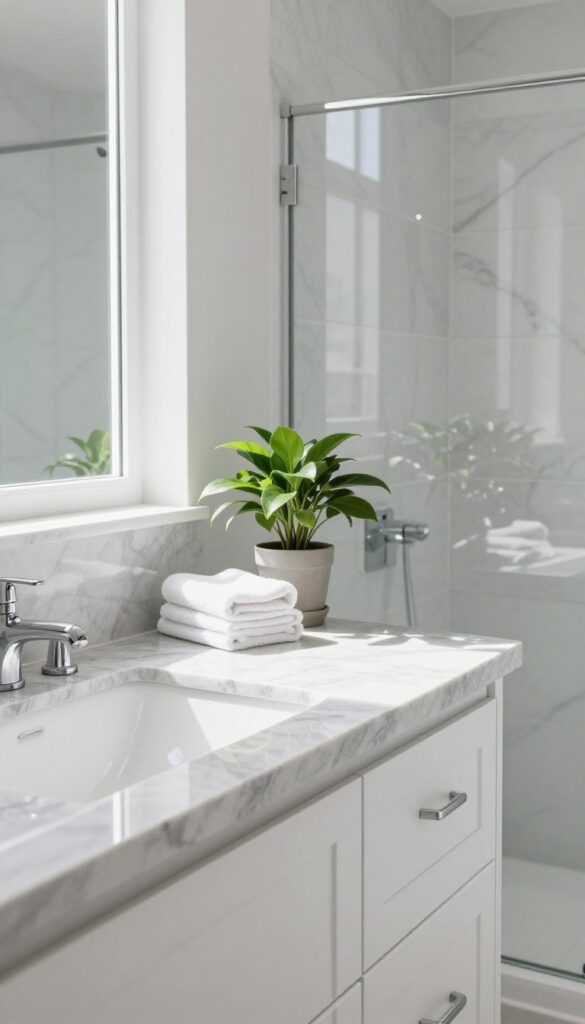
Natural stone bathrooms look stunning but often cost a fortune. Marble-inspired surfaces in light gray deliver the same elegant feel without the financial headache.
The first time I used a marble-look countertop in a bathroom remodel, I had to double-check the receipt. It looked way more expensive than it actually was.
Why This Works
Marble patterns naturally combine white and gray tones. That blend keeps the room bright while adding subtle visual movement.
Light gray veining also introduces depth without overwhelming the space.
How to Do It
• Choose marble-look quartz or porcelain surfaces
• Install them on countertops or shower walls
• Pair with white cabinets or light gray cabinetry
• Keep hardware minimal and polished
• Maintain simple decor to highlight the surface
The stone effect adds instant sophistication.
Style & Design Tips
Avoid overly dramatic marble patterns in small bathrooms. Soft veining works best because it keeps the look calm.
Pair marble surfaces with clean fixtures like chrome or brushed nickel.
Pro Tip or Budget Hack
Quartz countertops often mimic marble beautifully while resisting stains better. They also require far less maintenance.
Final Thoughts
Small design decisions shape how a bathroom feels every day. Light gray works because it quietly supports the rest of the space instead of competing with it.
Mixing gray with white, wood, and reflective surfaces keeps the room feeling calm and open. The best bathrooms usually rely on a few simple ideas executed well.
If you ever feel stuck during a bathroom refresh, start with gray and build from there. It is one of the easiest colors to style without overthinking every little detail.