9 Zen Spa Bathroom Ideas for a Calm Retreat
Small design choices tend to influence daily stress levels more than people expect. Bathrooms especially carry the weight of rushed mornings, cluttered counters, and unfinished routines that quietly drain energy.
When layout and materials work together instead of competing for attention, the entire experience changes in subtle but powerful ways.
Creating a spa-like bathroom isn’t about copying luxury hotels or spending aggressively. It’s really about removing friction, simplifying decisions, and letting the space support calm habits automatically.
1. Neutral Layered Color Palette
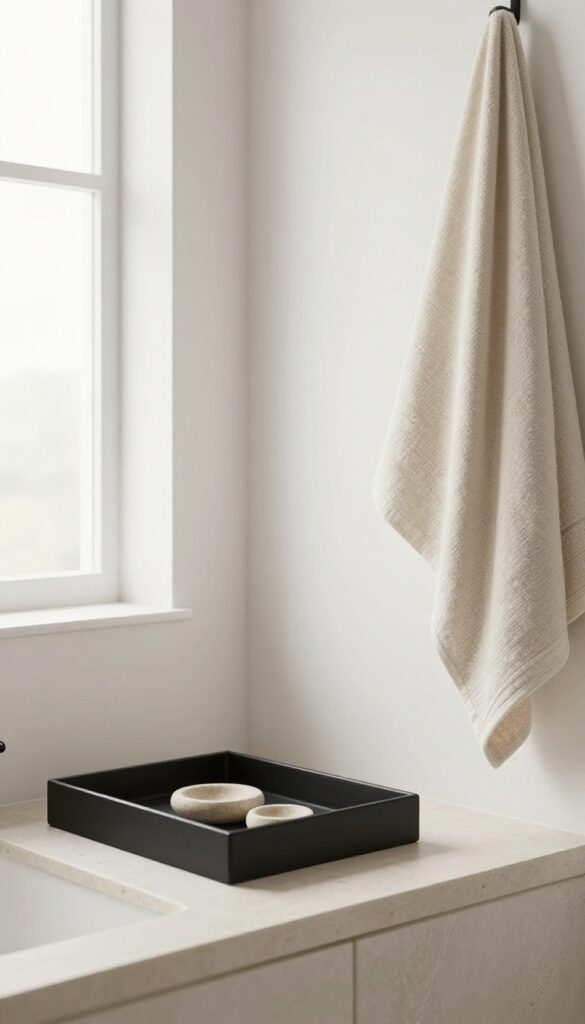
Most bathrooms feel chaotic because too many colors compete for attention in a small footprint. Bright towels, random bottles, and mismatched finishes create visual noise even when the space is technically clean. A layered neutral palette instantly slows the room down and makes everything feel intentional.
I learned this after repainting a bathroom that never felt relaxing despite being organized. Once I replaced sharp contrasts with warm whites, soft beige tones, and muted stone shades, the entire room felt quieter without changing the layout at all.
Why This Works
Neutral colors reduce visual stimulation, which helps the brain relax faster in functional spaces. When surfaces blend softly instead of contrasting aggressively, your eyes move smoothly across the room.
This visual continuity mimics spa environments where calm comes from consistency rather than decoration.
How to Do It
- Choose one dominant neutral (warm white, cream, or light taupe) for walls
- Add one secondary tone through towels or rugs for depth
- Keep fixtures within the same color family (matte black, brushed nickel, or brass)
- Replace bright packaging with neutral containers
- Limit accent colors to one subtle shade only
Each step matters because consistency prevents visual clutter from sneaking back in.
Style & Design Tips
Avoid mixing cool gray with warm beige unless you intentionally bridge them through wood tones. Texture should replace color, so think linen towels, ceramic trays, or stone soap dishes instead of bold patterns.
Many people overdecorate after going neutral, which defeats the purpose completely.
Pro Tip or Budget Hack
Instead of repainting immediately, start by swapping textiles first. Neutral towels and bath mats often transform the space enough that paint becomes optional.
2. Wooden Elements for Natural Warmth
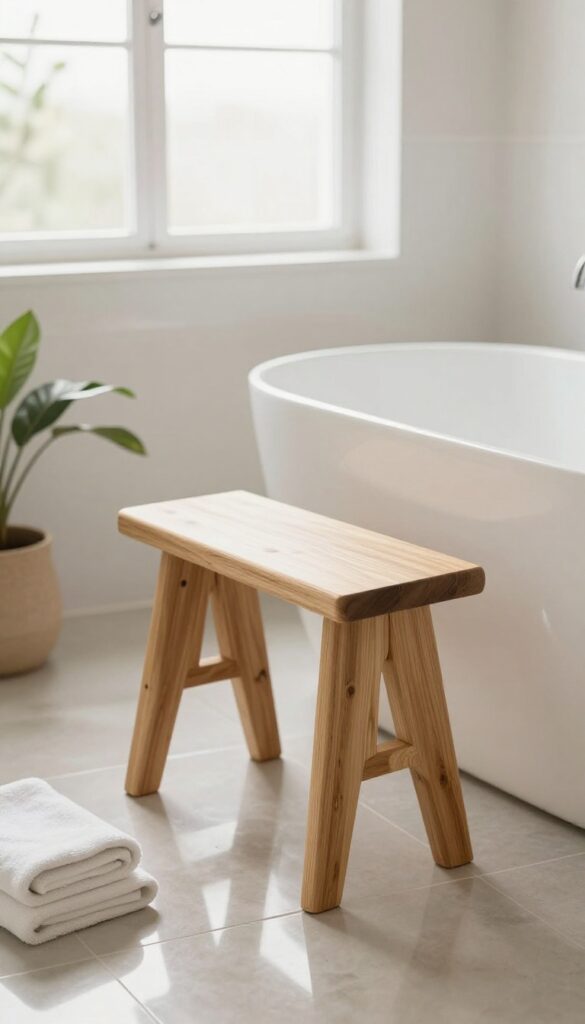
Bathrooms often feel cold because tile, porcelain, and glass dominate every surface. Adding wood introduces warmth that instantly balances those hard materials and makes the space feel grounded.
The first time I added a simple wooden stool beside a tub, it shocked me how much softer the room felt. Nothing else changed, yet the bathroom suddenly looked styled rather than purely functional.
Why This Works
Natural materials create psychological comfort because they connect indoor spaces with nature. Wood visually absorbs harshness from reflective surfaces like mirrors and tiles.
This contrast between smooth and organic textures creates balance without adding clutter.
How to Do It
- Add a small teak or bamboo stool near the shower or tub
- Use wooden trays to organize daily essentials
- Install floating wood shelves for towels
- Choose sealed or water-resistant finishes
- Keep wood tones consistent across pieces
Each addition should feel purposeful rather than decorative filler.
Style & Design Tips
Stick to lighter or medium wood tones for a true spa feel. Avoid overly dark or glossy finishes, which can make the bathroom feel heavy instead of calming.
Too many wood pieces also overwhelm small bathrooms, so limit yourself to two or three key elements.
Pro Tip or Budget Hack
Kitchen cutting boards make excellent spa trays when sealed with mineral oil. It’s a cheap swap that looks surprisingly high-end.
3. Decluttered Countertops with Hidden Storage
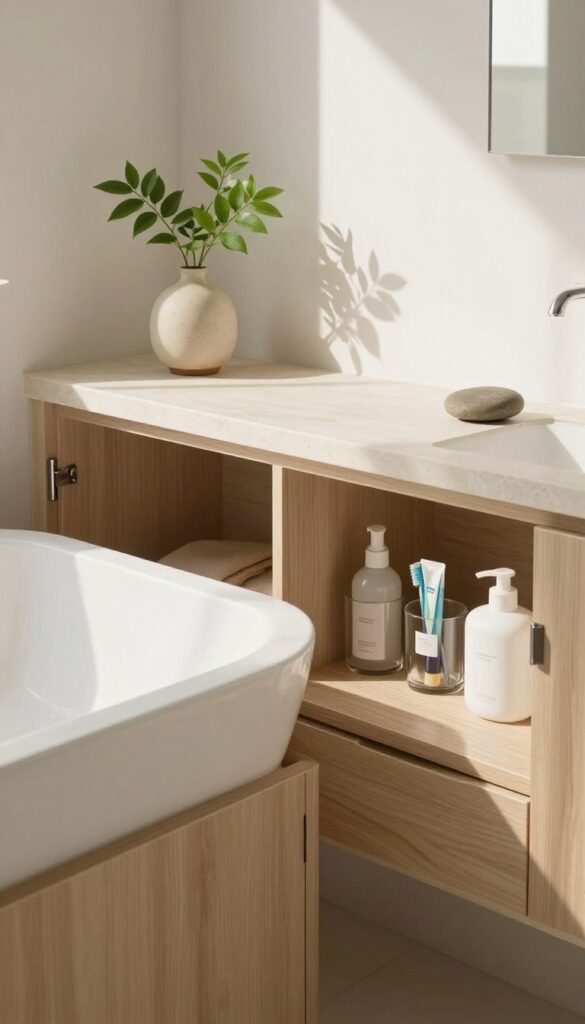
Clutter breaks relaxation faster than almost anything else. Even expensive bathrooms lose their spa vibe when toothpaste tubes, skincare bottles, and hair tools pile up in plain sight.
I used to think I needed more organizers until I realized I actually needed fewer visible items. Once I hid everyday products behind cabinet doors, the space finally felt calm.
Why This Works
Minimal visual surfaces reduce decision fatigue during routines. When counters stay mostly empty, the brain interprets the space as clean and controlled.
Spas rely heavily on concealed storage for exactly this reason.
How to Do It
- Remove everything from countertops first
- Return only daily essentials you truly use
- Use drawer dividers for small items
- Install cabinet organizers or stackable bins
- Store backups outside the bathroom entirely
The goal is accessibility without visibility.
Style & Design Tips
Choose containers in matching materials like glass or ceramic. Uniform storage looks intentional, while mixed plastic containers feel temporary.
Avoid overcrowding trays just because they look aesthetic online.
Pro Tip or Budget Hack
Use small kitchen jars or spice containers for cotton pads and bath salts. They cost less and look cleaner than specialty bathroom organizers.
4. Soft, Layered Lighting Instead of One Harsh Fixture
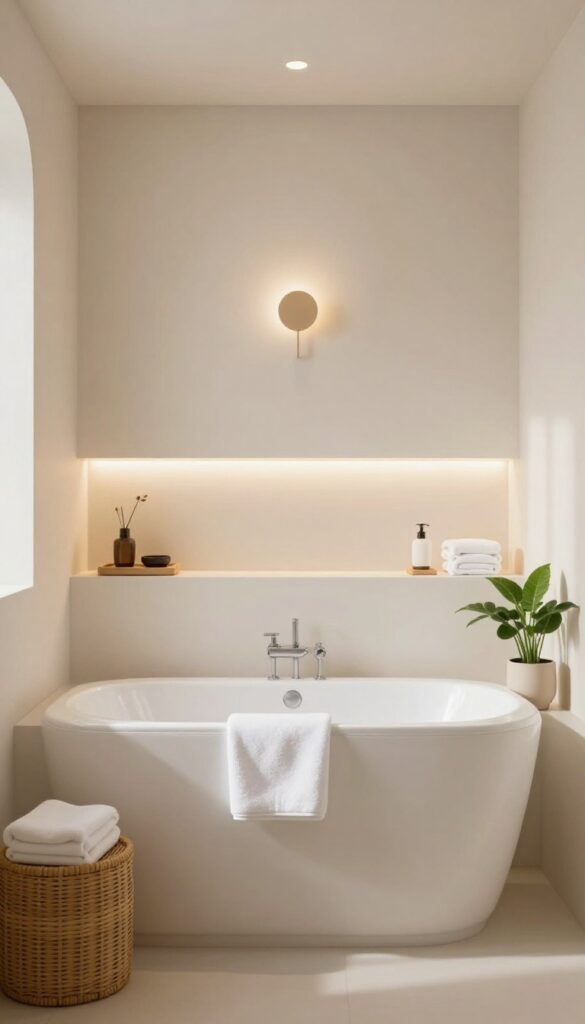
Overhead lighting alone makes bathrooms feel clinical and rushed. Strong direct light exaggerates shadows and creates an environment closer to a locker room than a spa.
I realized this after adding a small wall sconce beside the mirror. Suddenly evening routines felt slower and less exhausting without changing anything else.
Why This Works
Layered lighting allows different moods depending on the task. Soft secondary lighting reduces eye strain and signals relaxation to your brain.
Spas always combine ambient, task, and accent lighting for flexibility.
How to Do It
- Keep overhead lighting for functional tasks
- Add warm LED sconces near mirrors
- Use under-cabinet or shelf lighting for glow
- Choose bulbs around 2700K–3000K warmth
- Install dimmers if possible
Lighting variety creates control over the atmosphere.
Style & Design Tips
Avoid cool white bulbs because they feel sterile. Warm lighting instantly adds softness, even in modern bathrooms.
Symmetry around mirrors also improves visual balance.
Pro Tip or Budget Hack
Battery-powered puck lights inside shelves create a spa glow without electrical work.
5. Spa-Style Shower Upgrade with Minimal Changes
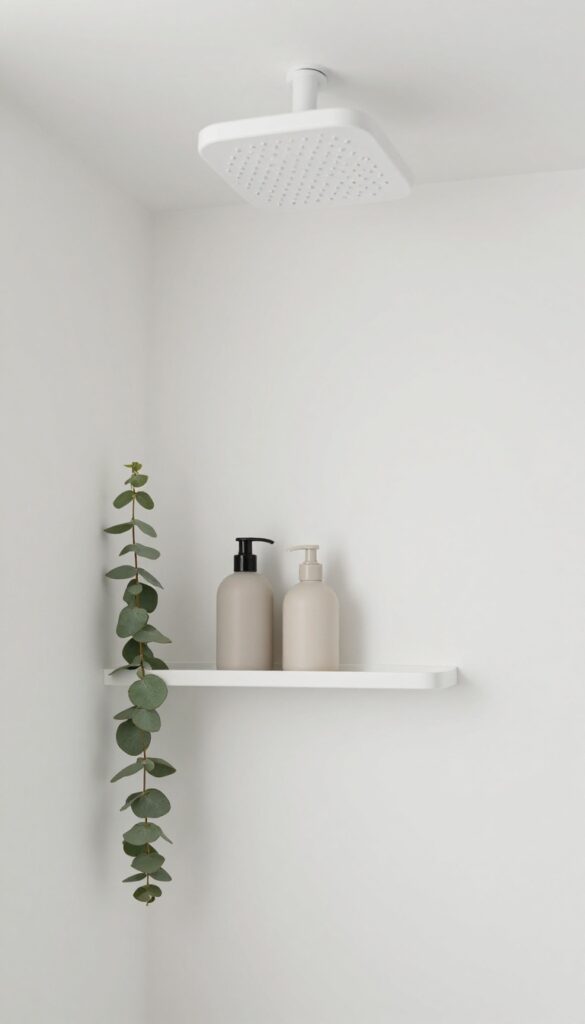
You don’t need a full renovation to make a shower feel luxurious. Small upgrades focused on comfort and simplicity deliver most of the experience at a fraction of the cost.
Switching to a rainfall showerhead once felt like an unnecessary upgrade to me, but it completely changed how relaxing showers felt afterward.
Why This Works
Water flow and sensory comfort influence relaxation more than tile design. A better shower experience turns routine hygiene into intentional downtime.
The brain associates consistent sensory experiences with calm habits.
How to Do It
- Replace standard showerhead with rainfall or high-pressure version
- Install a simple shower shelf or niche organizer
- Use matching refillable bottles for products
- Add a eucalyptus bundle occasionally
- Keep only essential products inside
Less visual clutter enhances the sensory experience.
Style & Design Tips
Stick to two or three product bottles maximum inside the shower. Too many colors instantly ruin the spa aesthetic.
Choose matte finishes instead of shiny chrome for a calmer look.
Pro Tip or Budget Hack
Use adhesive shower shelves instead of drilling tiles. Modern versions hold strong weight and save installation costs.
6. Plush Textiles That Feel Hotel-Level Comfortable
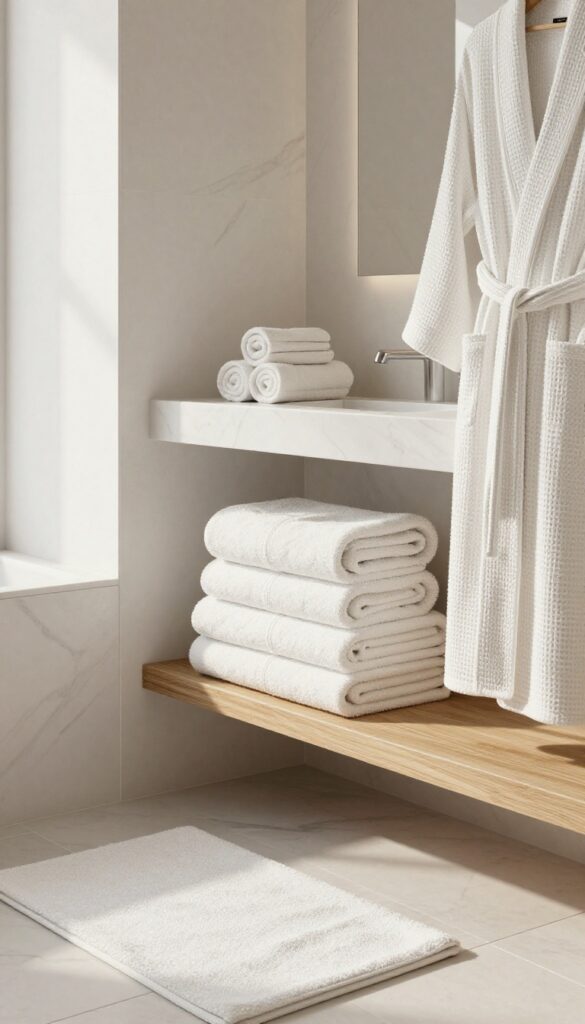
Thin towels quietly downgrade even the nicest bathroom. Texture plays a huge role in perceived luxury, and soft textiles immediately elevate comfort.
I replaced old towels once purely for aesthetics, but the difference in daily enjoyment surprised me more than expected.
Why This Works
Touch influences emotional response just as much as visuals. Soft, absorbent fabrics reinforce relaxation after showers or baths.
Spas invest heavily in textiles because comfort is memorable.
How to Do It
- Choose thick cotton or Turkish towels
- Stick to neutral tones for cohesion
- Add a waffle robe or bath wrap
- Layer a soft bath mat underfoot
- Replace worn towels regularly
Quality matters more than quantity here.
Style & Design Tips
Fold towels uniformly or roll them spa-style. Consistency creates luxury, even with affordable items.
Avoid overly bright colors that disrupt the calm palette.
Pro Tip or Budget Hack
Buy hotel-quality towels during seasonal sales rather than specialty spa brands. The quality difference is often minimal.
7. Indoor Plants for a Living, Fresh Atmosphere
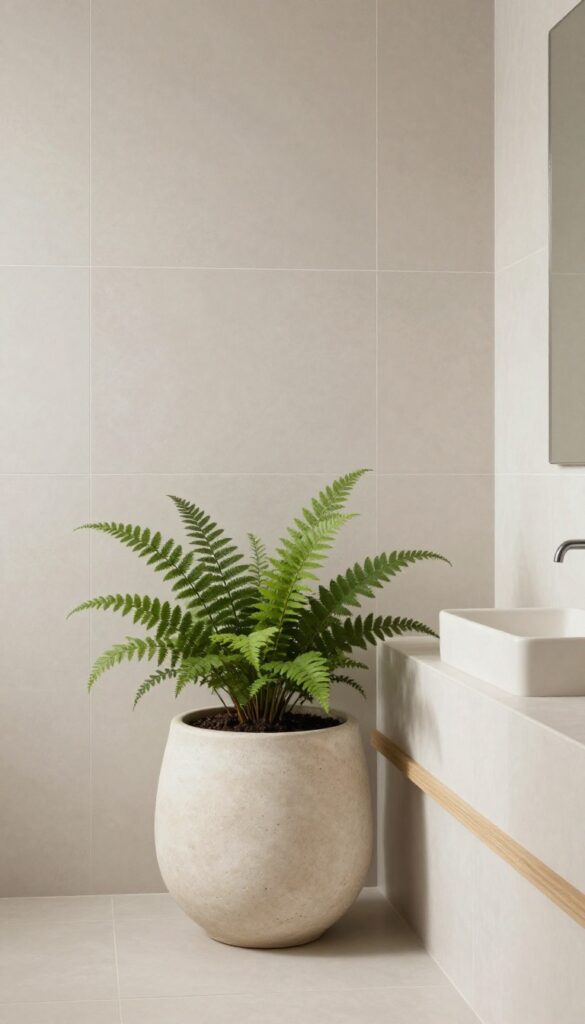
Bathrooms benefit from greenery because moisture naturally supports many plants. A single well-placed plant can soften hard edges and introduce life without adding clutter.
I once added a small fern just to fill an empty corner, and it instantly made the bathroom feel cared for rather than purely functional.
Why This Works
Plants reduce visual rigidity created by straight lines and hard materials. Organic shapes help spaces feel balanced and alive.
Humidity also helps many plants thrive with minimal effort.
How to Do It
- Choose low-light plants like pothos or snake plant
- Place plants near indirect light sources
- Use ceramic or stone planters
- Avoid overcrowding surfaces
- Rotate plants occasionally for even growth
Simple placement works better than elaborate arrangements.
Style & Design Tips
Stick with one or two plants only in small bathrooms. Too many turns the space into a greenhouse instead of a spa.
Neutral pots maintain visual calm.
Pro Tip or Budget Hack
Propagation cuttings from existing plants grow easily in water-filled glass jars.
8. Aromatherapy Without Overpowering Scents
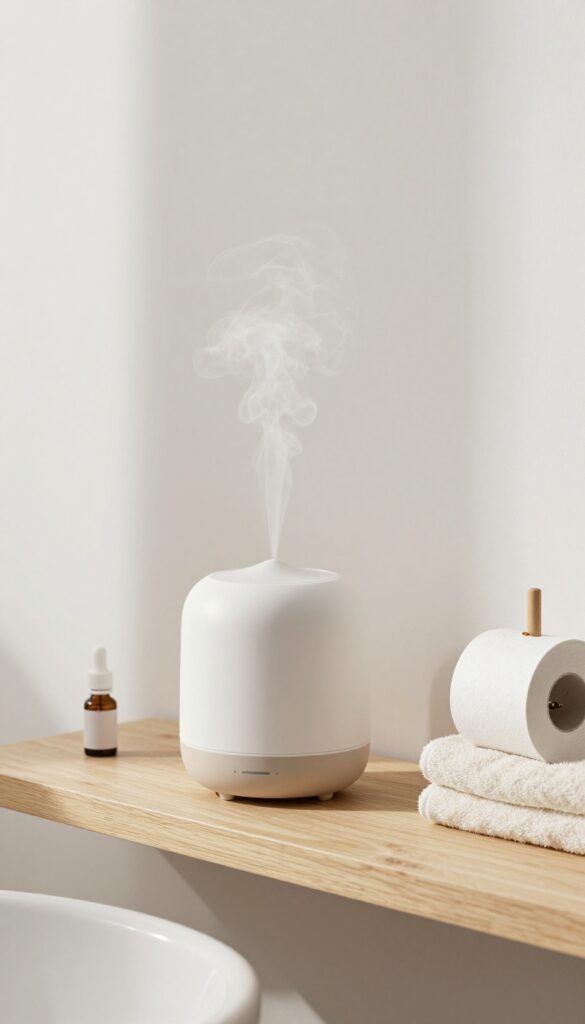
Strong artificial fragrances often feel overwhelming instead of relaxing. Subtle scent layering creates a calmer sensory experience that feels intentional rather than forced.
I used to rely on strong air fresheners until realizing they actually made the room feel busier mentally.
Why This Works
Gentle scents activate relaxation responses without overstimulation. Consistent subtle fragrance becomes associated with calm routines over time.
Spas use scent carefully rather than intensely.
How to Do It
- Use essential oil diffusers with mild blends
- Try lavender, eucalyptus, or sandalwood oils
- Keep scent sources limited to one area
- Refresh scents weekly instead of daily
- Avoid mixing multiple fragrances
Consistency prevents sensory overload.
Style & Design Tips
Choose diffusers that blend with décor instead of standing out. Minimal design keeps focus on experience, not the object.
Avoid synthetic scents that feel sharp or artificial.
Pro Tip or Budget Hack
Add a few drops of essential oil inside toilet paper rolls for subtle fragrance release.
9. Dedicated Relaxation Corner or Bath Ritual Space
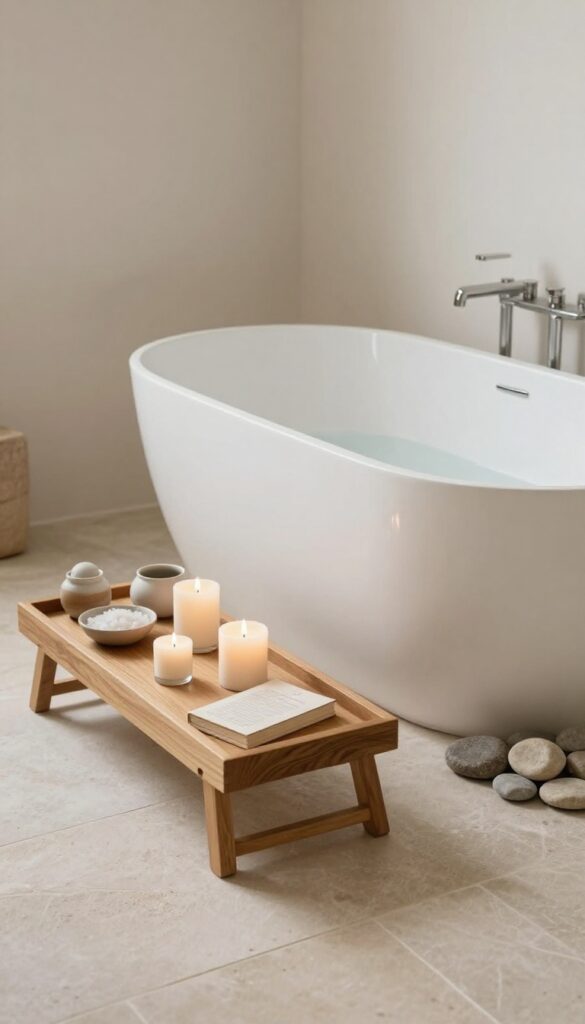
Most bathrooms lack a defined moment for slowing down. Creating a small ritual zone encourages intentional relaxation rather than rushed routines.
I added a simple tray beside the tub once, and it subtly changed how often I actually took time to unwind.
Why This Works
Designated zones influence behavior automatically. When a space signals relaxation, you’re more likely to pause instead of rushing through routines.
Environmental cues shape habits more than motivation does.
How to Do It
- Add a bath tray or small stool beside the tub
- Keep candles, a book, or bath salts nearby
- Store items neatly after each use
- Use washable materials only
- Maintain simplicity to avoid clutter
The setup should invite use without requiring effort.
Style & Design Tips
Limit accessories to essentials only. Negative space enhances calm, while overstyling creates distraction.
Stick with cohesive materials like wood, stone, or ceramic.
Pro Tip or Budget Hack
A simple wooden breakfast tray works perfectly as a bath tray and costs far less than specialty versions.
Final Thoughts
Calm bathrooms rarely come from expensive renovations or dramatic design changes. Most transformation happens through small decisions repeated consistently across materials, lighting, and organization.
Start with one idea that feels easiest and build slowly from there. The goal isn’t perfection but creating a space that quietly supports relaxation every single day.